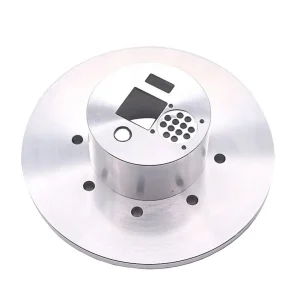
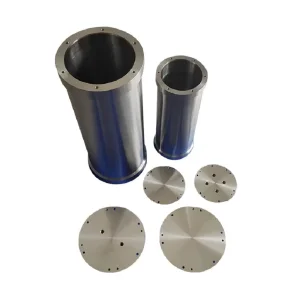
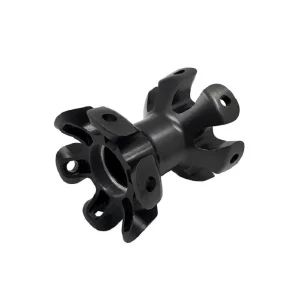
Explore our premium grade metal casted and non-standard CNC machined parts engineered to custom industrial specifications.
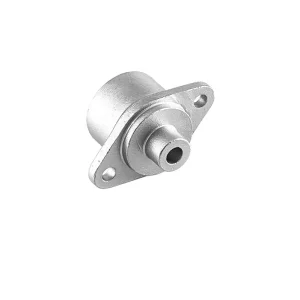
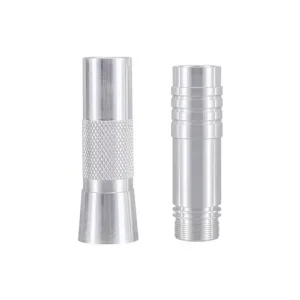
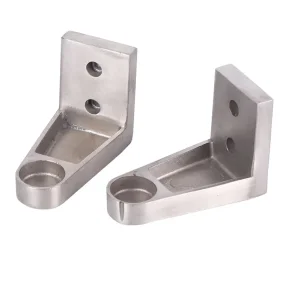
Founded in the industrial hub of southern China, Dongguan SX Technology Co., Ltd. has established itself as an engineering-driven manufacturer specializing in complex Swiss precision machining, multi-axis CNC milling, and high-fidelity investment casting. Our cross-disciplinary manufacturing capability bridges the gap between raw metallurgical science and refined post-machining execution.
Our operational framework focuses on delivering micron-level tolerances for mission-critical components deployed across demanding industries, including offshore marine exploration, aerospace components, clinical healthcare instrumentation, high-performance automotive drivetrains, and smart home industrial assemblies. By pairing high-mix, low-volume flexibility with automated high-volume production structures, we satisfy the rigorous demands of global supply chains.
Understanding how Swiss-type CNC machining and multi-axis turn-mill configurations resolve complex engineering geometry.
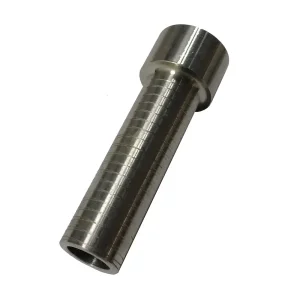
Unlike conventional fixed-headstock CNC turning systems, our Swiss-style lathes feed raw stock through a guide bushing close to the cutting tool. This minimizes deflection, enabling the production of long, slender shafts and micro-components with ultra-high aspect ratios while maintaining tight concentricity.
Our dual-spindle CNC turn-mill composite solutions perform secondary processes—including offset milling, angular cross-drilling, back-boring, and gear hobbing—in a single, automated setup. Eliminating part re-fixturing eliminates structural errors and drives down unit cycle time.
We are equipped to machine high-strength, hard-to-cut superalloys. Our technicians run optimized tool-path strategies for Titanium alloys (Grade 5, Ti-6Al-4V ELI), hard carbide inserts, nickel-based superalloys, and surgical-grade stainless steels (17-4 PH, 316L).
Comprehensive metallurgical knowledge ensures our components handle aggressive tensile stress and harsh environments.
| Material Category | Common Standard Grades | Critical Machining Parameters | Ideal Application Environment |
|---|---|---|---|
| Titanium Alloys | Grade 5 (Ti-6Al-4V), Grade 23 (ELI), Ti-6-2-4-2 | Low cutting speed (30-60 m/min), high coolant pressure, carbide inserts. | Deep-sea exploration hulls, mountain bike hardware, orthopedic implants. |
| Stainless Steel | SS316L, 17-4 PH (AISI 630), Duplex 2205 | Rigid setups to combat work hardening, chip-breaker geometries. | Marine valve bodies, chemical transport pumps, outdoor electronic chassis. |
| Cobalt & Tool Steels | Co-Cr-Mo, D2, H13, Tungsten Carbide matrix | Reinforced tool holder systems, CBN (Cubic Boron Nitride) tooling. | Heavy-duty extrusion dies, high-wear industrial gear assemblies. |
| Lightweight Alloys | Al7075-T6, Al6061-T6, C36000 Brass, Copper | High spindle speeds (up to 20,000 RPM), high feed rate, PCD tooling. | Smart home sensors, lightweight drone structures, RF housings. |
Why Tier-1 global industrial companies choose Dongguan SX Technology for OEM/ODM precision components.
Dongguan functions as a highly concentrated precision engineering ecosystem. Operating here allows us to source raw materials, execute secondary chemical treatments (e.g., passivation, electropolishing, anodizing, and DLC coatings), and access custom packaging systems within a 20-mile radius. This saves lead time and reduces domestic logistics costs.
Additionally, we combine two distinct specialties in-house: Investment Casting (Lost-Wax Casting) and Post-Cast CNC Machining. Many machine shops must outsource castings, which increases raw part tolerances and introduces supply chain risks. We control the process from pouring raw molten stainless steel to finish-turning on Swiss machines, offering our customers a single point of accountability.
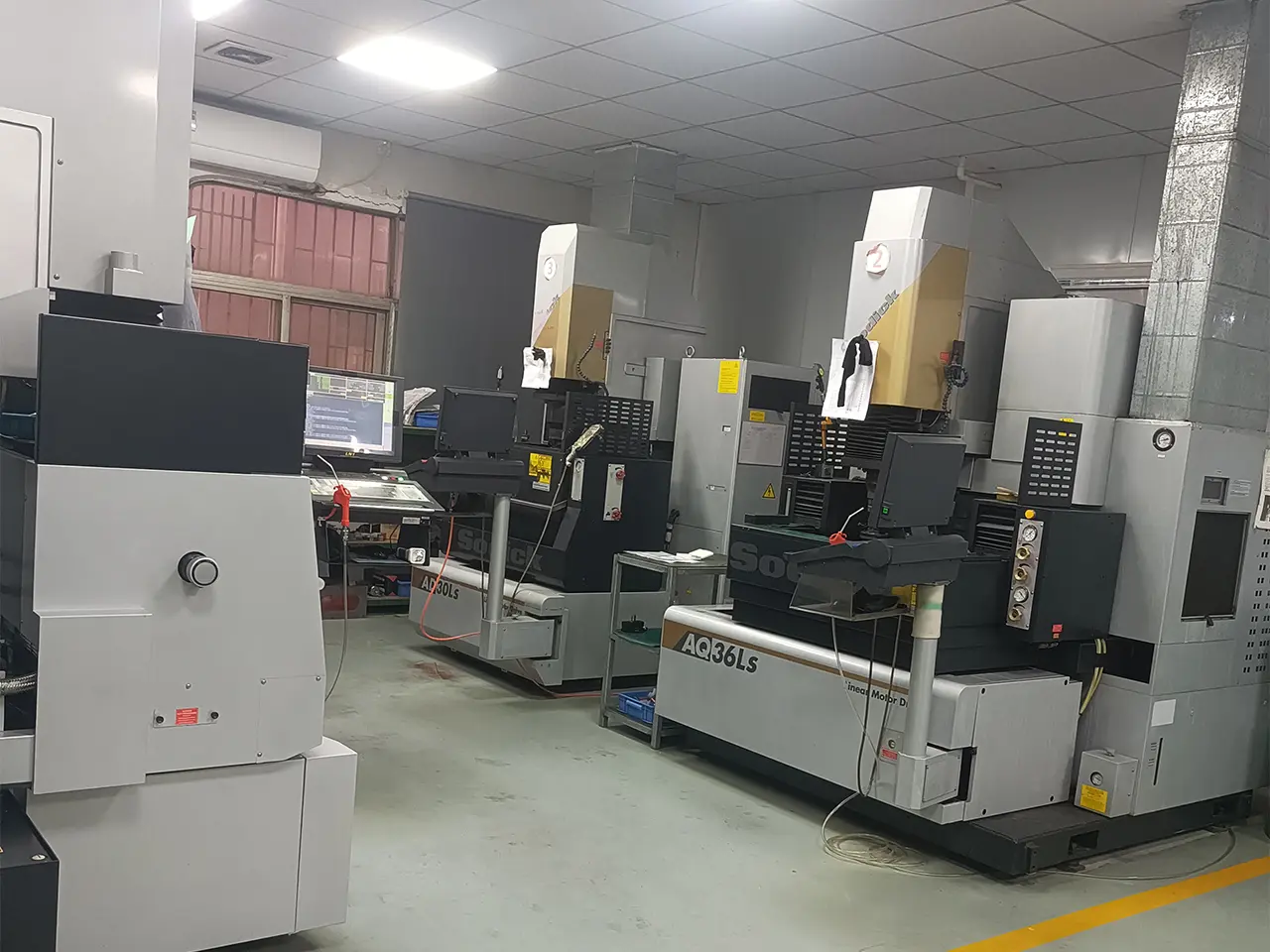
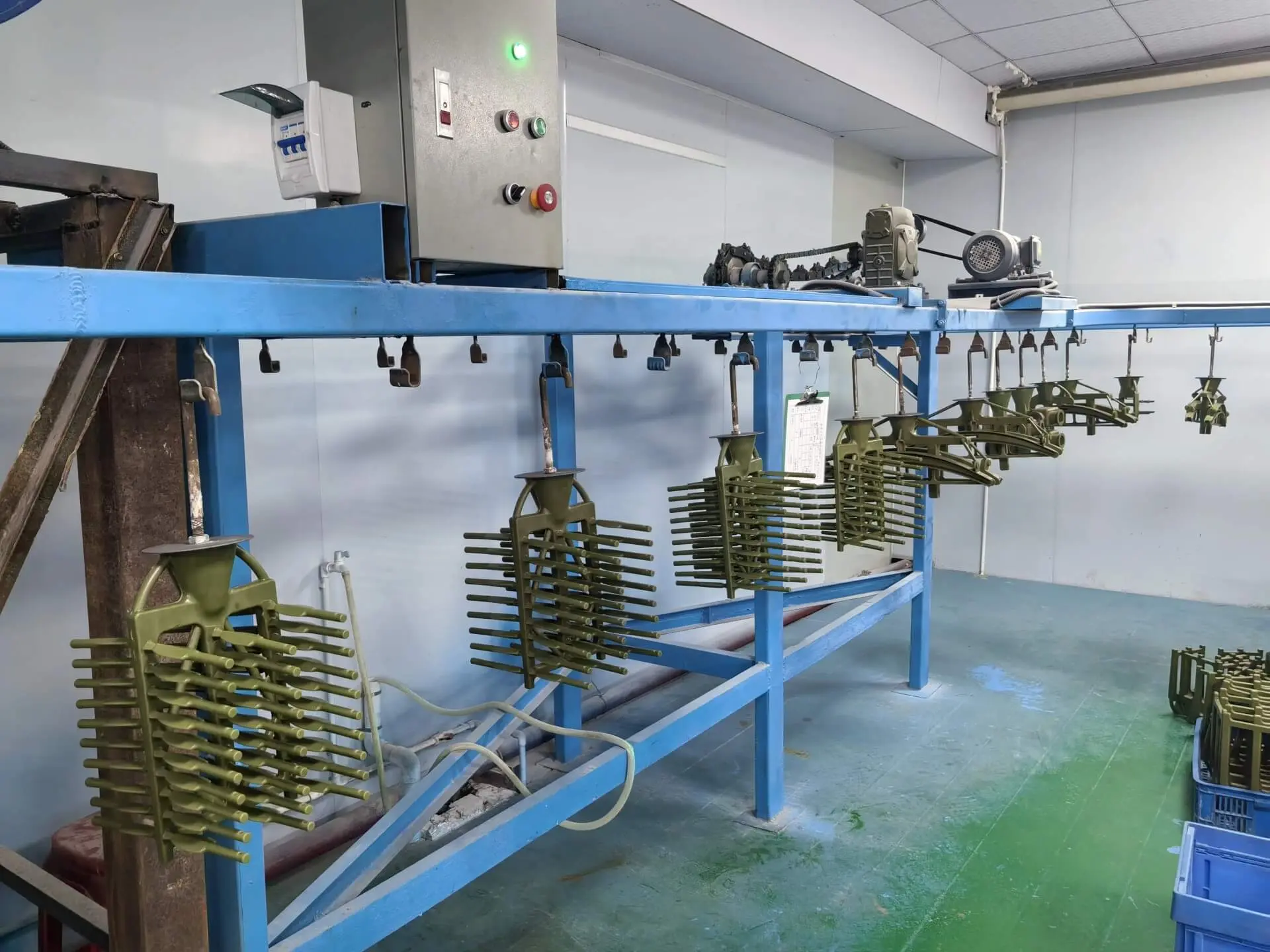
A closer look at our high-speed milling lines, precision turning centers, and investment casting foundry.
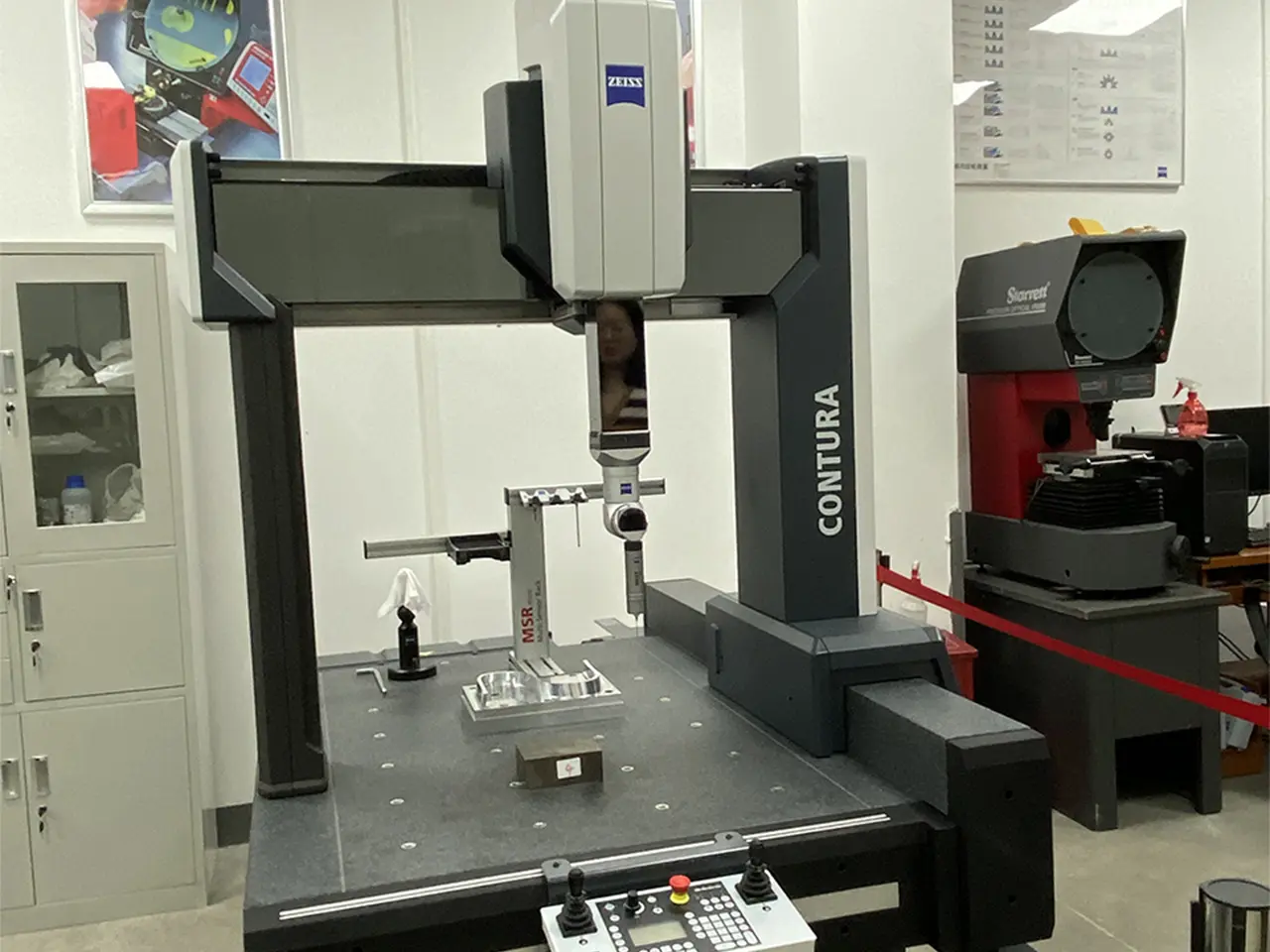
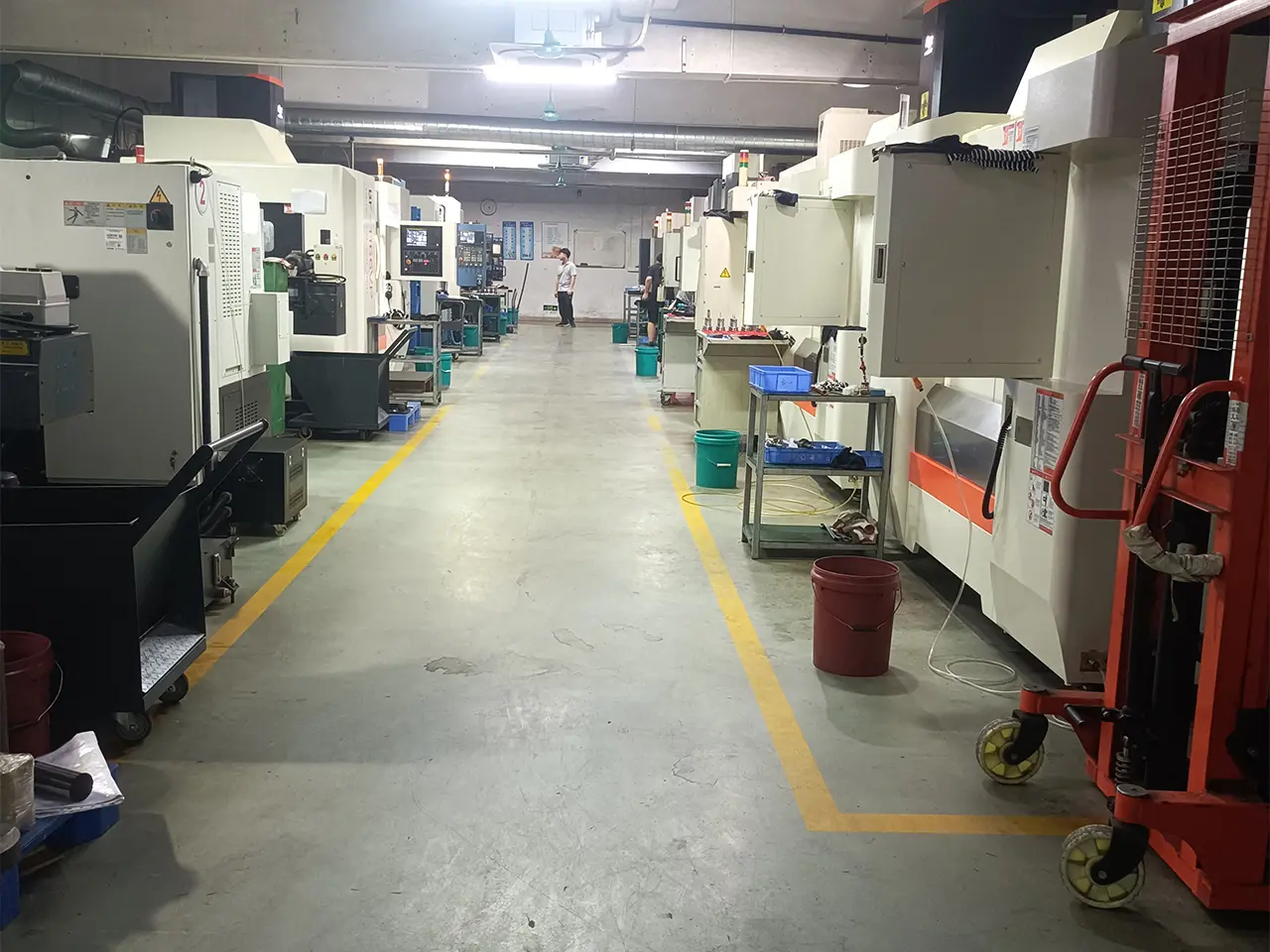
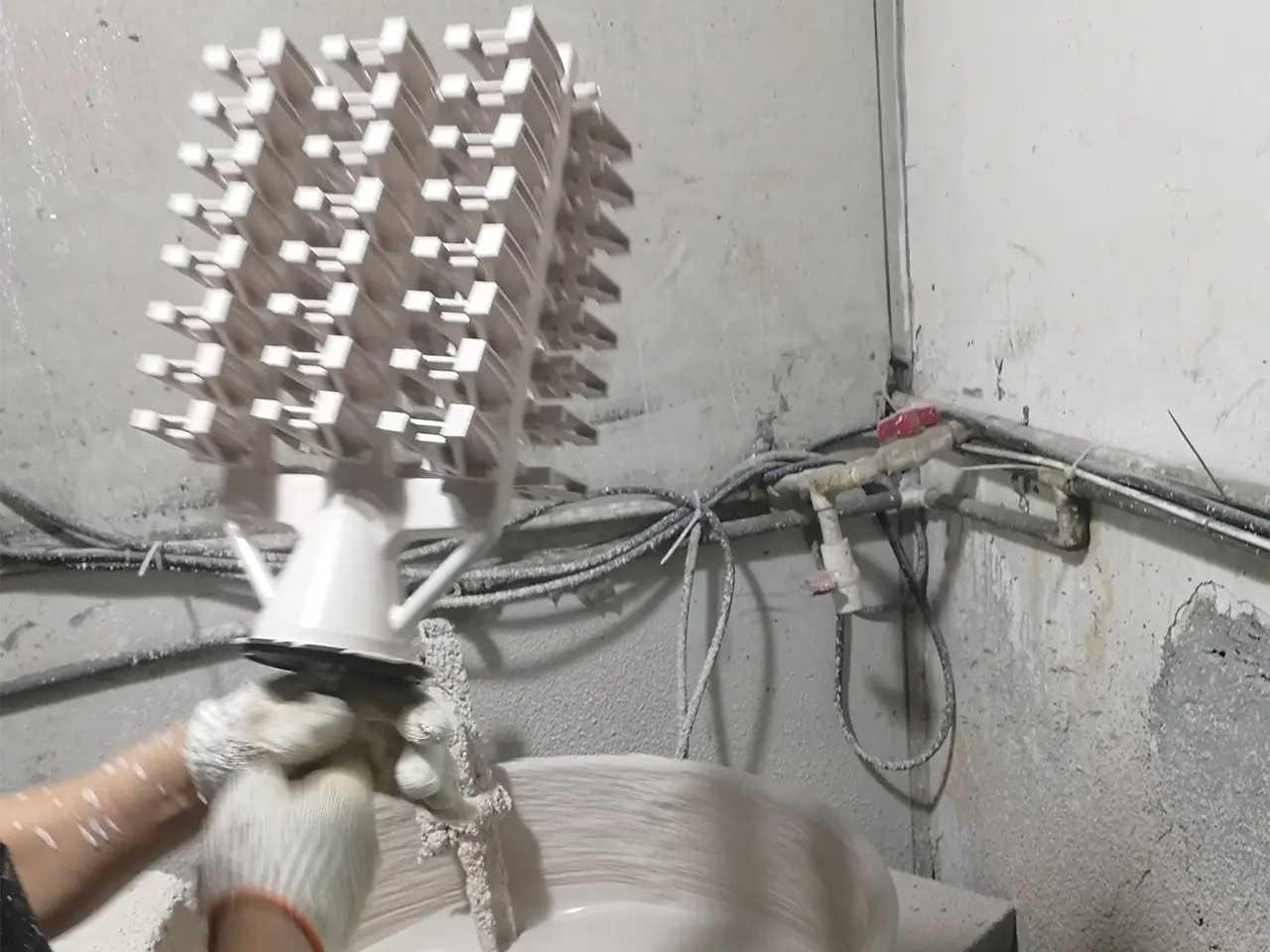
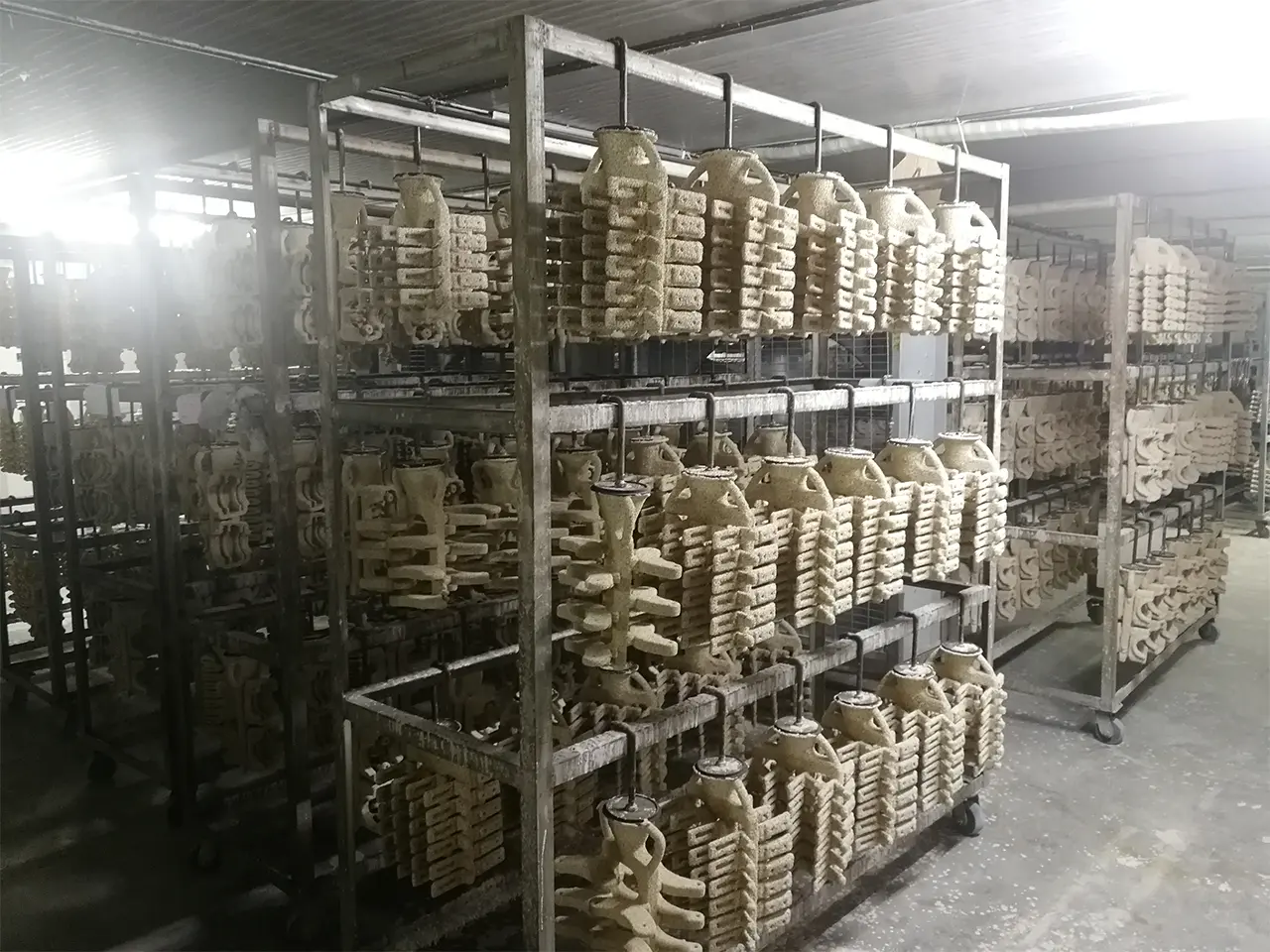
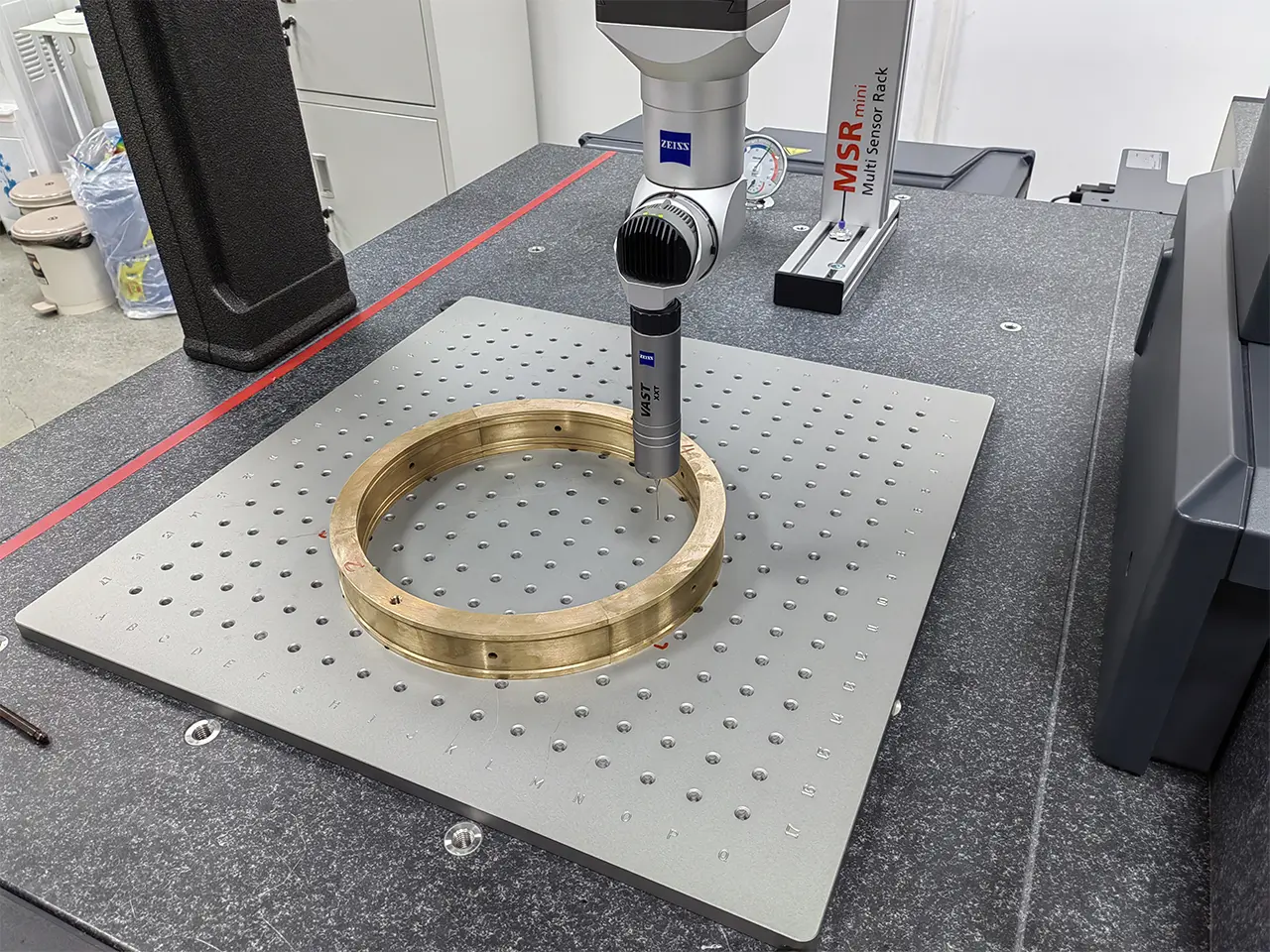
For us, quality is a measurable engineering parameter, not just a marketing claim. Our metrology laboratory operates calibrated testing equipment that handles dimensional, geometrical, and chemical analysis. Every material batch we run is fully traceable to its raw ladle analysis, backed by EN 10204 3.1 certification.
We work to strict dimensional and geometrical tolerances (GD&T) based on client specifications. We use SPC (Statistical Process Control) to track process capability indexes (Cpk/Ppk), ensuring our production stays stable across multi-thousand-part production runs.
Providing high-precision components designed to meet strict performance requirements across key industries.
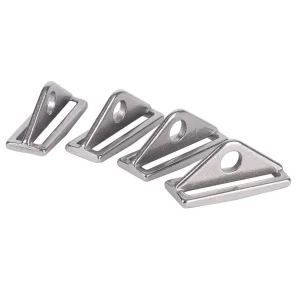
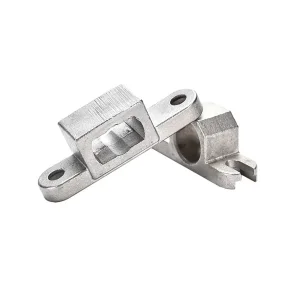
Providing high-yield, aesthetically finished, and dimensionally consistent components for consumer appliances, locking systems, and sensor brackets. We balance appearance requirements with high-volume production efficiency.
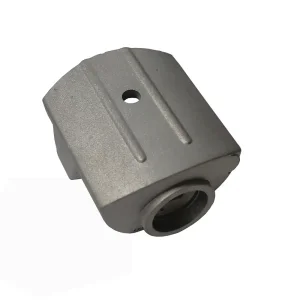
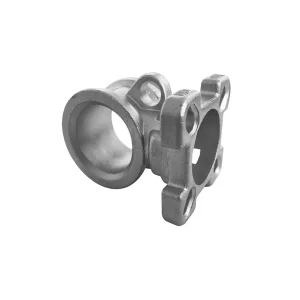
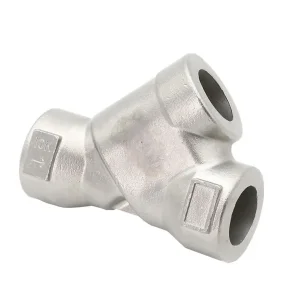
Machined cast housings and flow-control valves built from SS316L and duplex stainless steels to handle corrosive liquids, high temperatures, and cyclical pressures in chemical and HVAC systems.
We work with corrosion-resistant titanium alloys to produce subsea pressure hulls, connector shells, and structural mounts that withstand extreme hydrostatic pressures.
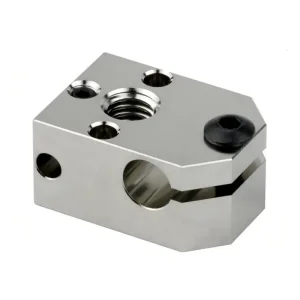
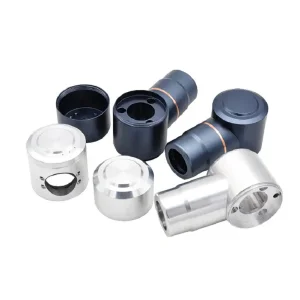
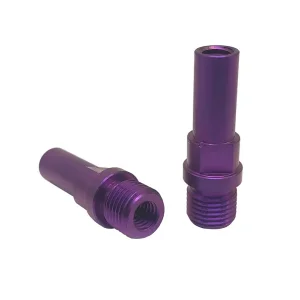
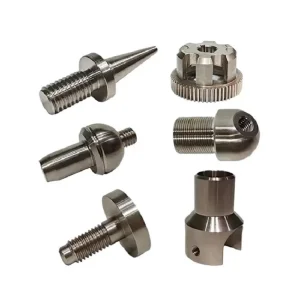
Premium CNC machined and turn-mill components manufactured to rigorous engineering designs.
Understanding shifting supply chain dynamics, precision requirements, and strategic sourcing strategies.
Global procurement teams are moving away from machining components entirely from solid bar stock. Machining away 80% of a raw block creates material waste and increases machine wear. The preferred approach is transitioning to near-net-shape investment castings, followed by critical-surface CNC machining. This method preserves material and achieves high dimensional accuracy for key mating features.
Modern supply chain managers balance cost efficiency with risk mitigation. By partnering with a single, integrated source like Dongguan SX Technology—which manages casting, machining, heat treatment, and surface finishing under one roof—procurement teams minimize international shipping transit points, simplify customs documentation, and prevent quality disputes between different vendors.
For critical assemblies in aerospace and deep-sea projects, receiving physical components is no longer enough. Quality engineers require comprehensive, digital verification packages. We support this by providing detailed quality documentation, including raw mill test reports, coordinate measurement scan maps, and non-destructive testing reports (NDT like Dye Penetrant or Radiography) to ensure internal integrity.
With product life cycles shrinking, engineering teams need fast design verification. Our dedicated rapid-response prototyping team works directly from customer 3D CAD files (STEP, IGES, Parasolid) to deliver first-article prototypes within 7 to 10 working days, helping clients accelerate their time-to-market.
Get answers to common technical, metallurgical, and logistical questions about our manufacturing services.
 SX Machining