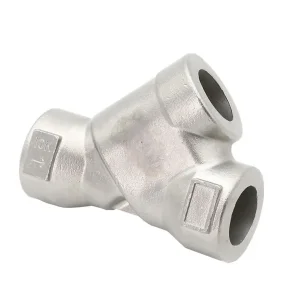
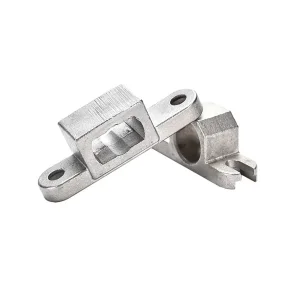
Premium quality lost wax castings customized to meet the strict technical standards of the Greater Bangkok Area and EEC Industrial Hubs
The Greater Bangkok Area, integrated with the Eastern Economic Corridor (EEC) including Chonburi, Rayong, and Chachoengsao, stands as the manufacturing heart of Southeast Asia. Often dubbed the "Detroit of the East," Thailand's automotive hub, centered near Bangkok, has expanded dramatically into electric vehicles (EVs), electronics, marine transport, and heavy machinery. As companies in Bangkok, Samut Prakan, and Pathum Thani modernize their operations, the demand for complex, net-shape metal components has surged. Traditionally reliant on sand casting or heavy CNC machining from billet, modern Bangkok OEMs are shifting to precision investment casting (lost wax casting) to reduce component weight, eliminate material waste, and achieve superior surface finishes.
Investment casting provides unparalleled design freedom, allowing manufacturers to integrate multiple parts into a single complex geometry. In Bangkok's competitive automotive and transit sectors, this translates to reduced assembly times, eliminated leak points, and lower shipping weights. Furthermore, the tropical climate and maritime access of Bangkok highlight the necessity of corrosion-resistant alloys, placing marine-grade stainless steels (such as CF8M and 316L) and specialized carbon steels at the top of the engineering requirements for local procurement departments.
Information Gain Insight: Unlike basic casting operations, advanced investment casting utilizes colloidal silica binders and high-purity zircon sands to form refractory molds. This achieves dimensional tolerances of ISO 8062-3 DCTG4 to DCTG6 and surface roughness of Ra 3.2 to 6.3 μm, minimizing secondary milling and boring operations for busy manufacturing lines in Samut Prakan and Pathum Thani.
Understanding how investment cast components fit into local industries is essential for engineering procurement. Below are the key sectors in the Bangkok region that rely heavily on precision lost wax castings:
Dongguan SX Technology Co., Ltd has rich, long-term experience in precision casting, CNC machining, and comprehensive components assembly. Our high-precision cast parts and assemblies are widely integrated across global industrial markets, serving sectors such as heavy machinery, automobiles, marine engineering, flow control valves and pumps, electronic appliances, packaging equipment, construction, and petrochemicals.
The most commonly utilized alloys in our investment casting division include premium stainless steel (e.g., SUS304, SUS316, SUS316L, 17-4 PH) and highly durable carbon steels. Additionally, our multi-axis CNC machining division works extensively with high-performance metals including titanium alloys, aluminum alloys, copper-based alloys, and cemented carbides.
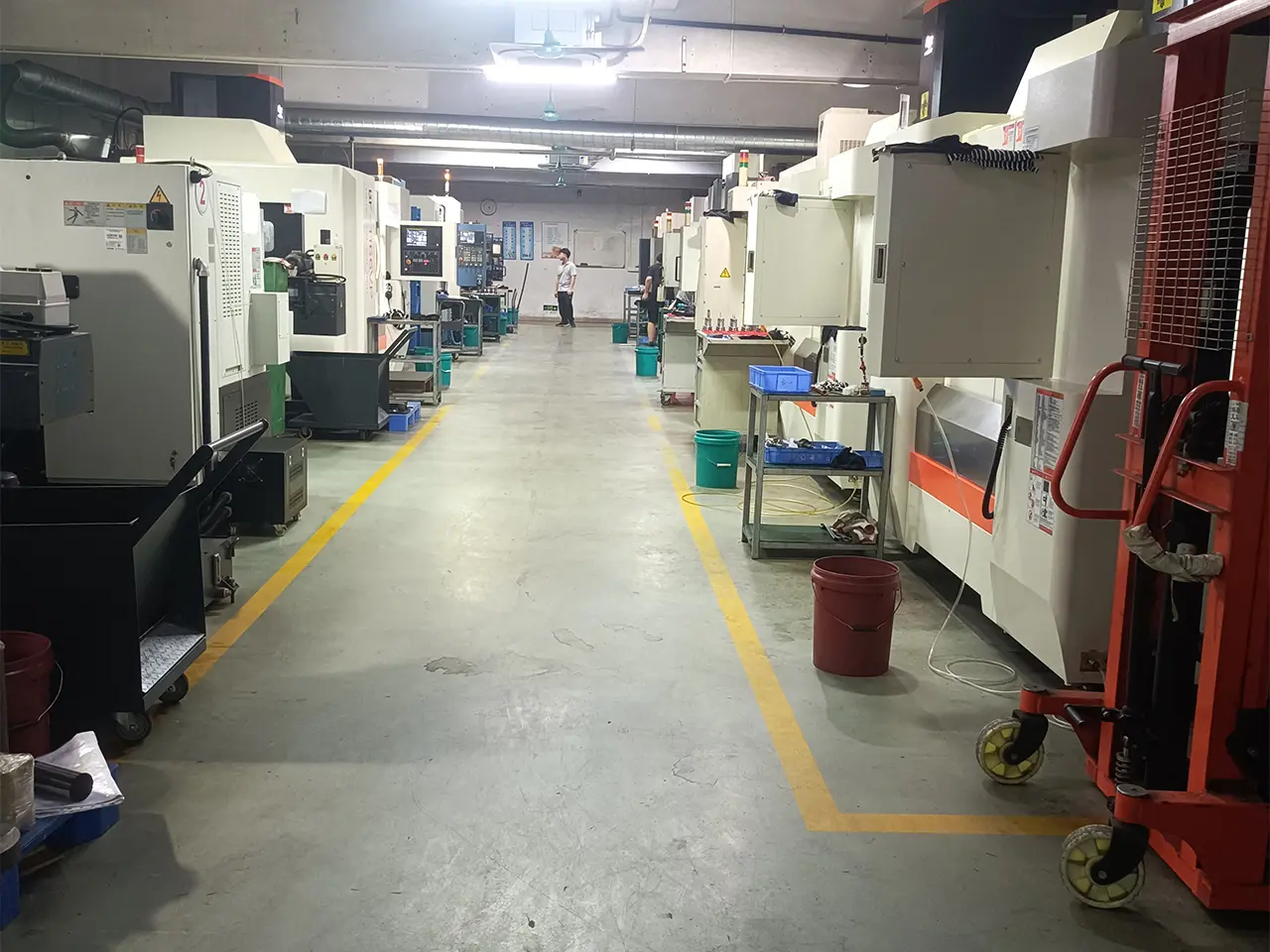
Equipped with state-of-the-art wax injection lines, continuous sintering furnaces, and advanced 4-axis and 5-axis CNC machining centers, we respond quickly to customized OEM drawings and specifications, delivering parts ready for final assembly.
Achieving defect-free investment castings requires a rigorous, digitized process from design validation to final shipping. At Dongguan SX Technology Co., Ltd, we employ a modern technological roadmap that optimizes every stage of the lost-wax casting cycle:
We analyze the customer's 3D CAD models using solidification simulation software (like Magmasoft) to predict thermal stress, shrink cavities, and gas entrapment. This determines the optimal gate, runner, and riser placement before mold fabrication begins.
High-accuracy aluminum molds are CNC-machined to inject wax patterns. These wax patterns are assembled onto a central sprue to form a casting tree. For prototype runs, we can utilize 3D printed PMMA or wax patterns, bypassing hard tooling costs and speeding up engineering tests in Bangkok.
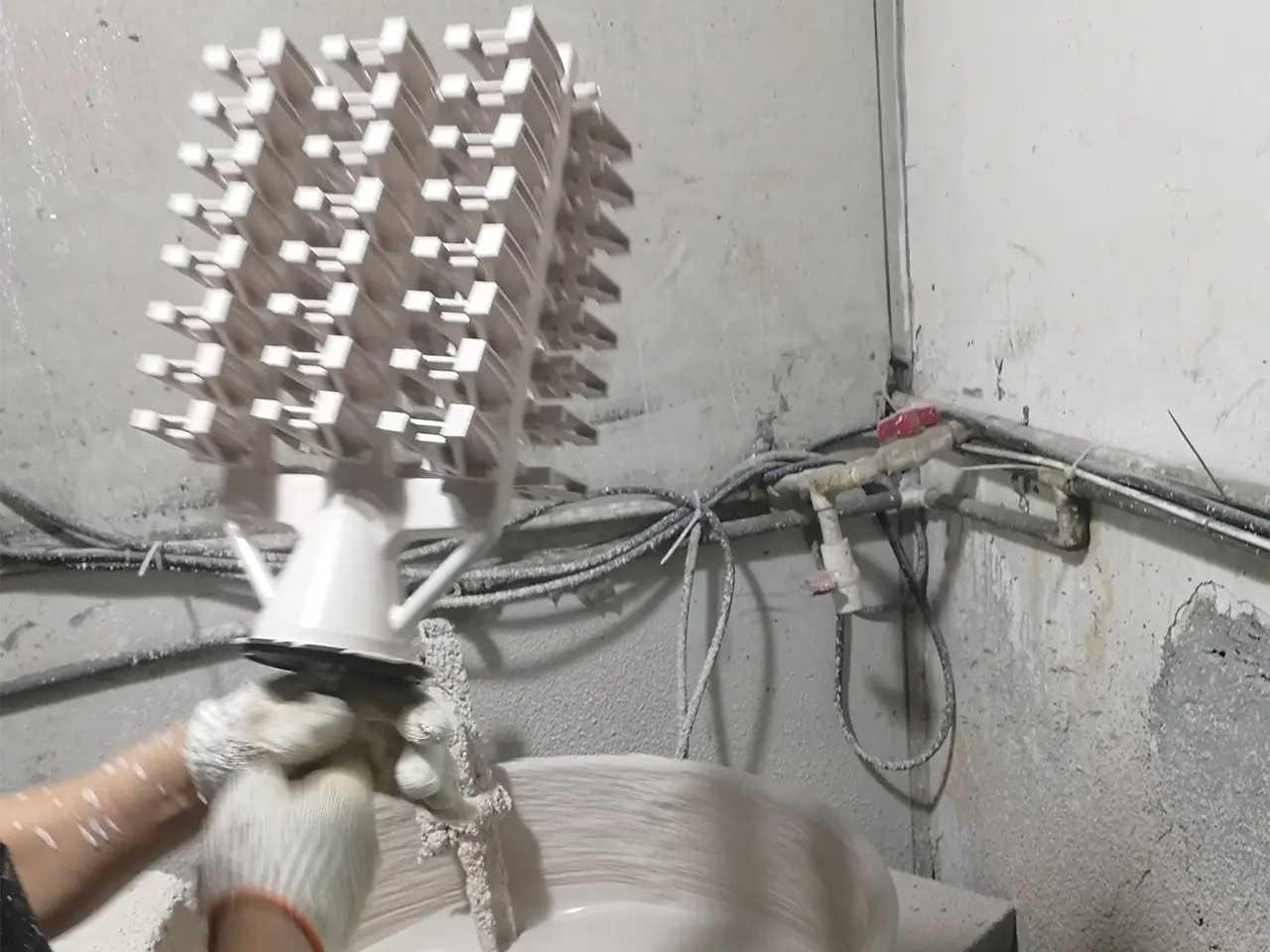
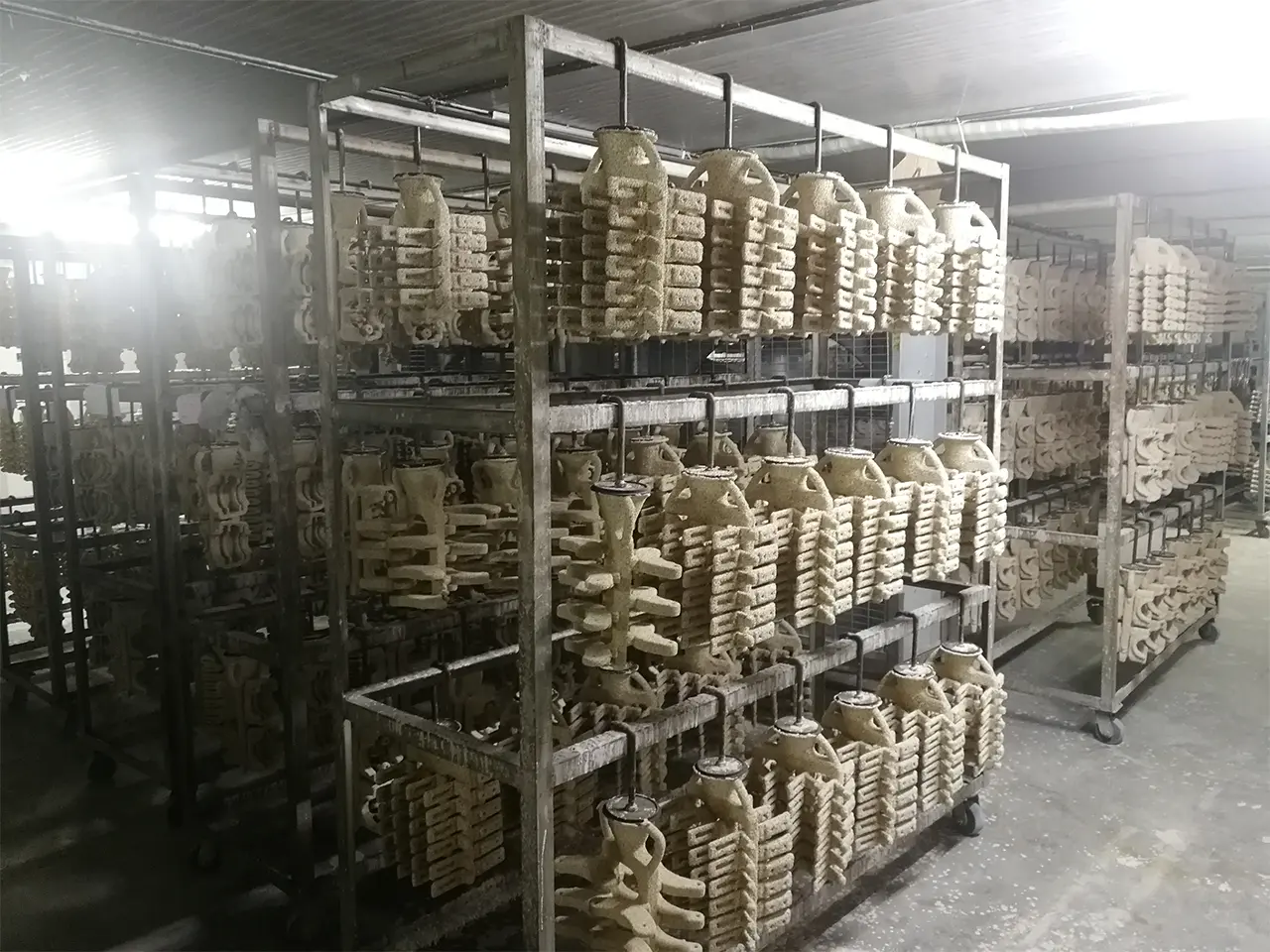
The wax tree is repeatedly dipped into a colloidal silica slurry and coated with fine zircon sand, creating a hard ceramic refractory shell. The tree is then placed in a high-pressure steam autoclave, where the wax is melted out, leaving behind a hollow ceramic mold.
The empty ceramic shell is preheated in a furnace to approximately 1000°C to burn off trace wax and strengthen the shell. Molten stainless steel or carbon steel, melted in induction furnaces, is immediately poured into the preheated shell. Preheating prevents thermal shock, ensuring details fill correctly.
Once cooled, the ceramic shell is vibrated off the steel parts. Individual castings are cut away from the sprue and ground clean. Depending on the material, parts undergo annealing, normalizing, quenching, or tempering to refine grain structure and meet targeted mechanical requirements.
For functional surfaces, casting tolerances are enhanced via precision CNC machining. The components are then electropolished, sandblasted, or passivated with nitric/citric acid baths to remove free iron, critical for marine hardware destined for the Bangkok coastline.
Continuous investment in automated production equipment and rigorous testing procedures ensures that all casting and machining parameters remain consistent batch-to-batch
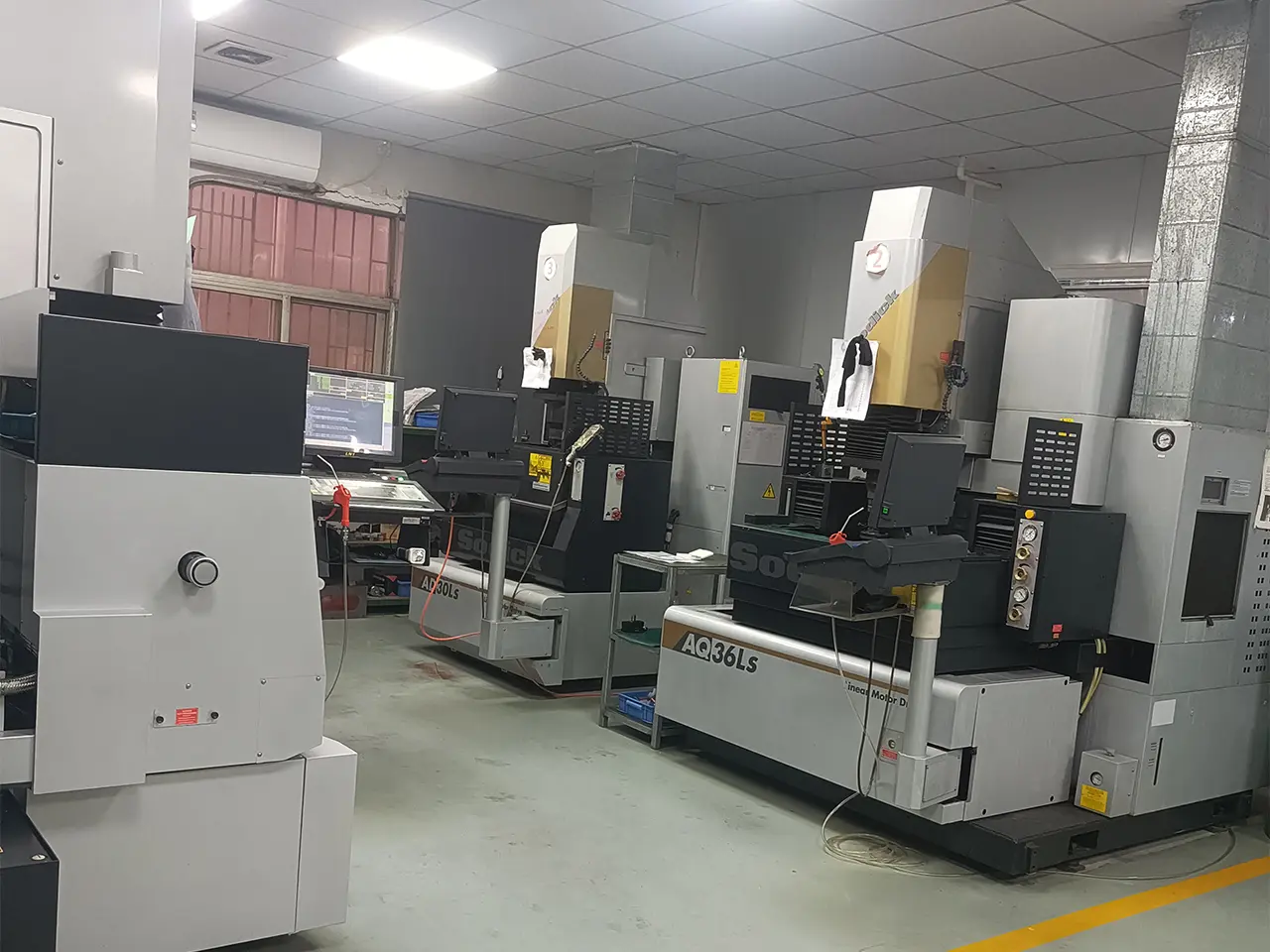
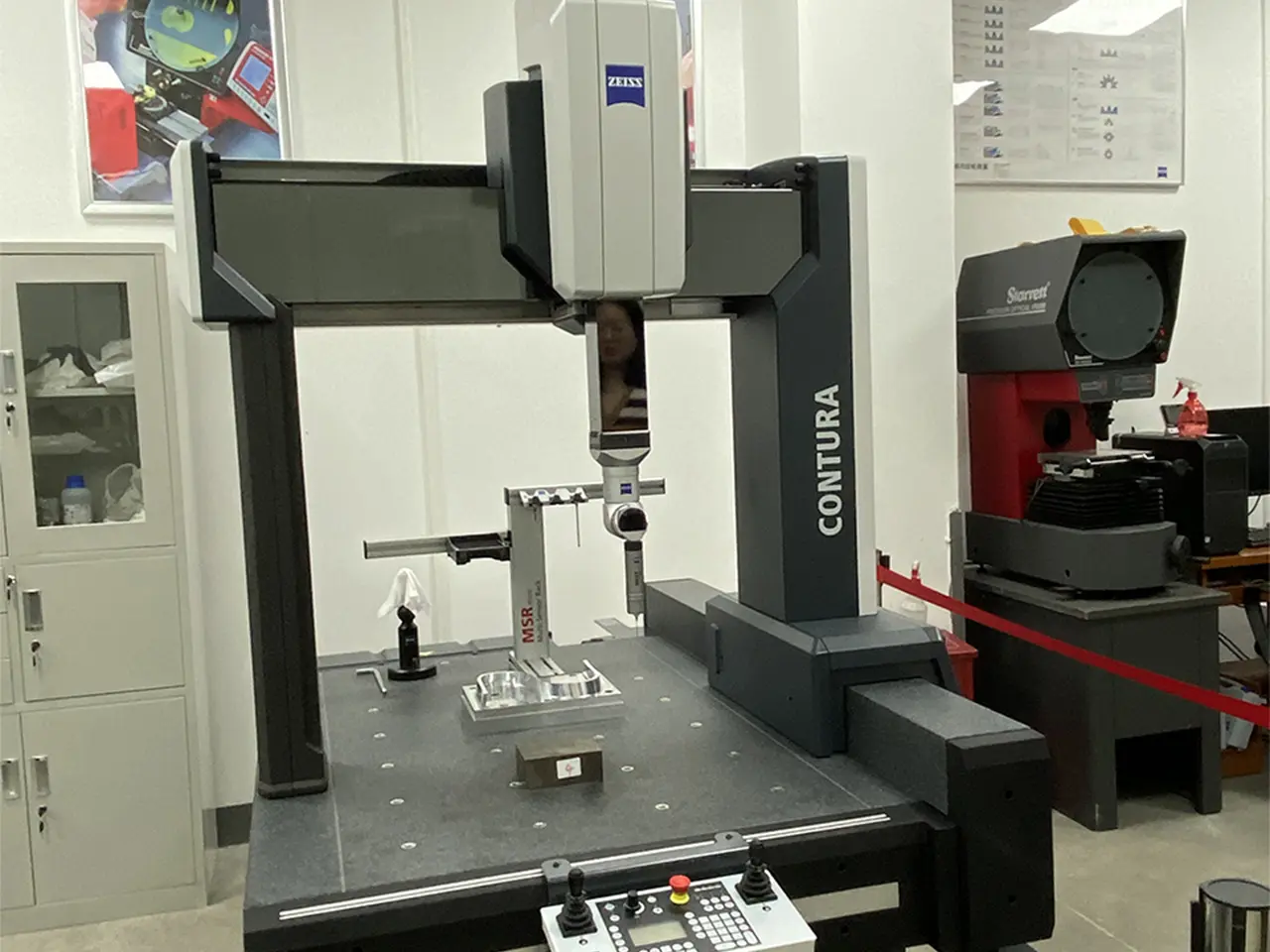
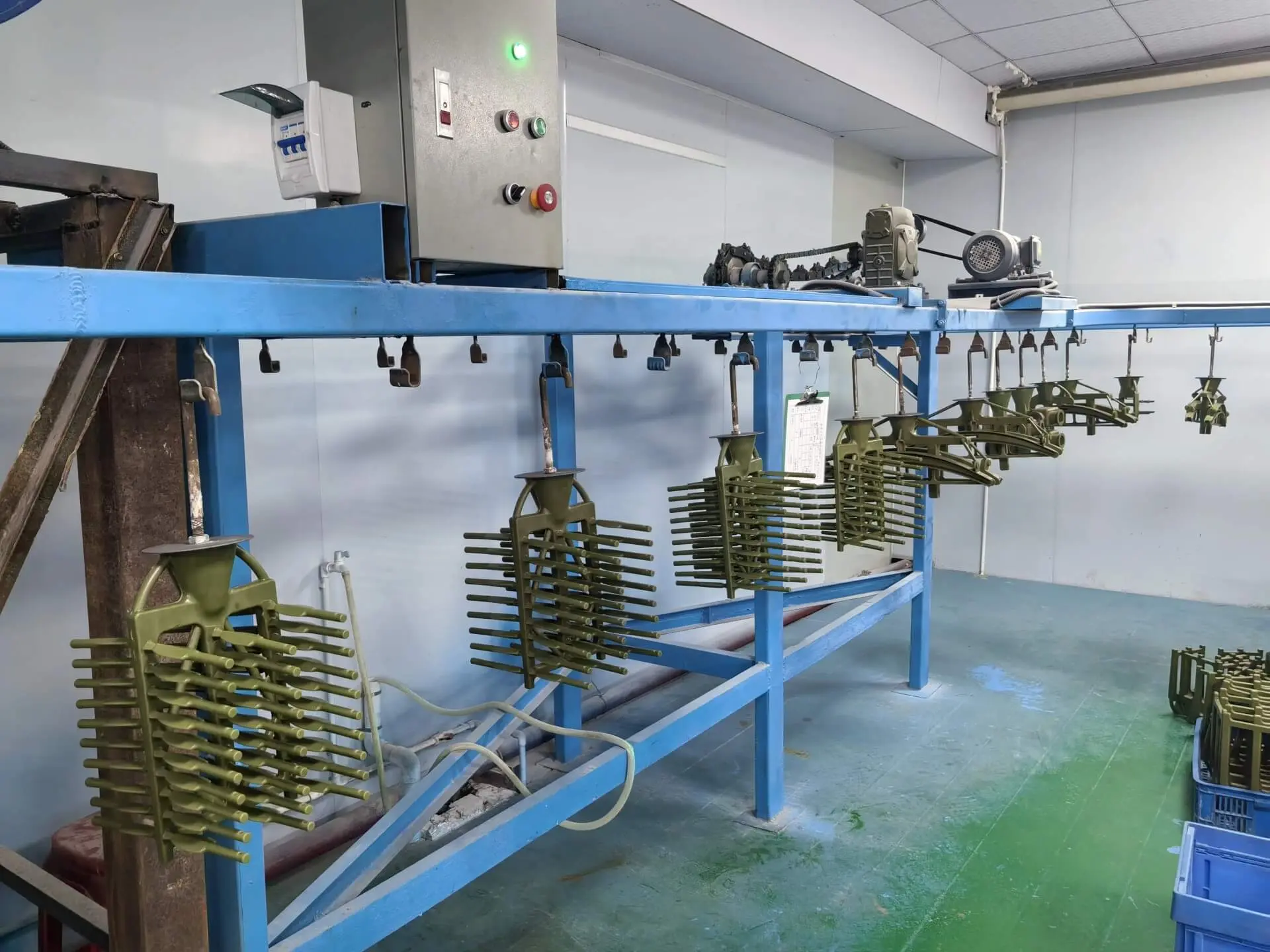
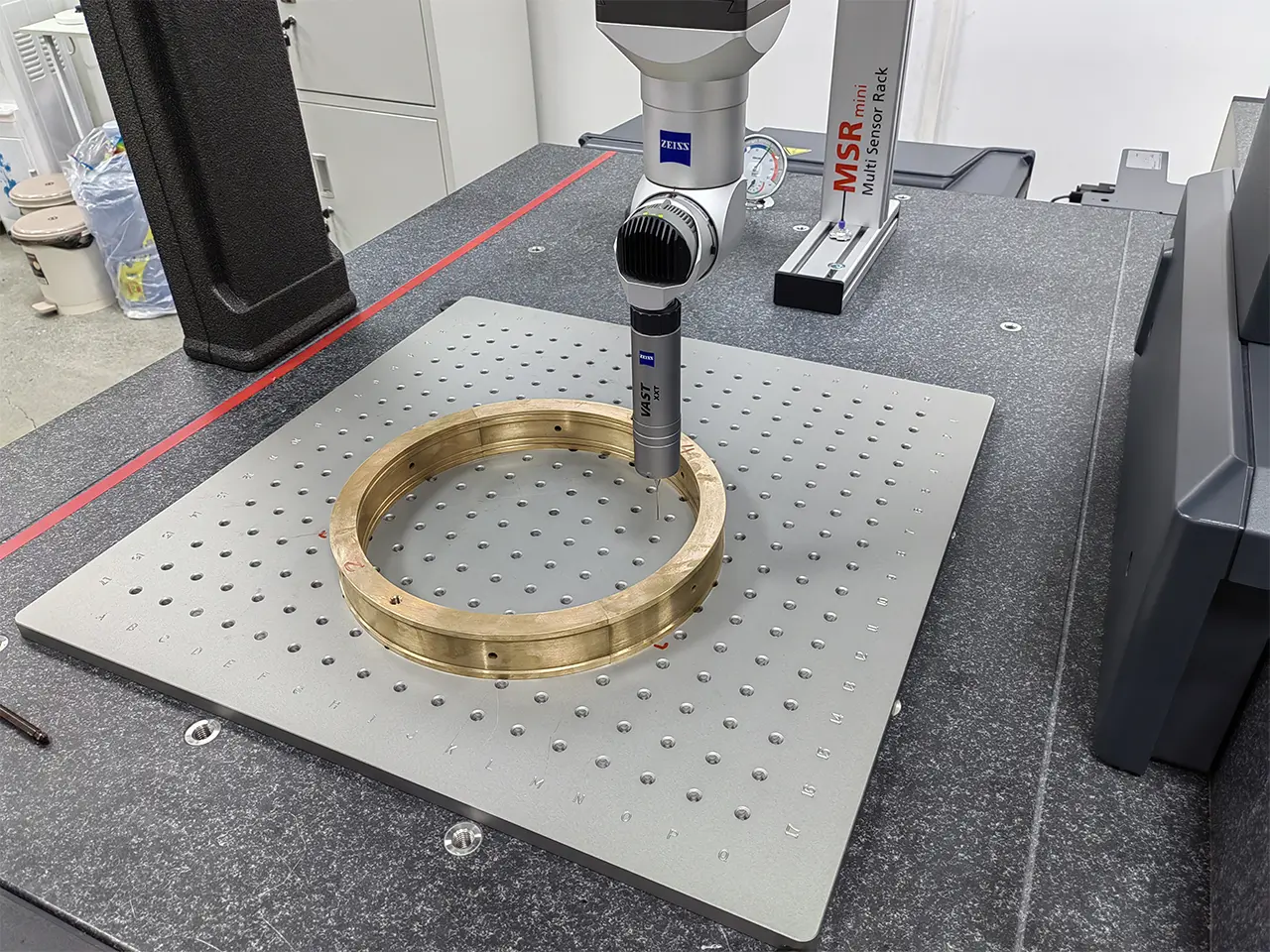
We have professional testing equipment and professional QC personnel, and we adhere to strict tolerances and quality standards for the products we produce. Due to our insistence on strict quality requirements, we have been praised by many customers.
Quality is the cornerstone of the manufacturing industry. We firmly believe that only by controlling quality well can we survive, develop, and get better and better. Therefore, we have been working in this industry unremittingly since 2014 and continue to improve the company's team and improve the company's production capacity.
To ensure zero defect delivery to our partners in the Bangkok market, we run comprehensive non-destructive (NDT) and destructive testing protocols:
For Bangkok-based procurement managers, maintaining a resilient and cost-effective supply chain is critical. Sourcing investment cast and CNC-machined parts from a specialized manufacturer in Dongguan, China offers distinct competitive advantages over domestic suppliers:
This balance of raw-material security, production capacity, short transit times, and tax advantages offers a reliable supply chain solution for tier-1 automotive and industrial manufacturers in Central Thailand.
Partnering with an international manufacturer requires robust compliance frameworks. Our manufacturing systems comply with international quality frameworks such as ISO 9001:2015, ensuring all documentation is transparent.
We work closely with local logistics brokers in Bangkok and Samut Prakan to streamline import customs clearance. Our engineering division reviews ASTM, DIN, JIS, and GB standards, translating specifications to match Thailand's regional requirements. Whether your drawings are defined in DIN for German-built assemblies or JIS for Japanese automotive systems in Chonburi, our metallurgists ensure complete material property alignment.
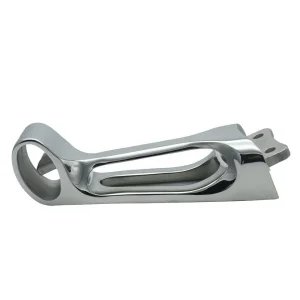
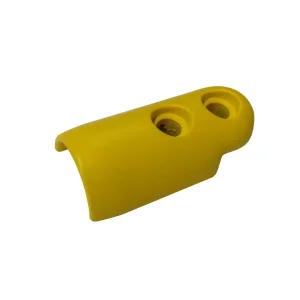
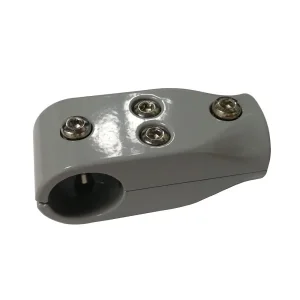
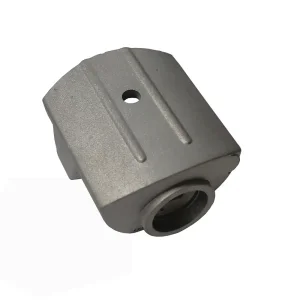
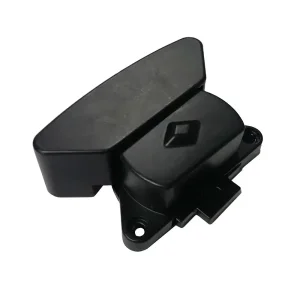
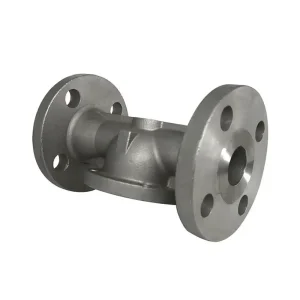
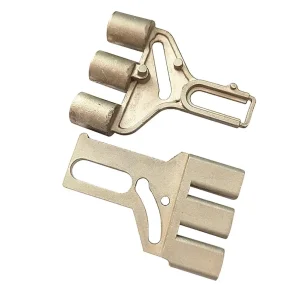
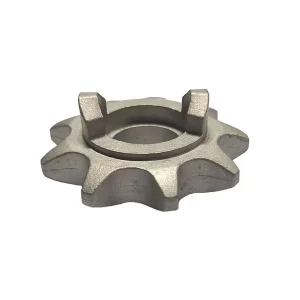
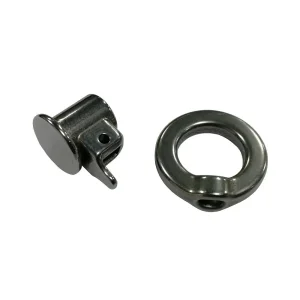
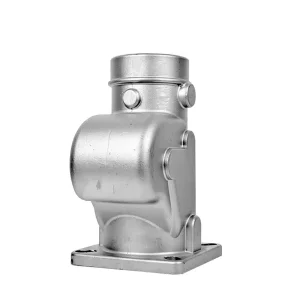
A comprehensive selection of OEM stainless steel and carbon steel parts optimized for automotive, marine, chemical, and general machinery applications across Bangkok
 SX Machining