High-precision lost-wax and precision-cast steel solutions optimized for the automotive, maritime, and electronic engineering supply chains across India.
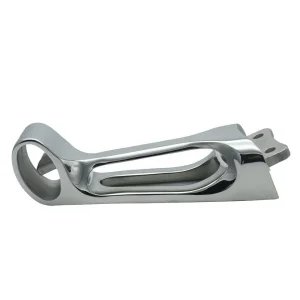
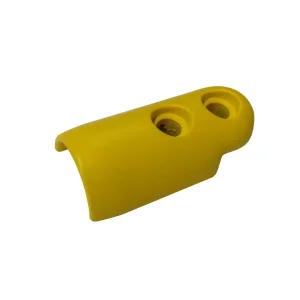
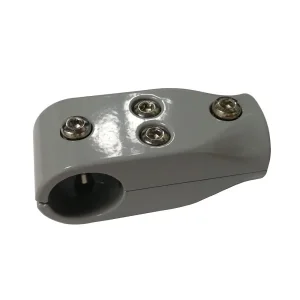
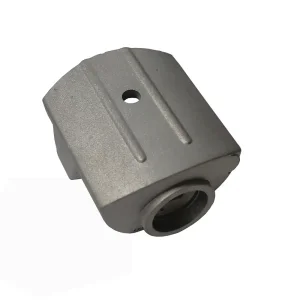
Under the impetus of the "Make in India" initiative and rapid urbanization, India has established itself as one of the world's most dynamic manufacturing hubs. Key states like Tamil Nadu, Maharashtra, Gujarat, and Karnataka are driving immense demand for complex component fabrication. Industrial sectors ranging from heavy automotive assembly to subsea chemical processing plant engineering require components that can withstand extreme pressures, harsh thermal cycles, and corrosive environments.
Investment casting, often referred to as lost-wax casting, provides the critical answer to these engineering needs. It allows the production of parts with complex geometries, close dimensional tolerances (often conforming to linear tolerances of ISO 8062 CT4-CT6), and superior surface finishes. Because the process minimizes the need for extensive post-cast CNC machining, it significantly reduces the overall cost of ownership for Indian enterprises looking to scale up production and streamline their supply chains.
Procuring high-quality castings from international suppliers involves balancing material authenticity, logistical predictability, and regulatory compliance. Indian OEMs frequently encounter components with internal porosity, improper alloy distributions, or dimensional deviations that lead to high rejection rates on the assembly line. Our engineering framework addresses these challenges directly. We provide comprehensive material traceability reports, raw material analysis, and non-destructive testing (NDT) to ensure that every casting sent to Indian hubs like Chennai, Pune, or Mumbai meets rigorous industrial specifications.
Dongguan SX Technology Co., Ltd. has very rich experience in precision casting, CNC machining, and assembly. Our products are used in machinery, automobiles, marine, ships, equipment, valves and pumps, electronic appliances, packaging, watches, construction, chemical industry, and other industries. The most commonly used materials for investment casting are stainless steel and carbon steel. The most commonly used materials for CNC machining include titanium alloy, stainless steel, carbon steel, aluminum alloy, copper alloy, cemented carbide, etc.
We have advanced manufacturing equipment and technology and are able to respond quickly to your needs. Since our establishment, we have focused on aligning our specialized capabilities with global industrial demands, particularly providing high-integrity steel parts to manufacturing enterprises in the Indian subcontinent. We support our customers from rapid prototyping to mass production, ensuring the highest standards of reliability and performance.
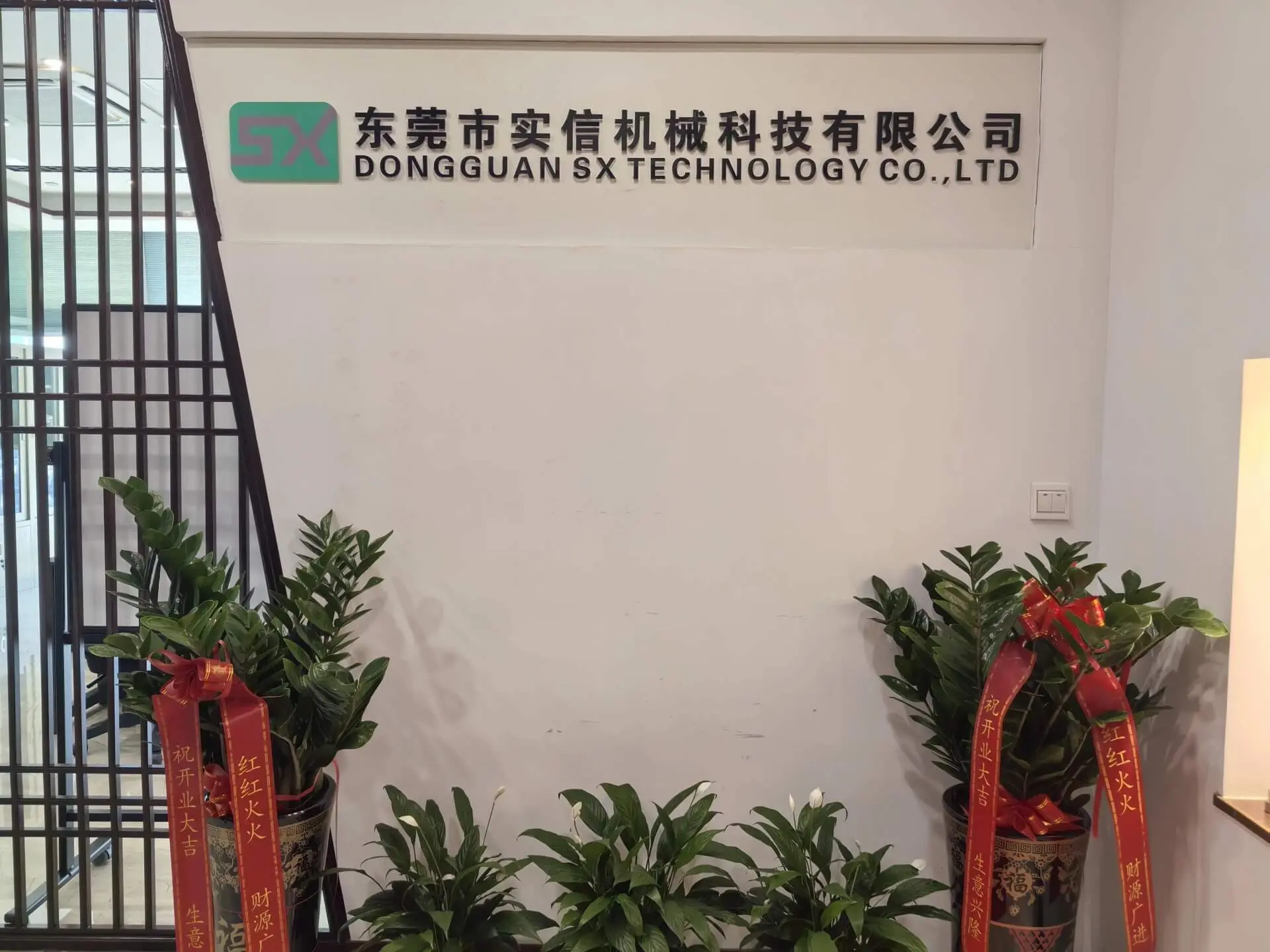
Equipped with state-of-the-art lost-wax pouring lines, vacuum induction furnaces, and high-precision CNC machining centers.
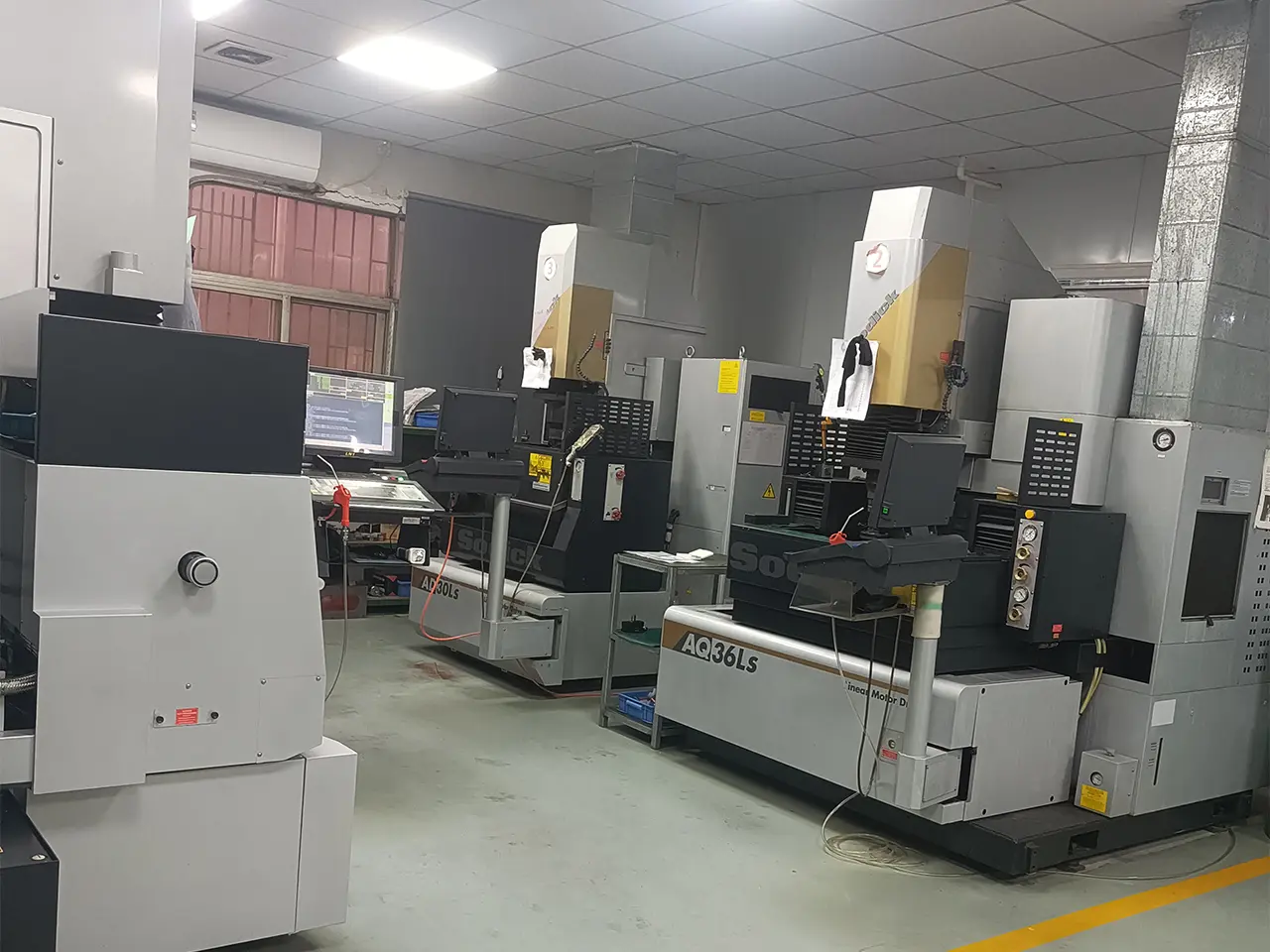
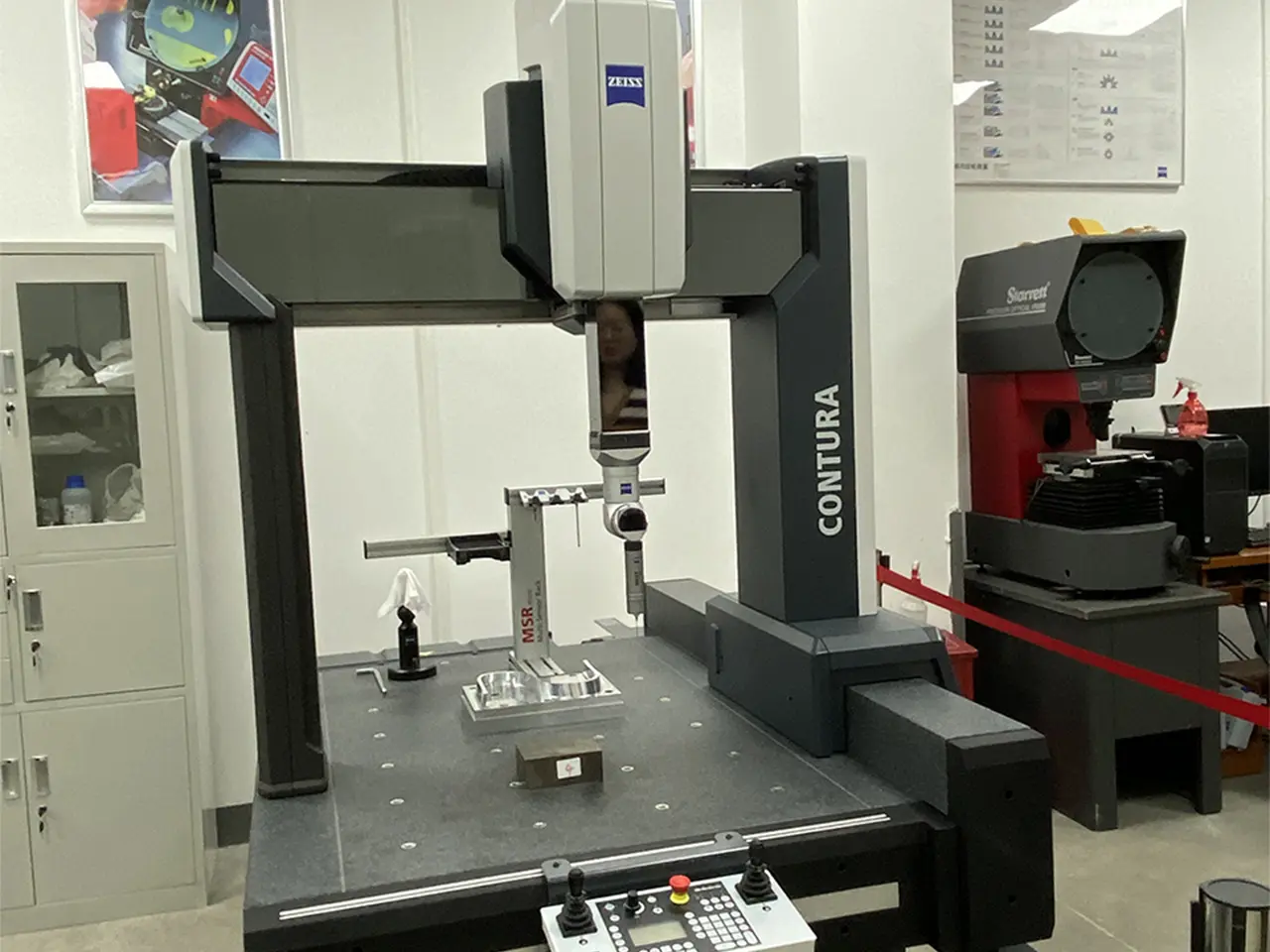
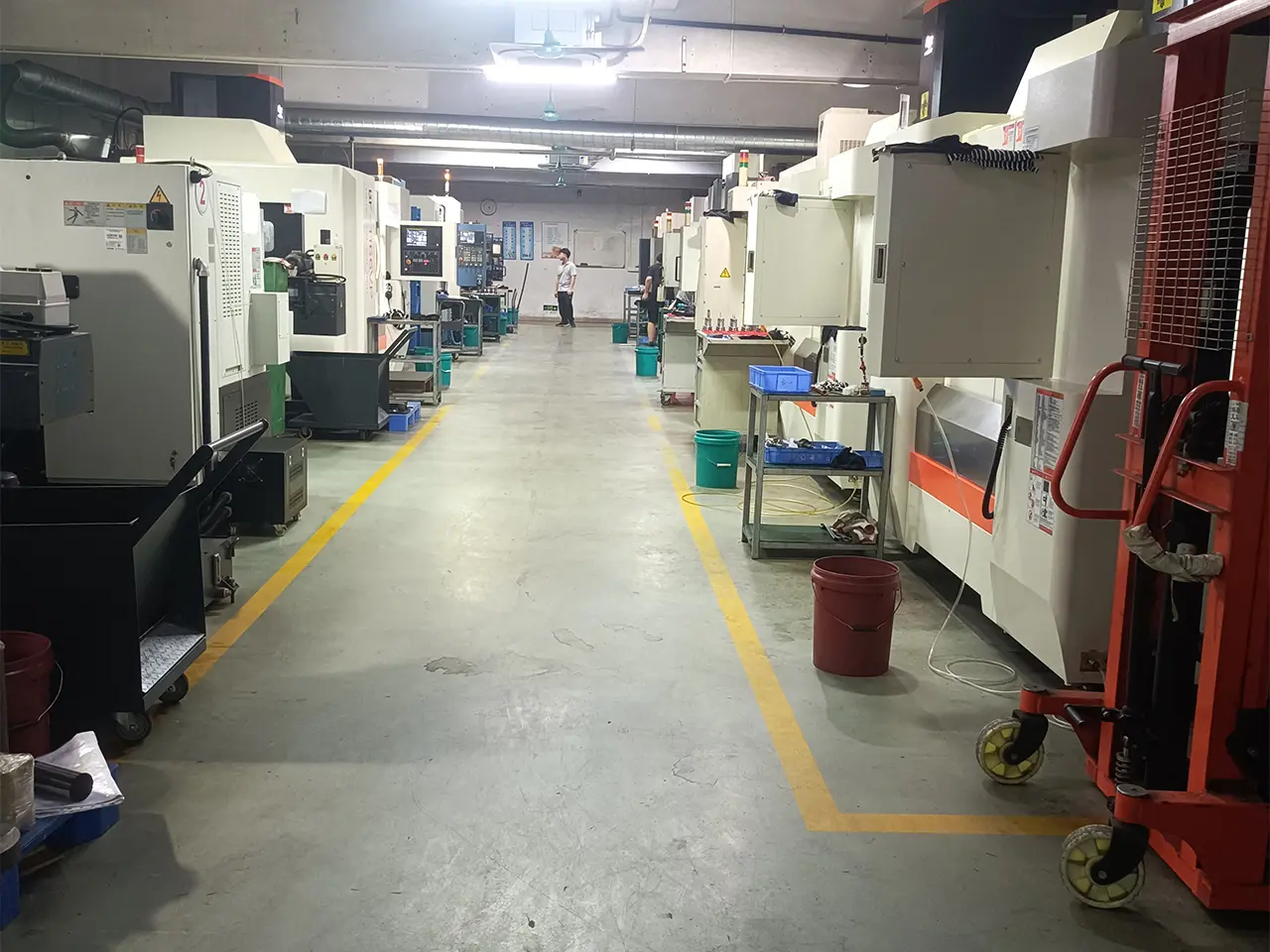
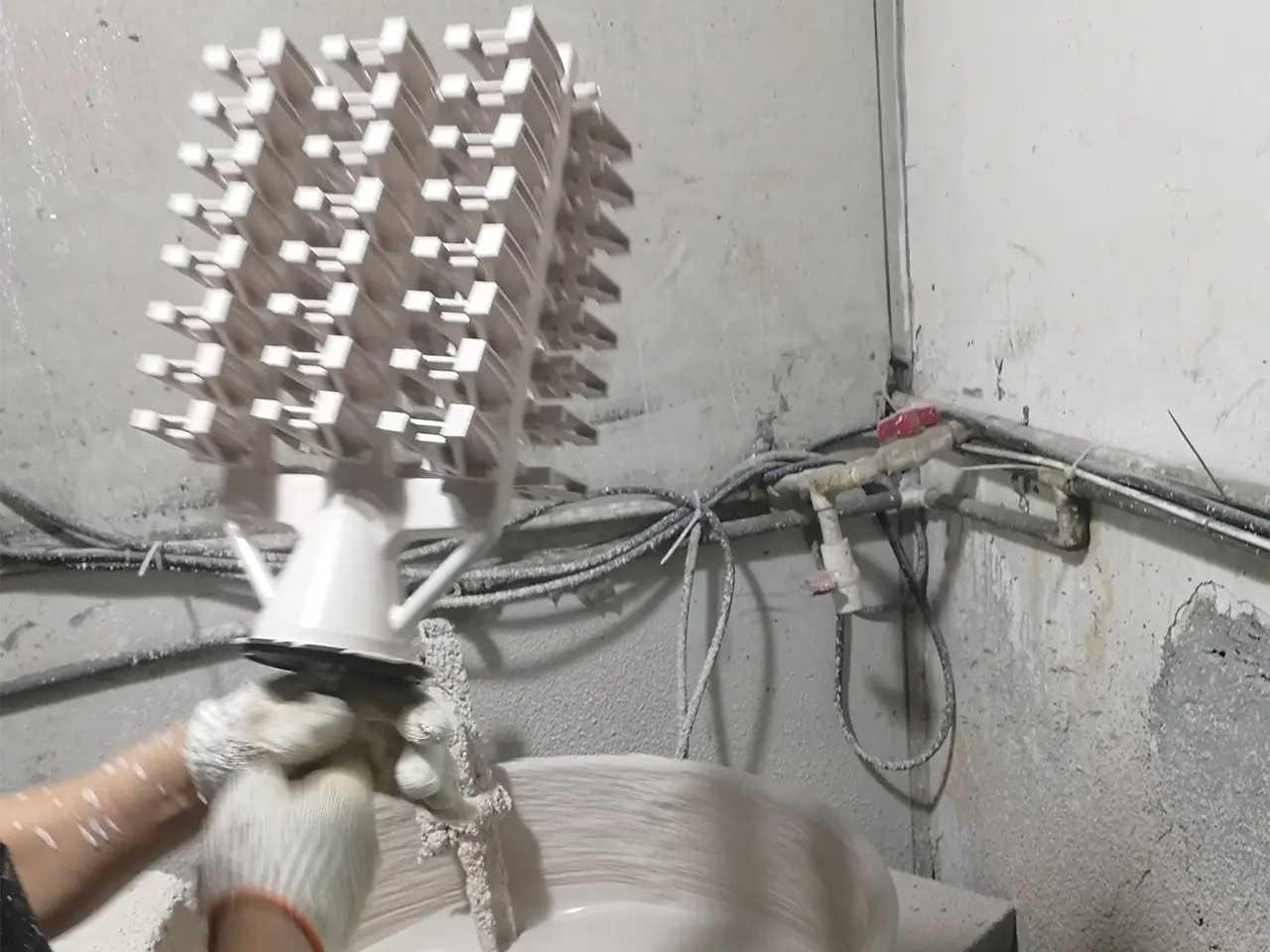
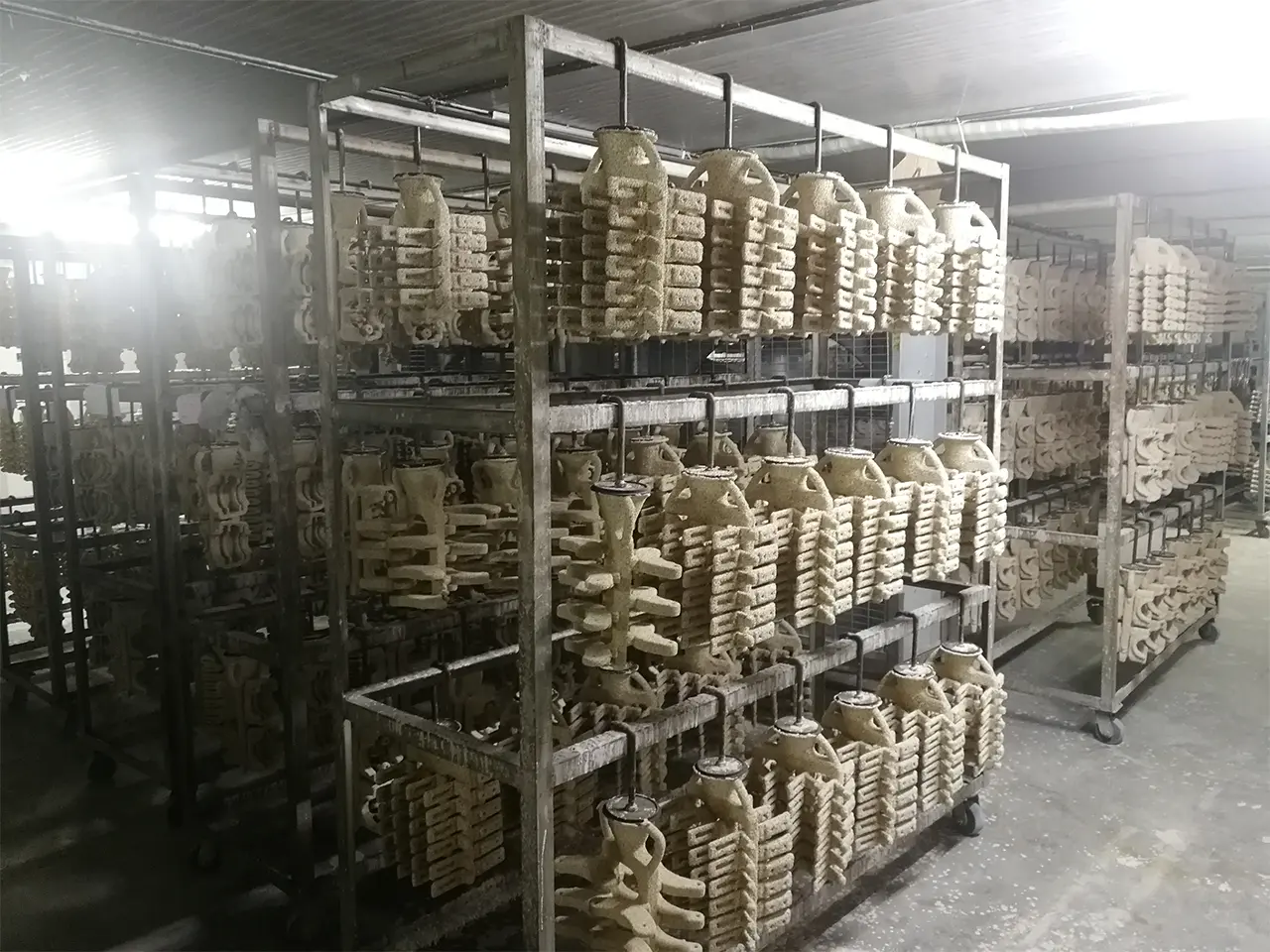
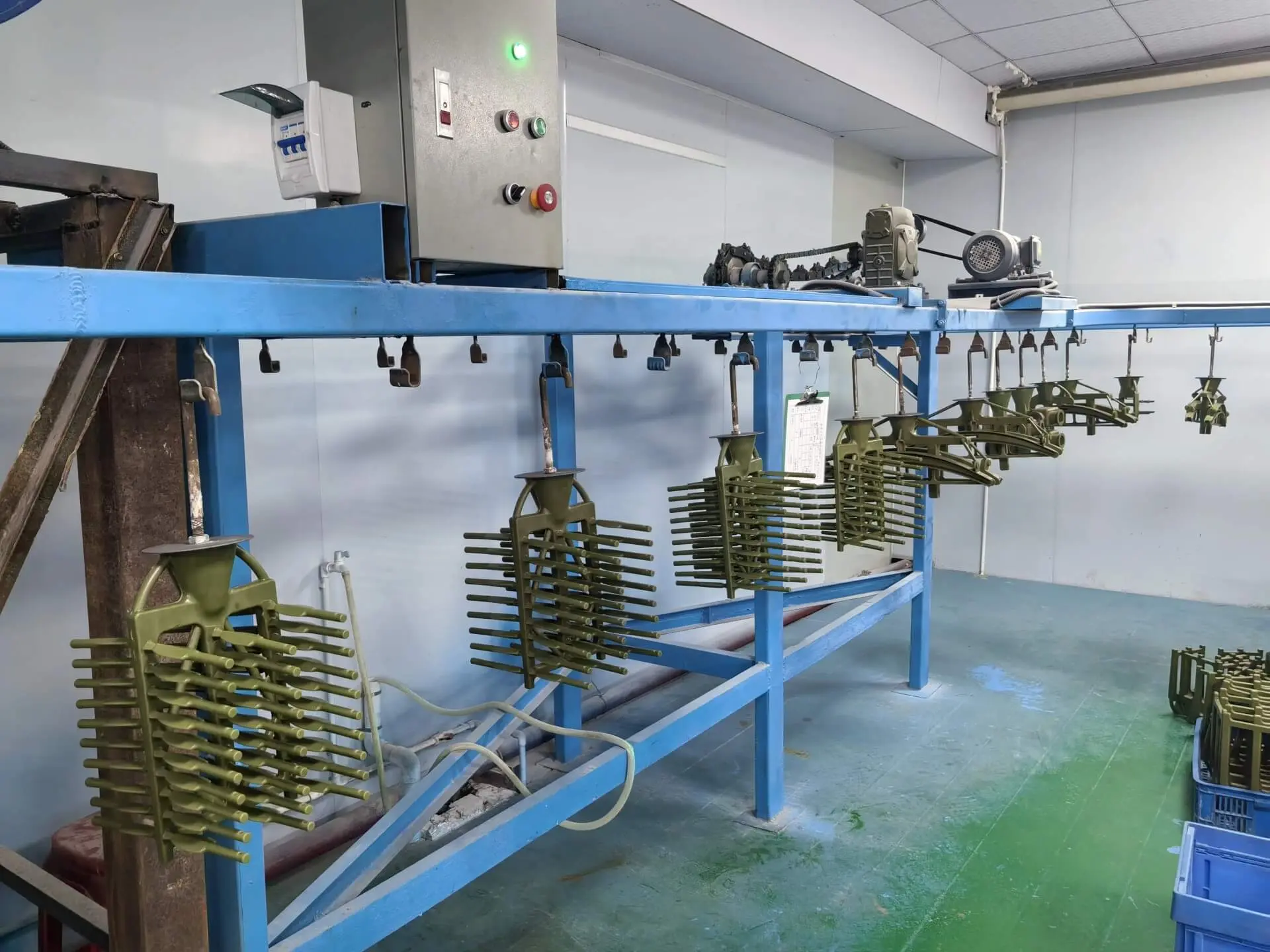
We have professional testing equipment and professional QC personnel, and we adhere to strict tolerances and quality standards for the products we produce. Due to our insistence on strict quality requirements, we have been praised by many customers. Quality is the cornerstone of the manufacturing industry. We firmly believe that only by controlling quality well can we survive, develop, and get better and better. Therefore, we have been working in this industry unremittingly since 2014 and continue to improve the company's team and improve the company's production capacity.
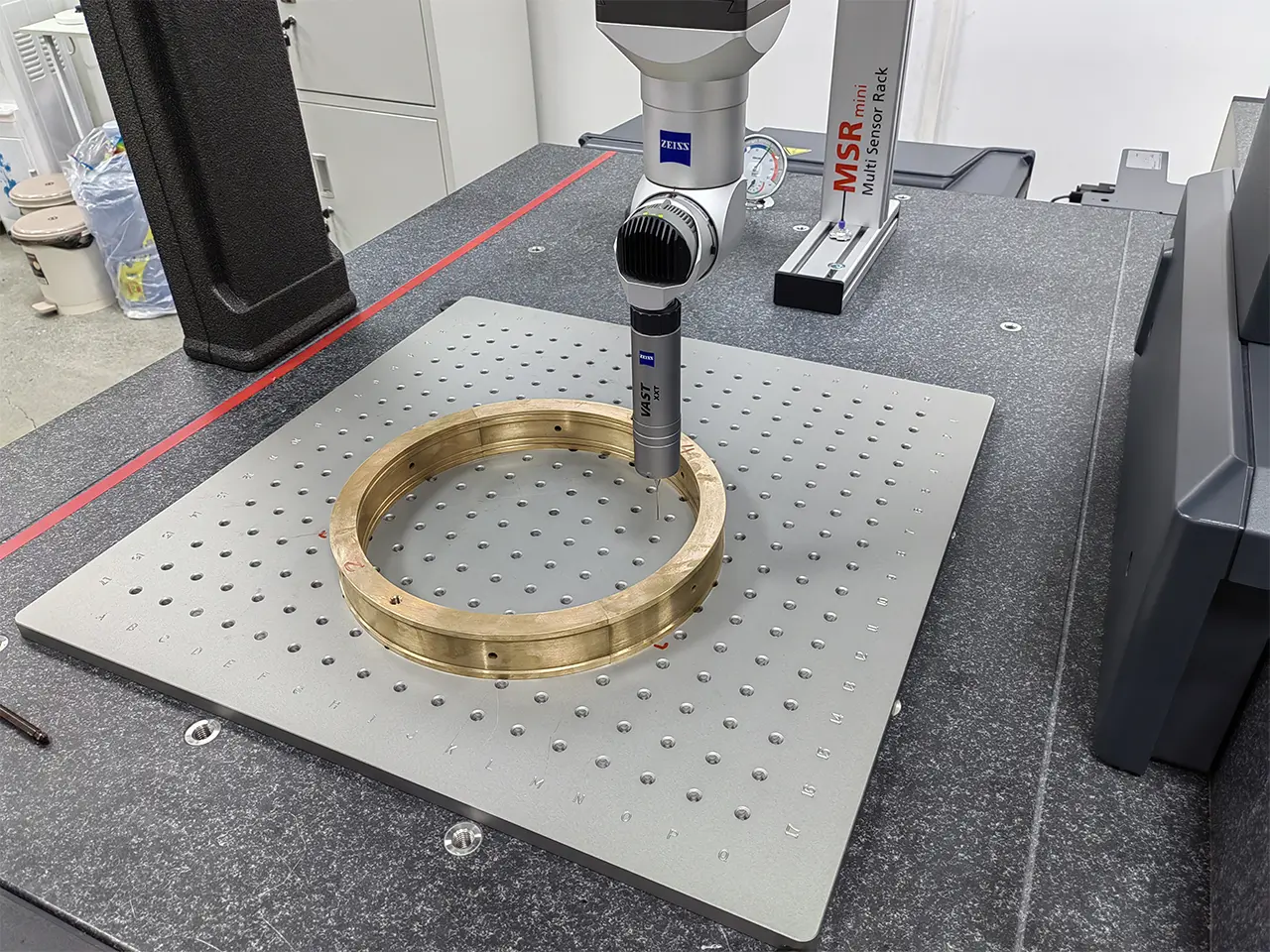
Our quality assurance program is built on zero-defect principles. To ensure we meet international criteria, including ASTM, DIN, JIS, and BS standards, we utilize a series of in-house testing methods:
Selecting the right alloy is essential for success in heavy engineering applications. Our foundry specializes in casting high-alloy stainless steels, carbon steels, and heat-resistant superalloys designed for the specific demands of Indian manufacturing plants.
We cast grades like CF8, CF8M, CF3, and CF3M (corresponding to AISI 304, 316, 304L, and 316L). These materials are ideal for marine environments, food processing equipment, and chemical processing facilities across Indian coastal industrial parks.
From WCB, WCC, to LCC grades (under ASTM A216/A352), we produce wear-resistant, high-strength parts for mining machinery, earthmoving equipment, and construction projects across key Indian development regions.
We work with titanium alloys, duplex stainless steels (such as 2205), and copper-based alloys. These materials are chosen for their high mechanical strength and excellent resistance to corrosion in demanding applications.
For Indian OEMs deciding between manufacturing processes, it is important to weigh the long-term cost benefits against the initial tooling costs. Sand casting is often associated with lower initial costs, but it requires wider tolerances (ISO 8062 CT10-CT12) and rougher surface finishes. This often leads to extensive, costly post-cast CNC machining.
Our investment casting process yields a near-net shape with surface finishes of Ra 3.2 to 6.3 microns. By reducing or eliminating the need for post-processing machining, it helps control total unit production costs for complex components, such as impeller systems, fluid control valves, and intricate automotive brackets.
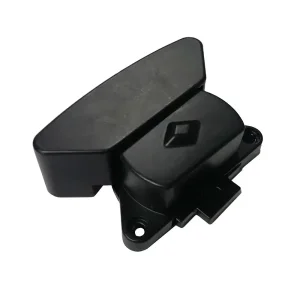
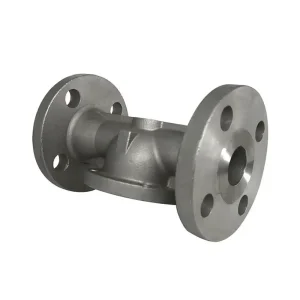
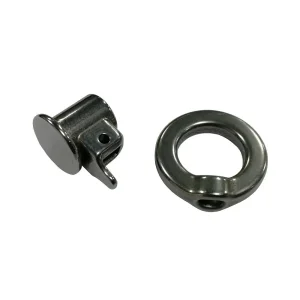
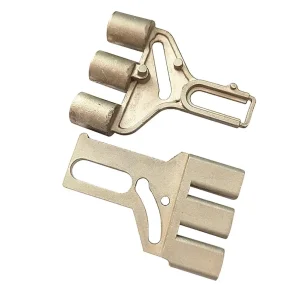
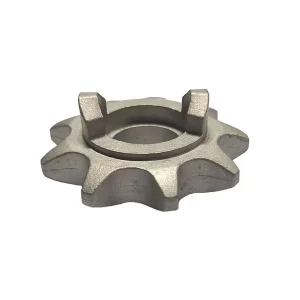
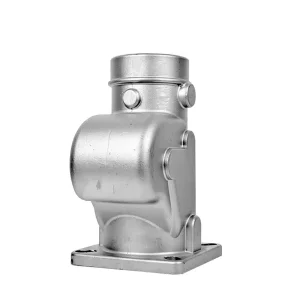
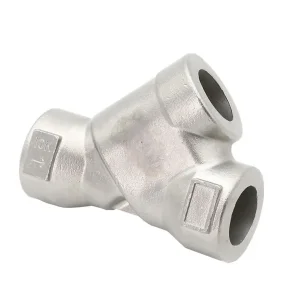
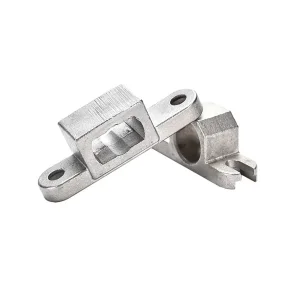
Explore our diverse selection of precision casting products, engineered for reliable performance in automotive systems, process valves, and marine structures.
Shipping custom industrial products into India requires familiarity with local import and logistics frameworks. We work closely with our Indian clients to streamline shipping, customs documentation, and delivery to major hubs such as Nhava Sheva (Mumbai), Chennai Port, and Mundra Port.
Importing steel products under the Indian Customs Tariff (specifically Chapter 73 for articles of iron or steel) requires proper classification to prevent processing delays. We assist by preparing complete customs clearance packages, which include detailed Packing Lists, Commercial Invoices with precise HS Codes, Certificate of Origin documents, and mill test certificates (conforming to EN 10204 3.1). This helps ensure smooth customs handling at Indian ports of entry.
To accommodate different operational setups, we offer flexible shipping options, including FOB, CIF, and DDU/DDP terms. This allows buyers in industrial zones such as Pune, Sanand, Coimbatore, and Chennai to receive their parts directly to their manufacturing facilities.
Managing inventory is a key factor in reducing warehousing costs. We coordinate manufacturing schedules to align with the logistical needs of our clients. Our typical production time for creating casting molds is 15-20 days, and manufacturing cycles range from 20-30 days depending on the volume. By partnering with leading ocean freight carriers, we ensure stable, scheduled transit times to main container terminals across India.
Manufacturing requirements are shifting toward tighter tolerances, lighter weight designs, and reduced material waste. We are continuously updating our operations to support these goals for our customers in India and globally.
We use advanced software simulations to model the solidification of molten metal in real-time. This helps us predict potential hotspots, shrinkage cavities, and flow restrictions before casting begins, saving time during the prototyping phase.
For low-volume or prototyping orders, we can produce patterns directly from 3D CAD files. This process bypasses the need for traditional tooling, helping developers test parts and iterate designs more quickly.
We are working to reduce the carbon footprint of our casting processes through energy-efficient induction furnaces and active recycling of our wax materials. This helps our clients meet their corporate environmental targets.
Quick answers to key technical, logistical, and commercial inquiries from Indian buyers.
Generally, mold fabrication takes 15 to 20 days. Batch production requires another 20 to 30 days depending on the volume. Ocean shipping from our facility to major ports like Nhava Sheva (Mumbai) or Chennai typically adds 14 to 20 days. For urgent engineering modifications or prototypes, we can arrange air freight delivery within 3 to 5 working days.
We perform optical emission spectrometry (OES) on every heat batch before casting. This ensures the chemical composition matches the required specification (e.g., 304, 316, or WCB carbon steel). Every shipment includes material test reports (MTRs) and mill test certificates conforming to EN 10204 3.1, which list both chemical and mechanical properties.
Yes, we specialize in high-alloy and duplex stainless steels, including Duplex 2205 (ASTM A890 Grade 4A) and Super Duplex 2507 (ASTM A890 Grade 5A). These materials are highly resistant to pitting and stress corrosion cracking in high-chloride, marine, and offshore oil and gas environments.
Our standard production adheres to linear tolerance classes of ISO 8062-3 CT4 to CT6. For features with critical fit requirements, we can perform precision post-cast CNC machining to hold tolerances as close as ±0.01 mm.
To check for internal defects like porosity, gas pockets, or slag inclusions, we use non-destructive testing (NDT) methods. This includes radiographic testing (RT/X-ray), ultrasonic testing (UT), dye penetrant inspection, and magnetic particle inspection (MPI).
We offer flexible order quantities to support different stages of development. While we can provide small runs for prototyping and validation, our production process is most cost-effective for medium to high-volume orders. Please contact our engineering sales team to discuss the specifics of your project.
 SX Machining