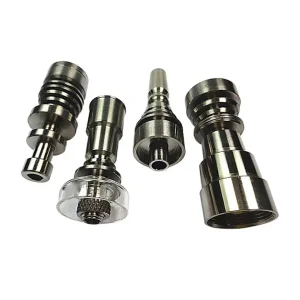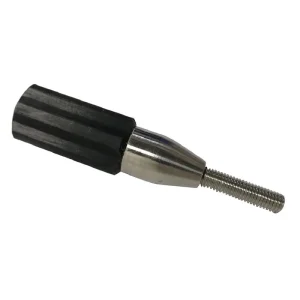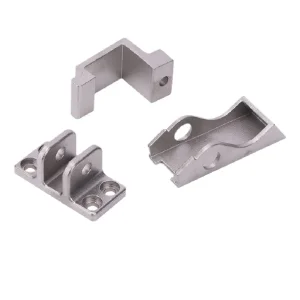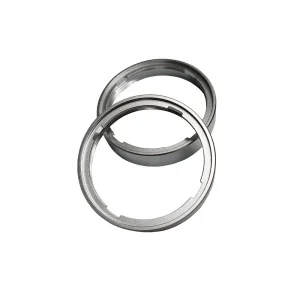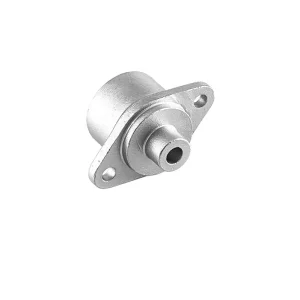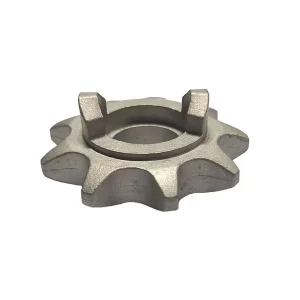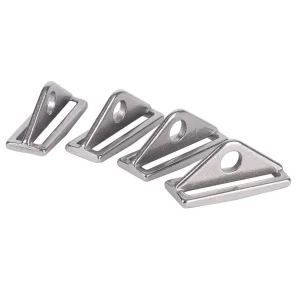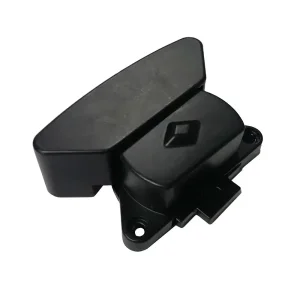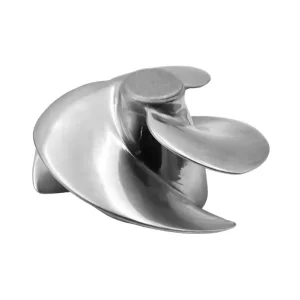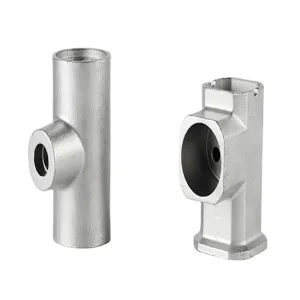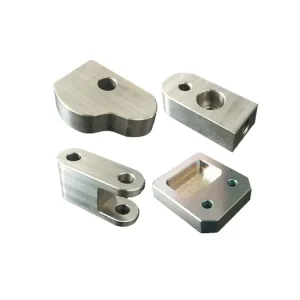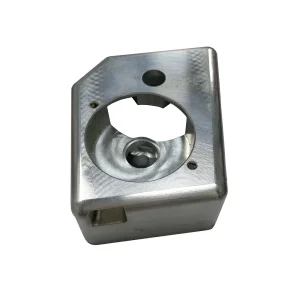
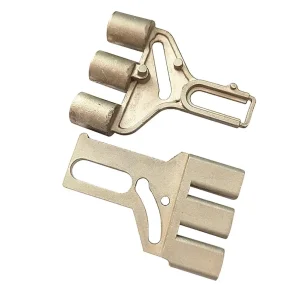
In the contemporary global manufacturing ecosystem, metal casting foundries serve as the bedrock of heavy machinery, aerospace structures, marine vessels, and high-performance automotive systems. The transition toward energy-efficient systems has accelerated the demand for structural components that exhibit elevated strength-to-weight ratios, flawless metallurgical compositions, and exceptionally tight dimensional tolerances. Investment casting, traditionally designated as the lost-wax process, remains unmatched in its capacity to construct intricate, near-net-shape geometries with remarkable surface fidelity.
As quality demands escalate, advanced foundries must merge traditional metallurgical physics with modern additive mold-making and computer-numeric-control (CNC) finishing. Today's procurement executives demand more than raw castings; they require ready-to-assemble components that have undergone rigorous non-destructive evaluation (NDE), microstructural verification, and multi-axis subtractive finishing. This convergence of metal casting with high-precision machining defines the capabilities of top-tier industrial partners.
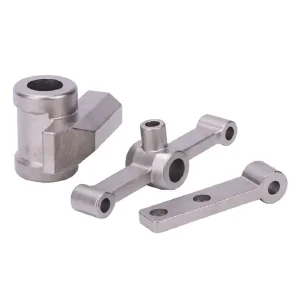
One of the primary challenges in sourcing industrial cast products is managing dimensional variance. Raw casting processes possess inherent dimensional boundaries governed by thermal contraction and metal crystallization patterns. By pairing investment casting with post-cast precision CNC milling and turning, manufacturers can bypass design constraints. The cast process forms the complex core, minimizing material waste and raw cycle times, while subsequent CNC machining refines critical mating surfaces, thread channels, and high-tolerance bores down to ±0.005mm.
This hybrid approach is particularly critical when dealing with advanced engineering materials. Difficult-to-machine alloys, such as titanium and precipitation-hardening stainless steels, are highly cost-efficient when cast close to their final dimensions, reducing the volume of expensive material requiring removal. For global supply chains, partnering with a supplier that manages both the casting foundry and the CNC workshop significantly streamlines project management and eliminates multi-vendor quality disputes.
Dongguan SX Technology Co., Ltd possesses very rich experience in precision casting, CNC machining, and complex assembly processes. Our diversified product catalog serves critical functions across machinery, automobiles, marine operations, shipbuilding, heavy equipment, valves, pumps, consumer electronics, packaging mechanisms, watches, construction sectors, and chemical processing plants. Our ability to tailor casting and machining protocols to unique engineering criteria ensures our components perform consistently under demanding operating pressures.
For our investment casting operations, the most commonly utilized materials include various grades of stainless steel and carbon steel. Complementing this, our CNC machining facility commonly works with advanced materials such as titanium alloys, stainless steel, carbon steel, aluminum alloys, copper-based alloys, and cemented carbides. By housing advanced manufacturing equipment and proprietary engineering technologies, we respond rapidly to customer requirements from prototype development through to large-scale series production.
China's industrial manufacturing hubs, particularly in Guangdong, concentrate steel mills, alloy compounders, mold makers, casting foundries, thermal treatment centers, surface finishers, and logistics hubs within a tight geographic radius. This minimizes intra-process shipping lag and speeds up communication.
Leveraging CAD modeling and rapid tooling methods, Chinese foundries reduce mold design and manufacturing cycles down to 10–15 days, allowing global engineering departments to conduct physical structural tests and implement iterations faster than Western counterparts.
Faced with growing domestic quality standards, Chinese foundries utilize robotic wax injection systems, automated shell-building lines, and multi-axis CNC cells to guarantee high geometric consistency and eliminate human error in large production runs.
This efficiency is not merely a matter of labor; it is a structural advantage. Integrated supply chains mean that raw titanium sponge or ingot is processed, cast, heat-treated, CNC-machined, anodized, and QC-certified under localized oversight. This tight workflow dramatically reduces transshipment delays and lowers carbon footprints by optimizing transport routing between casting steps and finishing phases. For procurement officers managing tight deadlines, this responsiveness directly translates into reduced risk and faster market deployment.
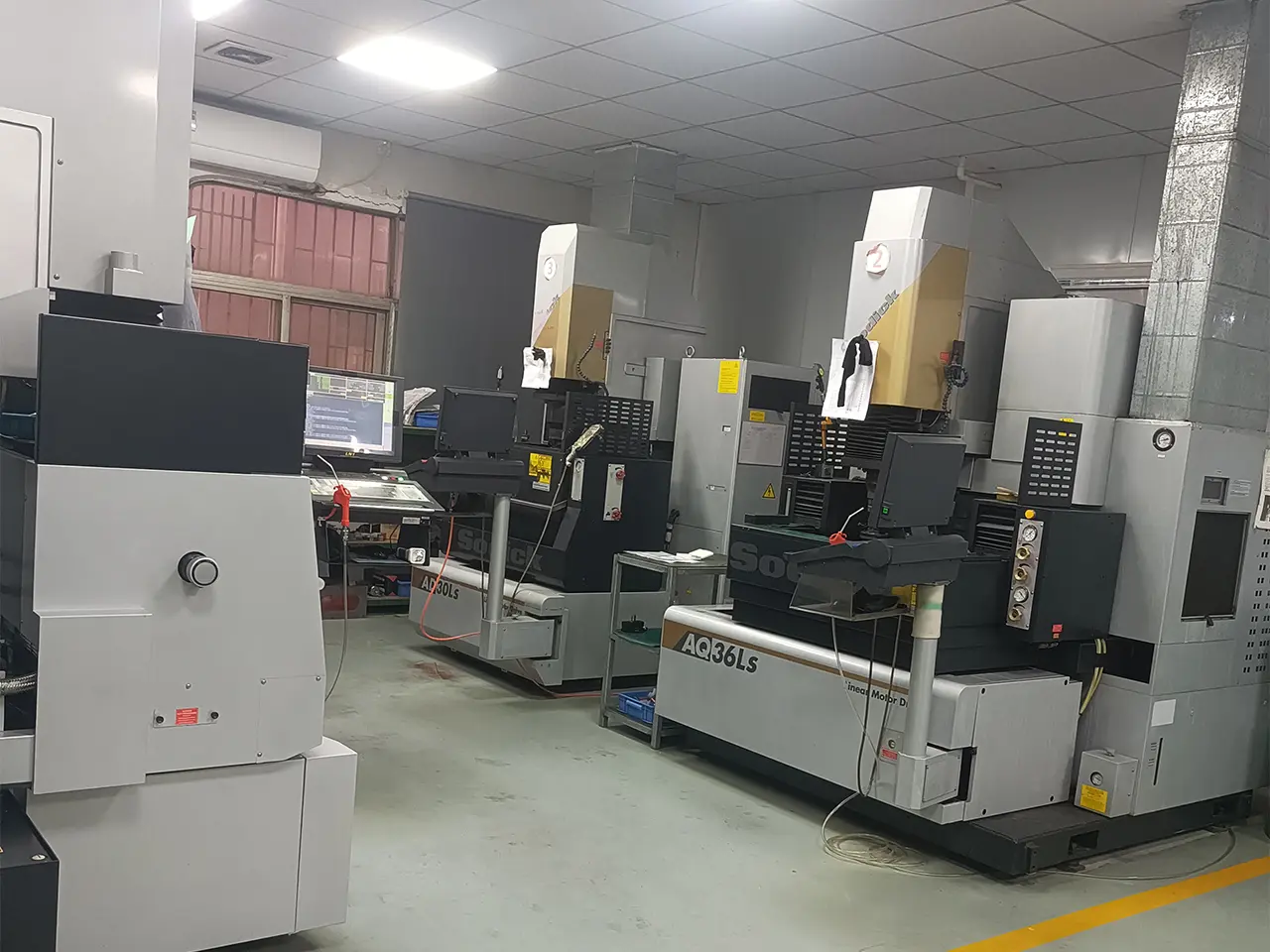
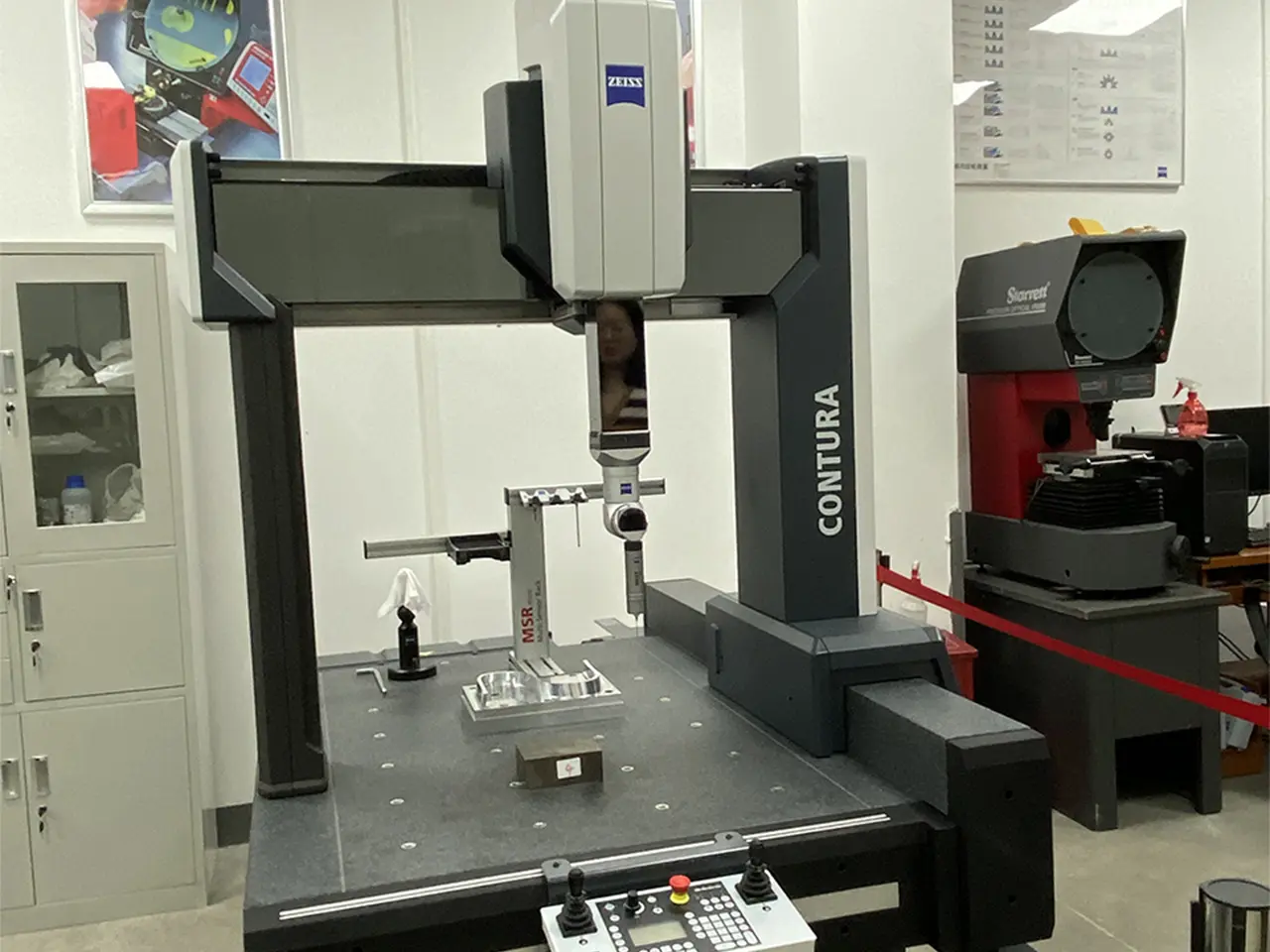
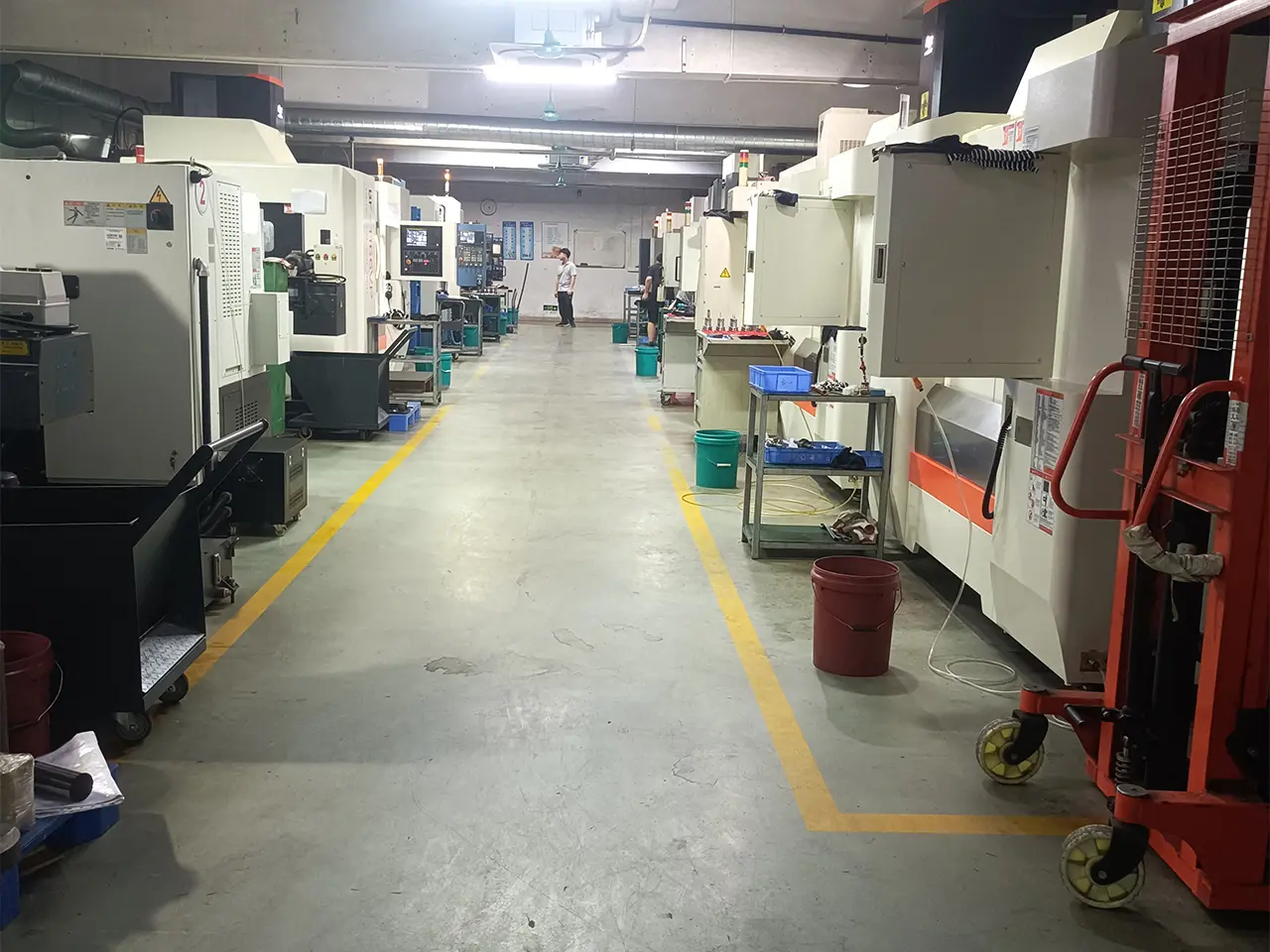
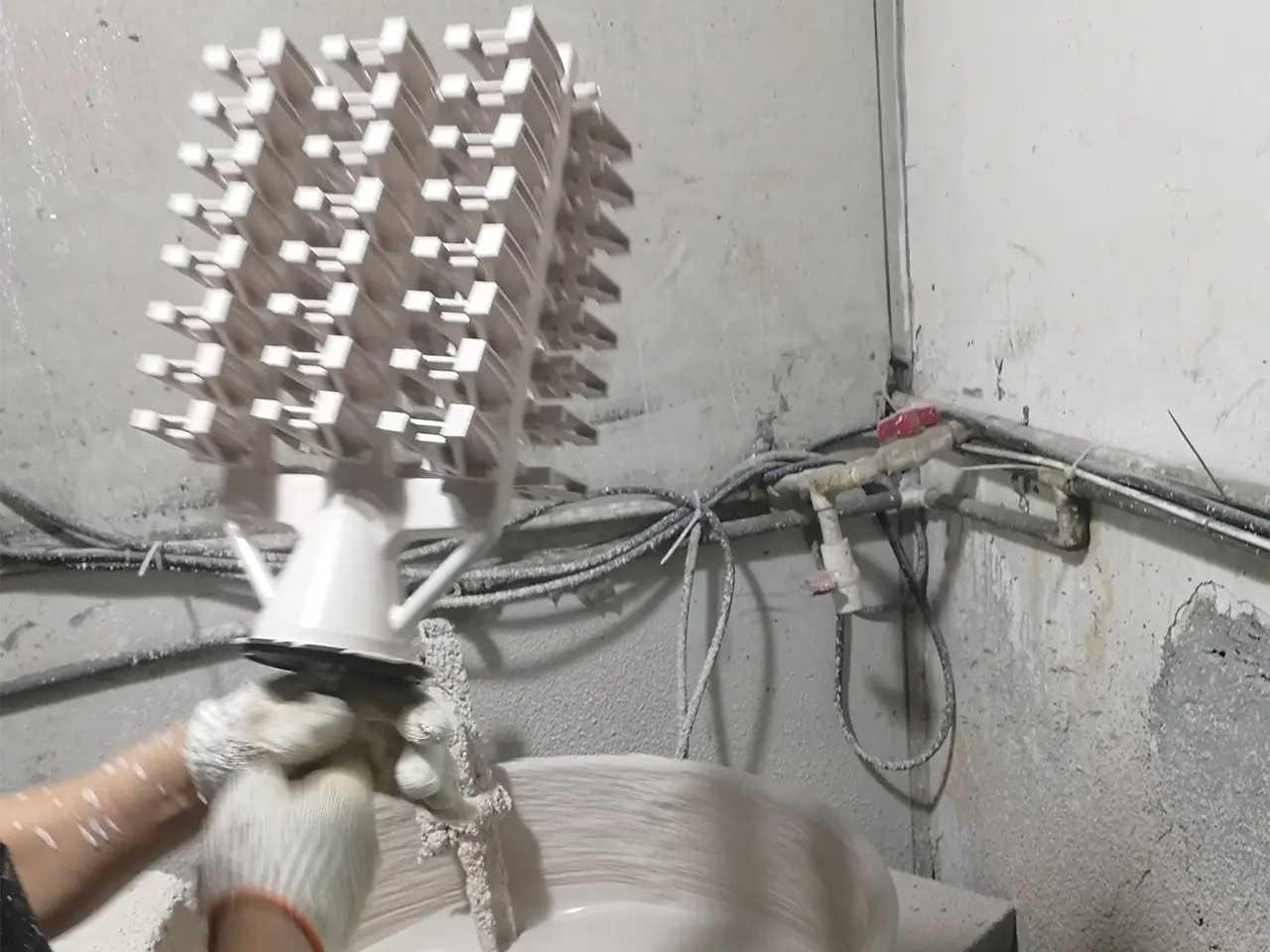
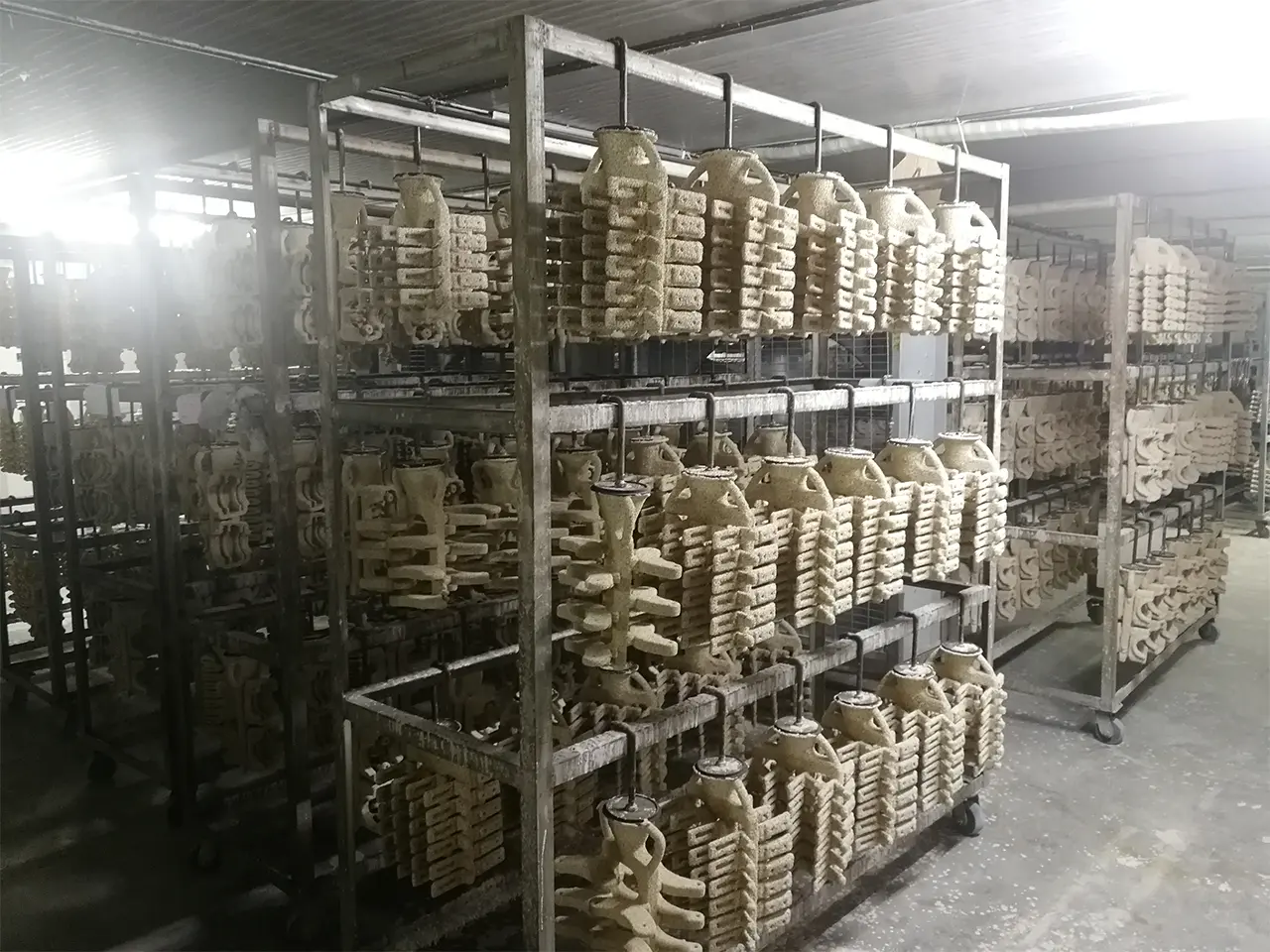
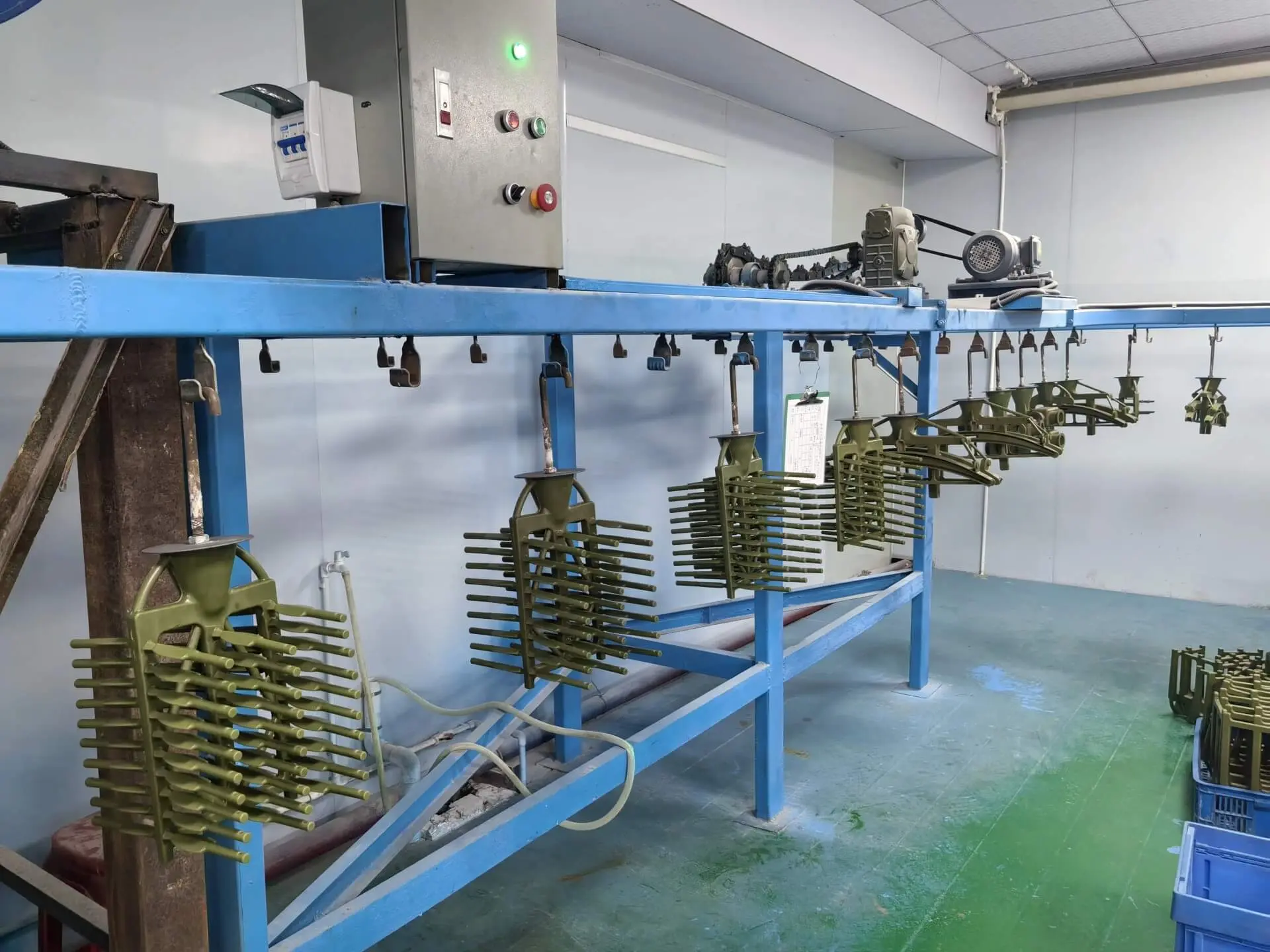
"Quality is the cornerstone of the manufacturing industry." We firmly believe that only by controlling quality well can we survive, develop, and get better and better. Therefore, we have been working in this industry unremittingly since 2014, continuing to improve the company's team and expand our advanced production capacity.
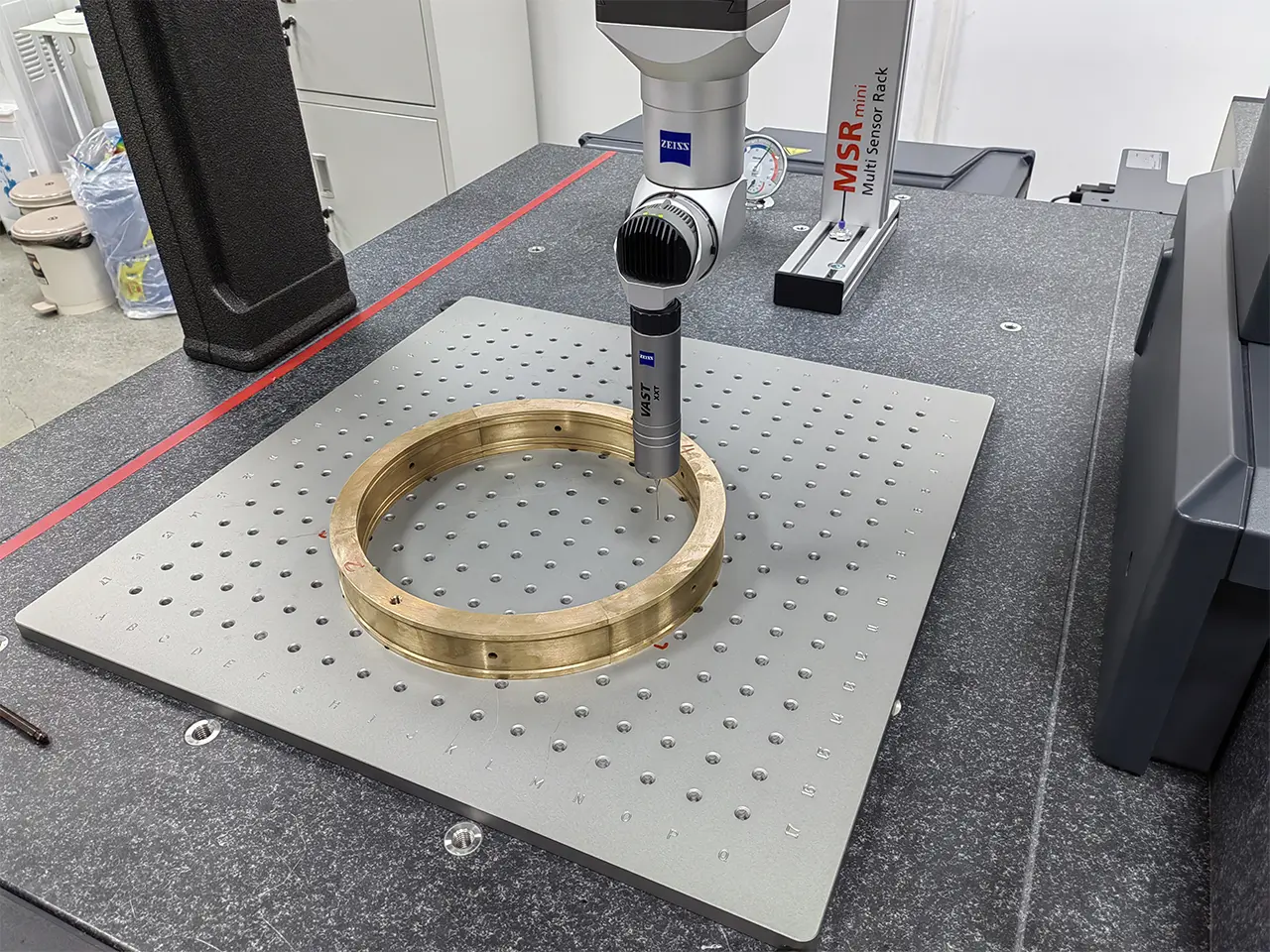
We employ professional testing equipment and dedicated quality control personnel to adhere to strict tolerances and quality standards. Our systematic approach guarantees that every component leaving our facility matches our clients' exact specifications. Our comprehensive quality workflow includes:
Choosing the correct alloy is fundamental to achieving high mechanical performance while optimizing manufacturing costs. Below is an overview of the primary material families cast and machined at our facility, highlighting typical industrial applications and engineering advantages.
Grades: Grade 2, Grade 5 (Ti-6Al-4V), Grade 23.
Properties: Excellent strength-to-weight ratio, high corrosion resistance, biocompatibility.
Applications: Aerospace brackets, medical implants, high-performance cycling components, motorsport parts.
Grades: 304/304L, 316/316L, 17-4 PH, Duplex.
Properties: High corrosion resistance, heat tolerance, high mechanical strength.
Applications: Marine hardware, fluid handling valves, chemical process fittings, food processing components.
Grades: WCB, WCC, LCB, 4140, 8620.
Properties: Excellent wear resistance, cost efficiency, high weldability and heat-treatment response.
Applications: Structural brackets, gears, agricultural components, heavy construction machinery components.
Grades: A356, A380, 6061-T6, 7075-T6.
Properties: Low density, excellent thermal and electrical conductivity, good anodizing characteristics.
Applications: Automotive casings, heat sinks, electronic enclosures, lightweight brackets.
Grades: Brass, Aluminum Bronze, Phosphor Bronze.
Properties: Natural lubricity, high wear resistance, excellent thermal transfer, anti-spark properties.
Applications: Sleeve bearings, marine propellers, electrical connectors, non-sparking hand tools.
Grades: Custom Cobalt/Nickel bound tungsten carbide compounds.
Properties: Extreme hardness, outstanding wear resistance, hot-hardness under extreme thermal stress.
Applications: Mineral wear plates, industrial cutting teeth, specialized wire drawing dies.
One of the primary difficulties in sourcing cast products globally is resolving differences between national material standard frameworks. An engineering drawing created in the United States may call out ASTM standards, while a European specification references EN, and a Japanese design relies on JIS. Translating these material grades correctly is critical; a mismatch in trace element limits can impact the component's weldability, heat treatment behavior, and corrosion resistance.
At Dongguan SX Technology Co., Ltd, our engineering department uses standardized cross-reference databases to ensure precise alloy equivalency. When working with critical casting components, we provide optical emission spectrometry (OES) reports detailing exact chemical percentages. This level of verification gives procurement managers confidence that the final castings will meet all structural requirements, regardless of the local standards specified in the original design drawings.
Long-distance supply chains are vulnerable to communication delays and transit disruptions. A minor misunderstanding regarding tolerancing or surface finish can result in entire production runs arriving out of specification, leading to costly line stoppages. Reducing this risk requires partnering with a manufacturer that combines clear, technical English communication with structured production staging.
We address this challenge by dividing complex manufacturing projects into distinct verification gates: CAD approval, tool sampling, First Article Inspection (FAI) with complete dimension charting, test pouring, batch machining, and final delivery inspection. By checking part dimensions at each gate, we catch deviations early, preventing quality issues from reaching the production line. This process-driven approach ensures consistent quality, regardless of the geographic distance between our facility and our customers.
For custom investment castings, mold design and tool fabrication typically take 15 to 20 days, depending on geometry complexity. Once the mold is complete, sample castings are poured, finished, and inspected within 7 to 10 days. If post-cast CNC machining is required, please allow an additional 3 to 5 days for program setup and finishing operations.
We use mold-filling and solidification simulations during the design phase to identify potential shrinkage zones and avoid air pocket formation. During production, we use non-destructive testing (NDT), including dye penetrant testing for surface cracks and ultrasonic or radiographic (X-ray) inspections for critical structural components, to verify internal integrity.
Yes, we specialize in high-precision titanium alloy machining services. We commonly work with Grade 2 (commercially pure) and Grade 5 (Ti-6Al-4V) alloys. Titanium requires rigid machine setups, controlled tool speeds, and high-pressure coolant delivery to manage heat build-up and tool wear. Our multi-axis CNC machines are optimized to hold tolerances down to ±0.005mm in titanium alloys.
Our silica sol investment casting process produces a clean surface finish, typically ranging from Ra 3.2 to Ra 6.3 micrometers (125 to 250 micro-inches). For surfaces requiring tighter seals or smoother finishes, our CNC finishing operations can achieve finishes of Ra 0.8 to Ra 0.4 micrometers (32 to 16 micro-inches), depending on the alloy.
Our engineering team uses cross-reference databases to match local material standards with international equivalents. If a design specifies an ASTM standard, we will match it with the correct Chinese GB equivalent, verify the chemistry matches, and provide spectrographic reports with the delivery to prove the chemistry meets the original specification.
We work with a range of order sizes. For smaller production runs, our MOQ typically starts between 100 and 500 pieces, depending on part size and weight, to help cover the costs of mold setup and alloy melting. For CNC machining, we can accommodate smaller pilot runs and custom prototype orders starting at single-digit quantities.
We provide a complete range of heat treatments, including annealing, normalizing, quenching, tempering, solution treatments, and precipitation hardening. Heat treatment cycles are tracked, and we perform hardness tests (Rockwell, Brinell, or Vickers) to confirm the mechanical properties meet drawing specifications before parts proceed to final machining.
Our quality department uses Coordinate Measuring Machines (CMM) to verify post-machining dimensions. We generate detailed inspection reports comparing nominal design dimensions to actual measured values. These reports are included in the quality documentation shipped with each batch of parts.
 SX Machining