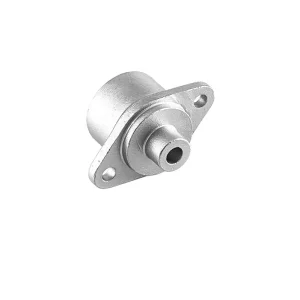
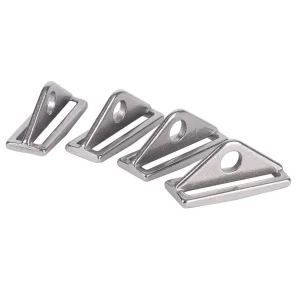
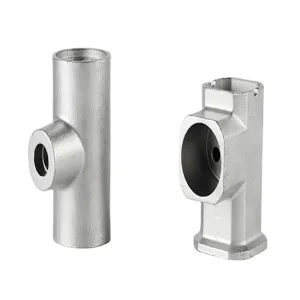
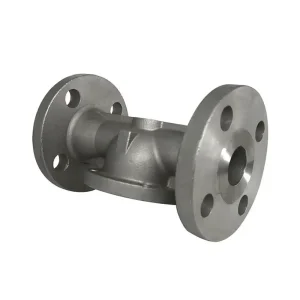
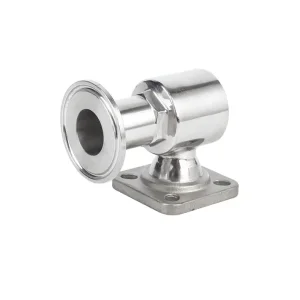
Explore our precision-engineered casting products engineered for high durability, zero leakages, and robust operational life cycle.
An in-depth metallurgical analysis, industry roadmap, and strategic supply chain evaluation for engineering procurement officers.
Over the last decade, China's cast valve industrial landscape has undergone a monumental shift from low-cost casting foundries to high-tech, digital-twin integrated precision manufacturing centers. Driven by national sustainability agendas and rising demand from international process industries, manufacturers like Dongguan SX Technology Co., Ltd. have pioneered the implementation of advanced simulation and machining systems.
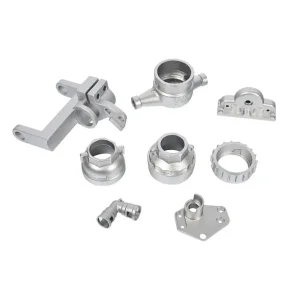
Unlike old sand casting technologies that yielded high porosity and surface roughness, modern Chinese casting relies heavily on Precision Investment Casting (Lost Wax Process). This allows for near-net-shape components that minimize raw material waste and require minimal post-cast machining. Integrating high-precision 5-axis CNC milling centers directly with investment casting foundries ensures that complex geometrical profiles of valve internals—such as flow dividers, guide ribs, and custom packing rings—are manufactured with tolerances as tight as 0.005mm.
The operational longevity of a valve is directly determined by its metallurgy. Dongguan SX Technology specializes in custom alloy optimization depending on the specific mechanical stresses of the targeted medium. The most commonly utilized materials represent the forefront of metallurgical stability:
Offering superior resistance against localized pitting corrosion, sulfuric acid environments, and high operational temperatures. Extensively deployed in marine setups and industrial process systems.
Characterized by an exceptional strength-to-weight ratio and unparalleled immunity to seawater corrosion. Crucial for deep-sea instrumentation, aerospace controls, and specialized naval craft.
Featuring a dual-phase microstructure of austenite and ferrite, providing high yield strength and extreme resistance to chloride stress corrosion cracking in petrochemical lines.
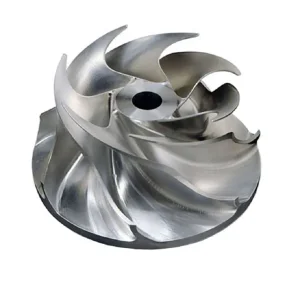
Precision control during the melting and solidification phases is critical. By deploying computerized vacuum induction melting (VIM) furnaces and argon oxygen decarburization (AOD) processes, leading Chinese suppliers ensure the elimination of trace impurities (such as sulfur and phosphorus) to prevent hot-cracking and micro-segregation within the casting matrix. This ensures the structural integrity of complex geometries like valves body castings, impellers, and marine metal parts.
Global process plants struggle with common but catastrophic valve failures: cavitation, rapid erosion from abrasive slurries, hydrogen embrittlement, and fugitive volatile organic compound (VOC) emissions. Resolving these challenges requires a holistic approach that bridges casting metallurgy with advanced mechanical machining.
Procuring cast valves internationally involves strict cost-benefit analysis and risk management. While Chinese manufacturers offer highly competitive pricing due to localized raw material access and mature industrial clusters, elite buyers prioritize quality compliance and engineering standards above simple unit costs.
To establish long-term supply chain resilience, global procurement managers look for companies with integrated CNC machining and assembly under one roof. Working with a vertically integrated supplier like Dongguan SX Technology prevents the risks associated with moving castings between multiple external processing workshops—such as dimensional deviations, handling damages, and tracking errors. Furthermore, complete material traceability back to the original heat number is non-negotiable for modern EPC (Engineering, Procurement, and Construction) companies operating in hazardous domains.
Your Reliable Partner in Precision Casting, CNC Machining, and Complex Assemblies.
Dongguan SX Technology Co.,Ltd has very rich experience in precision casting, CNC machining and assembly. Our products are used in machinery, automobiles, marine, ships, equipment, valves and pumps, electronic appliances, packaging, watches, construction, chemical industry and other industries.
The most commonly used materials for investment casting are stainless steel and carbon steel. And the most commonly used materials for CNC machining include titanium alloy, stainless steel, carbon steel, aluminum alloy, copper alloy, cemented carbide, etc. We have advanced manufacturing equipment and technology and are able to respond quickly to your needs.
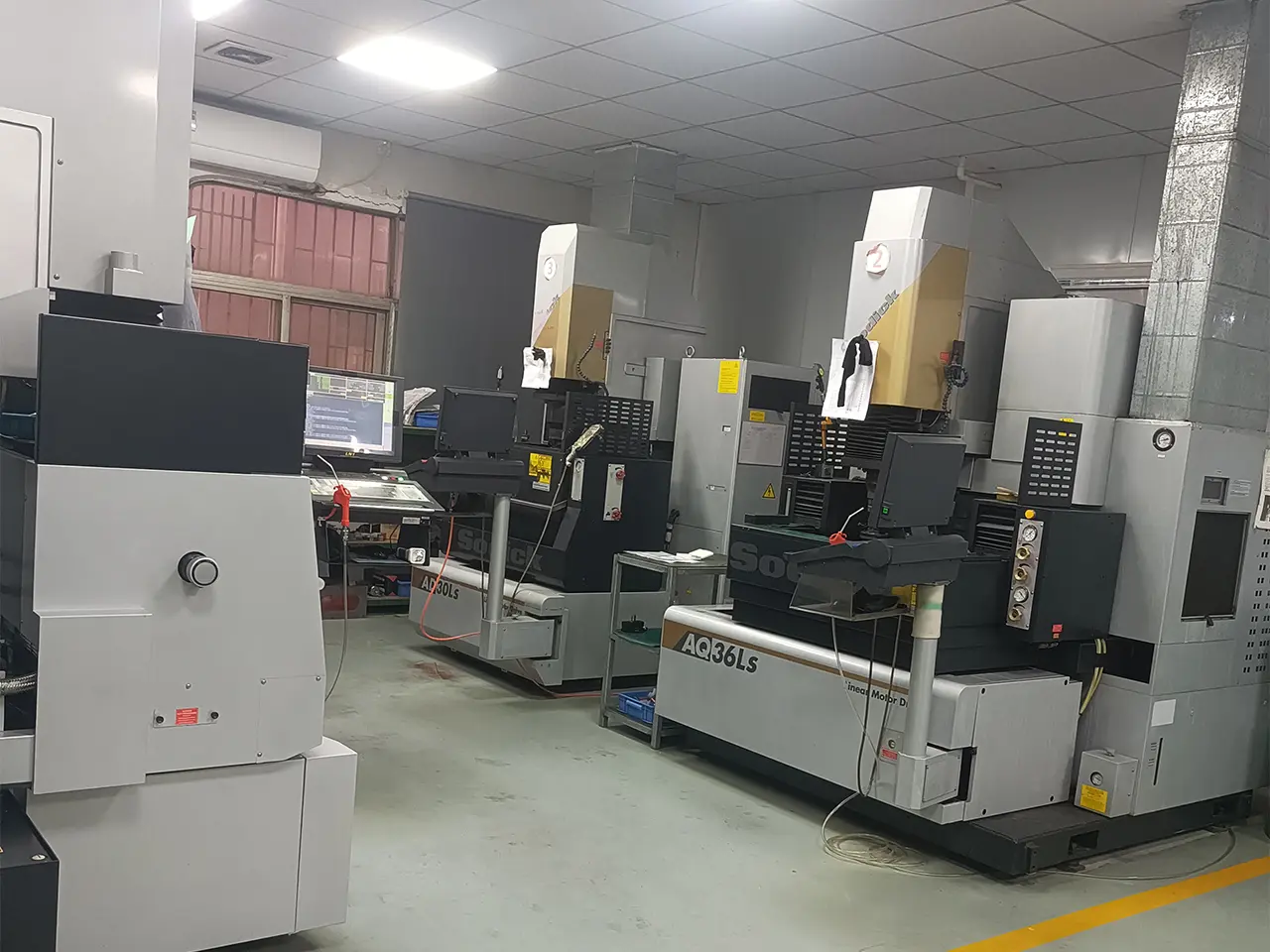
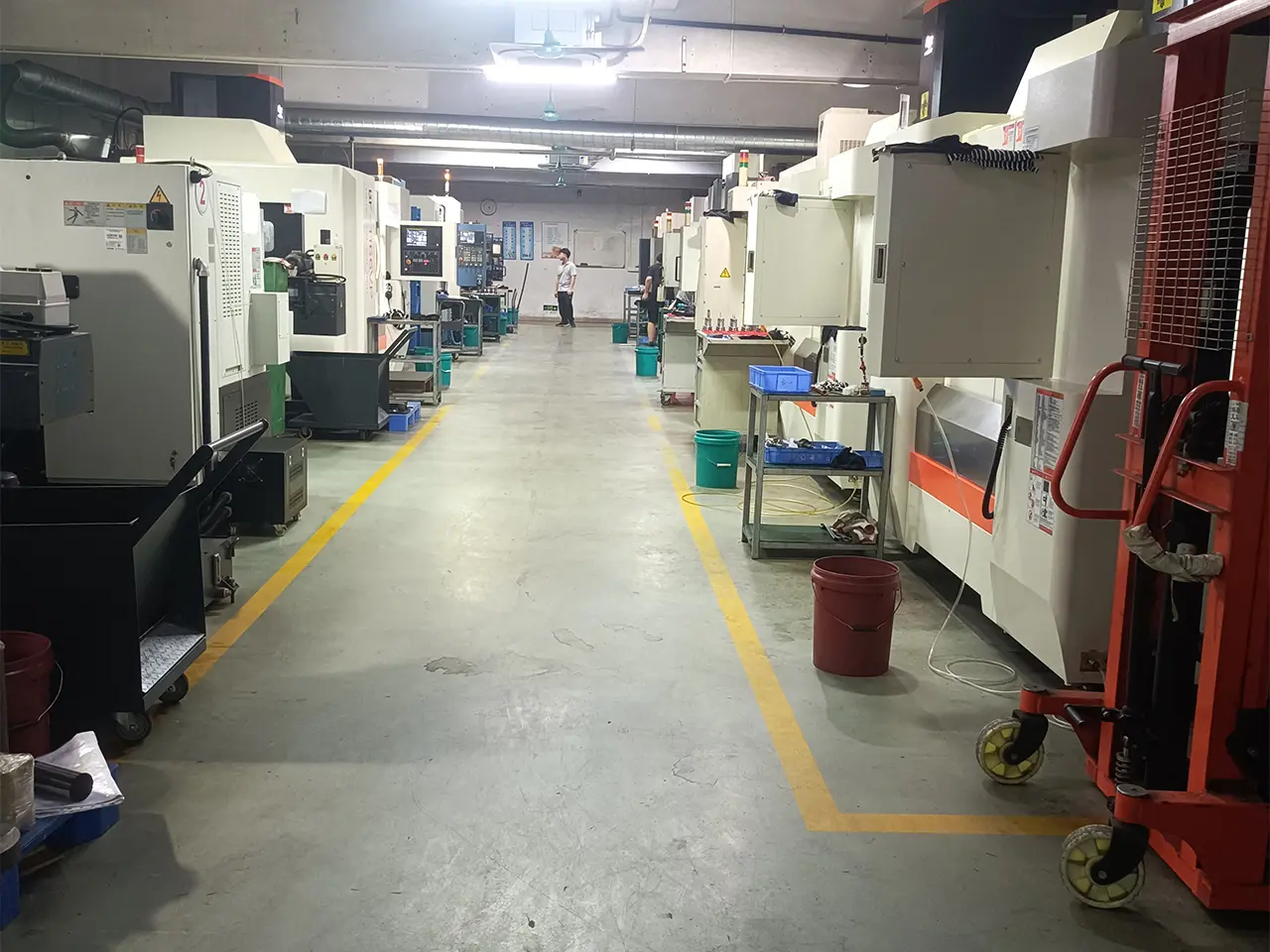
Take a virtual tour through our state-of-the-art manufacturing facility featuring automated casting systems and advanced high-axis CNC machinery.
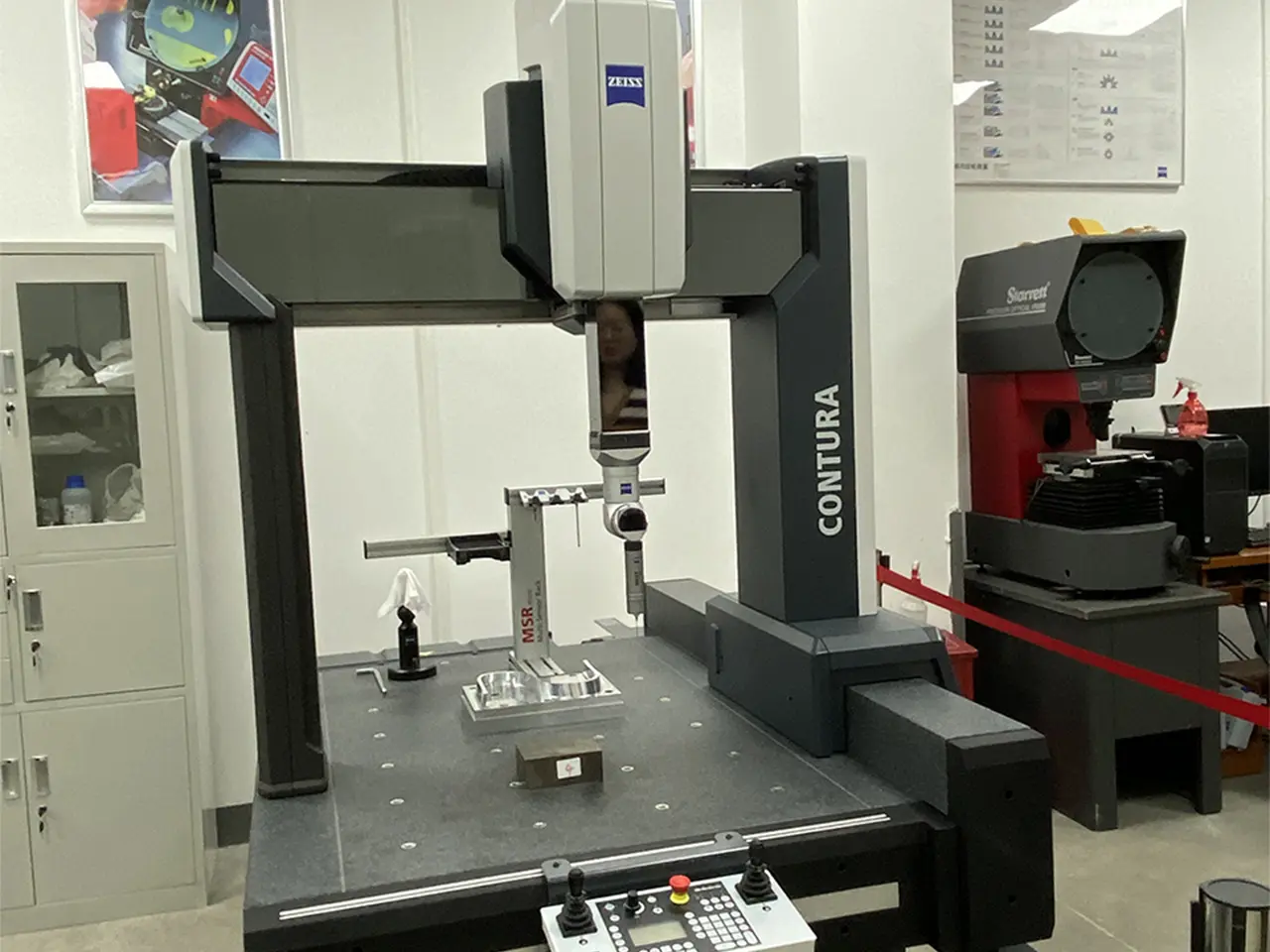
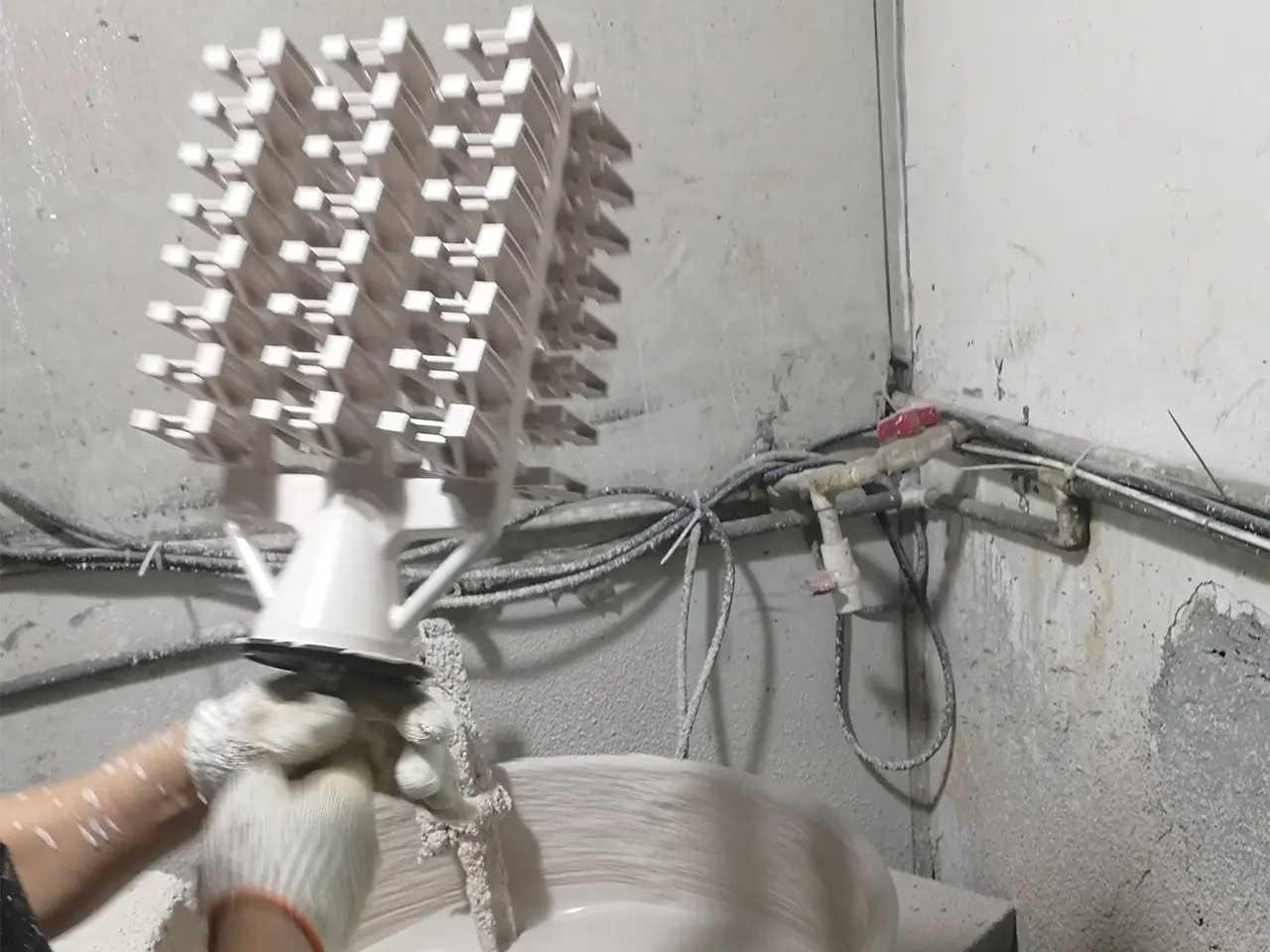
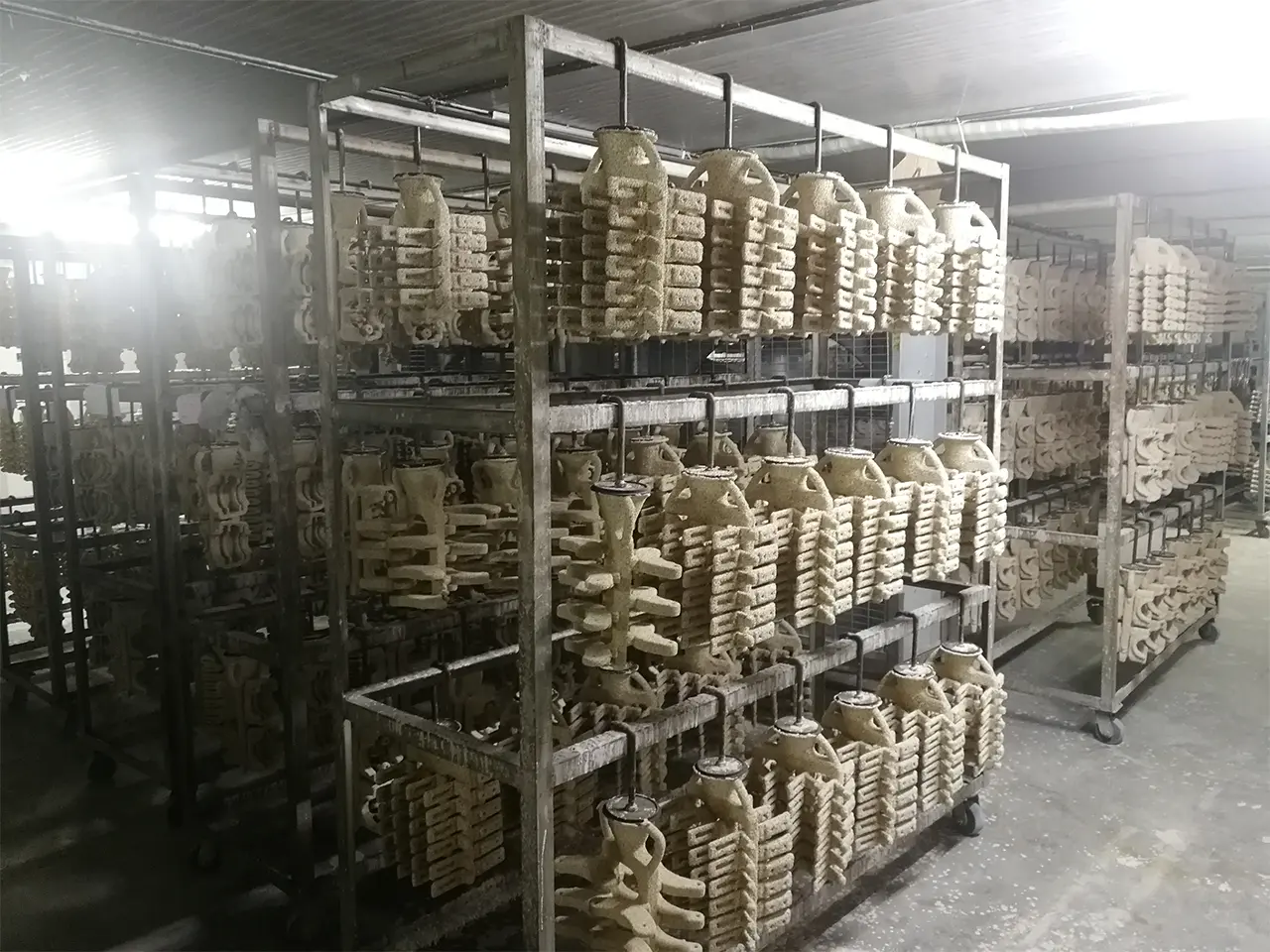
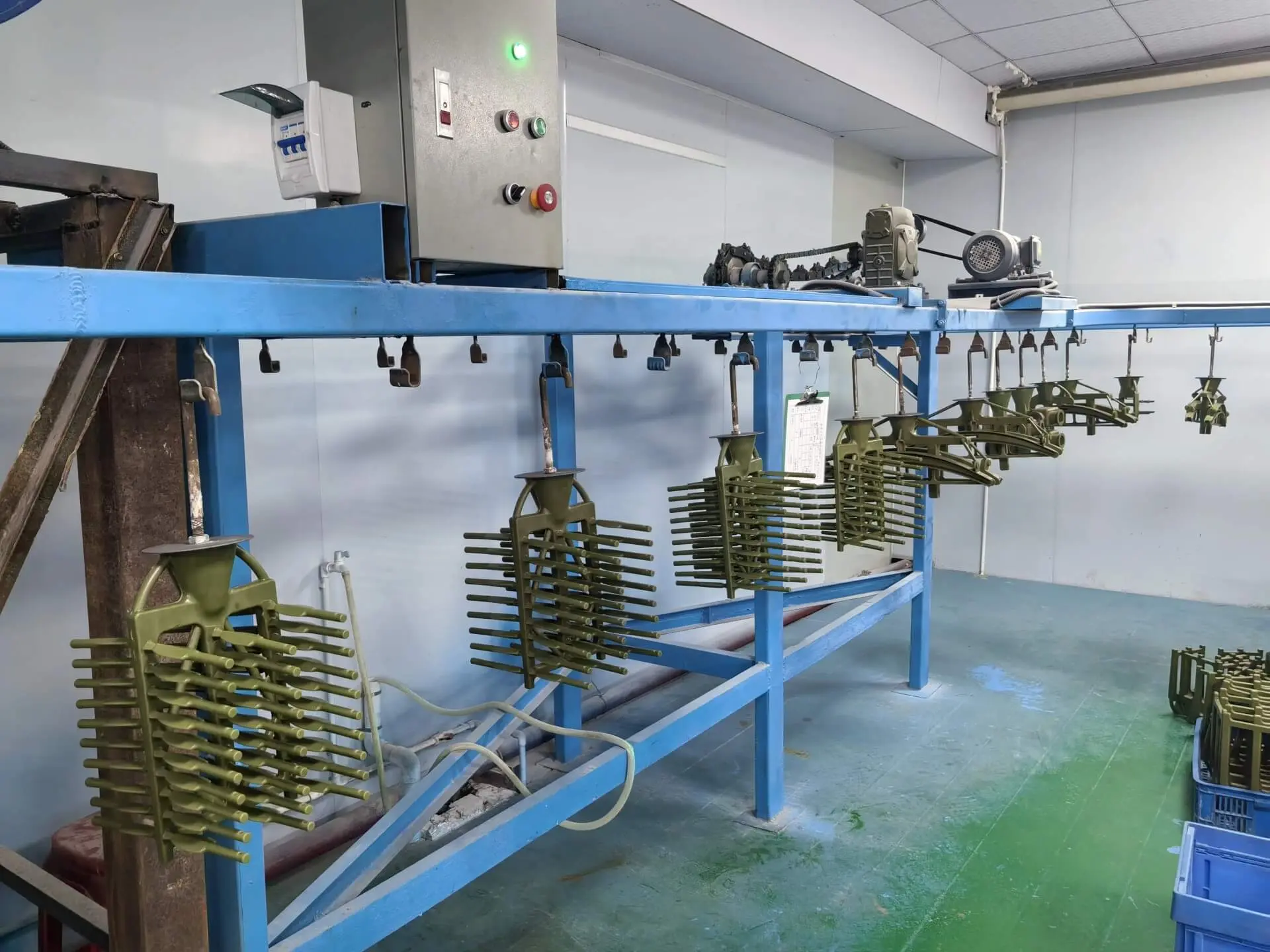
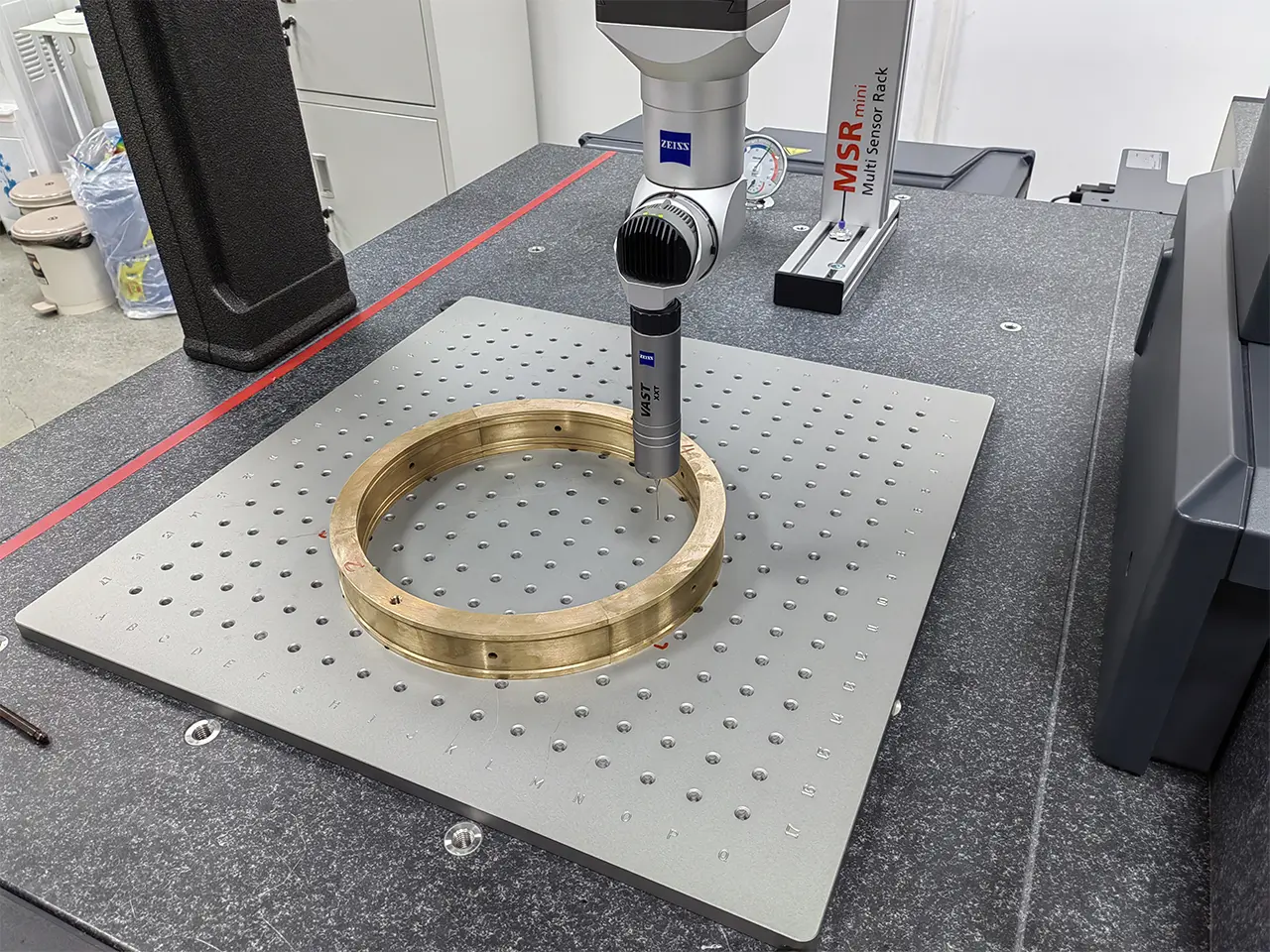
Strict tolerance control, metrology validation, and absolute traceablity.
We have professional testing equipment and professional QC personnel, and we adhere to strict tolerances and quality standards for the products we produce. Due to our insistence on strict quality requirements, we have been praised by many customers.
Quality is the cornerstone of the manufacturing industry. We firmly believe that only by controlling quality well can we survive, develop, and get better and better. Therefore, we have been working in this industry unremittingly since 2014 and continue to improve the company's team and improve the company's production capacity.
The convergence of generative AI, simulation engineering, and advanced manufacturing is redefining what is possible in fluid dynamics.
Looking to 2026 and beyond, Dongguan SX Technology is actively developing and integrating hybrid manufacturing pipelines. These pipelines combine the raw volumetric efficiency of precision investment casting with the extreme design freedom of metal 3D printing (Additive Manufacturing) for sand mold patterns. This eliminates the upfront tooling cost and lead times associated with traditional steel molds, paving the way for cost-effective rapid prototyping of complex industrial valve trims.
Moreover, AI-driven solidification simulations are now utilized before molten metal is poured into the shell. By modeling thermal flow patterns and solidification speeds, engineering teams can preemptively reposition the gating and riser systems. This eliminates shrinking cavities and structural porosities in high-stress sections of valve casings, resulting in a structural yield that consistently exceeds typical aerospace and petrochemical guidelines.
Providing informative and actionable answers to complex technical questions asked by global procurement officers and project engineers.
Investment casting provides far greater design flexibility, allowing for complex internal contours, custom flow channels, and integrated components that are geometrically impossible to forge. While forging aligns grain direction to maximize tensile strength in linear paths, modern precision investment casting combined with advanced post-cast heat treatments (such as solution annealing) ensures homogeneous metallurgical properties that are perfectly capable of handling high cyclic pressures and extreme cryogenic or thermal conditions.
We strictly manage our operations around ISO 9001 and trace our manufacturing processes according to global pressure vessel standards (such as PED 2014/68/EU and API 6D). Our raw material verification utilizes Optical Emission Spectrometry (OES) to guarantee compliance with ASTM, EN, and JIS standards. Every valve casting is fully traceable with unique heat number markings stamped directly onto the components.
By combining professional QC workflows and high-end software simulations, we predict thermal solidification patterns prior to production. Additionally, we implement non-destructive testing (NDT) methodologies—such as Radiographic Testing (RT) to inspect inner core structure and Liquid Penetrant Testing (LPT) to trace hairline surface faults. Proper degassing techniques during melting also ensure that dissolved gas content remains below critical PPM levels.
Standard custom mold production and initial casting samples are typically finalized within 3 to 4 weeks. Once samples are approved, batch production runs take anywhere from 4 to 6 weeks, depending on order size and complexity of post-cast CNC machining requirements. Our vertically integrated system allows for efficient communication and rapid project turnaround compared to relying on separate third-party foundries and machining workshops.
Yes, titanium alloy precision machining and casting are among our core competencies. We possess the special carbide tooling, rigid heavy-duty machinery, and technical coolant protocols required to CNC turn and mill titanium alloys (such as Ti-6Al-4V) cleanly without heat work-hardening the workpiece. Our custom titanium components are regularly used in deep-sea oceanographic instrumentation and offshore drilling rigs where resistance to high hydrostatic pressure and saltwater corrosion is critical.
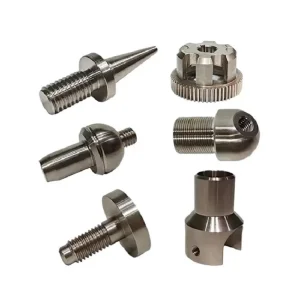
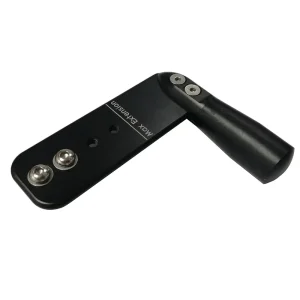
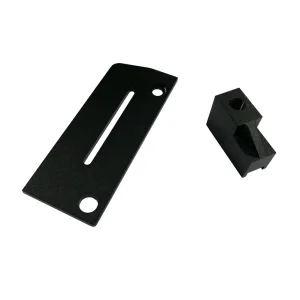
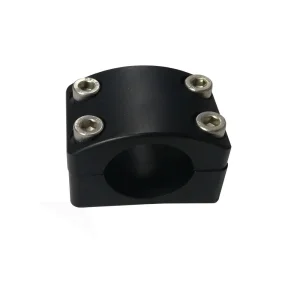
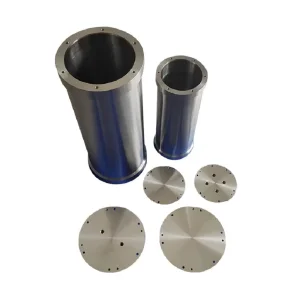
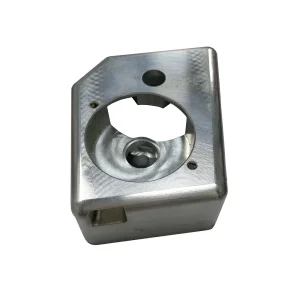
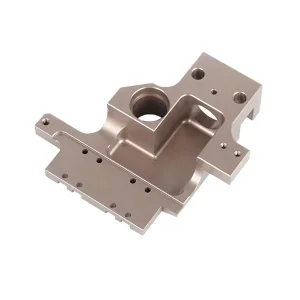
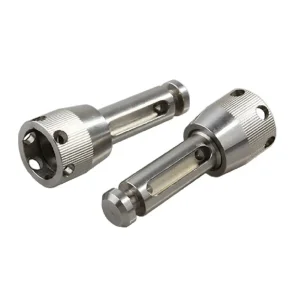
Explore our highly customized CNC milled and turned components designed for severe service, mechanical machinery, and specialized industrial tools.
 SX Machining