Explore our premium product line manufactured with strict adherence to ISO 9001:2015 standards, serving critical engineering functions worldwide.
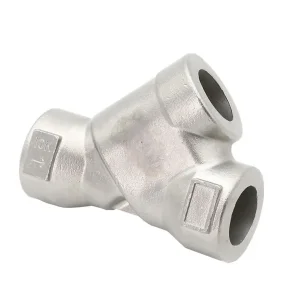
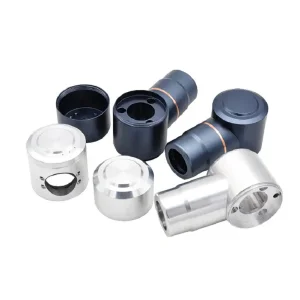
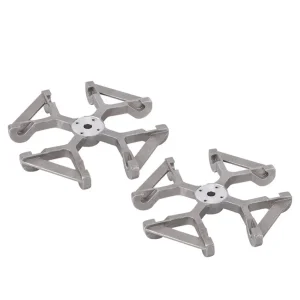
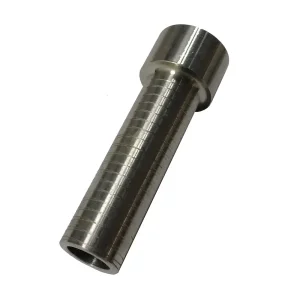
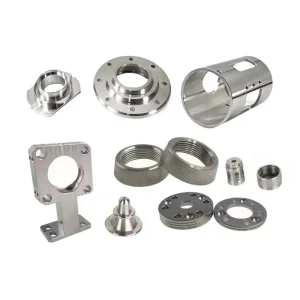
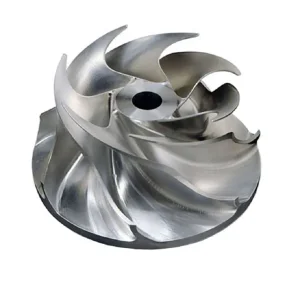
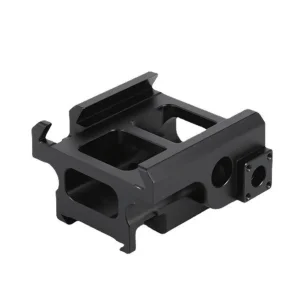
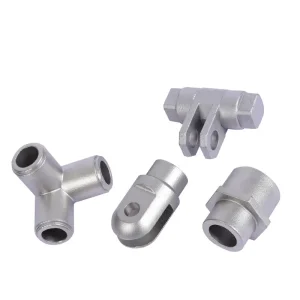
Investment casting, universally known as lost wax casting, stands as one of the most reliable and precise manufacturing processes in the modern engineering era. Originating millennia ago, this process has transitioned from an artisan craft into a highly automated, digital-centric technology that supplies core components to high-reliability applications, including aerospace, medical, marine, energy, and process control systems.
At the center of lost wax casting is the ability to produce complex geometries with incredibly tight dimensional tolerances (often reaching CT4 to CT6 classes according to ISO 8062) and a superior surface finish (Ra 1.6 to Ra 3.2 micrometers, depending on the binder system used). Unlike traditional sand casting, which yields coarse surface profiles and demands significant secondary machining, investment casting yields near-net-shape components that reduce machining cycles, optimize raw material usage, and minimize structural scrap rates.
The choice of binder determines the ultimate characteristics of the casting shell. In premium precision foundries, a Silica Sol binder system is utilized for high-precision components like stainless steel, titanium, and cobalt alloys. This system provides superior structural stability during high-temperature thermal cycling and prevents metal-mold reactions, ensuring flawless casting surfaces free of sand inclusions or carbonization.
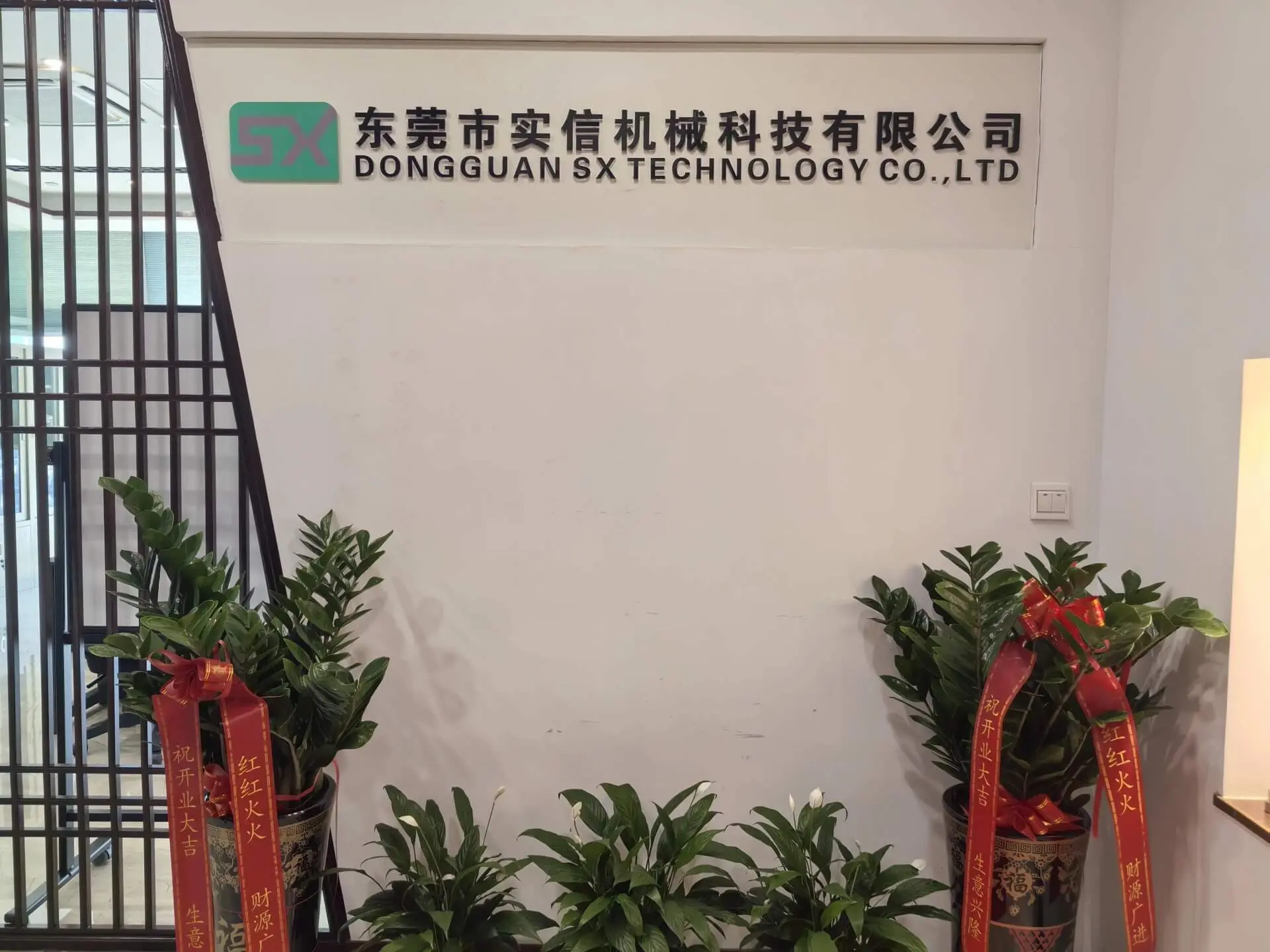
Dongguan SX Technology Co.,Ltd has built a reputation for excellence in the domains of precision casting, CNC machining, and mechanical assembly. By marrying the time-tested methodologies of lost wax casting with modern, multi-axis computer numerical control (CNC) machining centers, we provide our global clientele with vertically integrated manufacturing services.
Since 2014, we have focused on engineering components that perform under severe mechanical stress, corrosive environments, and tight thermal fluctuations. Our parts are widely applied in machinery, automobiles, marine systems, ships, instrumentation, valves and pumps, electronic appliances, packaging equipment, watches, architectural fittings, and chemical equipment. Our ability to respond rapidly to project demands, design modifications, and sudden engineering changes makes us a preferred Tier 1 and Tier 2 vendor.
Our material capabilities are extensive. In the casting sector, we prioritize high-performance stainless steel (e.g., 304, 316, 316L, 17-4 PH) and carbon steel. In the CNC machining sector, we work with challenging materials including titanium alloys, stainless steel, carbon steel, aluminum alloys, copper alloys, and cemented carbides, guaranteeing that physical component designs correspond directly to structural requirements.
As industrial automation, electrification, and high-performance engineering demand lighter, stronger, and more intricate components, several macro trends shape the casting landscape.
By using direct SLA/DLP 3D printers for wax pattern creation, we bypass physical mold costs for prototyping and small-batch production, decreasing lead times from weeks to days.
Employing casting flow analysis software (like MAGMA or ProCAST) allows engineers to predict shrinkage cavities, solidification profiles, and gas porosity before pouring the metal.
Modern foundries focus on energy recovery, automated induction furnace management, and material recycling systems to meet the strict carbon-footprint requirements of global corporations.
Exploring how Dongguan SX Technology Co.,Ltd leverages integration, smart logistics, and tooling optimization to maintain reliability in the face of supply chain volatility.
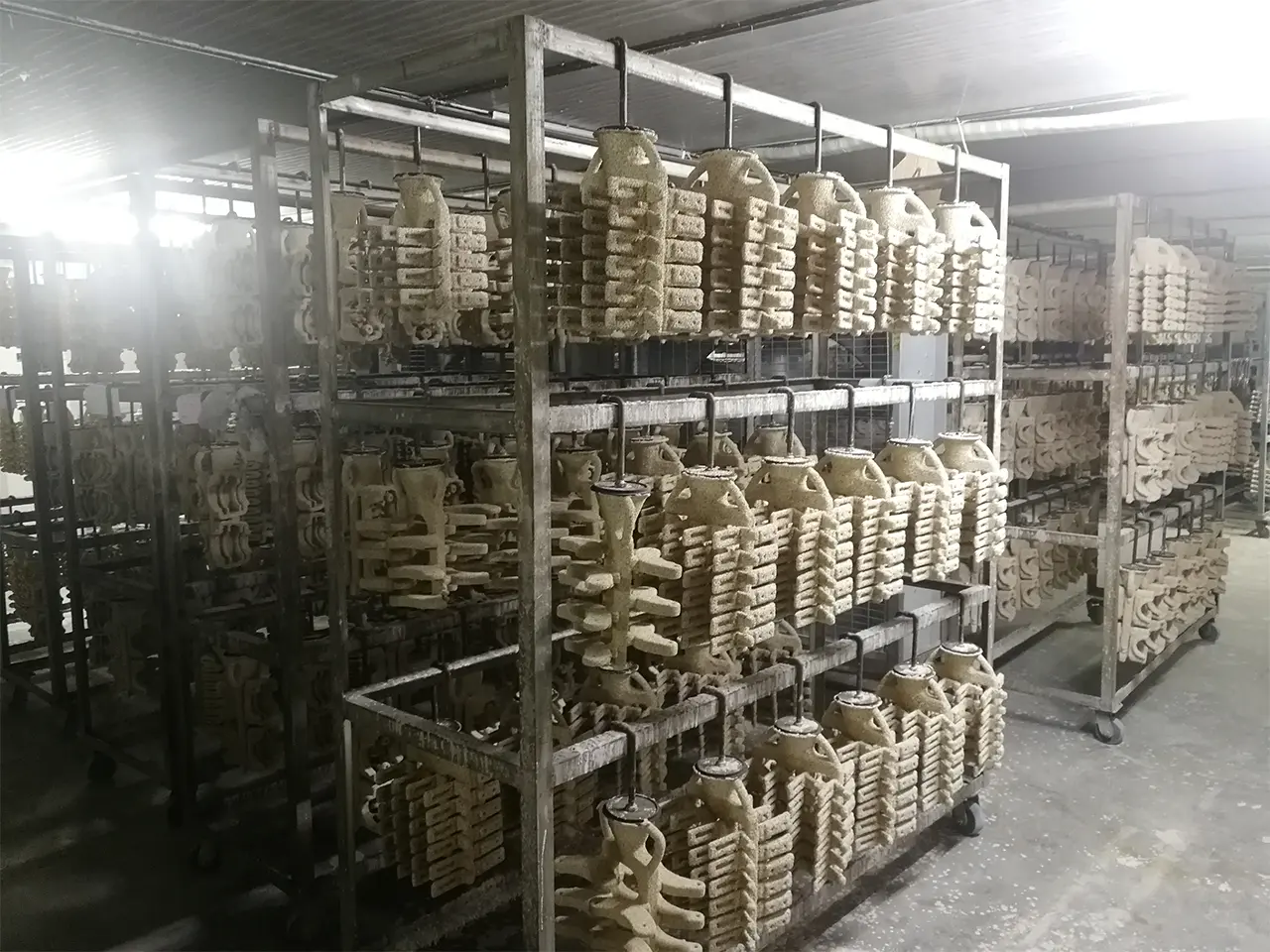
Controlled humidity and temperature ensure the stability of the ceramic shells, preventing thermal cracks during molten metal pouring.
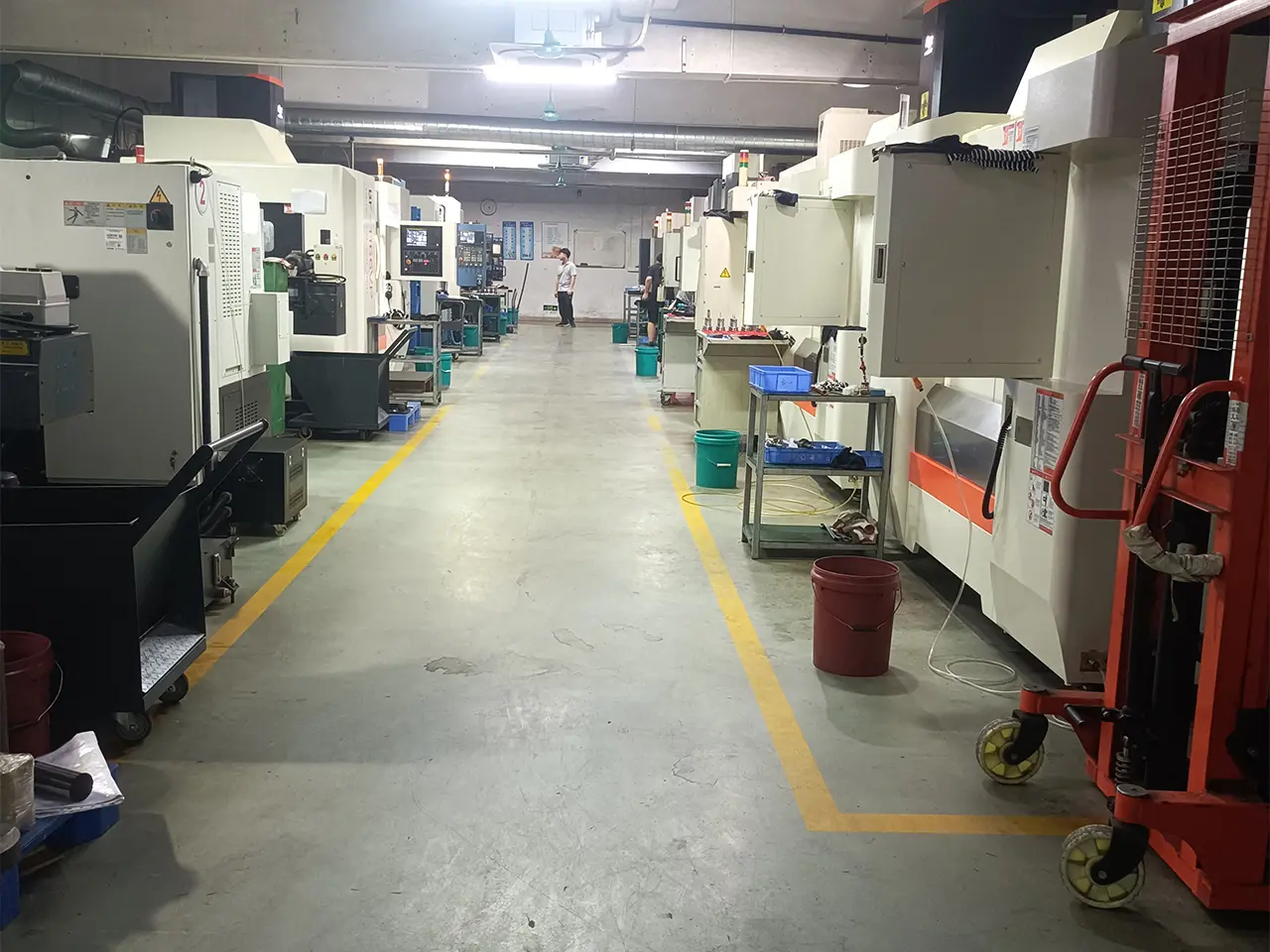
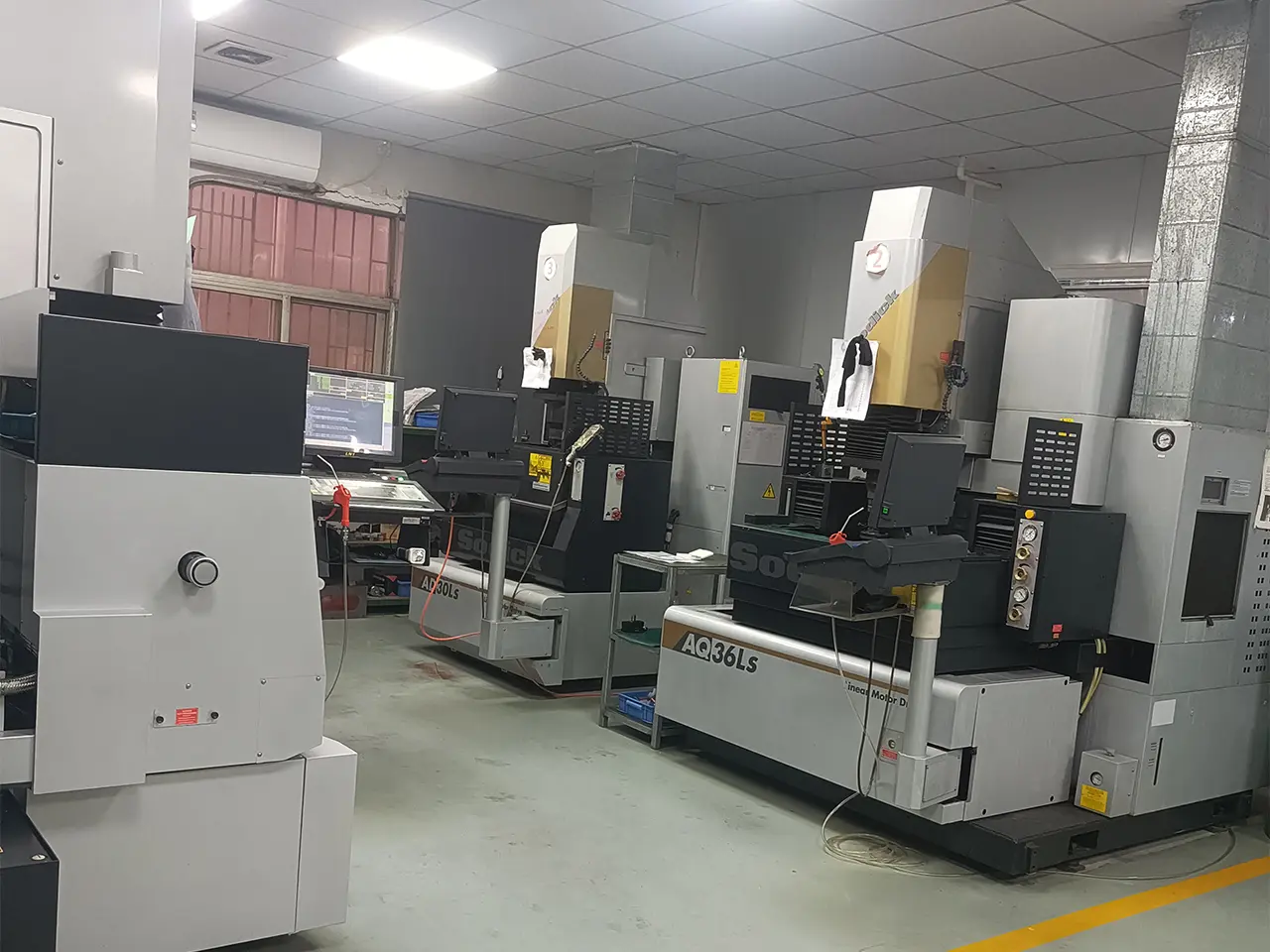
Sub-micron accuracy and automated tool changers optimize machining cycles on carbon steels, titanium, and aluminum castings.
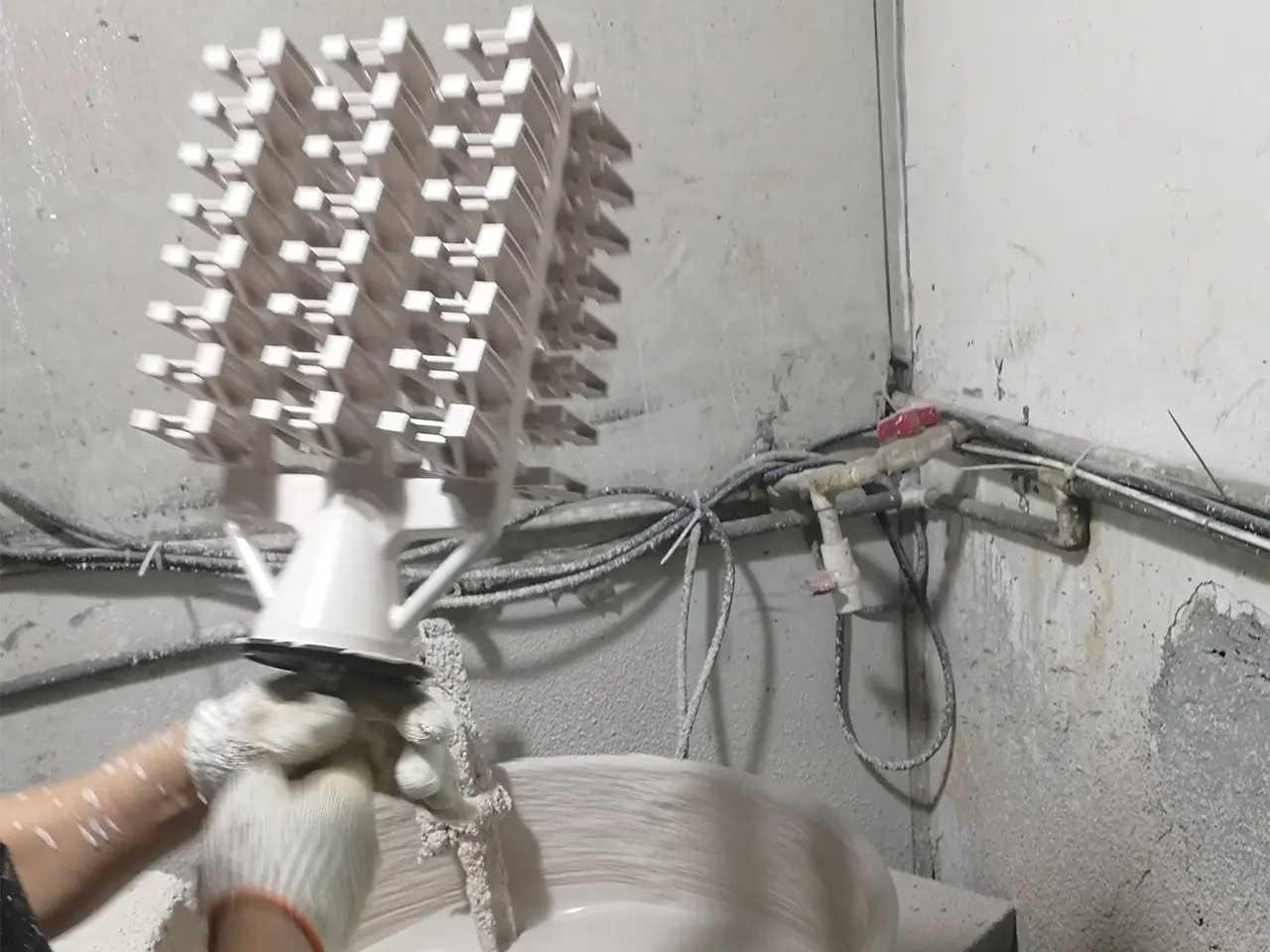
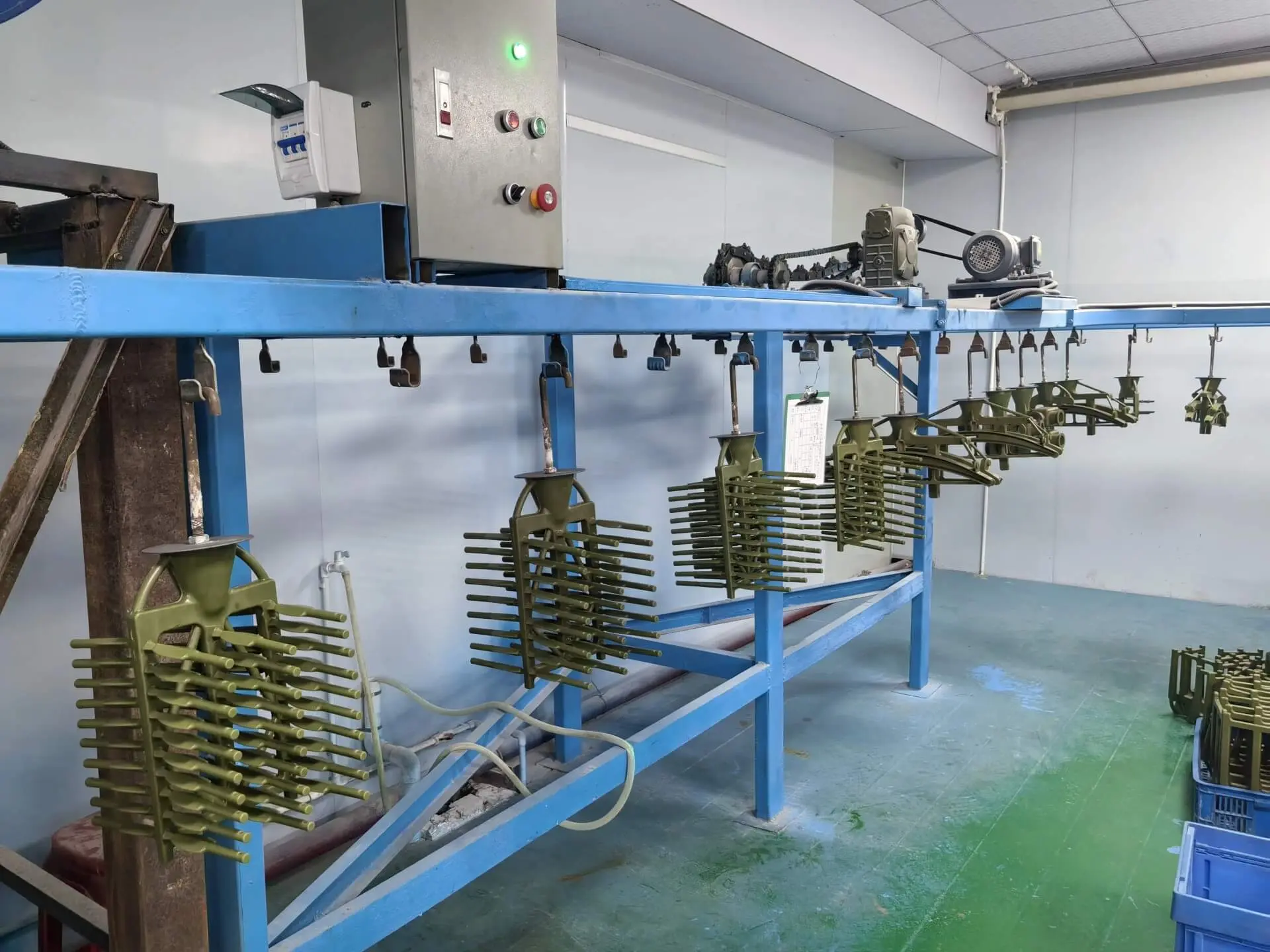
Automated steam autoclave equipment removes the green wax completely without placing mechanical stress on the shell mold.
From sand blasting and shot peening to passivating, plating, and anodizing, we provide turn-key component processing.
Medium-frequency induction furnaces guarantee metallurgical uniformity and strict temperature management during melt cycles.
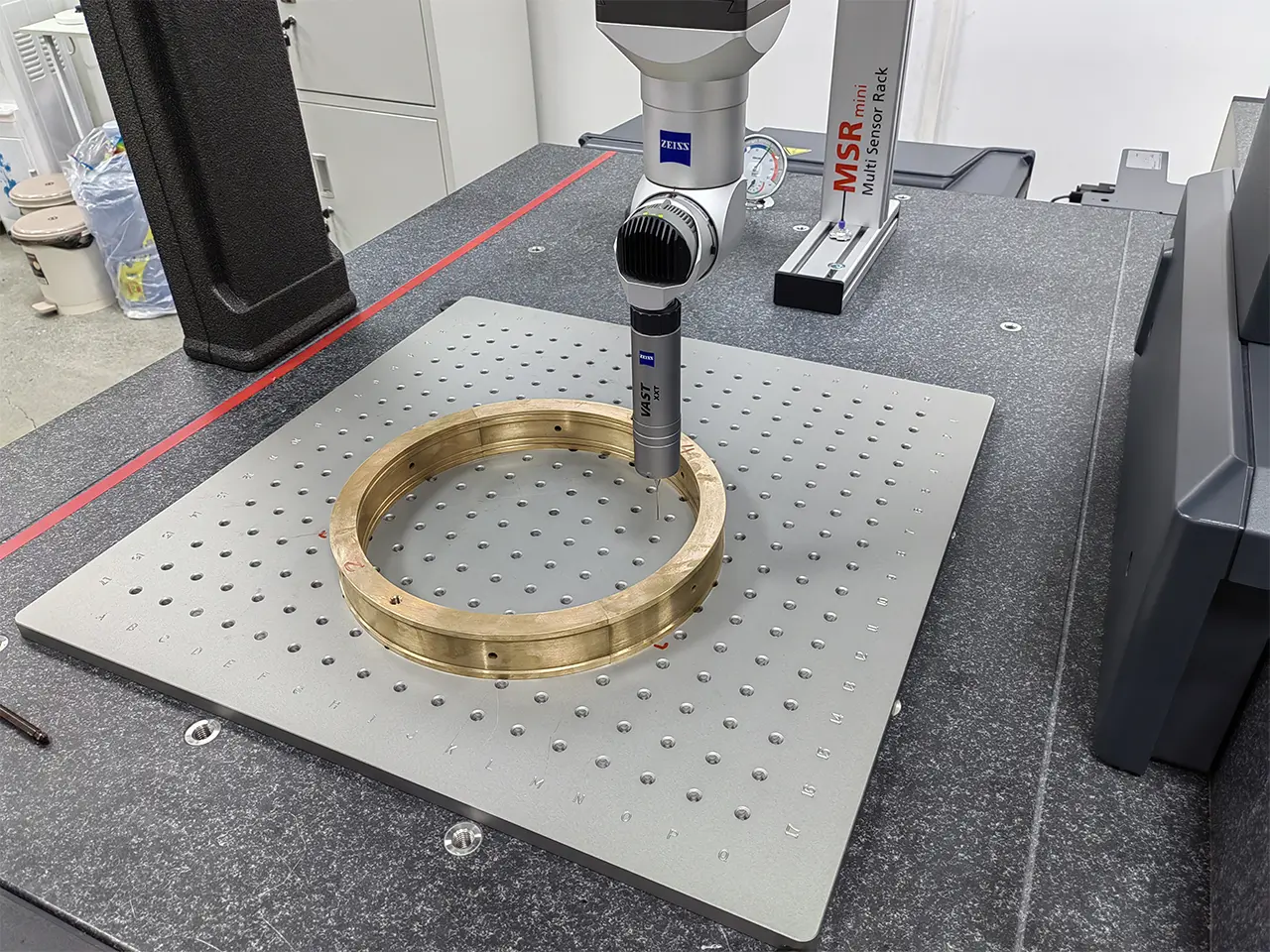
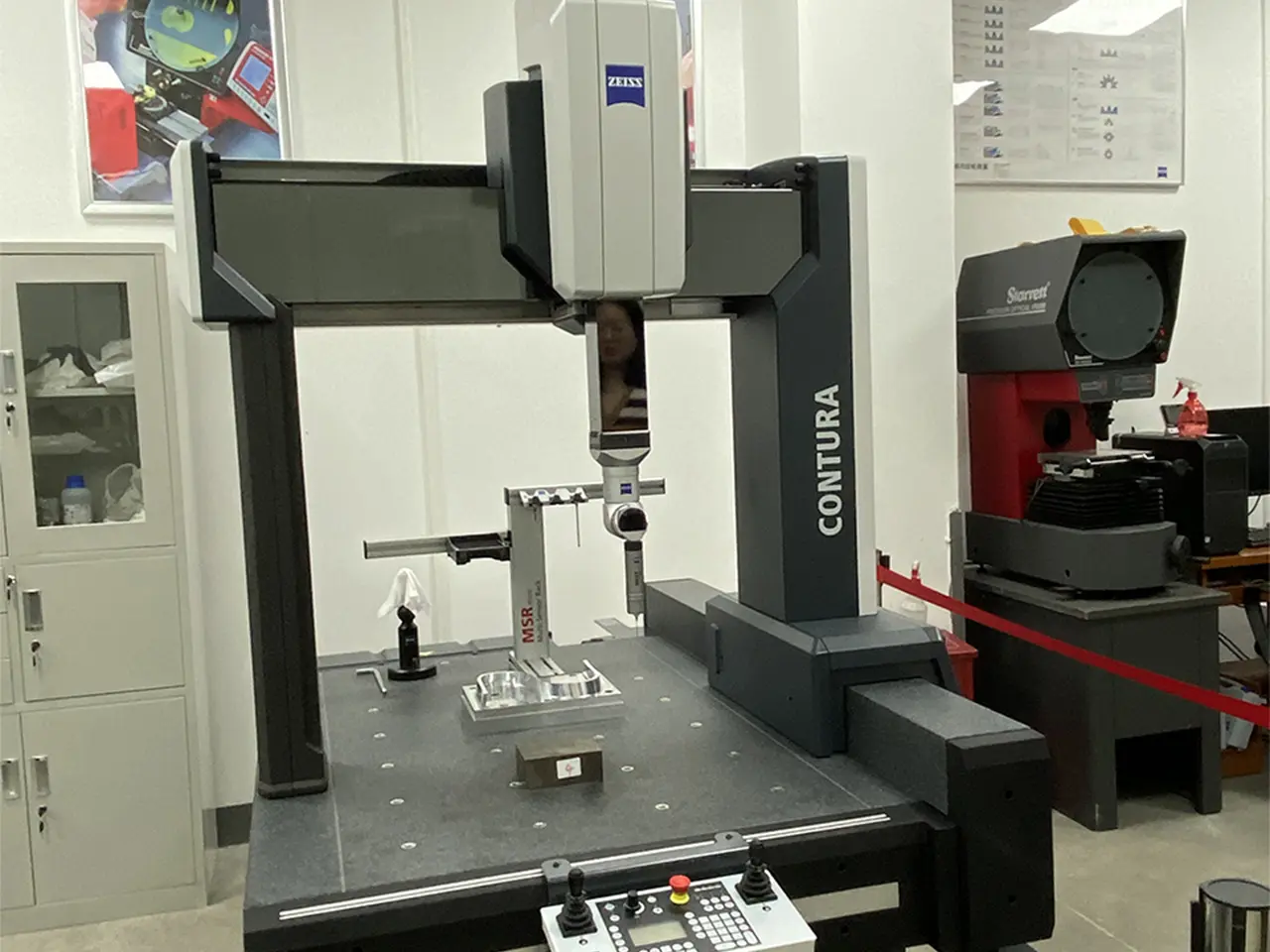
Equipped with Coordinate Measuring Machines (CMM), optical projectors, and roughness testers to verify dimensional profiles.
At Dongguan SX Technology Co.,Ltd, quality is not a post-production check; it is the core foundation of our operational flow. Operating in high-tolerance sectors since 2014, we realize that component failure is not an option. For this reason, our quality management framework is structured around the prevention of flaws and the confirmation of raw metallurgical characteristics.
Our Quality Control department employs dedicated inspectors and high-accuracy test equipment. Our standard verification steps include:
Every shipment is accompanied by a Material Test Report (MTR) according to EN 10204 3.1, proving traceability back to the raw ingot batch, and dimensional inspection sheets that verify critical tolerances are met.
How our precision components perform under heavy workloads across diverse industrial applications worldwide.
Corrosion-resistant 316L and duplex stainless steel casting products (valve bodies, impellers, and pump housings) designed to withstand high pressure, chemical erosion, and extreme wear in chemical processing plants.
Structural cast components, linkages, track rollers, and mounting brackets configured for long lifetimes, low wear, and high impact resistance in dust-filled, abrasive environments.
Biocompatible, non-magnetic titanium alloys and special grade stainless steels machined with extreme precision. Ideal for orthopedic implants, surgical instruments, and core diagnostic machinery components.
Superior marine-grade bronze and specialty stainless steel propeller blades, hull fittings, and deck hardware. Resistant to salt-spray oxidation, cavitation wear, and chloride stress-corrosion cracking.
Heat-resistant turbocharger housings, exhaust manifolds, and 5-axis milled impeller wheels capable of maintaining dimensional integrity under high thermal cycling and rotational stresses.
Lightweight aluminum castings and precision-machined heatsinks with clean surface profiles and high thermal conductivity, providing EMI shielding for modern 5G base stations and servers.
Detailed engineering answers to the most common inquiries received from procurement professionals and design engineers.
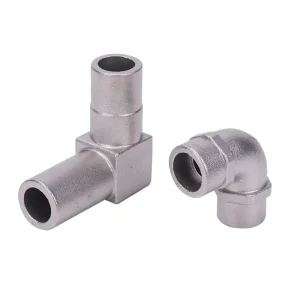
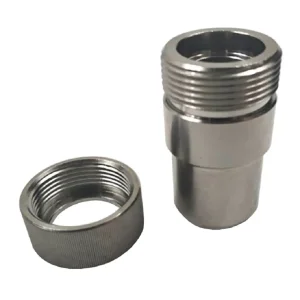
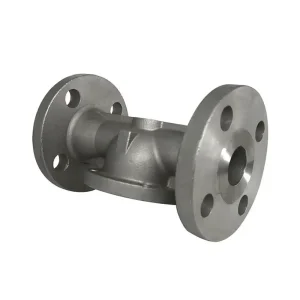
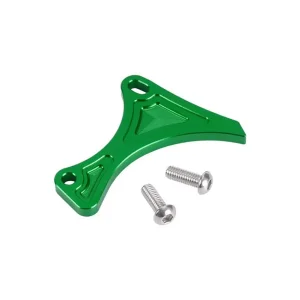
Explore the remainder of our engineered product selections, combining metallurgy expertise with robust dimensional execution.
 SX Machining