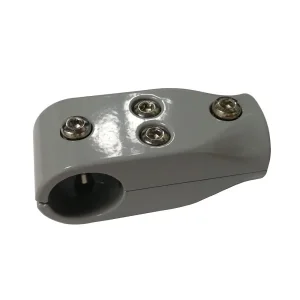
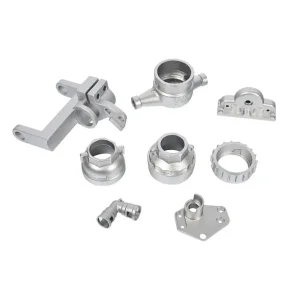
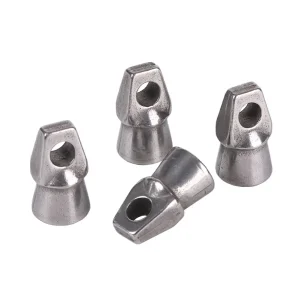
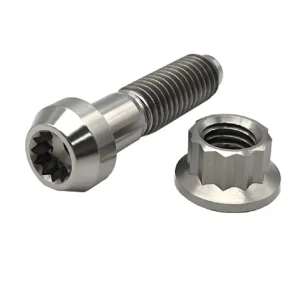
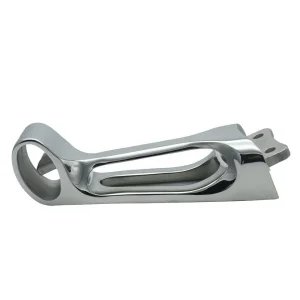
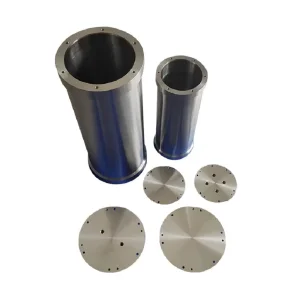
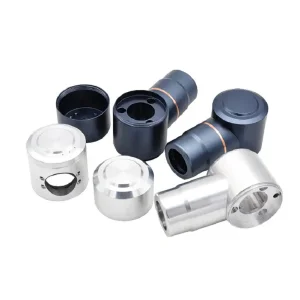
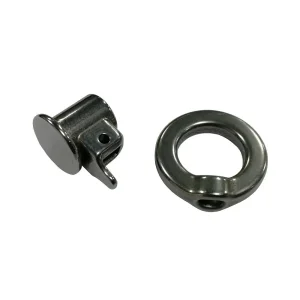
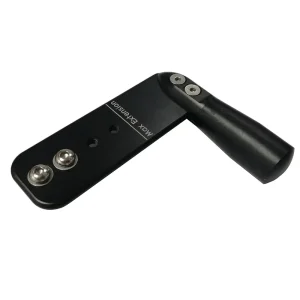
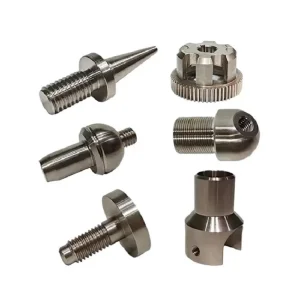
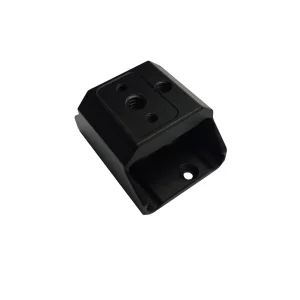
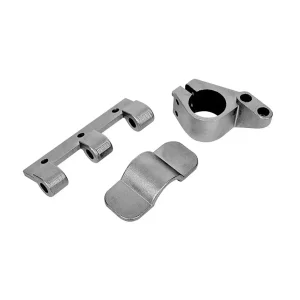
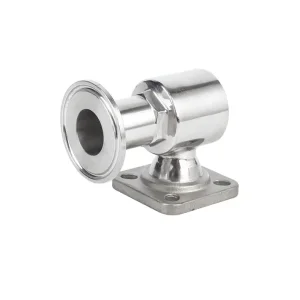
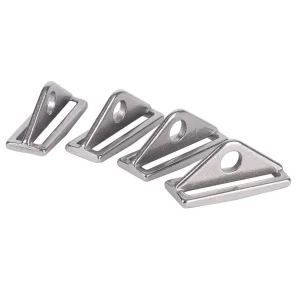
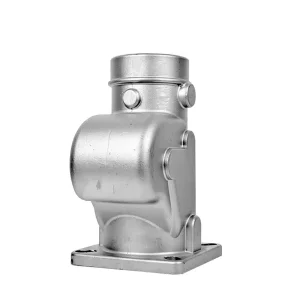
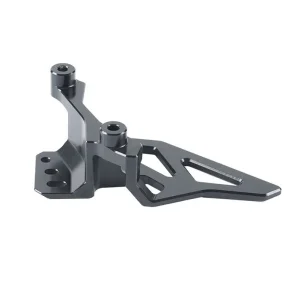
Explore our industrial-grade components custom-manufactured via high-precision investment casting and multi-axis CNC machining processes.
In modern industrial applications, the complexity of structural design continues to challenge traditional fabrication limits. Precision investment casting (popularly known as the lost wax casting process) bridges the gap between intricate design intent and physical metallurgical output. Operating as a critical method for zero-draft, complex geometries, this manufacturing process offers unparalleled dimensional repeatability. For global enterprises looking for precision components, partnering with a proven Chinese supplier represents a strategic consolidation of advanced raw material options, certified process quality, and substantial structural cost-efficiency.
By creating a wax pattern, building a refractory ceramic shell, melting out the wax, and pouring molten steel or titanium alloys into the resulting cavity, investment casting delivers tight tolerances and exceptionally smooth surface finishes. This eliminates the need for expensive secondary milling cycles on non-critical functional areas.
Advanced industries—ranging from commercial transportation systems and deep-sea marine engineering to heavy-duty chemical valves—require material structures that resist creep, oxidation, and cyclical fatigue. Procuring from a highly integrated supplier like Dongguan SX Technology Co., Ltd. ensures that raw casting quality is maintained. Global buyers must balance microstructural parameters against strict compliance frameworks. It is no longer just about buying cast metal parts; it is about obtaining components that have gone through strict non-destructive testing (NDT), chemical configuration verification via optical emission spectrometers (OES), and comprehensive dimensional inspection reports.
Expertise in casting Austenitic, Martensitic, and Duplex stainless steels, alongside specialized titanium alloys for corrosion-intensive deep-sea and marine architectures.
Transitioning raw investment castings to finish-machined geometries using multi-axis milling, turning, and high-tolerance surface finishing.
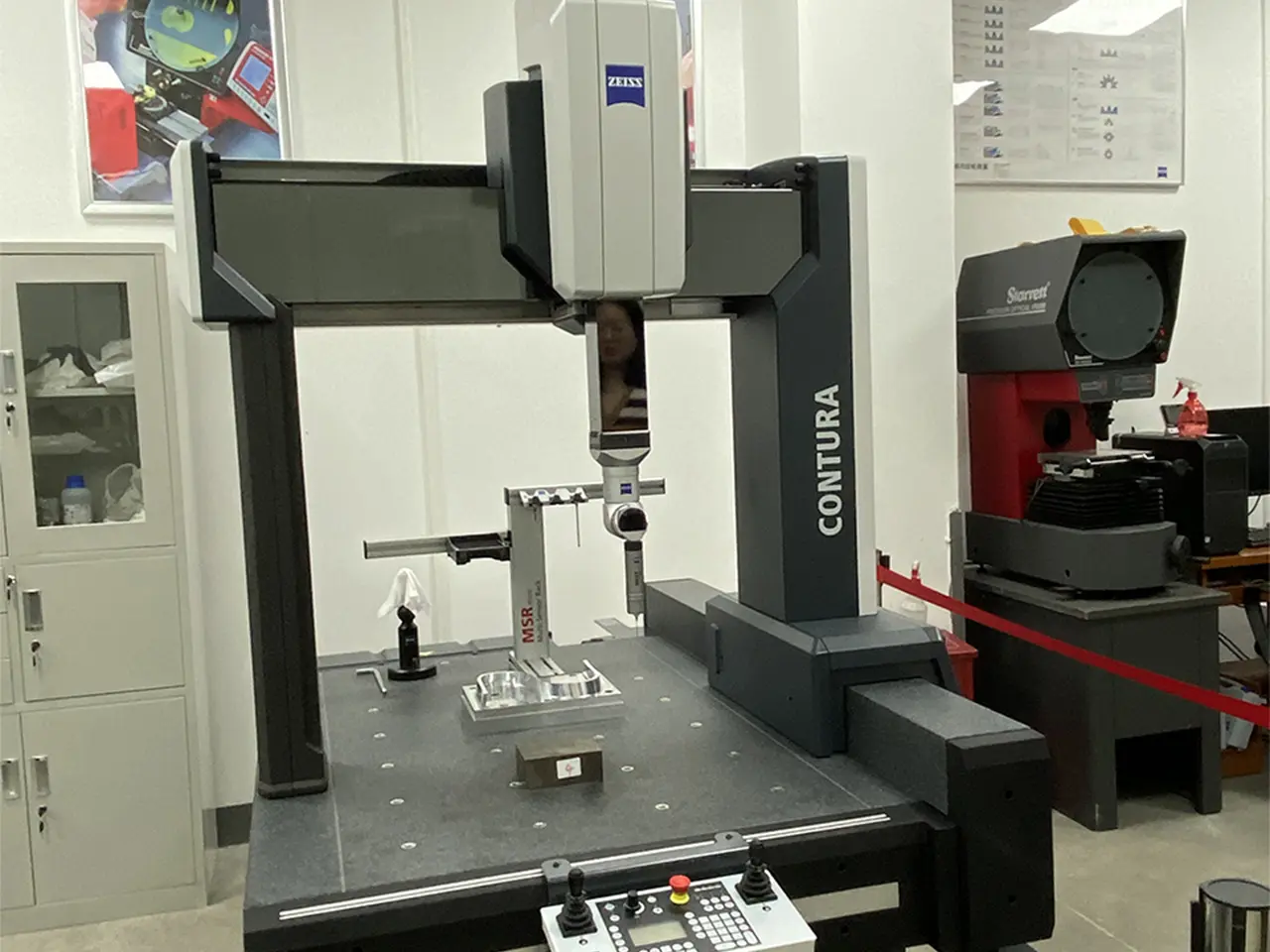
Traceable manufacturing processes desde 2014, backed by coordinate measuring machines (CMM), spectroscopic verification, and rigorous defect control.
Dongguan SX Technology Co., Ltd. possesses extensive experience in precision casting, multi-axis CNC machining, and comprehensive assembly. Our components serve a variety of high-demanding sectors, including marine systems, commercial vehicles, industrial pump/valve technologies, electronic enclosures, precision packaging systems, and medical-grade equipment.
While stainless steel and carbon steel constitute our primary material options for investment casting, we maintain advanced processing operations for CNC machining. These setups handle high-performance alloys including Titanium (Ti-6Al-4V), high-chrome Stainless Steel, structural Carbon Steel, Aluminum Alloys (6061-T6, 7075), Copper Alloys, and Cemented Carbides.
Our facility leverages advanced manufacturing equipment, offering quick turnarounds from design-for-manufacturability (DFM) reviews to high-volume production schedules.
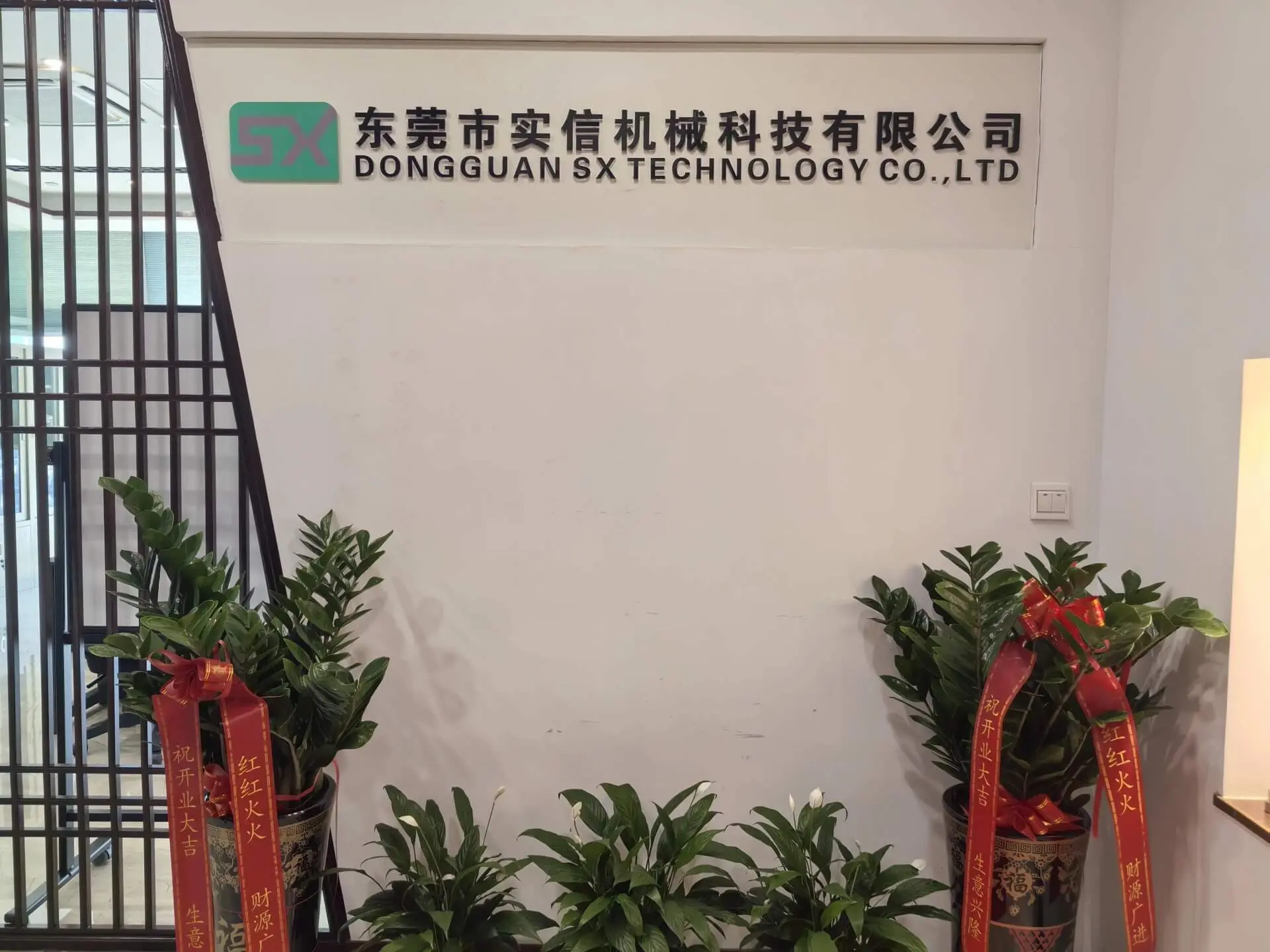
Inside our production workshop: where complex designs are converted into highly durable components using high-end casting technology.
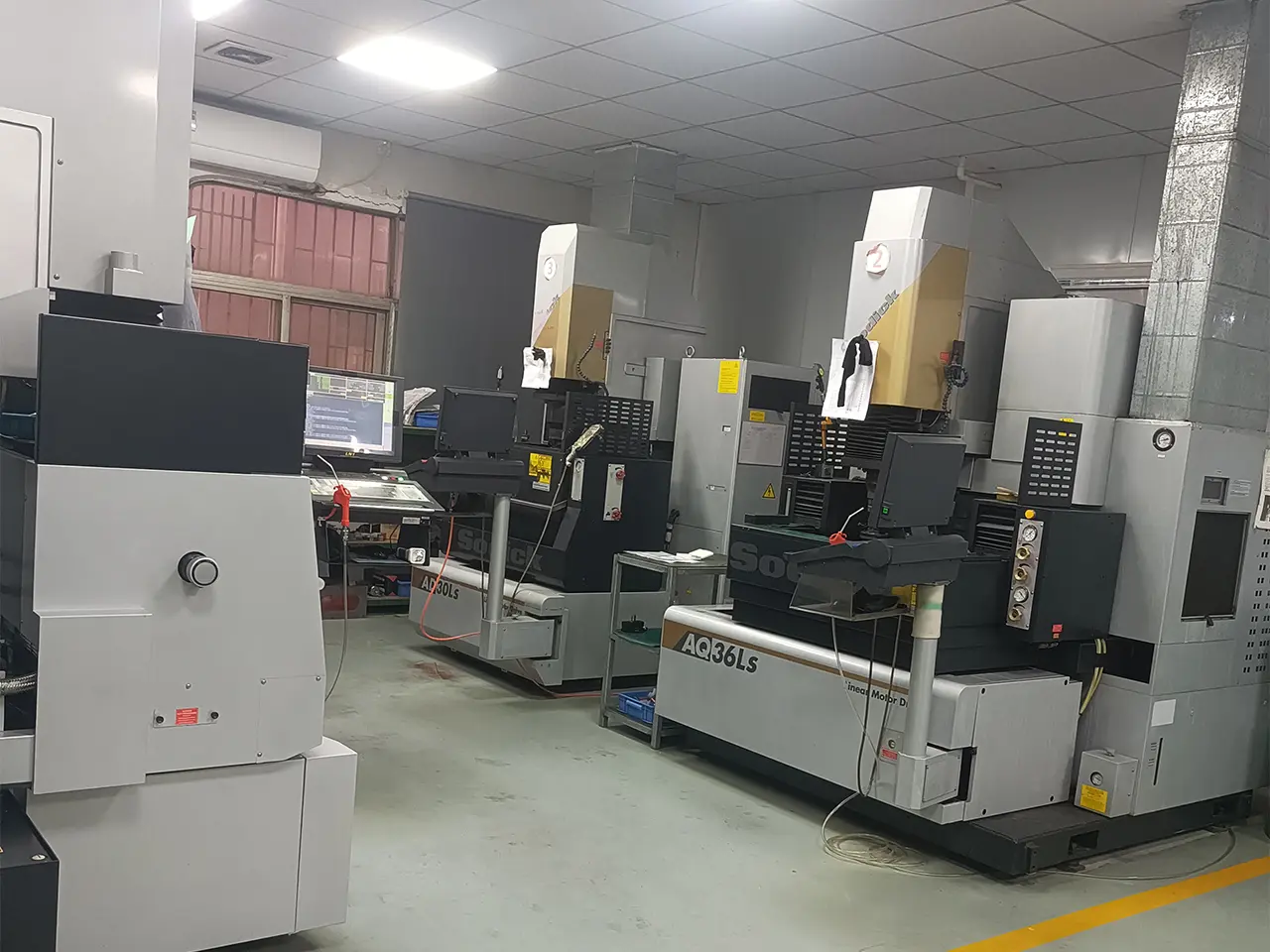
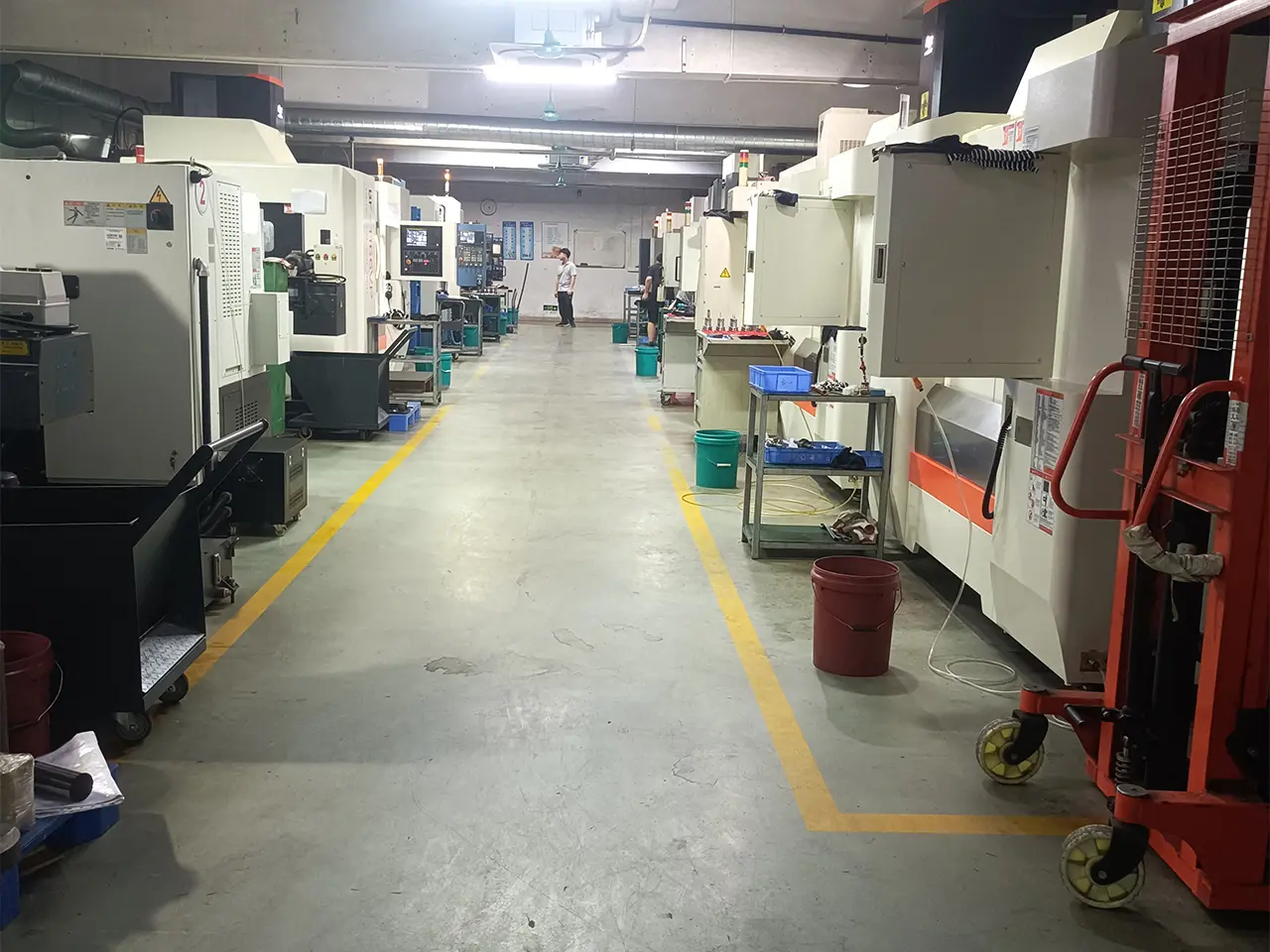
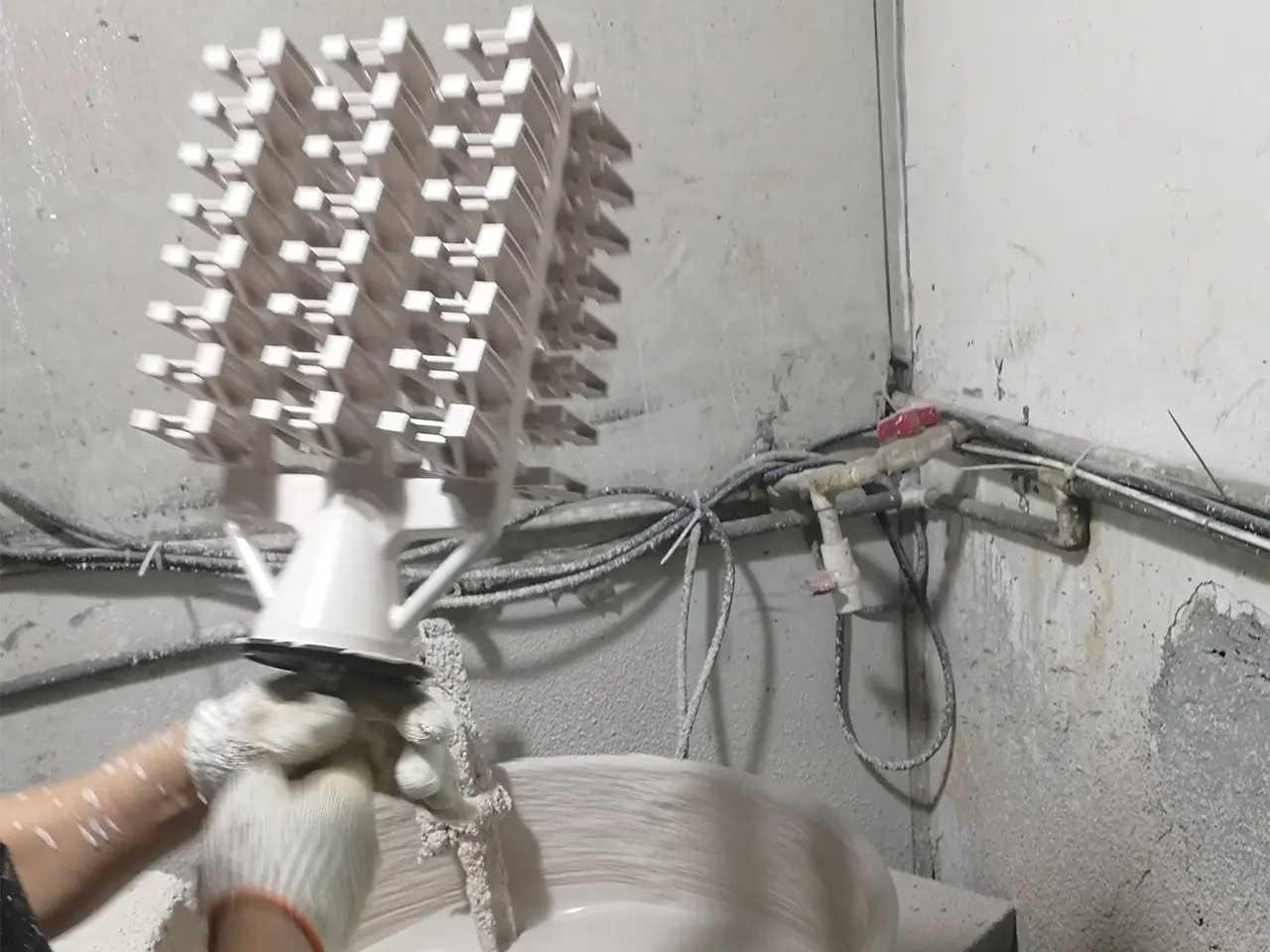
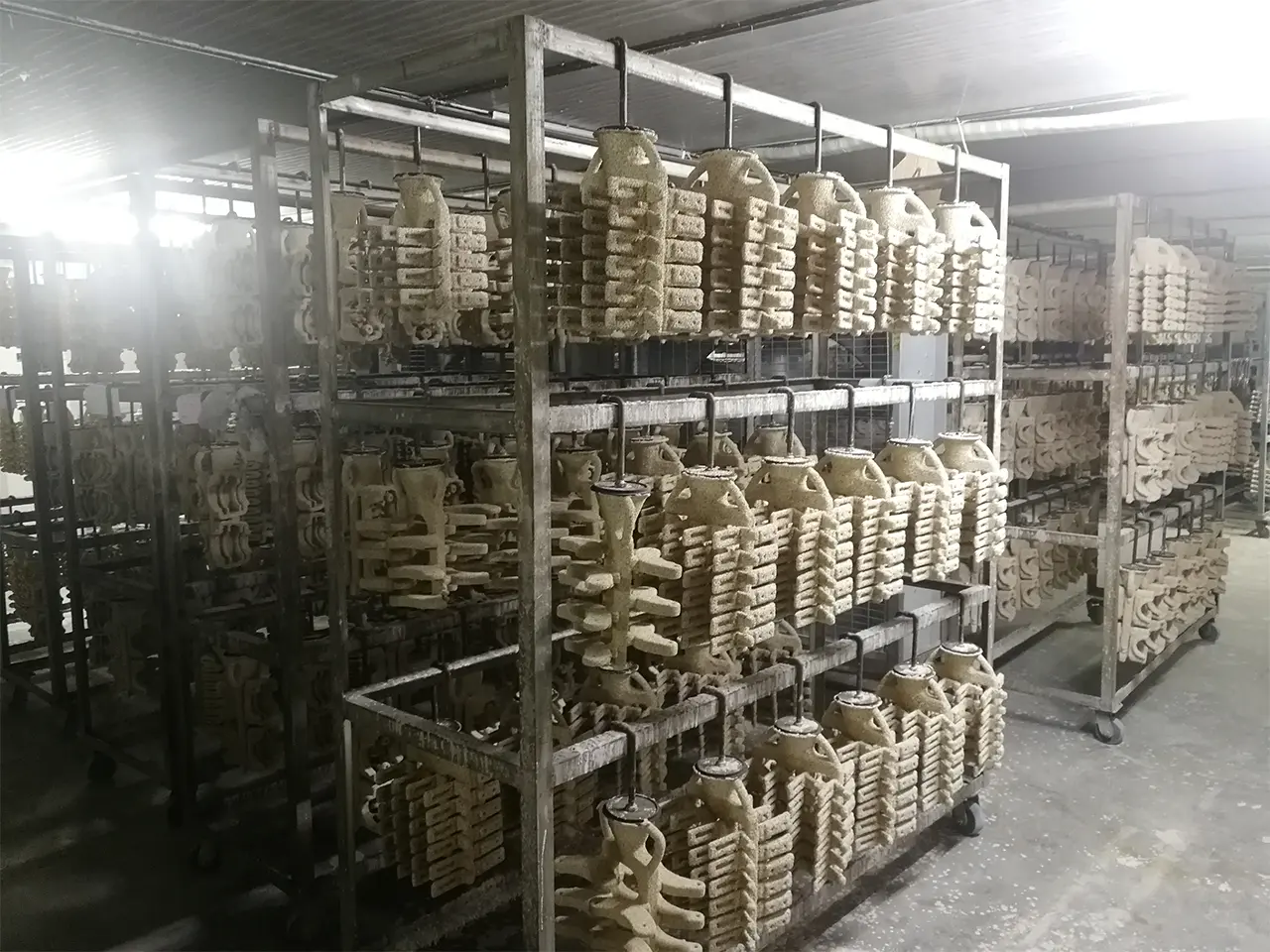
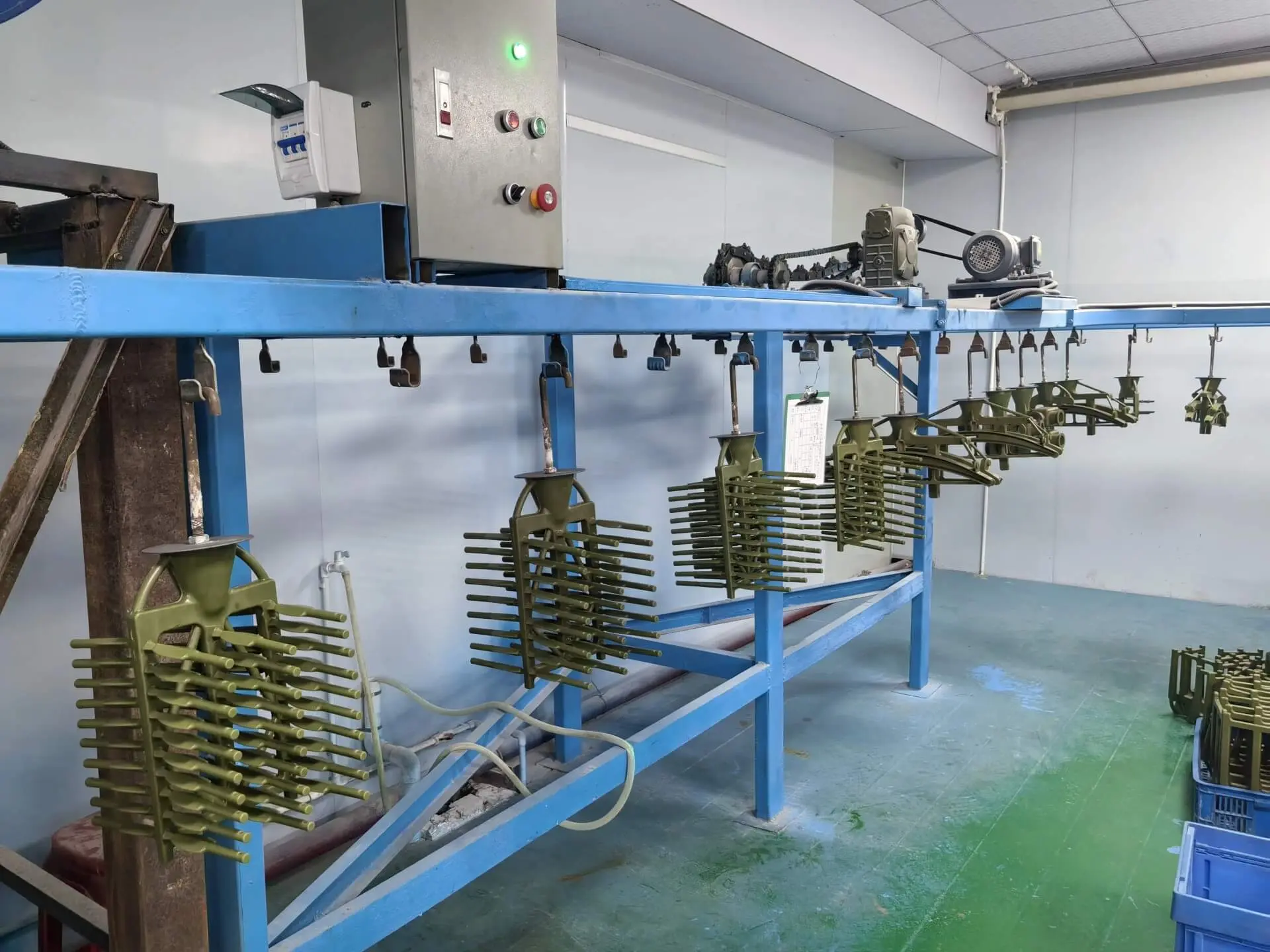
The industrial cluster of Guangdong Province, specifically the Dongguan area, offers unique geographic and operational advantages. These clusters bring together raw material suppliers, secondary heat-treatment plants, finishing workshops, and global deep-water shipping lanes (via Shenzhen and Guangzhou) into a single, cohesive hub. This ecosystem keeps lead times short and minimizes inter-process transport risks. Additionally, it helps lower logistical overheads compared to isolated manufacturing facilities.
For international buyers, the real challenge lies in bridging technical and communication gaps. Dongguan SX Technology Co., Ltd. addresses this by offering localized technical support, detailed progress reporting, and bilingual engineering services. We interpret customer-specific drawings (GD&T) and map local Chinese material grades directly to international standards (such as ASTM, EN, DIN, and JIS). This ensures that structural integrity and chemical performance meet or exceed original design specifications.
The casting industry is moving beyond legacy manual processes. The integration of modern technology has changed how castings are developed, verified, and finished:
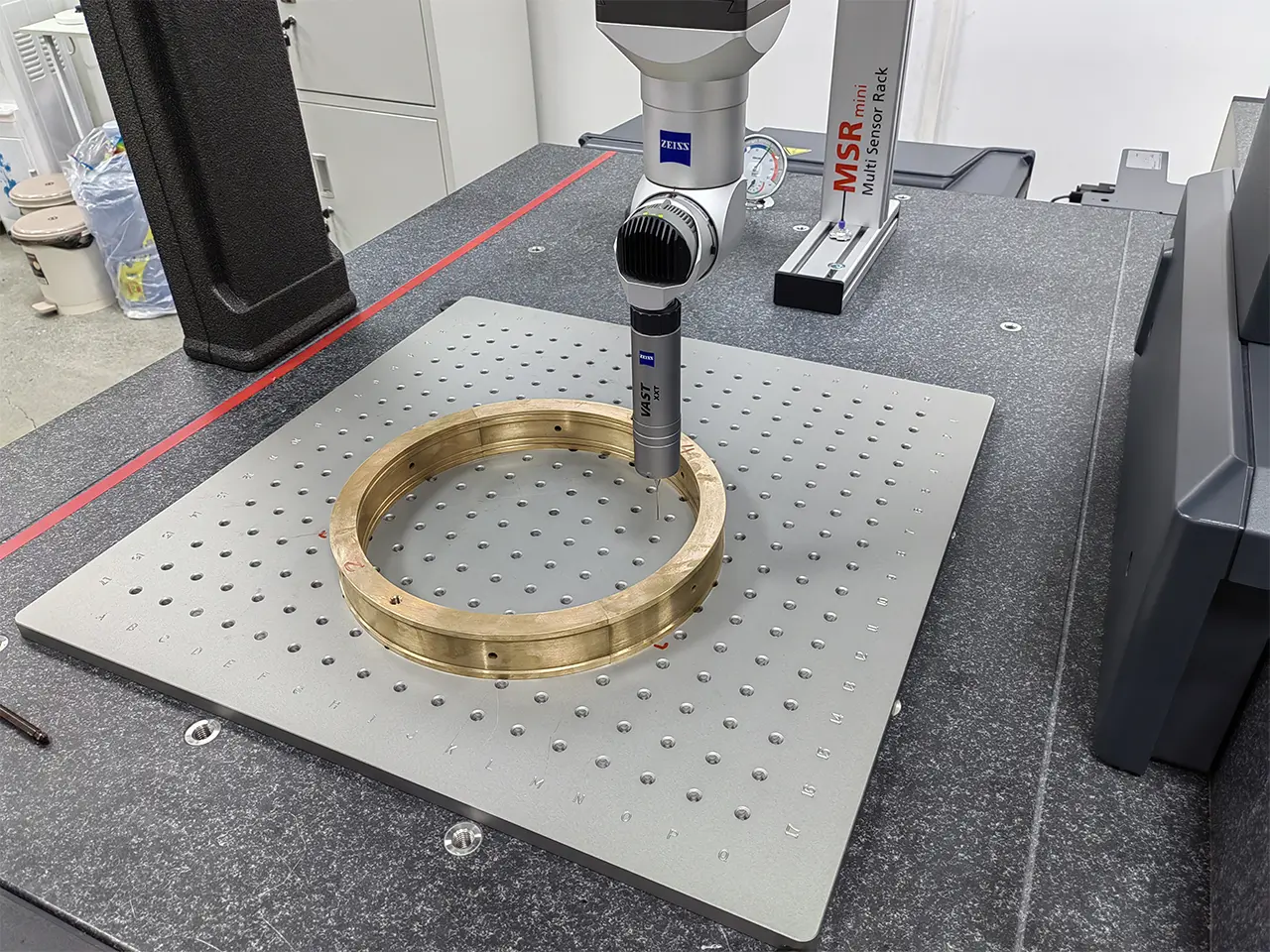
Quality is the foundation of the manufacturing industry. We firmly believe that only by controlling quality well can we survive, develop, and continue to grow. Because of this, we have been working in this industry since 2014, refining our quality control systems and expanding our internal testing capabilities.
To ensure parts meet the specifications of high-pressure and load-bearing applications, our inspection teams use advanced testing equipment. These include spectrometers for chemical analysis, ultrasonic testing for internal porosity check, tensile testers, and Coordinate Measuring Machines (CMM) for complex dimension verification.
This commitment to consistent tolerances and quality standards has earned praise from our global clients, establishing SX Technology as a reliable partner in the precision casting market.
Operating in global markets requires strict compliance with international manufacturing and material standards. At Dongguan SX Technology Co., Ltd., our processes are aligned with critical regulatory and standard systems, ensuring seamless integration into our customers' supply chains:
We cast and machine a wide range of materials, mapping them to global standards to ensure consistency and reliability:
Precision investment casting is used across a variety of demanding applications, demonstrating its versatility and performance:
Get professional, direct answers regarding lead times, material capabilities, and investment casting workflows.
Generally, the linear tolerance for investment castings is maintained within ±0.1% to ±0.2% of the nominal dimension, following the ISO 8062 (or VDG P690) standards. For tighter tolerances, we integrate post-casting CNC machining cycles (turning, milling, and grinding) to achieve precision up to ±0.005mm.
Every batch of material is analyzed using an Optical Emission Spectrometer (OES) before pouring. We issue physical EN 10204 Type 3.1 chemical and mechanical material test reports (MTRs) for every production run, showing chemical composition, yield strength, tensile strength, elongation, and hardness.
The standard cast surface finish for lost wax investment castings falls between Ra 3.2 µm and Ra 6.3 µm (125-250 micro-inches). With bead blasting, electropolishing, or chemical pickling processes, we can further improve surface topography, satisfying both cosmetic and sanitary-grade requirements.
Yes. While investment casting does require upfront tooling for the wax injection molds, it remains highly cost-effective for medium to high volumes. For very low volumes or prototypes, we can use 3D-printed PMMA/wax patterns to eliminate tooling costs, helping clients test designs before committing to hard tooling.
A comprehensive look at our titanium alloy, stainless steel, and aluminum machining capabilities tailored for industrial-grade applications.
 SX Machining