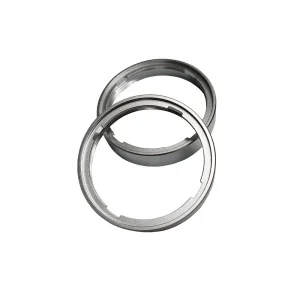
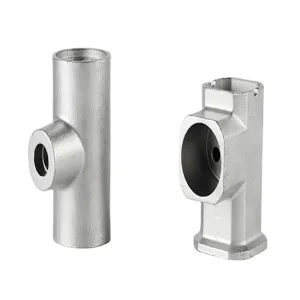
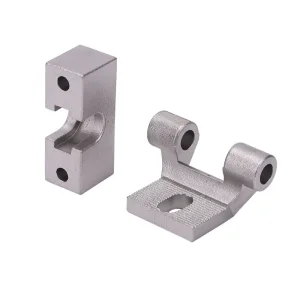
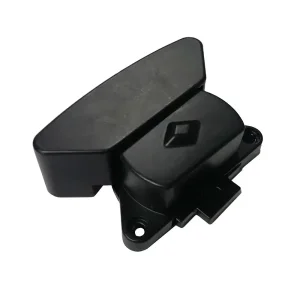
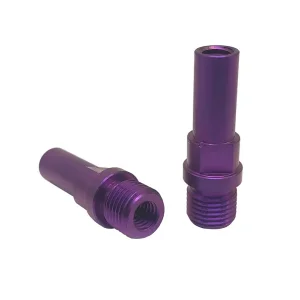
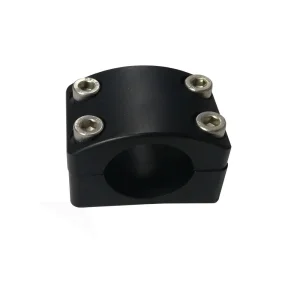
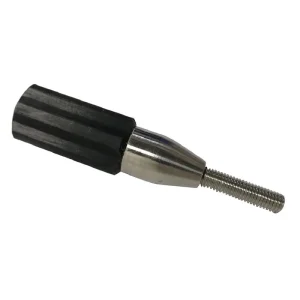
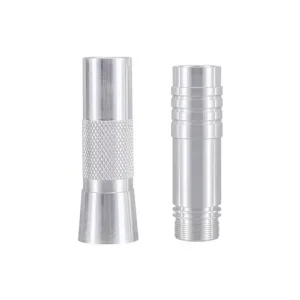
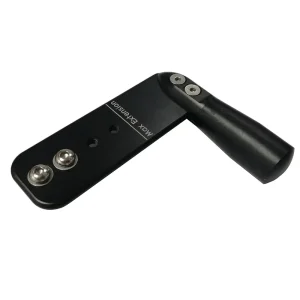
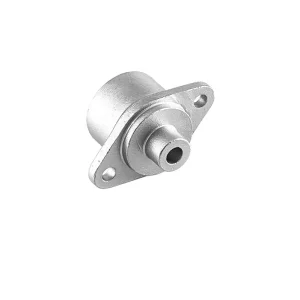
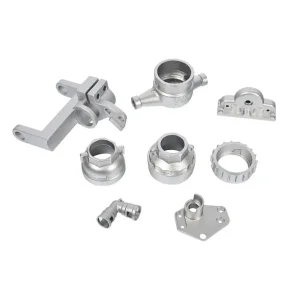
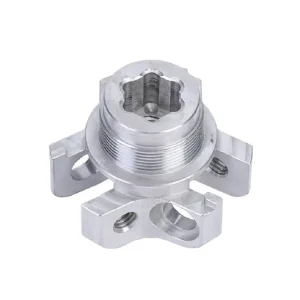
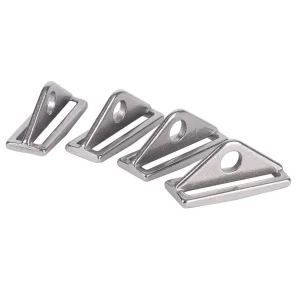
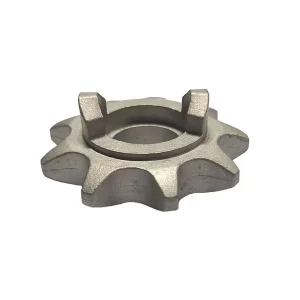
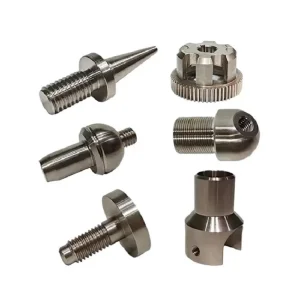
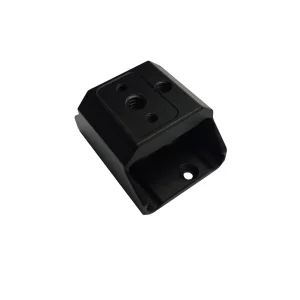
Dongguan SX Technology Co.,Ltd has very rich experience in precision casting, CNC machining and assembly. Our products are used in machinery, automobiles, marine, ships, equipment, valves and pumps, electronic appliances, packaging, watches, construction, chemical industry and other industries. The most commonly used materials for investment casting are stainless steel and carbon steel. And the most commonly used materials for CNC machining include titanium alloy, stainless steel, carbon steel, aluminum alloy, copper alloy, cemented carbide, etc. We have advanced manufacturing equipment and technology and are able to respond quickly to your needs.
Established as a pioneering manufacturer, our facility bridge the gap between metallurgical structural integrity and exact micro-tolerances. When engineers require custom components capable of weathering heavy chemical corrosion or high fluid pressure, they trust our unified process model. From raw material spectrum validation to multi-axis CNC surface finishing, we offer complete traceablity and control.
Producing highly reliable stainless steel castings requires deep control over molecular solidification and precise physical geometry. Here is the technical breakdown of our processes at Dongguan SX Technology.
Unlike lower-grade water glass methods, our foundry utilizes the Silica Sol process (Lost Wax method) exclusively for precision parts. This ensures a superior surface finish (Ra 3.2 to 6.3 μm) and highly accurate dimensional tolerances (conforming to ISO 8062-3 DCTG4 to DCTG6). It prevents decarburization layers and delivers defect-free internal paths suitable for complex valves.
We cast and machine a wide range of standard and specialized stainless steels:
• Austenitic: SS304/CF8, SS316/CF8M, SS316L (Low Carbon)
• Martensitic & Ferritic: SS410, SS420, SS430
• Precipitation Hardening: 17-4 PH (AISI 630 / ASTM A747 CB7Cu-1)
• Duplex Alloys: Duplex 2205, Super Duplex 2507 for intense marine salinity.
Precision casting brings the shape close to net design, but matching critical assembly points demands CNC milling and turning. Our temperature-regulated machine shop houses advanced multi-axis machining centers. We work with titanium alloys, custom aerospace aluminum, carbon steels, and heavy cemented carbides, outputting tolerances tight to 0.005mm.
| Material Class | Common Industry Standards | Corrosion Resistance | Tensile Strength (Min) | Typical Applications |
|---|---|---|---|---|
| Austenitic Stainless Steel | ASTM A743 CF8M / SS316 | Excellent (High Acid/Salinity resistance) | 485 MPa | Marine valve bodies, chemical pump impellers, food processing machinery |
| Precipitation Hardening | ASTM A747 CB7Cu-1 / 17-4 PH | Good (Moderate corrosion resistance) | 930 MPa | High-stress aerospace components, hydraulic cylinders, mechanical gears |
| Duplex Stainless Steel | ASTM A890 Grade 4A (2205) | Outstanding (Chloride pitting resistant) | 620 MPa | Offshore oil and gas pipelines, desalination units, marine shafts |
| Titanium Alloys (CNC) | TC4 / Ti-6Al-4V Grade 5 | Exceptional (Biocompatible, light) | 895 MPa | Medical implants, mountain bike modification screws, aerospace brackets |
Global procurement specialists understand that buying steel castings involves more than simple per-part pricing; it requires structural reliability, logistical agility, and manufacturing capacity. The Chinese industrial ecosystem in Dongguan offers unparalleled infrastructure consolidation.
At Dongguan SX Technology Co.,Ltd, our supply chain is structured to mitigate risk. By holding raw ingot reserves and maintaining integrated casting, machining, and final quality control operations in one physical factory, we eliminate third-party delays. For overseas markets in North America, Europe, and Asia-Pacific, this means predictable production timelines and consistent quality.
Tour our advanced production facilities. We continuously invest in advanced casting machinery, multi-axis CNC centers, and automated manufacturing systems.
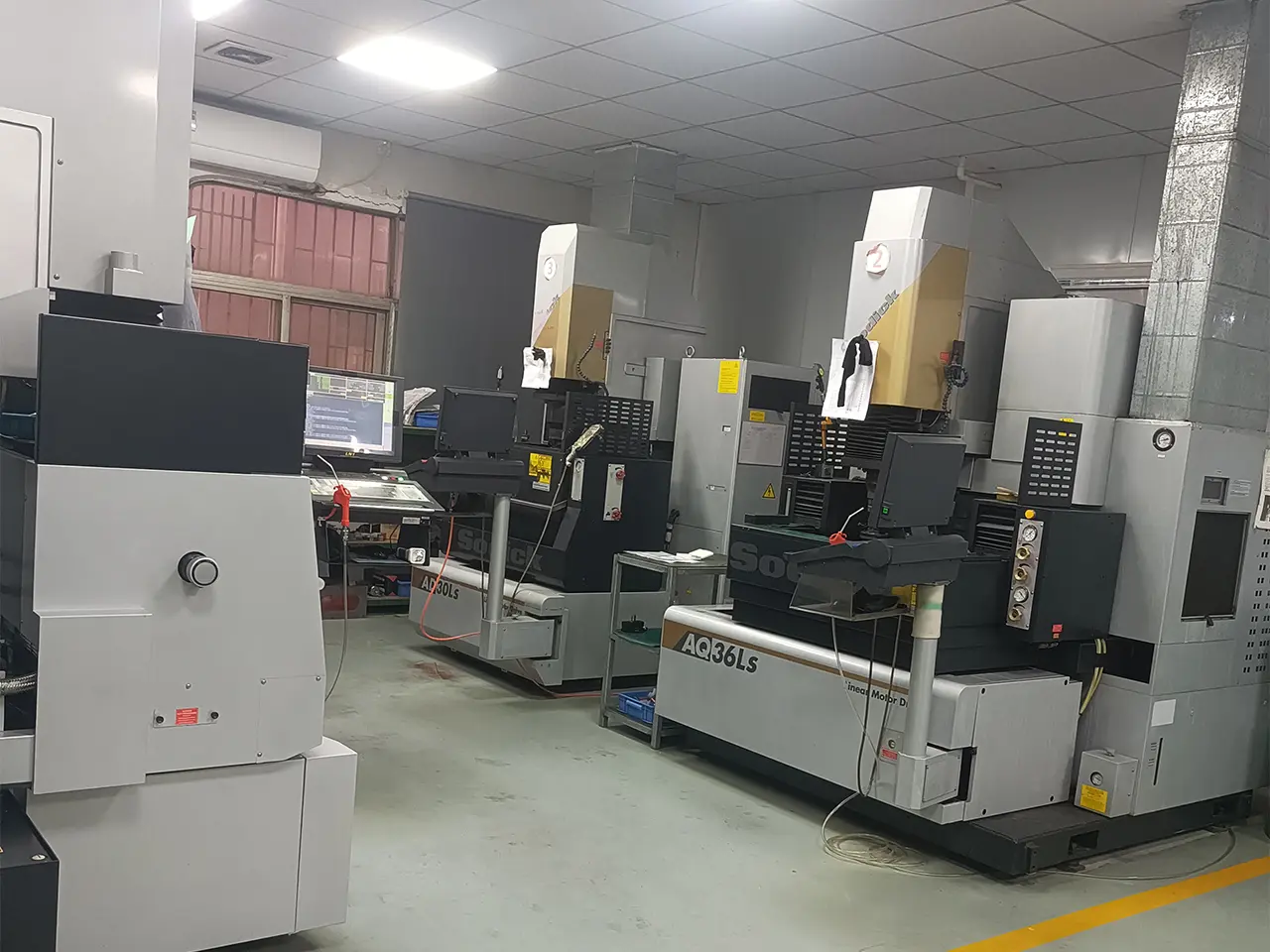
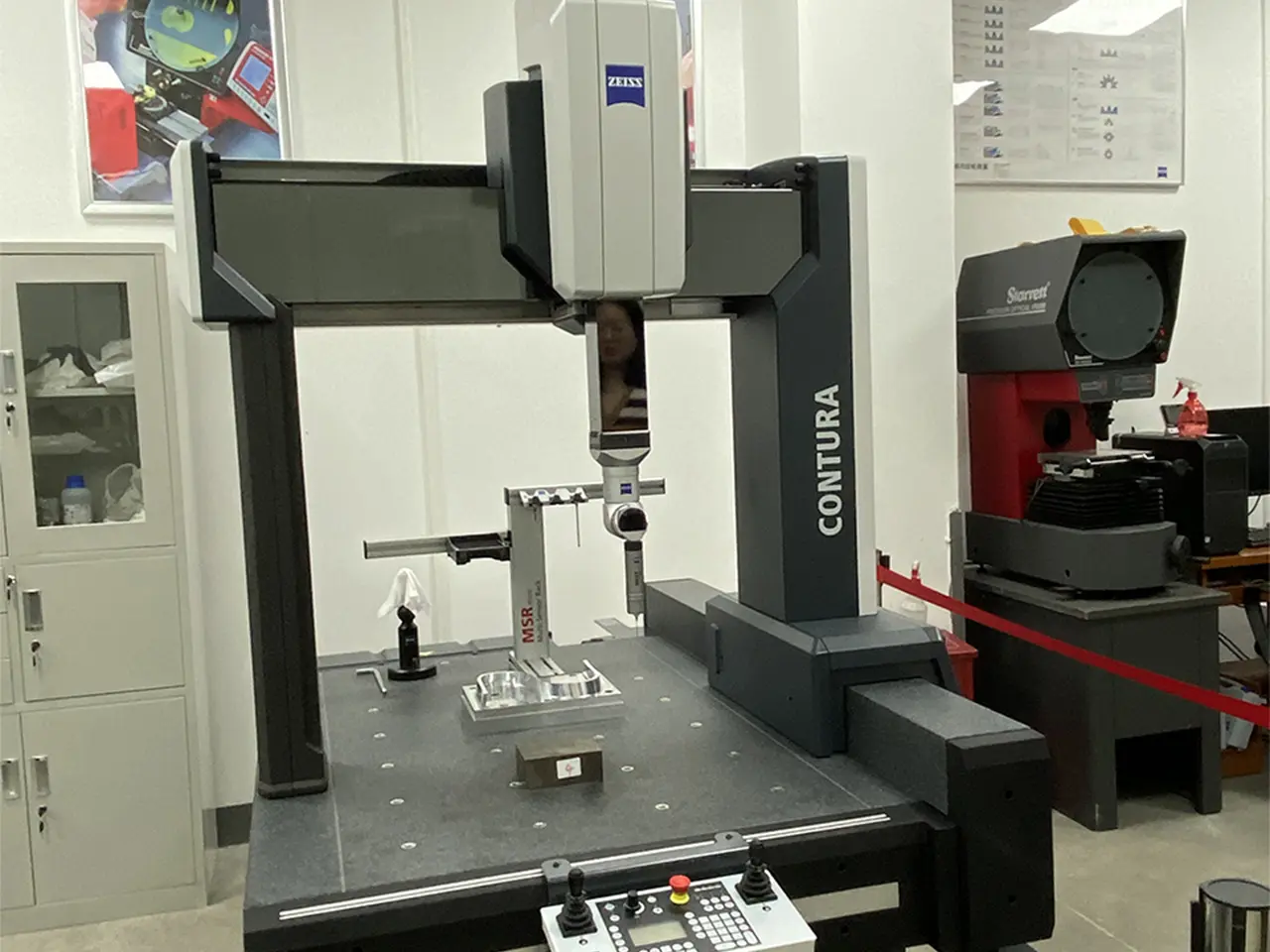
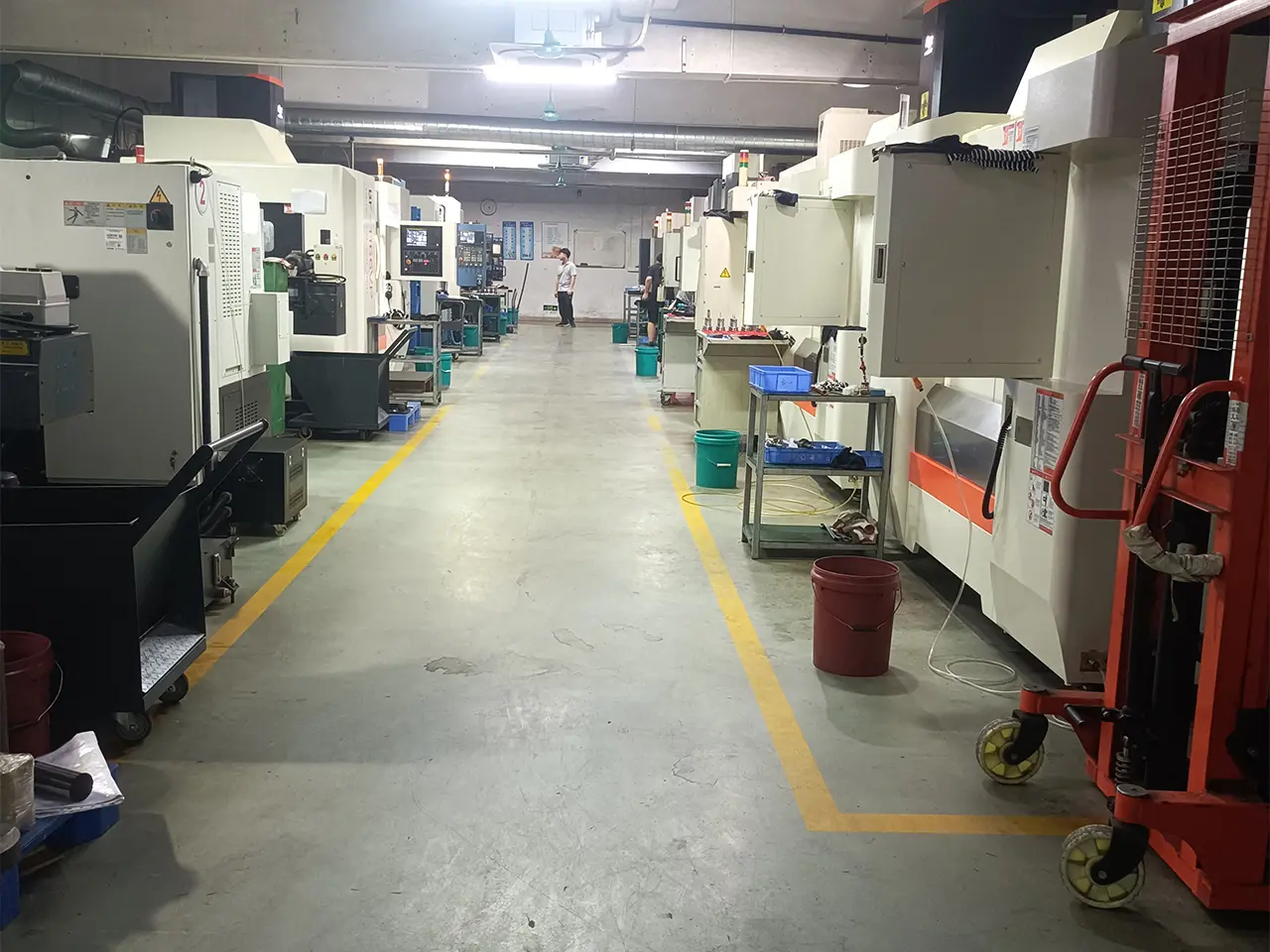
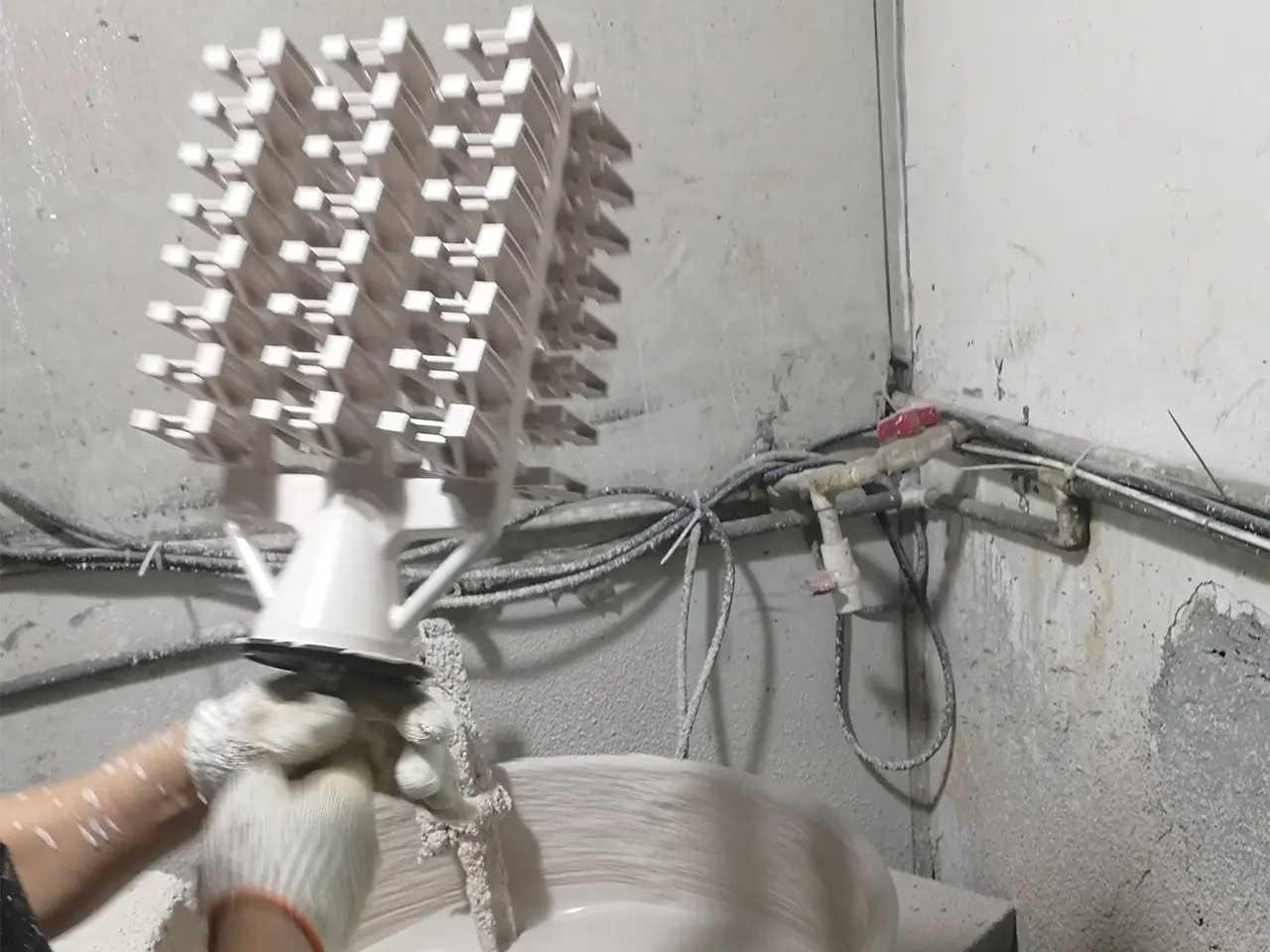
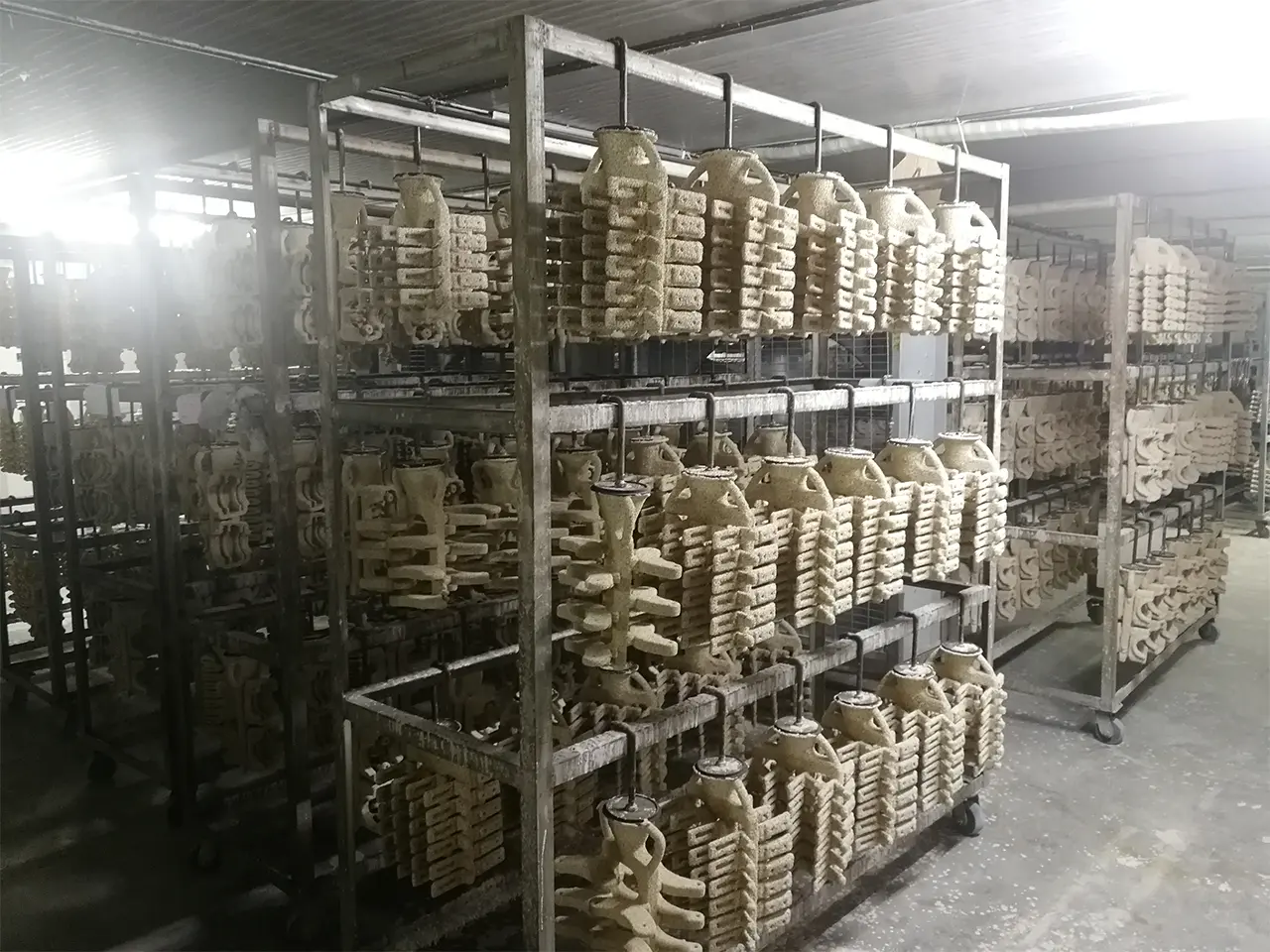
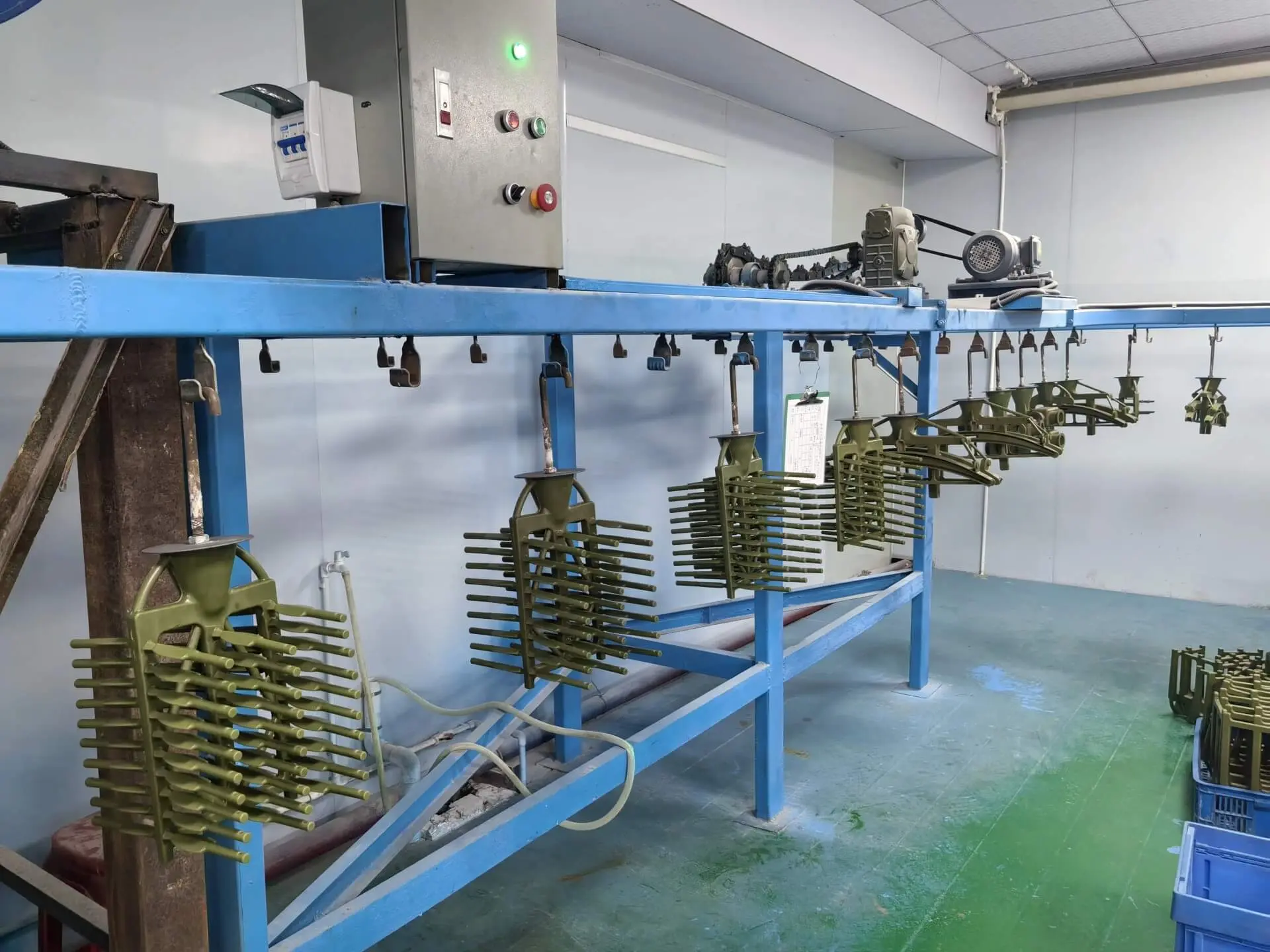
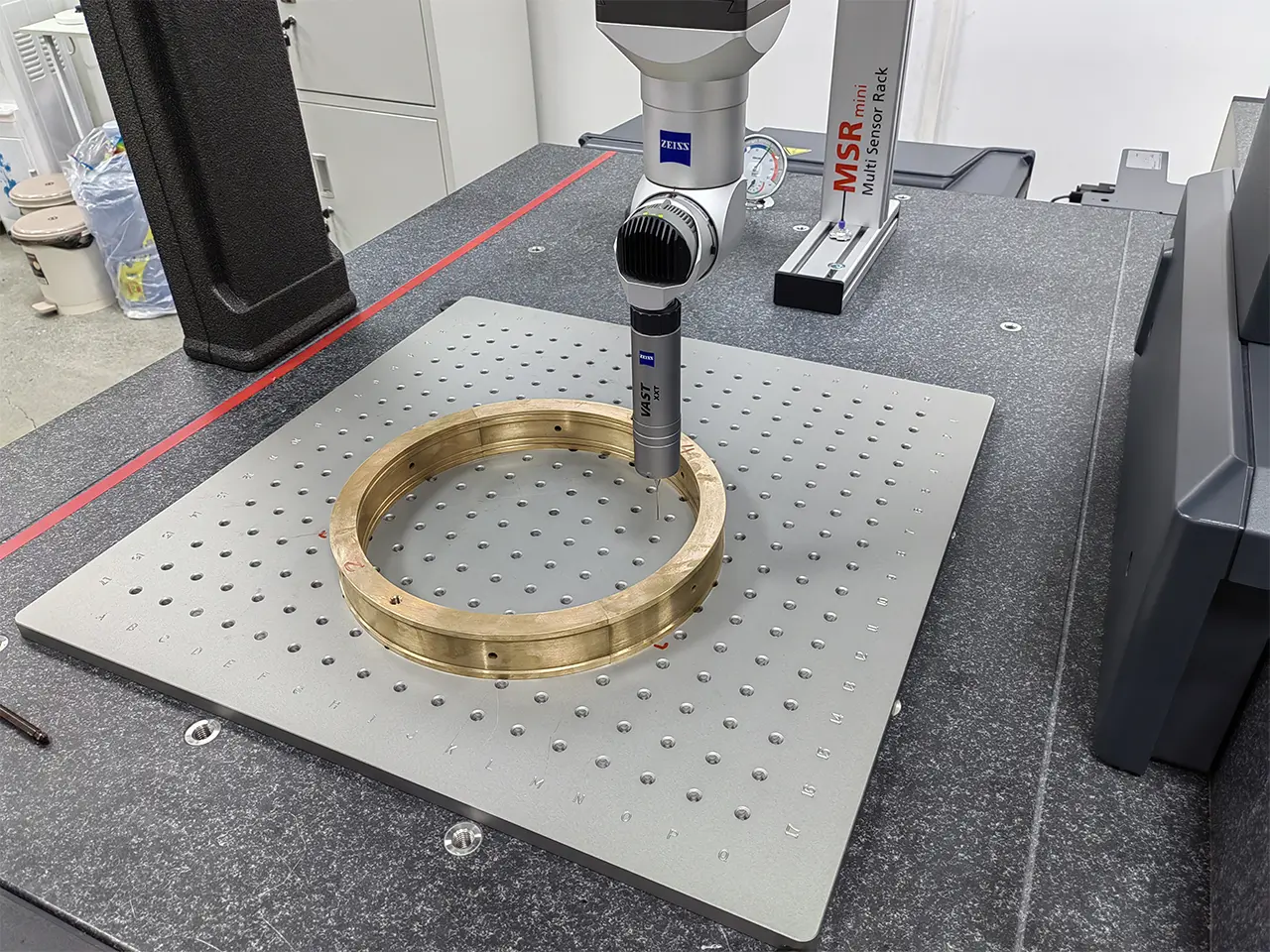
We have professional testing equipment and professional QC personnel, and we adhere to strict tolerances and quality standards for the products we produce. Due to our insistence on strict quality requirements, we have been praised by many customers. Quality is the cornerstone of the manufacturing industry. We firmly believe that only by controlling quality well can we survive, develop, and get better and better. Therefore, we have been working in this industry unremittingly since 2014 and continue to Improve the company's team and improve the company's production capacity.
• Chemical Composition Analysis: Direct-reading optical emission spectrometers (OES) inspect each heat batch, certifying chemical properties before pouring.
• Dimensional Validation: CMM (Coordinate Measuring Machines), optical comparators, and air-gauging tools ensure strict adherence to GD&T (Geometric Dimensioning and Tolerancing).
• Non-Destructive Testing (NDT): Dye Penetrant Testing (PT), Magnetic Particle Testing (MT), and Ultrasonic Testing (UT) ensure no subsurface porosity or micro-cracking exists.
• Mechanical Properties Testing: Tensile strength testers, Charpy impact testers, and Rockwell/Brinell hardness testers verify correct heat treatment.
Stainless steel castings must meet varying localized regulatory codes, environmental policies, and design standards depending on where they are deployed. Here is how we ensure seamless localized application.
Components heading to the US and Canada must comply with ASTM casting standards (such as ASTM A743 for corrosion-resistant castings) and ASME pressure vessel codes. Our engineers provide full MTRs (Material Test Reports) and heat codes mapped to chemical compositions, ensuring valve bodies and hydraulic hardware can be legally and safely installed in local projects.
Pressure equipment deployed in the EU must adhere to the Pressure Equipment Directive (PED 2014/68/EU). We manufacture castings using compliant European steel standards (e.g., 1.4408, 1.4404) and supply appropriate EN 10204 Type 3.1 certification. Our materials comply with RoHS and REACH regulations, avoiding hazardous substances.
From industrial projects in Japan using JIS standards to state projects in China, our team utilizes cross-referenced material matrix databases. This allows us to convert steel grades (like JIS SCS14 to ASTM CF8M or DIN 1.4408) to deliver exact structural and mechanical properties required by local engineers.
Silica Sol investment casting offers superior dimensional accuracy and a smoother surface finish (Ra 3.2-6.3 μm). This reduces the need for expensive post-cast machining. Additionally, it minimizes structural casting defects like gas holes, shrinkage, and micro-porosities, making it the preferred method for pressure-containing components like valves and pumps.
We test every raw material melt before pouring using our optical emission spectrometer. We generate a chemical composition report for every furnace run. This data is recorded and provided to clients via an EN 10204 3.1 Material Test Certificate, ensuring full traceability back to the raw batch.
As-cast parts generally adhere to ISO 8062-3 DCTG4 to DCTG6 limits. For critical interfaces (like bearing housings, threads, and sealing surfaces), our CNC machining division can hold dimensional tolerances to ±0.005mm. This hybrid capability ensures high performance and precise fit-up in assemblies.
Yes. Our CNC machining division has extensive experience processing challenging alloys, including titanium alloy (such as TC4 for bicycle/medical hardware), cemented carbide, and nickel-based superalloys. We utilize specialized tooling, optimal cutting parameters, and rigid setups to machine these tough materials.
For custom investment casting tooling and initial sample approval, the typical lead time is 3 to 4 weeks. Once samples are verified by the client, production runs take 4 to 6 weeks, depending on order size and complexity of machining and assembly.
 SX Machining