An Industry Whitepaper on Material Innovations, Geometric Dimensioning, & Global Procurement Optimization.
The aerospace sector demands unprecedented precision, safety profiles, and material integrity. In an era marked by rapid commercial space exploration, next-generation military fleets, and the global push for carbon-neutral aviation, the manufacturing of custom aerospace machined parts sits at the convergence of advanced metallurgy and high-speed CNC technology. Standard machining tolerances are no longer sufficient; modern aerospace components require tolerances measured in single-digit microns alongside complete traceability from raw material melt to finished anodization.
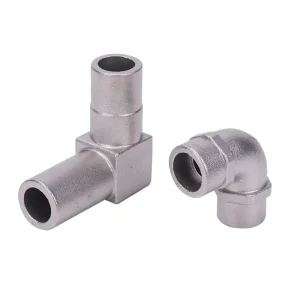
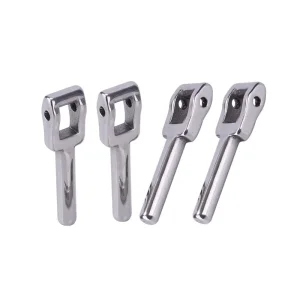
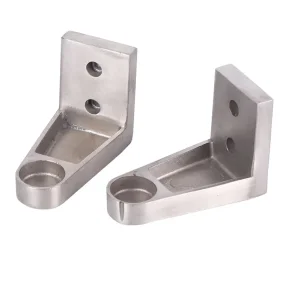
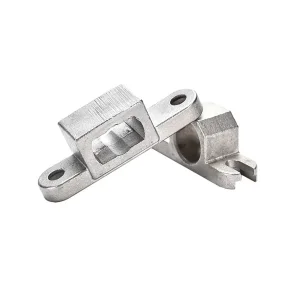
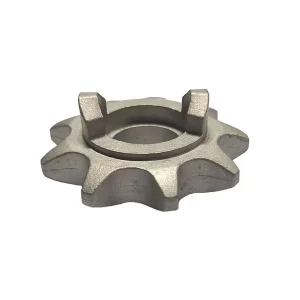
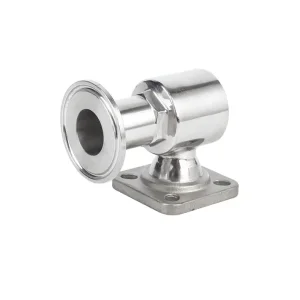
As global supply chains continue to realign, Tier-1 aerospace contractors and procurement managers are seeking partners capable of offering a combination of subtractive CNC precision machining and near-net-shape investment casting. This hybrid capability optimizes the Buy-to-Fly ratio, reducing raw material waste and lowering processing energy consumption.
Redesigning parts to place material only where structural load paths require it, decreasing weight by up to 40% while preserving mechanical integrity.
Adopting specialized high-pressure cooling systems and custom tooling coatings to overcome the low thermal conductivity and high work-hardening rate of titanium alloys.
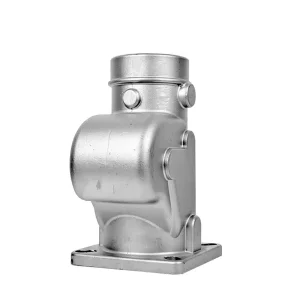
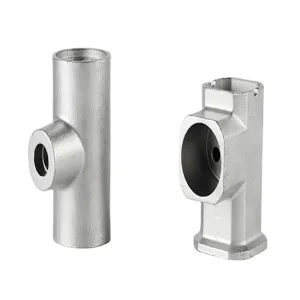
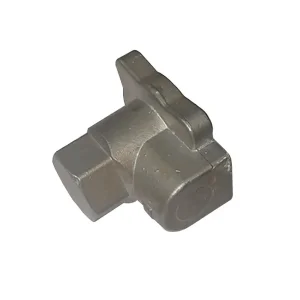
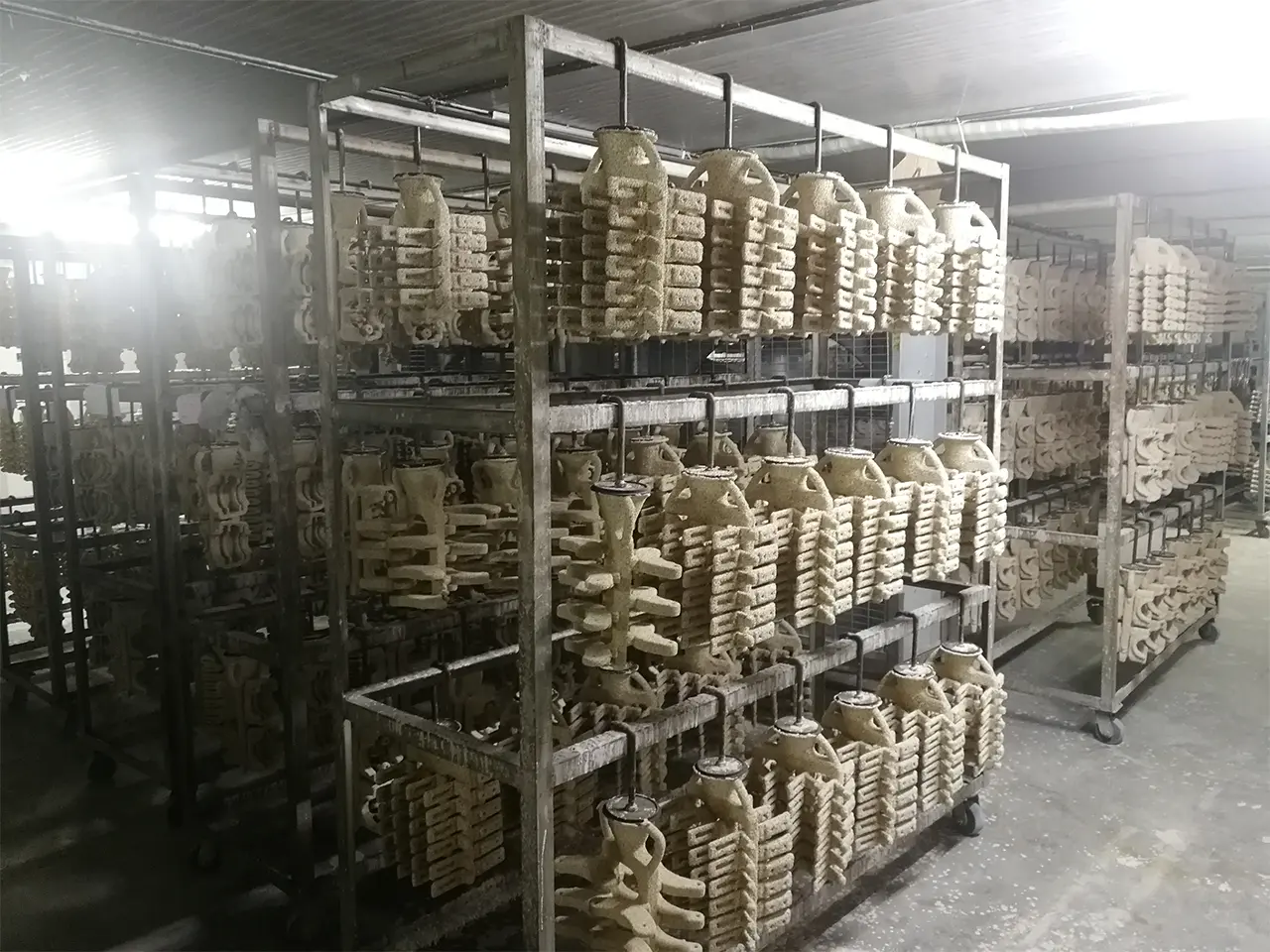
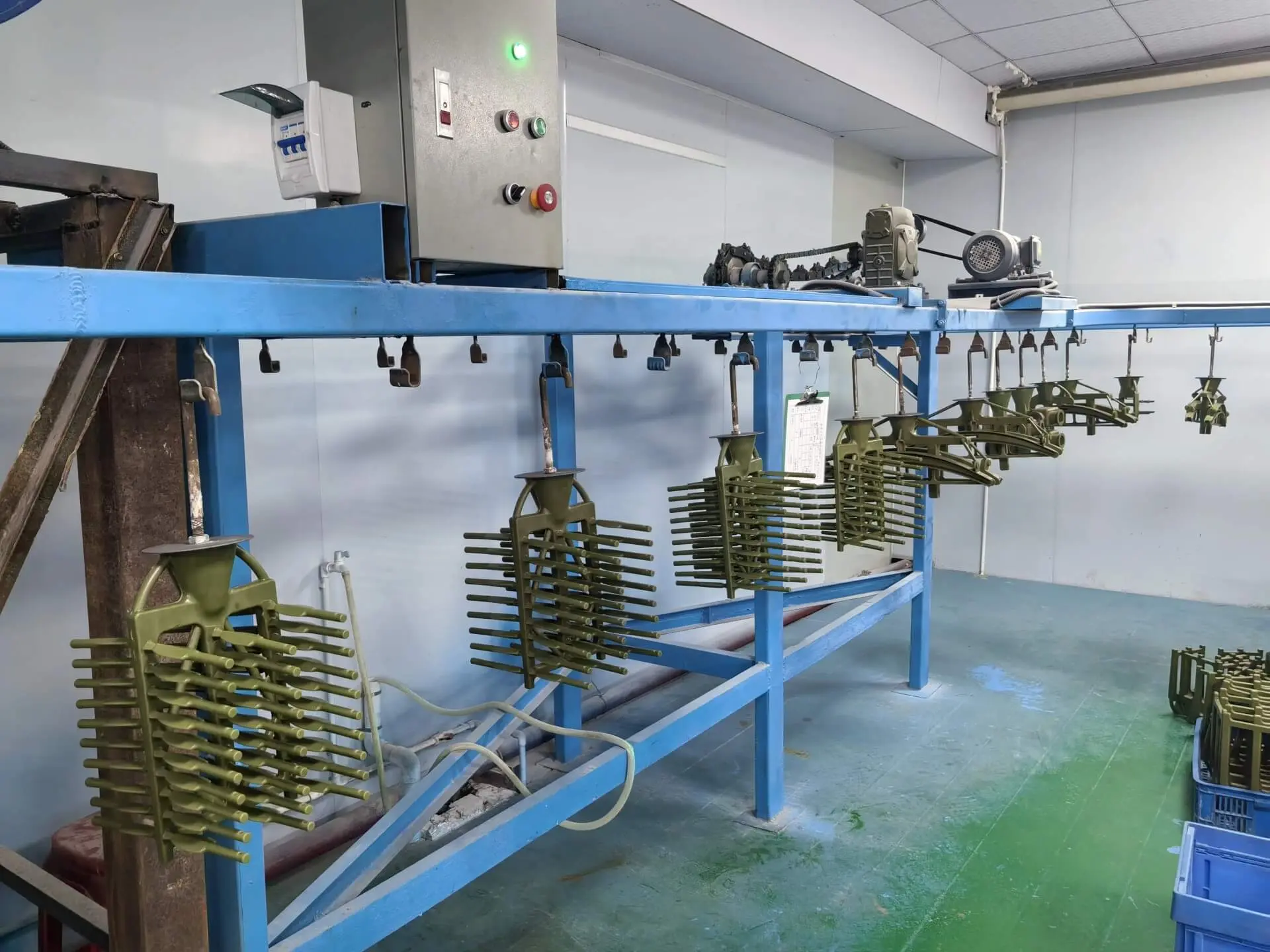
Merging precision investment casting (lost-wax casting) with final multi-axis CNC machining to yield highly complex internal geometries with mirror surface finishes.
The shift toward lighter aircraft and reusable launch vehicles has accelerated the demand for high-strength-to-weight ratio materials. Machining these materials calls for high-rigidity machine tools and advanced tooling geometries to manage cutting forces and minimize heat transfer to the workpiece, protecting its microstructure.
Aerospace OEMs are actively diversifying their supply chains to guard against geopolitical disruptions, volatile energy costs, and shipping delays. The modern procurement paradigm focuses on supplier consolidation: partnering with manufacturers who can handle casting, machining, non-destructive testing (NDT), and surface treatment under one roof. This minimizes handling risks, shortens lead times, and establishes a single point of accountability.
Furthermore, digital thread integration—where 3D CAD data, quality logs, and material certifications (EN 10204 3.1) are managed electronically—is a standard expectation. Suppliers must demonstrate robust quality management software that traces each component back to its specific raw material heat number.
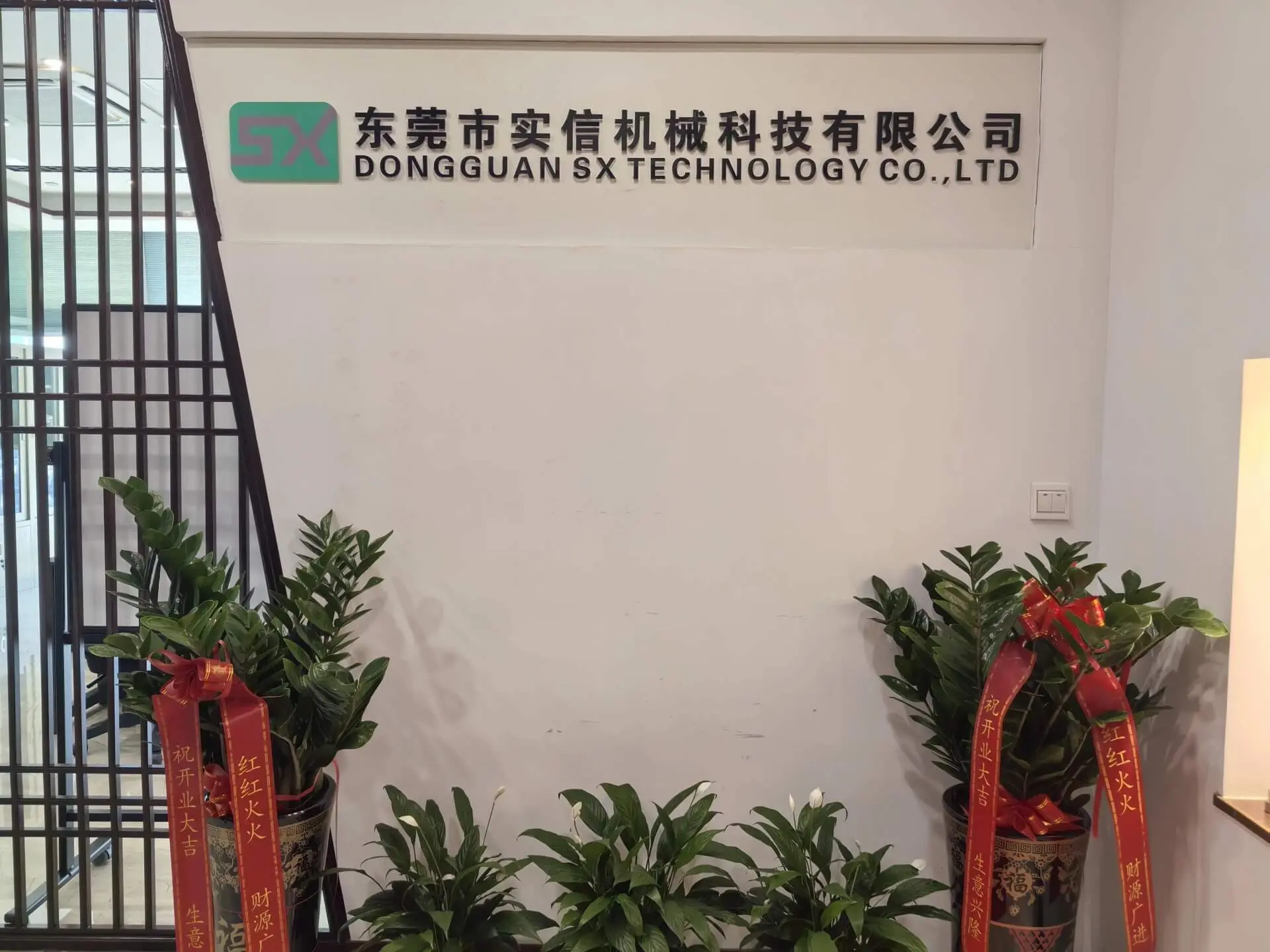
Established in 2014, Dongguan SX Technology Co.,Ltd has built a reputation for excellence in precision casting, CNC machining, and comprehensive mechanical assembly. Serving industries from marine engineering and packaging to automotive, valves, smart home devices, and aerospace, we deliver engineered components that perform reliably in demanding environments.
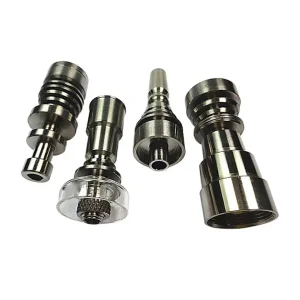
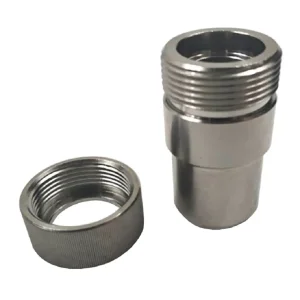
Our primary materials for investment casting include high-grade stainless steel and carbon steel. For precision CNC machining, we process titanium alloys, stainless steel, carbon steel, aluminum alloys, copper alloys, and cemented carbides.
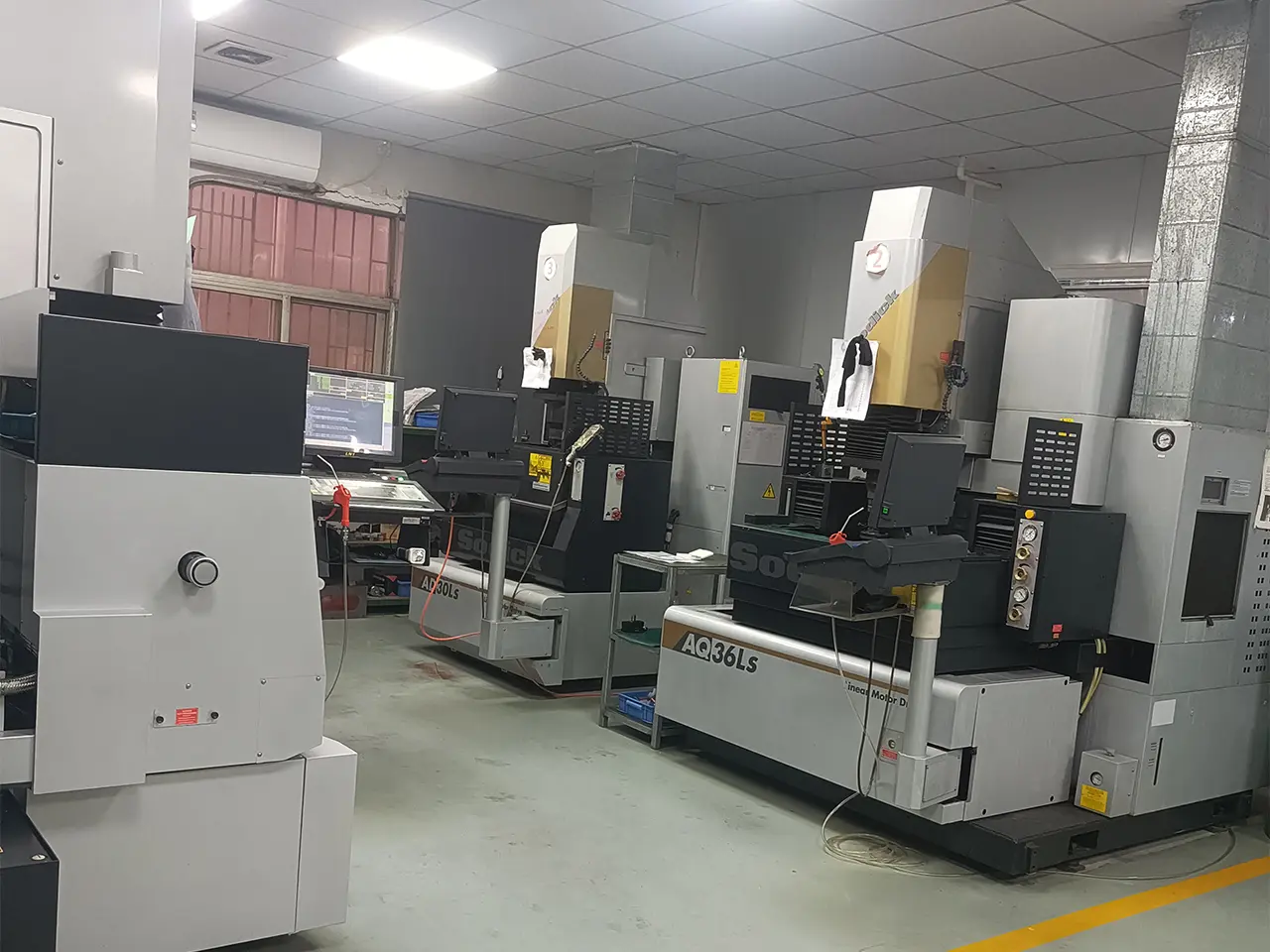
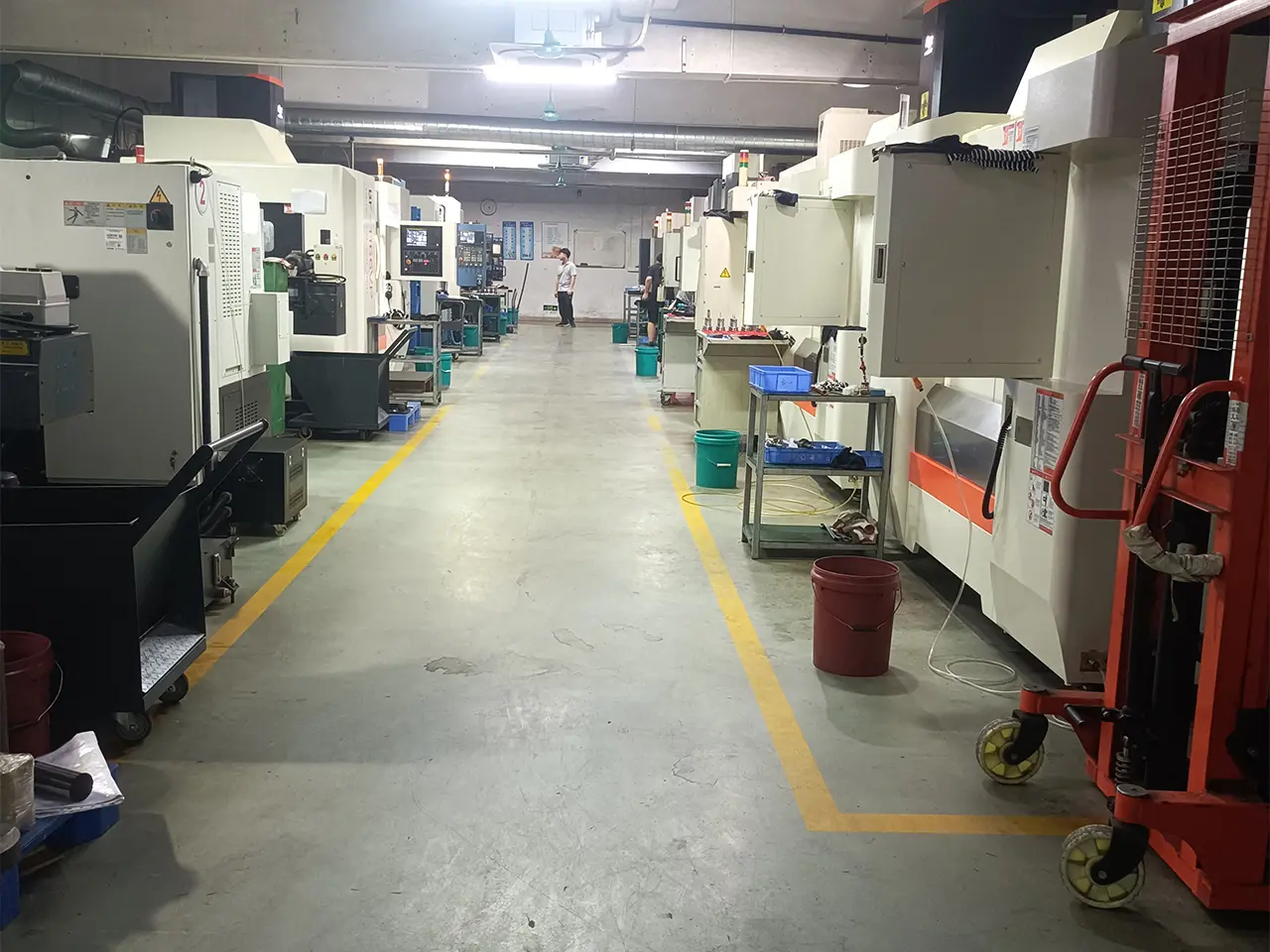
Equipped with multi-axis CNC machining centers, automated investment casting lines, and optical spectrometers, we respond quickly to client designs while maintaining strict quality metrics.
A tour inside Shixin's advanced workshop showing modern CNC lines, clean casting areas, and automated monitoring.
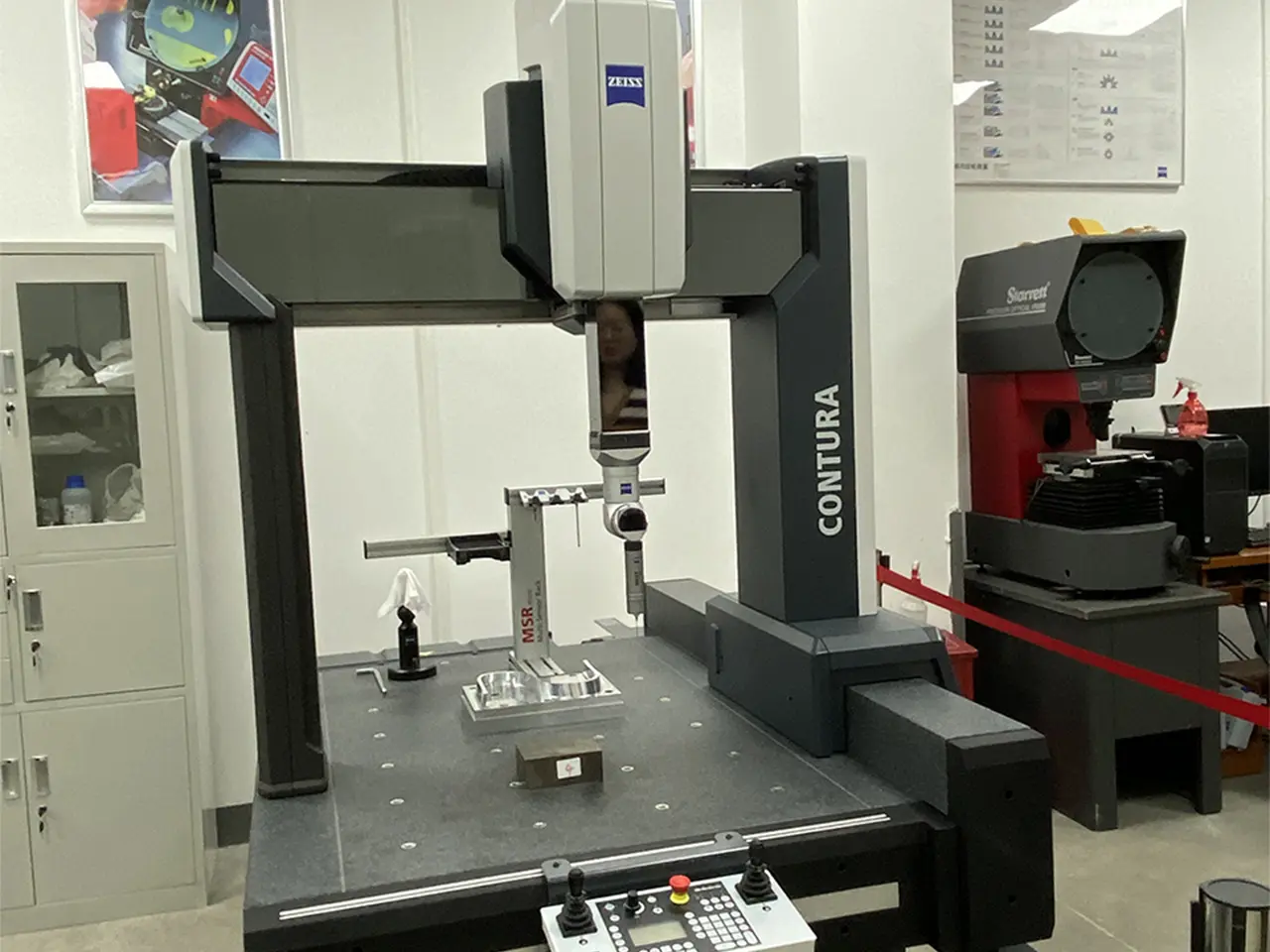

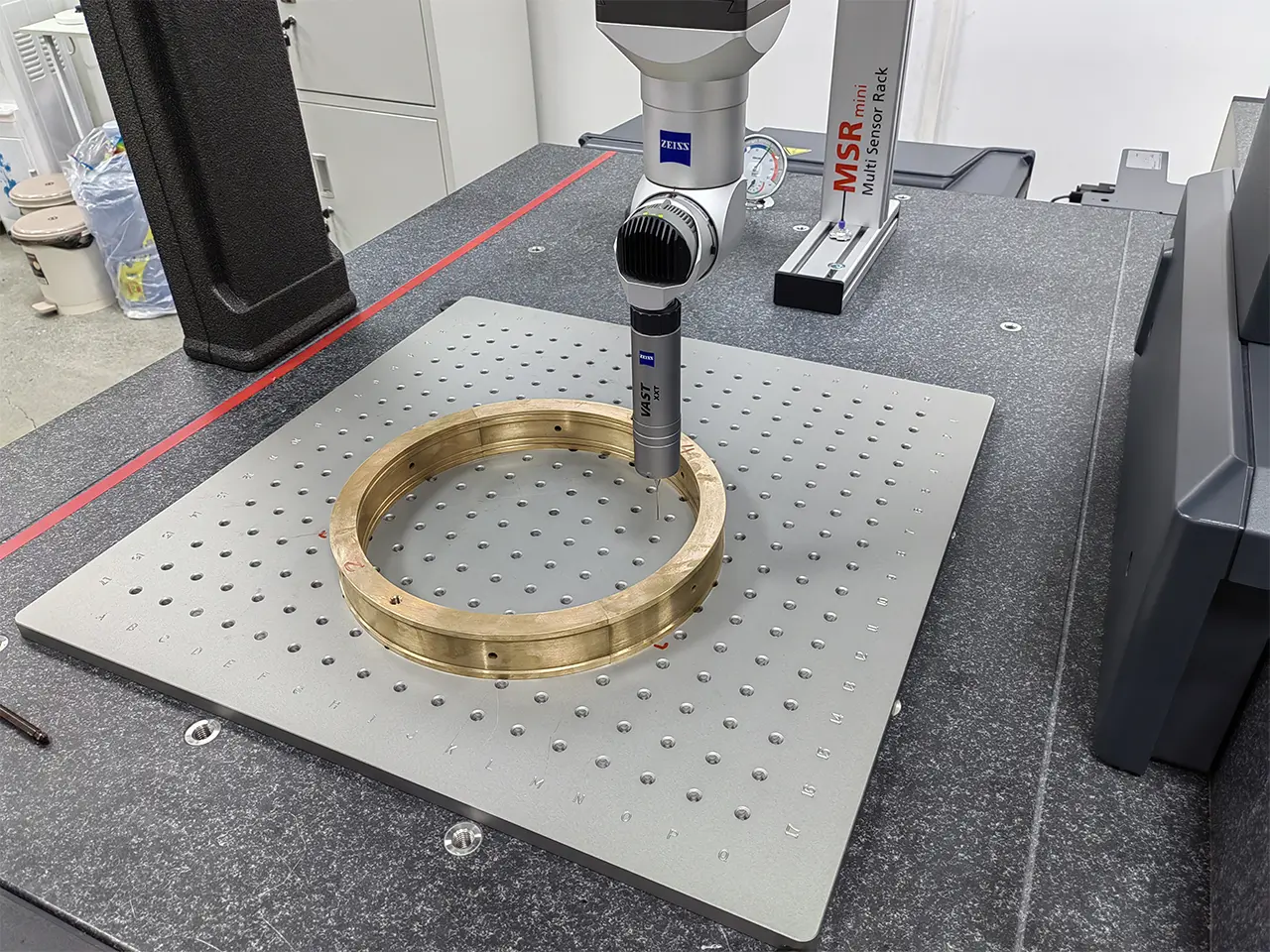
Quality is the foundation of aerospace manufacturing. To ensure compliance with strict design drawings, we maintain a dedicated quality control division staffed by certified inspectors and equipped with precise metrology tooling.
Our inspection laboratory features Coordinate Measuring Machines (CMM) for 3D spatial measurements, optical profile projectors, ultrasonic thickness gauges, and digital spectrometers to confirm alloy composition before casting or machining.
We operate in accordance with international quality standards. Since 2014, our dedication to continuous improvement has earned us the trust of clients across global industries.
Industrial transformation within China's manufacturing sectors has shifted the focus from simple cost arbitrage to technology-driven efficiency. Factory 4.0 represents this shift, integrating cloud ERP networks, automated tool-wear monitoring, and real-time CNC production feedback.
At Dongguan SX Technology Co.,Ltd, we use automated toolpaths and real-time spindle feedback to optimize cycle times for difficult-to-cut metals like titanium alloys and stainless steel. This digital workflow shortens setup times for high-mix, low-volume production runs, which are typical for custom aerospace machined parts.
By concentrating machining, casting, raw materials sourcing, and logistics within Dongguan, we minimize transit delays and maintain competitive pricing. This proximity enables faster prototype turnarounds and supports robust supply chain options for global buyers facing tight production timelines.
Selecting the appropriate material is a critical design step. The table below outlines the mechanical characteristics and typical use cases of the main alloys processed at our facility:
| Material Category | Common Alloys | Key Mechanical Properties | Primary Aerospace Applications |
|---|---|---|---|
| Titanium Alloys | Ti-6Al-4V (Grade 5), Grade 2 | High strength-to-weight ratio, excellent corrosion resistance, high melting point. | Turbine blades, structural airframe bulkheads, landing gear mounts, fasteners. |
| Stainless Steel | 316L, 304, 17-4 PH | High yield strength, wear resistance, excellent corrosion and oxidation performance. | Actuator components, exhaust duct systems, sensor casings, fuel line fittings. |
| Aluminum Alloys | 7075-T6, 6061-T6 | Lightweight, easy to machine, good thermal conductivity. | Wing skins, fuselage structural frames, instrument housings, bracket connectors. |
| Carbon Steel & Alloys | 4140, 4340, AISI 1045 | High fatigue strength, surface hardenability, good wear resistance. | High-stress gears, transmission shafts, structural load-bearing fittings. |
Machining titanium alloys requires high rigidity and stable setups to prevent chatter, along with dedicated coolant distribution to dissipate localized heat. By managing cutting parameters and using appropriate tooling geometries, we ensure the structural integrity of the finished part is maintained.
Expert answers addressing the design, production, and quality control of aerospace-grade components.
 SX Machining