High-tolerance customized engineering components utilizing premium stainless steel, titanium, and carbon steel alloys, meticulously designed for global performance.
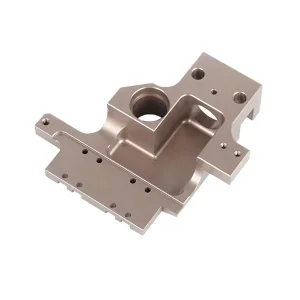
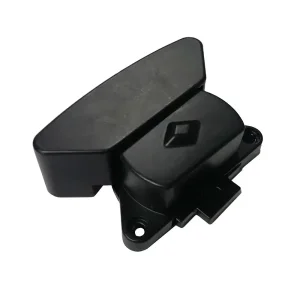
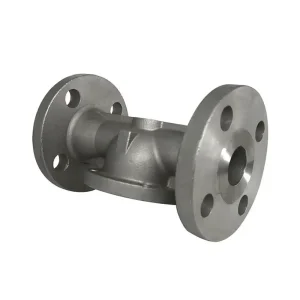
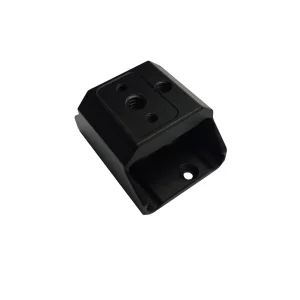
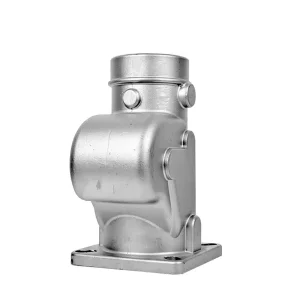
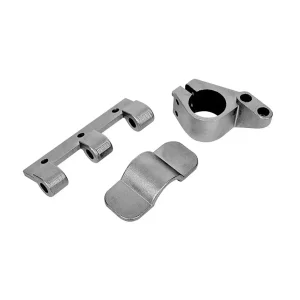
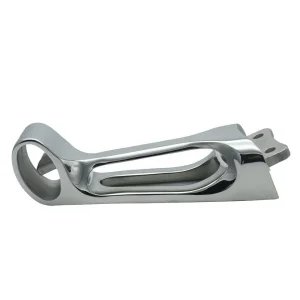
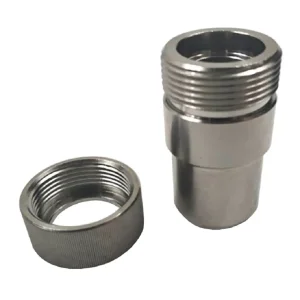
Stainless steel investment casting, widely known as the lost-wax casting process, represents one of the most reliable and sophisticated manufacturing paths for complex, near-net-shape components. By creating a wax pattern, coating it with a refractory ceramic shell, melting out the wax, and pouring molten stainless steel into the cavity, engineers can produce components with extraordinary geometrical complexity, thin walls, and outstanding surface finishes.
For critical industries such as aerospace, medical equipment, marine propulsion, chemical valves, and high-performance automotive systems, the choice of material and manufacturing partner is paramount. Stainless steel alloys—including austenitic grades (such as 304, 316, 316L), martensitic grades (e.g., 410, 420), and precipitation hardening variants (such as 17-4 PH and 15-5 PH)—offer tailored mechanical properties, including corrosion resistance, high tensile strength, and heat durability.
Unlike sand casting or forging, investment casting provides a surface finish typically in the range of Ra 3.2 to 6.3 microns, which significantly reduces the need for expensive secondary machining operations. However, achieving nominal dimensional requirements and critical tolerances often requires a seamless integration of precision casting and state-of-the-art CNC machining.
Established as a professional hub for high-precision manufacturing, Dongguan SX Technology Co.,Ltd has built very rich experience in precision casting, CNC machining, and complex assembly processes. Since 2014, we have remained committed to providing high-quality solutions, adapting to the strict requirements of customers in machinery, automobiles, marine engineering, shipbuilding, valve & pump manufacturing, electronic appliances, packaging systems, watches, architecture, and the chemical industry.
The core strength of our production lies in our material adaptability and manufacturing synergy. The most commonly used materials for investment casting in our foundry are stainless steel and carbon steel. For post-casting CNC machining, our facility processes a wide variety of engineering materials including titanium alloys, stainless steel, carbon steel, aluminum alloys, copper alloys, and cemented carbides. Backed by advanced manufacturing equipment and streamlined technology, we respond rapidly and flexibly to customized industrial designs.
Exploring the structural advantages, localized industrial clusters, and technological evolution that position Chinese manufacturing at the forefront of the global precision casting sector.
Dongguan and adjacent manufacturing hubs boast unmatched industrial integration. Within a small geographical radius, we source high-grade raw alloys, custom mold tools, eco-friendly wax materials, ceramic refractories, and modern thermal treatment facilities, drastically shortening lead times.
Unlike traditional casting-only foundries, leading Chinese suppliers like SX Technology combine high-precision lost-wax foundry work with vertical 4-axis and 5-axis CNC machining, ensuring tight dimensional tolerances on critical fitments in-house.
By optimizing layout patterns, adopting semi-automated wax injection, and implementing energy-efficient induction furnaces, Chinese manufacturers mitigate production waste, passing significant cost savings down to the OEM buyer.
Custom stainless steel investment castings serve as crucial building blocks in challenging environments where mechanical fatigue, corrosion, and extreme temperatures occur simultaneously. Standard applications include:
By adjusting the alloying elements during the induction melting process, we tailor the mechanical properties—such as elongation, yield strength, impact resistance, and hardness—to match the target deployment environment.
We align our manufacturing workflows with strict international QA/QC guidelines, ensuring traceabilities from chemical analysis of raw ingots to final inspection certificates.
Every casting run includes heat-number tracking and chemical composition verification. We issue standard EN 10204 3.1 material test certificates specifying exact chemical content and tensile properties.
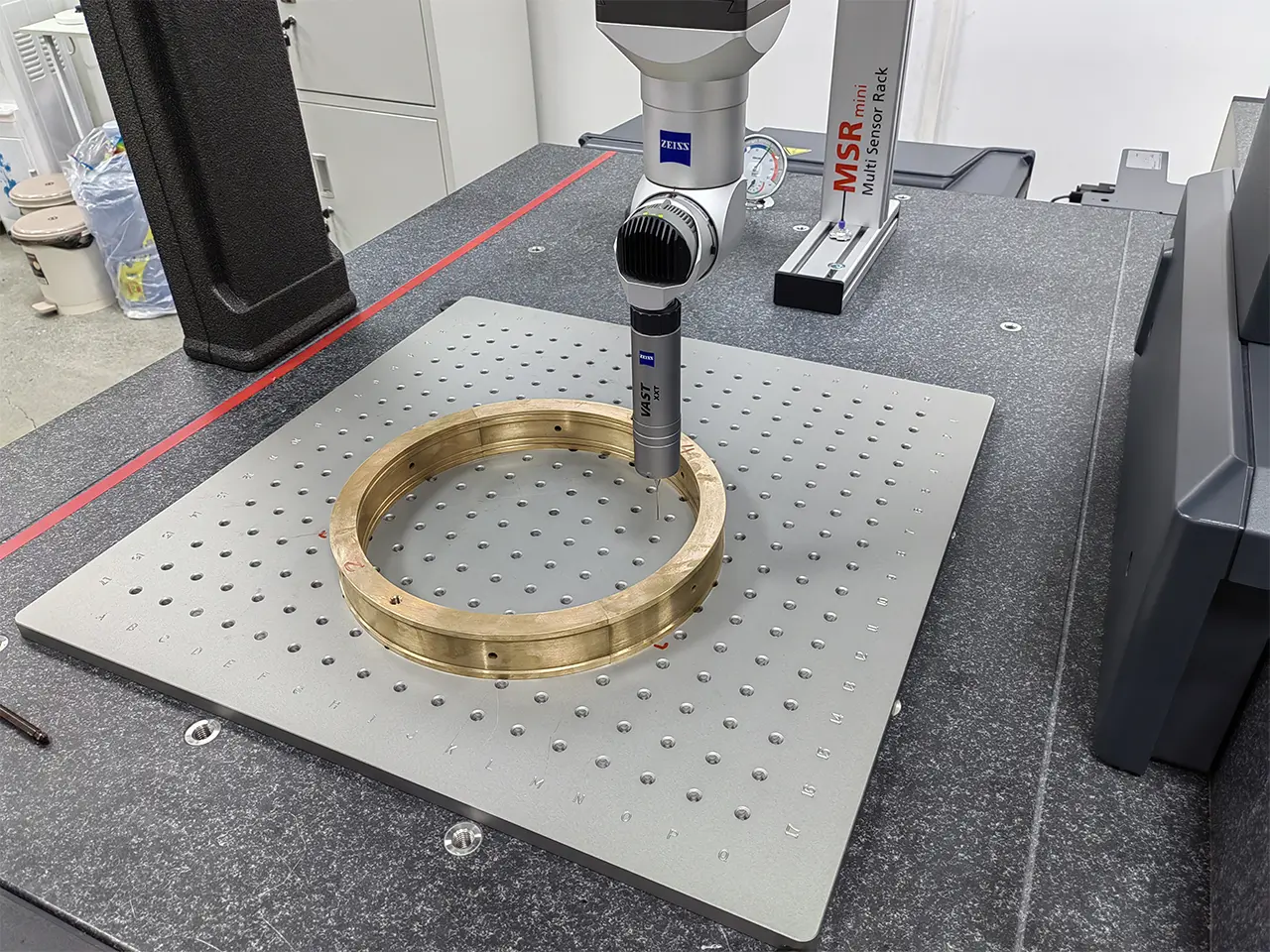
Our operations comply with linear casting tolerances of ISO 8062-3 (CT4-CT6 range). Where tighter tolerances are critical, CNC post-processing achieves tolerances up to ±0.005mm.
We support diverse testing methods, including Liquid Penetrant Inspection (LPI), Magnetic Particle Inspection (MPI), Ultrasonic Testing (UT), and X-Ray Radiography to identify internal porosity and gas defects.
The global investment casting industry is undergoing a digital revolution. Traditional mold tooling, which often requires significant upfront lead times, is increasingly paired with 3D printed wax patterns and SLA (Stereolithography) shell molds. This hybrid process allows for rapid prototyping, letting engineering teams test cast designs within days rather than weeks.
Additionally, finite element analysis (FEA) casting simulation software enables our technical team to model fluid dynamics, solidification rates, and thermal contraction before pouring a single drop of metal. This predictive capability helps eliminate casting defects like shrinkage, cold shuts, and hot tearing at the design stage.
Green manufacturing is another crucial shift. By recycling wax materials, recapturing pattern-making heat, and implementing advanced waste filtration systems, we reduce the carbon footprint of our operations, helping international buyers meet their environmental, social, and governance (ESG) targets.
Step inside the manufacturing floor at Dongguan SX Technology Co.,Ltd, showcasing our advanced machining tools and quality control infrastructure.
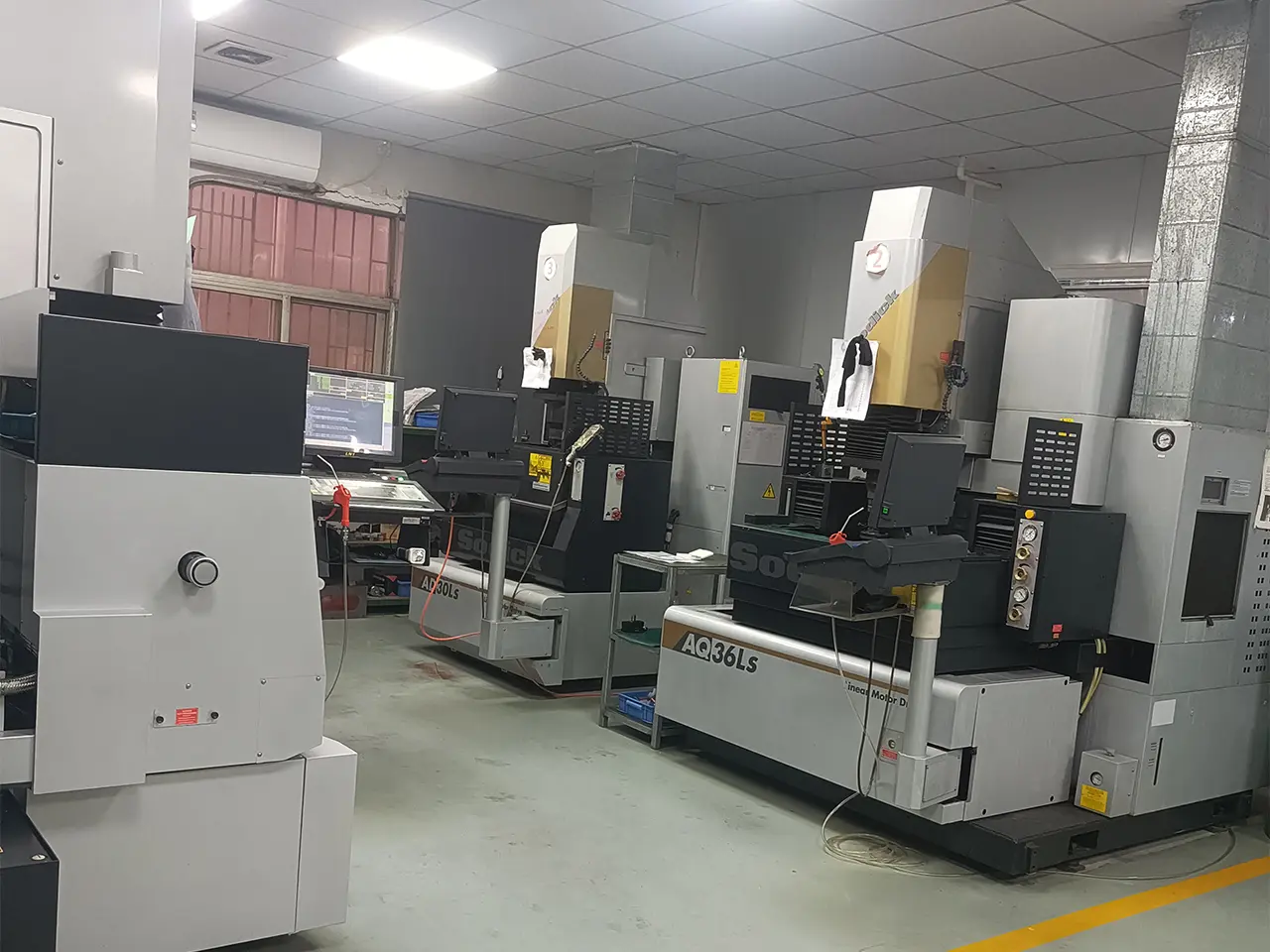
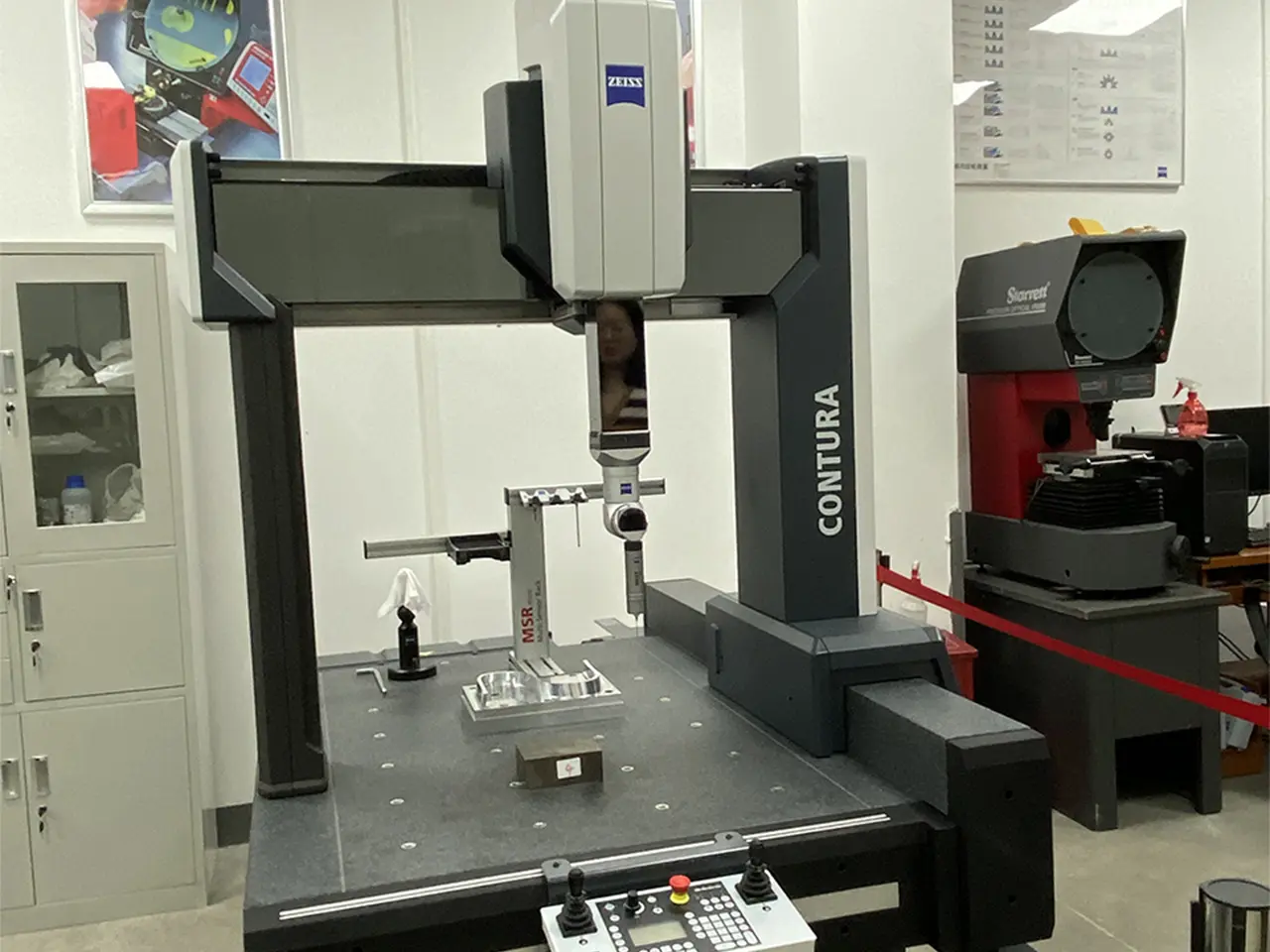
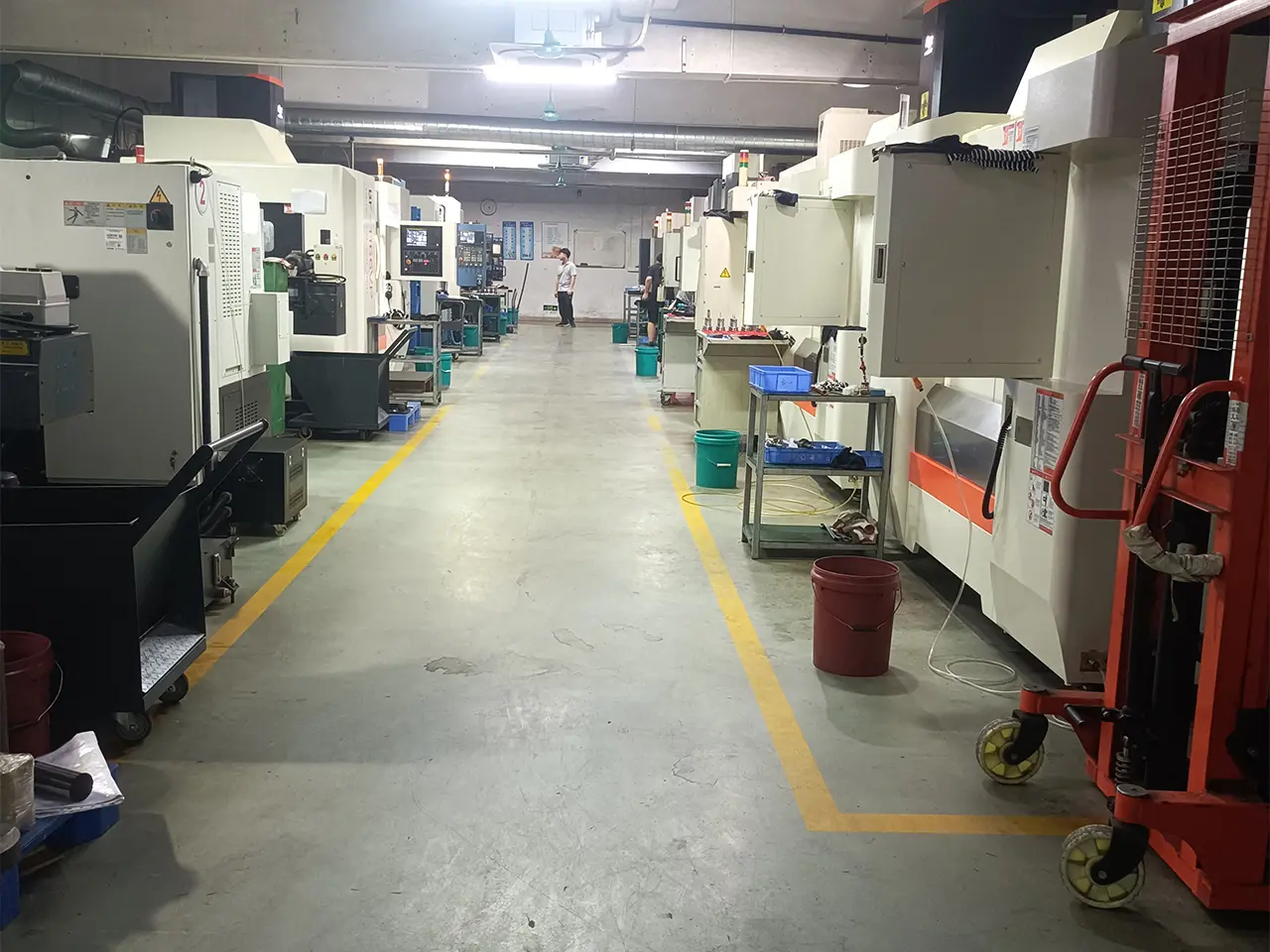
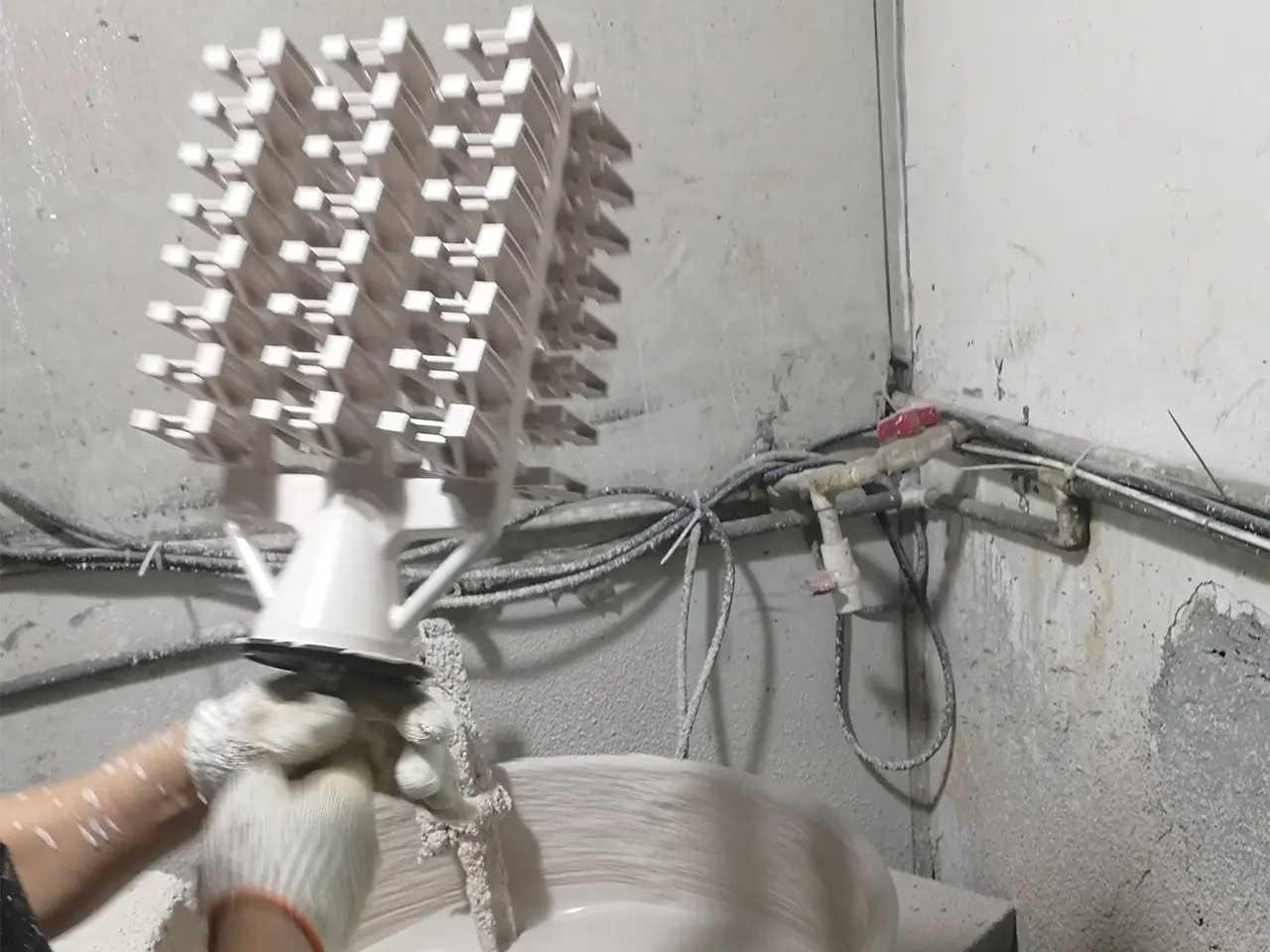
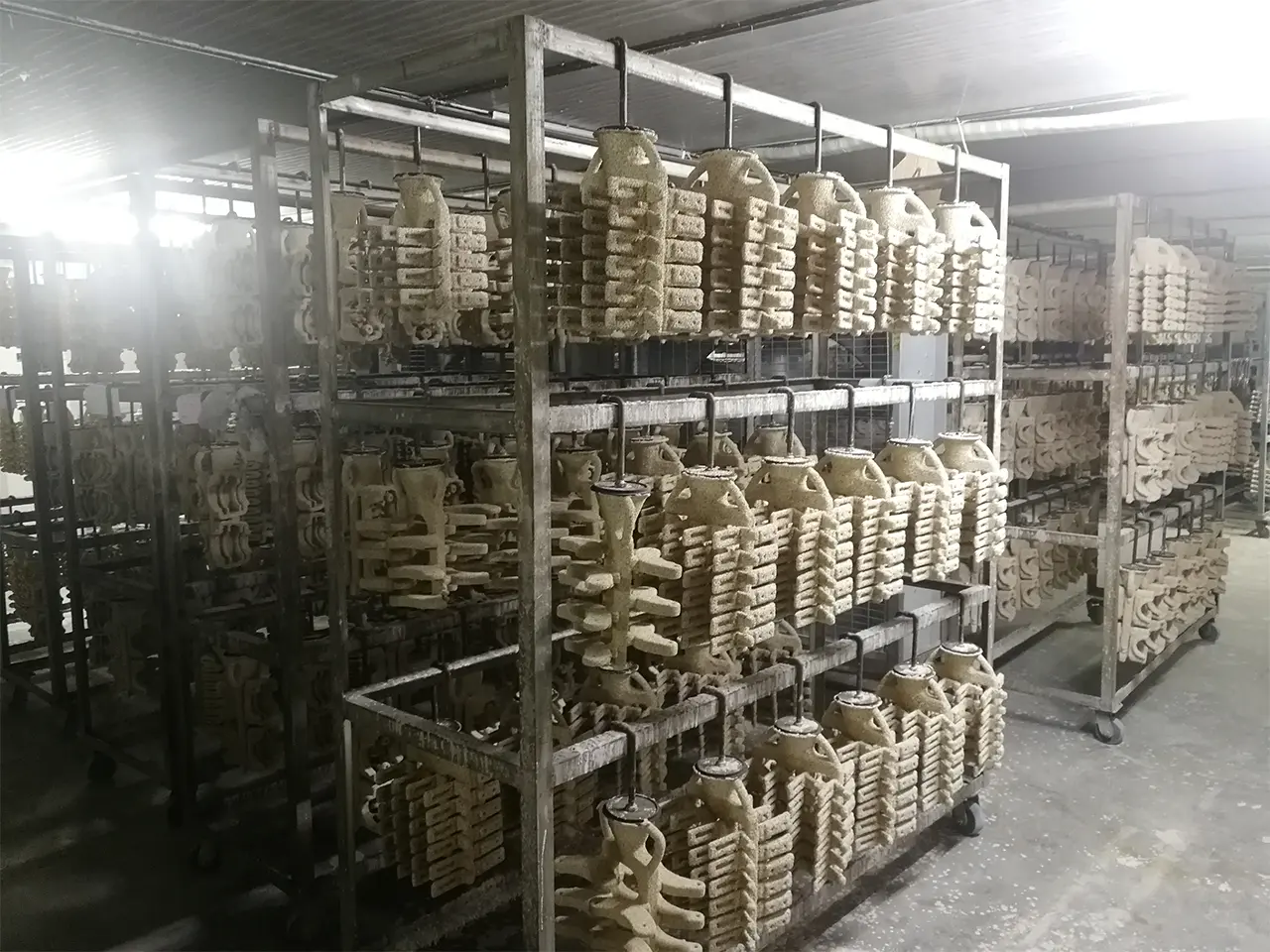
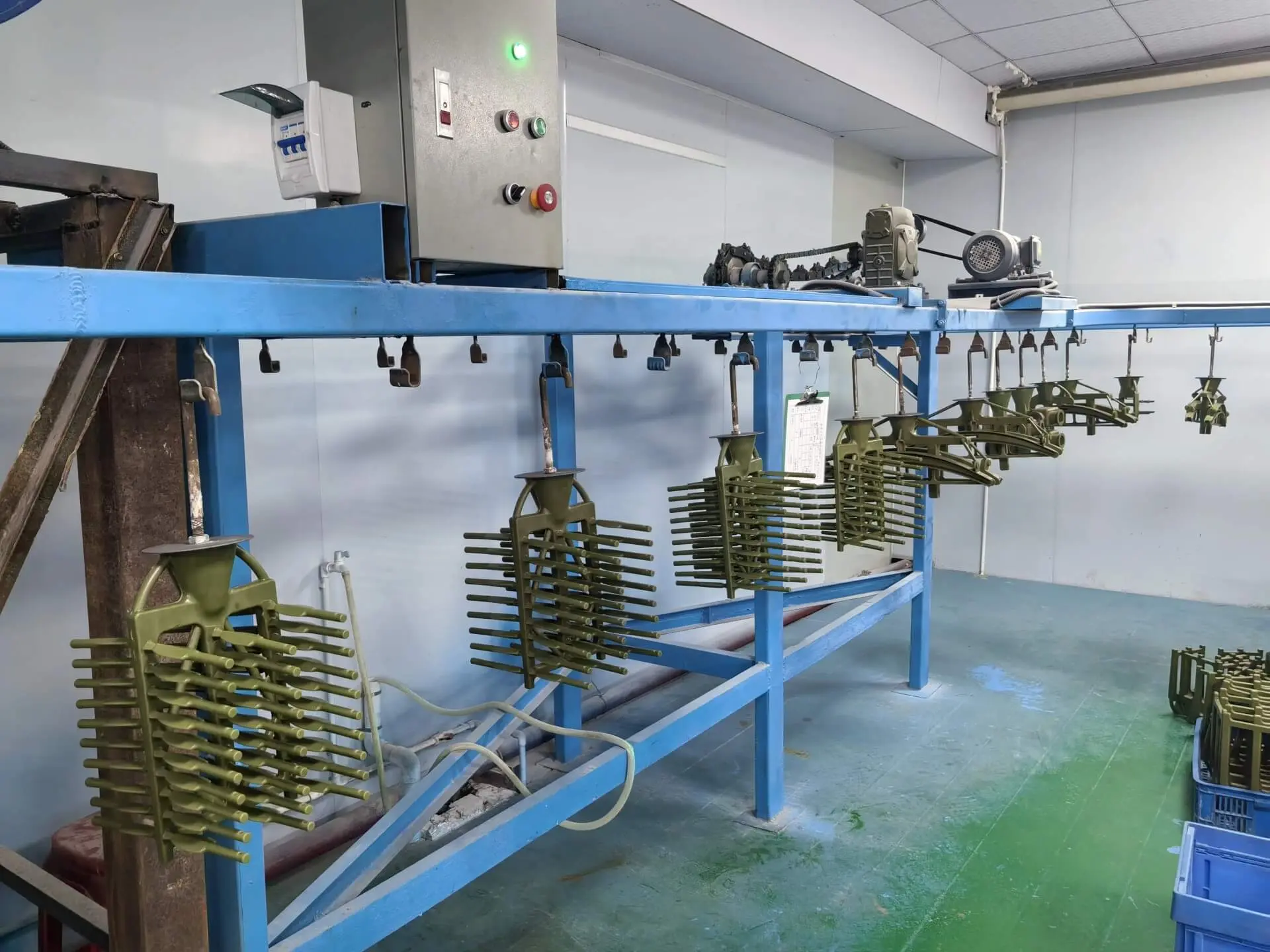
We have professional testing equipment and professional QC personnel, and we adhere to strict tolerances and quality standards for the products we produce. Due to our insistence on strict quality requirements, we have been praised by many customers.
Quality is the cornerstone of the manufacturing industry. We firmly believe that only by controlling quality well can we survive, develop, and get better and better. Therefore, we have been working in this industry unremittingly since 2014 and continue to improve the company's team and improve the company's production capacity.
Find direct, technical answers to critical sourcing questions compiled by our metallurgical and quality assurance experts.
For marine environments, 316 and 316L are the industry standards due to the addition of molybdenum, which enhances resistance to chloride pitting. In highly demanding marine propulsion or deep-sea components, duplex stainless steel (such as 2205) is preferred for its higher yield strength and superior resistance to stress corrosion cracking.
Typically, standard investment casting achieves tolerances in the range of ISO 8062-3 CT4 to CT6. For features demanding tighter precision (such as bearing seats or sealing grooves), we apply in-house post-casting CNC machining, allowing us to achieve tolerances within ±0.005mm.
We use advanced gating system design and casting simulation software to model solidifications. During production, we implement non-destructive testing (NDT), including liquid penetrant testing (LPI) for surface defects and X-ray radiography for internal porosity control, accompanied by full spectrometer verification of every alloy melt.
For standard tooling construction and initial sample approval, the typical lead time ranges from 3 to 4 weeks. Once samples are approved, mass production runs are usually completed within 4 to 6 weeks, depending on batch sizes and CNC machining complexity.
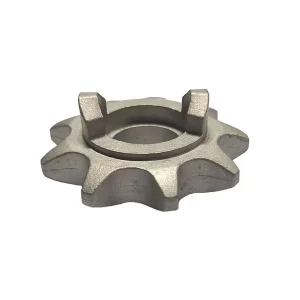
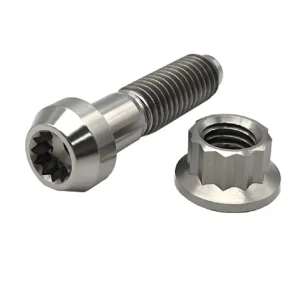
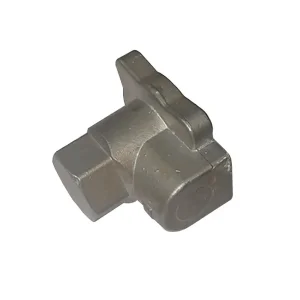
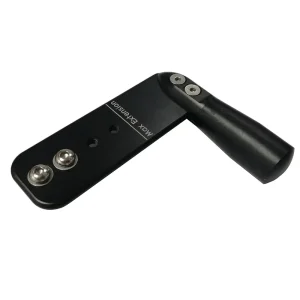
Additional custom manufacturing solutions engineered for specialized industries including medical, deep-sea, electronics, and heavy machinery.
 SX Machining