In modern industrial applications, the shift from metals to high-performance polymers has accelerated. Global enterprises require components that offer weight reduction, self-lubrication, high chemical resistivity, and superior dielectric isolation. However, sourcing custom machined plastic parts introduces severe quality bottlenecks, including dimensional drift from thermal expansion, burr control, stress-relief cracking during milling, and raw material traceability.
As a leading custom machined plastic parts manufacturer, Dongguan SX Technology Co., Ltd. addresses these vulnerabilities through controlled environments, calibrated machining processes, and stringent Quality Control. Since 2014, we have bridged the gap between raw polymer engineering and precise mechanical execution.
Strict FDA, USP Class VI compliance, and ISO 13485 alignment. Utilizing PEEK, PPSU, and PTFE to manufacture autoclavable components, surgical guides, implant trials, and fluidic manifolds without biological contamination.
Providing high-purity components with low outgassing, high thermal resistance, and ESD-safe characteristics. Custom machining of gas dispersion plates, wafer carriers, and CMP retaining rings in Torlon, Vespel, and PEEK.
Replacing metal parts with lightweight polymers to improve fuel efficiency. Providing wear strips, cable guides, insulators, and complex ducting parts under AS9100 quality expectations, ensuring high flame-retardant performance.
Developing acid-resistant valve seats, impellers, seal housings, and flow meters using PTFE, PVDF, and PCTFE. Maximizing product lifecycles inside harsh chemical and high-temperature environments.
Structural elements for battery insulation, busbars, sensor housings, and thrust washers in EV powertrains using POM, PA66-GF30, and high-performance polyimides.
Providing wear liners, guides, gear boxes, and bushings in UHMW-PE, Nylon, and Delrin. Ensuring low-friction, noise reduction, and long durability without external lubrication requirements.
Different polymers exhibit unique crystalline behaviors and thermal expansion coefficients. The selection of materials combined with exact feed rates, tool geometry, and post-machining annealing processes determines the mechanical stability of the component. View our key polymers database below:
| Material Family | Common Trade Names | Operating Temp Range | Tensile Strength | Primary Industrial Use Case | Standard Machined Tolerance |
|---|---|---|---|---|---|
| PEEK (Polyetheretherketone) | Victrex, Ketron | -40°C to +250°C | 97 MPa | Semiconductor / Aerospace | ±0.02 mm |
| PTFE (Polytetrafluoroethylene) | Teflon | -200°C to +260°C | 20-30 MPa | Chemical Valves & Insulators | ±0.05 mm |
| POM (Polyoxymethylene / Acetal) | Delrin | -50°C to +100°C | 70 MPa | Gears, Rollers, Bushings | ±0.015 mm |
| UHMW-PE | Tivar | -150°C to +80°C | 22 MPa | Chutes, Conveyor Guides | ±0.1 mm |
| Ultem (PEI) | Duratron | -50°C to +170°C | 105 MPa | Medical Autoclavable Trays | ±0.02 mm |
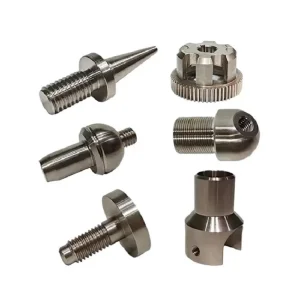
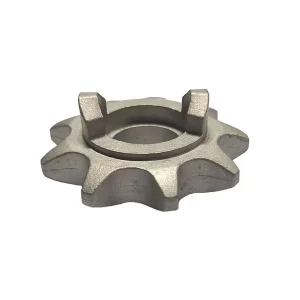
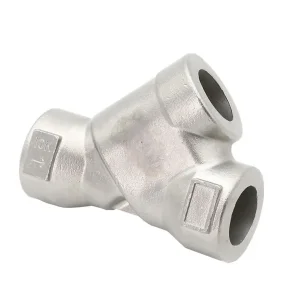
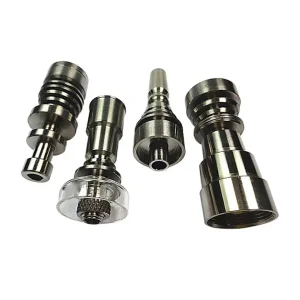
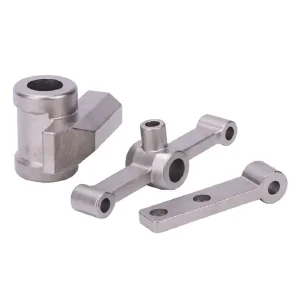
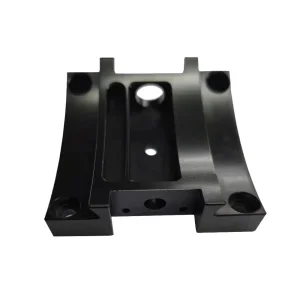
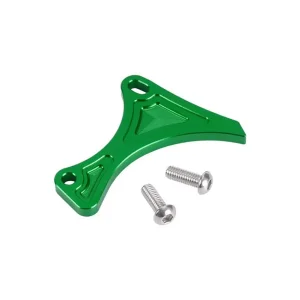
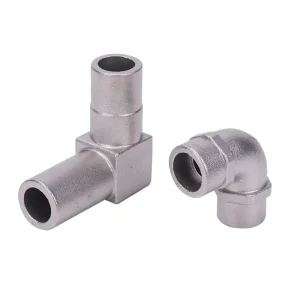
Dongguan SX Technology Co.,Ltd has very rich experience in precision casting, CNC machining and assembly.
Our products are used in machinery, automobiles, marine, ships, equipment, valves and pumps, electronic appliances, packaging, watches, construction, chemical industry and other industries. The most commonly used materials for investment casting are stainless steel and carbon steel. And the most commonly used materials for CNC machining include titanium alloy, stainless steel, carbon steel, aluminum alloy, copper alloy, cemented carbide, etc.
We have advanced manufacturing equipment and technology and are able to respond quickly to your needs. By combining metallurgical capabilities and precision machining, we provide customers with high-level structural integrity.
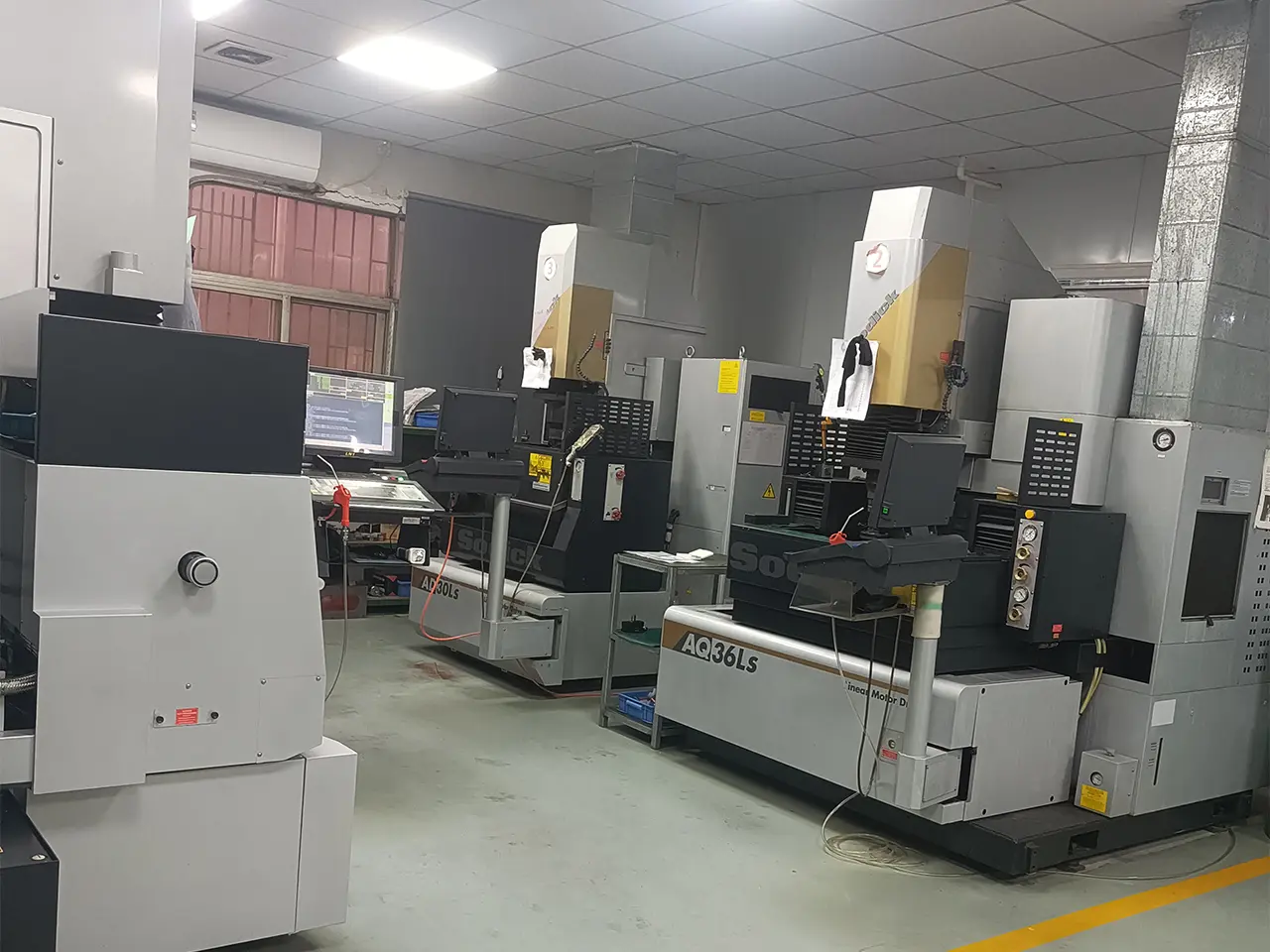
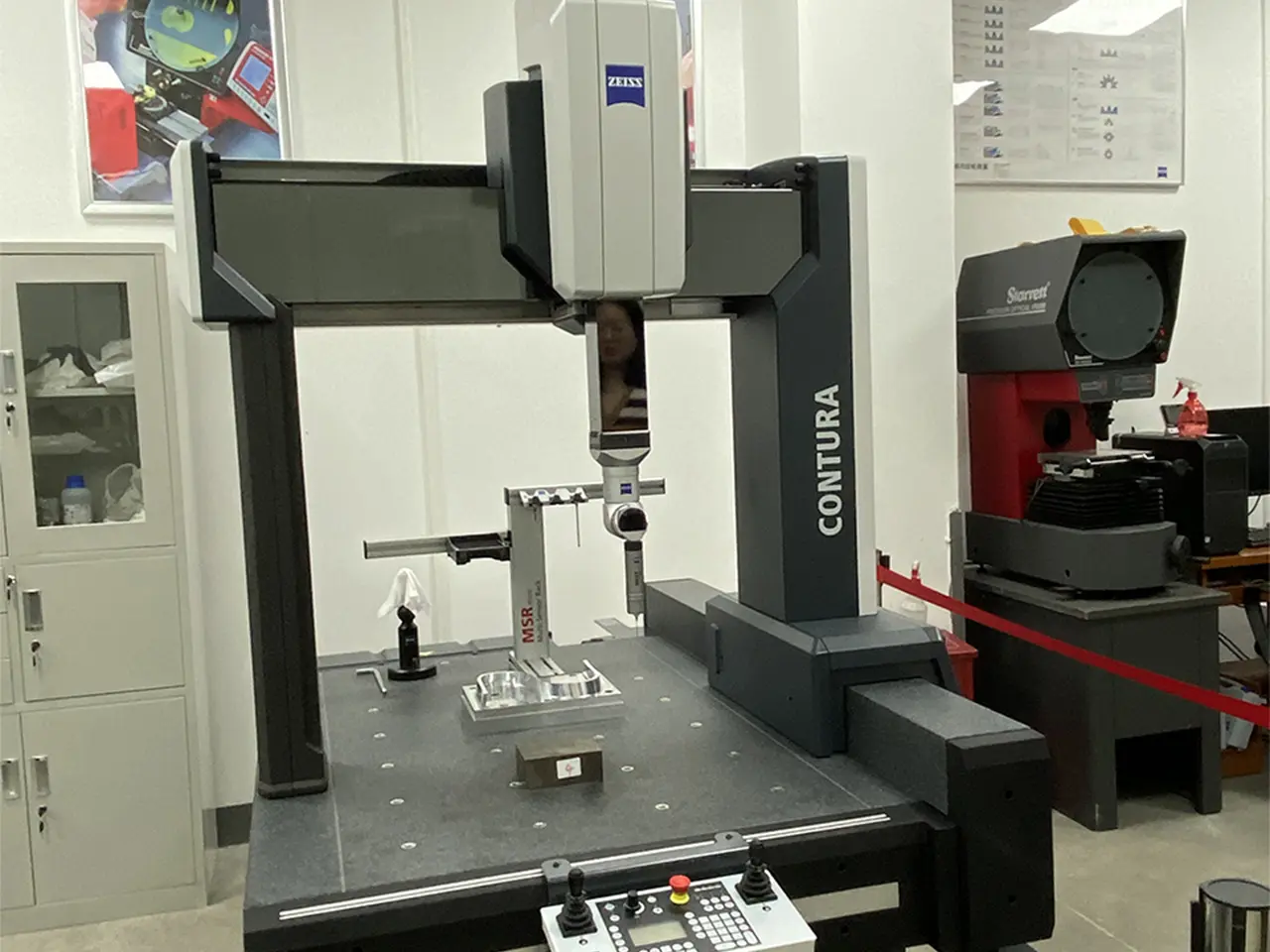
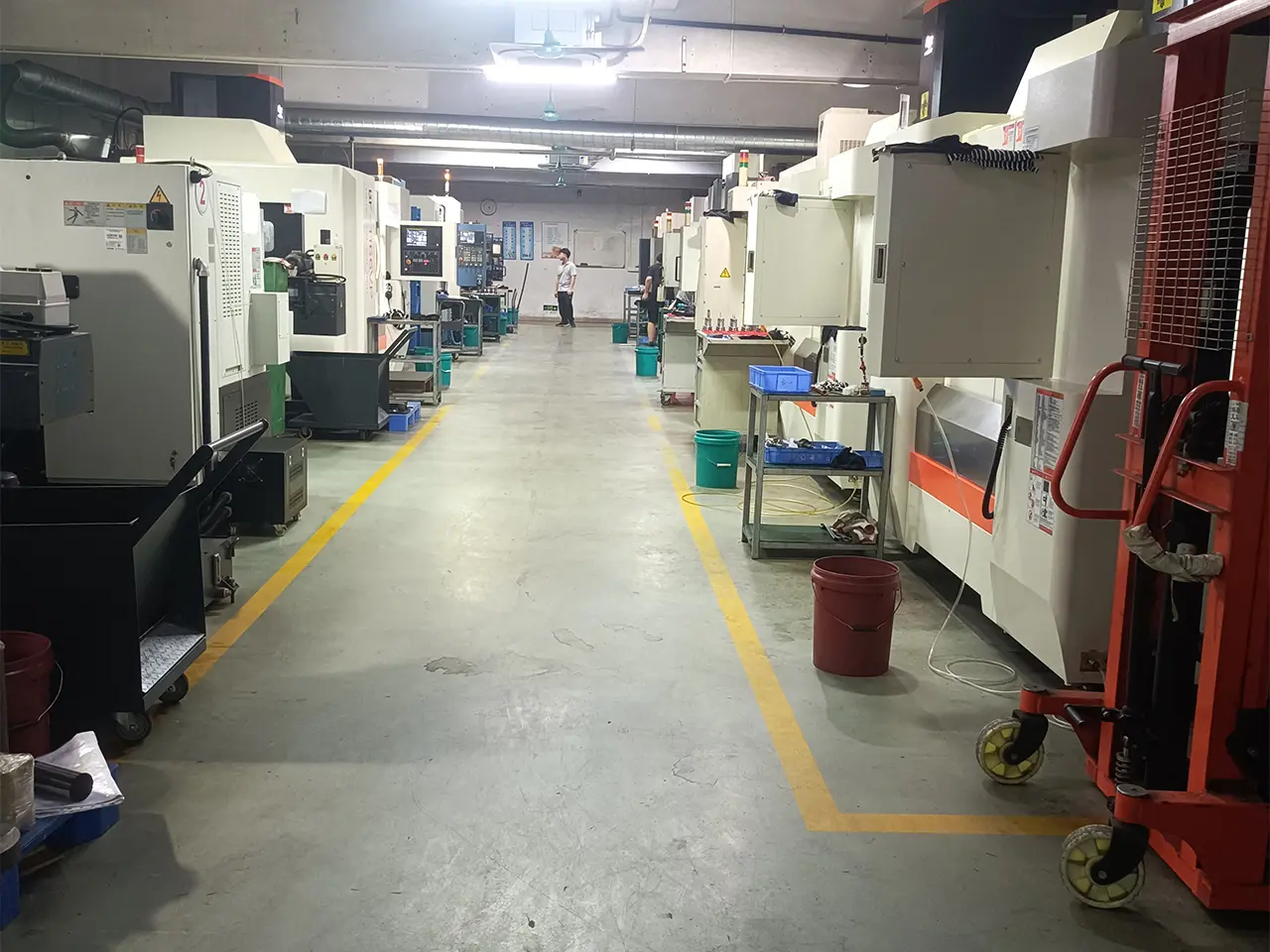
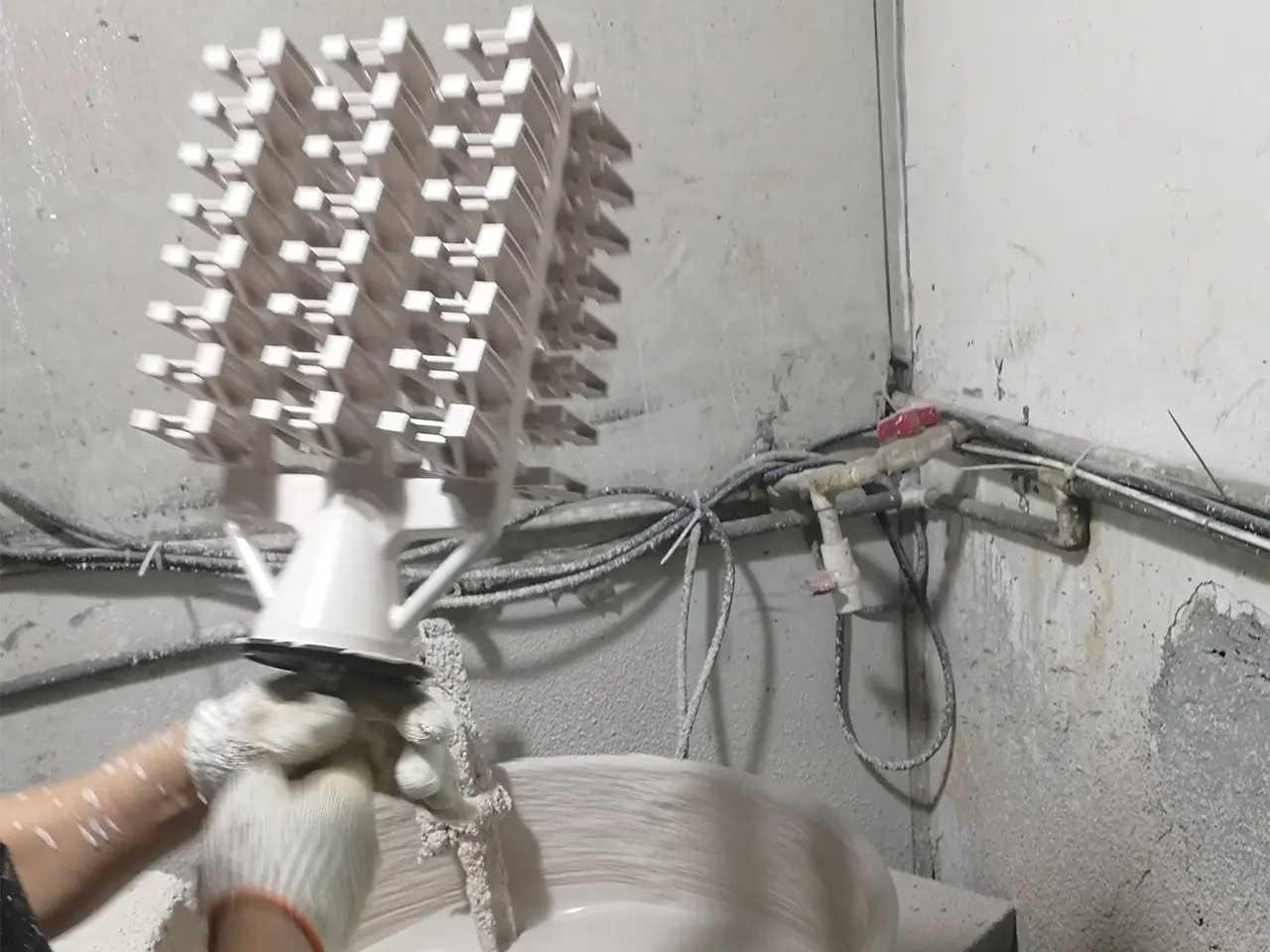
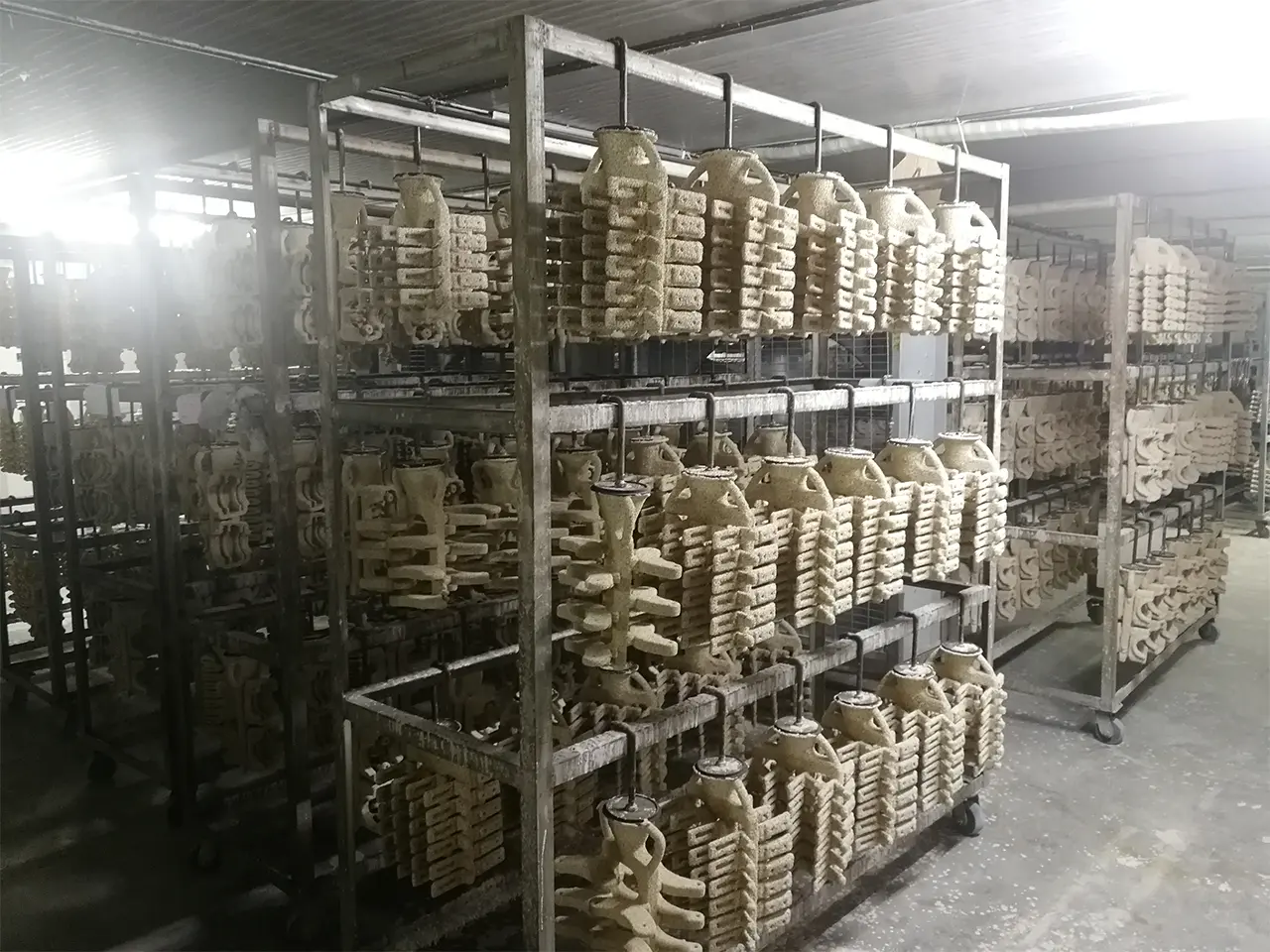
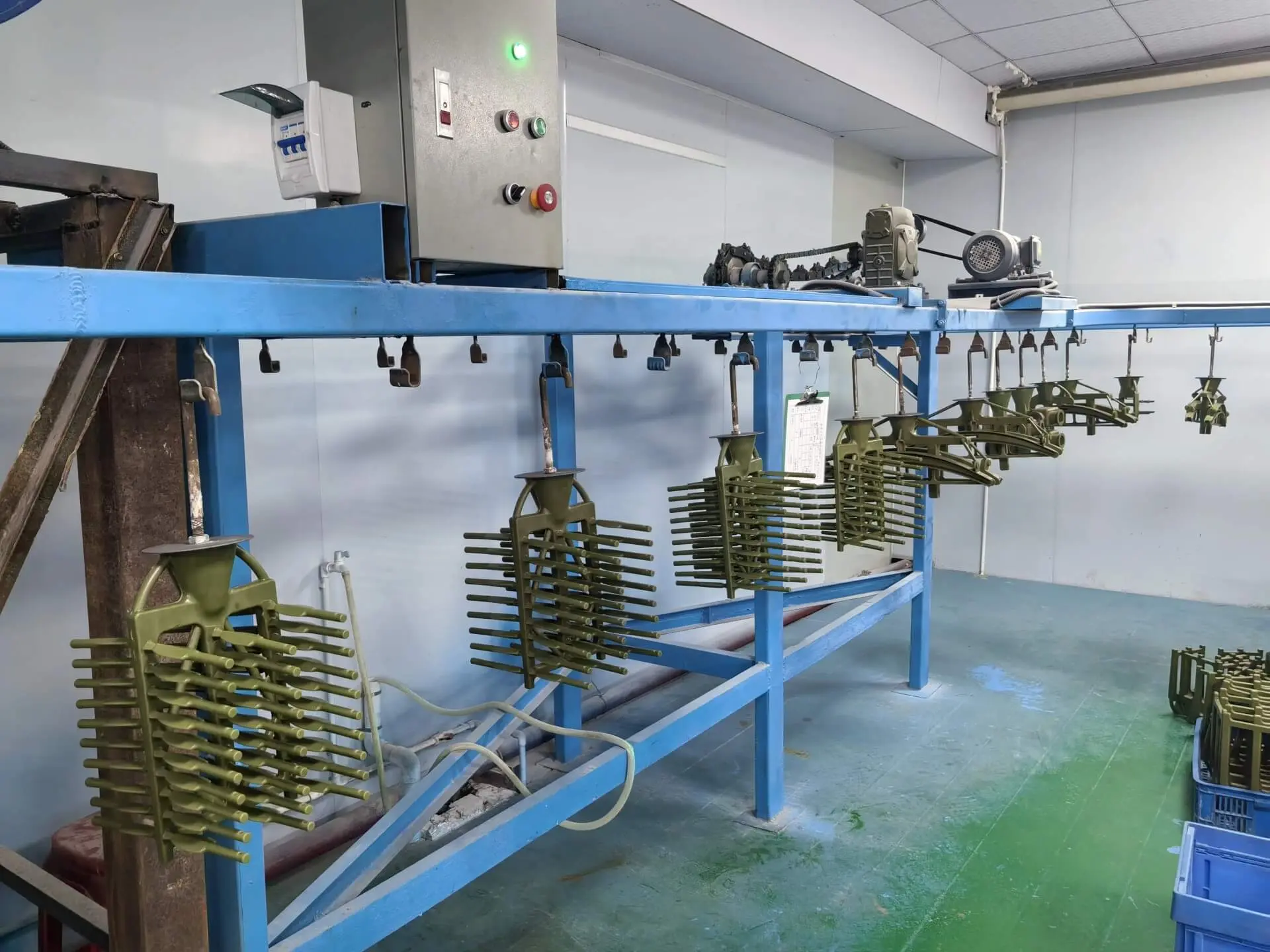
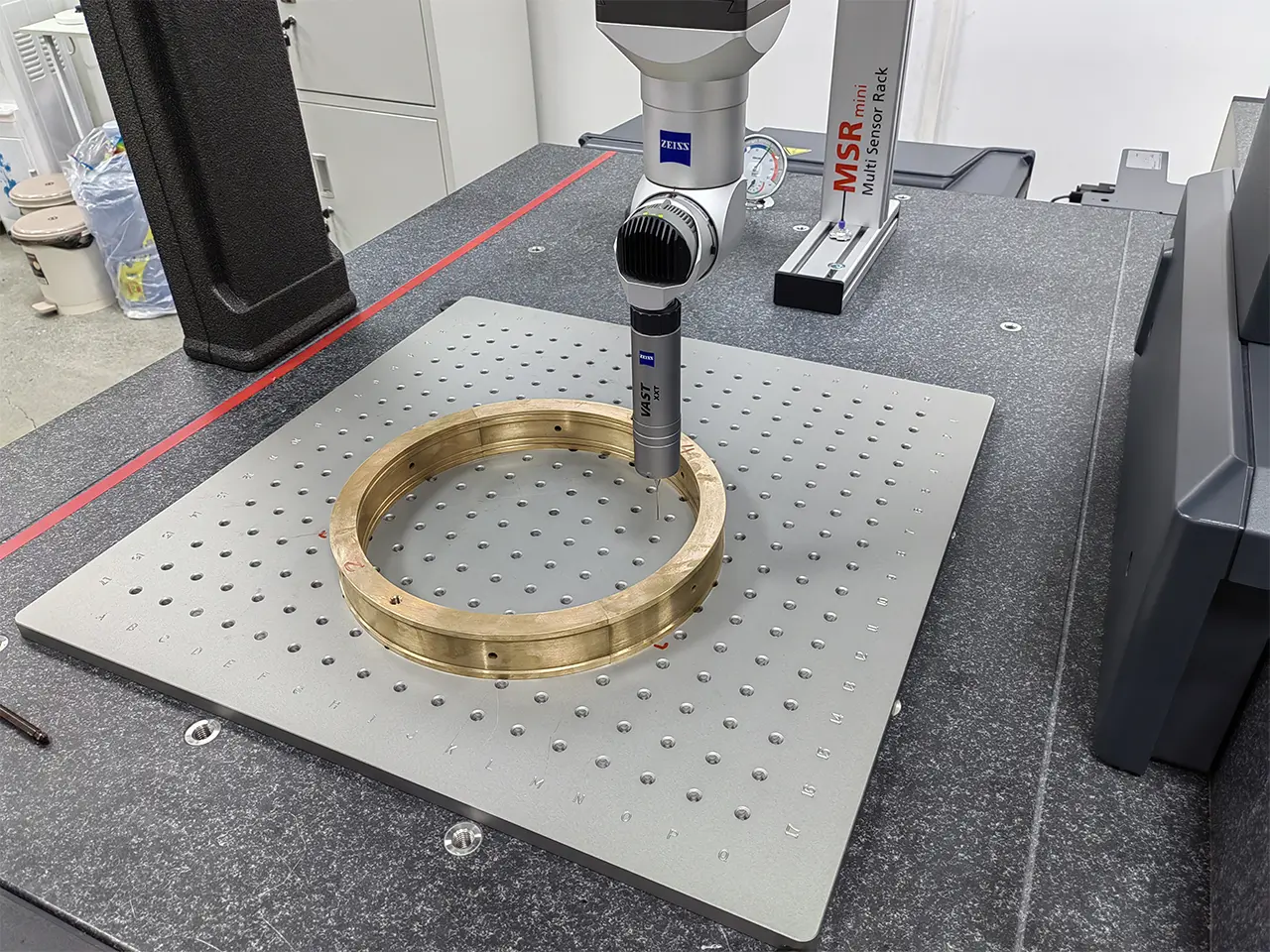
We have professional testing equipment and professional QC personnel, and we adhere to strict tolerances and quality standards for the products we produce. Due to our insistence on strict quality requirements, we have been praised by many customers.
Quality is the cornerstone of the manufacturing industry. We firmly believe that only by controlling quality well can we survive, develop, and get better and better. Therefore, we have been working in this industry unremittingly since 2014 and continue to improve the company's team and improve the company's production capacity.
Our metrology lab is equipped with 3D Coordinate Measuring Machines (CMM), Optical Comparators, Surface Roughness Testers, and Ultrasonic Crack Detectors to monitor critical structural dimensions, ensuring every batch complies with engineering schematics before dispatch.
Minimizing thermal expansion in elastomers and ultra-soft polymers (like TPU and PTFE) by cooling the cutting zone with liquid nitrogen, resulting in burr-free surfaces and micro-precision geometries.
Implementing post-extrusion and post-rough-machining annealing profiles. Relieving internal stress prevent structural warping and dimensional instability after final fine milling.
Adapting manufacturing parameters for bio-derived polyamides and recycled aerospace polymers, supporting corporate environmental policies and lowering carbon footprints.
Every machined plastic order includes comprehensive chemical and mechanical declaration logs. We fully comply with the following standards:
Unlike metals, high-precision plastic components are highly susceptible to scratch damage and moisture absorption during shipment:
Engineering plastics expand up to 10 times more than metals. We compensate by performing all final dimensional checks in temperature-controlled environments maintained at 22°C (71.6°F) and adjusting the CNC offsets programmatically based on the polymer's thermal coefficient database.
Select PEEK for operations exceeding 100°C (up to 250°C), in situations demanding severe chemical resistance, or where fire-smoke-toxicity (FST) compliance is mandatory. Delrin is excellent for cost-effective structural parts, gears, and low-temperature slide bearings due to its high stiffness and machinability.
We use advanced tool geometries with sharp positive rake angles to shear the plastic rather than pushing it. Additionally, we integrate intermediary stress-relief baking cycles (annealing) to neutralize internal stresses accumulated during the bulk rough milling stage.
We utilize mechanical tumbling, manual precision deburring, and cryogenic nitrogen media tumbling. Cryogenic deburring freezes the flash/burr sections until brittle, removing them uniformly without altering the dimensional tolerances of the main component body.
 SX Machining