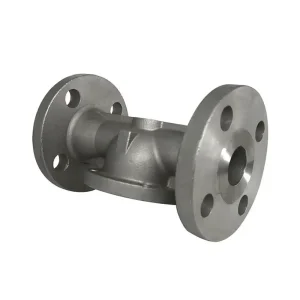
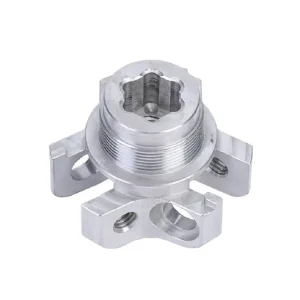
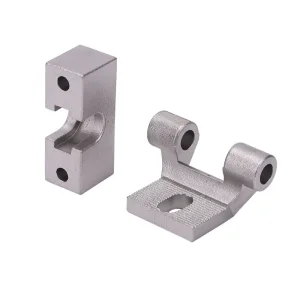
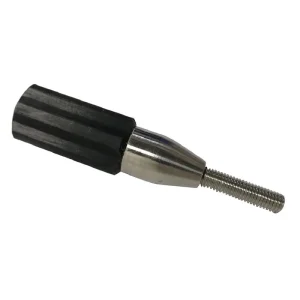
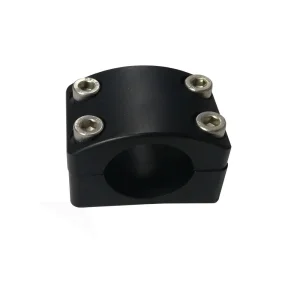
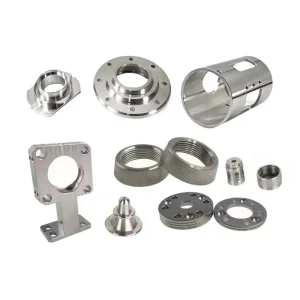
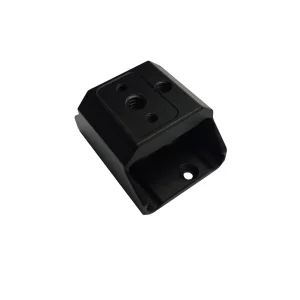
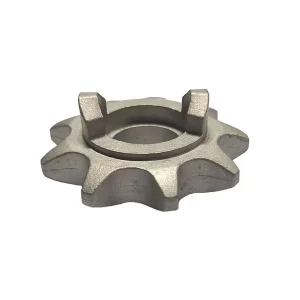
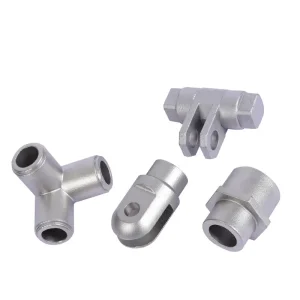
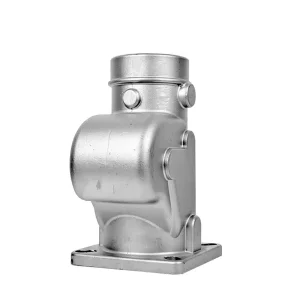
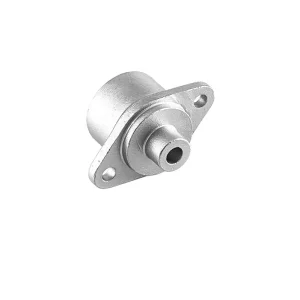
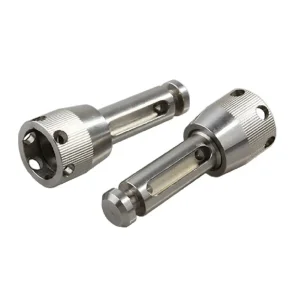
Explore our premium custom CNC machined components and precision casting solutions built to exact international tolerances.
Microfusioni Acciaio, historically categorized as steel investment casting or the "lost wax" (cera persa) process, is a premier metalforming technology utilized to produce intricate, near-net-shape components with exceptional surface finish and dimensional tolerance control. At the heart of industrial manufacturing, this technology bridges the gap between raw metallurgical design and complex mechanical systems.
By shifting production to specialized microfusioni factories, engineering teams can minimize secondary machining operations, improve macro-structural integrity, and drastically reduce raw material waste. Unlike standard sand casting, the microfusioni process yields tight tolerances compliant with ISO 8062-3 DCTG4 to DCTG6 classes, rendering it crucial for mission-critical sectors including marine logistics, chemical processing plants, high-precision electronics, and medical wheelchair components.
"Precision steel investment casting ensures metallurgical homogeneity and optimal mechanical properties, mitigating structural weak points commonly introduced during weldment fabrication or lower-quality casting methodologies."
Dongguan SX Technology Co.,Ltd leverages a highly optimized supply ecosystem in Southern China to deliver cost-effective, high-tier engineering solutions.
We work with an extensive portfolio of metals, including austenitic, martensitic, and duplex stainless steels (AISI 304, 316, 316L, 17-4 PH, 2205), premium carbon steels, alloy steels, and specialized cobalt/nickel superalloys.
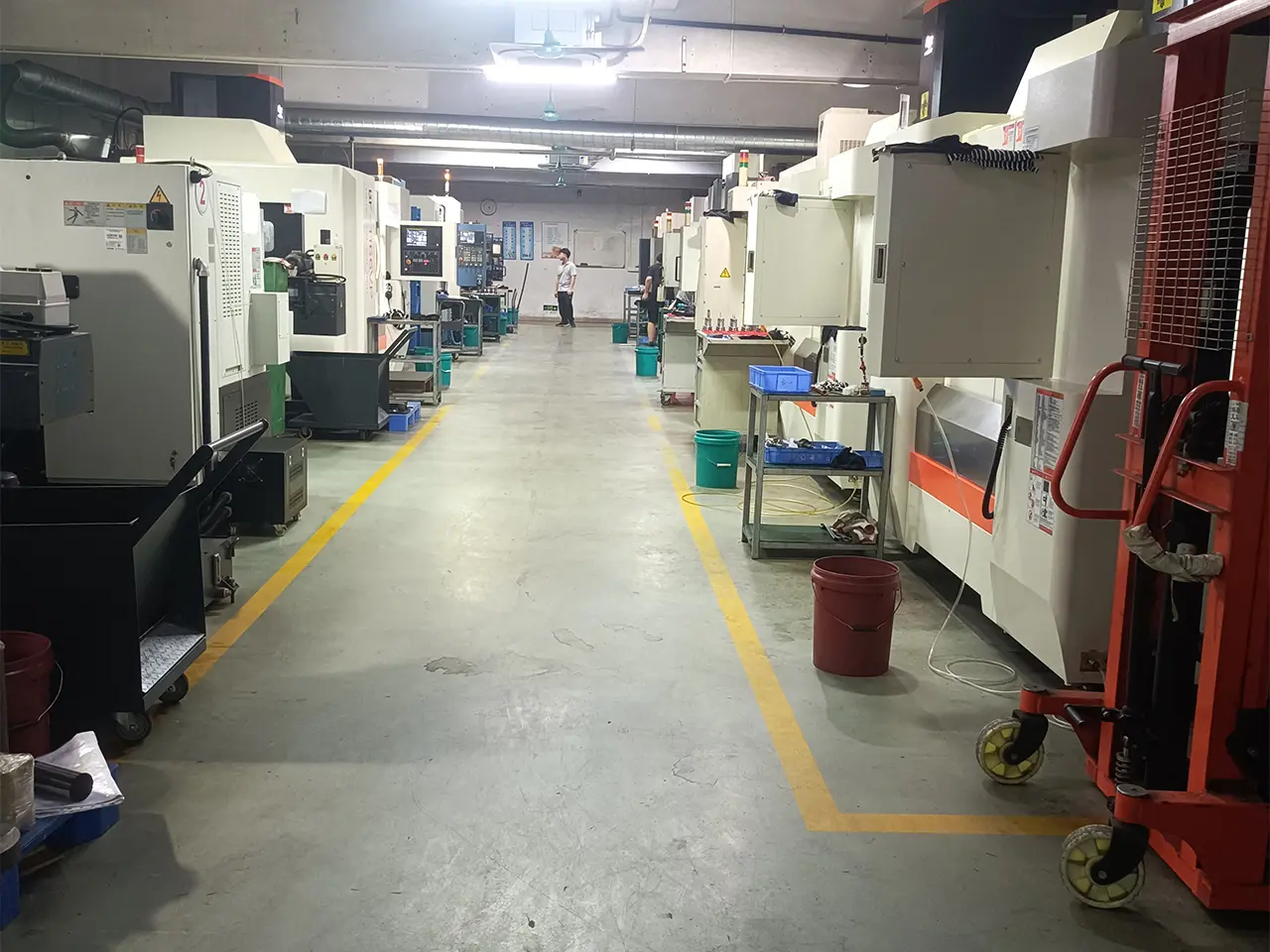
Eliminate intermediate handling overheads. Our post-casting precision machining capabilities feature high-speed multi-axis CNC machines to achieve critical face dimensions, micro-hole drilling, and strict thread compliance.
Operating within the industrial core of Dongguan provides seamless access to premium metallurgical raw materials, highly skilled tool engineers, heat-treatment vendors, and deep-water container ports for swift shipping.
Understanding the exact sequence of manufacturing reveals how we guarantee components that meet strict IATF 16949-aligned standards:
The global steel precision casting market is shifting toward sustainability, absolute traceability, and rapid post-casting integration.
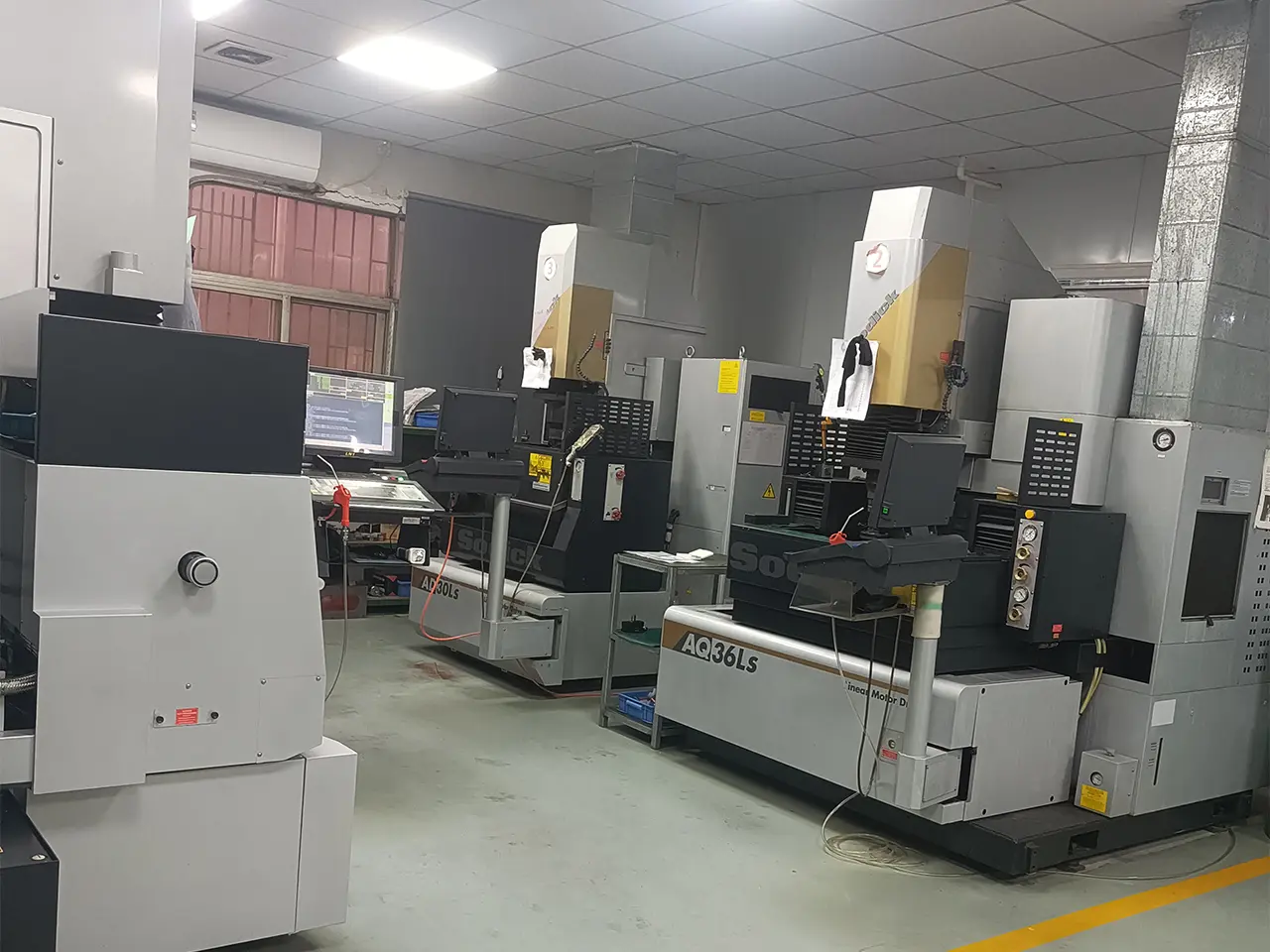
OEM Procurement Directors in Western markets (Europe, North America) are increasingly prioritizing "One-Stop Integration". Dongguan SX Technology bridges this need by functioning as both a precision foundry and a heavy machining center. Rather than coordinating logistics between a discrete casting house, a heat treatment contractor, and a CNC machine shop, our customers obtain completely finished, direct-to-assembly components.
Additionally, modern green manufacturing standards require reduction of volatile organic compound emissions in binders. We leverage advanced water-based silica sol technologies, which not only conform to global environmental protocols but also yield a significantly better surface profile than hazardous alcohol-based binders.
| Steel Grade Class | Material Designations | Key Properties | Primary Industrial Applications |
|---|---|---|---|
| Austenitic Stainless | AISI 304, 316, 316L, 1.4408 | Superb corrosion resistance, high ductility, excellent impact strength. | Marine fittings, chemical pumps, pharmaceutical processing equipment. |
| Precipitation Hardening | 17-4 PH, 15-5 PH, SUS630 | High yield strength, moderate corrosion resistance, good fatigue life. | Aerospace linkages, pump shafts, heavy mechanical hardware. |
| Duplex Stainless Steel | Duplex 2205, Super Duplex 2507 | High resistance to chloride stress corrosion cracking, high yield strength. | Offshore oil and gas exploration, maritime impellers, chemical scrubbers. |
| Carbon & Low Alloy Steel | WCB, LCC, AISI 1045, 4140 | Excellent machinability, high structural strength, cost-effective base material. | Automotive transmission parts, heavy machinery gears, construction brackets. |
At Dongguan SX Technology Co.,Ltd, we strongly adhere to the premise that quality is the absolute cornerstone of the manufacturing industry. Operating relentlessly within the precision sector since 2014, we have established a robust quality control program integrated into every production phase.
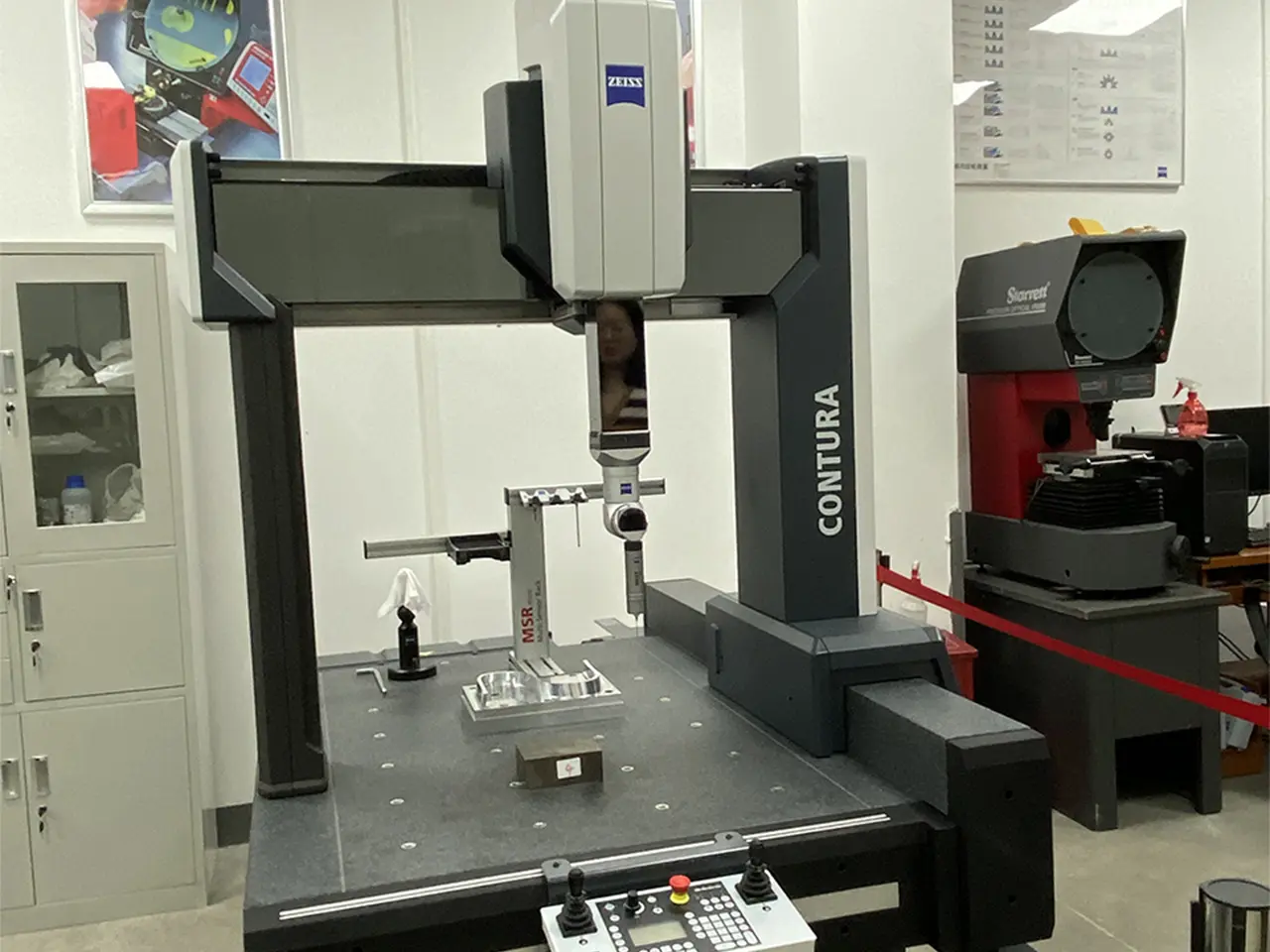
We deploy high-precision testing equipment operated by veteran Quality Engineers. This includes Coordinate Measuring Machines (CMM) for complex geometric dimensional validation, Optical Emission Spectrometers (OES) for real-time melt chemistry profiling, and advanced metallurgical microscopes to verify phase structure homogeneity.
Our commitment to rigorous standards ensures that our clients receive components that avoid mechanical failures under critical structural loads, reducing global recall risks and safeguarding industrial operations.
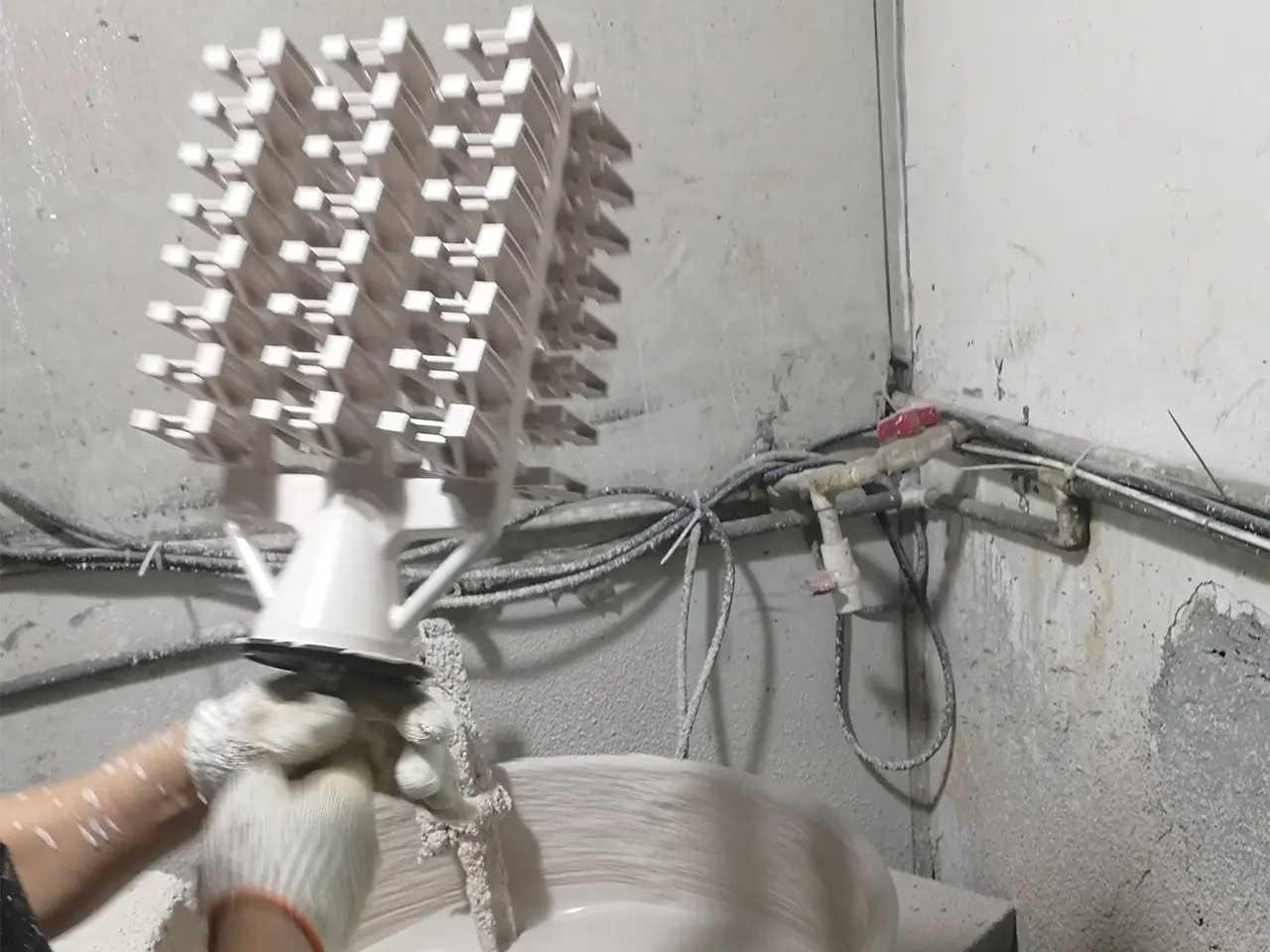
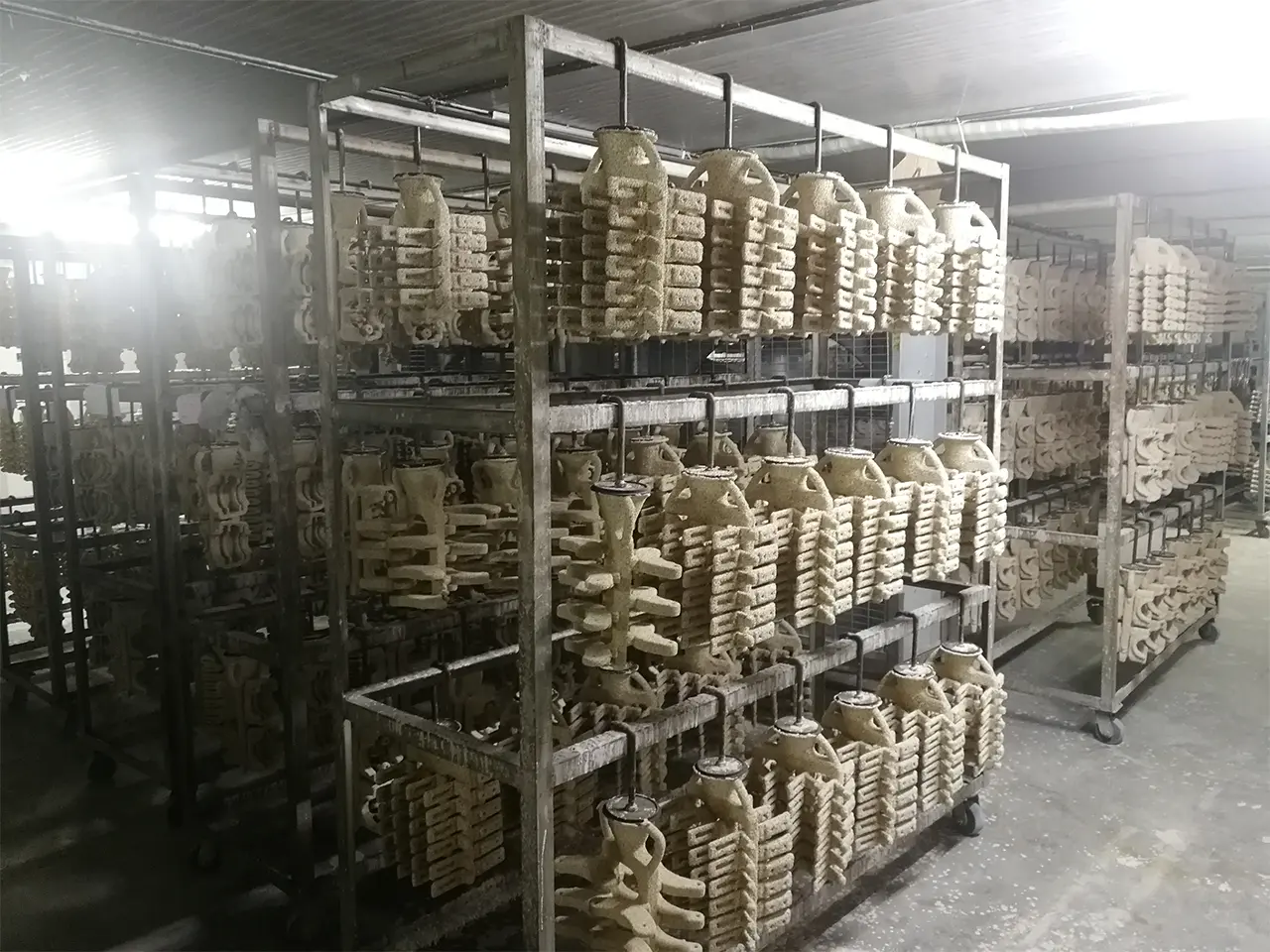
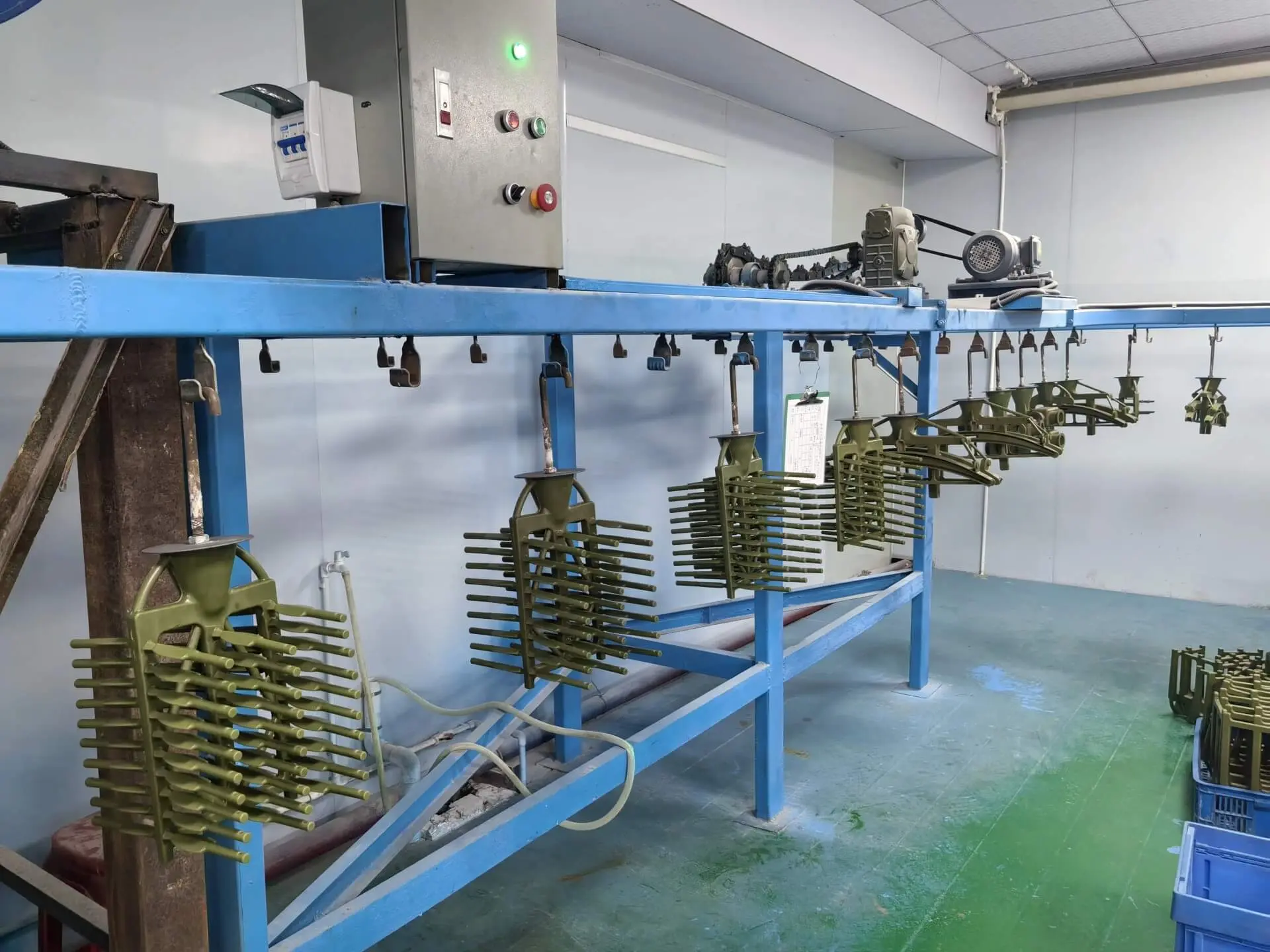
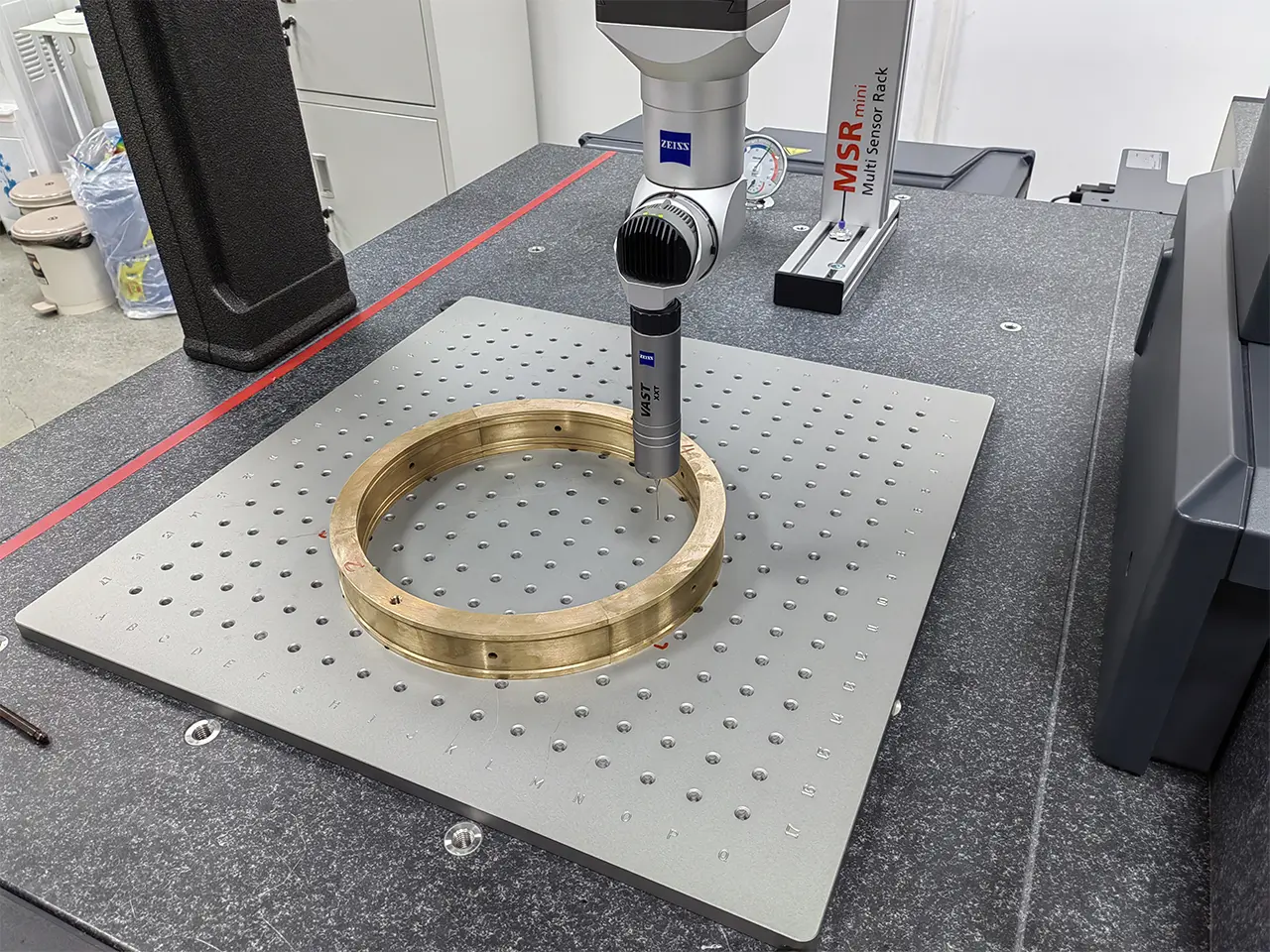
Our custom microfusioni and CNC processes are tailored to meet unique performance standards across highly regulated markets.
For marine valves, hull linkages, pump housings, and offshore fluid manifolds, we leverage high-chromium duplex stainless steels. Our castings are tested for intergranular corrosion susceptibility to ensure longevity in high-salinity seawater.
We manufacture custom wheelchair structural hubs and load-bearing articulation joints. Utilizing high-strength aluminum alloys and lightweight low-carbon steel, we combine microfusioni geometry with post-casting 5-axis CNC machining to guarantee patient safety.
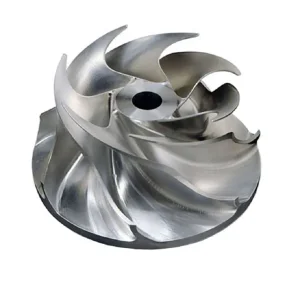
Engine linkages, turbocharger impellers, transmission selector forks, and generator gear mechanisms demand high wear resistance. We supply heat-treated carbon and alloy steel parts that withstand mechanical shear stress and cyclic fatigue.
Expert answers addressing tolerances, design restrictions, material selections, and sourcing workflow protocols for global engineering teams.
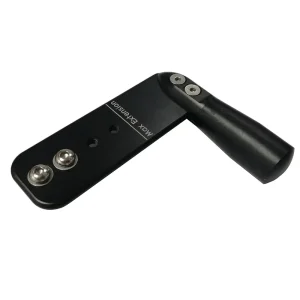
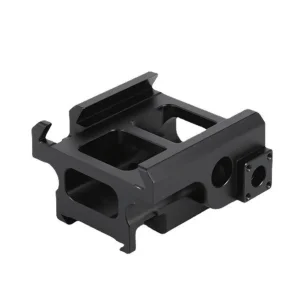
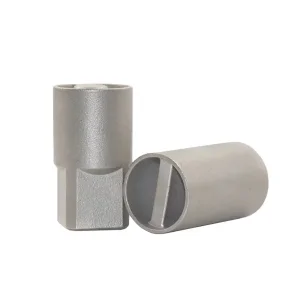
Explore our extensive range of high-strength components machined and cast to custom mechanical specifications.
 SX Machining