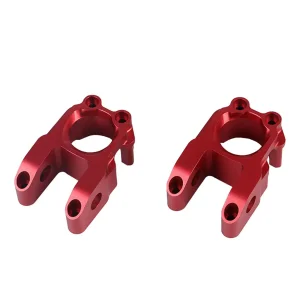
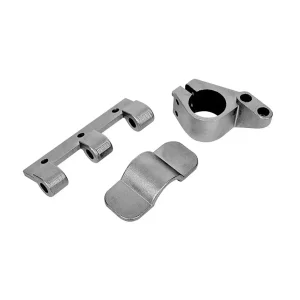
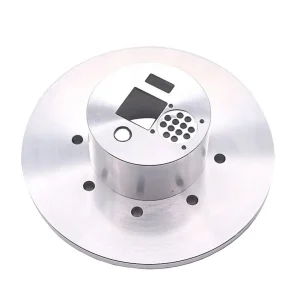
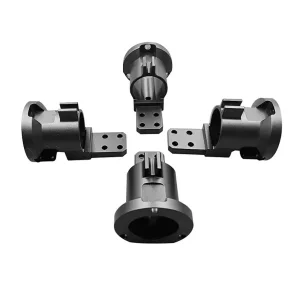
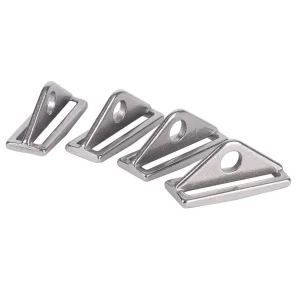
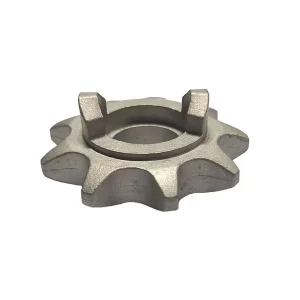
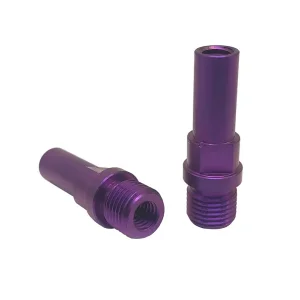
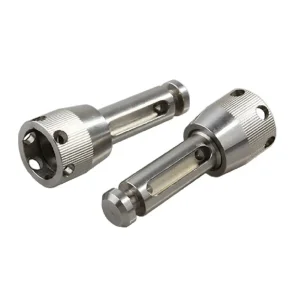
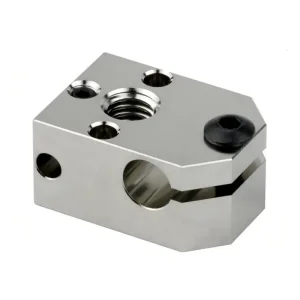
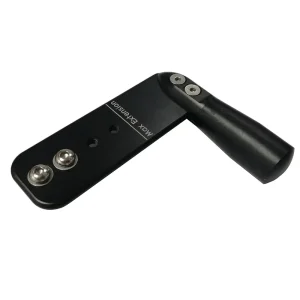
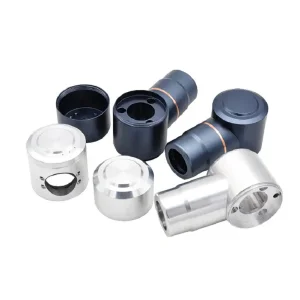
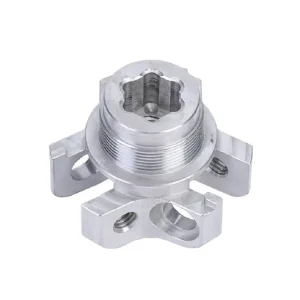
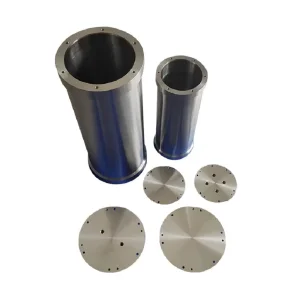
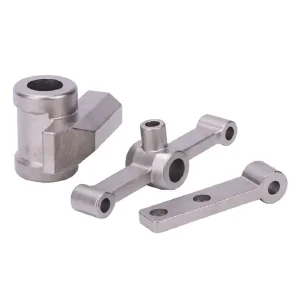
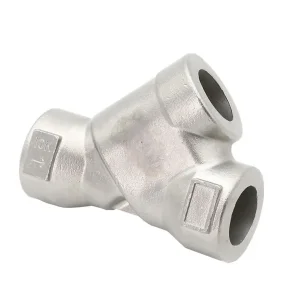
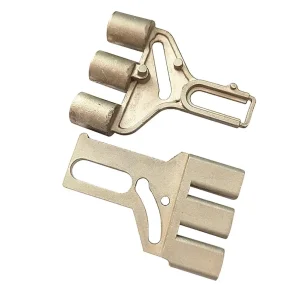
Explore our primary array of high-tolerance custom machined components and structural investment castings.
In the current global manufacturing paradigm, the demand for lightweight, high-strength structural components has reached unprecedented heights. Custom precision aluminium casting has emerged as a cornerstone technology, enabling automotive, aerospace, marine, and medical electronics sectors to achieve dramatic optimization in performance and structural efficiency. Aluminium, renowned for its excellent strength-to-weight ratio, exceptional thermal conductivity, and natural corrosion resistance, presents unique opportunities when paired with advanced casting techniques.
However, achieving the strict dimensional accuracy and structural integrity required by modern engineering standards is not trivial. It demands deep metallurgical insight, precise mold design (die construction), highly controlled casting parameters, and seamless secondary CNC machining. Dongguan SX Technology Co., Ltd stands at the forefront of this industrial discipline, bridging the gap between raw casting processes and ready-to-assemble components with tight tolerances.
The foundation of any high-quality casting lies in the alloy selection. Different applications demand specific physical properties, ranging from high elongation limits to extreme thermal dissipation capacities. Below is a breakdown of the dominant aluminium alloys utilized within our facilities:
| Alloy Designation (ANSI/AA) | Tensile Strength (MPa) | Yield Strength (MPa) | Elongation (%) | Primary Applications |
|---|---|---|---|---|
| A356 (T6) | 290 | 220 | 6% | Aircraft components, automotive suspension wheels, structural brackets. |
| A380 | 320 | 160 | 3% | Engine brackets, gearboxes, electronics chassis, general consumer goods. |
| A360 | 310 | 170 | 5% | Marine enclosures, high-corrosion environments, instrument housings. |
| AlSi10Mg | 330 | 260 | 8% | Thin-walled complex geometries, rapid prototyping, additive-casting hybrids. |
Choosing the optimal casting process depends heavily on the intended production volume, physical requirements, and part geometry.
Established as a professional manufacturing hub since 2014, Dongguan SX Technology Co.,Ltd has built a reputation for excellence in precision investment casting, high-tolerance CNC machining, and comprehensive sub-assembly solutions.
Our production capabilities span across multiple industrial domains. Our custom components are integrated into complex machinery, automobiles, marine vessels, heavy-duty pumps and valves, watches, packaging equipment, and consumer electronic systems.
We focus on dual materials paths: investment casting (utilizing premium grade stainless steel and carbon steel alloys) and precision CNC machining (covering titanium alloy, copper alloy, cemented carbide, stainless steel, and specialized aluminum). With advanced tooling architectures and computerized monitoring systems, our facility is engineered to adapt rapidly to custom customer designs.
Sourcing precision cast products from China offers significant strategic advantages to international buyers. Dongguan, globally recognized as a premier manufacturing cluster, offers a dense ecosystem that minimizes transport overheads and shortens lead times.
Vertical Integration: Unlike factories that only offer casting, our shop integrates chemical spectrum analysis, custom tooling design, precision casting, T6 heat treatment, CNC machining, and surface finishes (anodizing, passivation, powder coating) all within a close-radius operation. This drastically reduces quality assurance hand-offs and ensures accountability across every manufacturing phase.
Cost-Performance Optimization: Our deep relationships with local ingot suppliers allow us to source high-grade raw materials at competitive index prices. Combined with automated manufacturing cells, we pass these efficiencies on to global OEMs without sacrificing material purity or tolerances.
For international procurement teams, overseas sourcing is accompanied by strict risk mitigation strategies. When purchasing custom mechanical parts, organizations must navigate issues such as material compliance, intellectual property protection, and logistics contingencies.
All raw materials undergo chemical analysis via optical emission spectrometers to guarantee ASTM, EN, or JIS compliance before casting.
We deploy strict network security and access controls. Your design drawings (STEP, DWG, DXF) are restricted solely to authorized engineering teams.
We offer Flexible Delivery Terms (FOB, CIF, DDP) and maintain relationships with international freight forwarders for rapid customs clearance.
At Dongguan SX Technology Co.,Ltd, we firmly believe that quality is the cornerstone of the manufacturing industry. We recognize that defects in structural parts can result in costly recalls or equipment failures down the line. Our quality management system, initiated in 2014, relies on structured verification steps.
Our QC inspection protocol integrates the following advanced methodologies:
A transparent view inside our advanced manufacturing floor, inspection suites, and raw material yards.
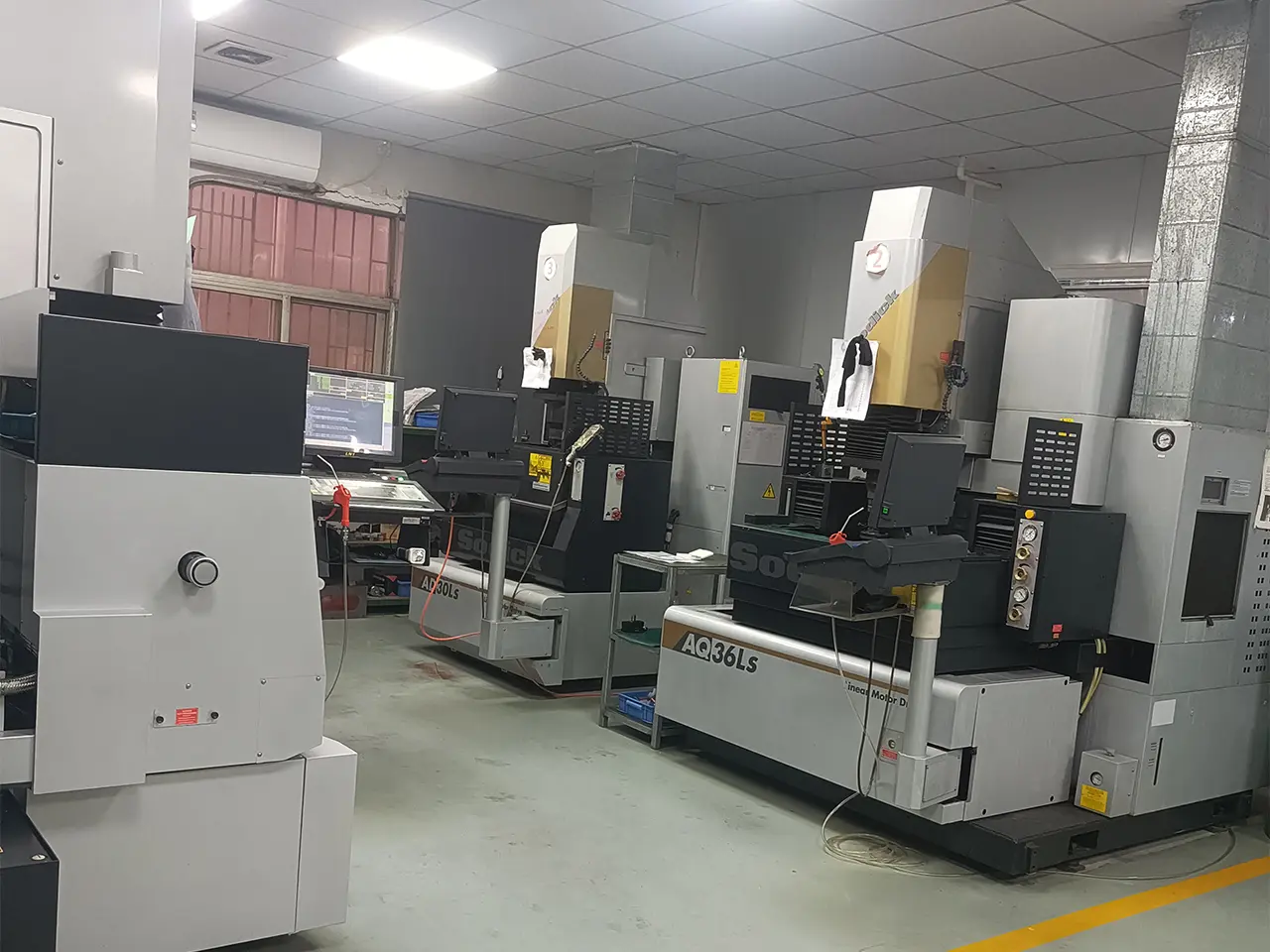
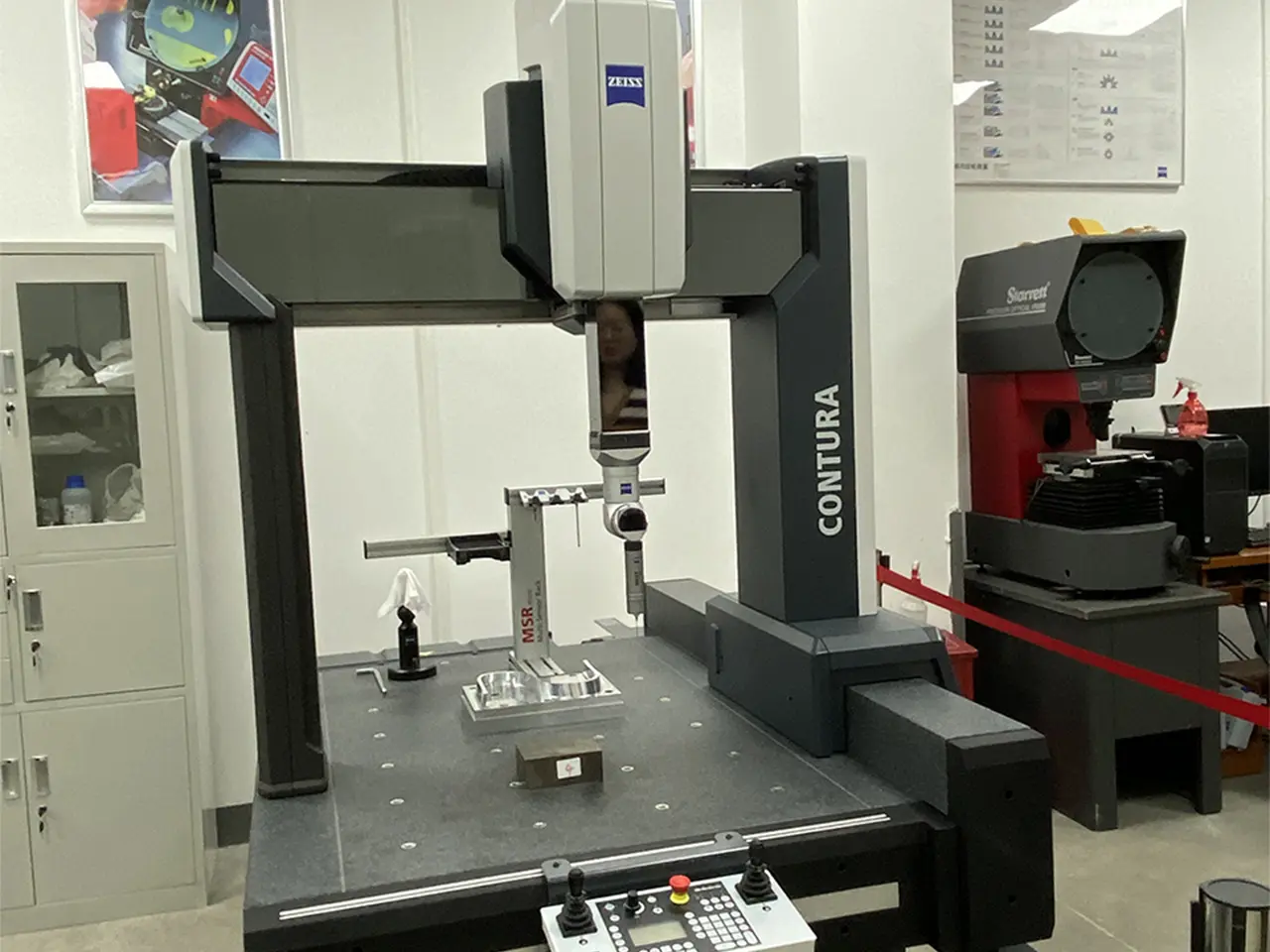
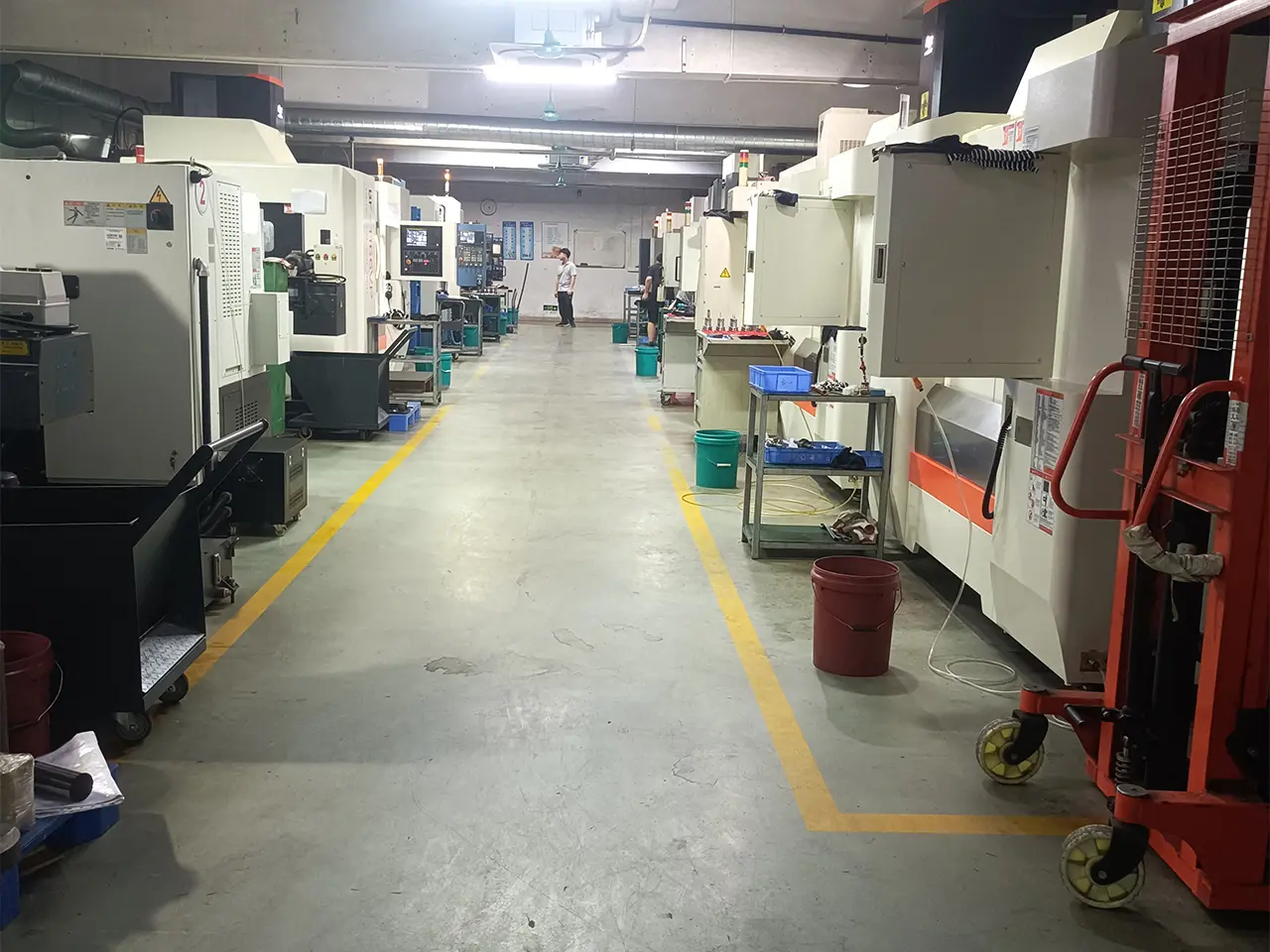
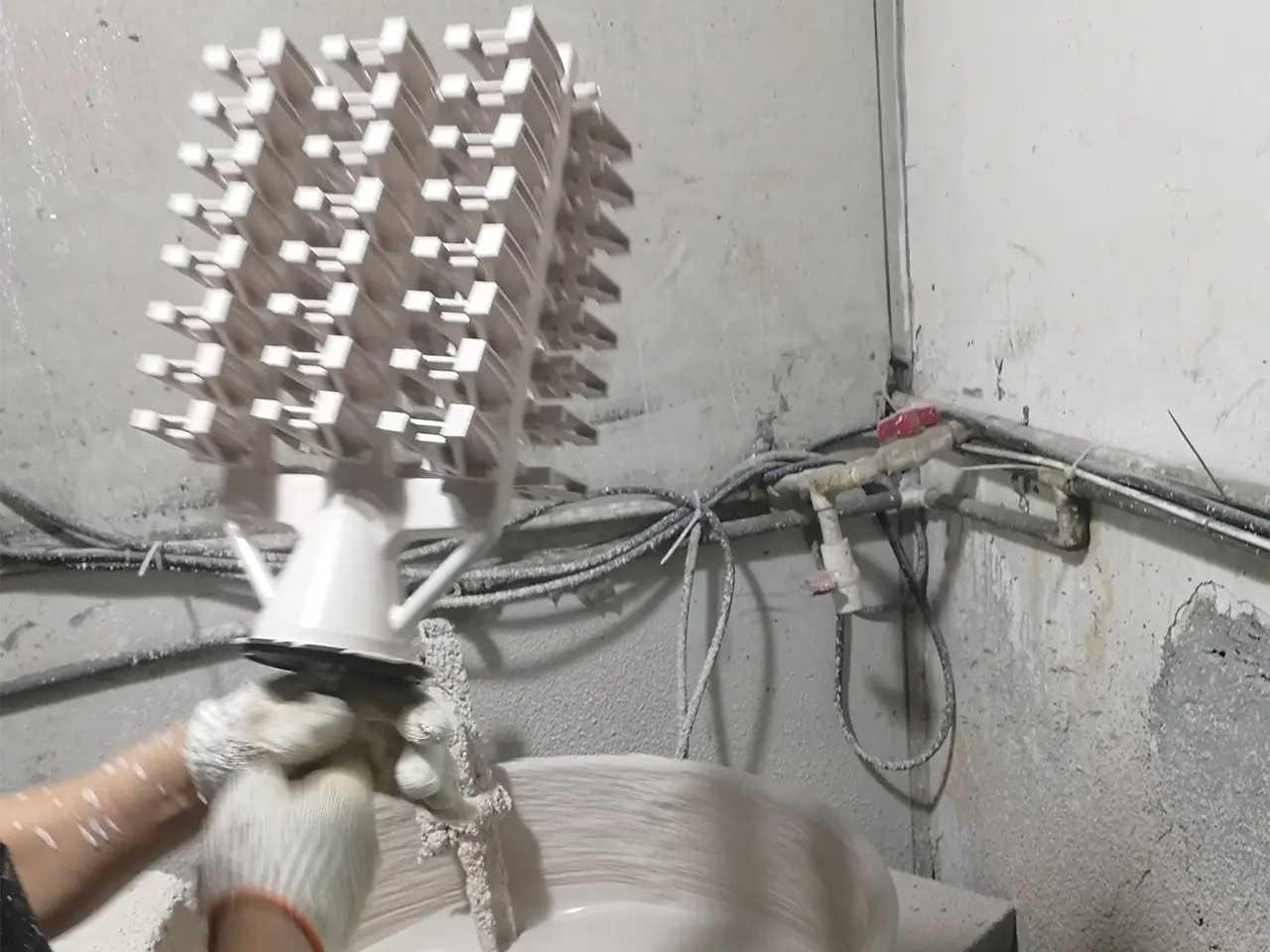
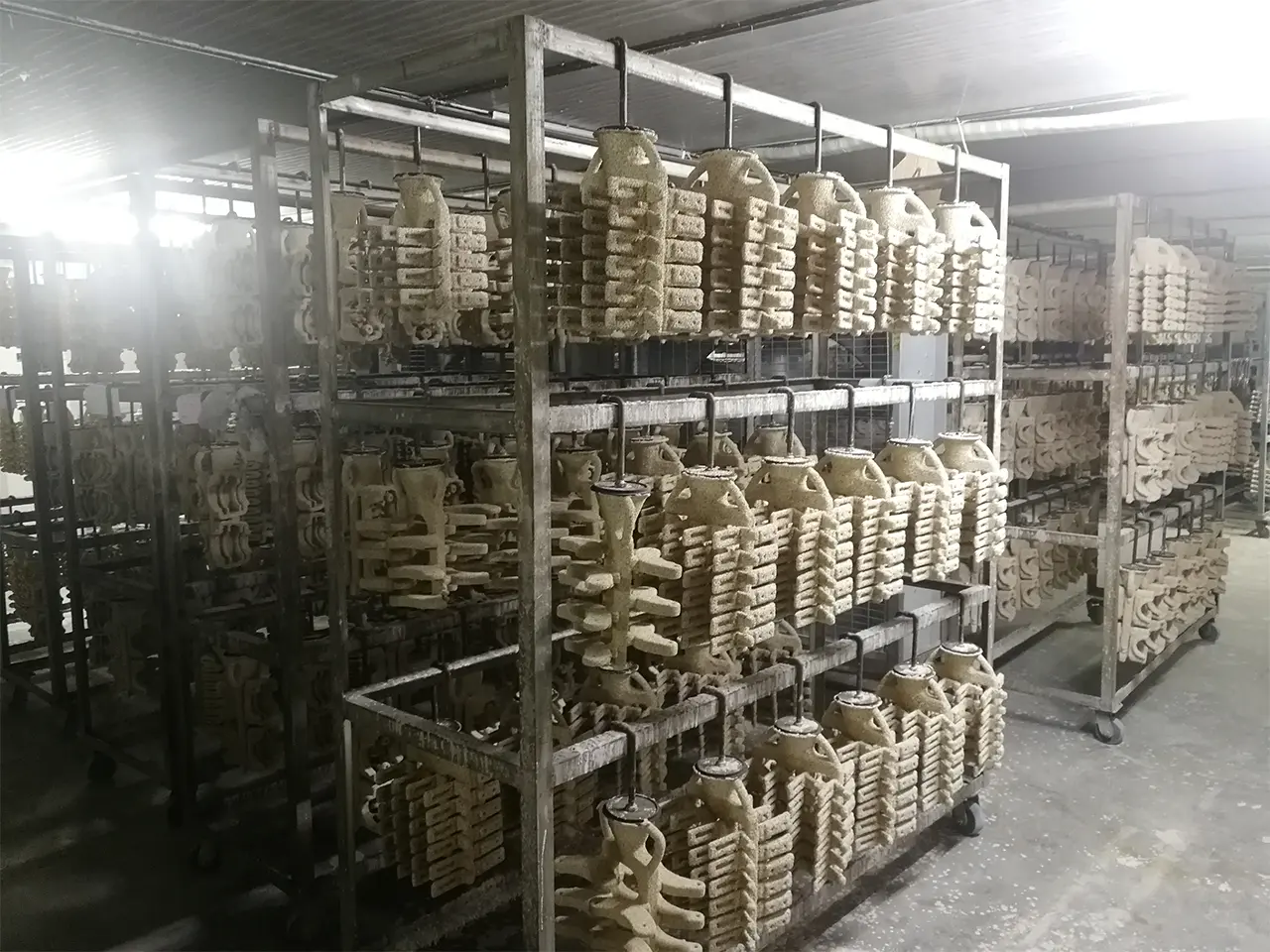
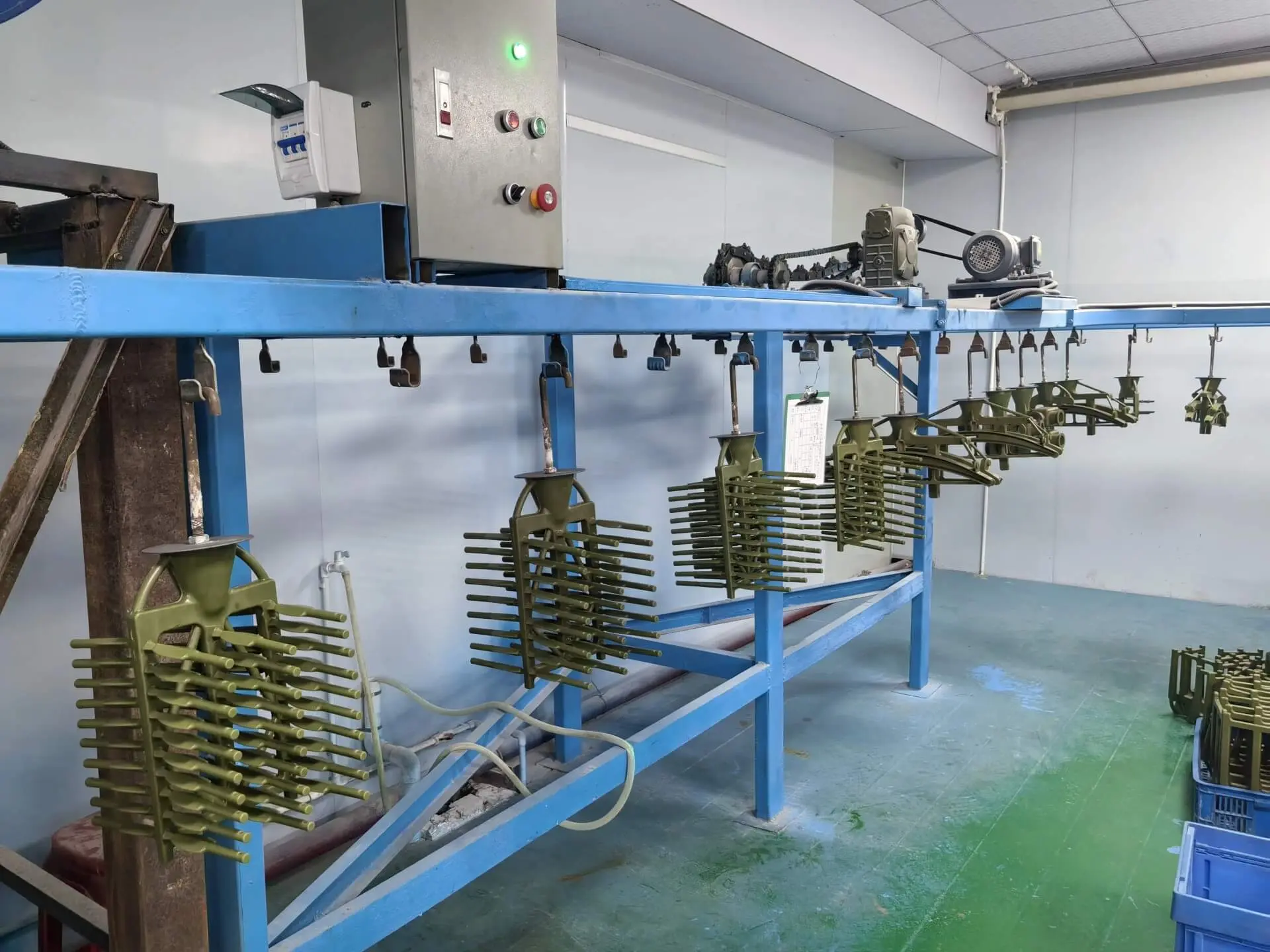
To complement our processing floor, our dedicated metrology lab operates with real-time logging systems. Our commitment since 2014 has centered on continuous improvement of both human QC assets and tool recalibration schedules.
Whether processing structural automotive components or medical instrumentation enclosures, the exact metallurgical chemistry and dimensional limits are logged to protect structural integrity.
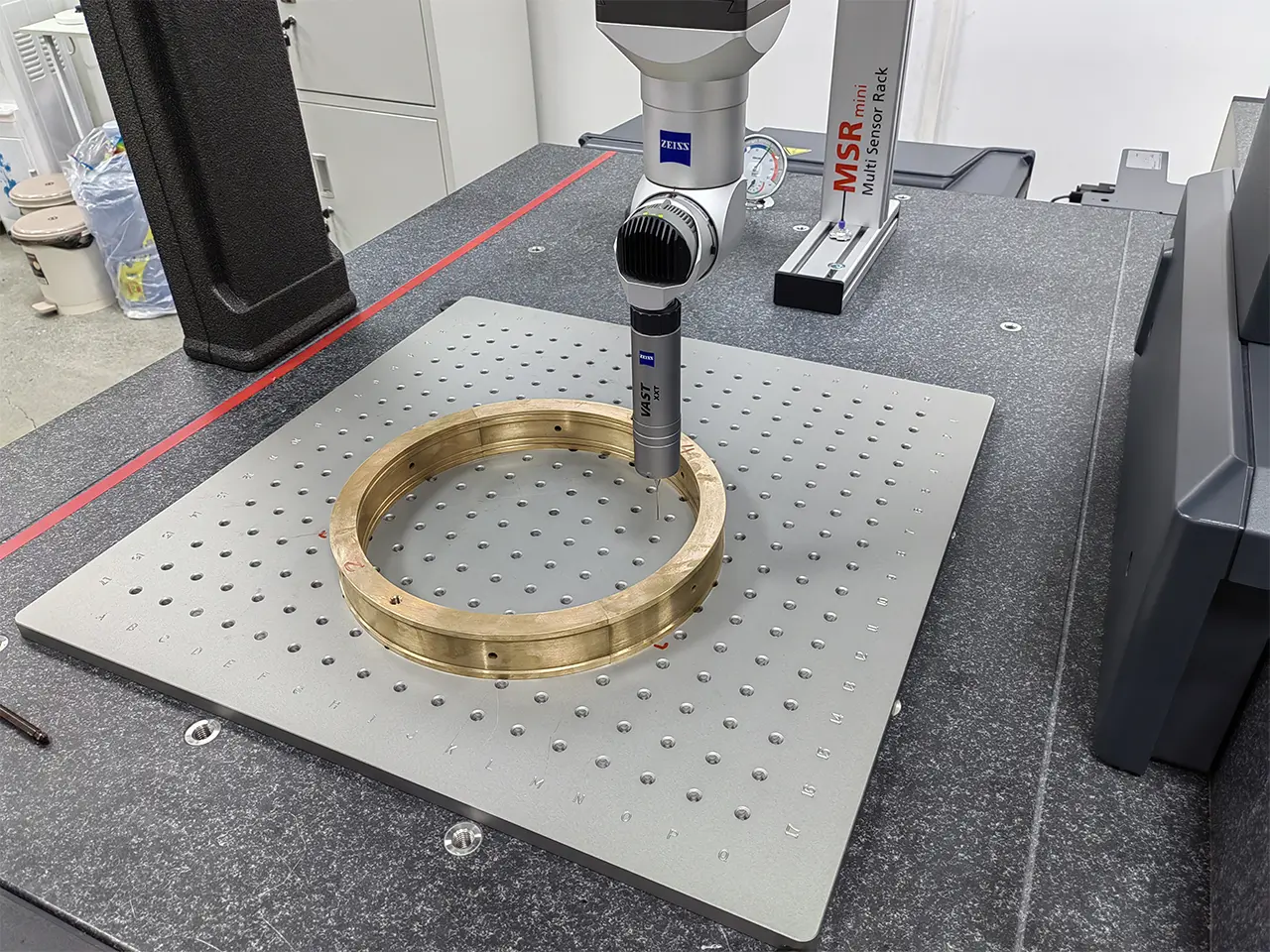
How we customize aluminium casting components for specialized environments and regional legal standards.
High-integrity castings to store power electronics converter housings. We reduce porosity to ensure IP67 environmental sealing for critical electronic modules.
Using optimized A360 alloys, we implement specific salt-spray passivation strategies to prevent galvanic corrosion in seawater exposure zones.
Precision CNC-milled aluminium structures with medical-grade biocompatible powder-coat finishes, maintaining structural stiffness at minimal weight.
Clear technical answers to help design engineers and procurement directors streamline their production runs.
Examine our advanced machining solutions for non-standard titanium, carbon steel, and stainless steel specifications.
 SX Machining