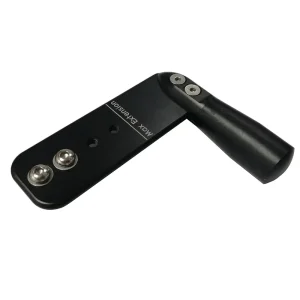
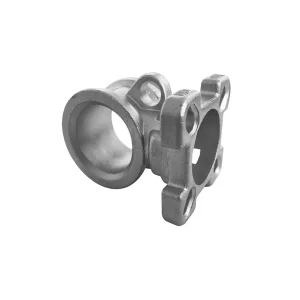
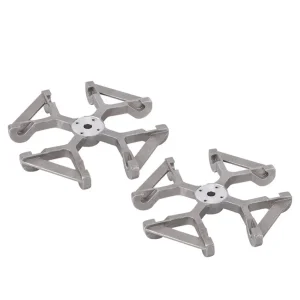
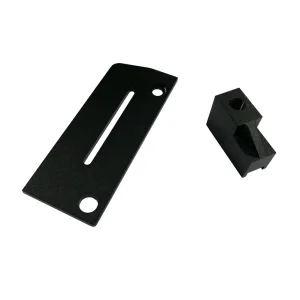
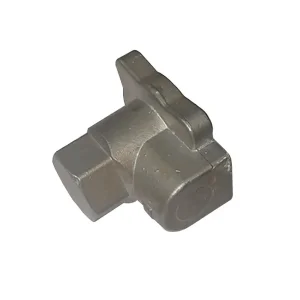
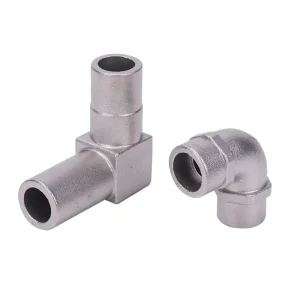
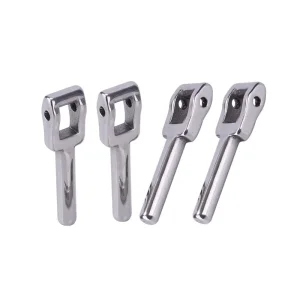
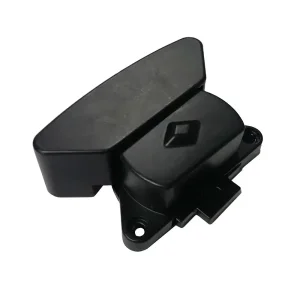
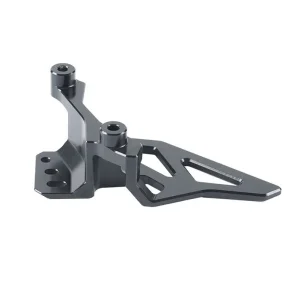
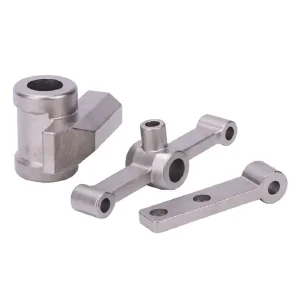
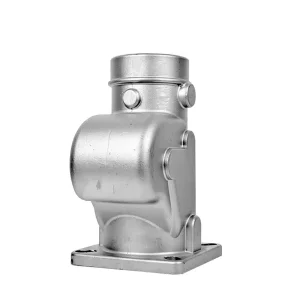
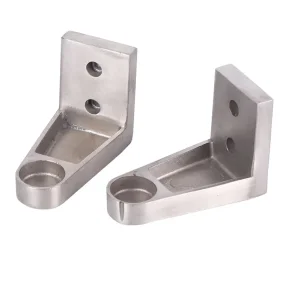
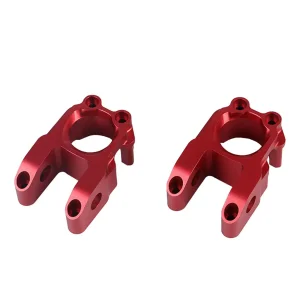
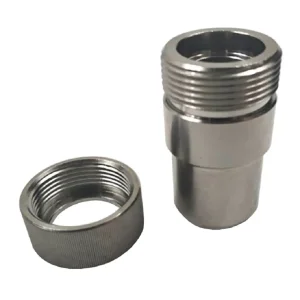
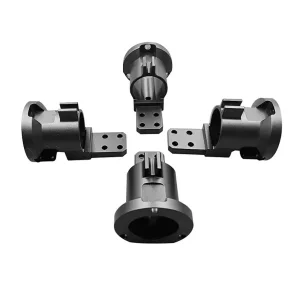
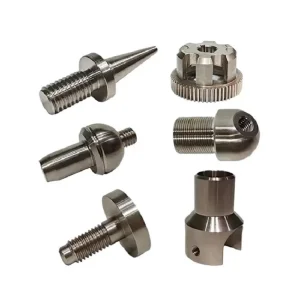
High-performance CNC machined & investment cast parts engineered to global automotive standards
The global automotive sector is undergoing its most profound evolution since the introduction of the assembly line. Driven by rapid electrification, stringent environmental mandates, and the shift toward autonomous driving ecosystems, modern vehicles demand mechanical components with unprecedented strength-to-weight ratios and micron-level tolerances. Automotive CNC (Computer Numerical Control) machining represents the technological backbone of this transition.
As Tier-1 suppliers and OEMs transition from traditional high-volume cast-iron blocks to lightweight, non-ferrous alloys and advanced composites, subtractive manufacturing has emerged as the premier method to prototype and scale complex geometries. CNC machining guarantees the microstructural integrity of load-bearing chassis parts, complex transmission housings, and thermal management plates—areas where conventional casting alone falls short of satisfying stress-strain profiles.
The choice of substrate material directly dictates the component lifecycle. Modern automotive design leverages specialized material suites:
Dongguan SX Technology Co.,Ltd has very rich experience in precision casting, CNC machining and assembly. Our products are used in machinery, automobiles, marine, ships, equipment, valves and pumps, electronic appliances, packaging, watches, construction, chemical industry and other industries.
The most commonly used materials for investment casting are stainless steel and carbon steel. And the most commonly used materials for CNC machining include titanium alloy, stainless steel, carbon steel, aluminum alloy, copper alloy, cemented carbide, etc.
We have advanced manufacturing equipment and technology and are able to respond quickly to your needs. Since our inception in 2014, our engineering team has focused on resolving complex geometric bottlenecks for global buyers, offering end-to-end solutions that span from preliminary DFM (Design for Manufacturing) consultation to final finishing and surface treatment.
How regional clusters and localized engineering integration resolve complex supply challenges
Local assembly hubs require rapid design iterations of aluminum inverter housings and stator jackets. Fast-turnaround CNC milling allows engineering teams to validate thermal fluid dynamics designs locally before committing to high-cost die-casting tooling.
For custom racing dynamics and specialized structural retrofitting (e.g., custom wheelchair mounts, lightweight racing suspension knuckles), local engineering shops utilize precision CNC turning and milling to generate components that fit existing chassis points without error.
Machining complex manifolds for commercial hydrogen cell heavy transit vehicles requires local high-precision operations that strictly adhere to localized safety standards (e.g., DOT and EU-level certifications) to prevent gas leakage.
The future of automotive machining lies at the intersection of automation, high-speed multi-axis tooling, and AI-driven predictive control systems. Below is a comprehensive roadmap detailing the industrial migration towards Industry 4.0 paradigms.
| Technology Focus | Current Implementation | Next-Generation Evolution (2025-2030) | Impact on Automotive Sector |
|---|---|---|---|
| Axis Configuration | 3-Axis & 4-Axis CNC Milling / Turning | Continuous 5-Axis Interlocking & Mill-Turn Centers | Elimination of secondary set-ups; lower cycle times for complex suspension links. |
| Path Optimization | Manual CAM pathing and tool selection | AI-driven dynamic path generation based on material stress maps | Significant reduction in cutting tool wear; 30% reduction in processing times. |
| Sustainability | Standard flood coolant usage | Minimum Quantity Lubrication (MQL) & Dry Machining | Reduction in fluid footprint; improved environmental compliance for carbon audits. |
| Quality Loop | Post-process coordinate-measuring machine (CMM) testing | In-situ optical laser scanning & real-time adaptive feedback loops | Zero-defect manufacturing runs; automated compensation for thermal tool expansion. |
As lightweighting targets force automotive engineers to design parts with thinner walls and complex interior channels, Shixin's technology roadmap continuously integrates generative CAD outputs with multi-axis toolpaths. By matching investment casting with final CNC precision, we minimize raw material waste, maximizing the efficiency of the raw billet-to-finished-part ratio.
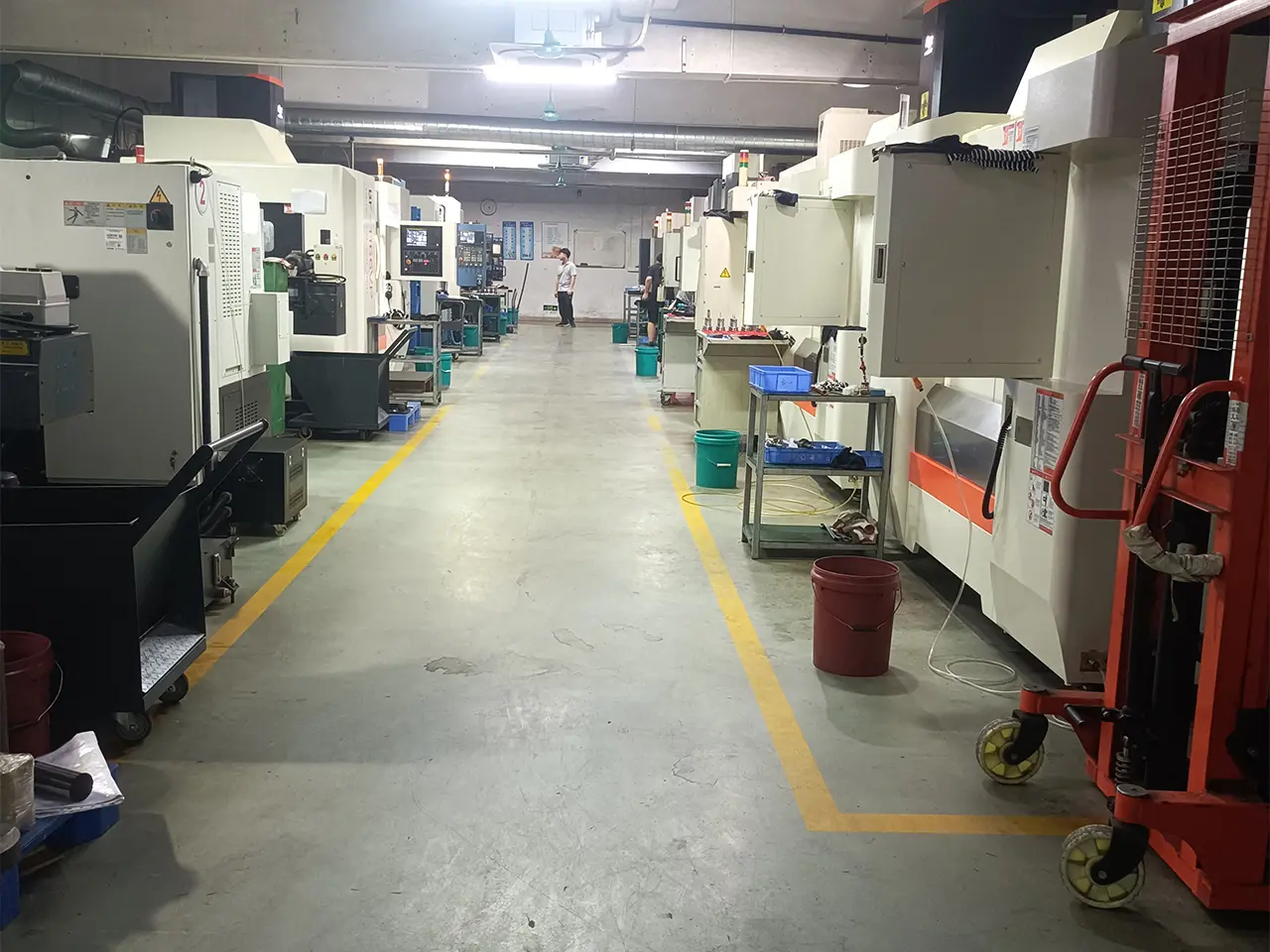
Dongguan, China, serves as a global powerhouse for industrial manufacturing. This geographic concentration of casting foundries, material processors, tooling shops, and surface treatment facilities enables an unparalleled turnaround loop.
At Dongguan SX Technology Co.,Ltd, our proximity to upstream raw material suppliers ensures that we secure certified grade-A stainless steel, carbon steel, and premium titanium alloys at highly competitive rates. The supply chain density eliminates long transit delays during multi-stage fabrications (e.g., casting followed by heat treatment, rough machining, precision finishing, and final anodization).
By leveraging our localized ecosystem, we maintain a robust contingency system to counter logistics shocks. The localized industrial cluster means we can ramp up production capacity quickly, matching global surges in demand while keeping per-part tooling amortization to a minimum.
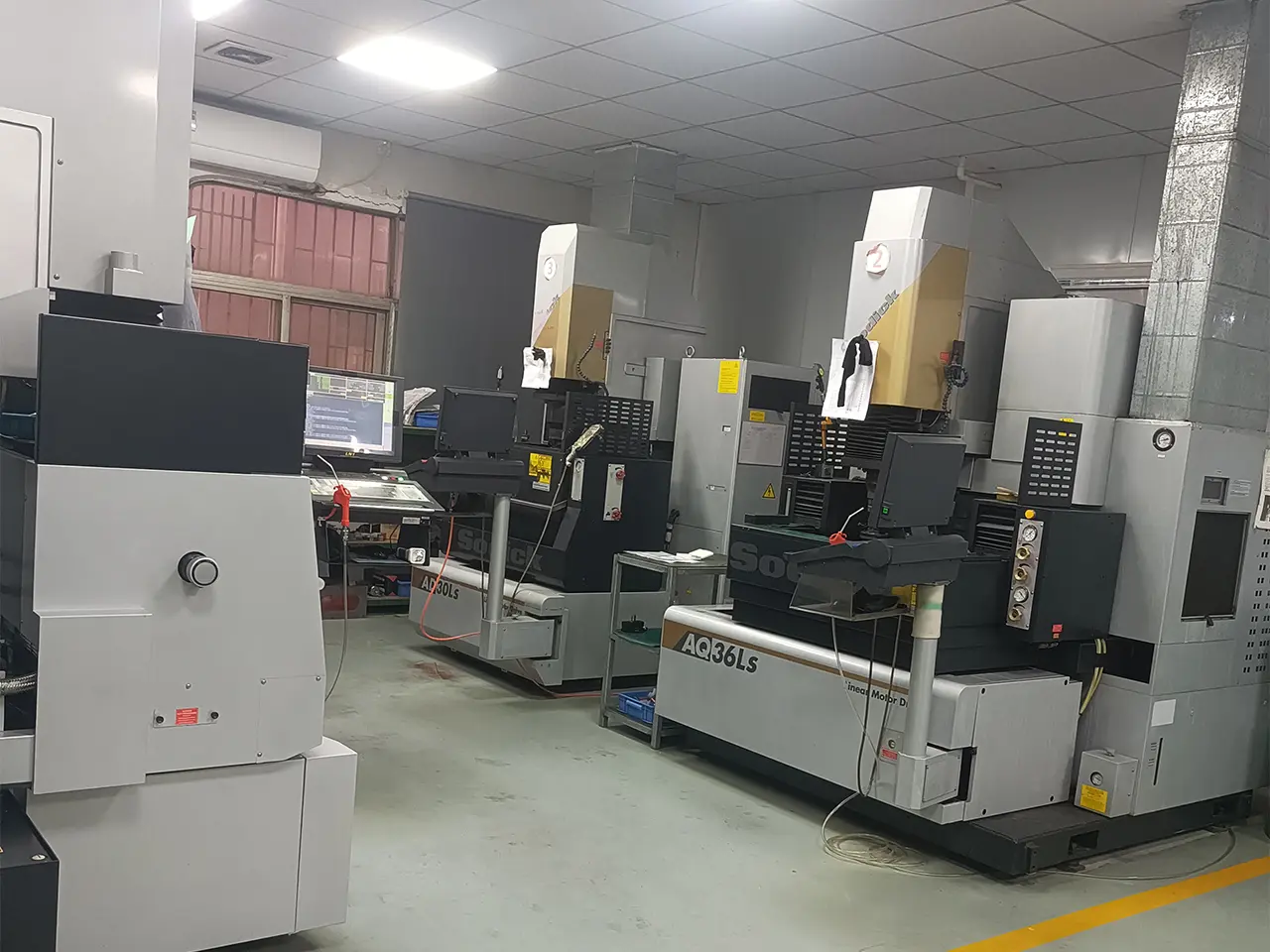
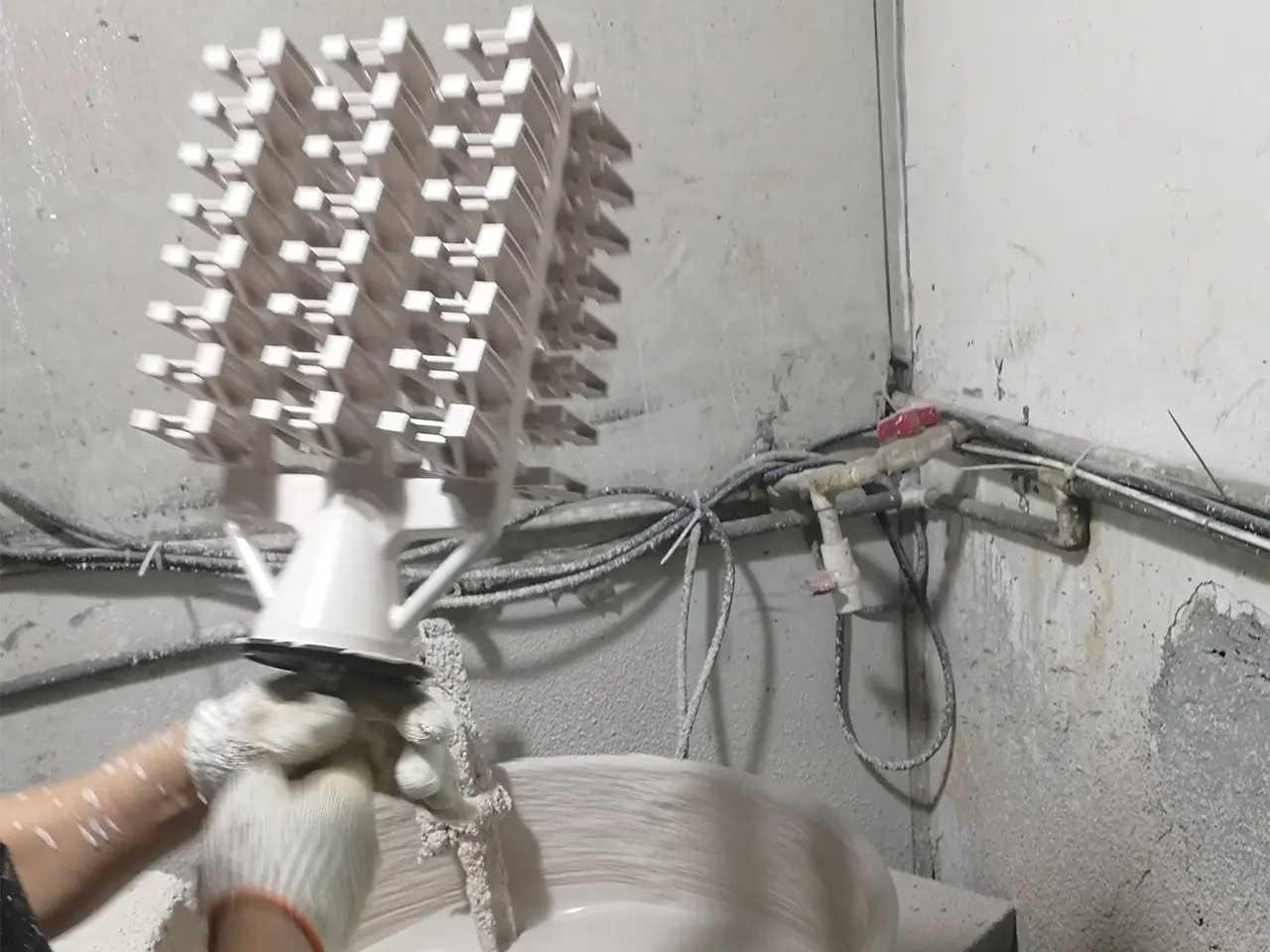
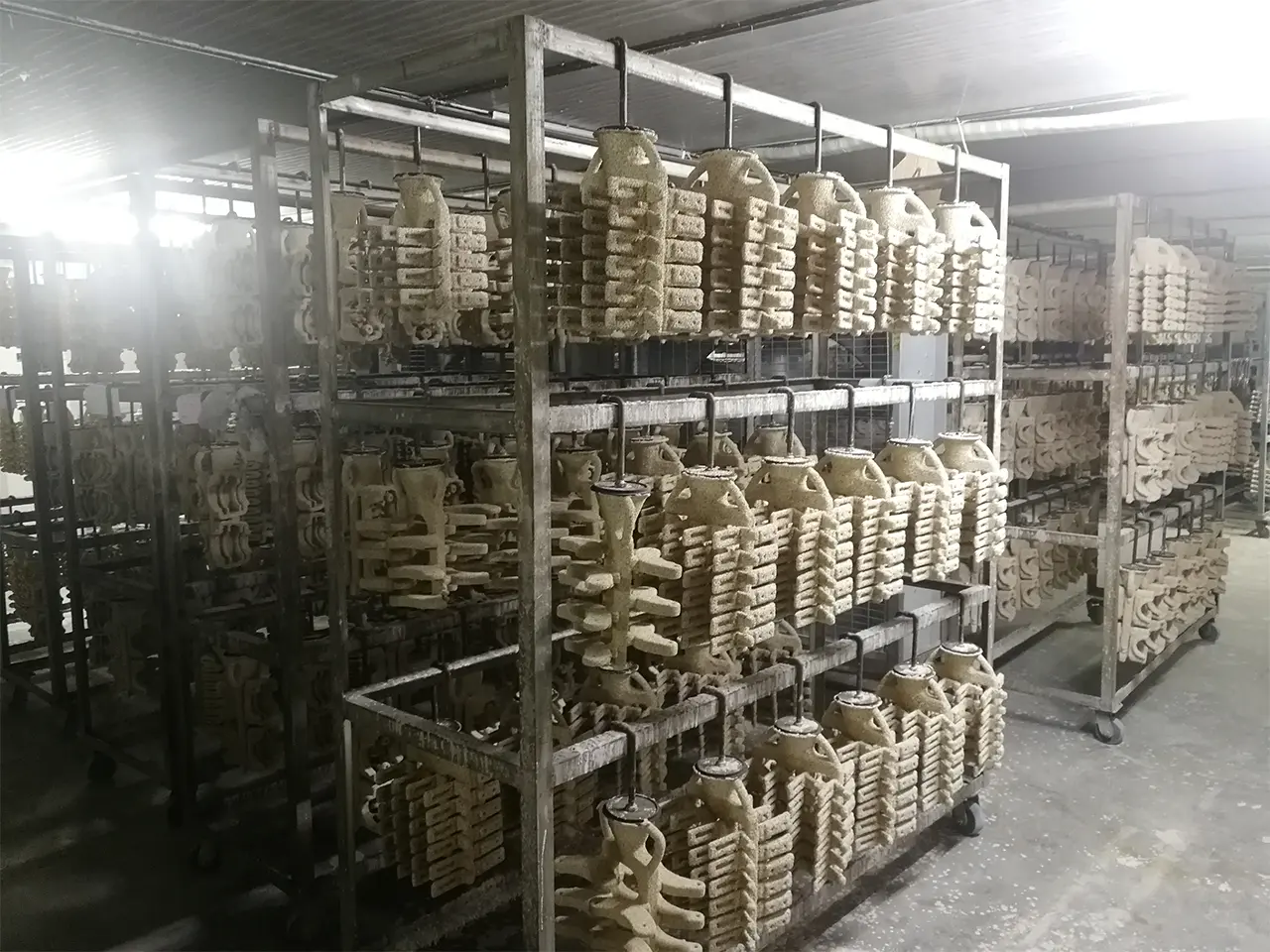
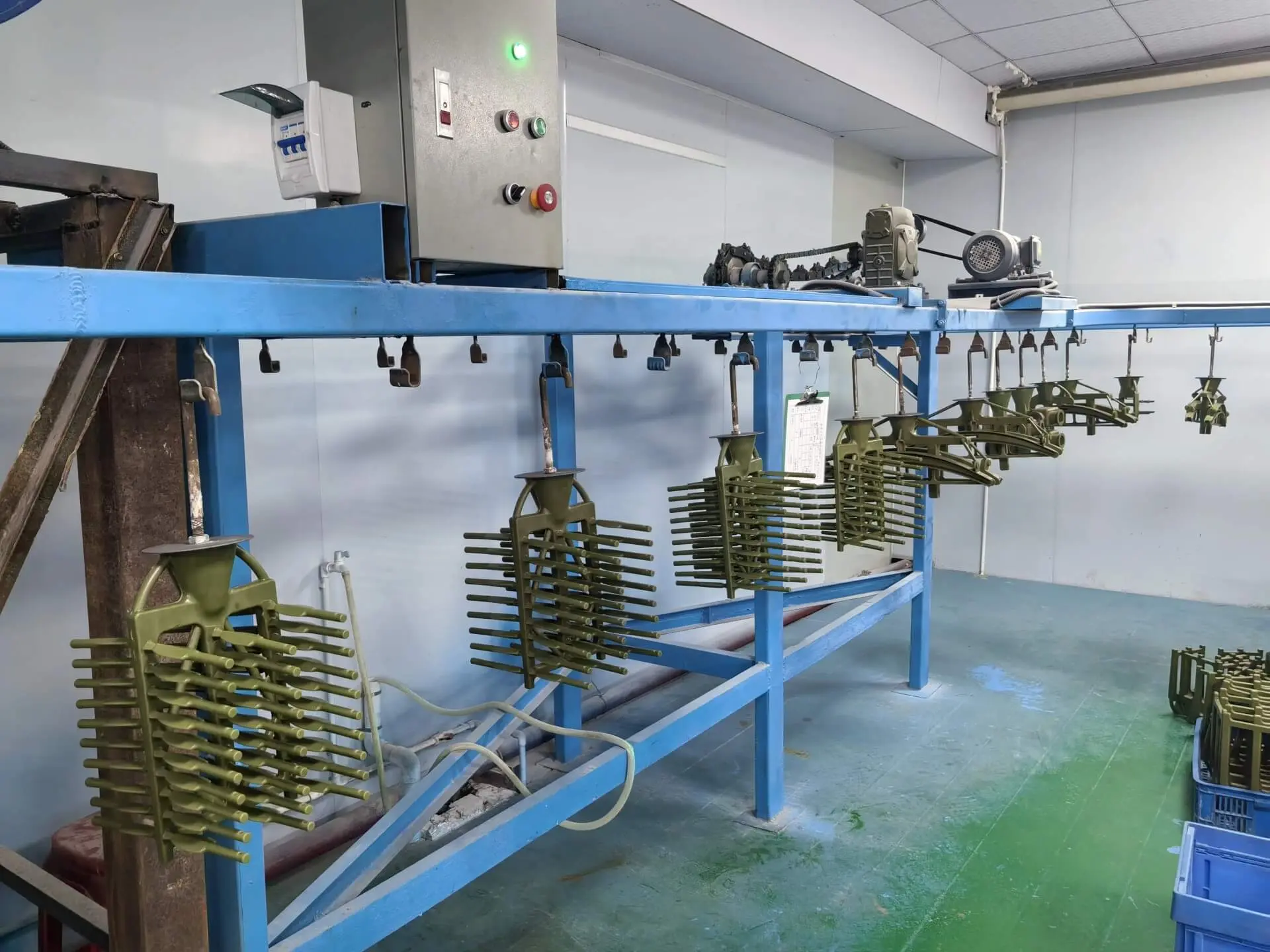
Explore our state-of-the-art facility featuring advanced CNC and casting machinery
Strict adherence to structural tolerances and international material regulations
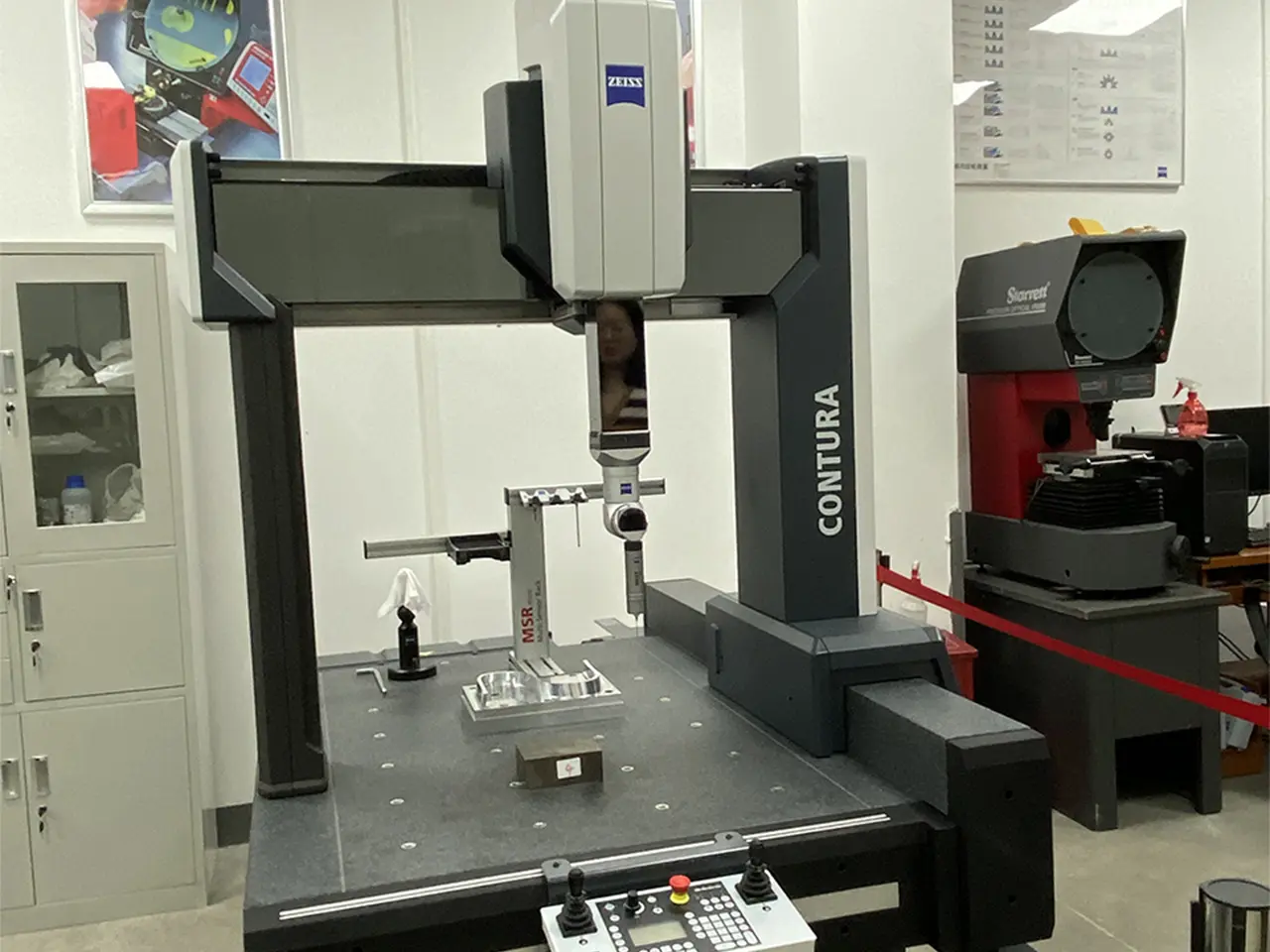
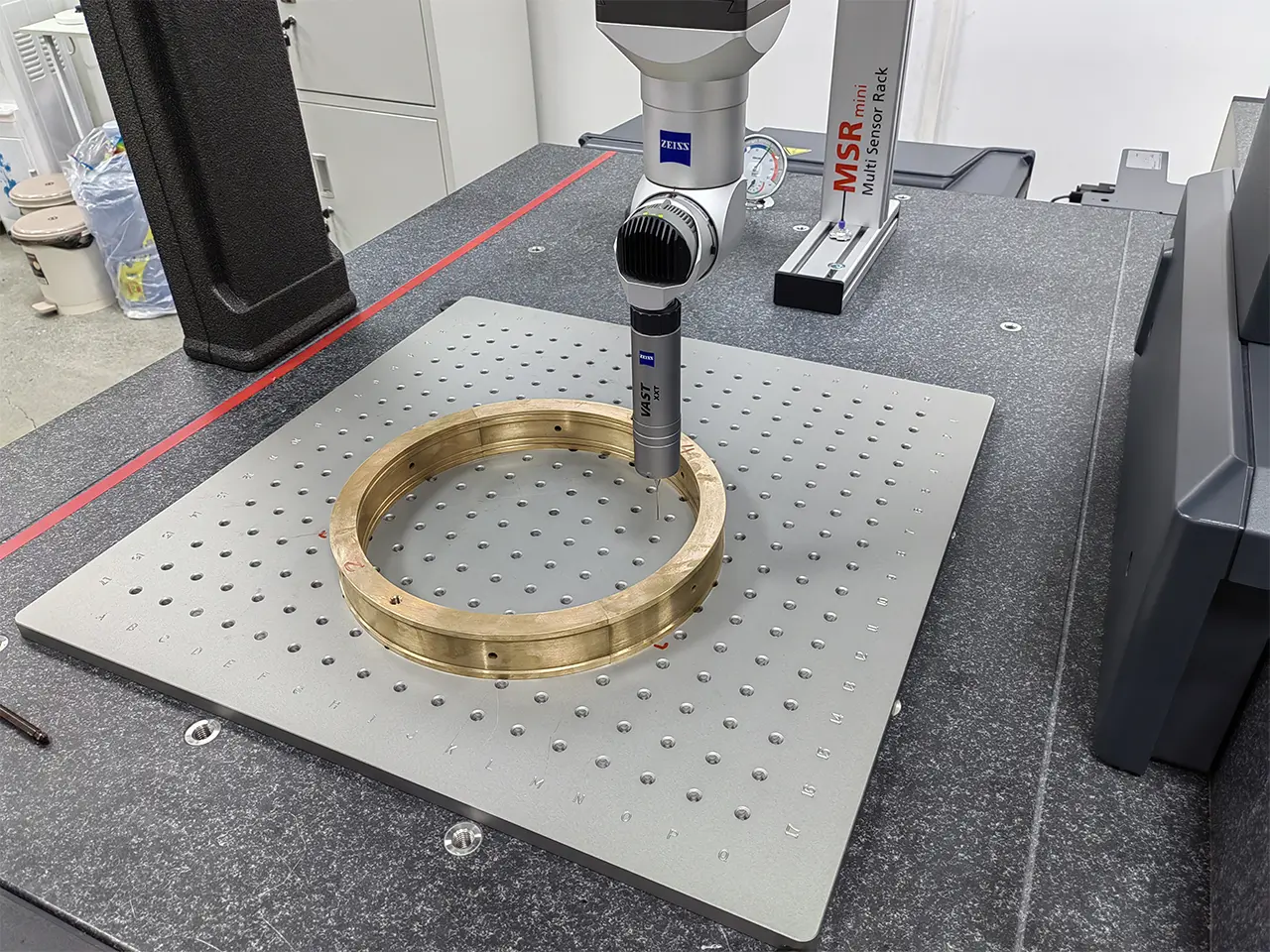
We have professional testing equipment and professional QC personnel, and we adhere to strict tolerances and quality standards for the products we produce. Due to our insistence on strict quality requirements, we have been praised by many customers.
Quality is the cornerstone of the manufacturing industry. We firmly believe that only by controlling quality well can we survive, develop, and get better and better. Therefore, we have been working in this industry unremittingly since 2014 and continue to improve the company's team and improve the company's production capacity.
Our testing suite includes Coordinate Measuring Machines (CMM), optical projectors, digital hardness testers, spectral material analyzers, and salt spray testing equipment. This guarantees that every product sent to your assembly lines complies fully with your specified ISO 9001 and automotive manufacturing guidelines.
Technical and logistical insights from our engineering and manufacturing specialists
High-quality CNC turning, milling, and premium steel castings
 SX Machining