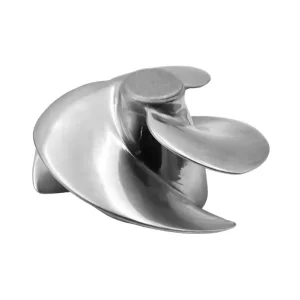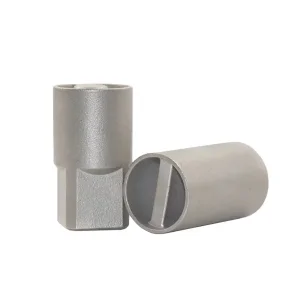
High-Quality Component Machining Service & Products

Precision Engineering, Advanced Investment Casting, and Global Manufacturing Integration

Corporate Overview

The company About us

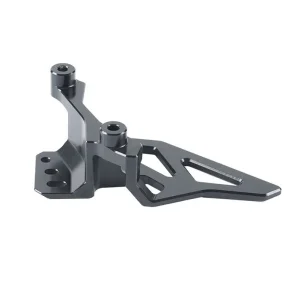
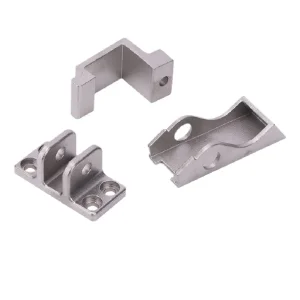
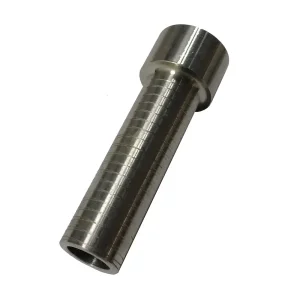
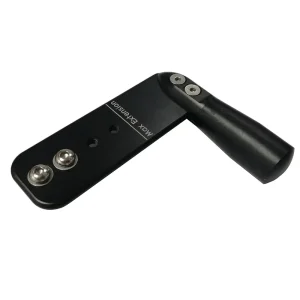
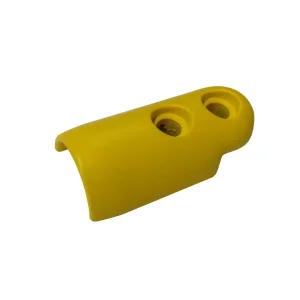
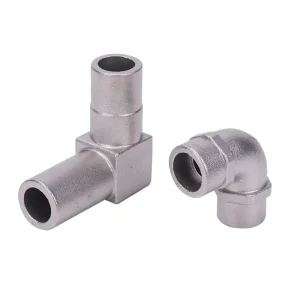
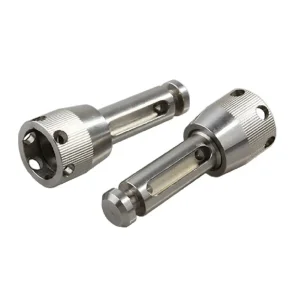
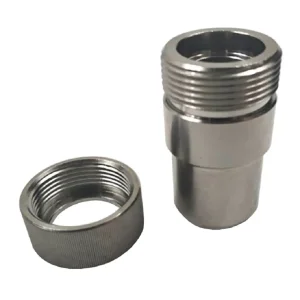
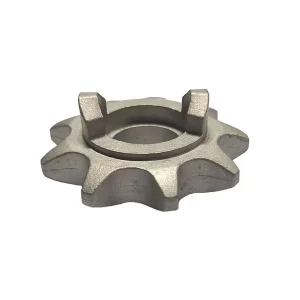
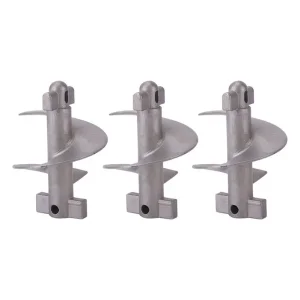
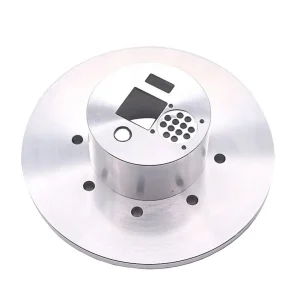
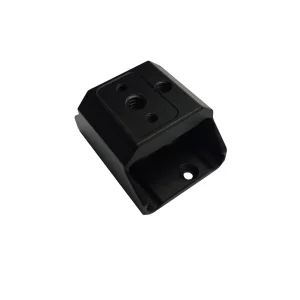
Dongguan SX Technology Co.,Ltd has very rich experience in precision casting, CNC machining and assembly. Our products are used in machinery, automobiles, marine, ships, equipment, valves and pumps, electronic appliances, packaging, watches, construction, chemical industry and other industries.

The most commonly used materials for investment casting are stainless steel and carbon steel. And the most commonly used materials for CNC machining include titanium alloy, stainless steel, carbon steel, aluminum alloy, copper alloy, cemented carbide, etc.

We have advanced manufacturing equipment and technology and are able to respond quickly to your needs. By combining automated process flows with strict compliance checks, we translate complex CAD blueprints into high-performance metallic realities.
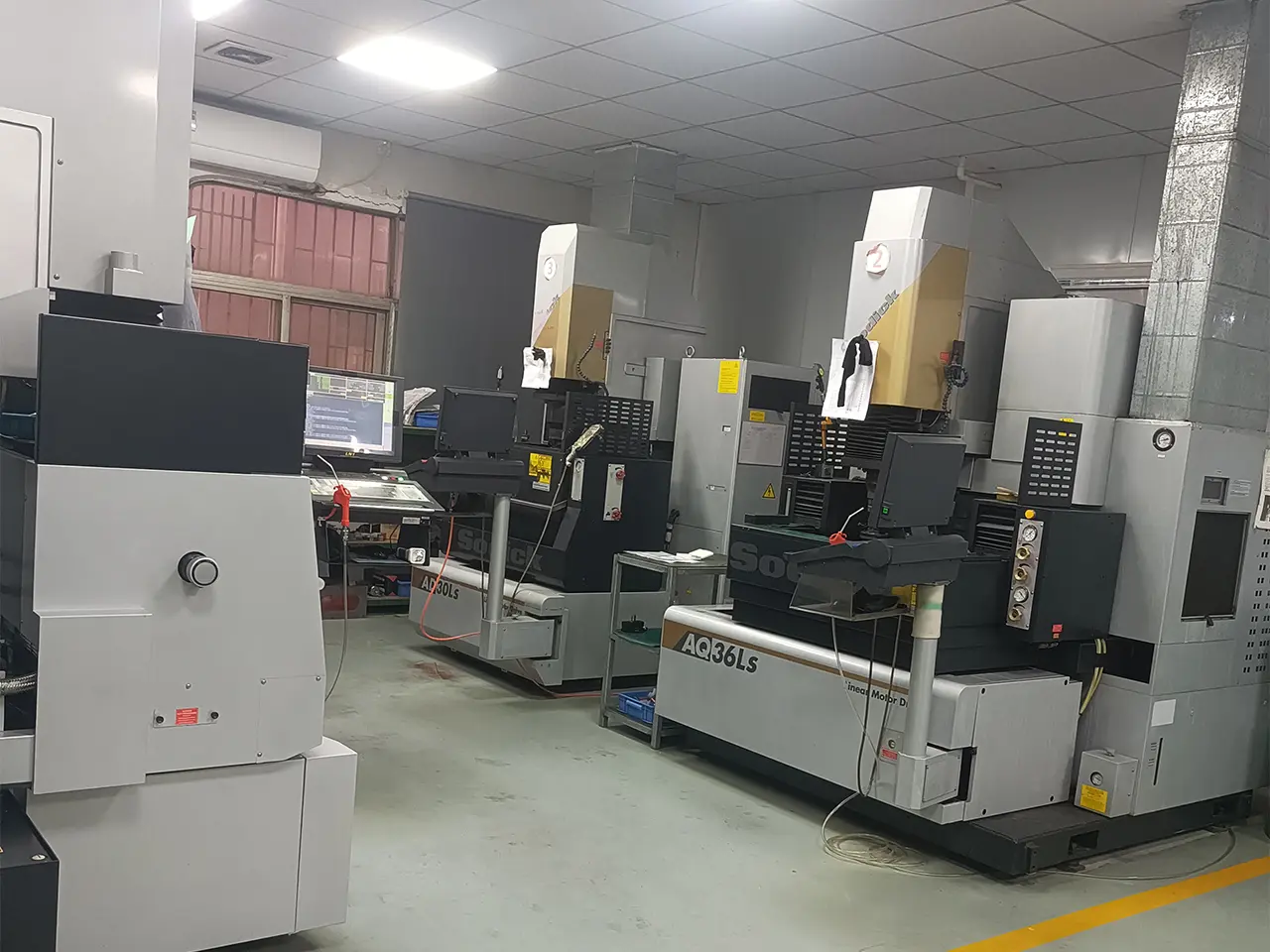
Dongguan SX Technology Manufacturing facility
2014
Established & Improving
±0.005mm
Tightest Machining Tolerance
12+
Global Sectors Served
100%
Spectrometer Inspected Materials

Global Industrial Landscape & Component Machining Outlook

A technical brief on supply chain resilience, precision demand, and metallurgical optimization in modern manufacturing.

1. Supply Chain Diversification

Modern heavy industries require decentralized, agile component sourcing. High-precision CNC turning and multi-axis mill-turn centers enable production shifting on short lead times. By utilizing standardized CAD/CAM software configurations, factories in manufacturing hubs like Dongguan can seamlessly match the exact dimensional criteria required by European and North American engineering hubs, reducing systemic risk.

2. High-Mix Low-Volume (HMLV)

Standard mass-production is giving way to high-mix low-volume setups. Niche medical devices, specialty marine fixtures, and custom wheelchair assemblies demand short-run runs of custom alloys. Dongguan SX Technology supports rapid prototyping and small-batch production through quick-change fixture tooling and optimized CNC programming paths, minimizing setup costs and passing the savings to OEMs.

3. Advanced Metallurgy & Casting

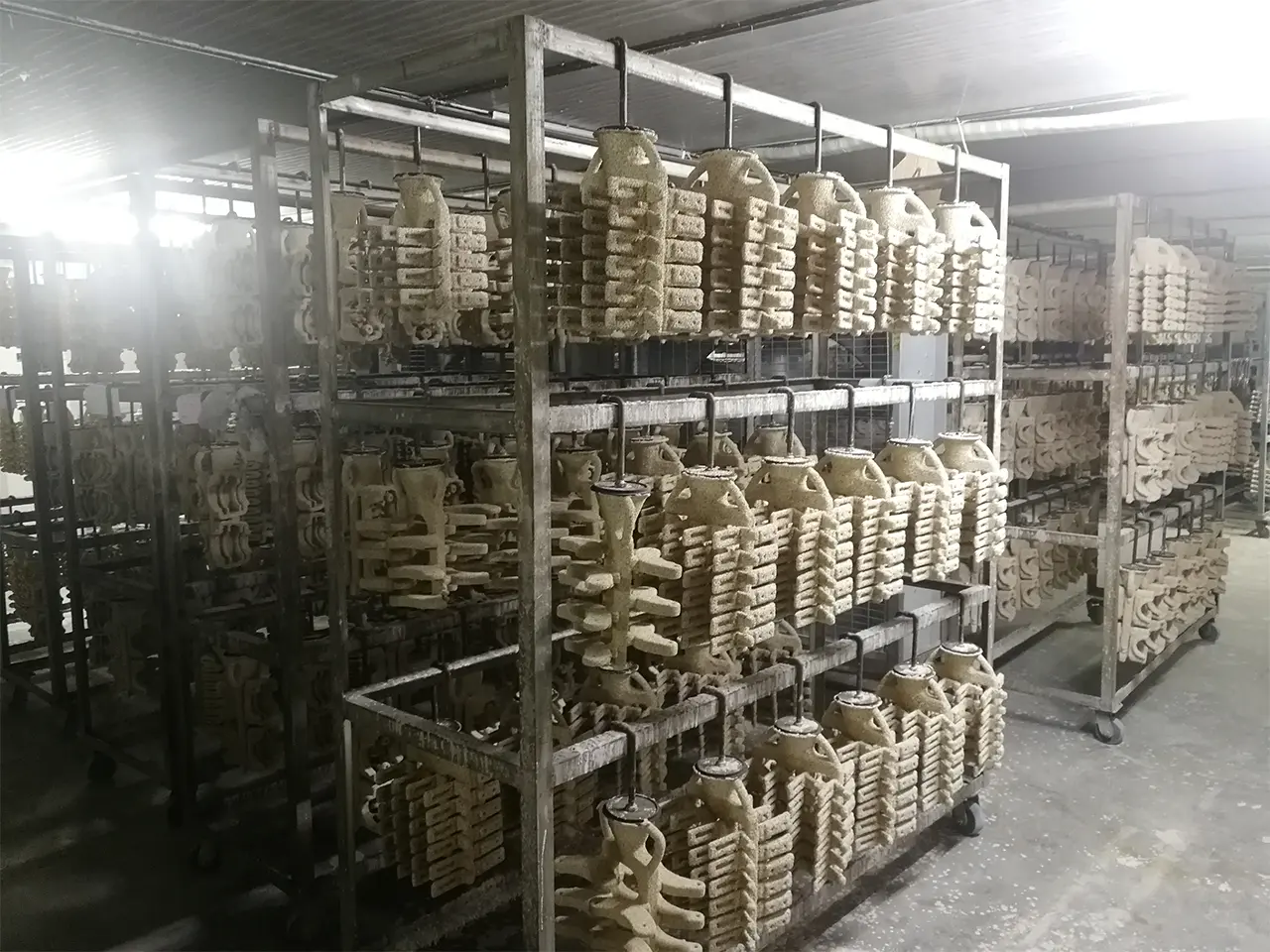
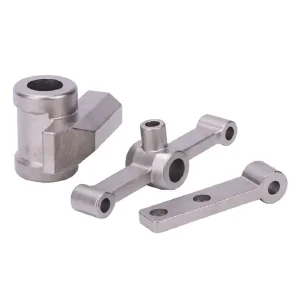
The threshold of performance lies in structural integrity. Integrating investment casting (lost-wax process) with subtractive CNC finish-machining produces the optimal balance of geometric complexity and mechanical strength. Investment casting minimizes raw material waste in large, bulky brackets while CNC machining ensures critical sealing faces and threaded inserts meet micron-level tolerances.

Technical Route & Material Selection Framework

Achieving mechanical superiority starts with selecting the proper production route and metallurgical composition.

Material Classification Common Alloys Utilized Ideal Manufacturing Method Typical Industry Applications Key Performance Metrics
Titanium Alloys Ti-6Al-4V (Grade 5), Grade 2 Precision CNC Turning/Milling Medical implants, Aerospace fasteners, Marine fittings High strength-to-weight ratio, extreme bio-compatibility
Stainless Steel SUS304, 316, 316L, 17-4 PH Investment Casting + CNC Machining Marine structures, chemical pumps, transit handrails Superior pitting & oxidation resistance, high ductility
Carbon Steel AISI 1020, 1045, 4140 Precision Casting & Post-Heat Treatment Heavy machinery gears, structural brackets, automotive Excellent wear resistance, cost-efficient load capability
Aluminum Alloys AL6061-T6, 7075-T6 High-Speed Multi-Axis Milling Electronics enclosures, heat sinks, bicycle structures Exceptional thermal conductivity, rapid machining speeds
Copper & Brass C36000, Phosphor Bronze Swiss-Type Precision Lathes Electrical connectors, bushings, watch components High electrical conductivity, natural anti-friction profiles

Shixin Production workshop

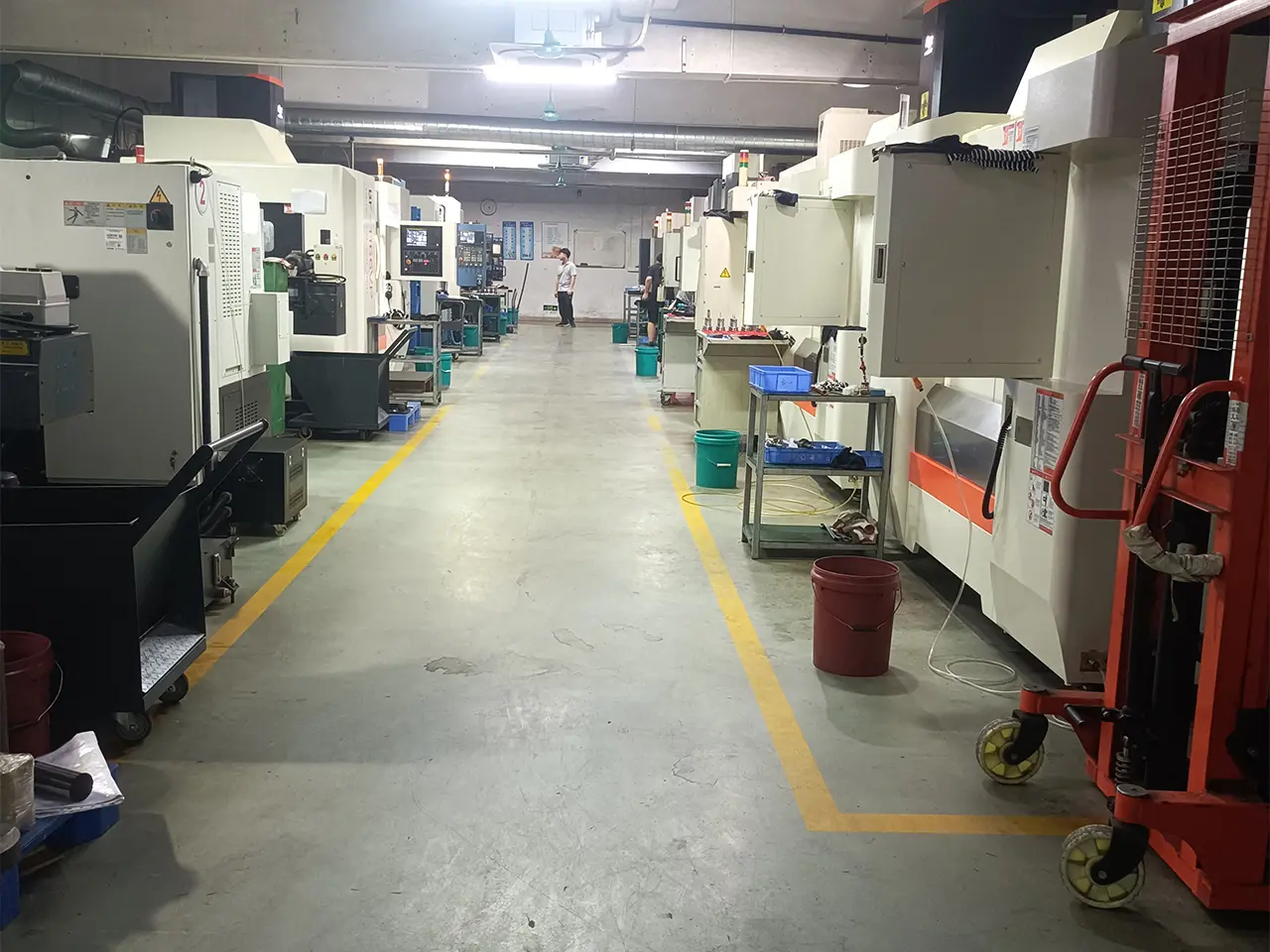
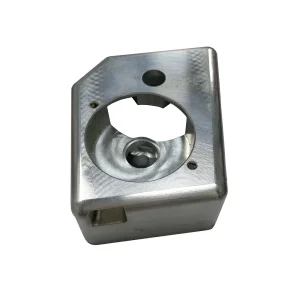
Our facility houses advanced CNC centers, precision milling machinery, and specialized casting lines to process standard and non-standard parts.

CNC Machining workshop lathe line
Precision testing area & CNC setup
Milling and drilling workshop equipment
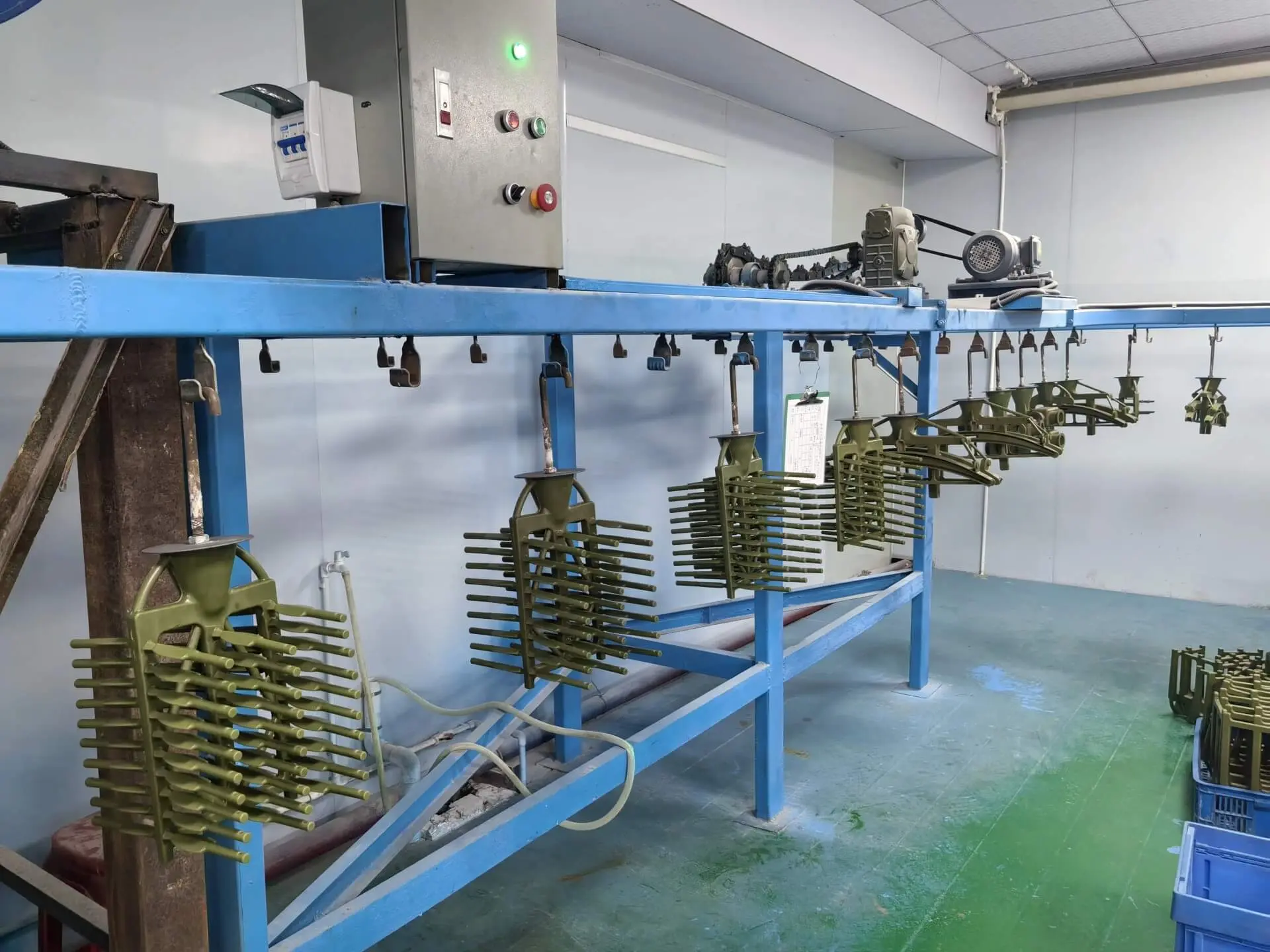
Metal processing post-treatment station
Automated CNC turning centers
Finished cast parts sorting bay
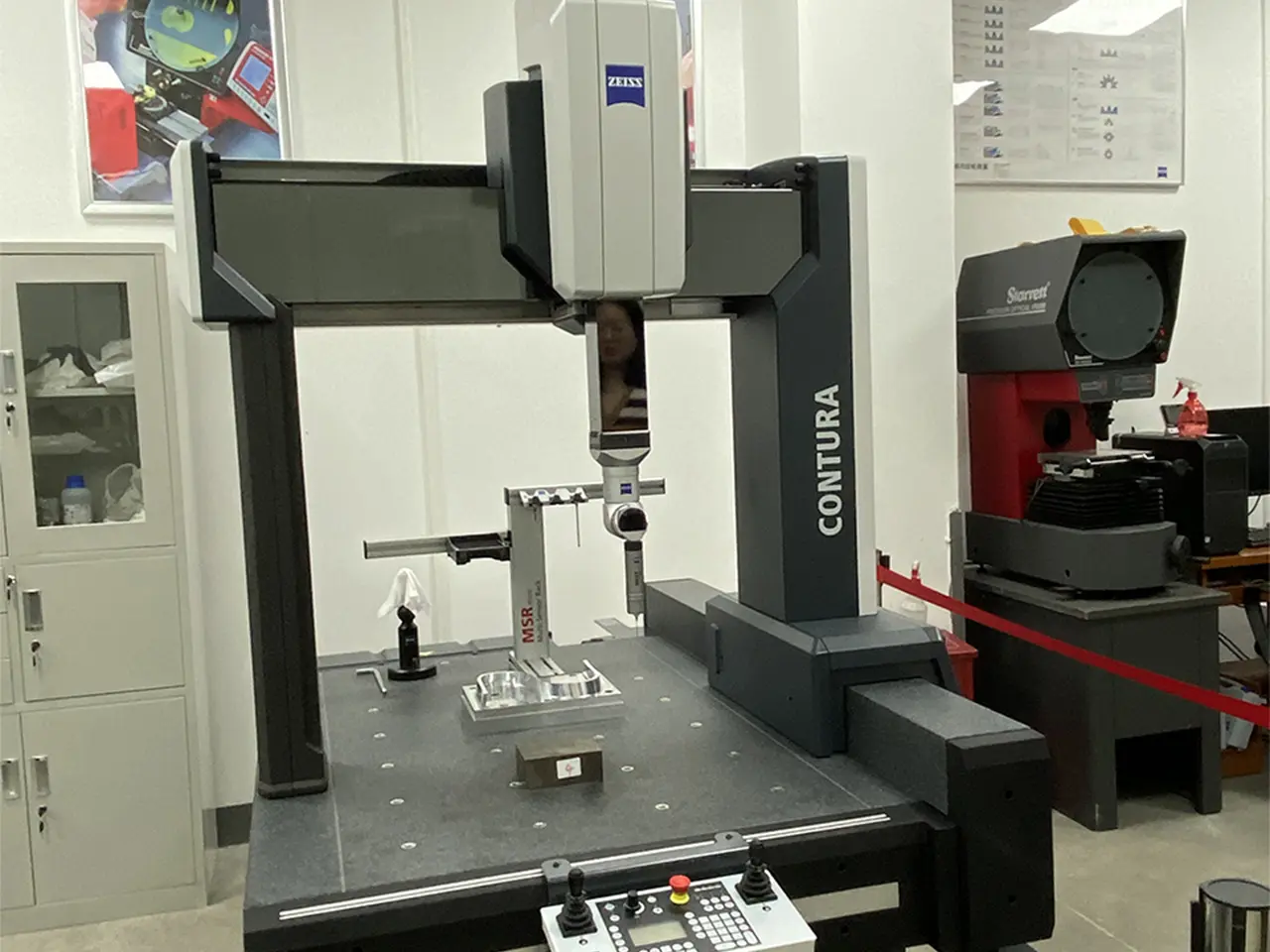
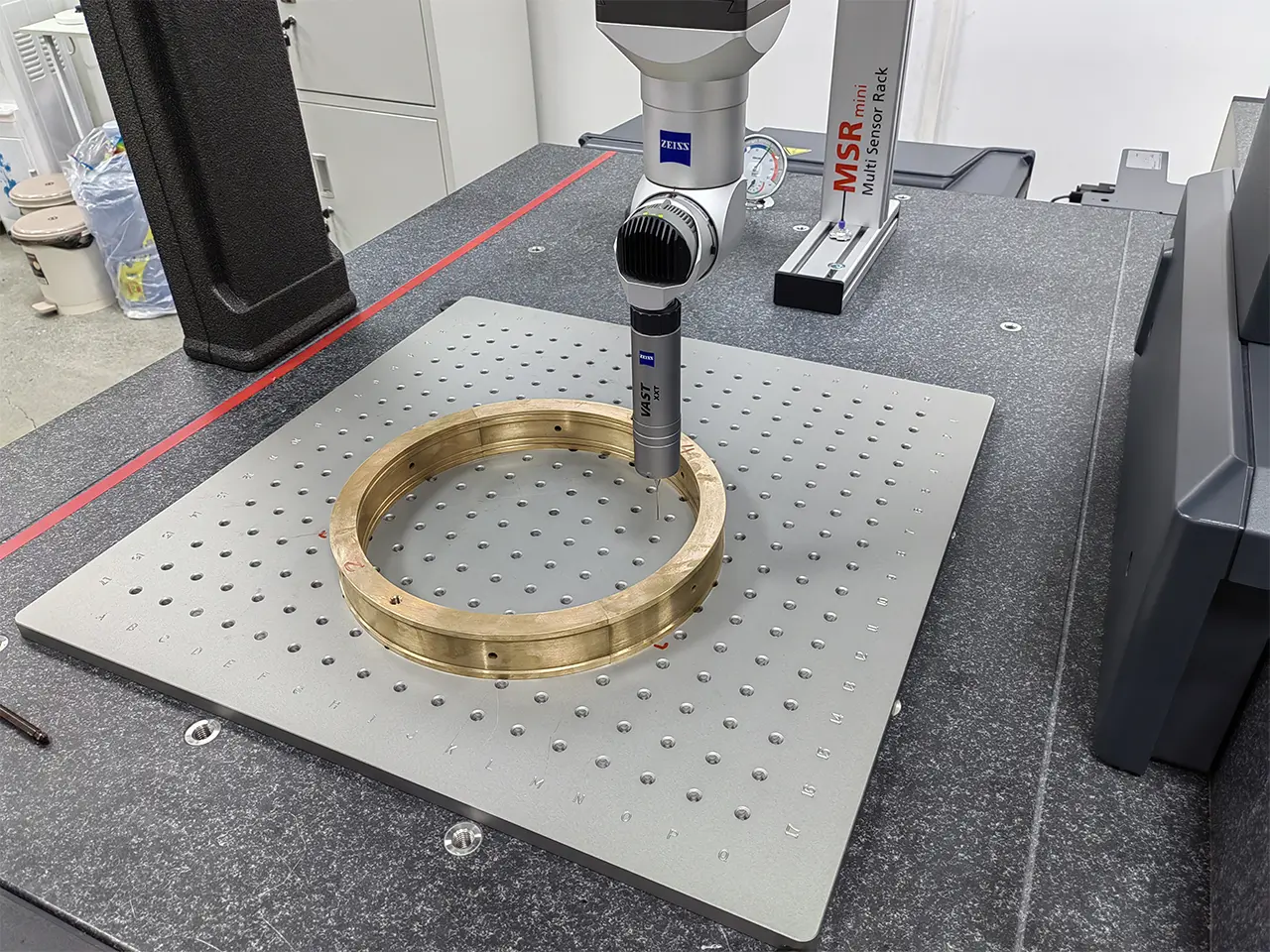
Precision measurement and inspection tools
Metrology & Verification

Quality control

We have professional testing equipment and professional QC personnel, and we adhere to strict tolerances and quality standards for the products we produce. Due to our insistence on strict quality requirements, we have been praised by many customers.

Quality is the cornerstone of the manufacturing industry. We firmly believe that only by controlling quality well can we survive, develop, and get better and better. Therefore, we have been working in this industry unremittingly since 2014 and continue to Improve the company's team and improve the company's production capacity.

Our dimensional confirmation workflow usesCoordinate Measuring Machines (CMM), optical projectors, digital micrometer arrays, and non-destructive testing (NDT) to prevent micro-fissures or alignment deviations in complex cast frameworks.

In-process quality testing center

Global Supply Compliance & Regional Engineering Support

Bridging international engineering expectations with reliable localized manufacturing operations.

Compliance Standards

All materials processed at our Dongguan workshops undergo strict incoming inspection. We provide material mill test certificates (MTC) conforming to EN 10204 3.1. Our processes align with RoHS and REACH regulations, guaranteeing that no restricted hazardous compounds enter the application streams of medical fittings or food-processing machinery.

DAP/DDP Local Delivery

To streamline global procurement pipelines, we partner with reliable express networks and maritime carriers. Whether shipping highly polished titanium medical fittings to North American distribution nodes or precision marine steel castings to European port yards, we optimize customs paperwork to minimize transshipment delays.

DFM Engineering

Our customer support desk features dedicated bilingual application engineers. Prior to cutting metal or developing casting molds, we run Design for Manufacturability (DFM) analysis. We highlight unnecessary tolerances that increase machining time and identify casting radii modifications to eliminate shrinkage cavities.

Technology Roadmap & Industry 4.0 Vision

Our commitment to sustainable engineering through modernized processing technologies.

As manufacturing tolerances shrink and product life cycles contract, Dongguan SX Technology Co.,Ltd is actively investing in state-of-the-art systems:

  • 5-Axis Simultaneous Machining: Implementing integrated multi-tasking CNC turn-mill systems to manufacture highly complex titanium parts in single setups, improving concentricity.
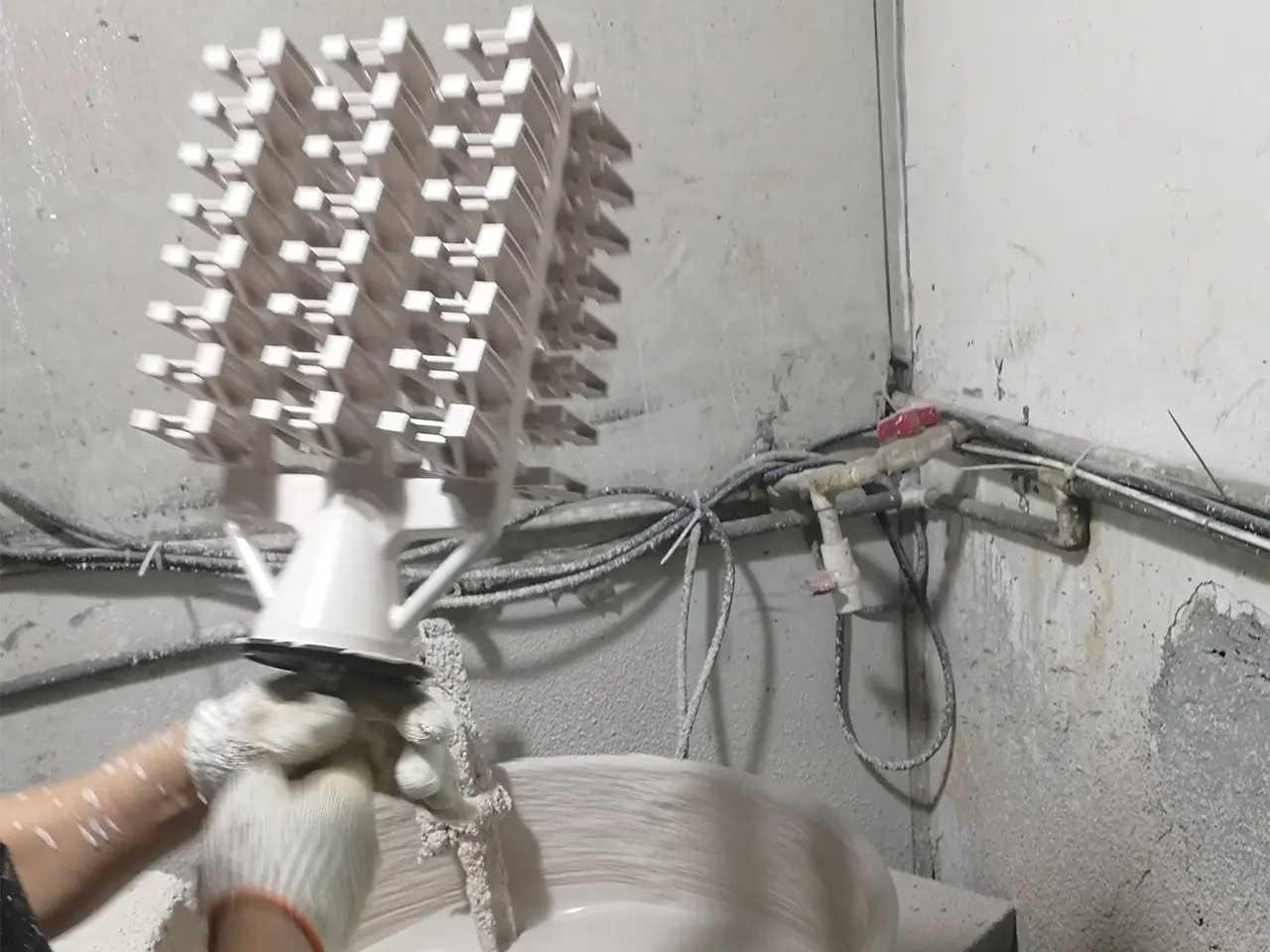
  • Automated Robotic Casting Lines: Upgrading lost-wax slurry coating stages with robotic arms to guarantee consistent mold thicknesses, reducing surface defects.
  • Predictive Maintenance via IoT: Outfitting spindle drives with sensors to track vibration, ensuring tooling wear is compensated prior to falling out of specification limits.

Technical Expansion Timeline

Since 2014, our continuous team upgrades have expanded our technical competence. In 2026, we aim to implement advanced CAM toolpath optimization software, reducing raw cycle times on carbon and titanium components by up to 18%, offering shorter turnarounds for global OEMs.

Frequently Asked Questions

Expert technical answers to assist with your component design, ordering, and QA validation pipelines.

What are the key benefits of combining investment casting with CNC post-machining?
Investment casting allows you to create near-net shapes with intricate external configurations, significantly reducing raw material waste and machining time. Post-machining with CNC milling or turning is then applied to target only the critical interfaces—such as mating surfaces, seal pockets, and threaded holes—requiring precise geometric tolerances (down to ±0.005mm). This hybrid route saves material costs and tool wear, particularly on hard alloys like stainless steel and titanium.
How does Dongguan SX Technology verify chemical composition compliance for cast parts?
We use optical emission spectrometers (OES) to check every melt batch before pouring. This guarantees the metallurgical composition of stainless steel (e.g., matching the nickel and chromium ranges of SUS316) and carbon steel meets international ASTM, DIN, and JIS standards. Material certificates and chemical analysis sheets are provided to clients upon request.
Which surface finishes can you achieve on titanium and aluminum medical components?
Depending on application needs, we deliver as-machined finishes (Ra 3.2 to Ra 1.6 μm), bead blasting, chemical passivation, electropolishing, and color anodizing (especially for aluminum enclosures and bicycle parts). For surgical components, we can achieve mirror-like finishes below Ra 0.4 μm via hand polishing and planetary abrasive processes.
What tolerances can your CNC turning centers reliably maintain?
For standard cylindrical parts machined on our high-speed lathes, we maintain linear tolerances of ±0.01 mm. Under climate-controlled conditions with stable setups, we can hold critical diameters and bearing journals to ±0.005 mm. We also output geometric dimensioning and tolerancing (GD&T) metrics, verifying circularity, coaxiality, and perpendicularity via CMM.
What is the typical lead time for a new custom casting mold and first article inspection (FAI)?
Developing the tooling mold and producing the initial cast samples takes roughly 25 to 35 days, depending on part complexity. Once the casting mold is verified, we run the first article samples through our CNC post-machining setup and submit full inspection reports for buyer approval before launching series production.
Can you support non-standard OEM product geometries from 3D models?
Yes. We work directly with standard CAD formats including STEP, IGES, Parasolid (x_t), and Solidworks (sldprt) files. Our programming team utilizes CAM systems to translate these geometries directly into toolpaths, eliminating manual entry errors and maintaining dimensional fidelity.