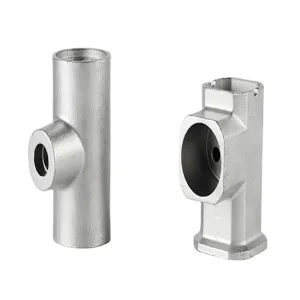
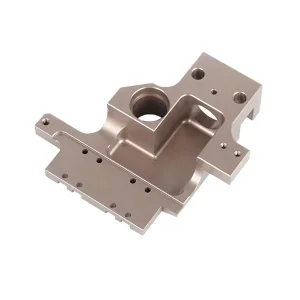
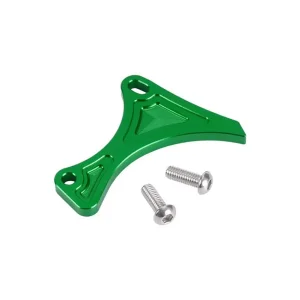
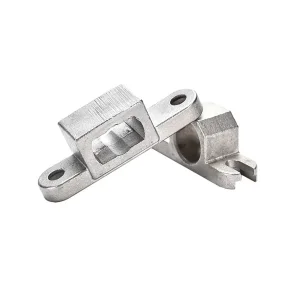
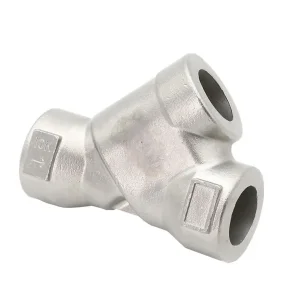
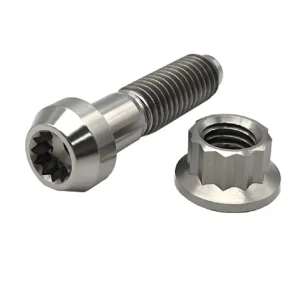
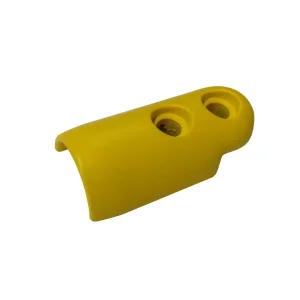
Explore our cutting-edge manufacturing solutions designed for high structural integrity and extreme precision tolerances.
How the quest for "Foundry Near Me" is reshaping global industrial supply chains.
In today's highly volatile macroeconomic landscape, the global manufacturing sector is undergoing a profound structural shift. For decades, the reliance on highly centralized offshore production facilities offered cost efficiencies that outweighed transit delay risks. However, the modern industrial paradigm—characterized by geopolitical realignments, fluctuating freight rates, and an emphasis on just-in-time logistics—has forced procurement managers, design engineers, and supply chain directors to reassess their sourcing strategies. Consequently, searching for a high-quality foundry near me has evolved from a local sourcing preference into a critical risk-mitigation strategy.
The commercial status of metal foundries globally is defined by two converging forces: advanced technological capability and geographic resilience. Modern heavy industries, including aerospace, defense, automotive, medical, and marine applications, demand components that possess flawless metallurgical properties and strict dimensional control. When companies search for a local casting factory, they are not merely seeking proximity; they are seeking immediate technical collaboration, rapid prototyping turnaround, and a reduction in transit times. The localized foundry acts as a technical extension of the client's engineering department, fostering rapid design iterations through direct physical interaction and real-time validation.
"Sourcing a foundry nearby is no longer just about minimizing shipping costs—it is about securing engineering agility, building supply chain redundancies, and achieving the rapid feedback loops required for Industry 4.0 product development."
From a regional standpoint, the market dynamics vary significantly. In North America and Europe, local foundries are positioning themselves as high-value, low-volume specialist facilities, leveraging advanced automation, high-end metallurgical labs, and sub-micron tolerance multi-axis CNC machining. Meanwhile, high-capacity industrial clusters in East Asia, particularly in advanced manufacturing hubs, offer unparalleled scaling capabilities, comprehensive tooling support, and highly integrated ecosystems where raw investment casting and precision CNC finish-machining are co-located in a single production zone. This integration dramatically lowers overall manufacturing overheads while maintaining strict compliance with international aerospace and automotive standards.
Demonstrating our operational excellence and industry footprint through numbers.
The global foundry sector is leaving behind the labor-intensive, high-emission legacy methods of the past. Today's industrial evolution is driven by several transformative technological pillars:
The adoption of robotic slurry coating and automated wax pattern assembly lines ensures absolute consistency in shell thickness, directly translating to fewer casting defects and superior surface finish quality.
By pairing precision casting (which produces near-net-shape structures) with multi-axis CNC milling, factories can eliminate material waste and drastically reduce machine-hour costs on complex geometries.
Utilizing high-frequency spectrometers and real-time X-ray non-destructive testing (NDT), modern foundries guarantee alloy composition stability and eliminate internal gas porosity or inclusion defects before shipping.
Furthermore, environmental sustainability has transitioned from a compliance checklist to a core economic driver. Forward-thinking factories are investing heavily in closed-loop sand reclamation systems, energy-efficient electric induction melting furnaces, and regenerative thermal oxidizers. These investments minimize energy footprints while improving yield efficiency, ensuring that seeking a casting partner also aligns with corporate ESG metrics.
The integration of localized production networks addresses several sector-specific pain points, delivering distinct operational advantages:
Precision Casting, CNC Machining, and Global Assembly Experts
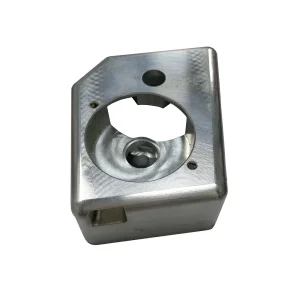
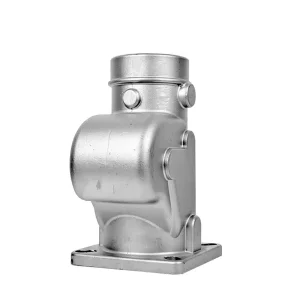
Dongguan SX Technology Co., Ltd has built a reputation for excellence in precision investment casting, high-precision CNC machining, and comprehensive mechanical assembly. Serving global markets since 2014, we leverage our rich industry experience to engineer high-integrity components tailored for machinery, automobiles, marine, ships, specialty equipment, high-pressure valves, pumps, electronic appliances, high-end packaging, watchmaking, civil construction, and the chemical industry.
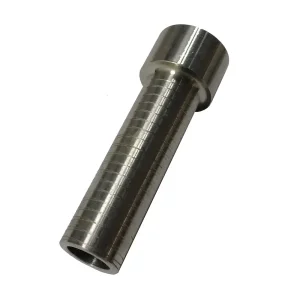
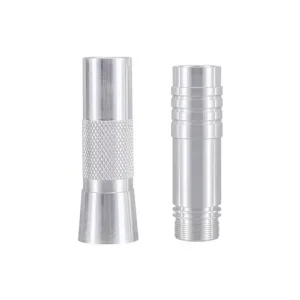
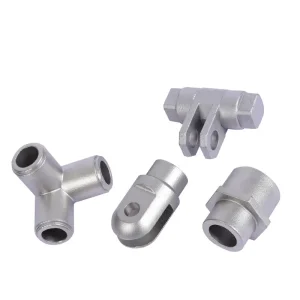
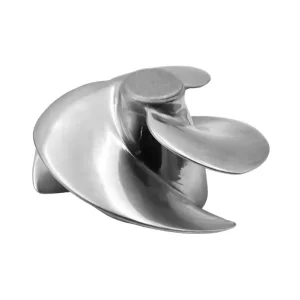
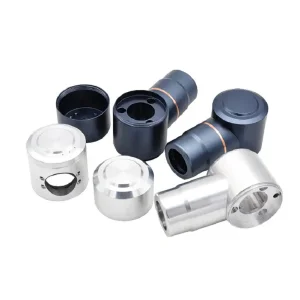
Our core casting operations specialize in working with premium grade stainless steel and carbon steel to produce flawless near-net-shape parts via advanced investment casting. To compliment our foundry operations, our world-class CNC machining workshops process a broad spectrum of engineering materials, including high-strength titanium alloys, stainless steel, carbon steel, lightweight aluminum alloys, copper alloys, and cemented carbides.
By combining advanced manufacturing equipment with a deeply integrated production pipeline, we are engineered to respond rapidly to complex customization demands, delivering structural components that strictly match our clients' CAD data and design criteria.
The roadmap for precision metal casting and secondary CNC finishing is built upon a transition toward data-driven manufacturing. Over the next decade, the industry will see deep integration of physical metallurgical processes with virtual simulation tools:
First, finite element casting simulation software (such as MAGMAsoft or ProCAST) has become a standard pre-production phase. By simulating the thermal dynamics of molten metal flow, shrinkage rates, and solidification paths inside the ceramic mold, our foundry engineers can locate potential hotspots and porosity risks before physical tooling is cut. This virtual optimization saves thousands of dollars in mold modifications and dramatically shortens lead times.
Second, the deployment of IoT-enabled CNC machining centers allows for real-time monitoring of cutting tool wear, spindle vibration, and thermal expansion of the workpiece. By using optical in-machine probing systems, tool path offsets are automatically updated to compensate for micro-deviations, guaranteeing dimensional consistency across production runs of tens of thousands of parts.
Lastly, material science is expanding the horizons of component design. Foundries are increasingly asked to cast and machine advanced alloys that offer higher strength-to-weight ratios and superior thermal properties. Whether it is casting corrosion-resistant superalloys for offshore marine environments or machining complex medical-grade titanium implants, we maintain continuous research initiatives into tool geometry optimization and casting temperature control.
Witness the state-of-the-art infrastructure driving our defect-free guarantee.
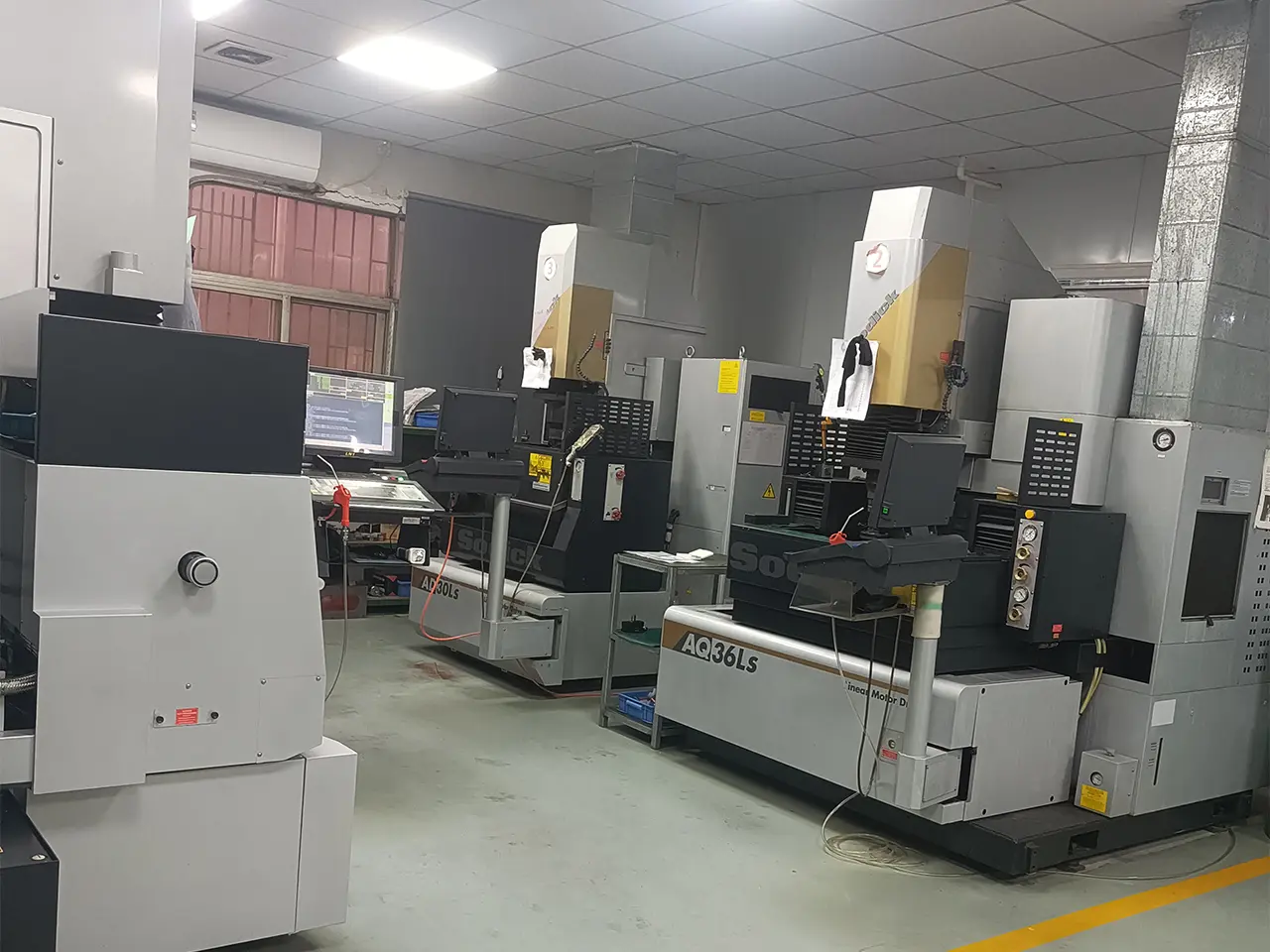
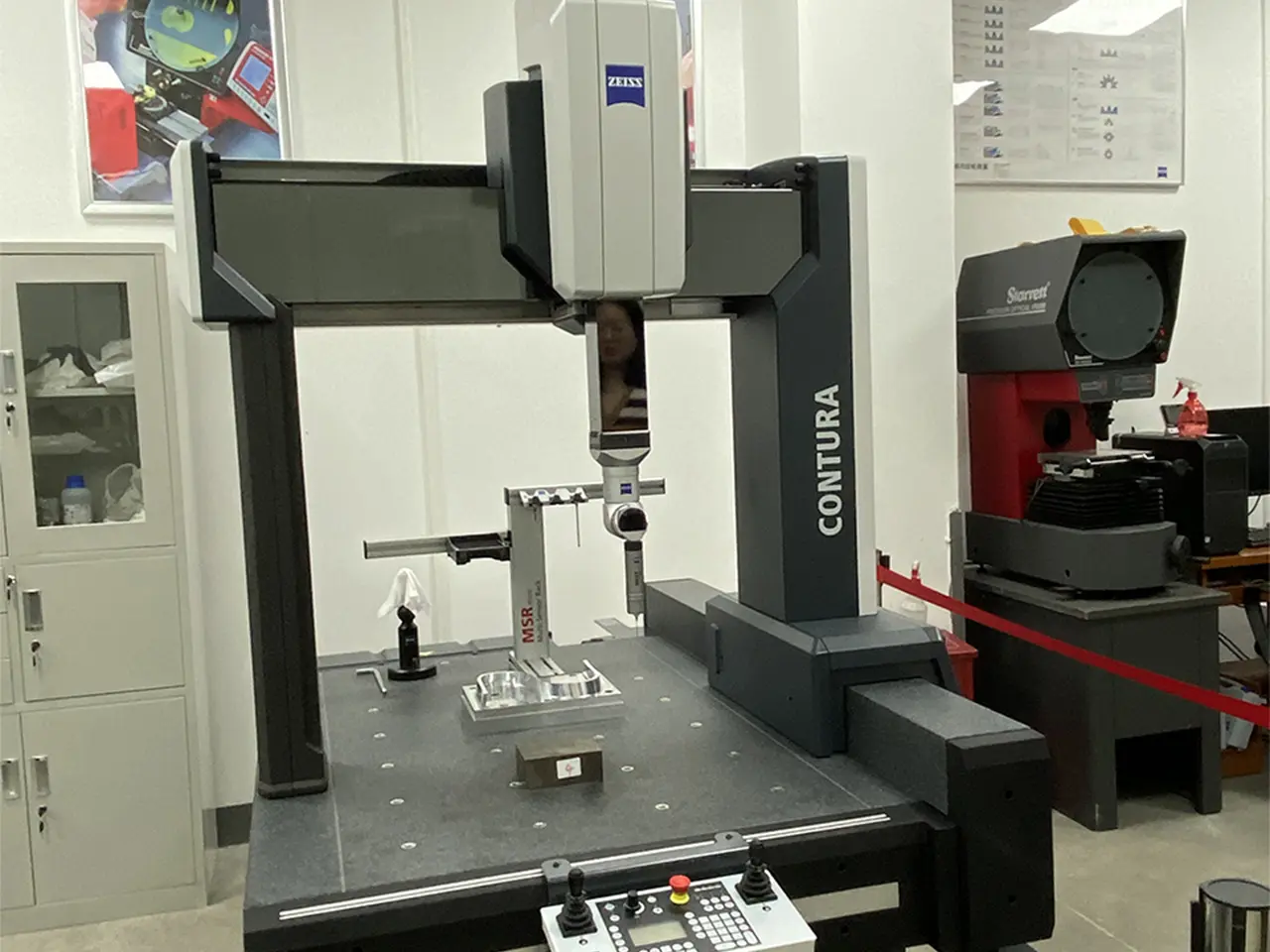
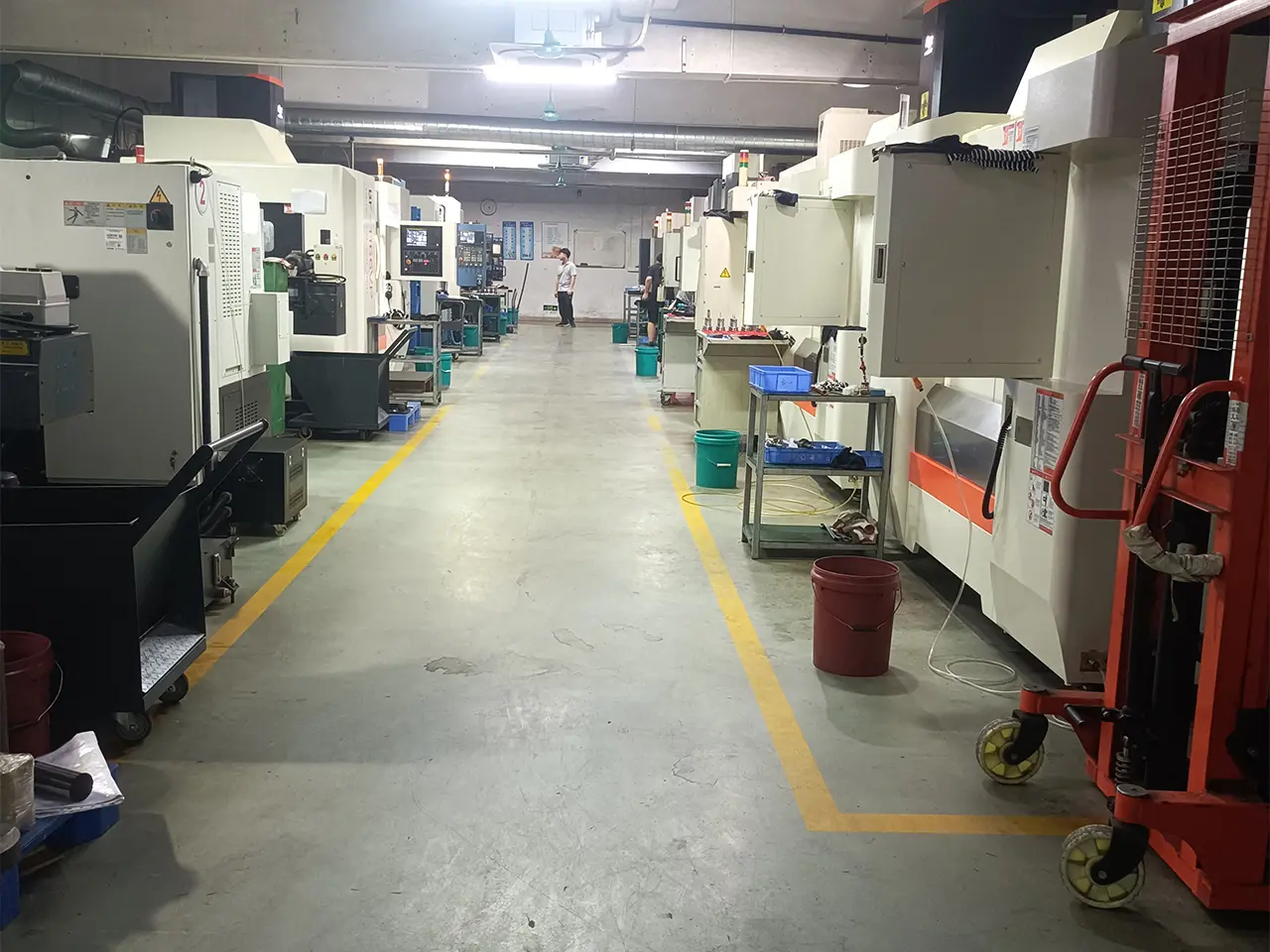
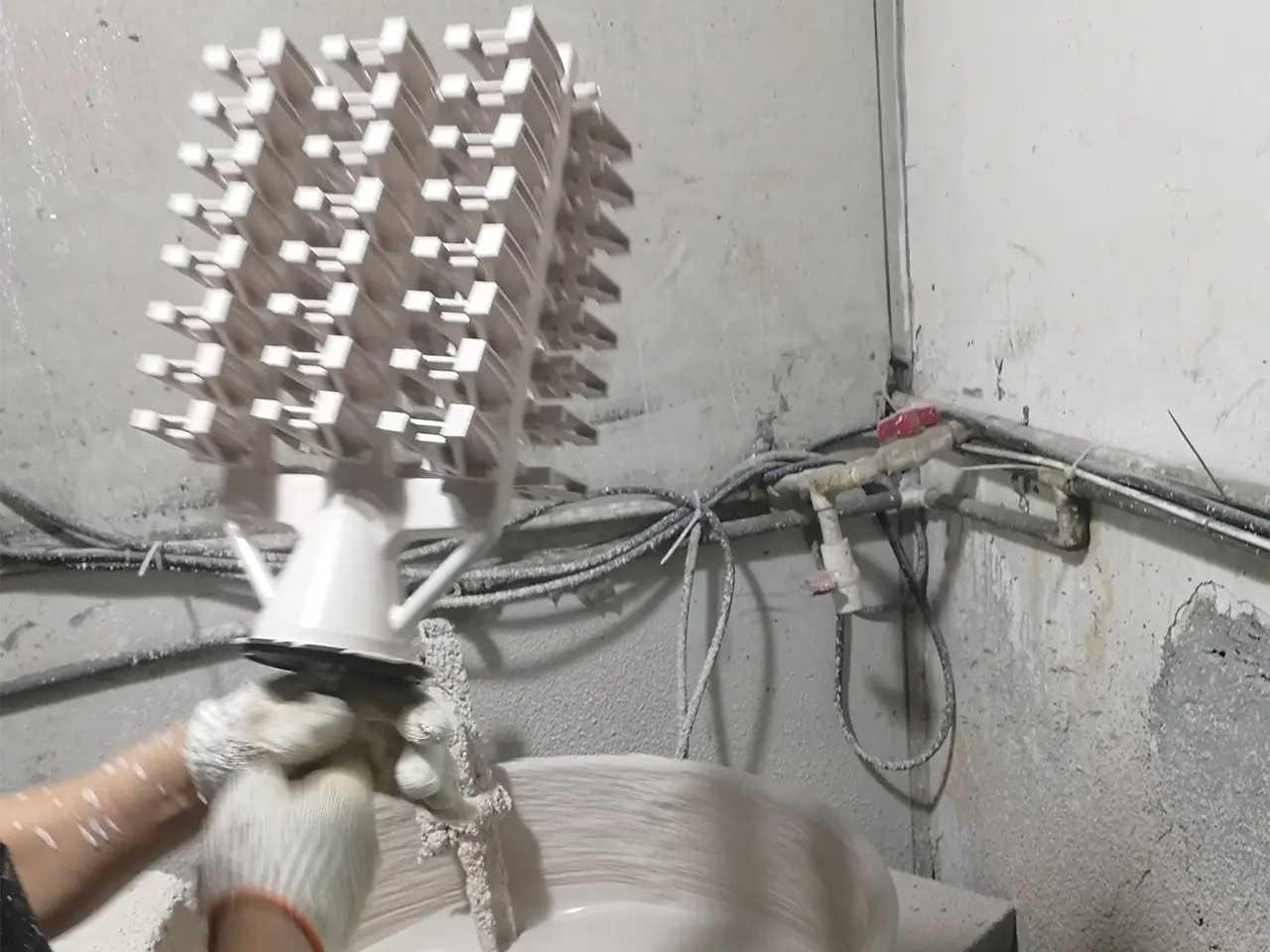
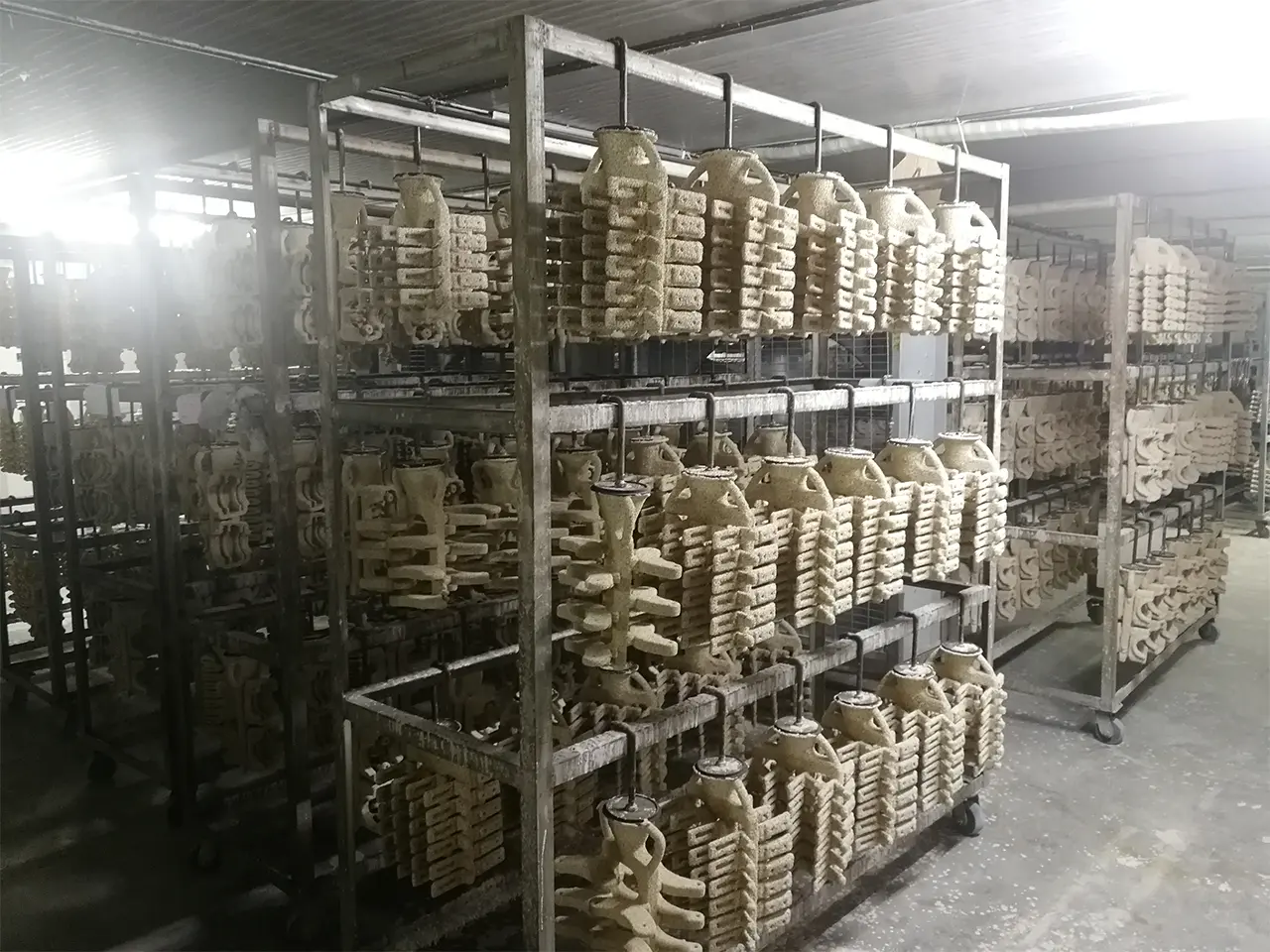
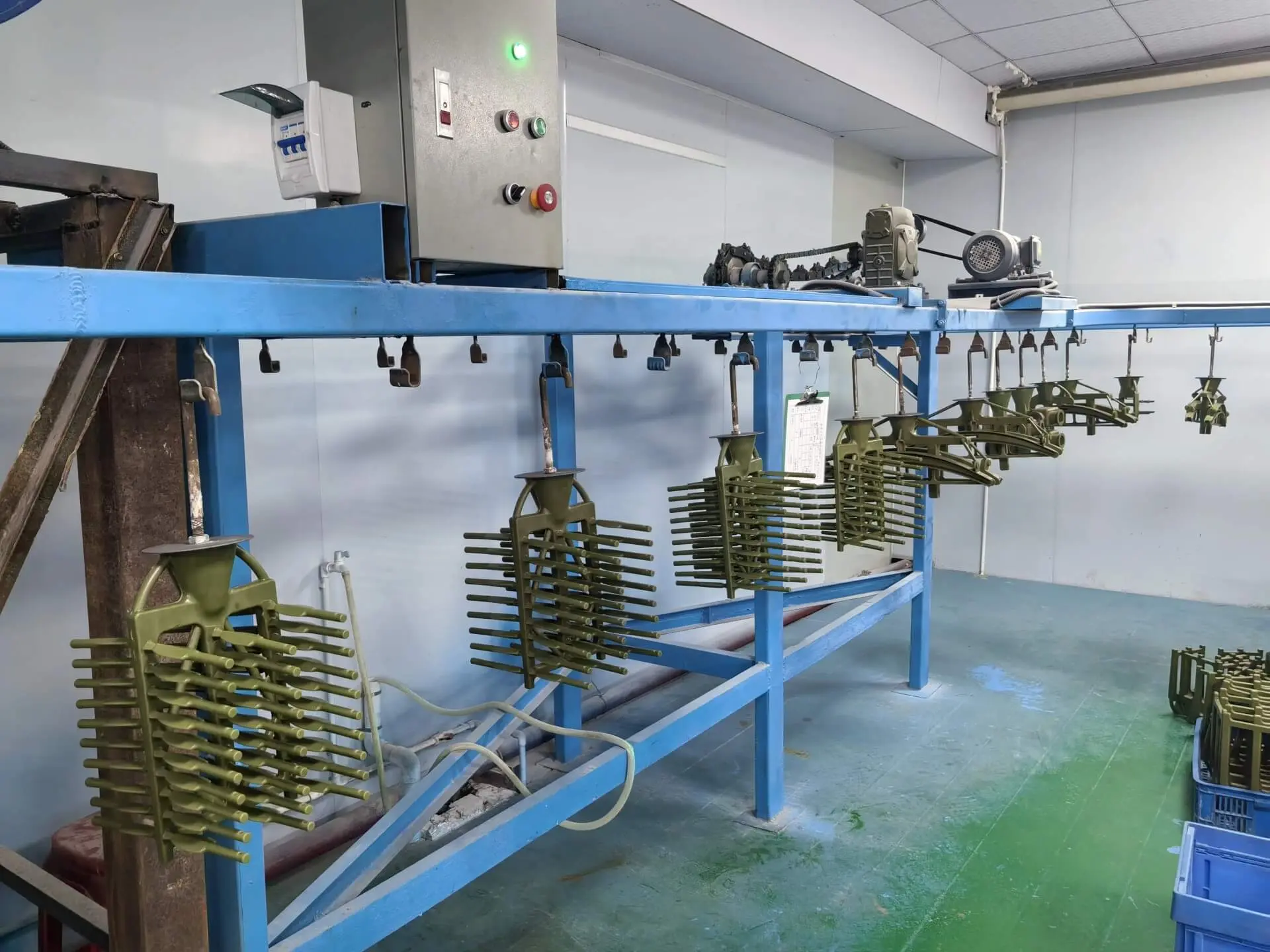
At Dongguan SX Technology Co., Ltd, we believe that quality control is not just a final step, but the fundamental backbone of our business survival and growth. Adhering to strict tolerance allowances and international ISO standards, we employ professional QC personnel and coordinate with industry-standard metrology equipment to audit every product run.
Our verification procedures include raw material chemical analysis via spectroscopy, coordinate measuring machines (CMM) for complex 3D geometrical audits, non-destructive crack detection, and ultrasonic testing to identify hidden subsurface flaws. Since our establishment in 2014, we have continuously upgraded our personnel skills and production equipment, building long-term trust and receiving outstanding praise from global industrial clients.
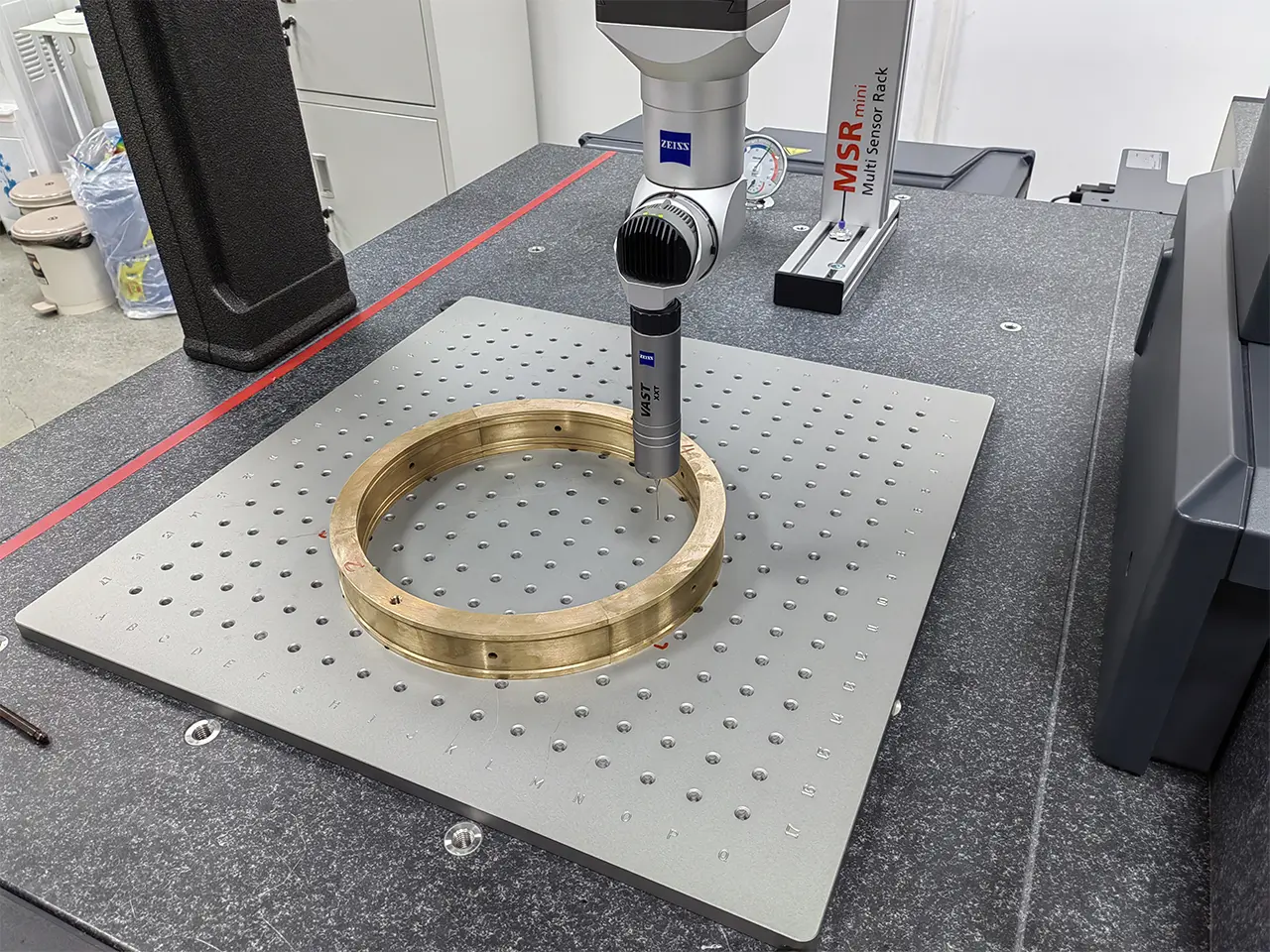
Many factories face operational fragmentation when they contract one shop to perform metal casting and another separate machine shop to perform precision CNC finishing. This division of labor leads to disputes over dimensional errors, surface finish inconsistencies, and raw material defects discovered post-machining.
Dongguan SX Technology Co., Ltd solves this structural fragmentation by providing a unified, end-to-end macro solution:
In-depth insights addressing critical manufacturing queries, material selection, and process tolerances.
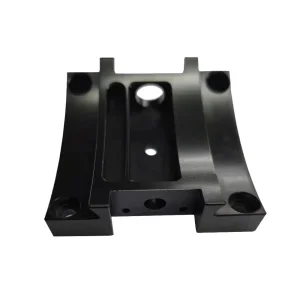
Providing specialized components, brackets, and structural elements for heavy industrial applications.
 SX Machining