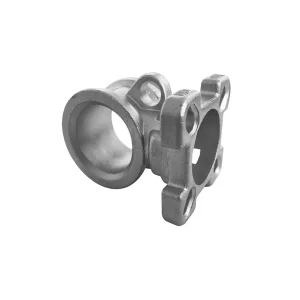
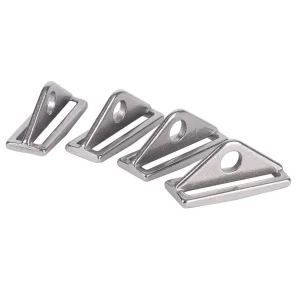
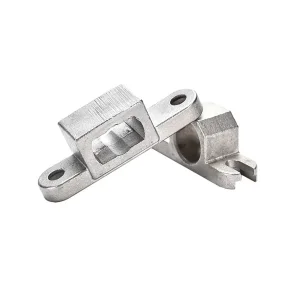
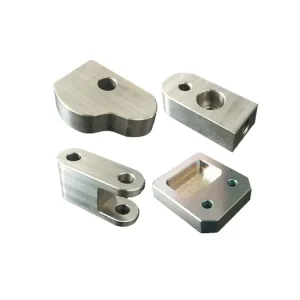
The contemporary global industrial sector is undergoing a profound structural shift: the demand for optimized power-to-weight ratios has made aluminum investment casting (lost-wax precision casting) the manufacturing standard for critical, high-stress engineering systems.
In aerospace design, automotive powertrain engineering, marine systems, and advanced defense structures, design engineers are consistently phasing out heavy iron casting, welded steel fabrication, and multi-component assemblies. By utilizing investment casting of aluminum alloys, manufacturing partners can merge multiple components into a single, near-net-shape geometry with minimal machining allowances. This transition significantly decreases carbon footprint, simplifies supply chain risks, and eliminates structural joint weaknesses.
Strategic Insight (Information Gain): Modern aerospace engineering and electric vehicle (EV) platforms rely heavily on light alloy integration. While die-casting is suited for thin-walled housings, investment casting remains the primary solution for internal complex-void structural parts. This is because investment casting minimizes porosity, enables superior heat treatment, and supports complex geometries that cannot be demolded with rigid steel dies.
The global market size for aluminum casting is experiencing steady compound annual growth. Driven by the electrification of vehicles, manufacturers are facing complex requests for thin-walled structural geometries, deep internal cooling channels, and hermetically sealed chambers. Global supply chains rely on regional production hubs that feature AS9100D and ISO 9001:2015 certifications to guarantee absolute consistency in microstructural integrity, chemical composition, and dimensional repeatability.
Achieving defect-free aluminum castings requires deep control of alloy chemistry, gas removal, and mold thermal dynamics. Aluminum's affinity for hydrogen gas during melting can lead to micro-porosity defects if not managed properly. Leading investment casting foundries employ rotary degasification processes using dry nitrogen or argon gas, along with density index testing, to ensure the molten metal is thoroughly degassed before pouring.
Different applications require specific material properties. Below is a detailed breakdown of the dominant aluminum alloys used in high-precision investment casting processes:
| Alloy Designation | Chemical Composition Key Elements | Tensile Strength (UTS) | Yield Strength (YS) | Elongation (%) | Primary Industry Applications |
|---|---|---|---|---|---|
| A356 / A356-T6 | Si: 6.5-7.5%, Mg: 0.25-0.45% | ≥ 290 MPa | ≥ 220 MPa | ≥ 3.5% | Aircraft structures, pump casings, EV motor mounts, complex housings. |
| A380 / A383 | Si: 7.5-9.5%, Cu: 3.0-4.0% | ≥ 320 MPa | ≥ 160 MPa | ≥ 2.5% | Highly complex structural parts, electronic enclosures, automotive brackets. |
| A357 / A357-T6 | Si: 6.5-7.5%, Mg: 0.45-0.6% | ≥ 340 MPa | ≥ 290 MPa | ≥ 3.0% | Military defense components, high-load structural brackets, aerospace. |
| AlSi10Mg | Si: 9.0-11.0%, Mg: 0.2-0.45% | ≥ 300 MPa | ≥ 240 MPa | ≥ 4.0% | Aerospace heat exchangers, complex structural brackets. |
For high-load aerospace and military defense applications, the A356-T6 heat treatment process is widely used. This treatment begins with solution annealing at approximately 540°C, followed by quenching in hot water or polymer solutions, and finishes with artificial aging at 155°C. This sequence promotes the precipitation of fine Mg₂Si particles within the aluminum matrix, which significantly increases yield strength and fatigue resistance.
Advanced vacuum-assisted gravity pouring allows for thin-wall cast geometries down to 1.5mm. This approach helps minimize weight without compromising mechanical integrity.
Aluminum alloys spontaneously form a protective surface oxide layer. This layer provides natural corrosion resistance, which can be further enhanced with anodizing.
Unlike sand casting or die casting processes, lost wax casting does not require draft angles. This enables the production of parallel sides and flat surfaces, which helps minimize secondary machining requirements.
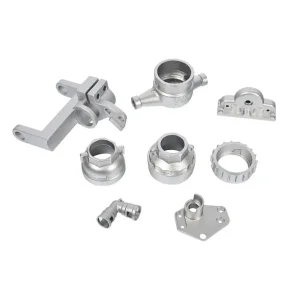
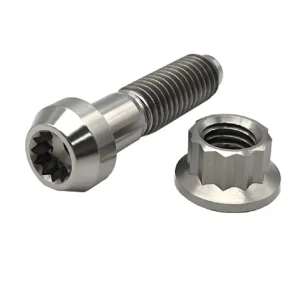
Dongguan SX Technology Co.,Ltd has very rich experience in precision casting, CNC machining and assembly. Our products are used in machinery, automobiles, marine, ships, equipment, valves and pumps, electronic appliances, packaging, watches, construction, chemical industry and other industries. The most commonly used materials for investment casting are stainless steel and carbon steel. And the most commonly used materials for CNC machining include titanium alloy, stainless steel, carbon steel, aluminum alloy, copper alloy, cemented carbide, etc.
We have advanced manufacturing equipment and technology and are able to respond quickly to your needs.
Through our dedicated service and continuous investment in engineering research and development, we provide complete, turn-key solutions. These range from original engineering modeling support and solidification simulation to high-precision CNC finish machining, custom surface coatings, and assembly. This comprehensive approach allows us to serve as a reliable, single-source manufacturing partner for our global customers.
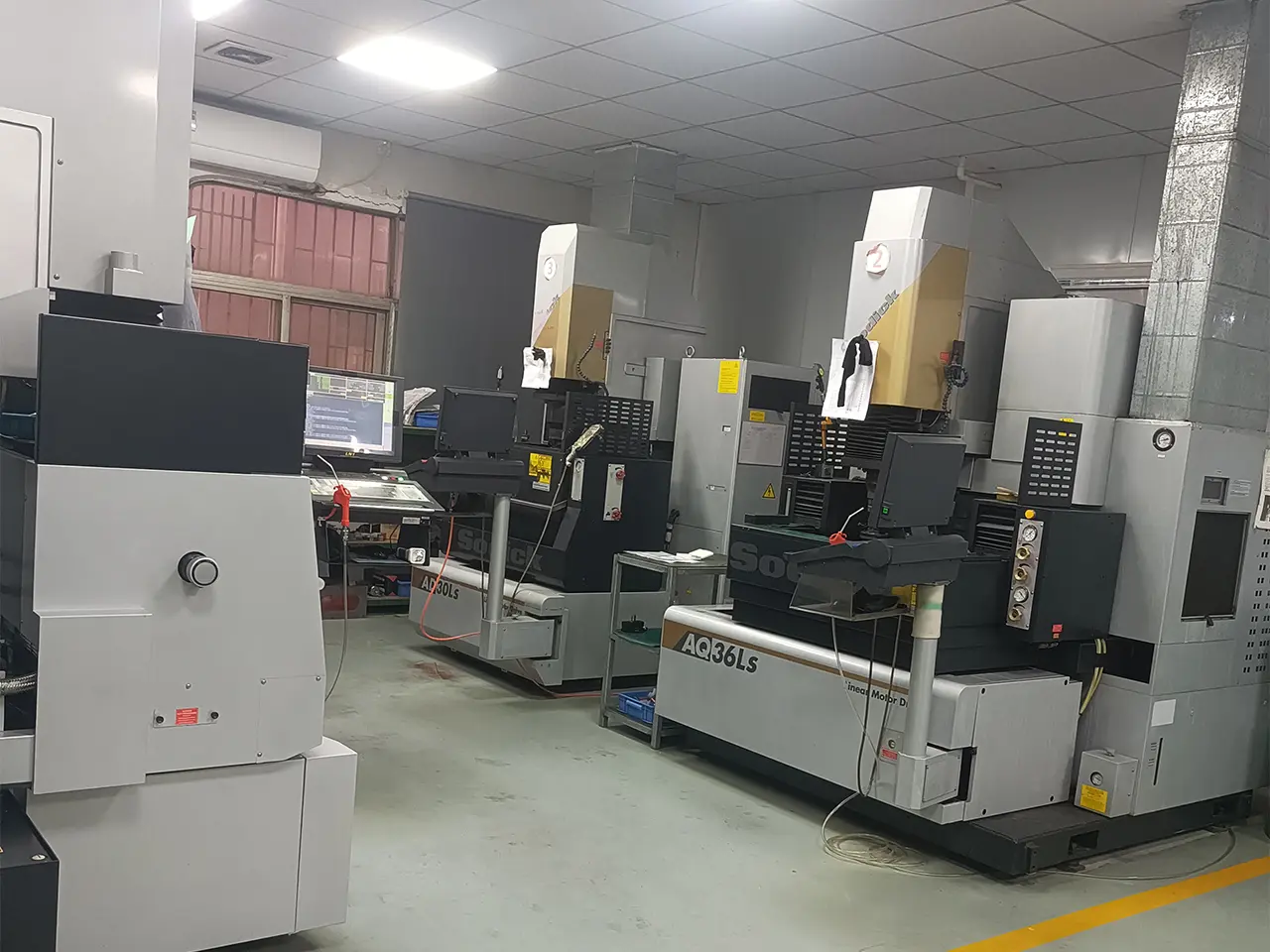
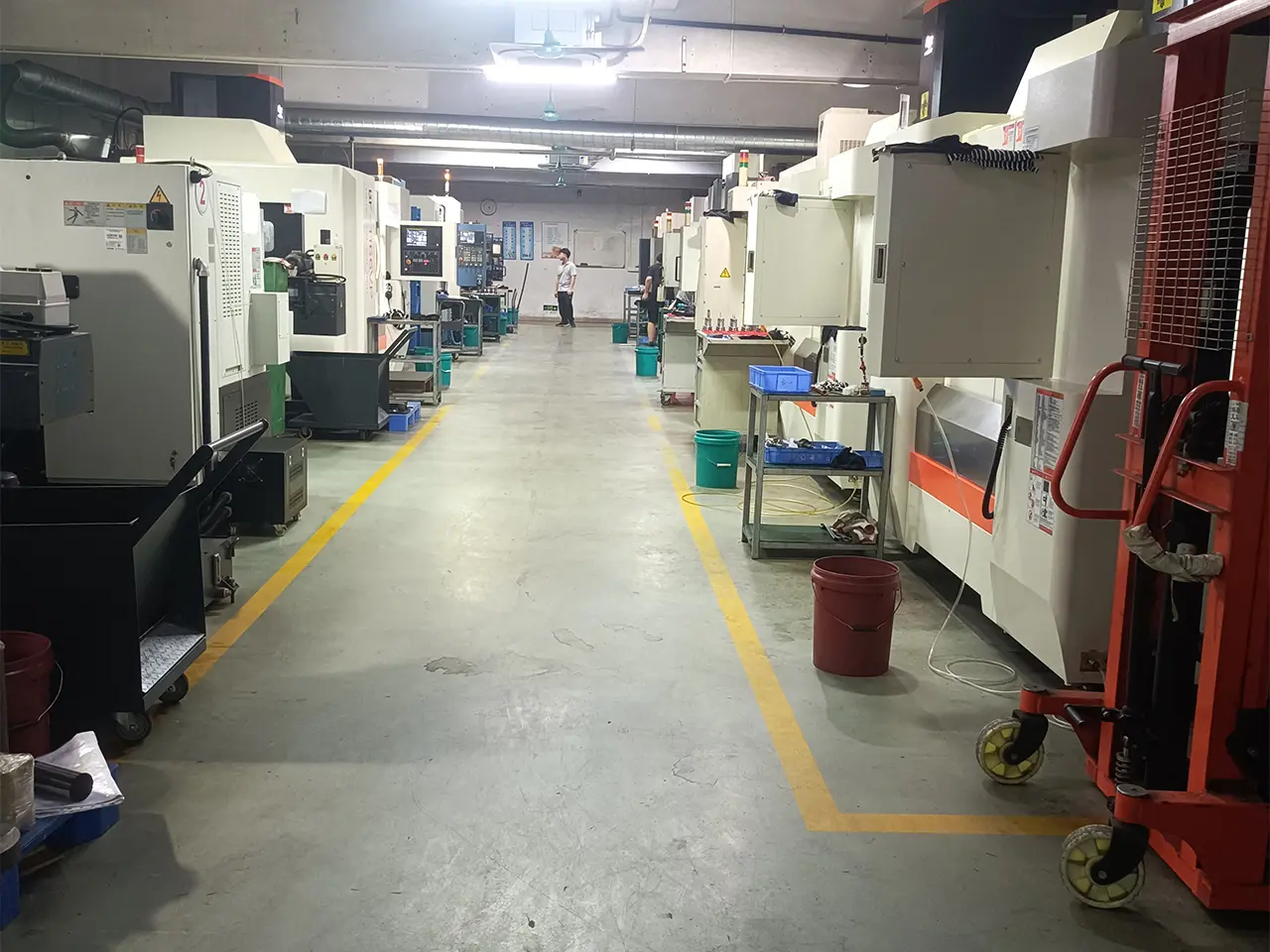
Our manufacturing facility features modern equipment, including automated slurry mixing tanks, climate-controlled drying rooms for ceramic shells, medium-frequency induction melting furnaces, and precision CNC centers. We maintain stable production processes by closely controlling key parameters such as wax temperature, slurry viscosity, shell drying humidity, and pouring temperatures.
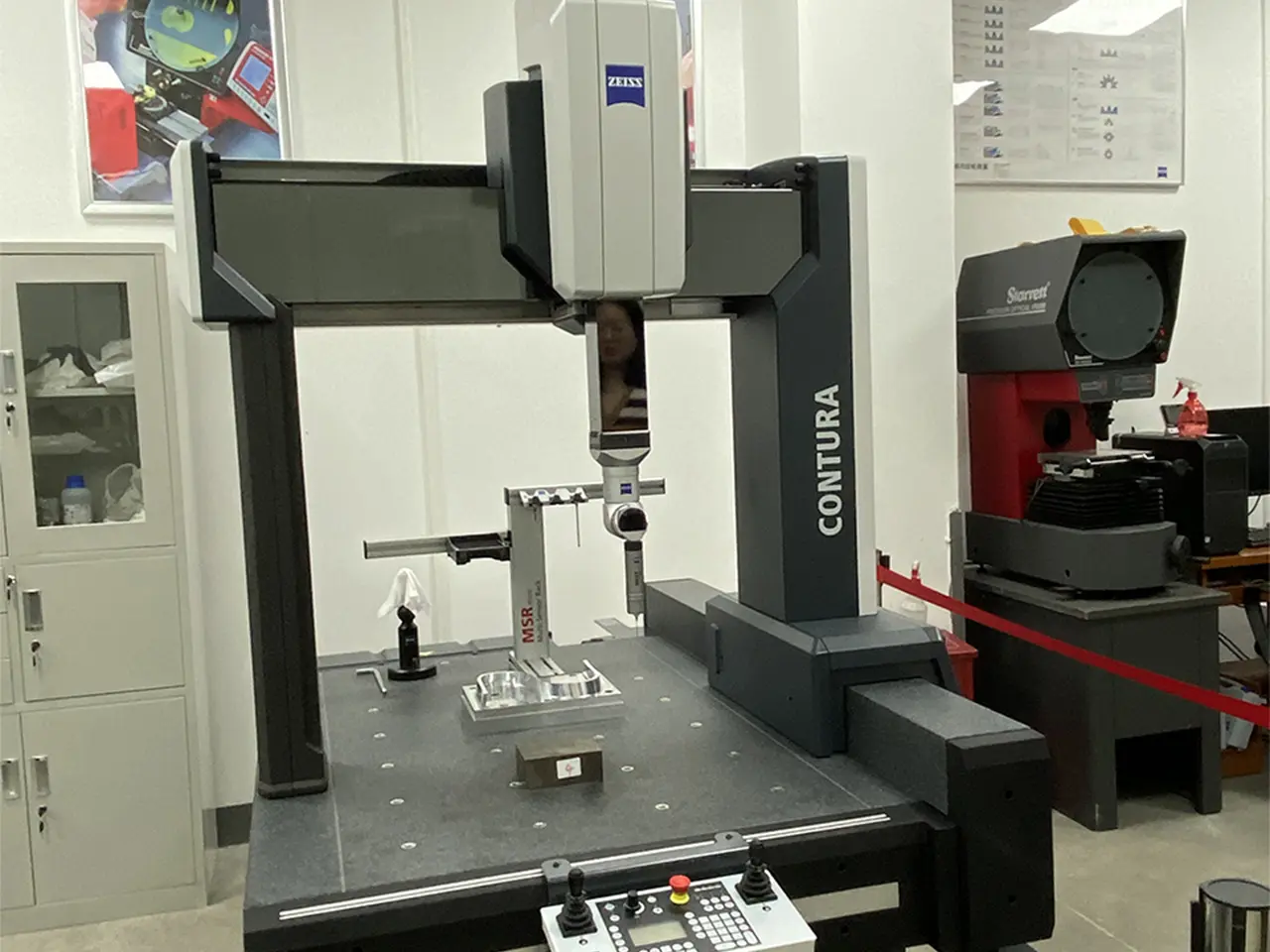
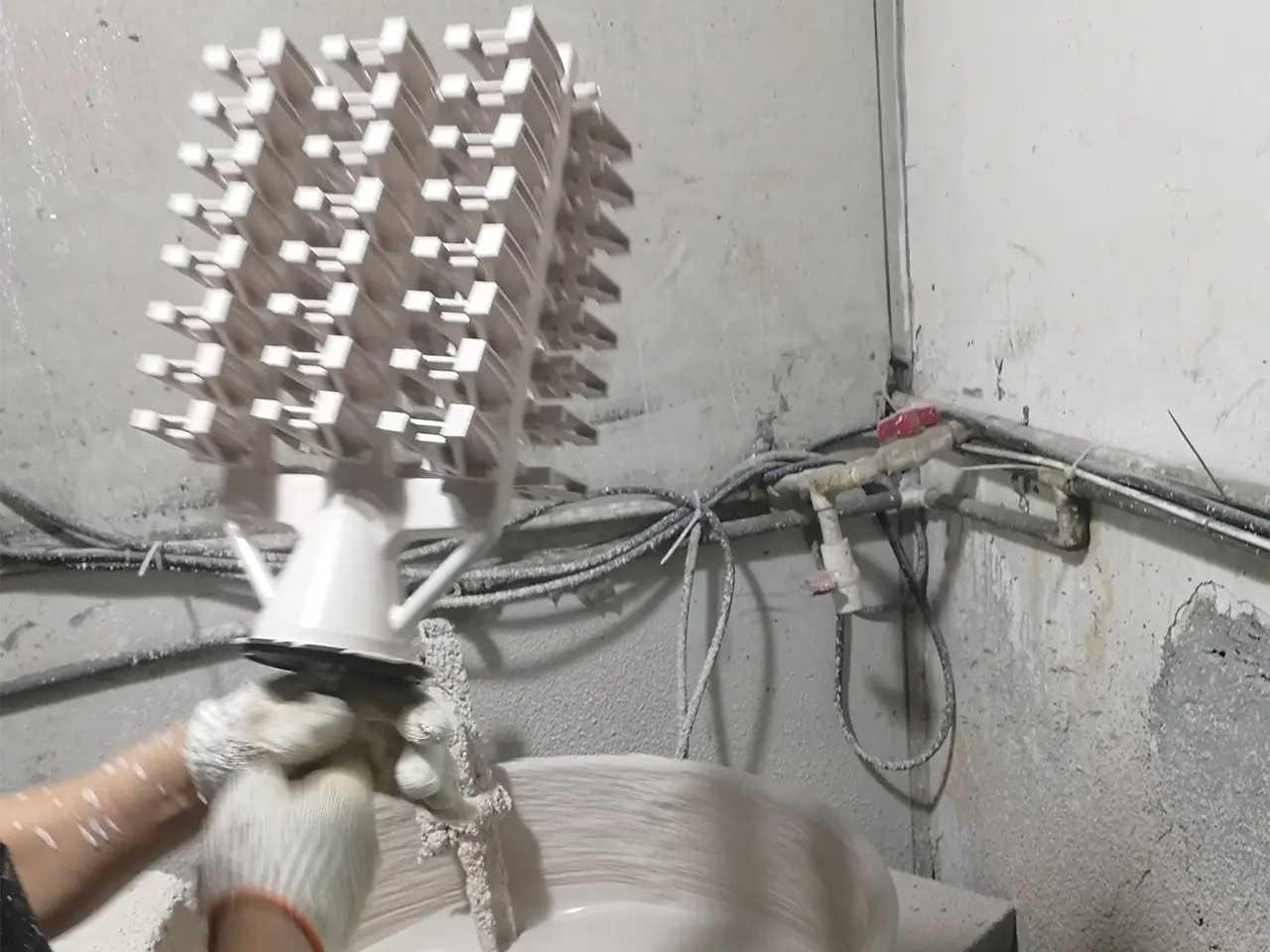
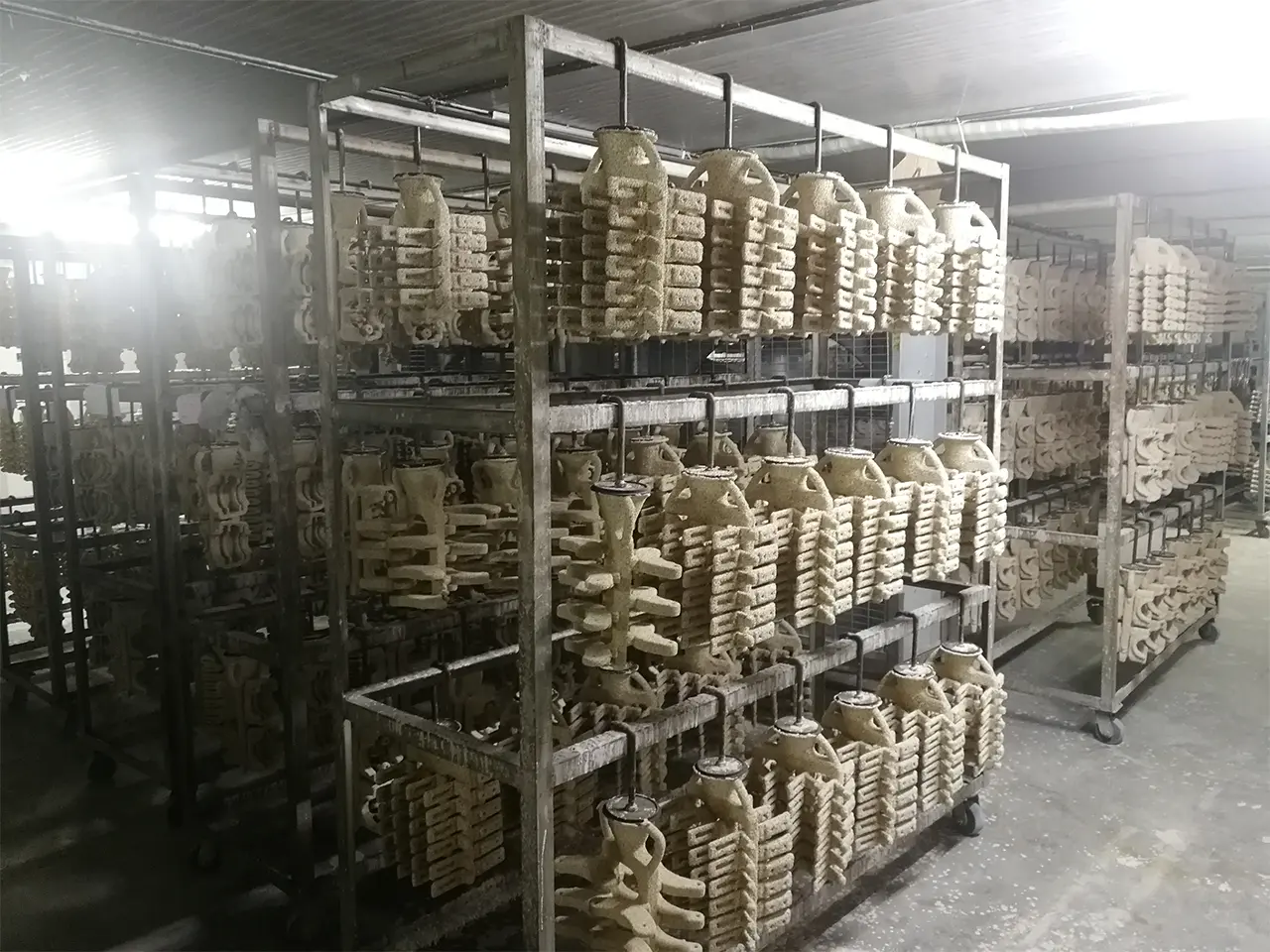
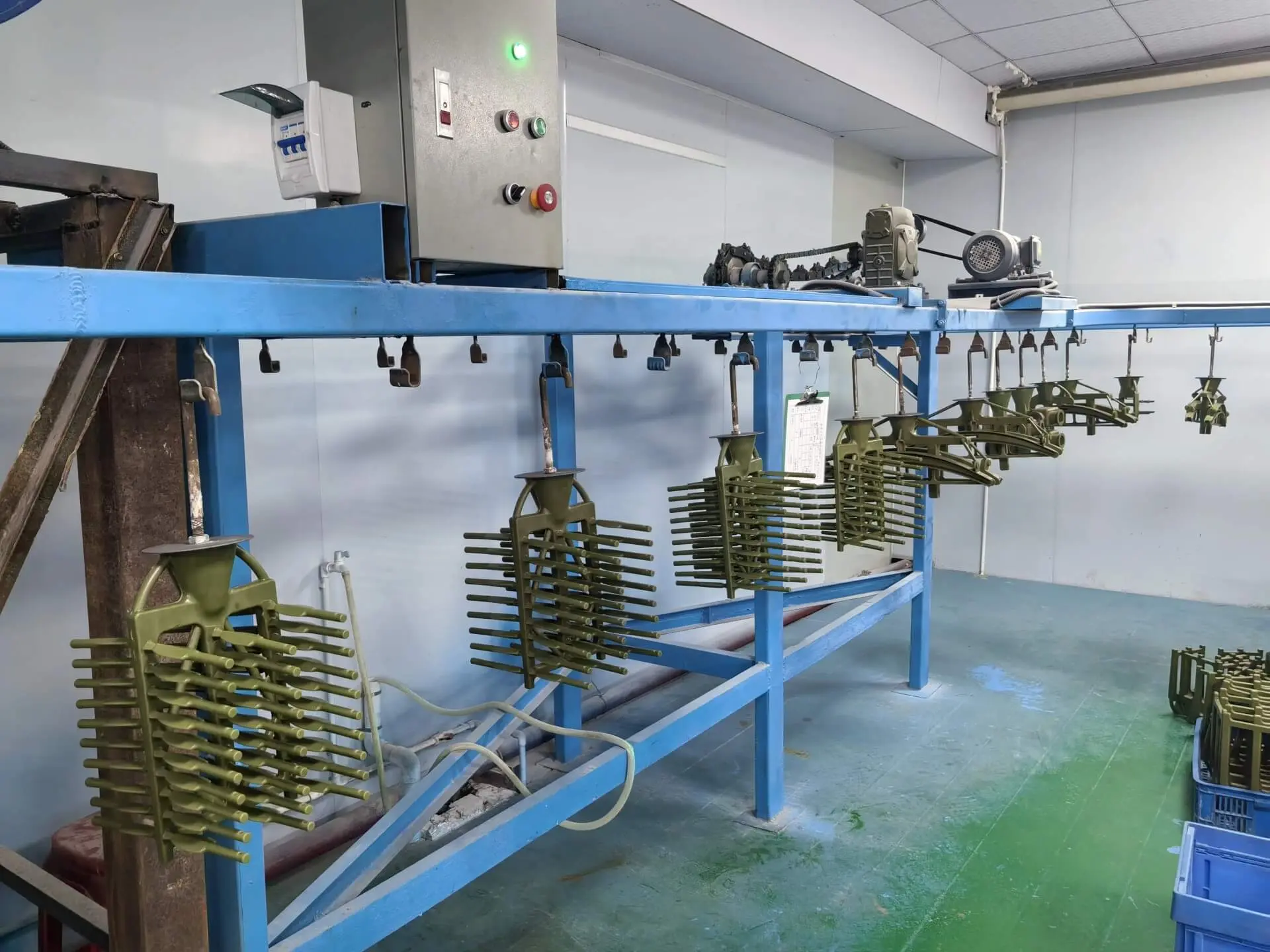
We have professional testing equipment and professional QC personnel, and we adhere to strict tolerances and quality standards for the products we produce. Due to our insistence on strict quality requirements, we have been praised by many customers.
Quality is the cornerstone of the manufacturing industry. We firmly believe that only by controlling quality well can we survive, develop, and get better and better. Therefore, we have been working in this industry unremittingly since 2014 and continue to Improve the company's team and improve the company's production capacity.
Our quality assurance program includes non-destructive testing (NDT) such as dye penetrant testing and digital X-ray inspection to detect subsurface casting defects. Additionally, coordinates measuring machine (CMM) testing and chemical spectrographic analysis help verify that every batch meets the dimensional and material specifications required by our clients.
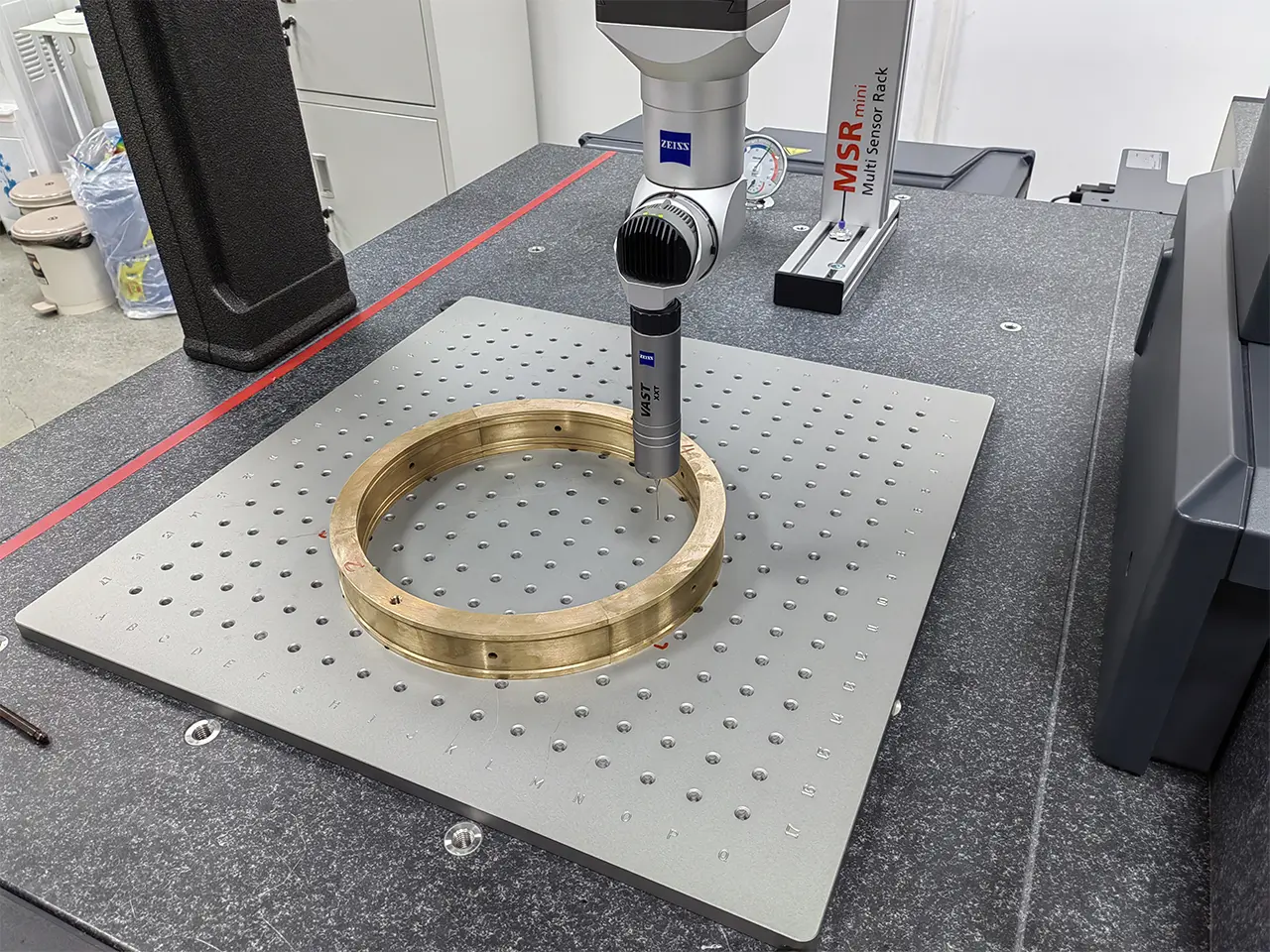
High-precision aluminum casting serves as a key manufacturing method across multiple industrial sectors, providing solutions to long-term design challenges. Let's look at how this process addresses specific issues in key industries:
Weight reduction is a primary design goal in aerospace engineering. Replacing heavy mechanical subassemblies with lightweight, thin-walled aluminum investment castings helps reduce aircraft weight, which improves fuel efficiency and increases payload capacity.
Electric vehicle (EV) engineering requires optimized thermal management systems. Aluminum's high thermal conductivity makes it an excellent choice for casting complex battery heat exchangers, motor housings, and cooling manifolds.
Marine equipment faces constant exposure to corrosive environments. By casting marine-grade alloys such as A356, and applying specialized anodizing processes, components can better withstand the corrosive effects of saltwater.
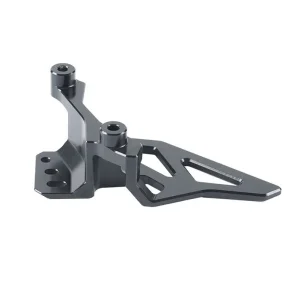
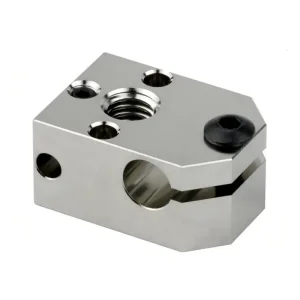
Combining investment casting with multi-axis CNC finish machining enables the production of complex components that require minimal assembly. This approach helps reduce dimensional stack-up issues, simplify procurement processes, and lower overall assembly costs for our clients.
Our standard lost wax investment casting process meets linear dimensional tolerances within VDG P690 class D1 to D2, or ISO 8062 CT4 to CT6. This typically yields a tolerance profile of ±0.1mm to ±0.15mm per 25mm of dimension. Critical features requiring tighter dimensions can be finished to final tolerances using our in-house multi-axis CNC machining centers.
To prevent hydrogen gas porosity, we use rotary degasification with argon gas during melting, and monitor the results with density index tests. We also use digital X-ray inspection (conforming to ASTM standards) and liquid penetrant testing (LPI) to verify internal and surface integrity, ensuring every part meets our quality requirements.
Yes, our casting processes allow us to produce thin-walled parts. Depending on the part's overall dimensions and geometry, we can cast walls down to 1.5mm. We use specialized mold-filling simulations and vacuum-assisted pouring techniques to ensure complete fills without cold shuts or misruns in thin sections.
Die casting is often preferred for high-volume runs of relatively simple, thin-walled parts. However, investment casting is better suited for parts that feature complex internal cavities, negative draft angles, or require post-casting heat treatments (like T6 temper). Additionally, investment casting tool development costs are typically lower, making it a viable option for low-to-medium volume production.
Directly from the mold, our investment castings typically achieve a surface roughness of Ra 3.2 to 6.3 μm (125 to 250 micro-inches). Depending on project specifications, we can also provide secondary surface treatments, including media blasting, electrochemical anodizing (Type II & Type III), chromate conversion coatings, powder coating, and precision bead blasting.
 SX Machining