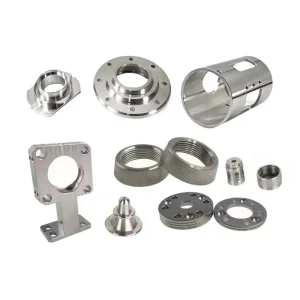
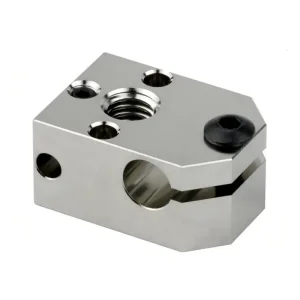
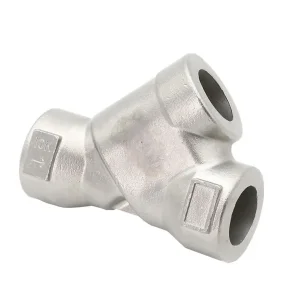
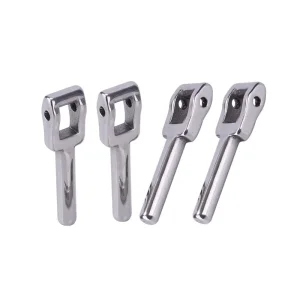
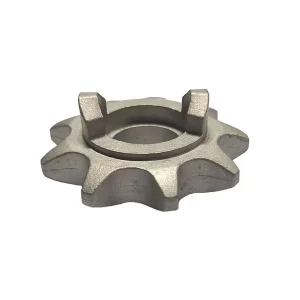
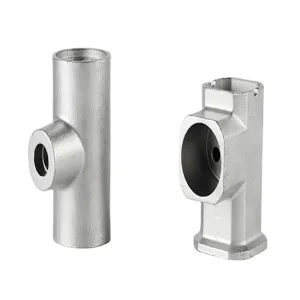
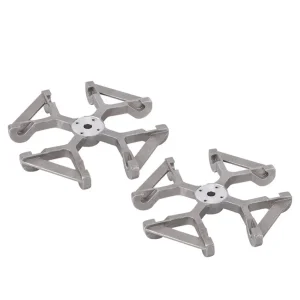
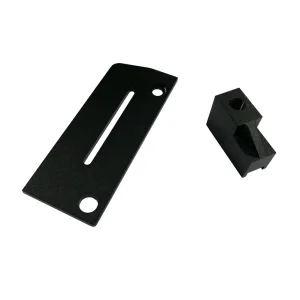
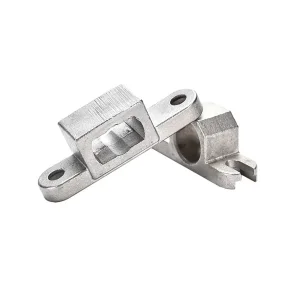
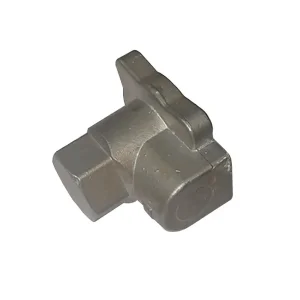
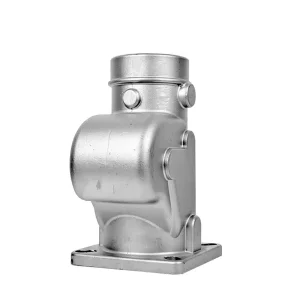
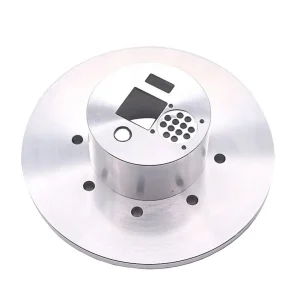
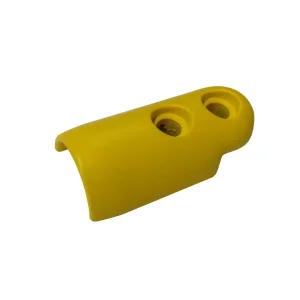
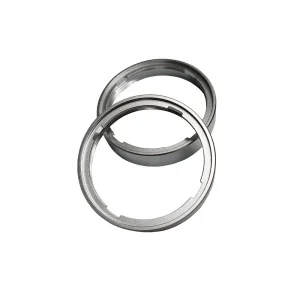
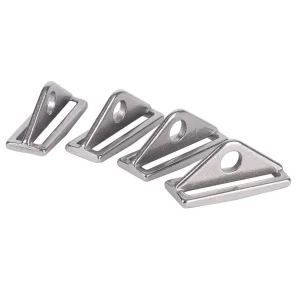
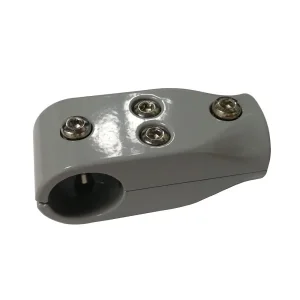
Engineered to withstand heavy corrosion, mechanical fatigue, and high pressure in subsea applications.
The global marine industry operates in one of the most hostile environments on Earth. High salinity, continuous hydrostatic pressures, fluctuating temperatures, and dynamic wave forces expose mechanical structures to unrelenting wear and electrochemical degradation. Achieving structural integrity in these conditions demands advanced materials processing techniques. Marine casting has transformed from generic sand casting towards specialized investment casting (lost-wax method) using superior metallurgical compositions.
Key metallurgical formulations, such as super duplex stainless steels (e.g., 2205 and 2507) and nickel-aluminum bronze alloys, are critical to ensuring the longevity of subsea systems. These alloys exhibit excellent resistance against pitting, crevice corrosion, and cavitation damage. They are widely utilized in thruster systems, pump components, and subsea pipelines where failure can lead to catastrophic environmental consequences.
"By tailoring the microstructural phase ratio of ferrite to austenite, modern investment casting facilities can achieve tensile strengths exceeding 750 MPa, combined with exceptional corrosion fatigue limit limits in seawater."
Precise thermal control during melting and pouring stages eliminates micro-segregation, leading to consistent mechanical performance across the entire geometry of complex cast components.
By monitoring the Pitting Resistance Equivalent Number (PREN) through optical emission spectrometry (OES), we guarantee casting surfaces remain resilient under continuous exposure to marine bio-fouling.
Dongguan SX Technology Co.,Ltd has very rich experience in precision casting, CNC machining and assembly. Our products are used in machinery, automobiles, marine, ships, equipment, valves and pumps, electronic appliances, packaging, watches, construction, chemical industry and other industries. The most commonly used materials for investment casting are stainless steel and carbon steel. And the most commonly used materials for CNC machining include titanium alloy, stainless steel, carbon steel, aluminum alloy, copper alloy, cemented carbide, etc.
We have advanced manufacturing equipment and technology and are able to respond quickly to your needs. Located in the heart of China’s high-tech manufacturing corridor, Dongguan SX Technology bridges the gap between foundry expertise and precise engineering tolerances, producing structural components that satisfy the strict requirements of international classification societies.
Global procurement teams prioritize quality assurance, raw material traceabilty, and regulatory compliance.
We provide full chemical and mechanical certification for all castings. Raw materials are cataloged by heat number to secure long-term transparency and compliance with EN 10204 3.1 certification schemes.
Non-Destructive Testing (NDT)—including liquid penetrant testing (LPI), ultrasonic testing (UT), radiographic inspections (RT), and magnetic particle testing (MPI)—ensures internal structural integrity before shipment.
We integrate CNC machining, heat treatment, and precision investment casting on-site, cutting manufacturing lead times by 30% and eliminating cross-site logistics risks.
| Material Family | Common Standard Specifications | Key Marine Property | Typical Applications |
|---|---|---|---|
| Austenitic Stainless Steel | ASTM A351 CF8M / CF3M | Excellent pitting resistance | Ballast water valves, deck fittings, marine sensors |
| Duplex Stainless Steel | ASTM A890 Grade 4A / 5A | Superb yield strength, erosion resistance | Impellers, cargo pumps, subsea manifolds |
| Carbon Steel | ASTM A216 WCB / LCC | High toughness at low temperatures | Structural marine brackets, structural winch parts |
| Titanium Alloys | Ti-6Al-4V (Grade 5) | Optimal strength-to-weight, anti-corrosion | Deep-sea research equipment, naval weapons systems |
SX Technology deploys Factory 4.0 standards. Advanced manufacturing relies on automation to reduce variance. By employing robot-assisted slurry coating systems and environmental controls in the wax pattern department, we minimize deviations in shell thickness, stabilizing dimensional outcomes for larger casting batches.
Our machining division operates multi-axis CNC mills and turn-mill centers. This close integration allows castings to move quickly to high-precision machining steps, maintaining geometric dimensions to within micron tolerances in a single setup.
Combining casting with precision machining helps prevent common issues with outsourced processing. It also allows us to run dynamic quality loops where machining feedback is used to optimize casting geometry in real-time.
Our programmable induction furnaces manage metal temperature to within ±5°C, reducing gas absorption and oxide inclusions for cleaner, sounder castings.
Equipped with modern CNC turn-mill setups, we process challenging marine materials like titanium and nickel-aluminum bronze to precise tolerances.
Located near global shipping hubs in Shenzhen and Guangzhou, we ensure fast shipping options, dependable material sourcing, and efficient export handling.
Take an inside look at our manufacturing capability, from precision wax injection to advanced multi-axis CNC machining.
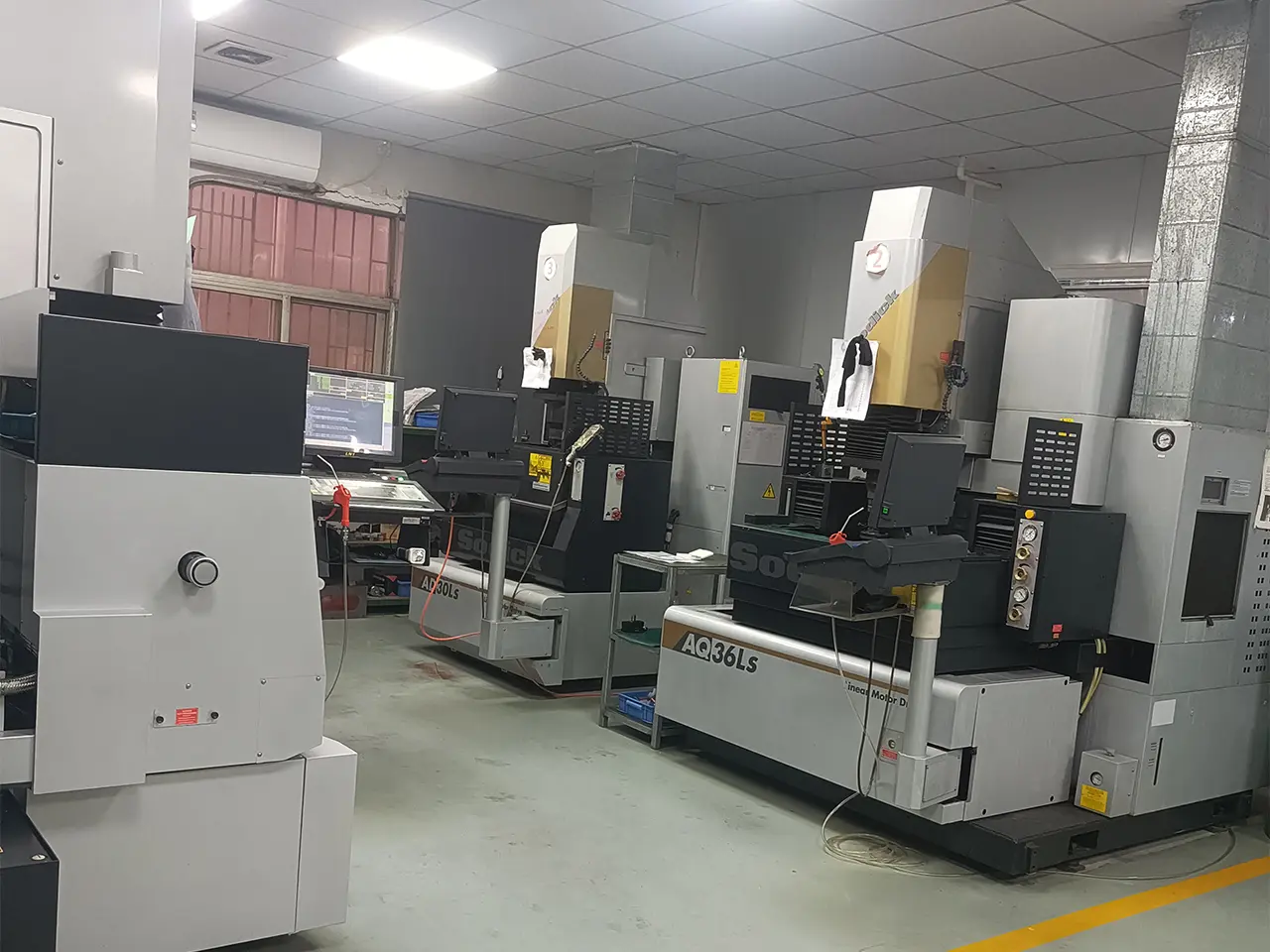
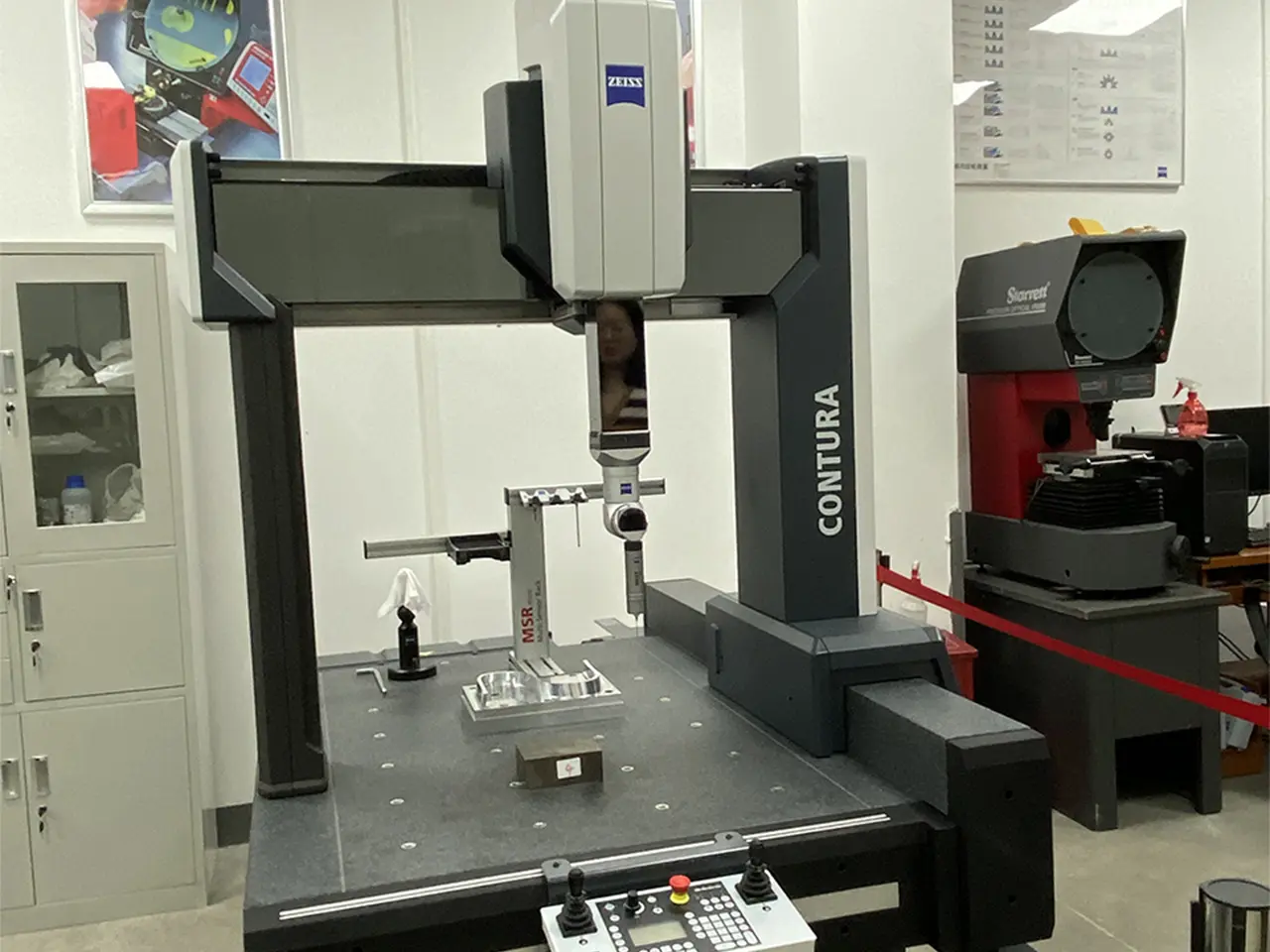
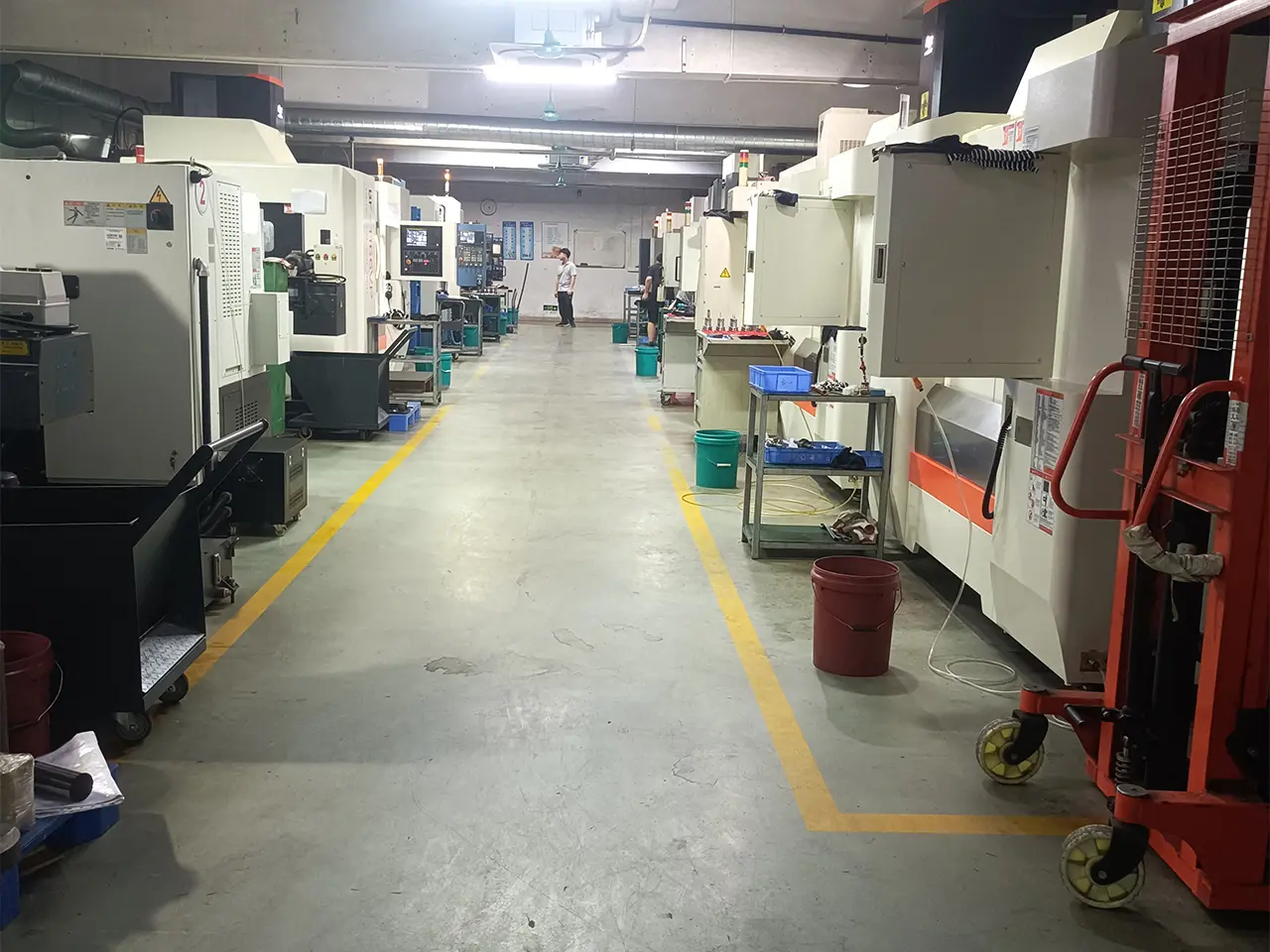
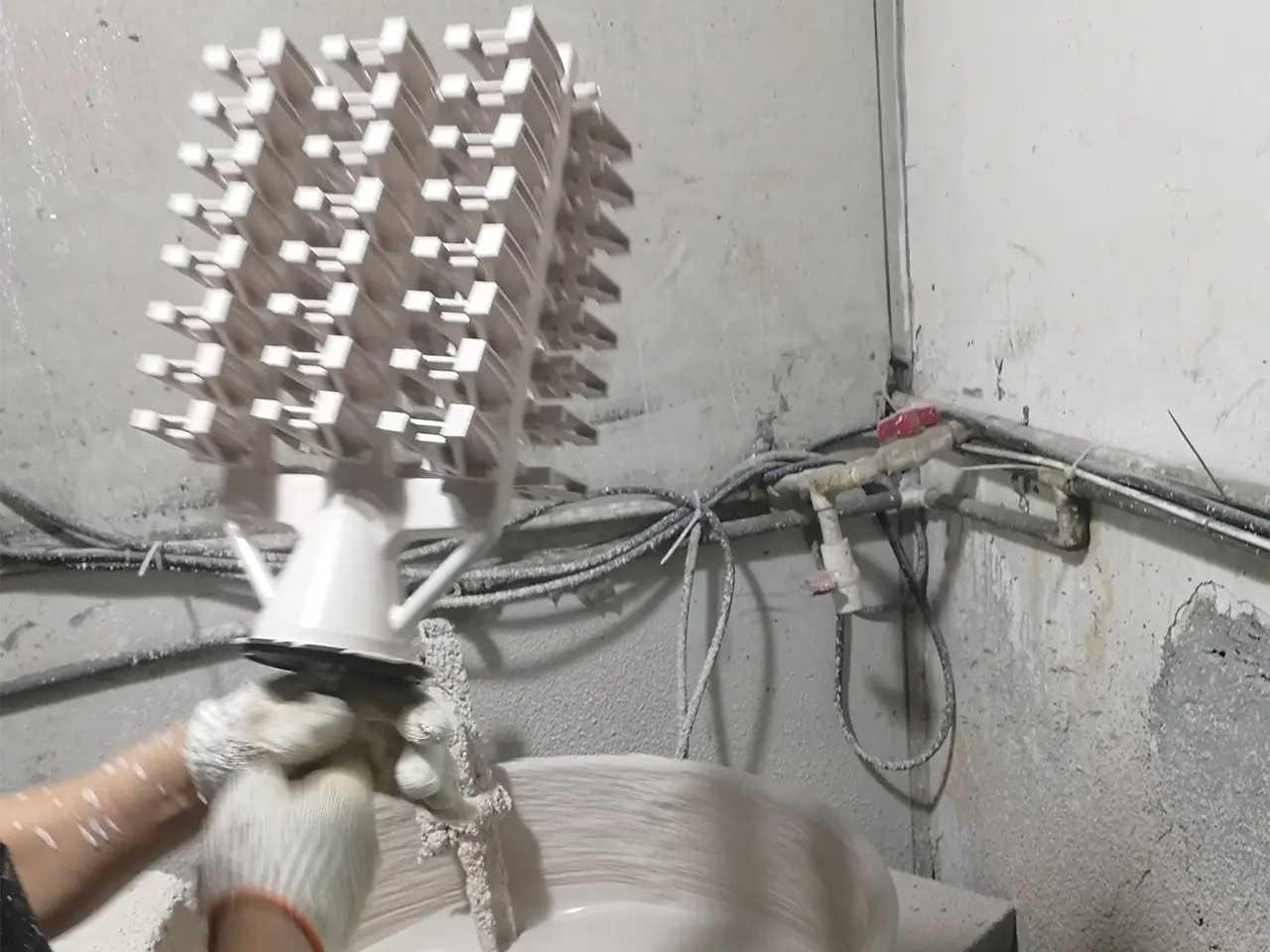
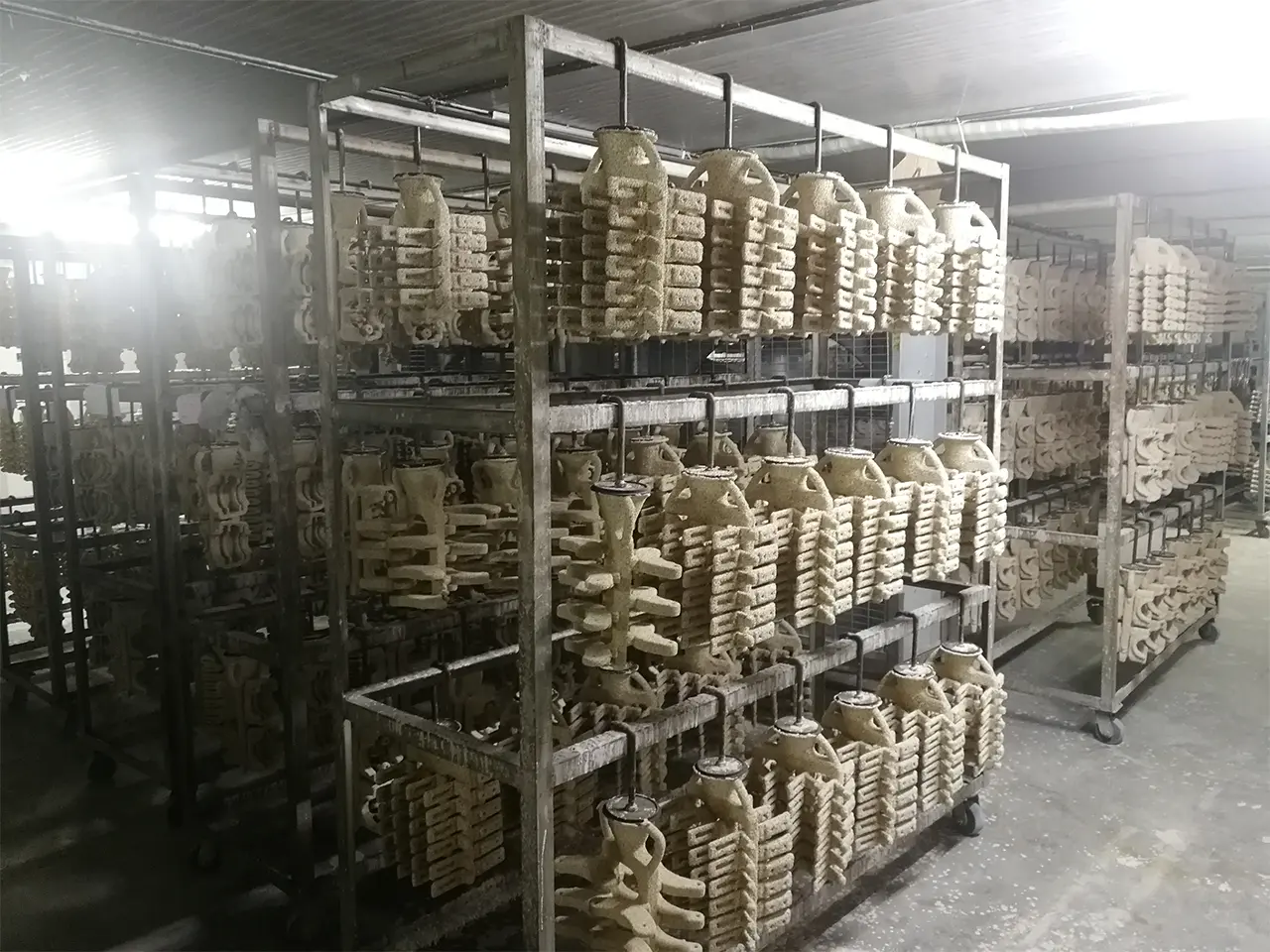
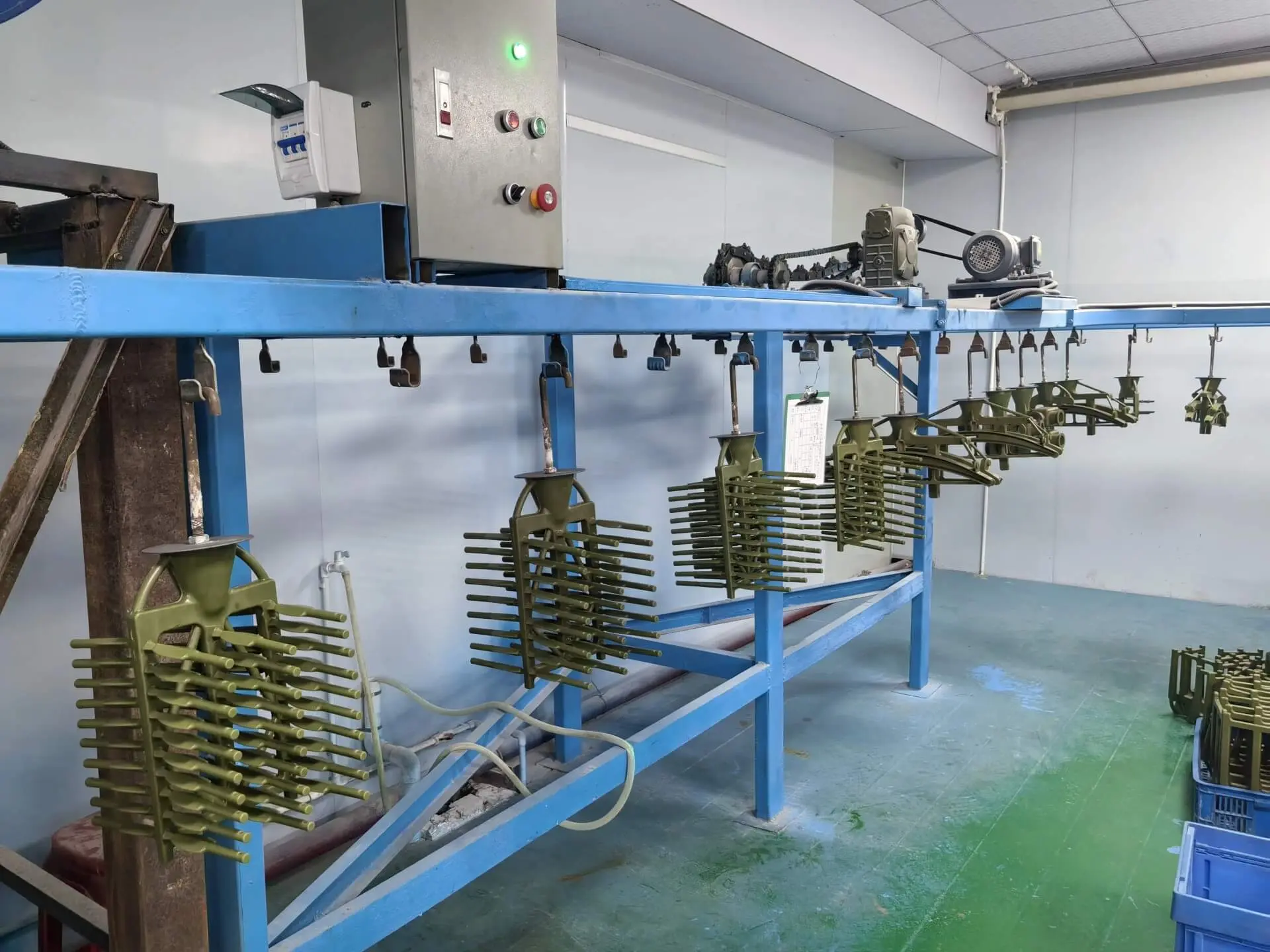
We have professional testing equipment and professional QC personnel, and we adhere to strict tolerances and quality standards for the products we produce. Due to our insistence on strict quality requirements, we have been praised by many customers.
Quality is the cornerstone of the manufacturing industry. We firmly believe that only by controlling quality well can we survive, develop, and get better and better. Therefore, we have been working in this industry unremittingly since 2014 and continue to Improve the company's team and improve the company's production capacity.
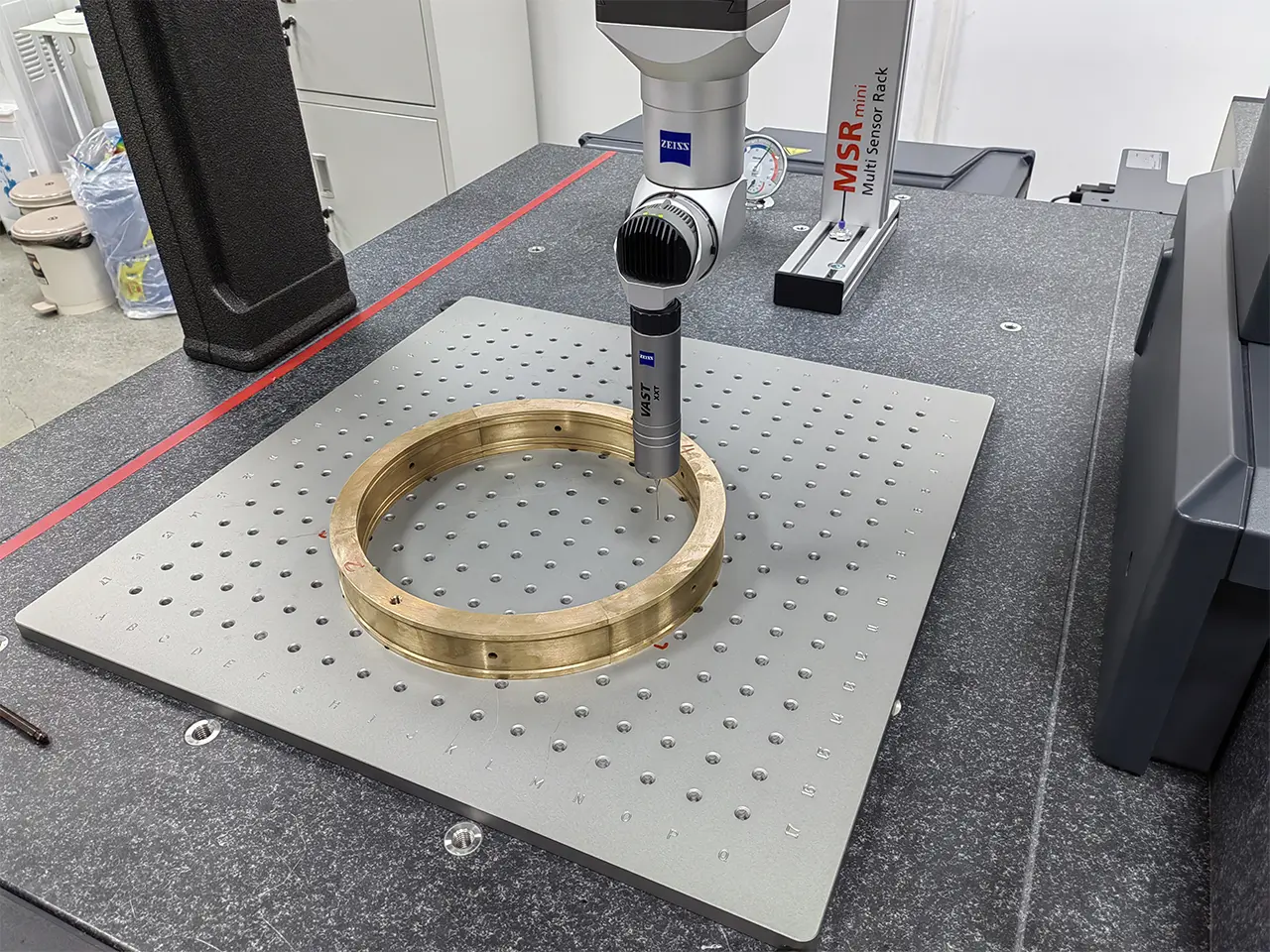
Our castings are deployed across diverse offshore sectors, demonstrating strength and corrosion resistance.
Subsea manifolds, connector hubs, and riser brackets must endure extreme pressures. Our duplex stainless steel castings are designed to withstand deepwater installations for decades.
Propeller blades, strut supports, and rudder components face continuous cavitation forces. We balance copper-nickel and bronze alloys to optimize mechanical strength and corrosion protection.
Corrosive ballast water and saline solutions wear down valves and pump casings. We manufacture thin-walled, pressure-tight cast housings that minimize localized pitting in marine systems.
Technical guidance and material queries regarding marine precision casting and CNC machining services.
Engineered to withstand heavy corrosion, mechanical fatigue, and high pressure in subsea applications.
 SX Machining