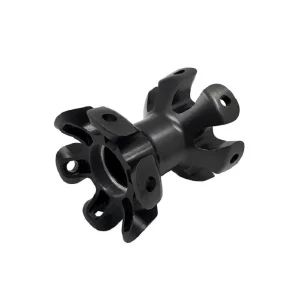
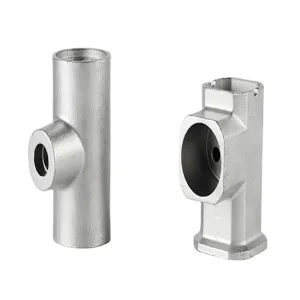
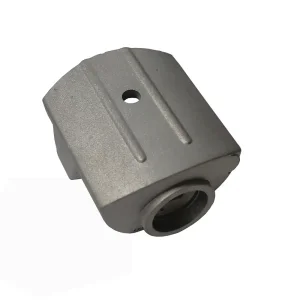
In the contemporary manufacturing paradigm, structural efficiency and weight optimization have transcended simple material selection to become absolute structural requirements. OEM aluminium castings reside at the core of this transition, providing the vital foundation for high-performance applications.
Driven by aggressive global decarbonization regulations and the relentless acceleration of electrified transportation, industries are replacing legacy cast iron and heavy steel components with lightweight, high-strength aluminum alloys. The physical characteristics of aluminum—including its exceptional strength-to-weight ratio, excellent thermal conductivity, natural corrosion resistance, and total recyclability—position it as the premier substrate for next-generation industrial development.
Globally, the demand for precision OEM aluminium castings spans critical supply chains, including aerospace structures, high-voltage electrical grids, complex marine hardware, and high-performance automotive drivetrains. From structural chassis parts in electric vehicles (EVs) to hermetically sealed valve housings in chemical processing facilities, aluminum castings provide the necessary dimensional stability and physical performance required to operate under extreme environmental stress.
Optimizing aluminum castings requires a comprehensive understanding of specific alloy chemistry. The integration of silicon (Si) improves fluidity during casting and reduces shrinkage, while magnesium (Mg) provides solid-solution strengthening and enhances resistance to environmental corrosion. For structural integrity, alloys such as A356, A380, and AlSi10Mg are refined through thermal processes (such as T5 or T6 tempering) to modify the microcrystalline matrix, achieving optimal yields and tensile strengths.
Integrating advanced casting technologies with secondary high-precision CNC finishing processes guarantees components that satisfy the most demanding tolerances and specifications.
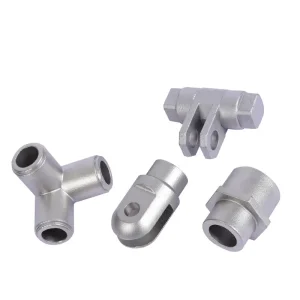
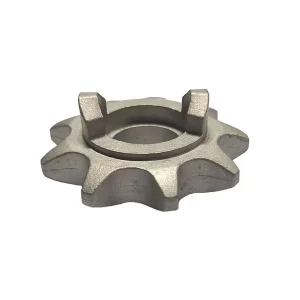
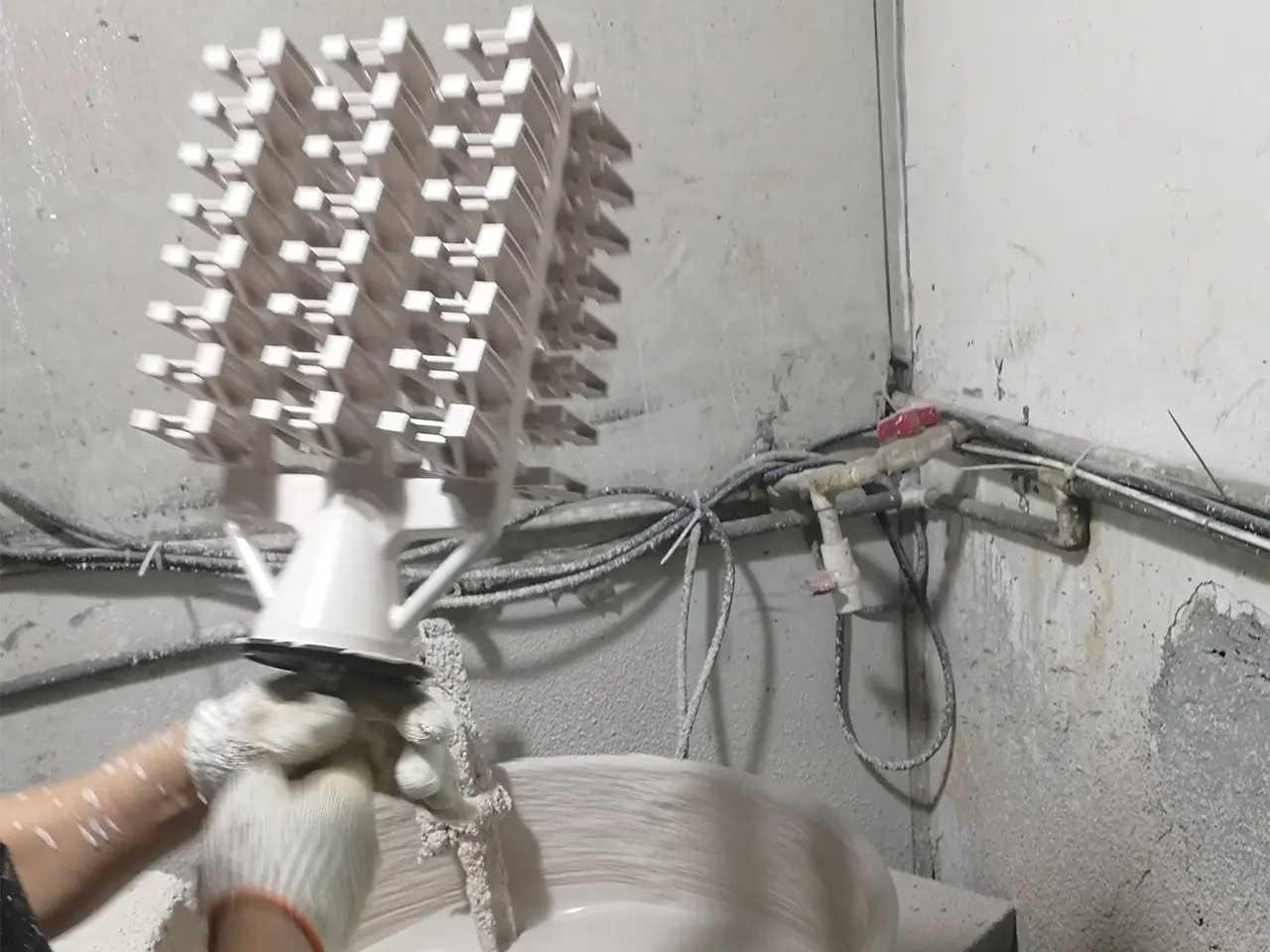
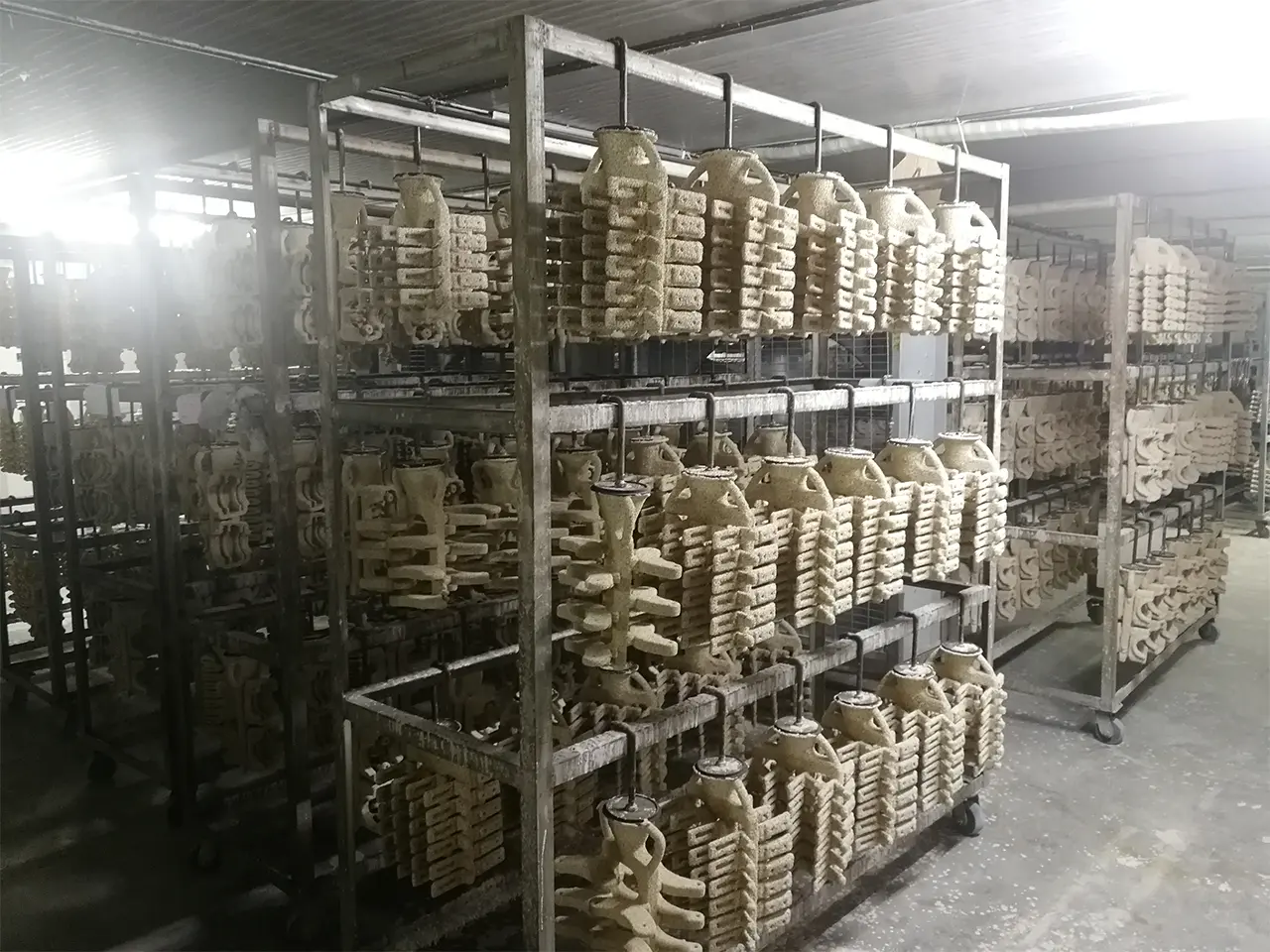
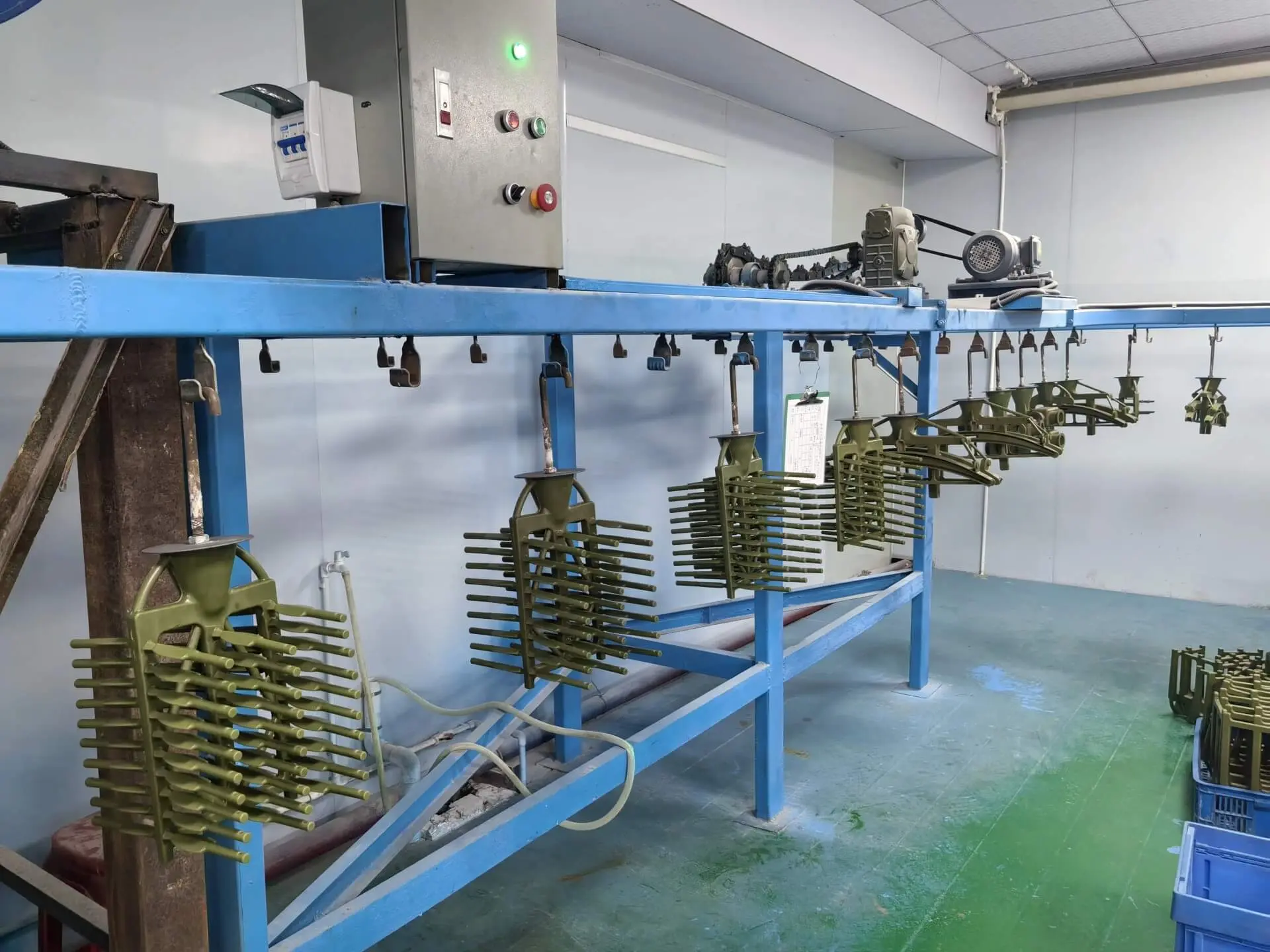
Leveraging the traditional lost-wax process combined with modern robotic ceramic shell construction. This method is ideal for complex geometries, thin walls, and fine surface details, minimizing the need for extensive secondary machining operations.
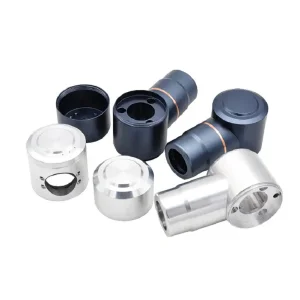
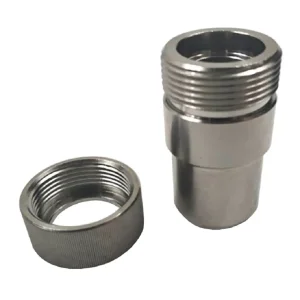
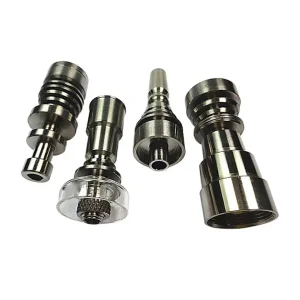
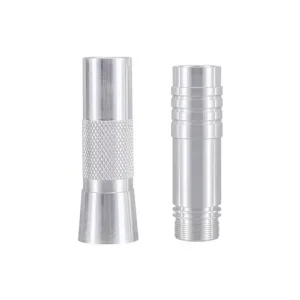
Utilizing advanced 3-axis, 4-axis, and high-speed 5-axis CNC machining centers to perform critical finishing operations on raw castings, maintaining tolerances down to ±0.005mm on critical mounting interfaces and press fits.
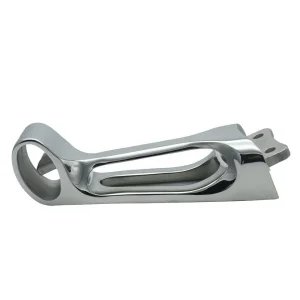
Providing specialized finishes including Type II & III anodizing, chemical conversion coatings, thermal powder coatings, bead blasting, and electro-polishing. These treatments improve aesthetic characteristics, wear resistance, and corrosion protection.
Dongguan, located in the heart of China’s Pearl River Delta, has evolved into the world's most dense cluster for precision engineering and advanced manufacturing.
Dongguan SX Technology Co.,Ltd utilizes this industrial ecosystem to provide competitive advantages for global procurement departments. The company specializes in precision investment casting, high-precision CNC machining, and complex component assembly. This localized supply chain model integrates key production steps—from raw aluminum alloy sourcing and tooling design to heat treatment and logistics—into a highly efficient, single-region workflow.
"By centering our production in Dongguan, we minimize material transport latency, optimize tooling iterations, and pass significant time and cost savings directly to our global OEM partners."
Our facility processes a broad array of advanced industrial metals. For investment casting, our primary materials include various grades of stainless steel and carbon steel. In our high-precision CNC machining department, our capabilities expand to titanium alloys, stainless steel, carbon steel, aluminum alloys, copper alloys, and cemented carbides. This wide-ranging material expertise allows us to serve diverse industries including automotive engineering, defense, marine hardware, medical instrumentation, industrial valves, pumps, and high-end electronics.
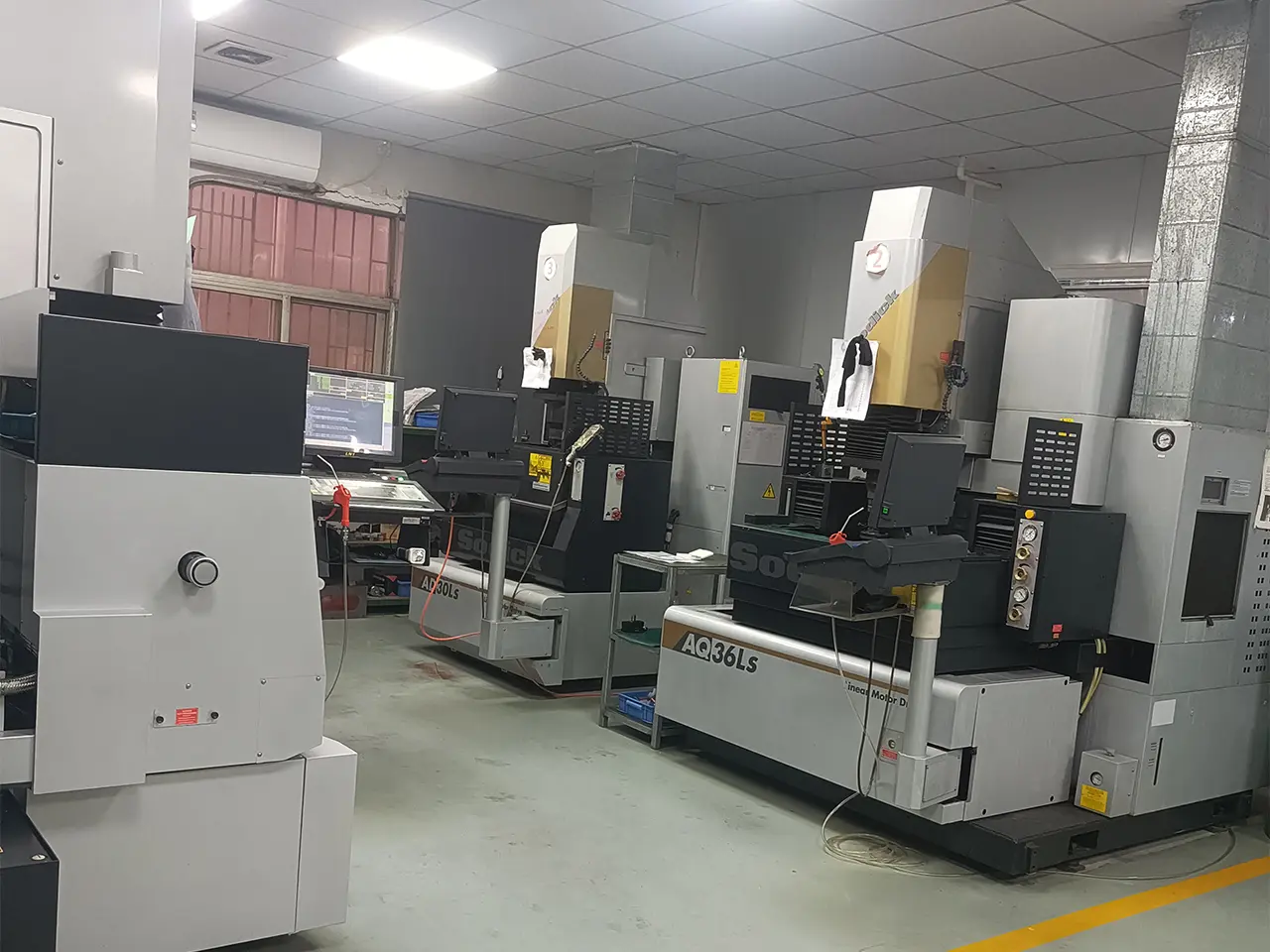
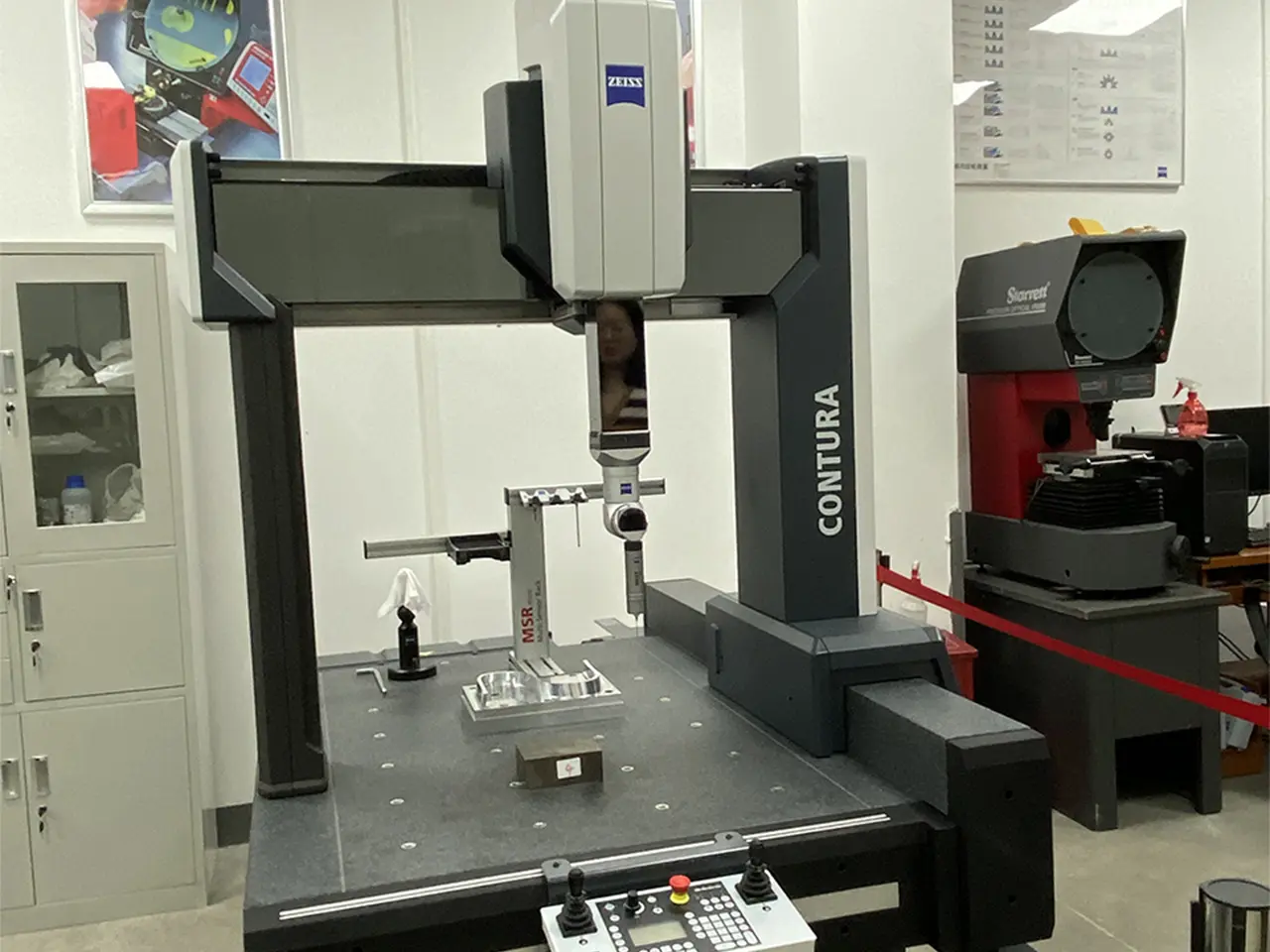
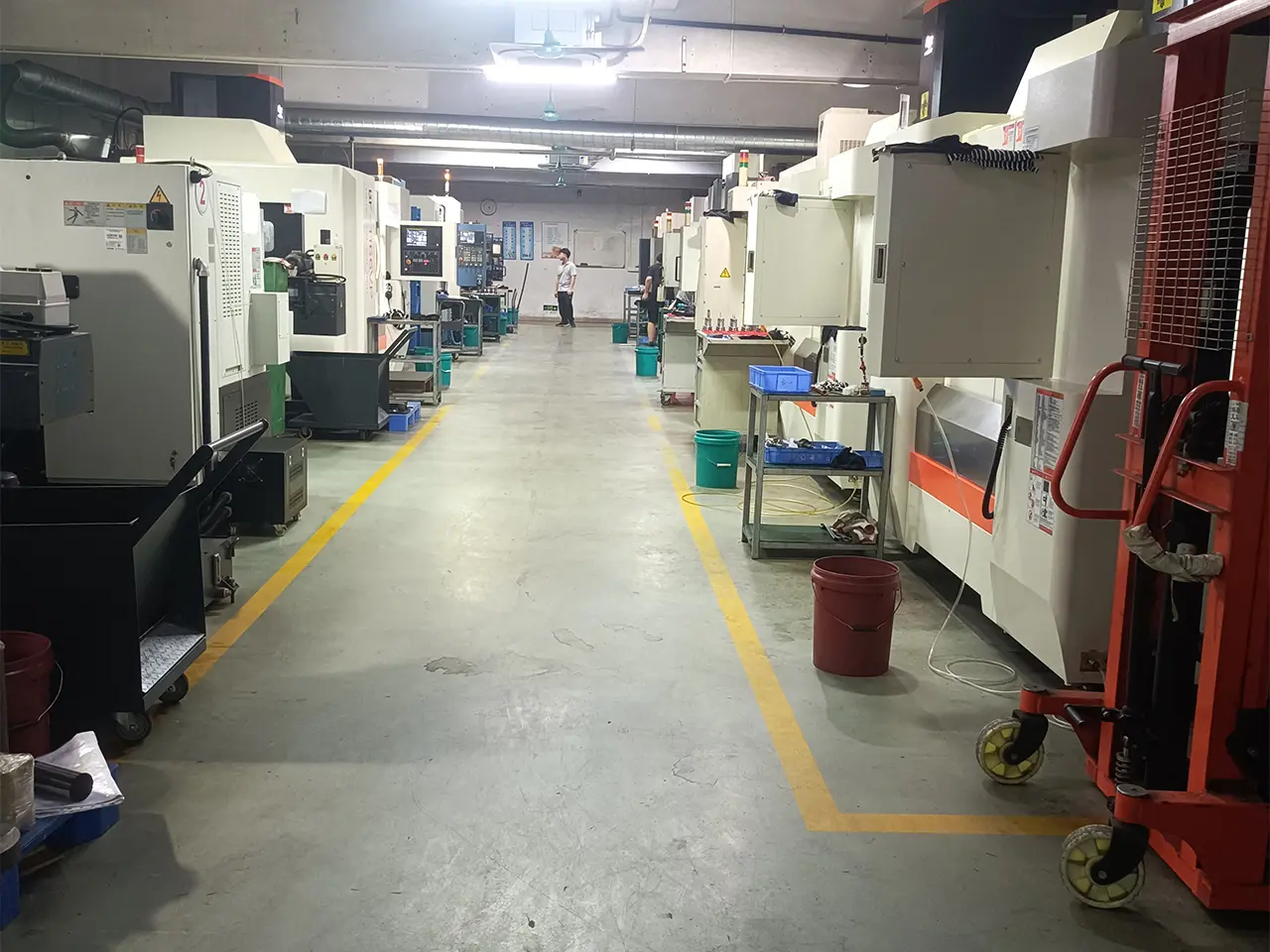
Quality is the foundational element of long-term manufacturing partnerships. Dongguan SX Technology Co.,Ltd has maintained a continuous dedication to strict tolerances and quality control protocols since 2014.
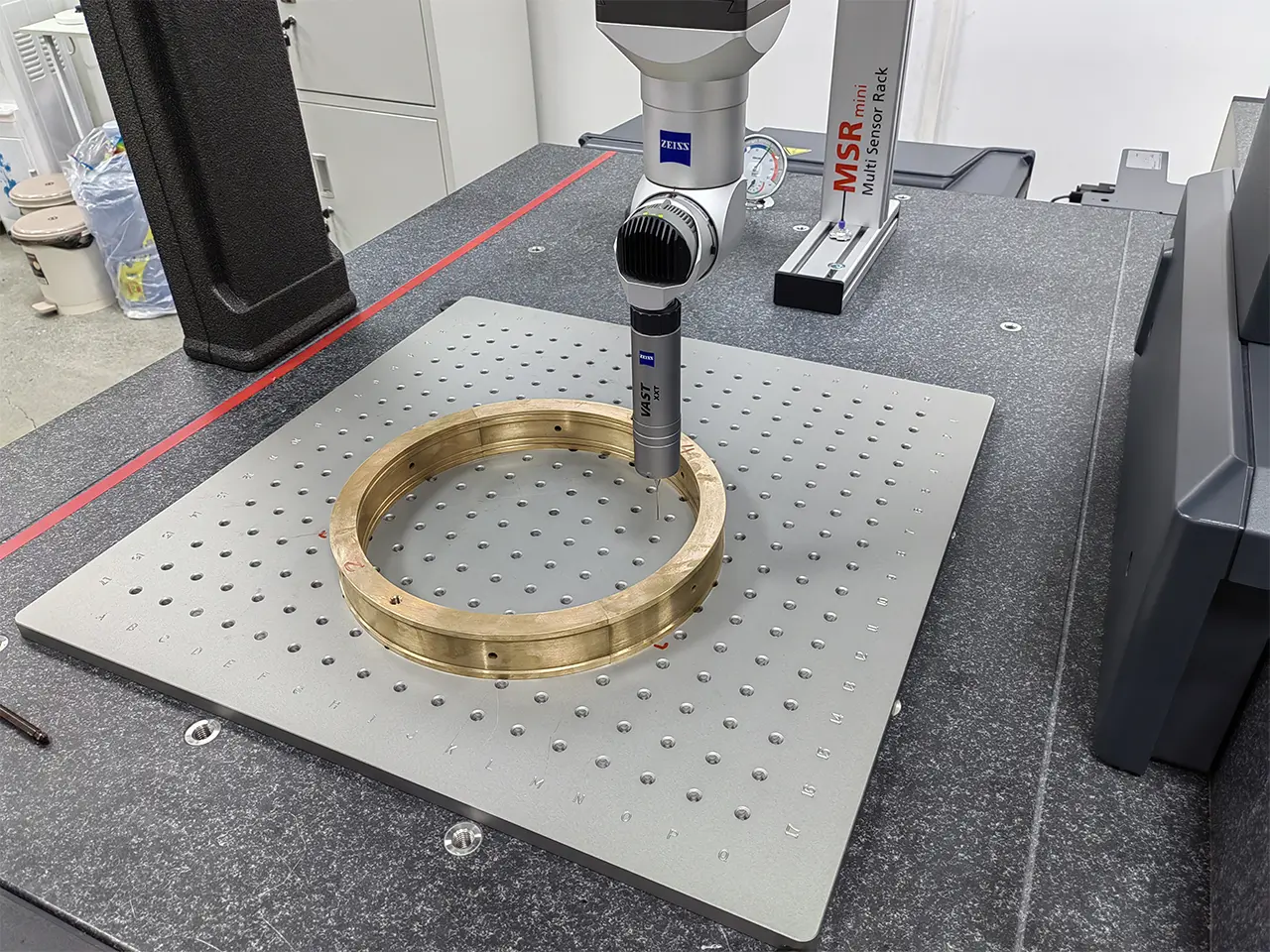
We execute multi-stage quality assurance checks throughout the manufacturing process. From raw material melt-batch testing and real-time tooling alignment to final structural testing, our quality control inspectors verify that every piece meets the required engineering tolerances. Our climate-controlled inspection rooms are equipped with advanced metrology systems, including:
This approach to quality management helps prevent component failure in high-stress field conditions, providing reliable performance in demanding applications.
OEM aluminium castings serve as essential structural elements across multiple modern engineering sectors, each with unique performance requirements.
Focusing on structural weight reduction. Castings are utilized for motor housings, power electronics enclosures, chassis subframes, and suspension components, directly extending the range and performance of electric vehicles.
Components engineered from corrosion-resistant silicon-aluminum and magnesium-aluminum alloys. These castings withstand exposure to high-salinity marine environments and chemical processing systems.
High-integrity valve bodies, pump impellers, and actuator manifolds. These components require low porosity and precise internal channels to withstand continuous hydraulic pressures without leakage.
The casting industry is integrating advanced digital technologies to optimize production performance. Key developments include:
 SX Machining