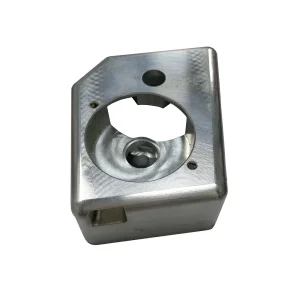
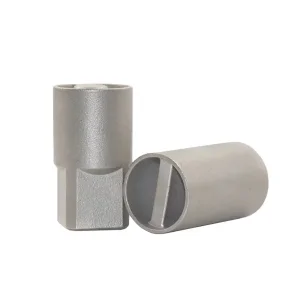
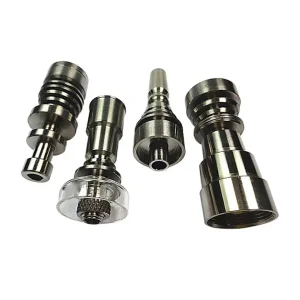
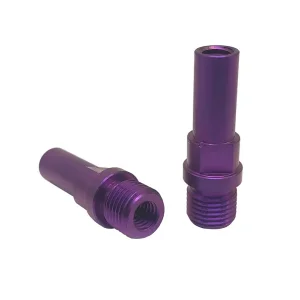
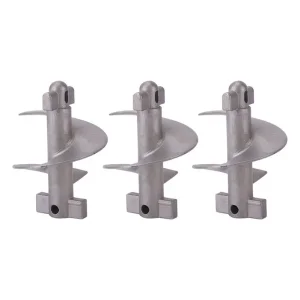
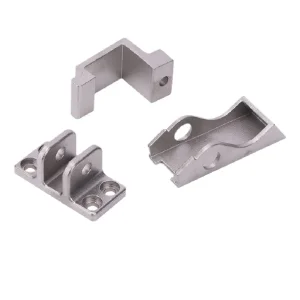
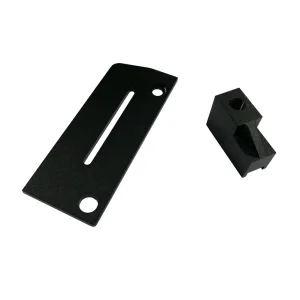
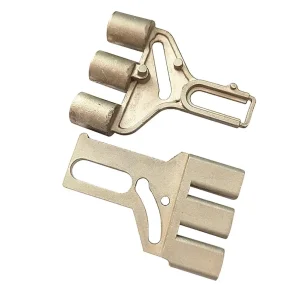
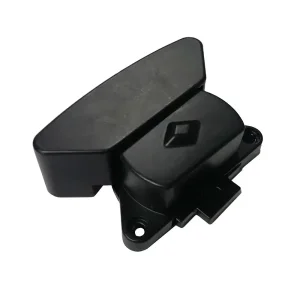
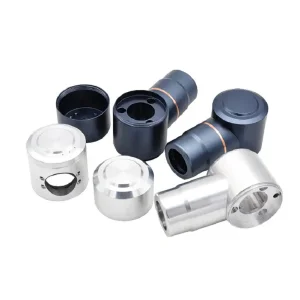
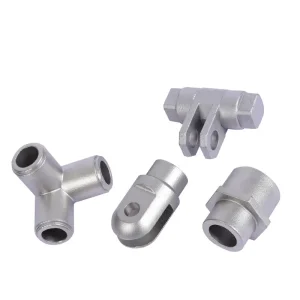
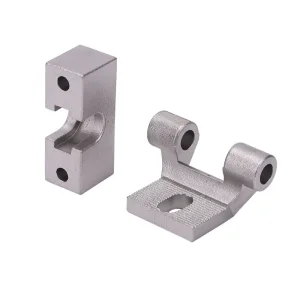
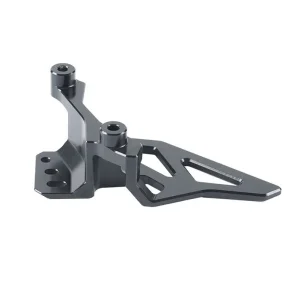
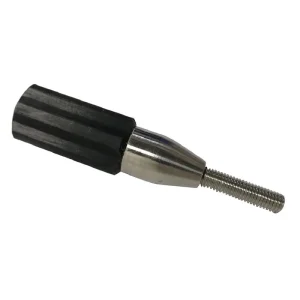
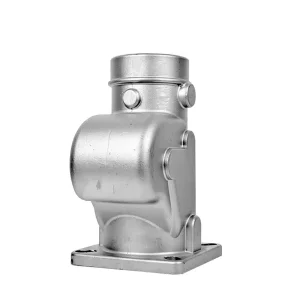
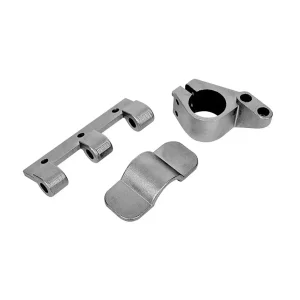
Dongguan SX Technology Co.,Ltd has built a reputation for industry-leading expertise in precision investment casting, high-precision CNC machining, and comprehensive assembly systems. Operating out of the world’s manufacturing hub in Dongguan, we support the rigorous demands of critical industries including aerospace components, defense sub-assemblies, automotive engine systems, marine valves, pumps, high-integrity medical hardware, and complex electronic instrumentation.
Our raw material engineering capability covers an expansive list of high-grade metals. For advanced investment casting processes, we mainly utilize high-performance stainless steel and carbon steel. In high-speed precision CNC Swiss and multi-axis milling processes, we work with titanium alloys (Grades 2, 5, 23), aerospace-grade aluminum alloys, copper and bronze alloys, and cemented carbides to ensure structural reliability in the harshest environments.
Understanding the strict compliance, engineering, and logistical requirements of international procurement offices.
Modern micro-electronics and medical implants demand components with dimensional tolerances of ±0.002 mm (2 microns). Our high-end Swiss sliding headstock lathes guarantee consistent precision across production volumes from prototype runs to millions of parts.
For aerospace and marine industries, micro-fissures or material contamination lead to cataclysmic failures. We offer full material traceability (Mill Test Certificates) and execute non-destructive testing (NDT) to verify microstructure stability.
Global procurement teams rely on Just-In-Time (JIT) delivery systems. We offer custom packaging solutions designed to protect delicate micro-threads and highly polished surfaces from corrosion or mechanical damage during shipping.
Deploying application-specific machining methodologies to address technical pain points in high-demand fields.
Utilizing inert titanium alloys (Ti-6Al-4V ELI) and implant-grade stainless steel to engineer orthopedic bone screws, surgical device components, and internal assemblies. We follow strict clean-handling protocols to prevent contamination.
Manufacturing ultra-lightweight, high-strength structural connectors, sensors, and avionics components. Utilizing multi-axis turning to generate thin-walled parts capable of withstanding extreme vibration and thermal cycles.
Protecting high-seas and chemical handling setups using corrosion-resistant superalloys and investment castings. Custom marine castings and turning products provide long lifetimes when exposed to saltwater and acid environments.
Delivering high-conductivity copper terminal pins, cooling plates, and sensor manifolds for EV drivetrains and power distribution grids, ensuring rapid thermal dissipation and robust connections.
Developing ultra-small gears, shafts, and micro-actuators using precise Swiss lathes, creating component shapes that standard mills cannot replicate with required surface finishes.
Creating robust valve seats, pump shafts, and impeller housings that operate continuously in extreme chemical processing environments, maintaining geometric precision under severe pressures.
A closer look at our machining equipment, metrology lab, and advanced manufacturing operations.
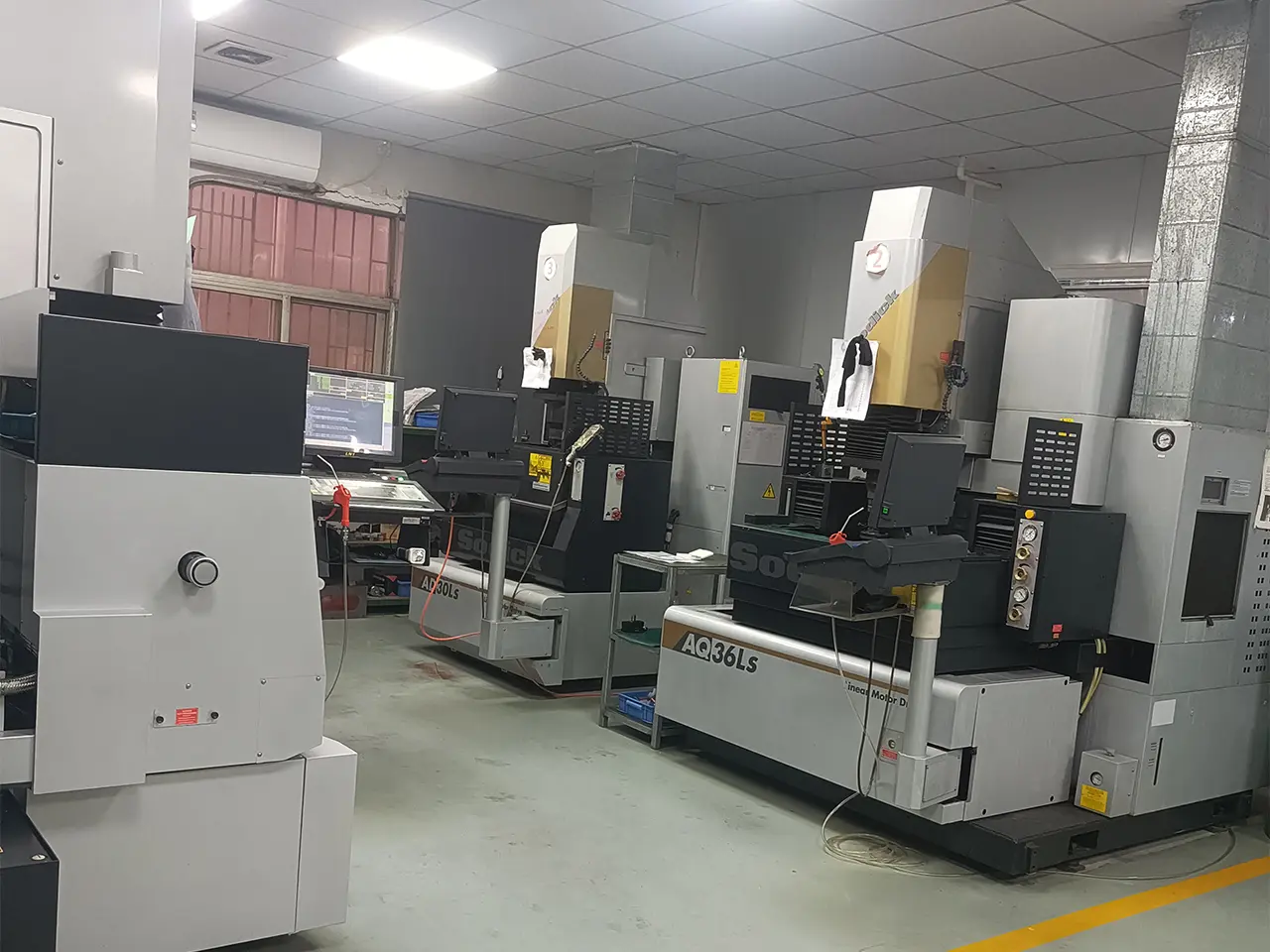
Dongguan SX Technology Co.,Ltd leverages advanced production setups to achieve micro-dimensional accuracy. By employing high-speed Swiss lathes with sliding headstock capabilities, the material is gripped and supported near the guide bushing during the entire machining path, which virtually eliminates structural deflection. This layout is key to producing high L/D (length-to-diameter) ratio shafts and thin-walled parts.
Our facility runs continuous maintenance protocols on all equipment to guarantee sub-micron repeatability. Each Swiss turn-mill station features simultaneous multi-axis toolpaths, live tooling, and sub-spindles, allowing us to perform milling, drilling, cross-tapping, and turning operations in a single operational cycle. This reduces part handling and eliminates tolerance stack-up errors.
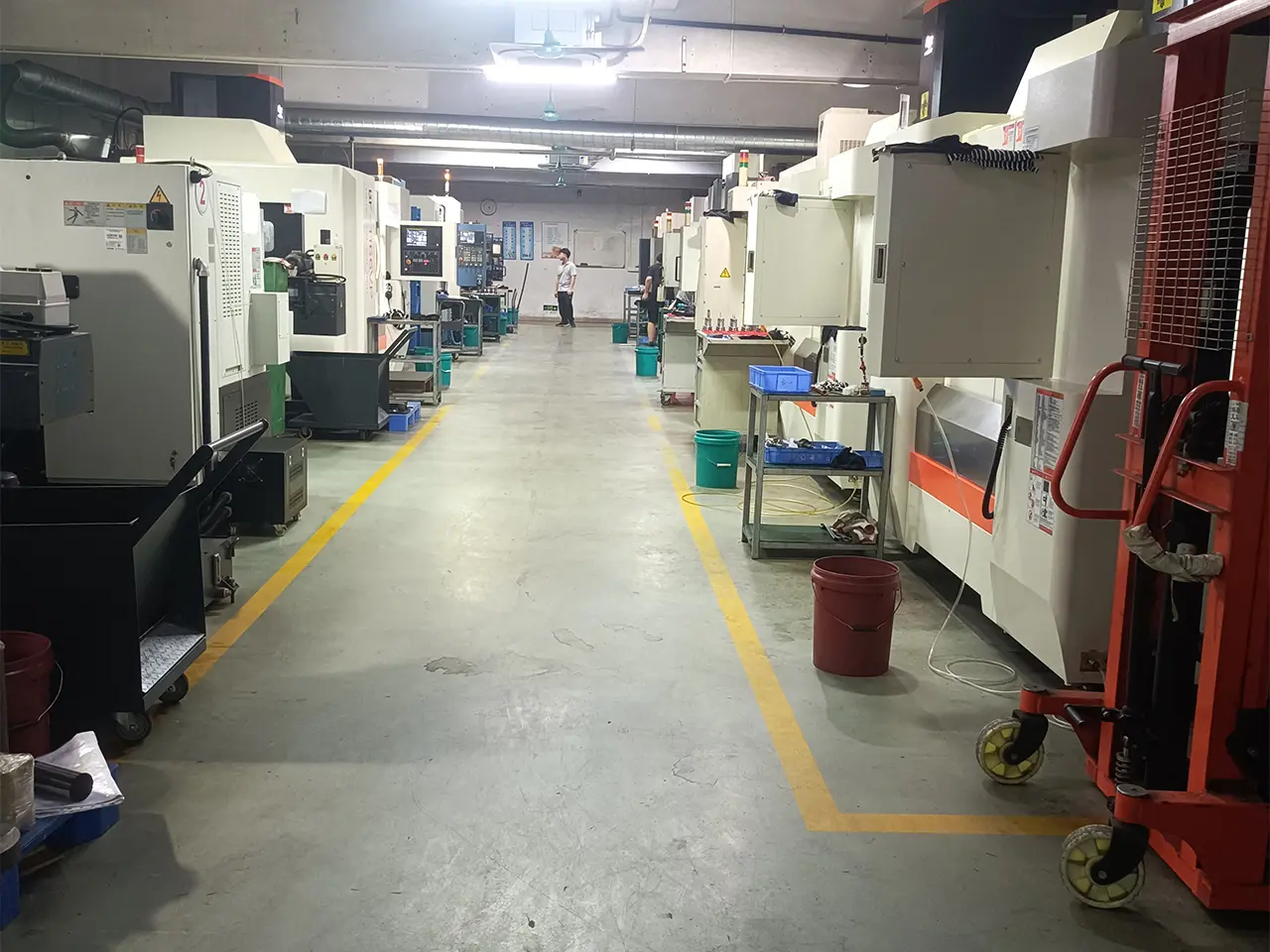
“Quality is the cornerstone of the manufacturing industry. We firmly believe that only by controlling quality well can we survive, develop, and get better and better. Therefore, we have been working in this industry unremittingly since 2014 and continue to improve the company's team and production capacity.”
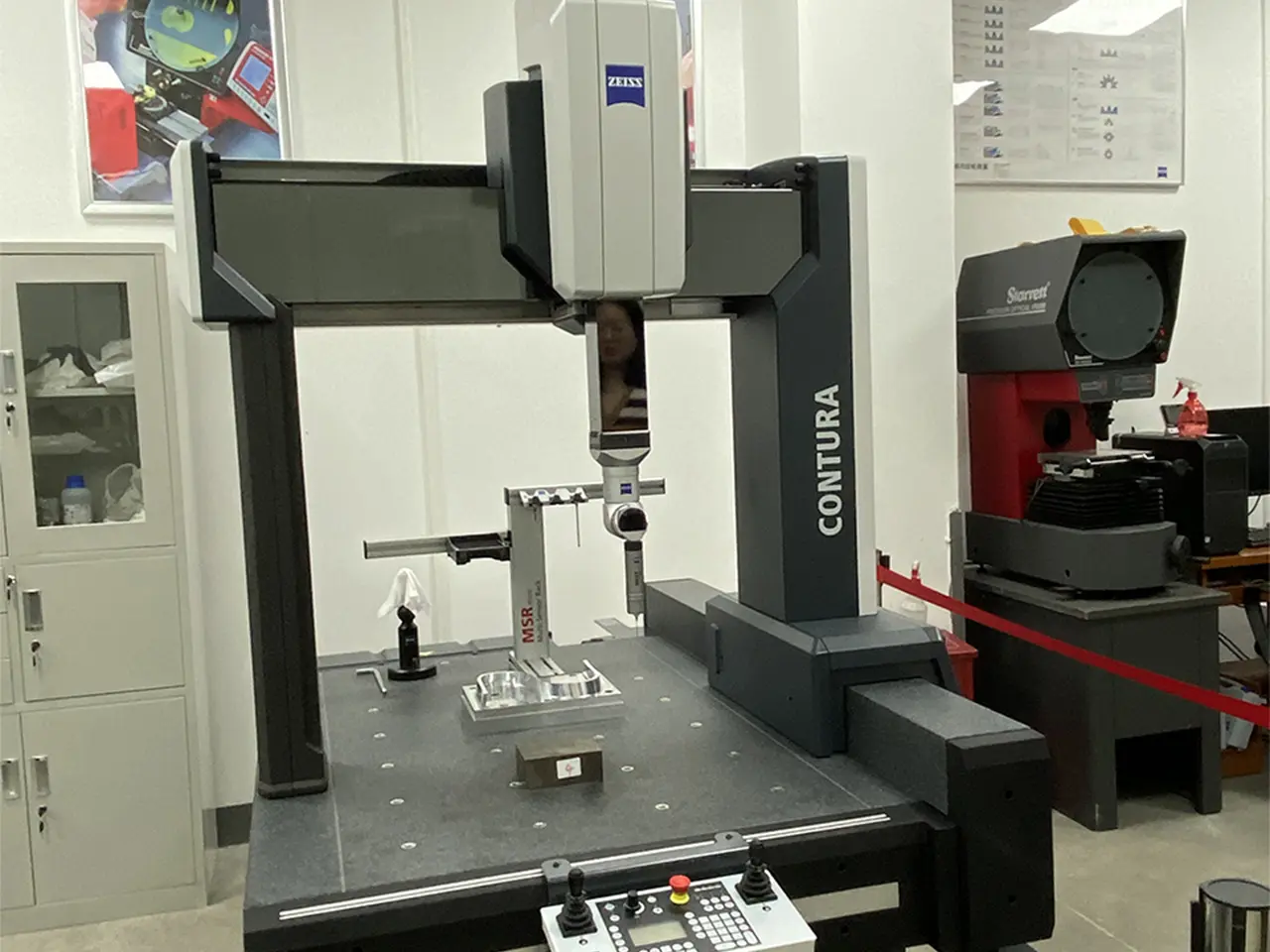
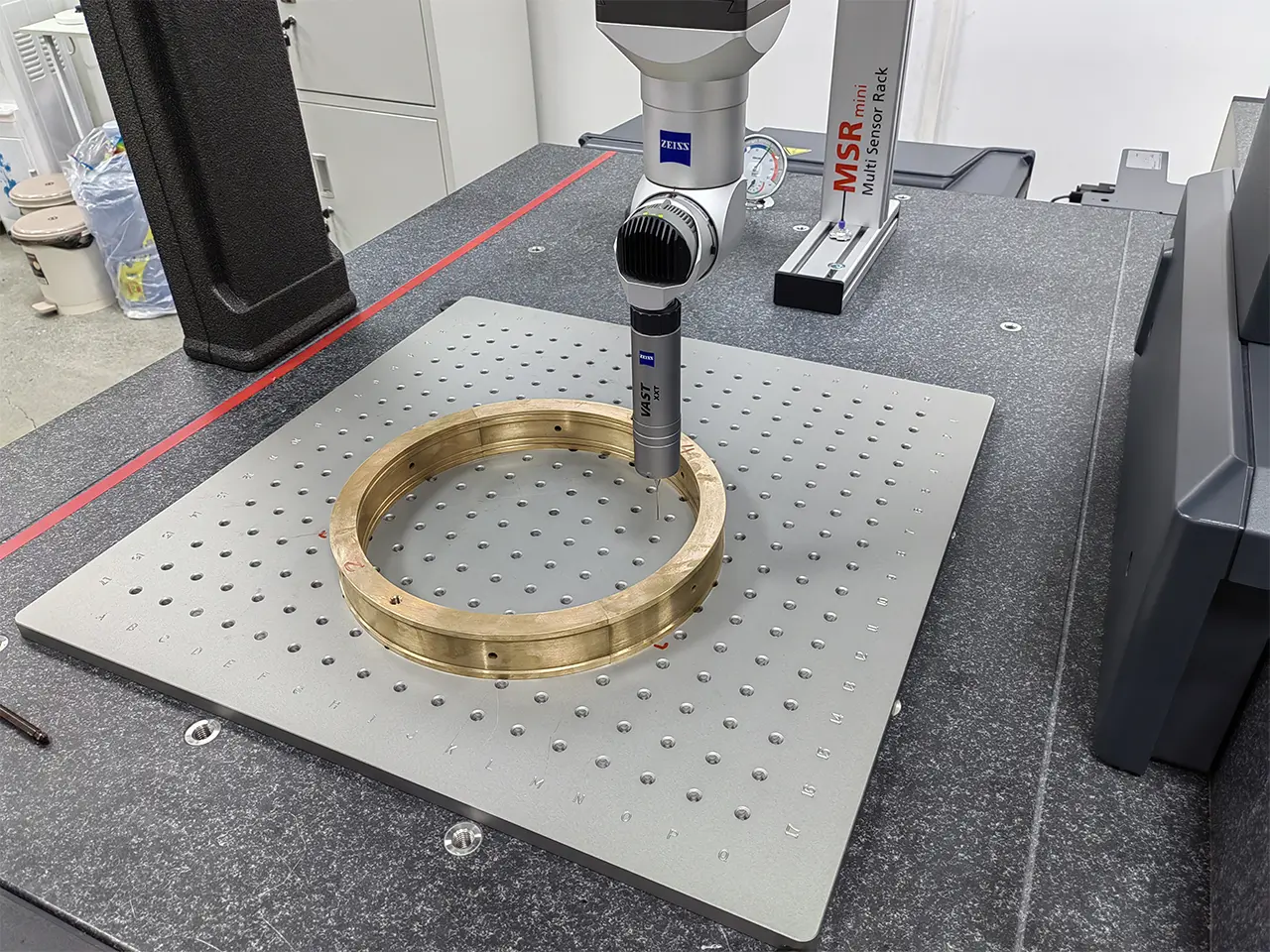
We deploy dedicated quality control personnel alongside automated measuring systems. Our testing equipment includes high-precision Coordinate Measuring Machines (CMM), optical comparators, laser micrometer systems, digital spectrometers for metallurgical verification, and surface profile instruments to measure roughness (Ra values down to 0.2 microns). All output undergoes strict first-article inspections (FAI) and in-process sampling checks to verify tolerances before shipping.
How we integrate automation and digital workflows to stay at the cutting edge of micro-manufacturing.
Integrating bar feeders, industrial robotic unloading arms, and real-time tool wear monitoring to run continuous overnight production. This minimizes labor overhead and increases manufacturing efficiency.
Using vibration sensors and thermal monitoring systems on machine spindles to detect bearing fatigue and axis displacement before it affects dimensional accuracy, ensuring highly stable operations.
Upgrading oil-mist collection, filtering, and coolant recycling systems. Choosing bio-degradable cutting oils to reduce chemical footprints and build sustainable supply chains for global OEMs.
Ensuring traceablity, compliance, and material safety across international boundaries.
We work with global supply chains to maintain complete visibility. From receiving raw metal stock to the final shipment, every batch is logged in our tracking systems. Material chemical compositions are verified via spectroscopic analysis, and mechanical tests are run on demand.
By combining Chinese manufacturing flexibility and raw material access with rigorous quality control, we deliver precision components at excellent price-to-performance ratios.
Whether you require low-volume custom titanium screws for bike modification or millions of micro-pins for automotive electronics, our team is equipped to support you.
Technical insights into design, material selection, and process optimization for Swiss machining and casting projects.
Traditional CNC lathes hold the workpiece at one or both ends, meaning long, slender parts can bend under tool pressure. Swiss-type CNC machines feed the bar stock through a guide bushing. The cutting tool operates directly next to the bushing's support point. Because the material does not deflect under force, Swiss machining maintains tight tolerances (up to ±0.002 mm) on very long, thin components.
We machine a wide variety of metals. Standard choices include titanium alloys (Grade 5/Ti-6Al-4V) for biocompatible medical implants and aerospace parts, stainless steel (303, 304, 316L) for corrosion resistance, and brass or copper alloys for high electrical conductivity. We also work with carbon steels, aluminum alloys, and specialized cemented carbides.
Prototype orders typically take 3 to 7 working days, depending on geometry and finishing needs. Medium to high-volume production orders range between 2 to 4 weeks. If specialized castings or tooling are required, we provide a complete engineering timeline after reviewing the 3D drawings (STEP, IGES, or DWG formats).
Every raw material batch we receive comes with a Mill Test Certificate (MTC) detailing its chemical composition and mechanical properties. We verify this raw stock internally using spectroscopic testers. All parts receive tracking serial numbers throughout the production process to ensure traceability back to the raw material melt batch.
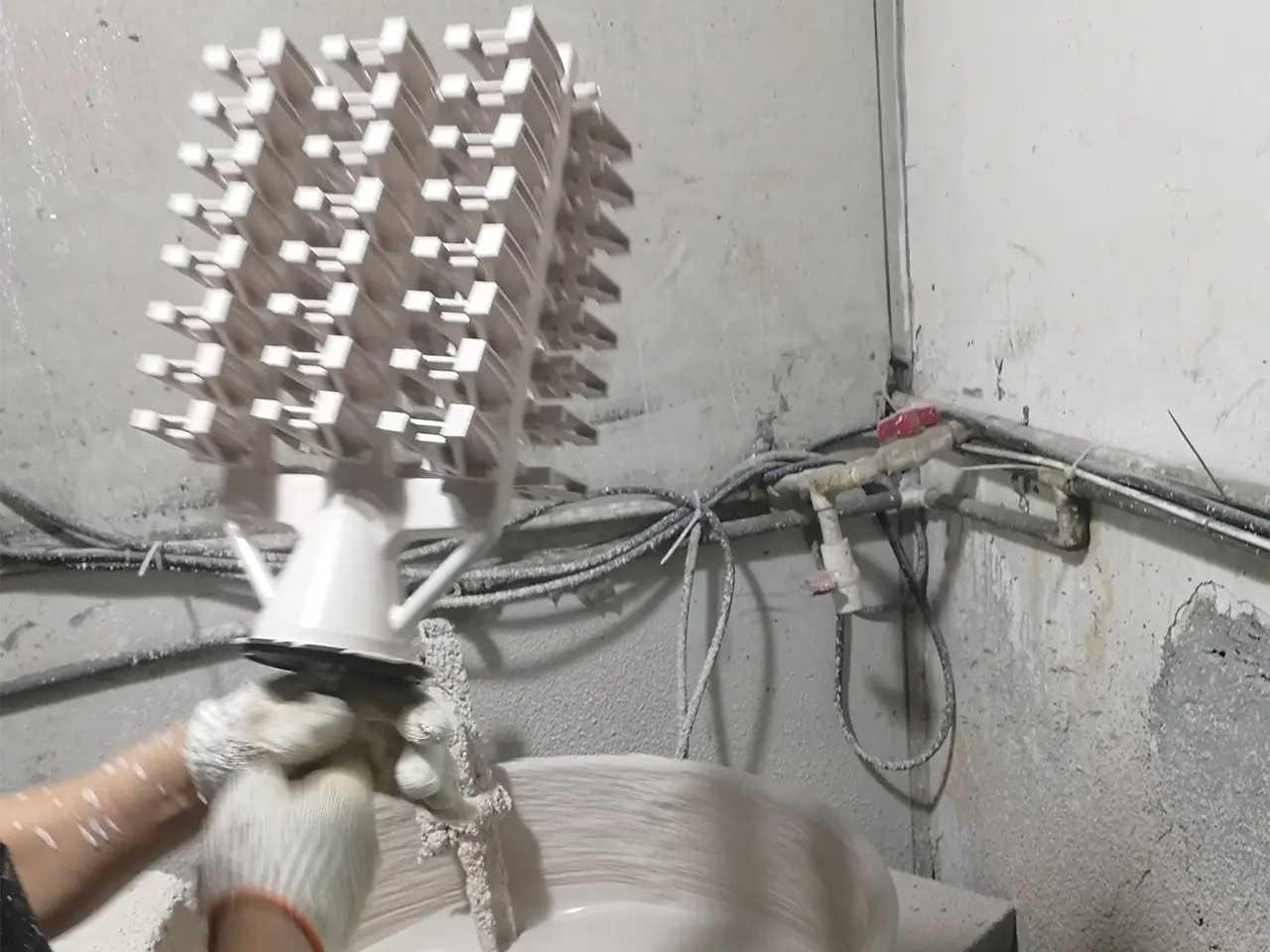
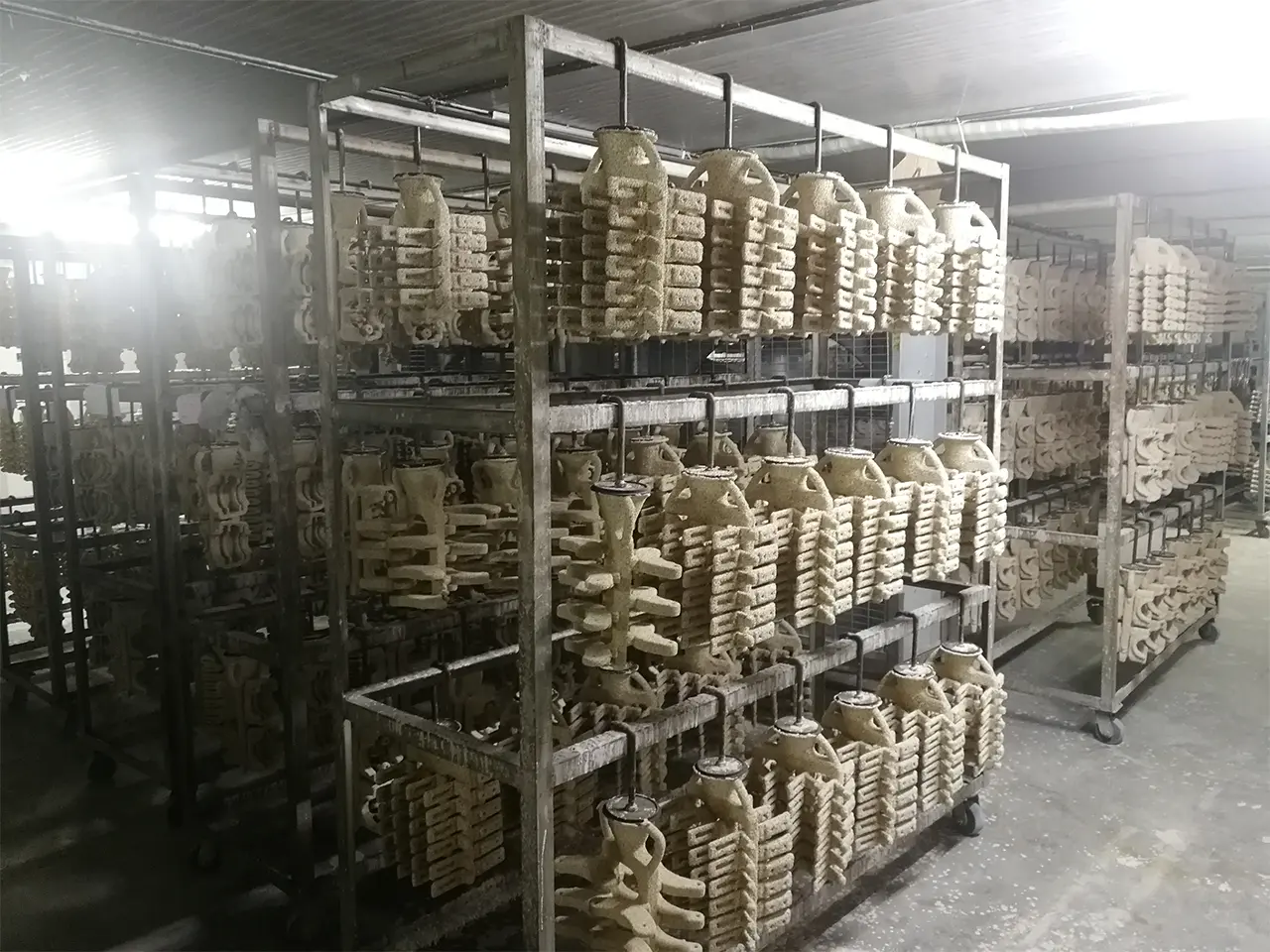
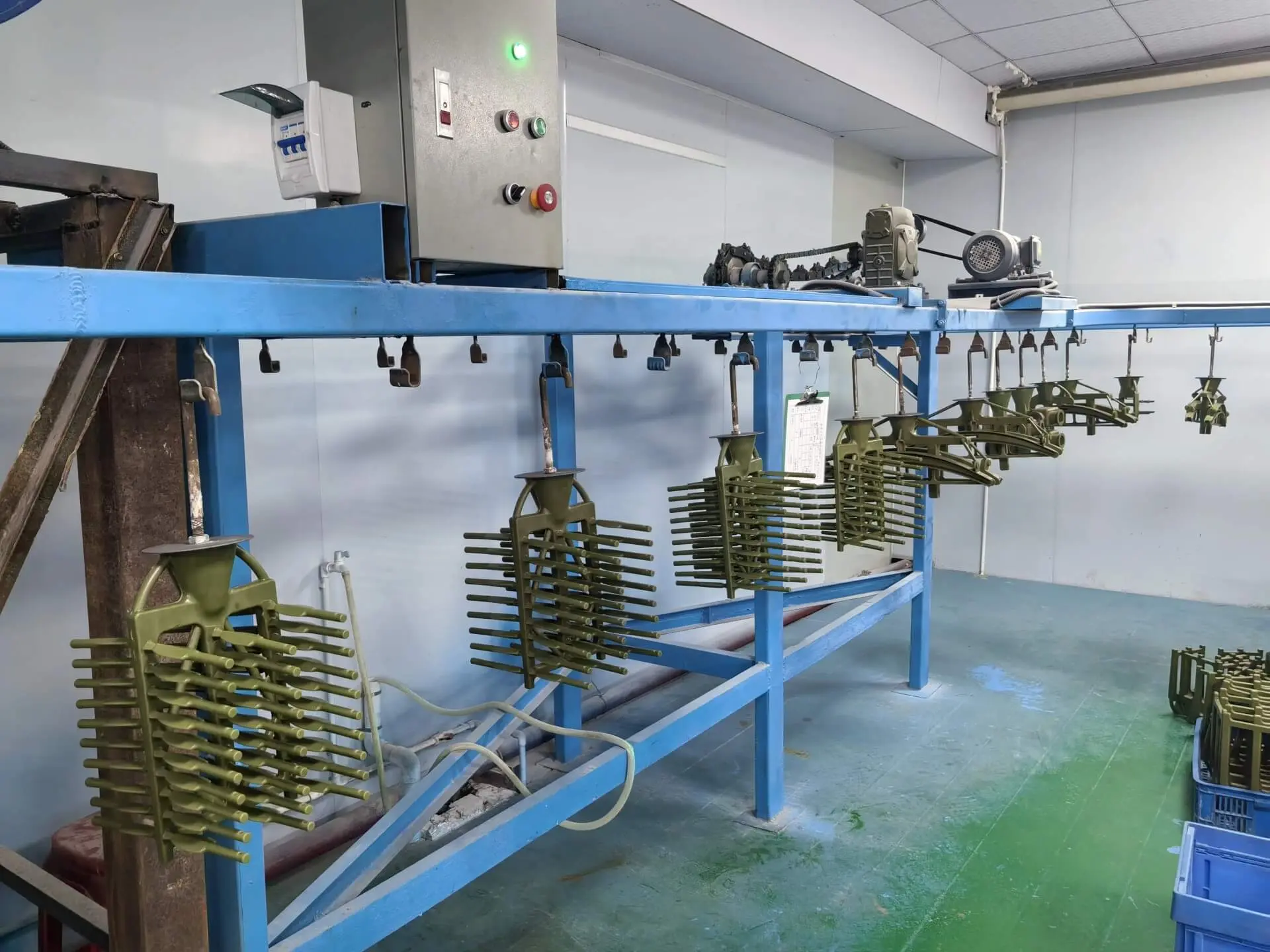
Yes. We specialize in casting-to-machining workflows. For complex, organic shapes, we run lost-wax investment casting using stainless steel or carbon steel. After casting, we machine critical interfaces, bores, and threads using high-precision CNC mills and lathes to meet exact dimensional requirements.
To support varying industrial needs, we provide passivation, anodizing (Type II and Type III hardcoat), chemical conversion coating, zinc/nickel plating, electropolishing, bead blasting, powder coating, and heat treatment processes (carburizing, nitriding, quenching, and tempering).
 SX Machining