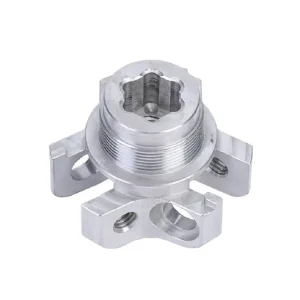
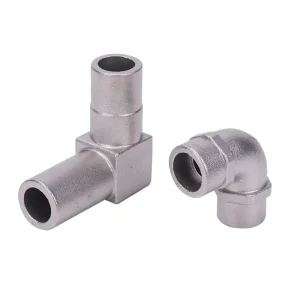
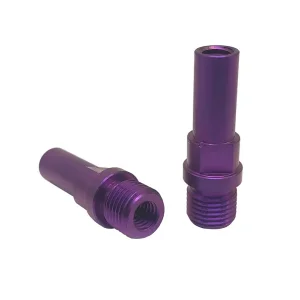
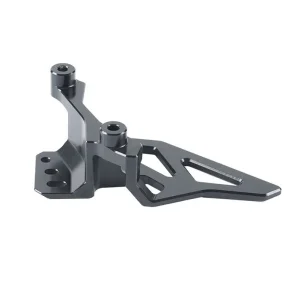
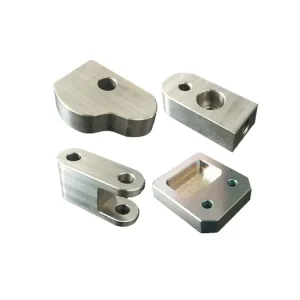
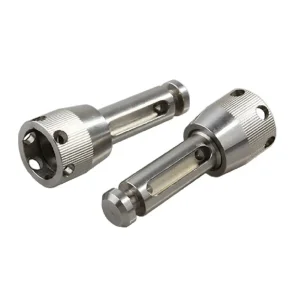
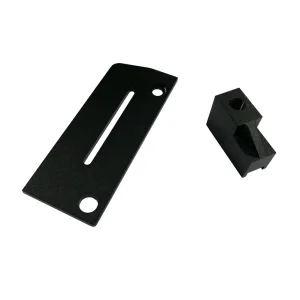
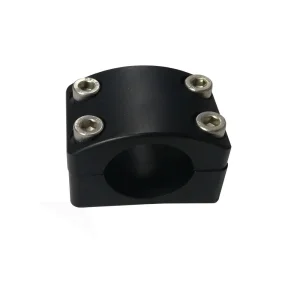
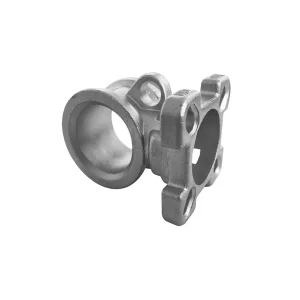
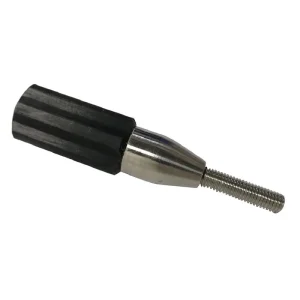
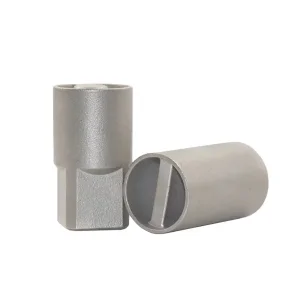
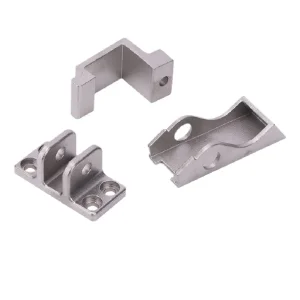
Founded with a vision for absolute structural integrity and sub-micron dimensional accuracy, Dongguan SX Technology Co.,Ltd has built a highly recognized global presence in precision investment casting, multi-axis CNC machining, and high-level structural assembly solutions.
Our customized products cater to the most challenging requirements of machinery, automotive engineering, marine systems, commercial shipping, electrical equipment, high-pressure valves & pumps, packaging mechanisms, horological components, construction hardware, and modern chemical processing environments. By marrying decades of physical metallurgy knowledge with advanced machinery, we enable next-gen engineering setups.
The international metal casting landscape is experiencing a paradigm shift. According to recent industrial data, the global investment casting market size, valued at approximately USD 20.5 Billion, is projected to expand at a compound annual growth rate (CAGR) of 4.8% through 2030. Key growth vectors are headed by the demand for structural components containing complex internal geometries that traditional subtractive machining processes cannot achieve autonomously or cost-effectively.
Historically, the foundry industry relied on highly manual operations. However, modern OEMs like Dongguan SX Technology Co.,Ltd have successfully integrated computer-aided engineering (CAE), robotic investment shell building, and precision CNC post-processing to support critical structural applications. From commercial aerospace components to mountain bike modifications and custom wheelchairs, the synthesis of design and materials has expanded the limits of load-bearing structural design.
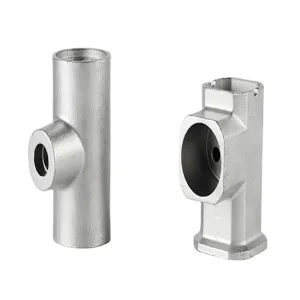
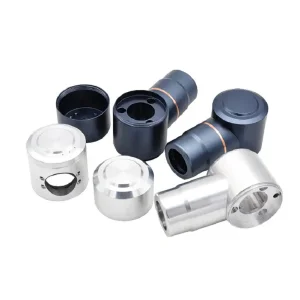
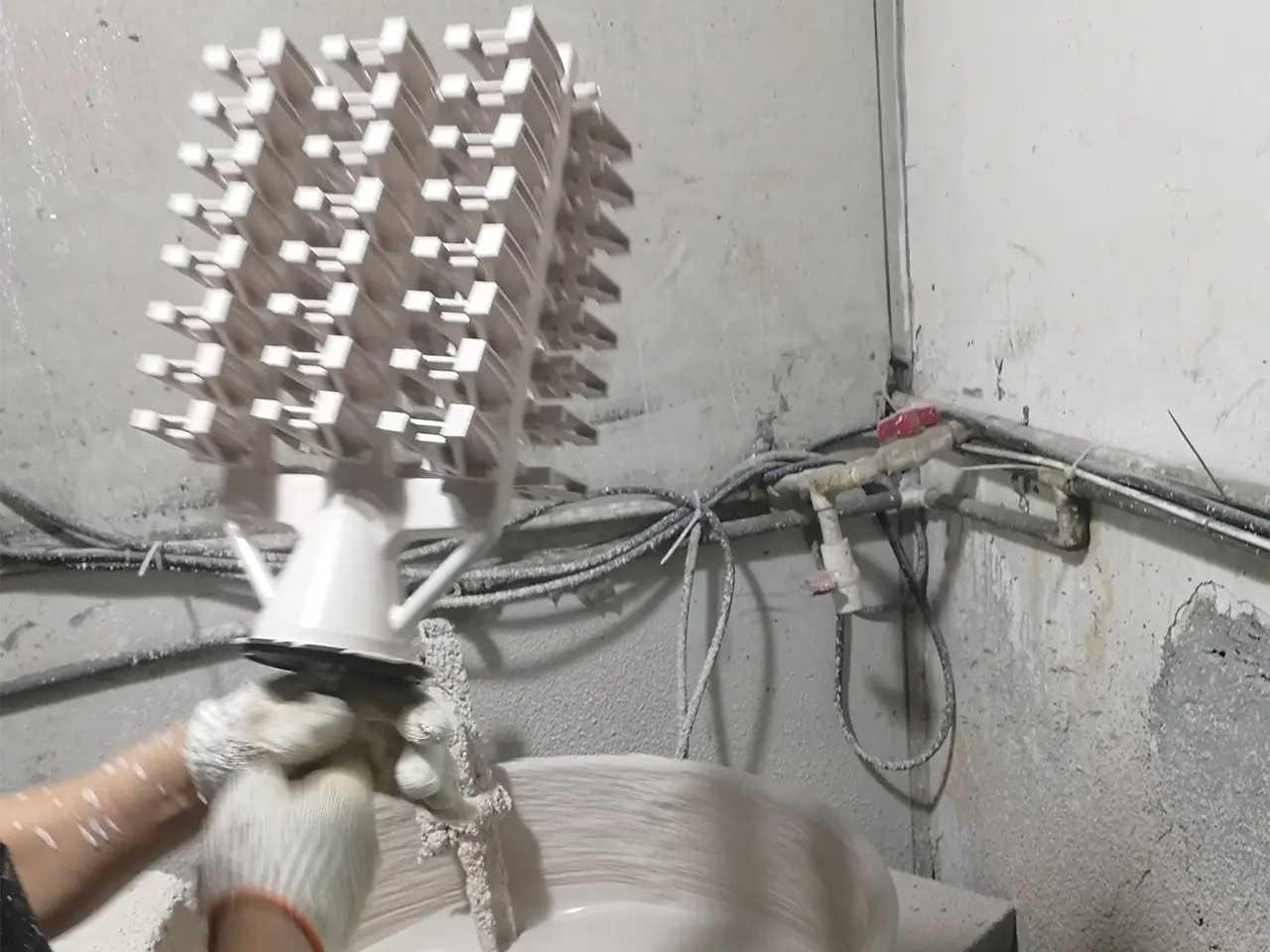
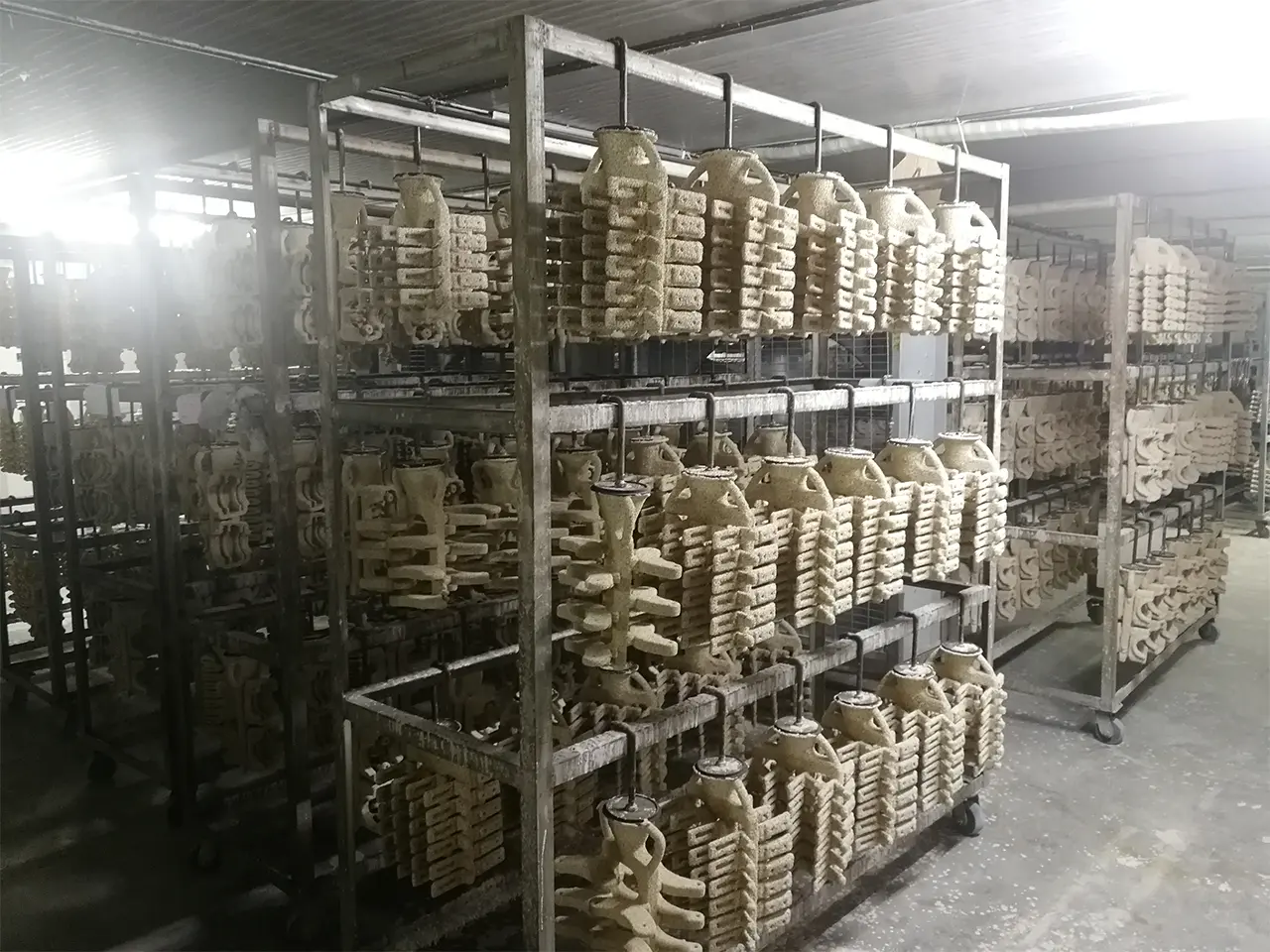
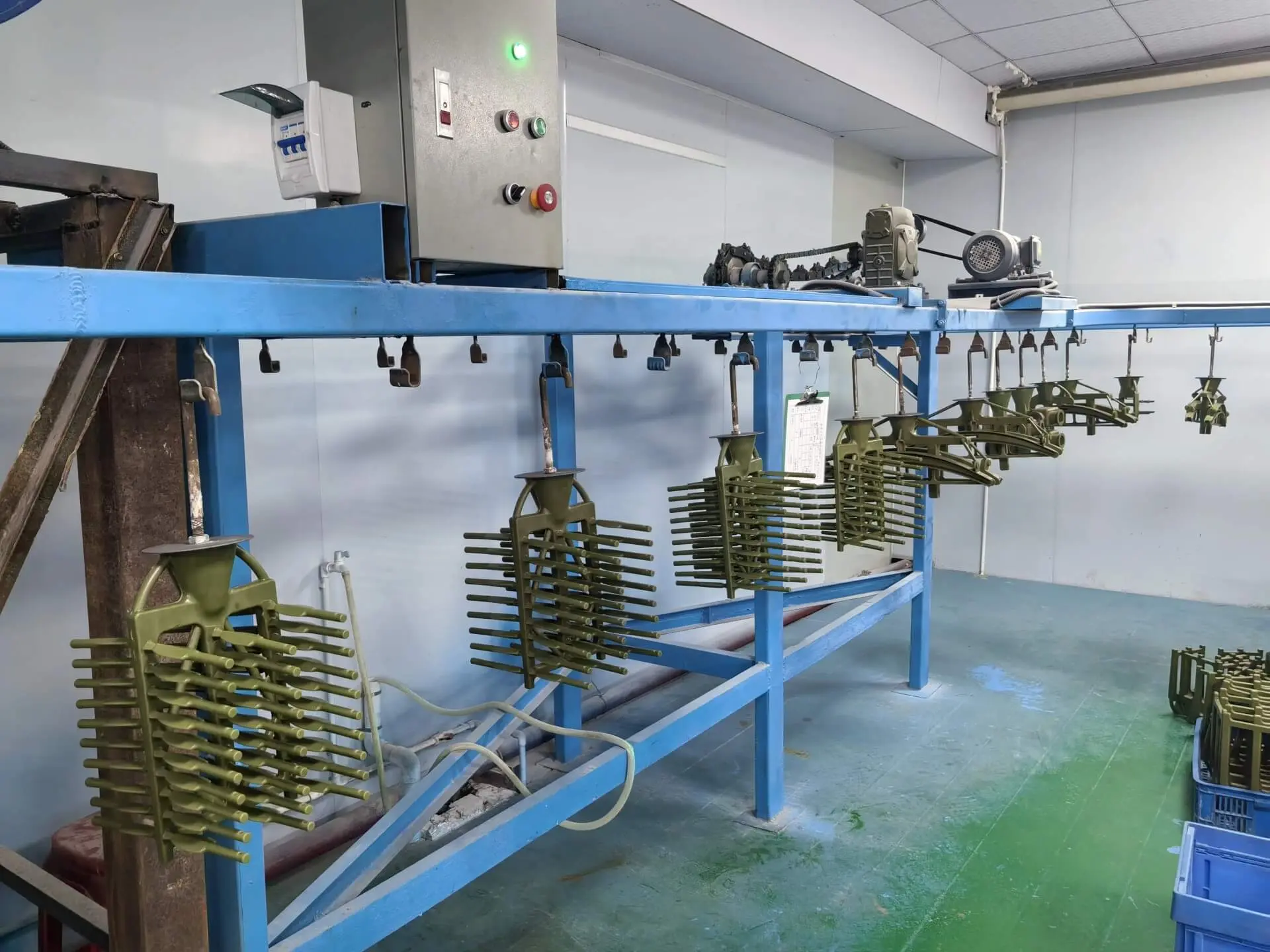
Unlike die-casting or sand casting, investment casting utilizes a sacrificial wax pattern coated in high-durability ceramic slurry. The result is a near-net-shape component with outstanding surface finishes (typically Ra 3.2 to Ra 6.3) and high dimensional tolerance stability. When combined with post-pour CNC turning and milling, final dimensional deviations can be controlled down to sub-micron thresholds, saving tool wear, material volume, and energy resources.
Different operating environments require specific mechanical attributes. For instance, deep-sea exploration equipment faces extreme hydrostatic pressure and corrosive chloride solutions, rendering Grade 5 Titanium (Ti-6Al-4V) indispensable. Conversely, food processing, construction hardware, and chemical plants leverage the pitting resistance of Grade 316L Stainless Steel. Below is a comparative overview of materials processed at Dongguan SX Technology Co.,Ltd:
| Material Group | Common Grades | Tensile Strength (MPa) | Corrosion Resistance | Target Applications |
|---|---|---|---|---|
| Stainless Steel | 304, 316, 316L, 17-4 PH | 485 - 850 | High (Excellent in saltwater/acids) | Valves, marine impellers, construction brackets |
| Titanium Alloy | Ti-6Al-4V (Grade 5), Grade 2 | 895 - 1000 | Extreme (Outstanding pitting immunity) | Deep-sea enclosures, MTB components, aerospace |
| Carbon Steel | WCB, LCC, 1020, 1045 | 415 - 580 | Low (Requires coating/plating) | Structural gears, automotive brackets, heavy machinery |
| Aluminum Alloy | 6061, 7075, A356 | 290 - 570 | Moderate (Anodization compatible) | Bicycle frames, lightweight robotic parts, electronics |
| Copper / Bronze | C83600, Aluminum Bronze | 300 - 650 | High (Antifouling characteristics) | Marine propeller parts, bearings, non-sparking tools |
At Dongguan SX Technology Co.,Ltd, our operations since 2014 have been guided by a single principle: quality is the ultimate driver of manufacturing growth. We enforce multi-stage inspections using industry-leading testing apparatus.
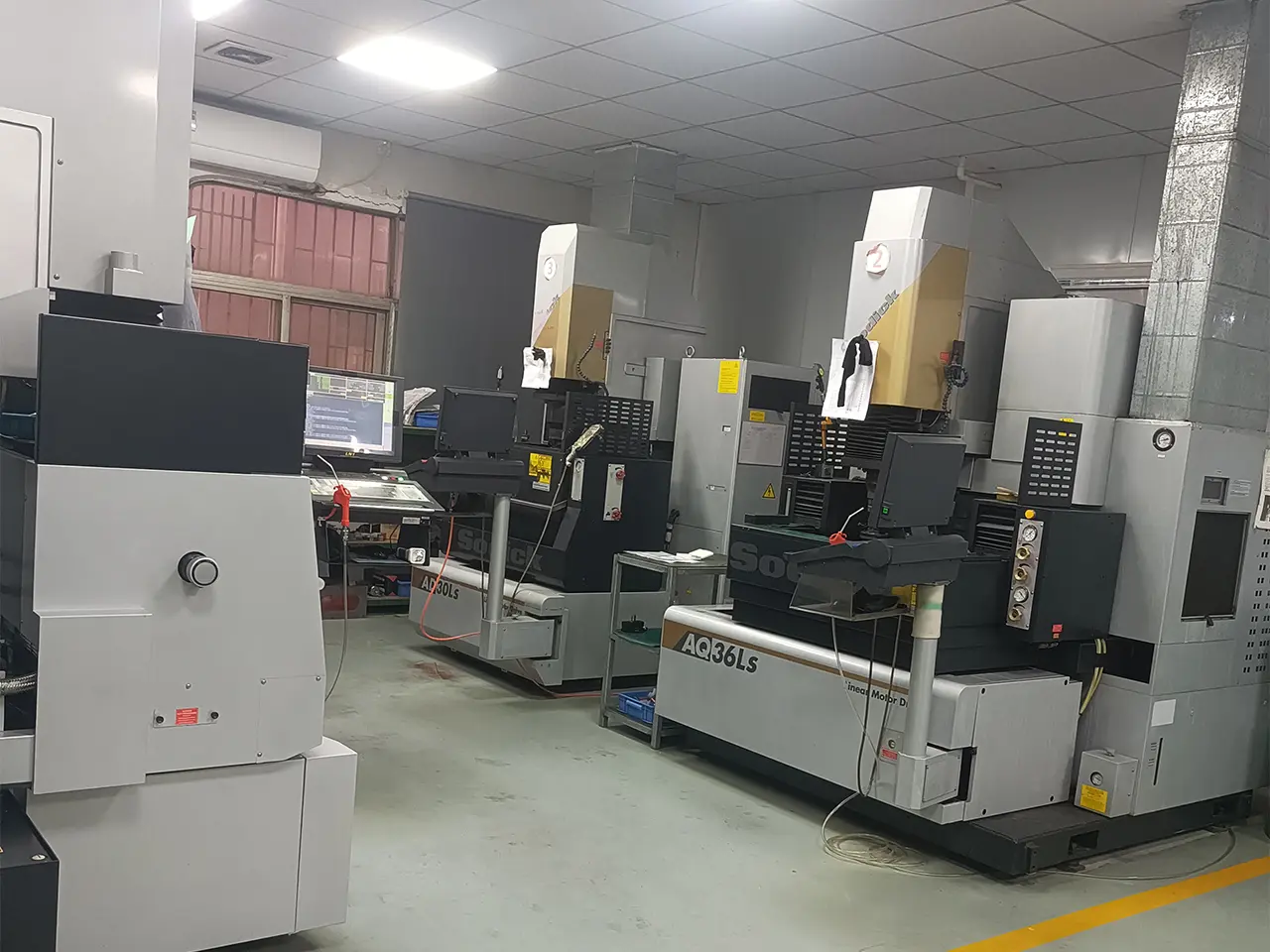
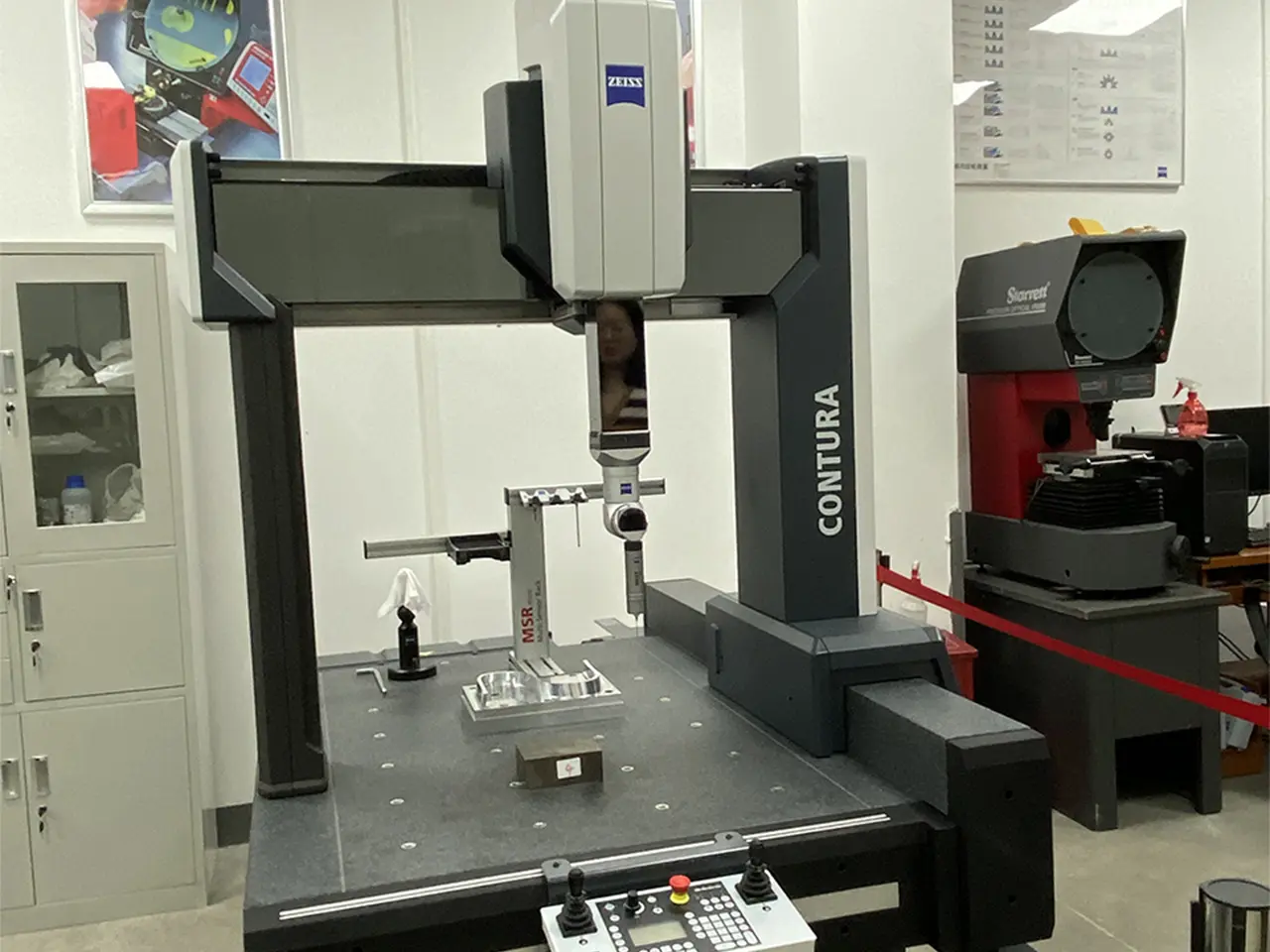
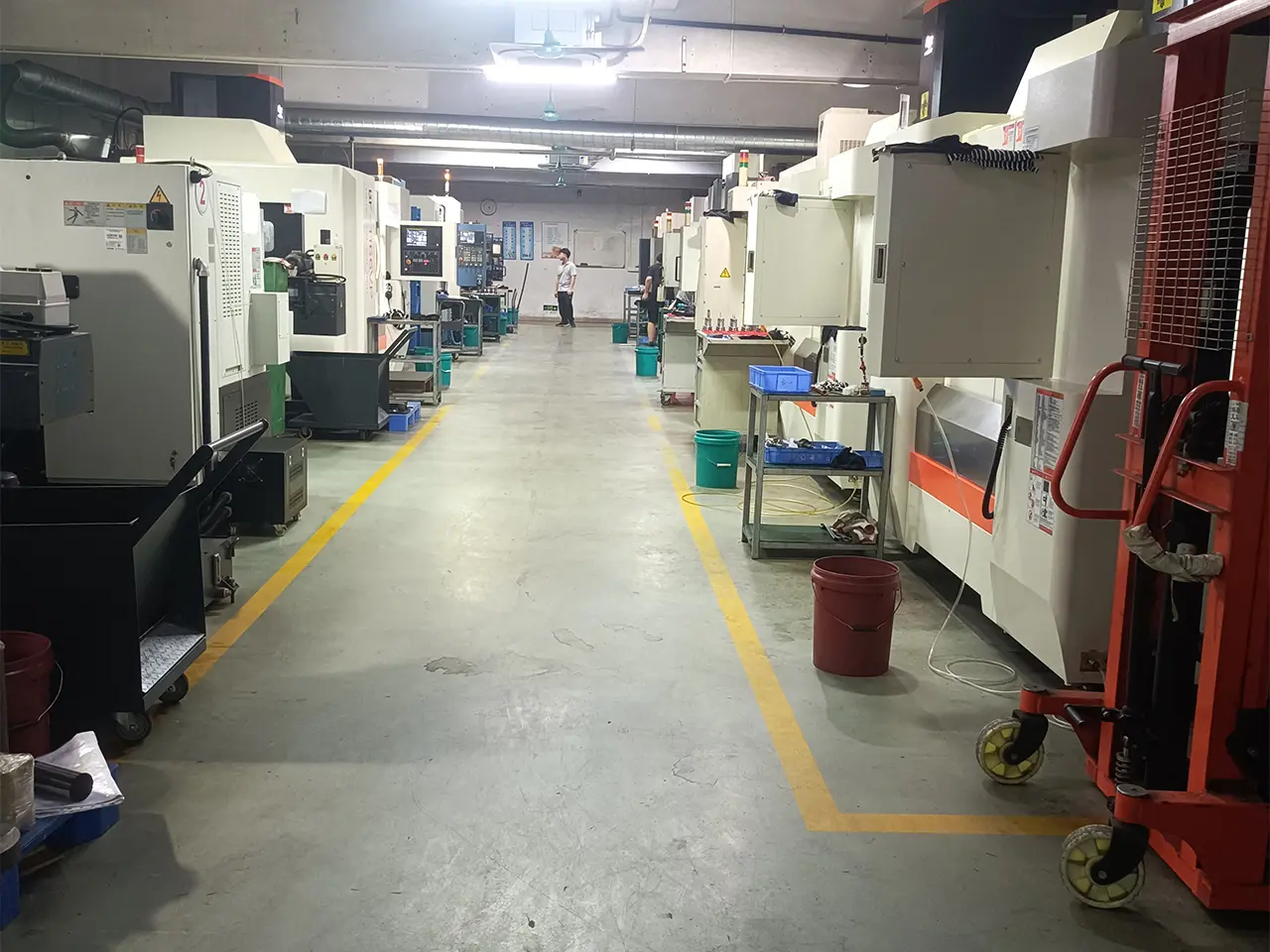
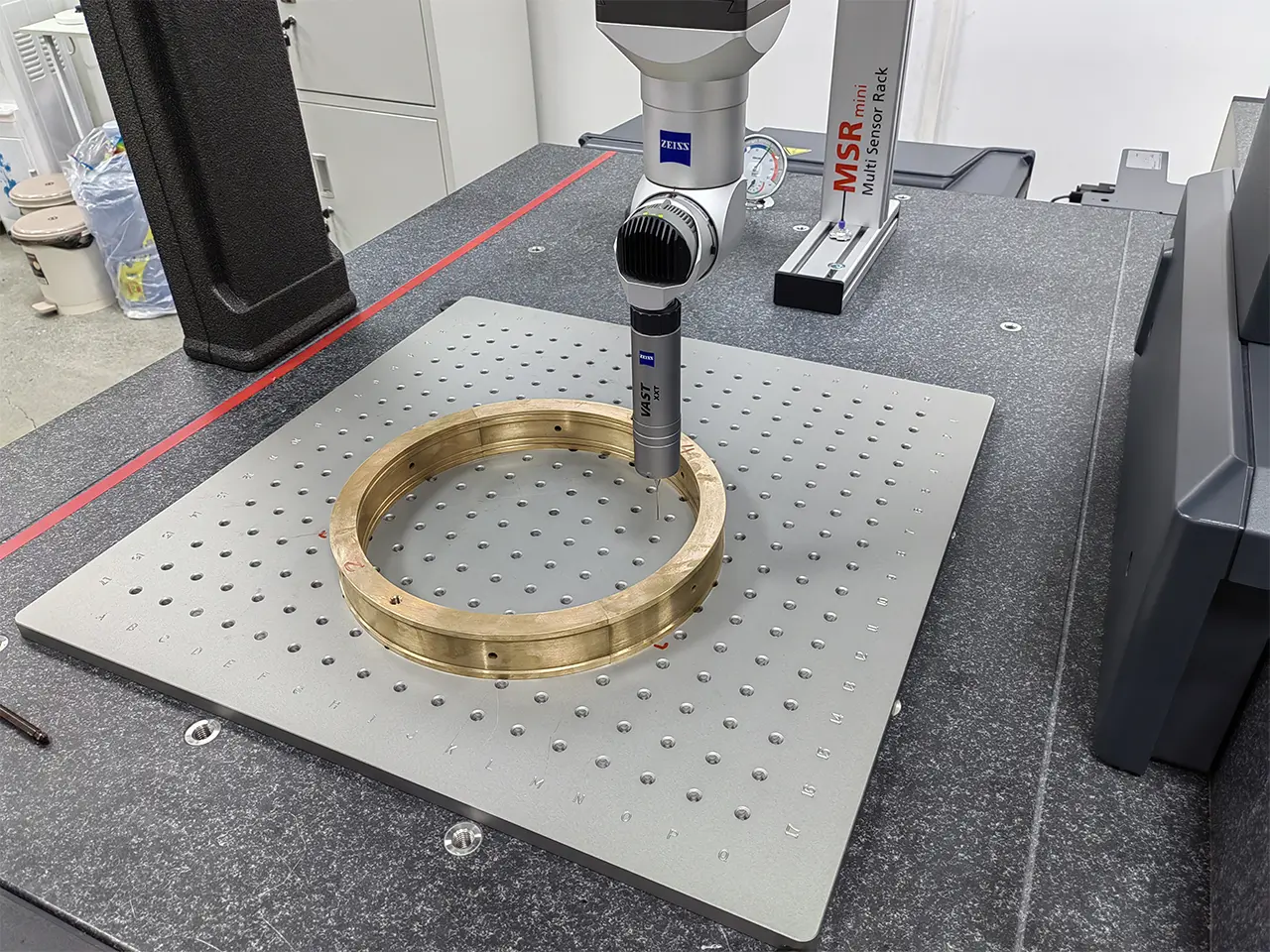
We operate in strict accordance with major global certification structures. Our quality assurance team relies on professional inspection equipment, including optical emission spectrometers for precise melt chemistry analysis, coordinate measuring machines (CMM) for geometric verification, and hardness testing equipment.
Quality is the absolute cornerstone of the manufacturing industry. We firmly believe that only by tightly controlling quality at the raw material, intermediate casting, and final CNC machining stages can we survive, develop, and deliver value. Since 2014, our continuous team building and production line updates have yielded a defect rate of under 150 PPM (Parts Per Million).
Handling seawater and acidic media requires pitting-resistant alloys. By utilizing investment cast duplex stainless steels with precision CNC turned seats, we achieve bubble-tight shutoffs in safety-critical valve configurations.
Bicycle components demand an optimal weight-to-strength ratio. Our custom titanium alloy screws and lightweight CNC-milled structural components undergo stringent dynamic mechanical testing to withstand rugged outdoor usage.
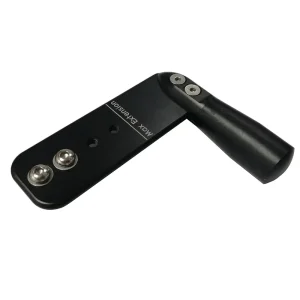
Mobility systems demand high fatigue strength and lightweight structures. We produce complex structural brackets using premium anodized aluminum and high-precision CNC setups to ensure patient safety and comfort.
As industrial requirements tighten globally, Dongguan SX Technology Co.,Ltd is positioning itself at the leading edge of foundry and machining evolution. Our engineering roadmap targets the integration of digital twin simulations for metal flow during pouring, significantly minimizing microscopic shrinkage defects.
Additionally, we are expanding our capabilities in direct 3D printed sand and PMMA (polymethyl methacrylate) patterns. This allows us to bypass the tooling stage for complex prototypes, cutting lead times for new product introductions (NPI) from weeks to days. By coupling this with multi-axis turn-mill centers, we offer a truly integrated foundry solution that addresses high-mix, low-volume requirements just as efficiently as high-volume runs.
 SX Machining