OEM Machinery Casting Products & Custom Manufacturing

A Comprehensive Engineering Blueprint on Precision Lost-Wax Investment Casting and High-Tolerance CNC Machining for Critical Global Industries

Precision Engineered Casting Solutions

High-durability OEM casting products tailored for critical flow control, automotive safety, marine operations, and general machinery configurations.
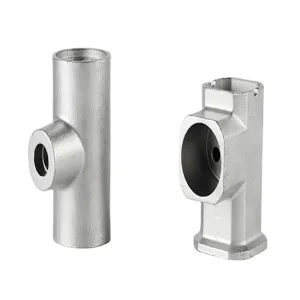
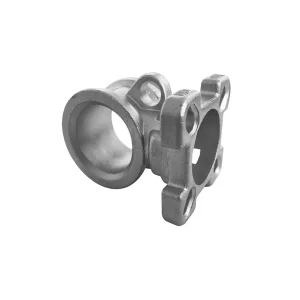
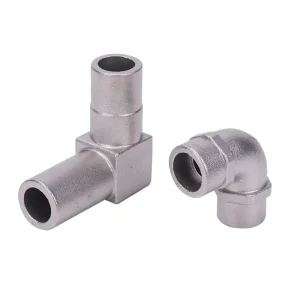
High precision investment casting for valves

High-Quality High precision investment casting for valves Manufacturers, Supplier

Explore Specifications
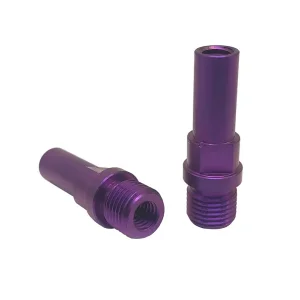
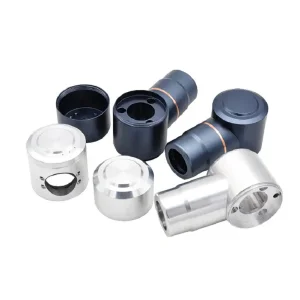
CNC milling services for non-standard aluminum components

High-Quality Providing CNC milling services for non-standard aluminum components Manufacturers, Product

Explore Specifications
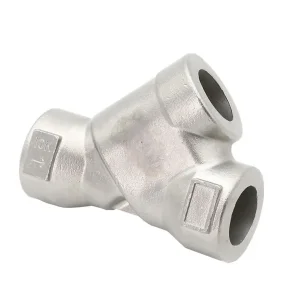
Custom Stainless Steel Investment Casting Valves

Custom Stainless Steel Investment Casting Valves

Explore Specifications
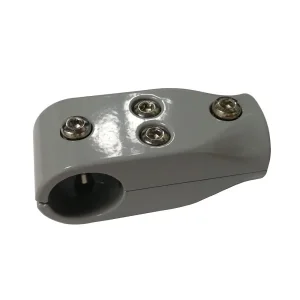
OEM Investment casting parts used in buses

OEM Investment casting parts used in buses Manufacturer, Products

Explore Specifications
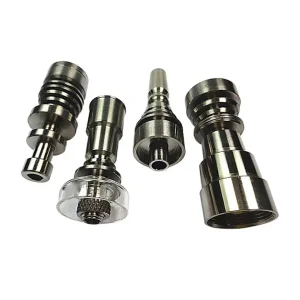
China Customized precision titanium alloy machining services

China Customized precision titanium alloy machining services Manufacturers, Products

Explore Specifications
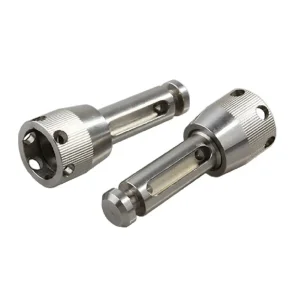
Custom Titanium Machining Parts for Machinery and Equipment

Custom Titanium Machining Parts for Machinery and Equipment

Explore Specifications
Custom Stainless steel precision casting parts for marine projects

Custom Stainless steel precision casting parts for marine projects Product, Factories

Explore Specifications
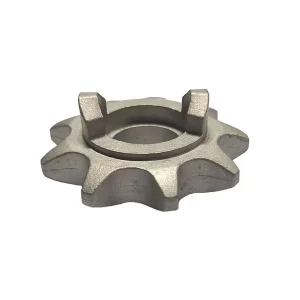
OEM Steel Precision Casting Gear Parts

OEM Steel Precision Casting Gear Parts Service, Factory

Explore Specifications
Market Intelligence

The Global Landscape of Machinery Casting & OEM Demands

Modern manufacturing depends heavily on high-integrity components that can withstand extreme pressures, harsh thermal cycles, and corrosive environments. The global machinery casting market is transitioning from traditional sand foundries to high-precision lost-wax investment casting and multi-axis CNC machining configurations.

Today's procurement strategies prioritize suppliers capable of delivering components that reduce downstream machining costs. By manufacturing parts to a "near-net-shape," companies reduce raw-material scrap rates by up to 45%. As environmental regulations tighten and logistics costs fluctuate, global engineering firms require a seamless combination of casting precision and finishing accuracy.

Critical Challenges in B2B Casting Procurement

  • Ensuring metallurgical consistency and zero structural porosity.
  • Achieving tight geometric dimensioning and tolerancing (GD&T) specifications.
  • Managing global supply chains against shifting lead times.
  • Finding single-source partners who handle tooling, casting, machining, and final testing.
+/-0.005
Machining Tolerance (mm)
2014
Established Year
< 0.1%
QA Defect Rate Target
100%
Spectrograph Analysis Checked

Technological Framework: Casting vs. CNC Machining

Understanding the engineering tradeoffs and strategic benefits of integrating investment casting with high-precision CNC subtractive manufacturing.

Manufacturing Attribute Precision Investment Casting Subtractive CNC Machining Hybrid Production (Best Practice)
Dimensional Tolerance Typically CT4 - CT7 grade accuracy Extreme precision down to +/- 0.005mm Combines raw speed with final precision tolerances
Material Utilization High efficiency (up to 95% near-net-shape) Moderate to low (heavy swarf generation) Optimized tool-paths on cast shapes
Geometric Flexibility Virtually limitless complex internal cavities Limited by cutter reach and fixture setups High complexity with clean mating surfaces
Economies of Scale Excellent for mid-to-high volumes Better suited for low-to-mid volumes or prototypes Optimal for scaled commercial batches

Selecting the appropriate manufacturing path requires balancing design complexity, material characteristics, and production volume. Investment Casting is ideal for structural parts with intricate shapes, organic curves, and internal voids (such as valve bodies, pump impellers, and custom brackets).

CNC Machining excels when parts require close-tolerance bores, threads, and high-flatness mating faces. Dongguan SX Technology Co.,Ltd integrates both disciplines to deliver pre-machined casting products that are ready for immediate assembly.

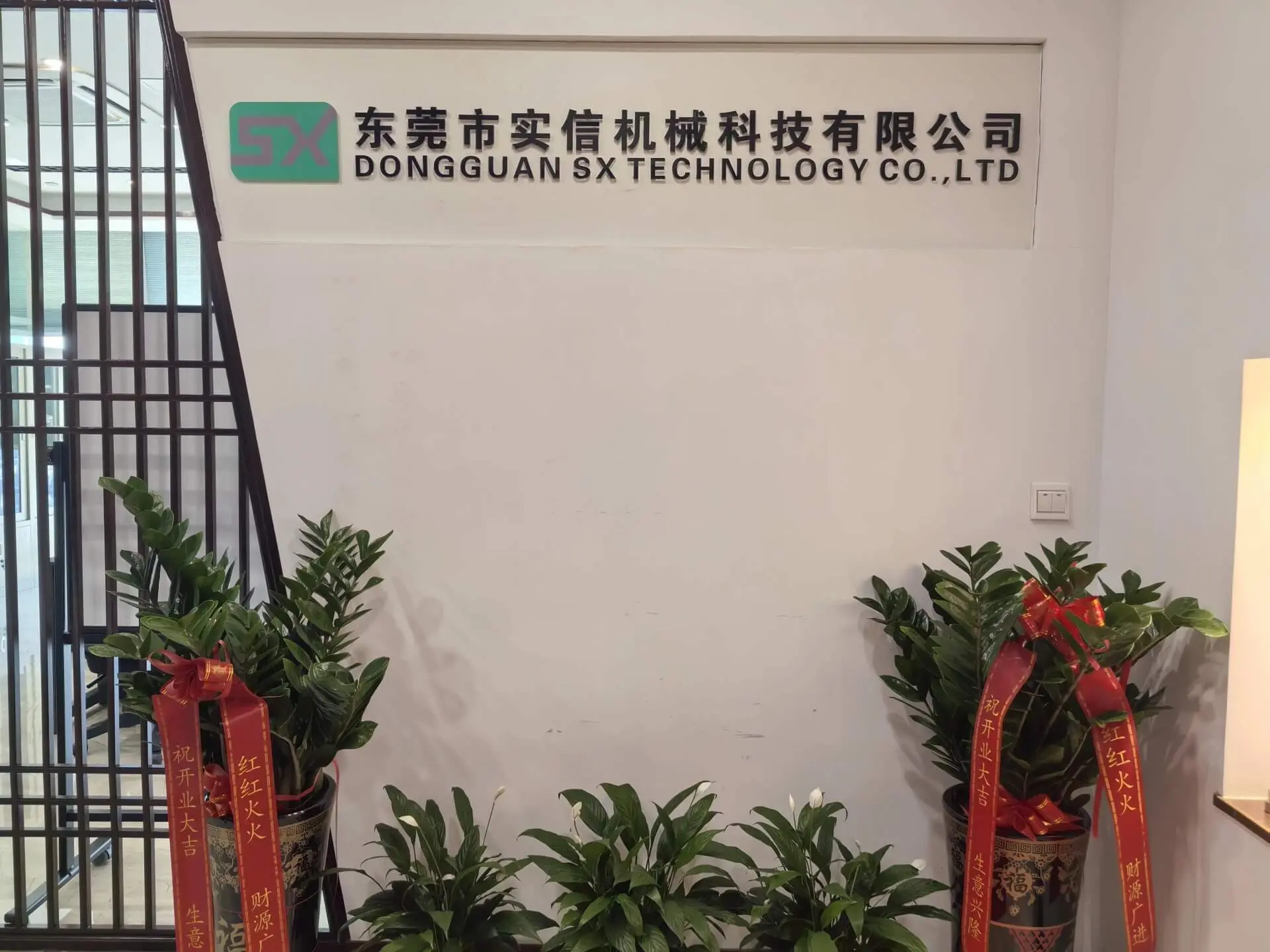
Dongguan SX Technology Co.,Ltd

Engineering Excellence and Manufacturing Prowess

Dongguan SX Technology Co.,Ltd has very rich experience in precision casting, CNC machining and assembly. Our products are used in machinery, automobiles, marine, ships, equipment, valves and pumps, electronic appliances, packaging, watches, construction, chemical industry and other industries. The most commonly used materials for investment casting are stainless steel and carbon steel. And the most commonly used materials for CNC machining include titanium alloy, stainless steel, carbon steel, aluminum alloy, copper alloy, cemented carbide, etc.

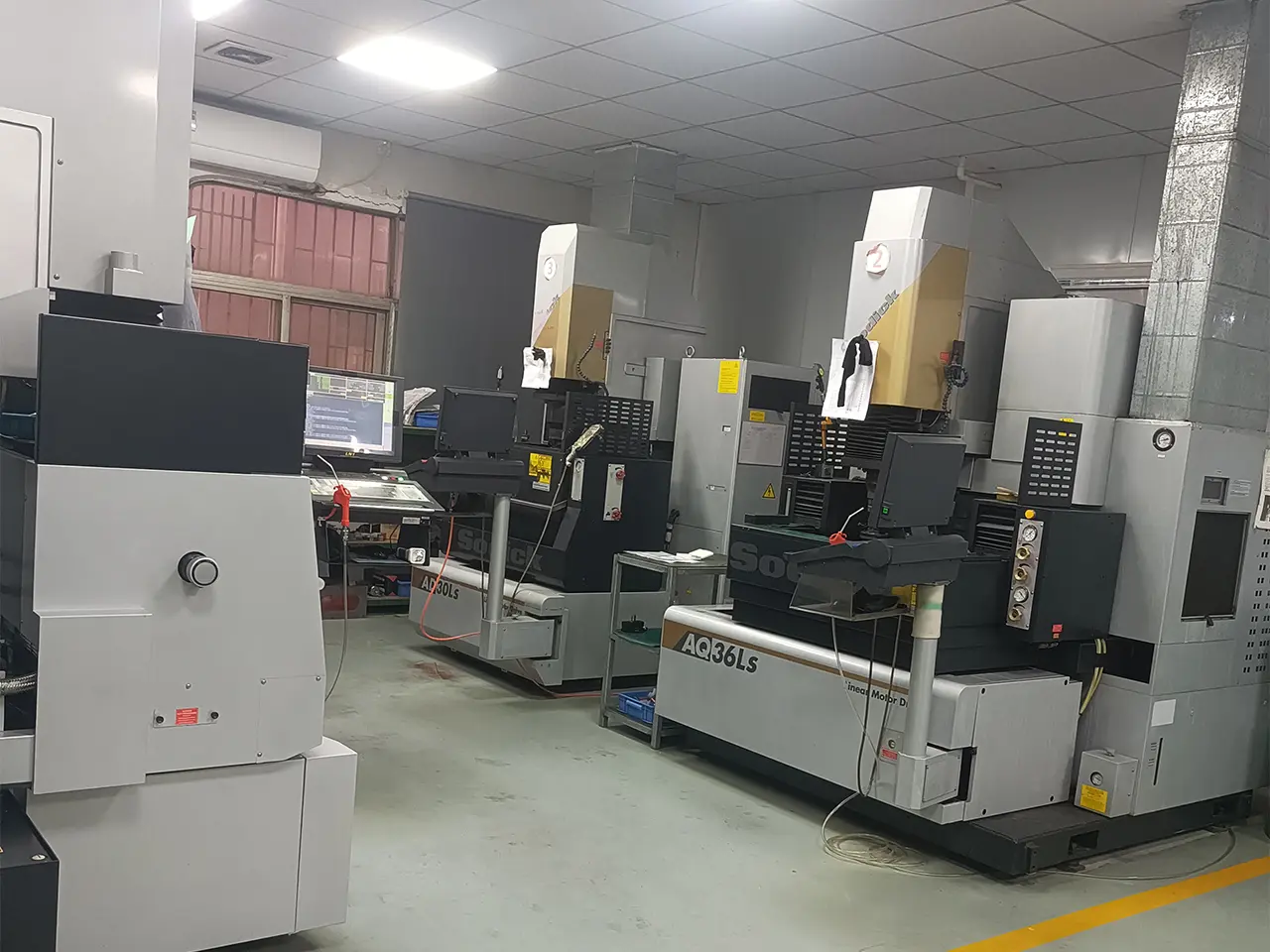
We have advanced manufacturing equipment and technology and are able to respond quickly to your needs. Located in China's industrial center, we utilize regional raw material access, streamlined logistics, and skilled technical teams to minimize lead times for international orders.
Dongguan SX Technology Facility

Advanced Manufacturing Facilities

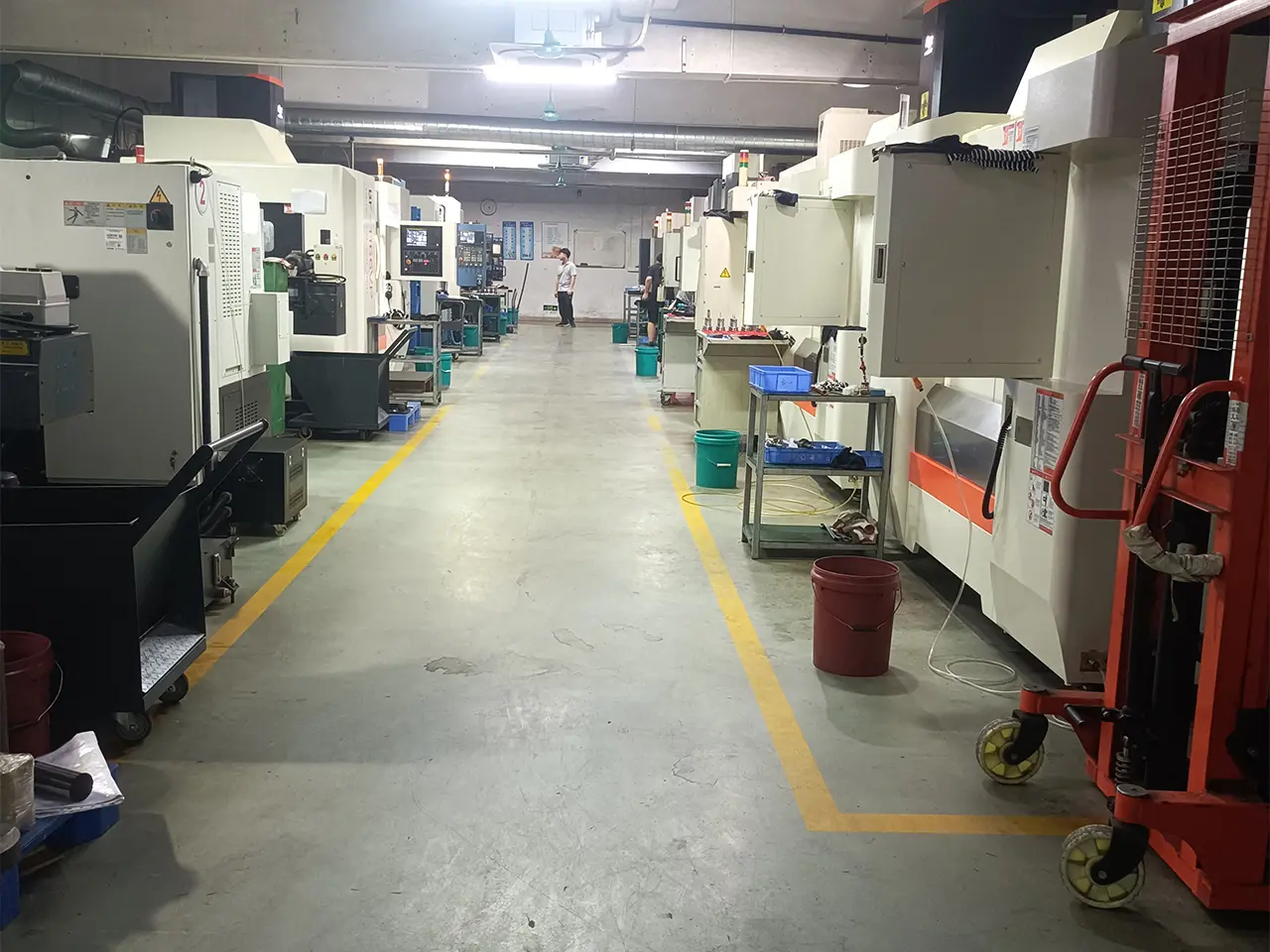
Workshop Machine Shop Area
Precision CNC Turning Centers
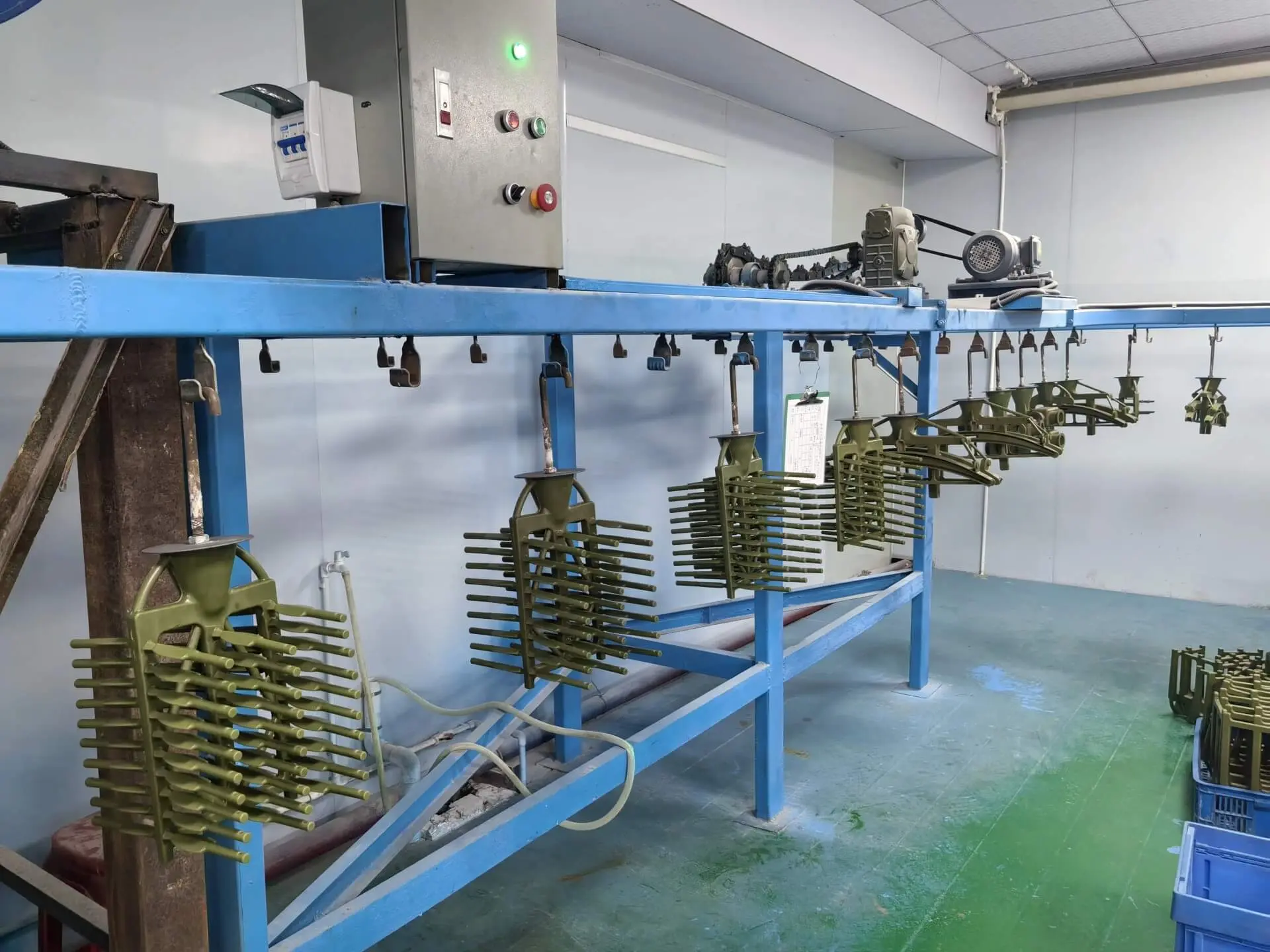
Precision Tooling Mold Setup
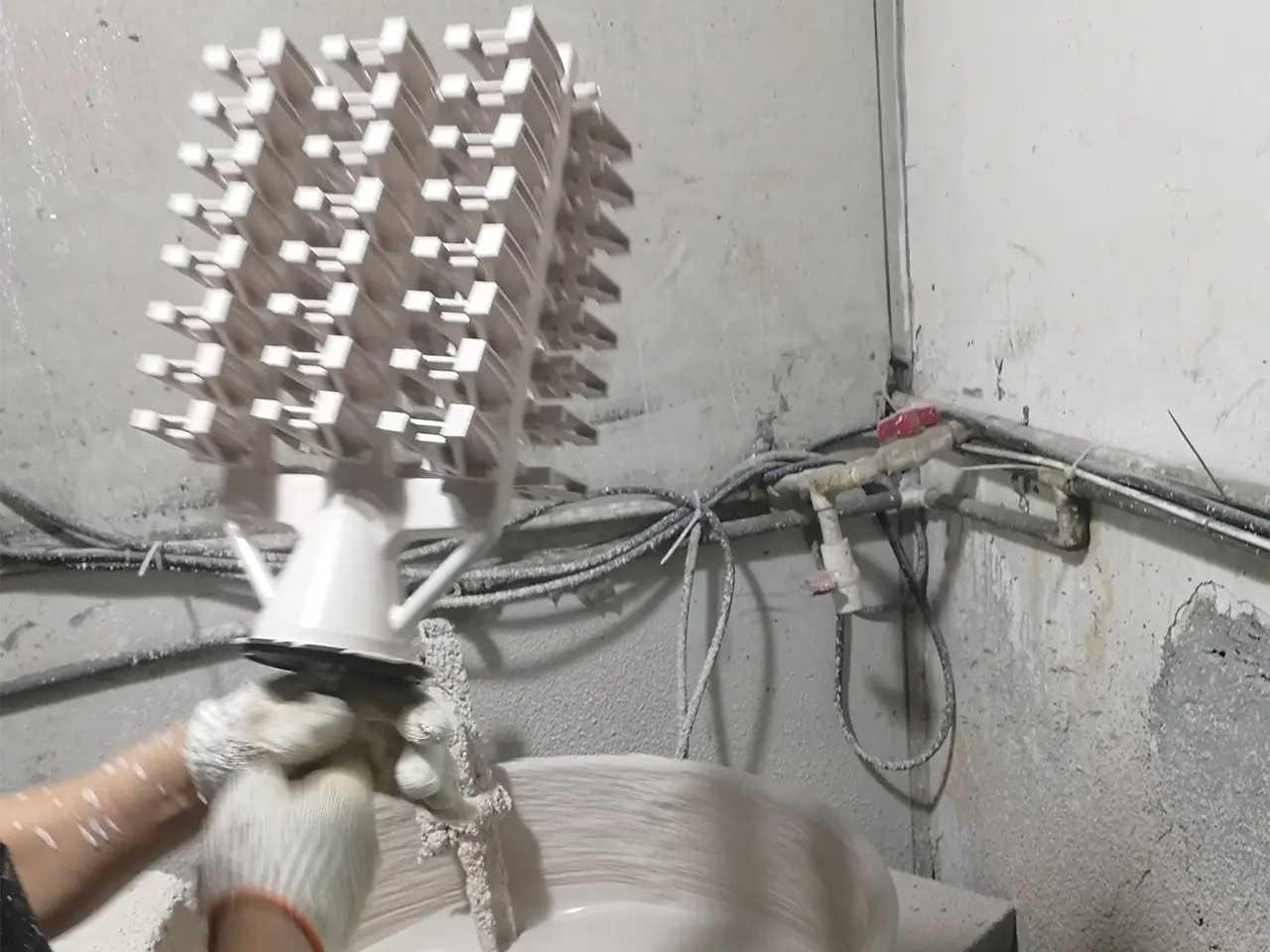
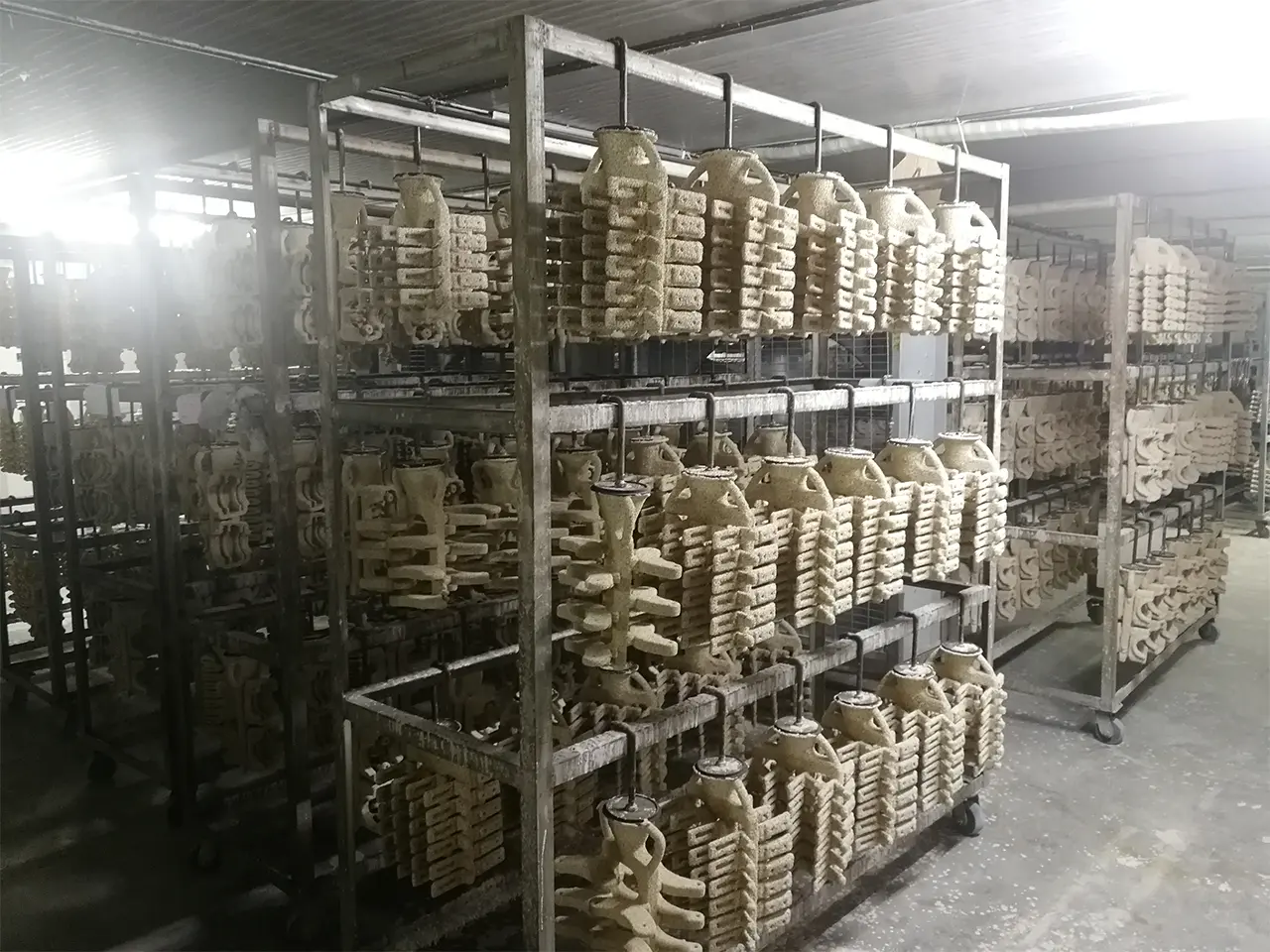
Investment Casting Pouring Section
Secondary Machining Area
Quality Inspection Workspaces
Global Supply Chains

The Chinese Factory Efficiency Advantage

Partnering with a Chinese manufacturer like Dongguan SX Technology Co.,Ltd provides distinct benefits for global supply chains. Operating in a mature industrial ecosystem enables quick access to raw materials, tooling services, and specialized thermal treatments.

This concentration of supply chain partners cuts typical tooling design cycles in half compared to European or North American competitors. Combined with modern production machinery and robust logistics infrastructure, our facility can transition from CAD design to prototype samples in as little as 15 working days.

Complete In-House Capability

From custom tool making and casting to precision CNC finishing, all operations are managed under one roof to minimize delay risks.

Material Diversity

We handle varied materials including Titanium Alloys, Stainless Steel, Carbon Steel, Aluminum, and specialty heat-resistant metals.

Quality Control

Strict Metrology and Material Testing

Quality is the cornerstone of the manufacturing industry. We firmly believe that only by controlling quality well can we survive, develop, and get better and better. Therefore, we have been working in this industry unremittingly since 2014 and continue to improve the company's team and improve the company's production capacity.

We have professional testing equipment and professional QC personnel, and we adhere to strict tolerances and quality standards for the products we produce. Our facility implements rigorous quality audits at every key checkpoint:
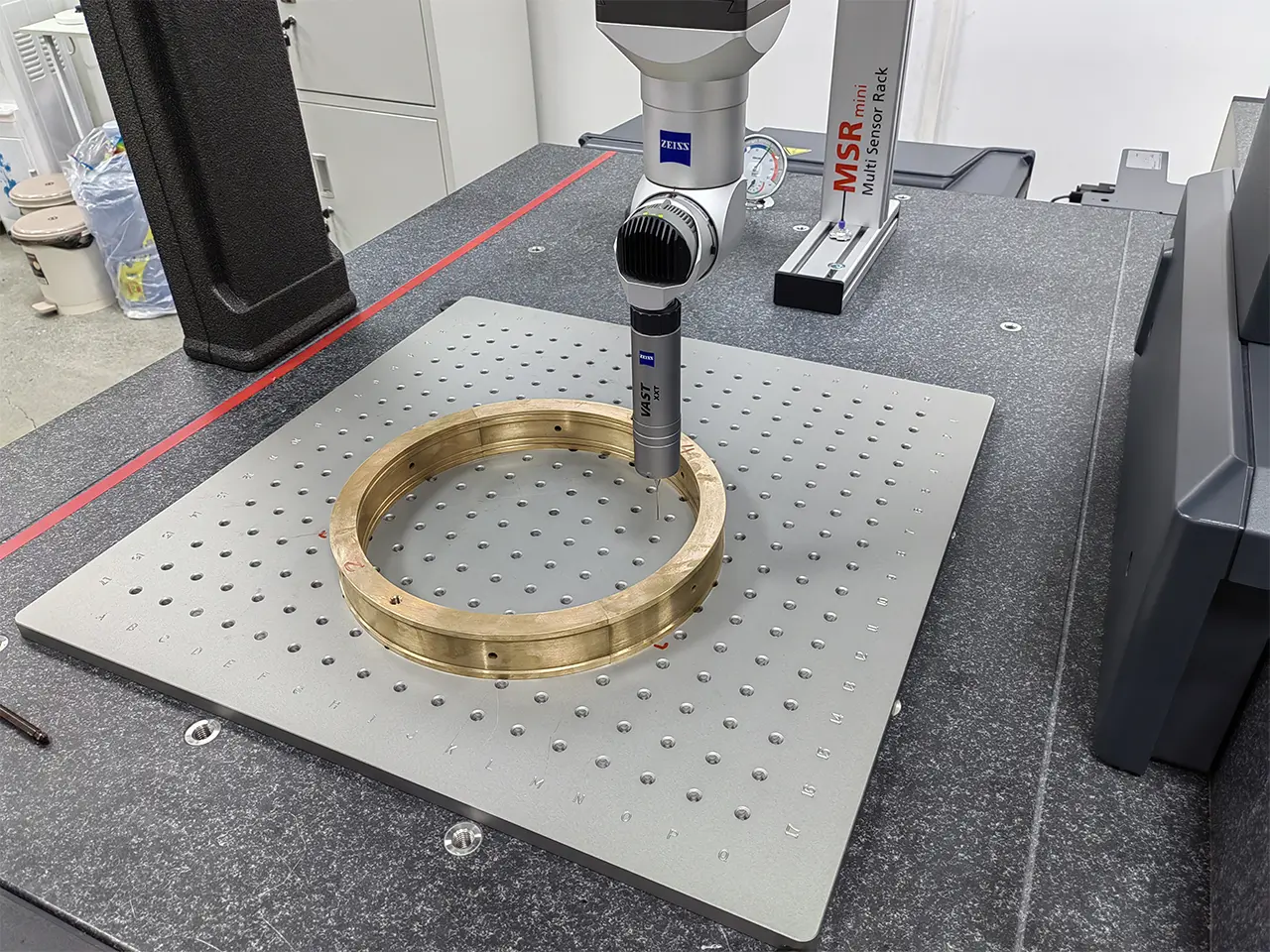
  • Spectrometric Chemical Analysis: Ensures incoming raw material heats match international standard compositions (ASTM, DIN, JIS).
  • Non-Destructive Testing (NDT): Liquid dye penetrant inspections and radiographic tests check for internal porosity defects.
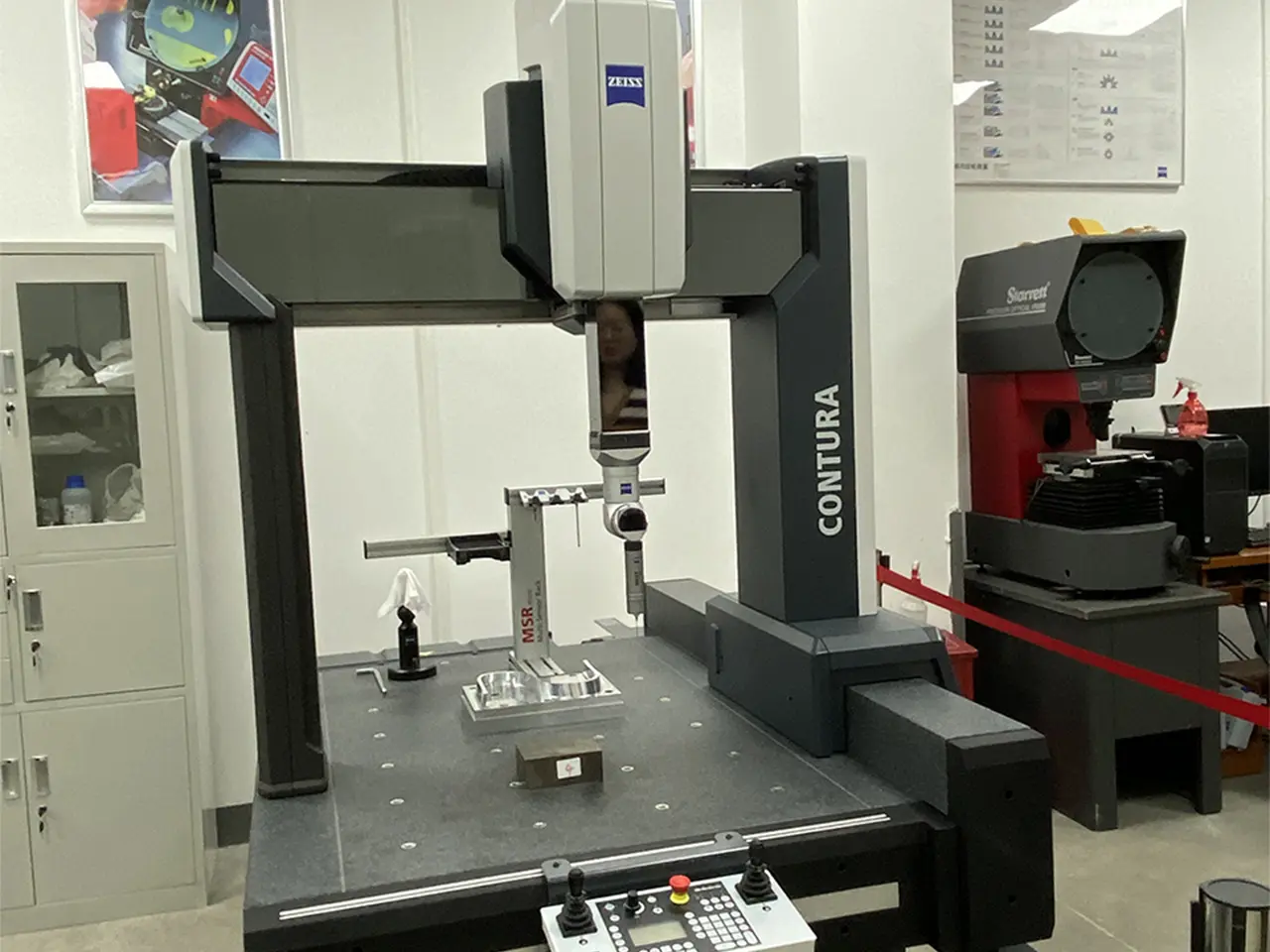
  • Precision Dimensional Metrology: Coordinate Measuring Machines (CMM) and optical comparators verify complex geometric tolerances.
Quality Inspection Laboratory

Cross-Industry Application Scenarios

How our custom OEM casting products and CNC machined parts perform in complex industrial environments globally.

Flow Control & Valve Technology

Our precision stainless steel castings are used in high-pressure fluid valves and chemical process pumps. Standardized configurations are engineered to resist pitting corrosion, cavitation, and structural wear under pressure.

Automotive & Public Transit

OEM automotive suppliers use our casting and machining capabilities for safety-critical parts like bus armrest brackets, gear components, and custom transit hardware where high mechanical strength is required.

Marine & Naval Engineering

Operating in seawater requires specialized materials. Our corrosion-resistant marine parts are cast from high-grade stainless steel to resist salt-water degradation and maintain structural integrity.

Consumer & Smart Devices

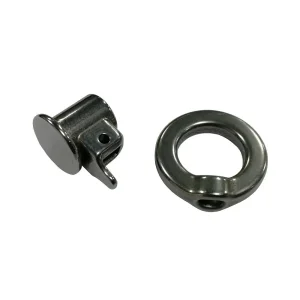
We design thin-walled investment castings for smart home applications. These components combine high surface quality with lightweight materials, reducing the need for secondary aesthetic finishing.

Technological Trends in Precision Casting

How new technologies, simulations, and automated processes are changing the capabilities of modern foundries.

1. Computer-Aided Solidification Modeling

Using advanced casting simulation software helps identify potential hotspots, air pockets, and shrinkage before tooling begins. This digital testing improves first-article yield rates and avoids costly tool modifications.

2. Multi-Axis High-Speed CNC Machining

Integrating 4-axis and 5-axis CNC machining centers allows complex geometries to be finished in fewer setups. This improves concentricity and positioning accuracy for critical mechanical interfaces.

3. Green Foundry & Sustainable Manufacturing

Modern foundries are focusing on energy efficiency. Recovering wax, recycling metal scrap, and using advanced dust capture systems help meet environmental compliance targets without sacrificing production volume.

Whitepaper Takeaway

Modern B2B procurement is moving away from basic casting foundries. High-performing engineering companies now look for partners that offer integrated CAD verification, simulation, precise casting, multi-axis machining, and non-destructive testing (NDT) within a single facility.

This vertical integration helps companies reduce shipping times, avoid multi-party disputes over quality defects, and reduce overall unit assembly costs.

Frequently Asked Questions

Technical and logistics answers for engineering departments and procurement agencies.

What is the difference between investment casting and die casting?
Investment casting (lost-wax) uses a ceramic mold created around a sacrificial wax pattern. This process is compatible with high-melting-point materials like stainless steel and carbon steel, making it ideal for high-pressure components. Die casting injects molten metal under pressure into reusable steel molds and is typically limited to non-ferrous metals like aluminum, zinc, and magnesium.
How do you guarantee the chemical composition of custom stainless steel alloys?
We use optical emission spectrometers to verify the chemical makeup of every melt before pouring. We can provide standard EN 10204 3.1 material test certificates showing the exact composition of elements like Chromium, Nickel, Molybdenum, and Carbon.
What dimensional tolerances can you achieve on cast and machined features?
Our raw investment castings achieve dimensional tolerances within ISO 8062 CT4 to CT7. For features finished with CNC milling or turning, we can maintain tolerances down to +/- 0.005 mm to match demanding bearing, thread, and seal requirements.
What are the standard lead times for tooling, prototypes, and volume production?
Tooling and initial sample approval (ISIR/PPAP) typically takes 15 to 25 days, depending on part complexity. Once prototypes are approved, volume production runs generally require 30 to 45 days, depending on order size and machining requirements.
Can you perform non-destructive testing (NDT) for critical components?
Yes. We offer liquid dye penetrant testing (PT) to check for surface cracks, and we can arrange radiographic (X-ray) or ultrasonic testing (UT) through certified partner labs to verify internal structure integrity for safety-critical components.
Who owns the tooling molds, and how are they maintained?
Custom tooling is paid for by the customer and remains their intellectual property. We store, maintain, and insure all tooling at our facility. Any tooling maintenance or repairs required during the production lifetime are handled by our engineering team at no extra cost.
Which surface finishes are available for casting and machined parts?
We provide shot blasting and sandblasting directly after casting. For secondary finishing, we offer electro-polishing, passivation, anodizing, black oxide coating, powder coating, zinc plating, and hand polishing to meet varied aesthetic and anti-corrosion requirements.
How does Dongguan SX Technology Co.,Ltd protect customer designs?
We protect customer intellectual property by using secure data storage protocols. We require signed Non-Disclosure Agreements (NDAs) with our team members, and we limit internal access to production drawings to only the personnel assigned to that project.

Custom Machined & Fabricated Parts

High-precision milled, turned, and cast components designed for custom engineering applications.
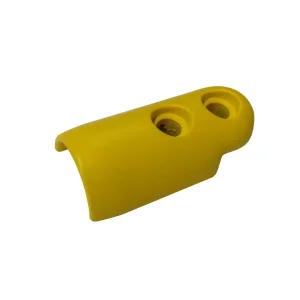
OEM Stainless steel cast bus armrest bracket

OEM Stainless steel cast bus armrest bracket Manufacturers, Supplier

Explore Specifications
CNC Turning Titanium Alloy Screws

High-Quality CNC Turning Titanium Alloy Screws for Mountain Bike Modification Product, Factory

Explore Specifications
Custom Stainless Steel Investment Casting Products

Custom Stainless Steel Investment Casting Products for Construction Applications

Explore Specifications
Custom Stainless Steel Casting Valve Components

Custom Stainless Steel Casting Valve Components Product, Factory

Explore Specifications
Custom CNC Turning and CNC Milling Services

Custom CNC Turning and CNC Milling Services for Various Metal Materials

Explore Specifications
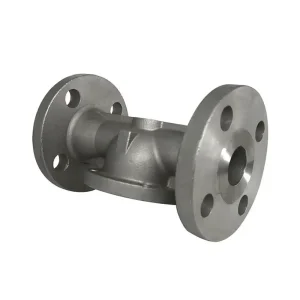
Custom Non-standard precision casting valve body parts

Custom Non-standard precision casting valve body parts Service, Factories

Explore Specifications
Custom Non-standard custom metal CNC machining components

Custom Non-standard custom metal CNC machining components Manufacturer, Factory

Explore Specifications
Smart Home Casting Components

Custom Professional Investment Casting Factory Customizes Smart Home Casting Components Manufacturer, Factories

Explore Specifications