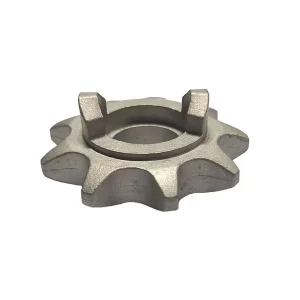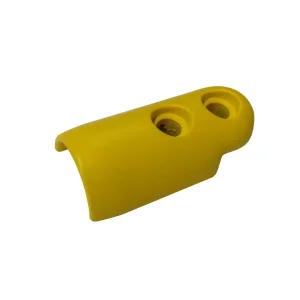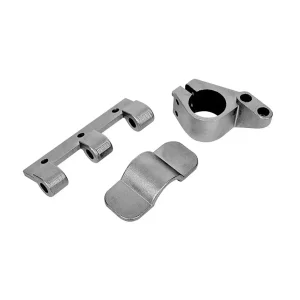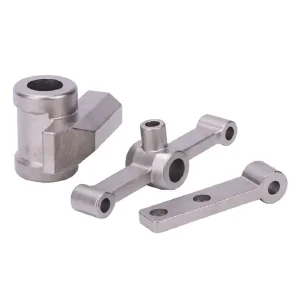
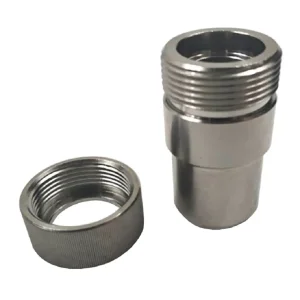
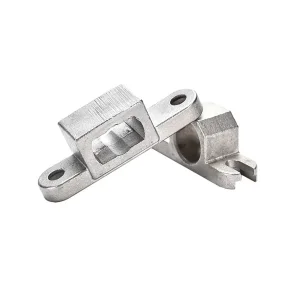
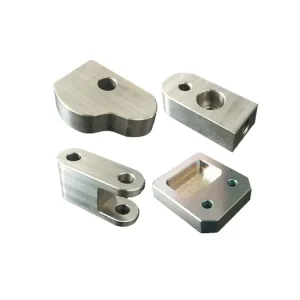
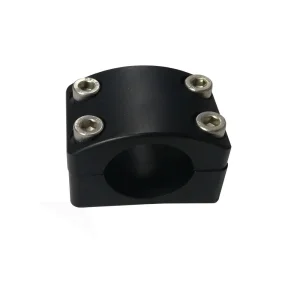
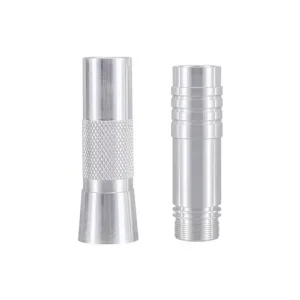
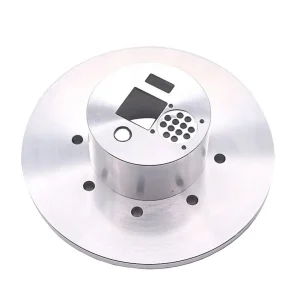
In modern industrial design, OEM Milling Body Casting represents the foundational bedrock for highly complex structural systems. These components serve as structural shells, dynamic housings, and pressure vessels across a broad spectrum of advanced fields. The engineering requirements demand an intricate hybridization of metallurgical casting integrity and high-definition computer numerical control (CNC) finish milling. As manufacturing requirements shift toward higher power density and weight reduction, the integration of investment casting and milling technology has become essential for engineering success.
This whitepaper details the metallurgical choices, multi-axis milling roadmaps, global supply chain conditions, and QA metrics that define high-precision manufacturing. Through this documentation, engineers and procurement teams can identify the strategic advantages of choosing high-capability manufacturers to handle custom steel, stainless steel, and titanium casting components.
The global demand for OEM milling body castings is experiencing steady growth, driven by investments in high-efficiency industrial machinery, medical electronics, aerospace, and marine engineering. Regionally, the market is characterized by distinct localized requirements:
Modern supply chains require suppliers to offer integrated casting and CNC machining capabilities. This single-source approach reduces material transit times, prevents inter-facility quality disputes, and ensures the structural integrity of final machined surfaces relative to the raw cast datums.
The creation of a milling body casting demands a continuous, highly controlled manufacturing cycle. The technical process consists of three major phases:
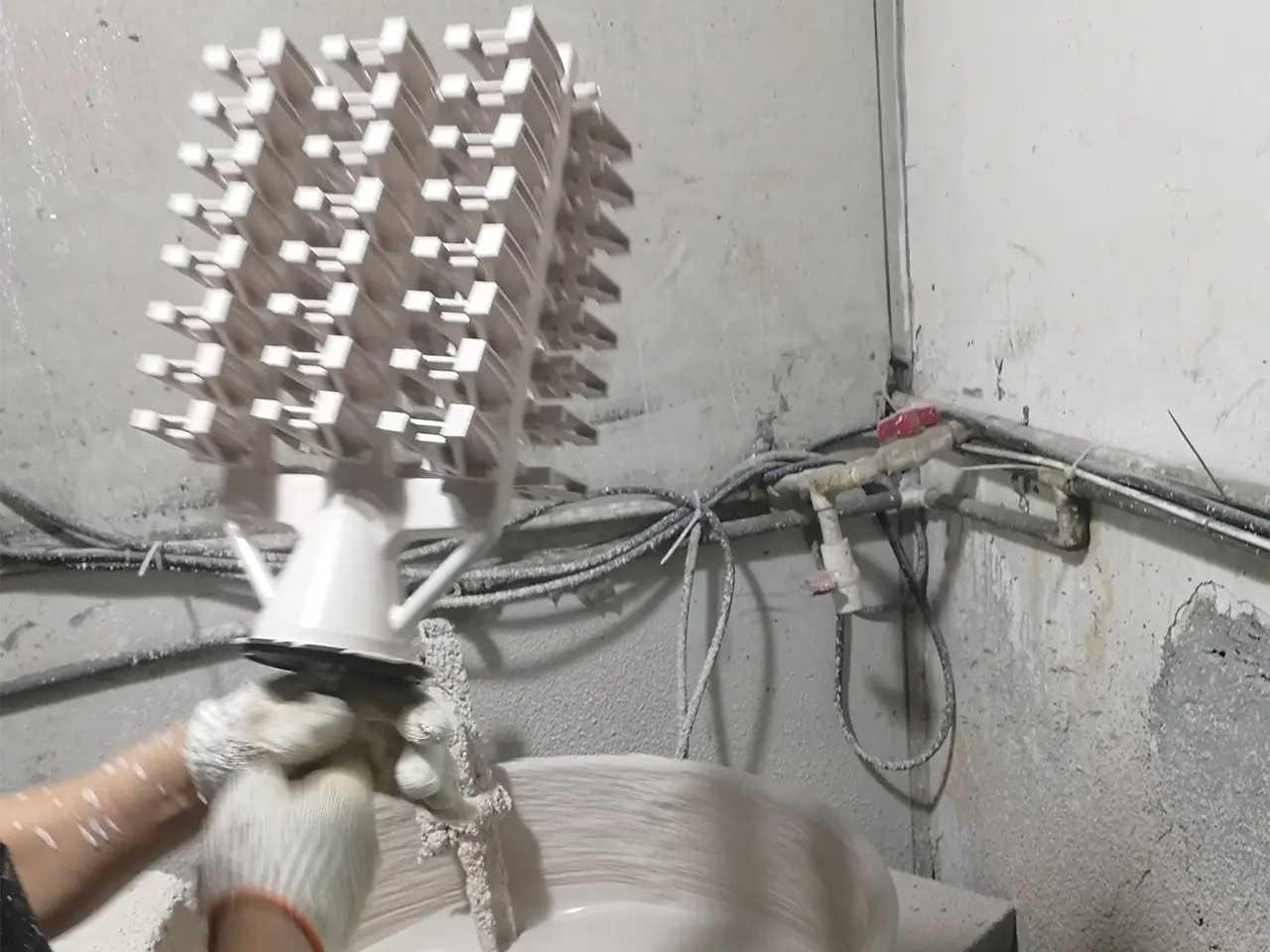
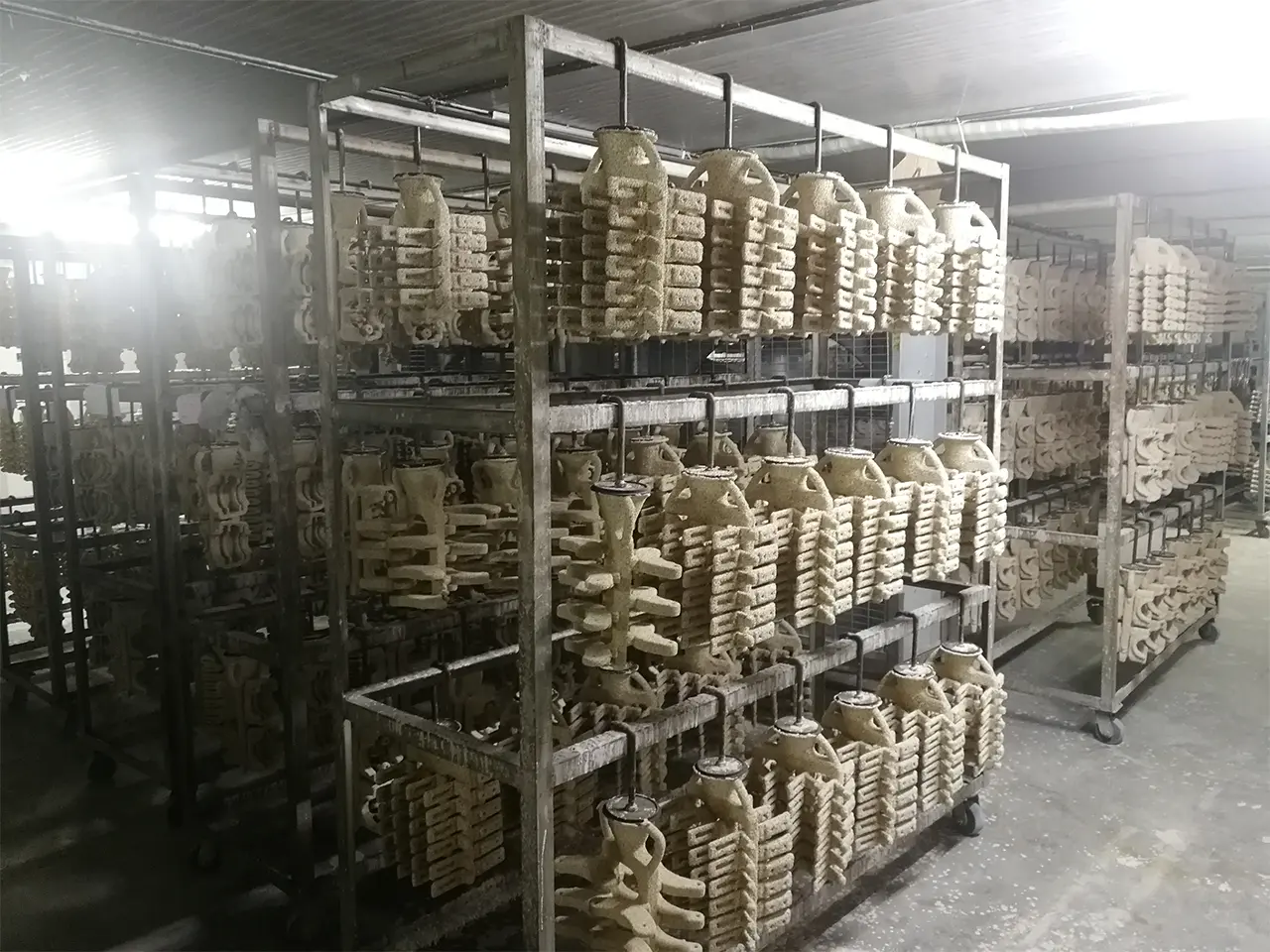
For complex geometries, investment casting is the preferred method for achieving net-shape or near-net-shape structures. The process begins with the creation of a high-precision wax pattern, which is then dipped in premium grade ceramic slurries. After drying, the wax is melted out to leave a high-durability hollow mold shell.
Liquid alloys (such as SUS316L, 17-4PH, or Carbon Steel WCB) are poured under vacuum or protective atmospheres to prevent gaseous inclusions and porosity. This step establishes the essential mechanical properties, grain structure, and density of the component.
Raw castings retain residual cooling stresses. To prevent structural distortion during subsequent milling processes, castings undergo normalizing, annealing, or solution-treating processes. These treatments relieve internal stresses, homogenize microstructures, and prepare the metal matrix for efficient machining tool interaction.
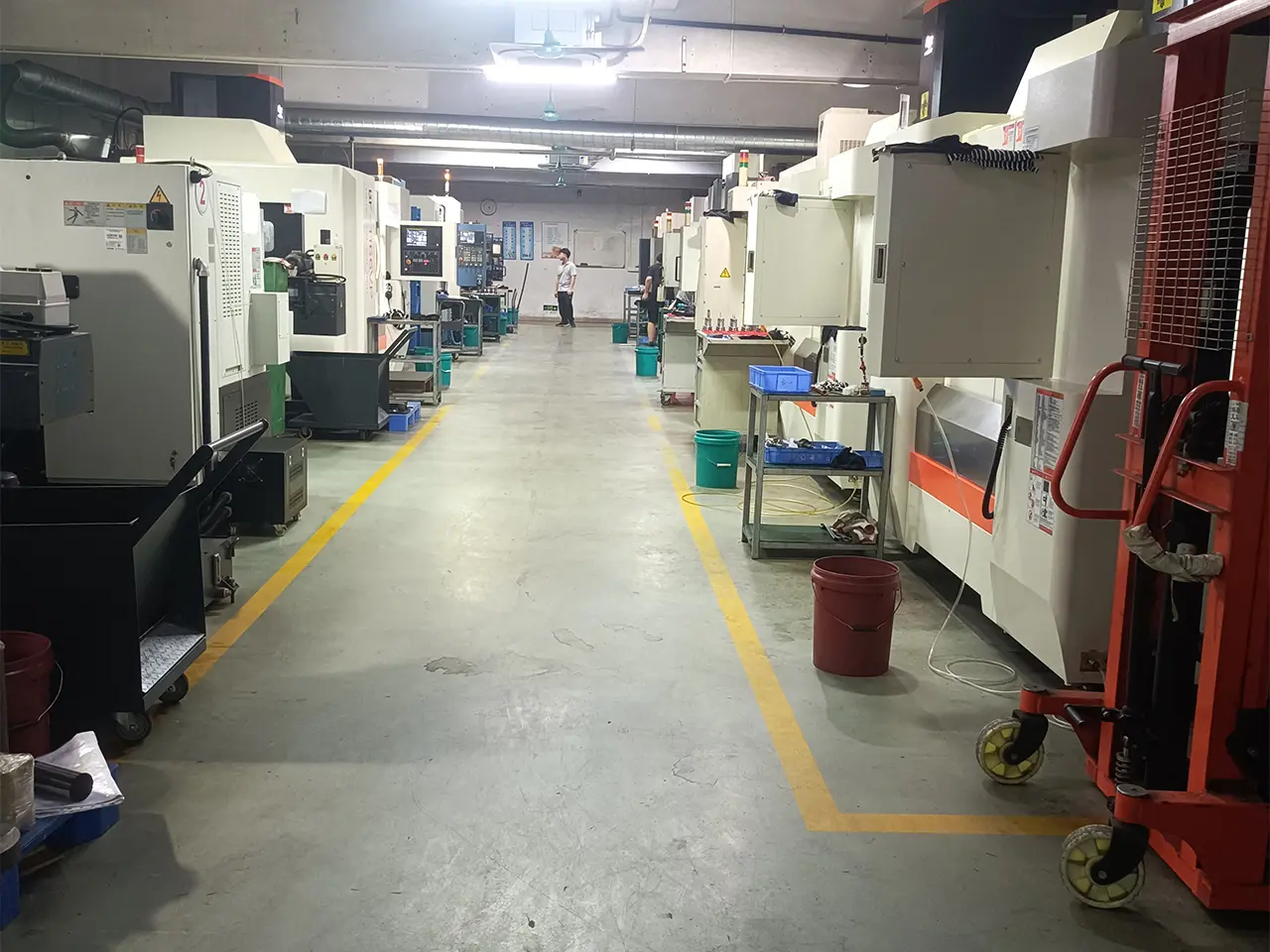
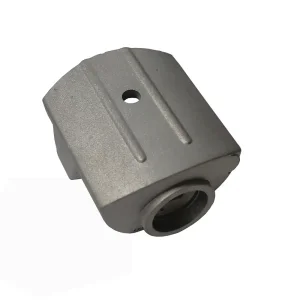
After casting, critical interfaces—such as bearing chambers, seal grooves, O-ring profiles, and mounting flanges—are finished using 4-axis and 5-axis CNC machining centers. This stage achieves sub-millimeter tolerances (down to ±0.005mm) while maintaining correct orientation relative to the cast datum system.
Investment casting allows for complex internal features and curved geometries that would be cost-prohibitive to machine entirely from solid raw bar stock.
High-speed milling spindles finish key areas of the casting to meet micro-level dimensional specs, ensuring perfect assembly compatibility.
Controlled thermal processing ensures the finished parts perform reliably under high cyclic mechanical loads and extreme environmental stresses.
Dongguan SX Technology Co.,Ltd has very rich experience in precision casting, CNC machining and assembly. Our products are used in machinery, automobiles, marine, ships, equipment, valves and pumps, electronic appliances, packaging, watches, construction, chemical industry and other industries.
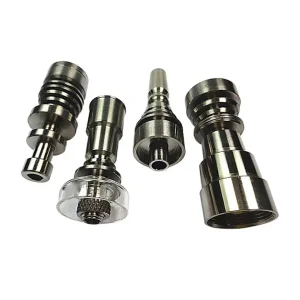
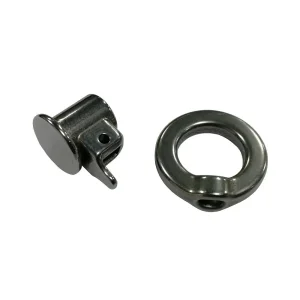
The most commonly used materials for investment casting are stainless steel and carbon steel. And the most commonly used materials for CNC machining include titanium alloy, stainless steel, carbon steel, aluminum alloy, copper alloy, cemented carbide, etc. We have advanced manufacturing equipment and technology and are able to respond quickly to your needs.
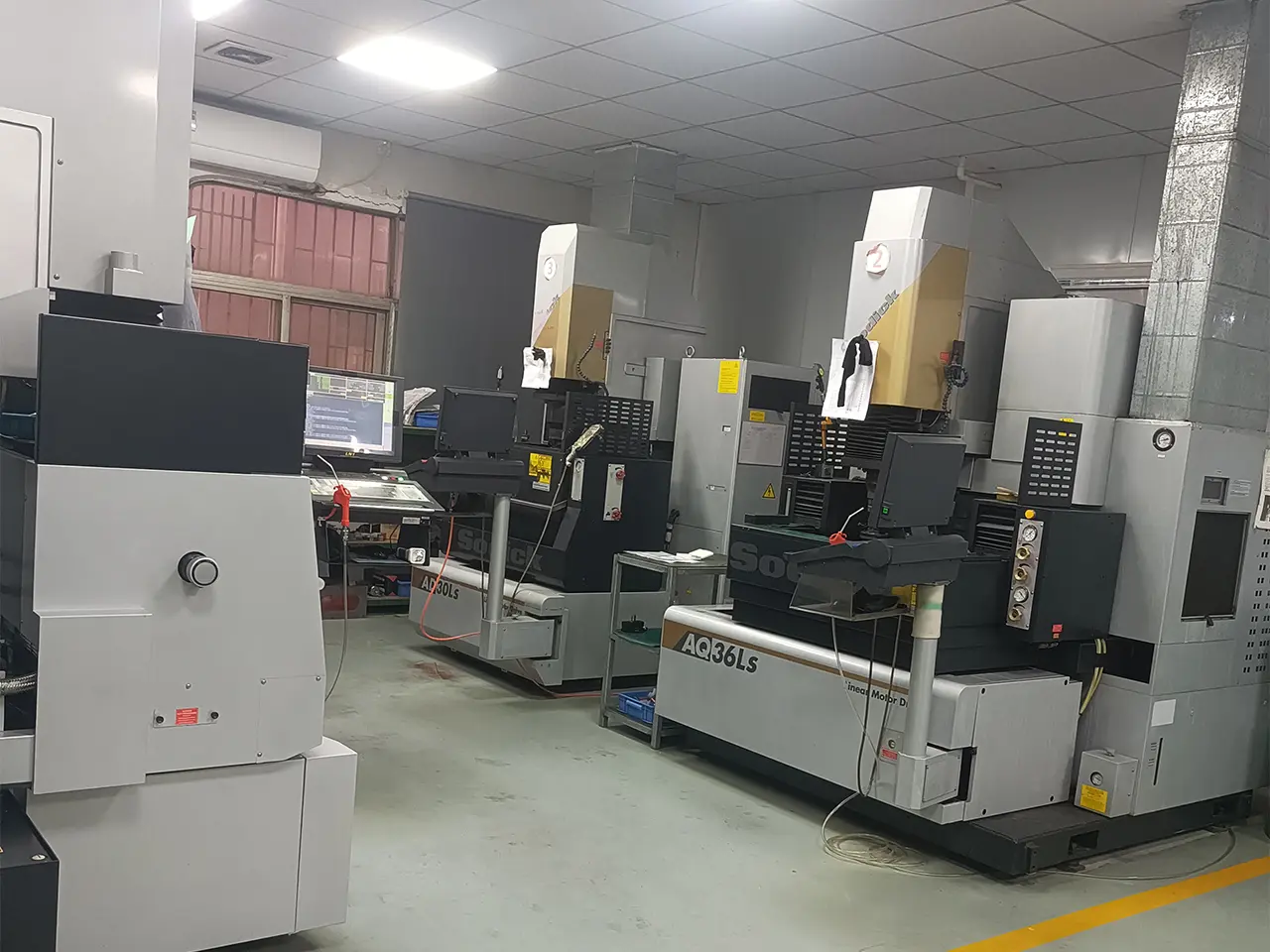
State-of-the-art facility featuring multi-axis machining centers and precision casting controls
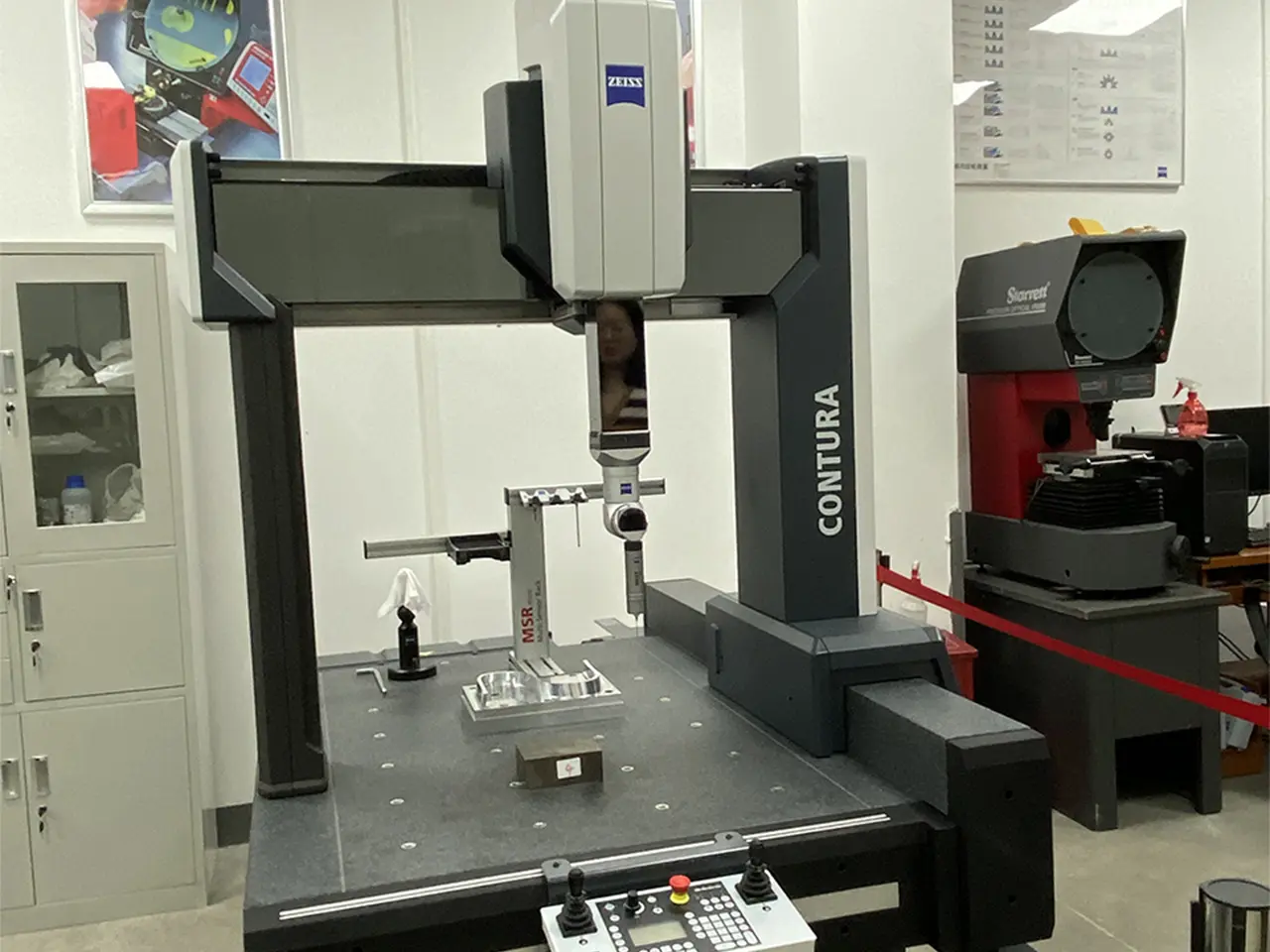
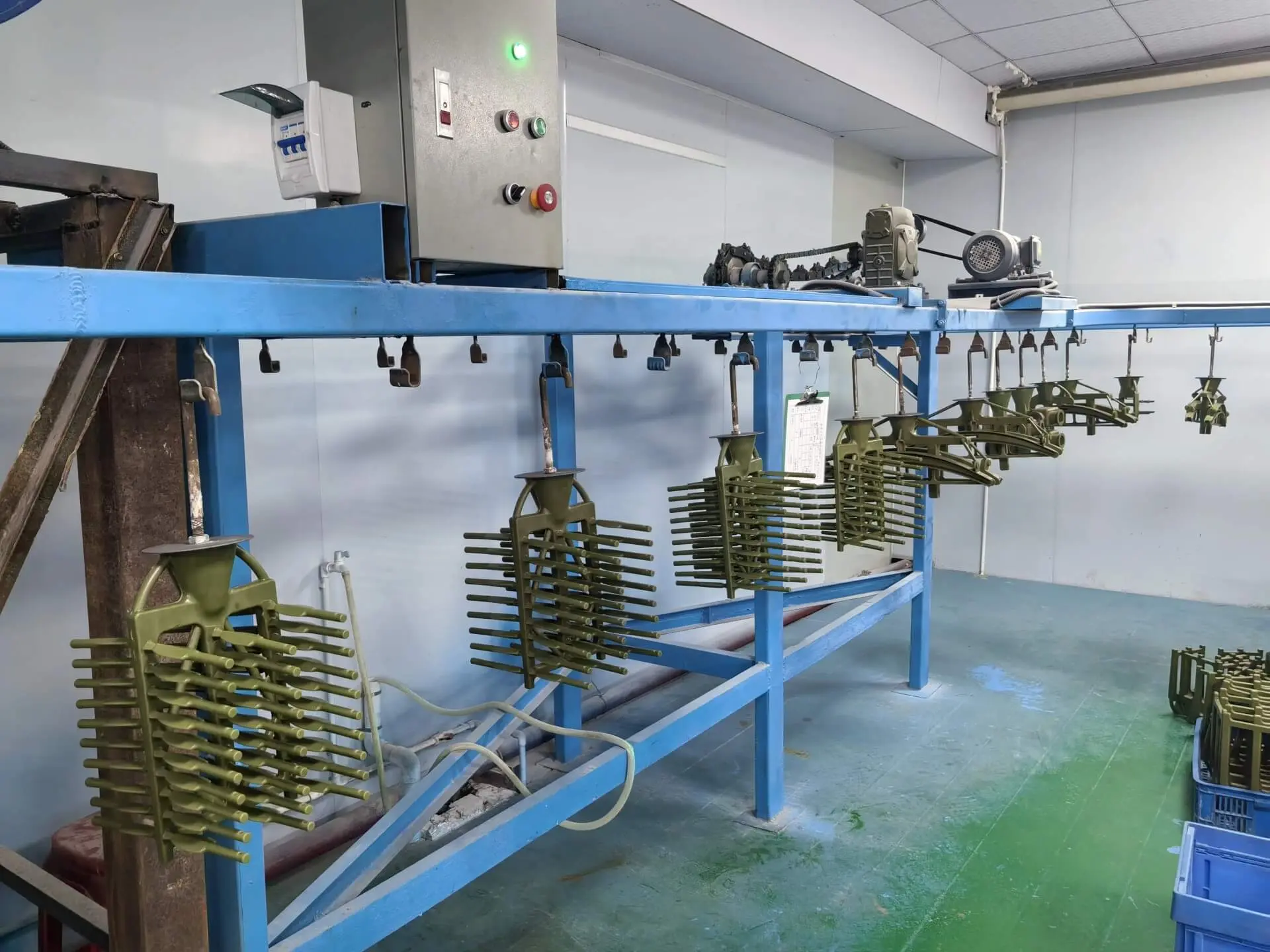
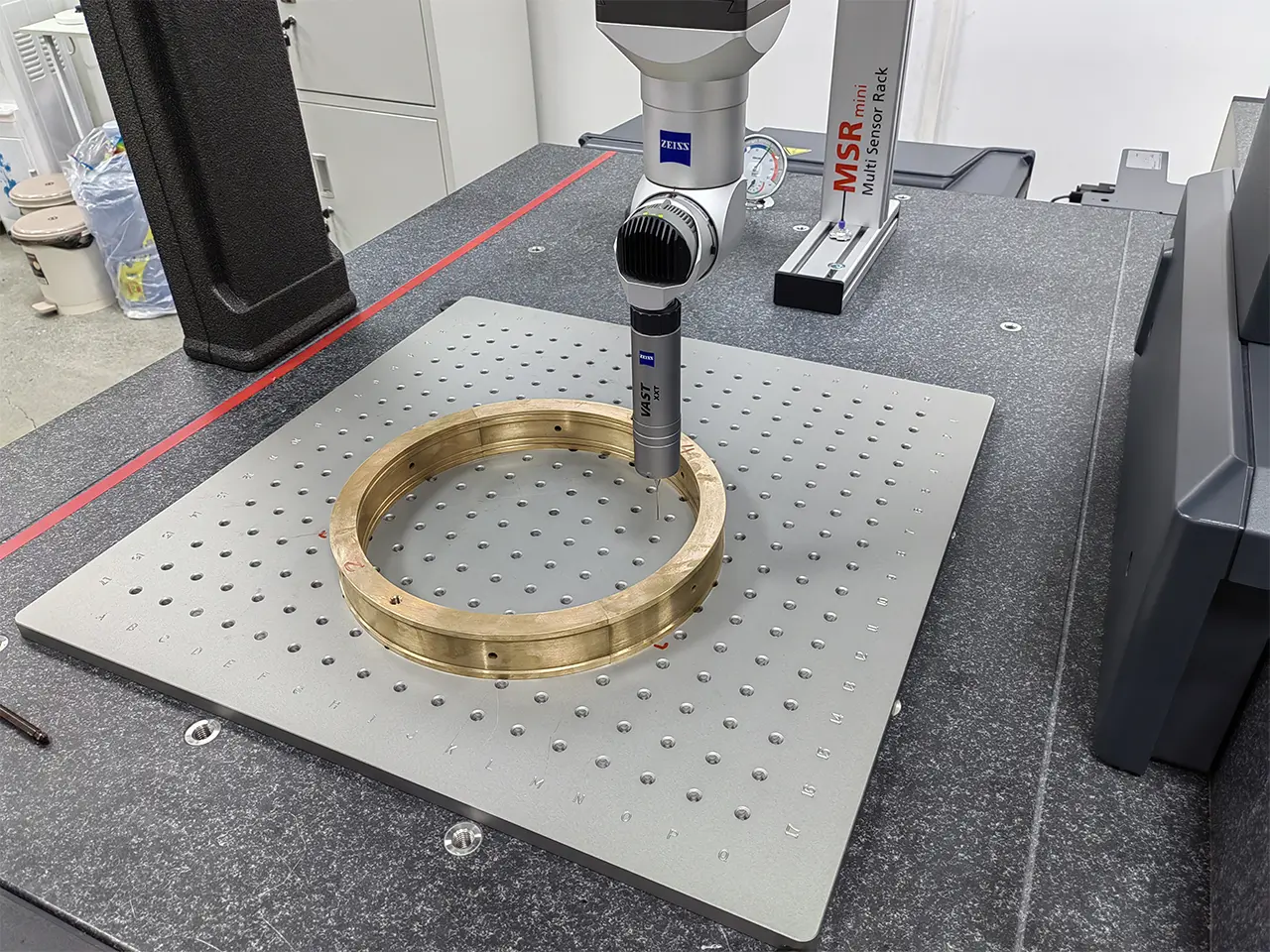
We have professional testing equipment and professional QC personnel, and we adhere to strict tolerances and quality standards for the products we produce. Due to our insistence on strict quality requirements, we have been praised by many customers.
Quality is the cornerstone of the manufacturing industry. We firmly believe that only by controlling quality well can we survive, develop, and get better and better. Therefore, we have been working in this industry unremittingly since 2014 and continue to improve the company's team and improve the company's production capacity.
Our metrology laboratory uses Coordinate Measuring Machines (CMM), optical spectrometers for metallurgical grade verification, ultrasonic testing for internal casting defects, and surface roughness testers to confirm Ra values match design requirements.
Milling body castings are utilized across key industrial sectors, with designs customized to match specific operational conditions:
Components in marine and chemical plants must withstand highly corrosive saltwater environments and aggressive chemical media. Using CF8M (cast 316) and Duplex stainless steel grades, we supply corrosion-resistant body castings that maintain structural integrity and prevent leakage under continuous high pressure.
Medical fittings require biocompatibility and tight tolerances. Utilizing high-grade titanium casting alloys processed in vacuum environments, we produce medical hardware, surgical fittings, and device enclosures that meet clinical standards.
High-torque mechanical systems require robust structural components. Carbon steel castings are normalized and finish-milled to create gearboxes, transmission carriers, and pump bodies that handle high mechanical stress and vibrations.
From armrest brackets to complex engine suspension mounts, automotive castings must balance cost-efficiency with high fatigue resistance. We utilize carbon and structural steels to deliver cast and machined parts optimized for high-volume automotive assembly lines.
We supply corrosion-resistant body castings designed to withstand aggressive environments, using alloys containing chromium and molybdenum for marine and chemical applications.
Proper thermal normalization eliminates micro-stress focal points, reducing structural fatigue and extending the operational lifespan of the castings.
The casting and milling industry is transitioning toward more digitalized and energy-efficient operations. Several key technological trends are shaping this evolution:
Using advanced casting simulation software, engineers can model the mold-filling process, thermal patterns, and cooling phases before casting begins. This helps identify and eliminate common casting defects like shrinkage cavities and gas bubbles during the design stage.
Modern CNC machining centers feature integrated sensor arrays that monitor cutting forces, tool wear, and structural vibration in real time. Adaptive control algorithms adjust tool speeds and feed rates dynamically to optimize surface finish quality and extend tool life.
The industry is increasing focus on sustainability, with casting facilities implementing sand recycling systems, scrap metal recovery programs, and energy-efficient induction melting equipment to reduce overall carbon footprints.
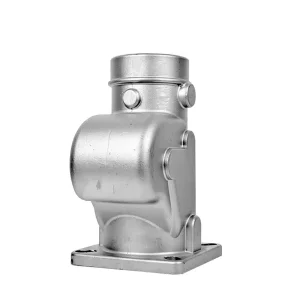
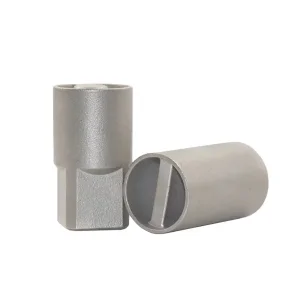

 SX Machining