High-precision structural and cosmetic metal parts engineered to strict aerospace, marine, and industrial standards.
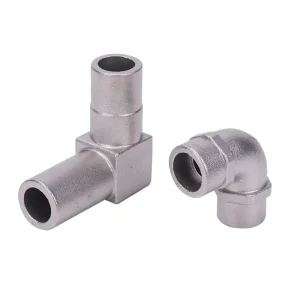
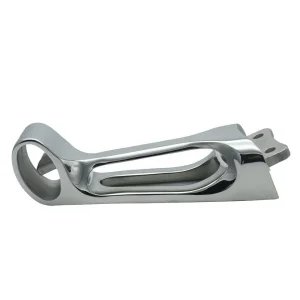
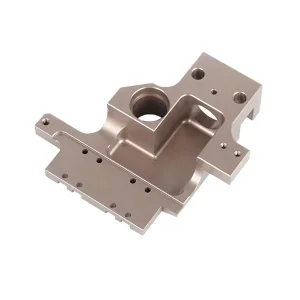
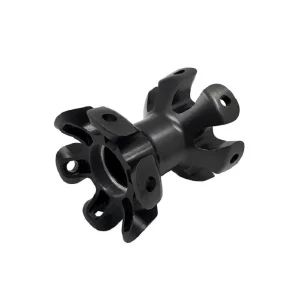
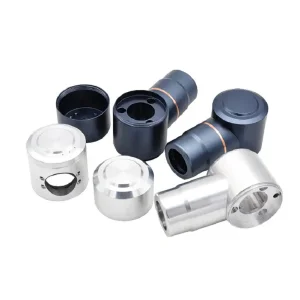
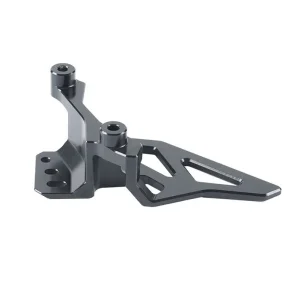
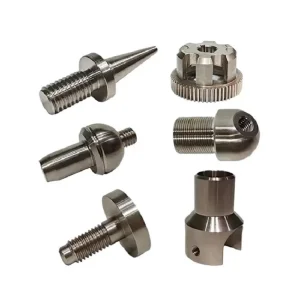
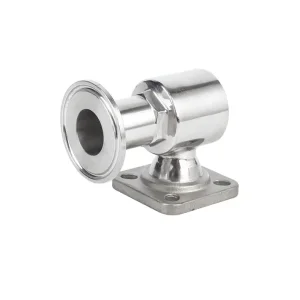
Dongguan SX Technology Co.,Ltd is a premier manufacturer specializing in high-precision investment casting (wax pattern casting), advanced CNC machining, and complex component assembly. Over the years, we have built a reputation for transforming complex designs into high-performance metal components that serve critical applications globally.
Our integrated capabilities bridge the gap between initial metallurgical casting and high-tolerance post-machining. By offering both investment casting and CNC solutions under one roof, we eliminate intermediate supply chain margins, reduce turnaround times, and guarantee tight tolerances (up to ±0.005mm) across diverse alloy systems.
The core of our metallurgical capabilities lies in processing high-grade stainless steel, carbon steel, titanium alloys, aluminum, and specialized copper alloys, ensuring our structural products resist wear, corrosion, and extreme mechanical stress.
Discover why global OEMs choose our Dongguan facility to streamline engineering cycles, minimize costs, and secure component reliability.
Located in the heart of Dongguan's industrial manufacturing cluster, we have instant access to primary high-grade alloy suppliers, specialized heat-treatment plants, and surface finishing facilities, keeping logistics lean and rapid.
Unlike standard foundries, we perform complex multi-axis CNC milling, turning, and thread-cutting on cast parts in-house. This ensures that datum faces align perfectly with the geometry of the raw casting.
Our tooling design and wax mold production are executed using advanced CAD/CAM software. We provide highly cost-effective aluminum and steel tooling solutions, offering complete tooling life guarantees for mass production.
Step inside our highly controlled production environments, designed for maximum consistency and cleanliness.
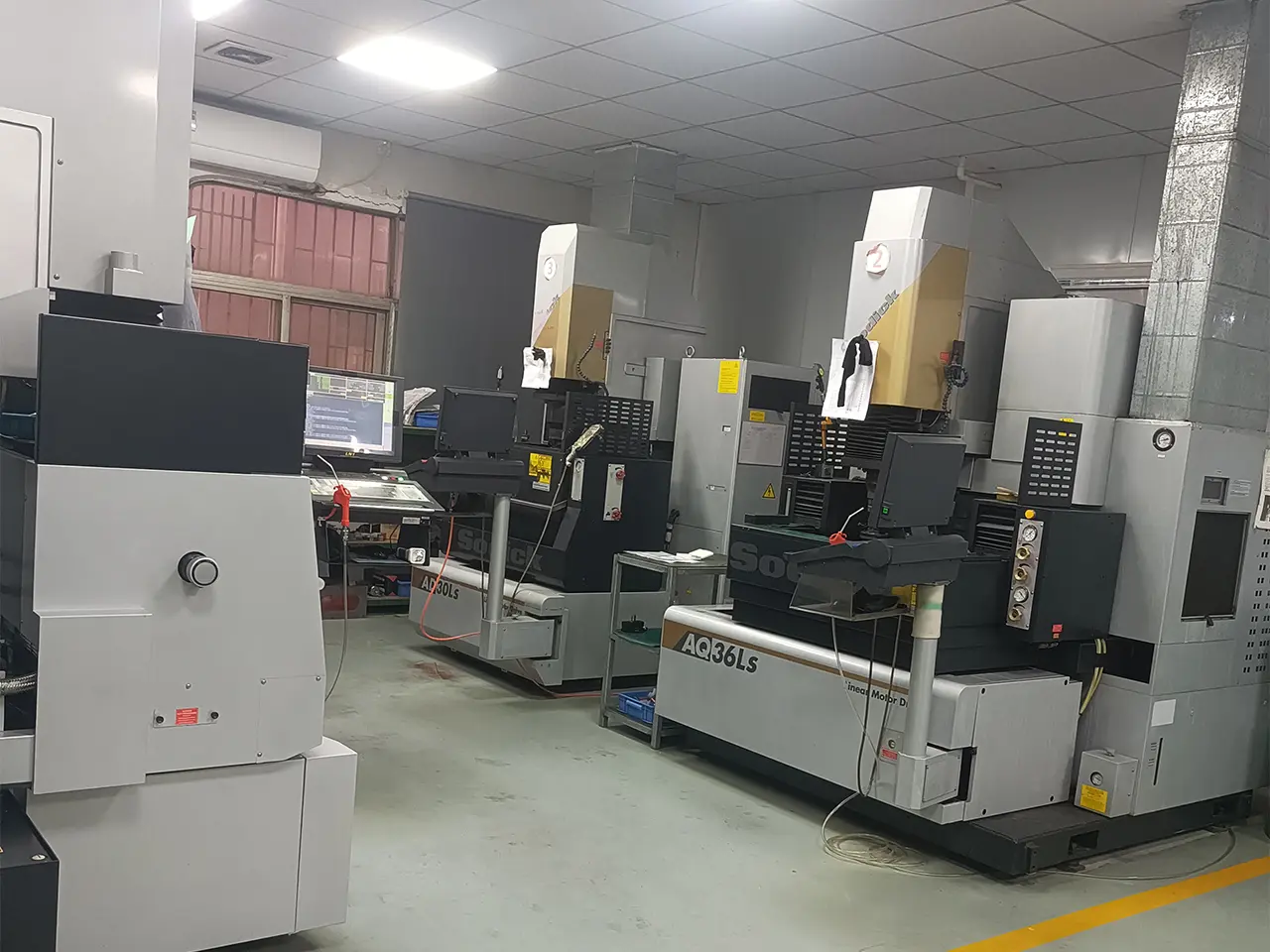
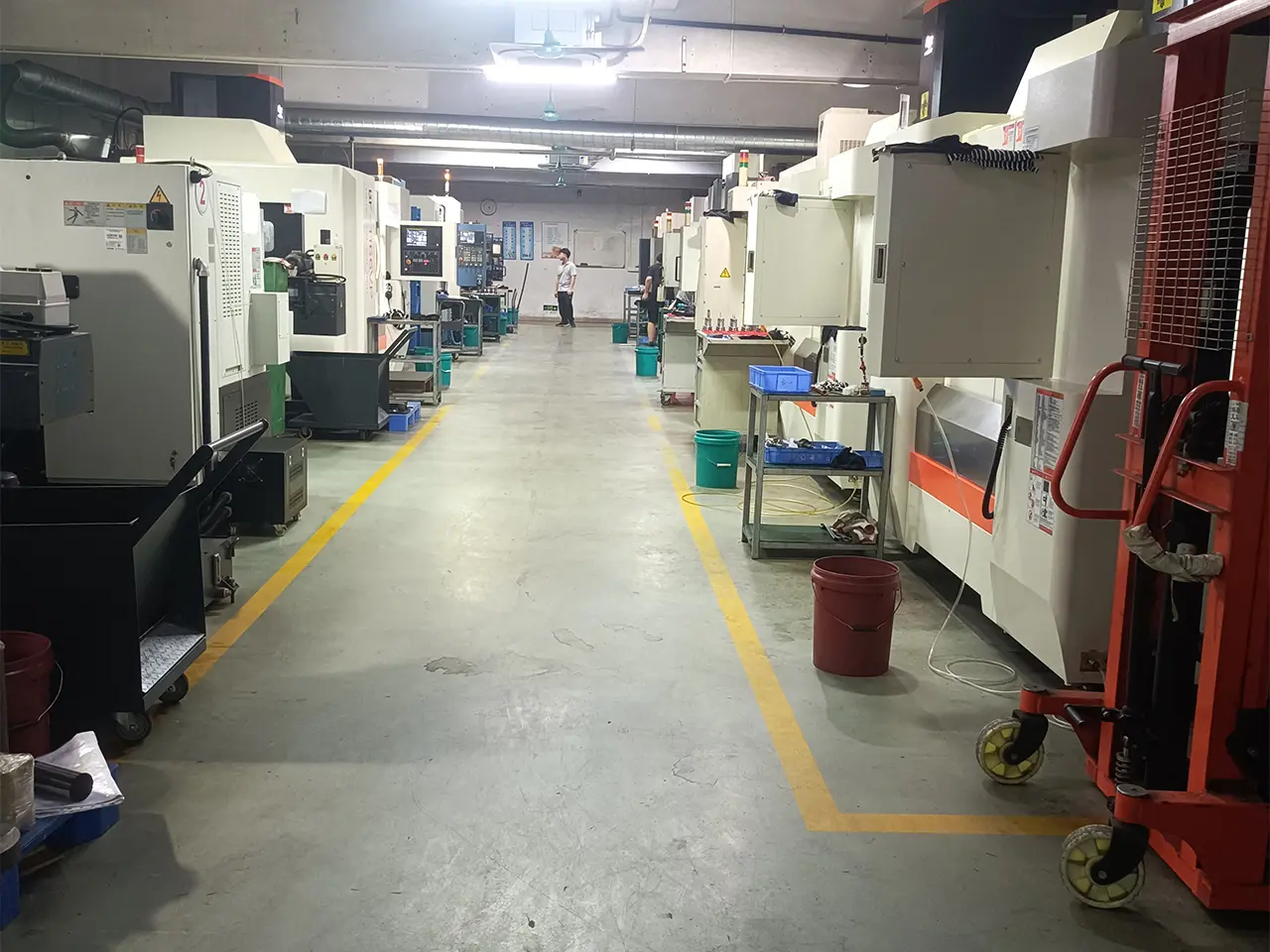
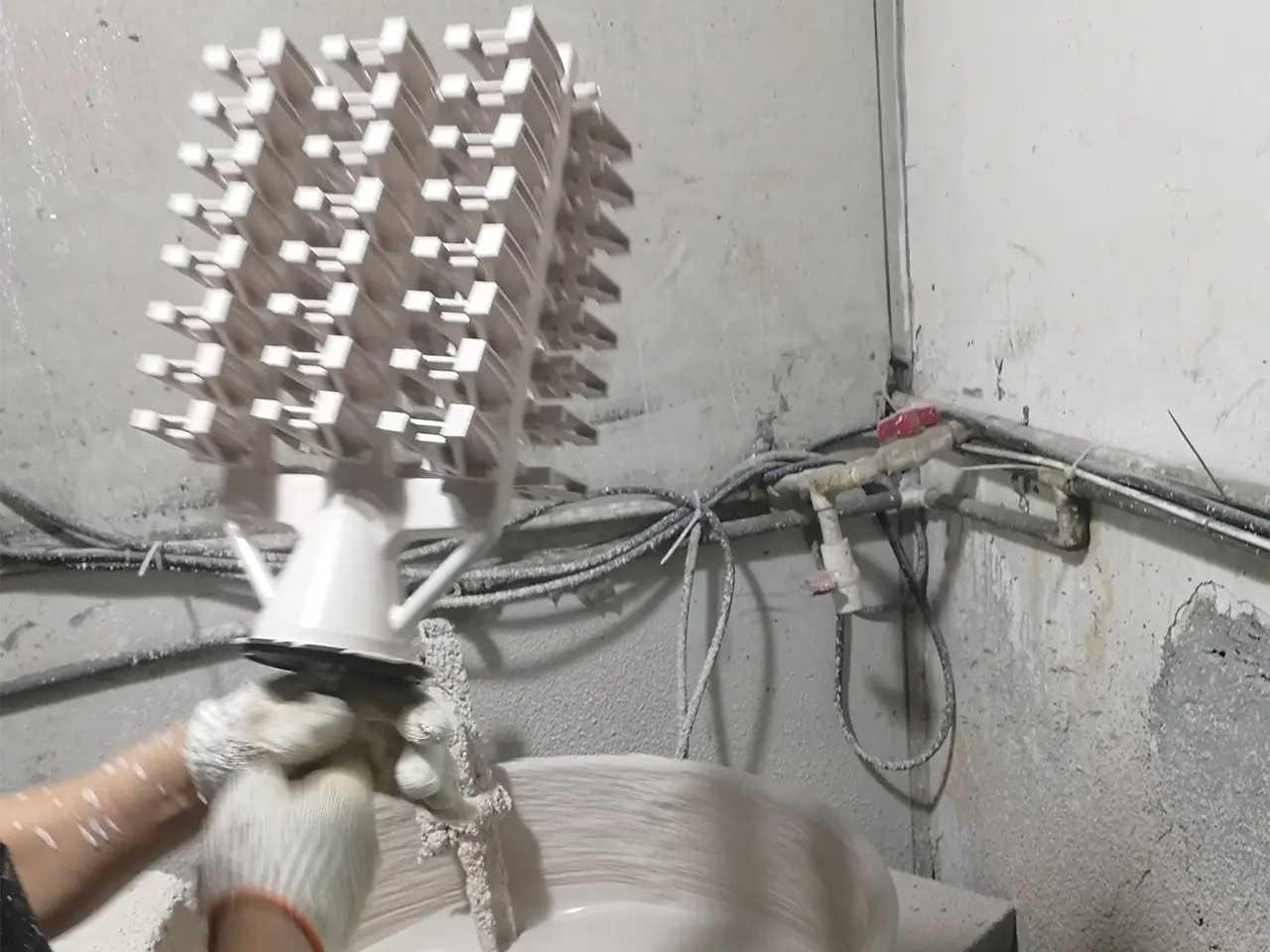
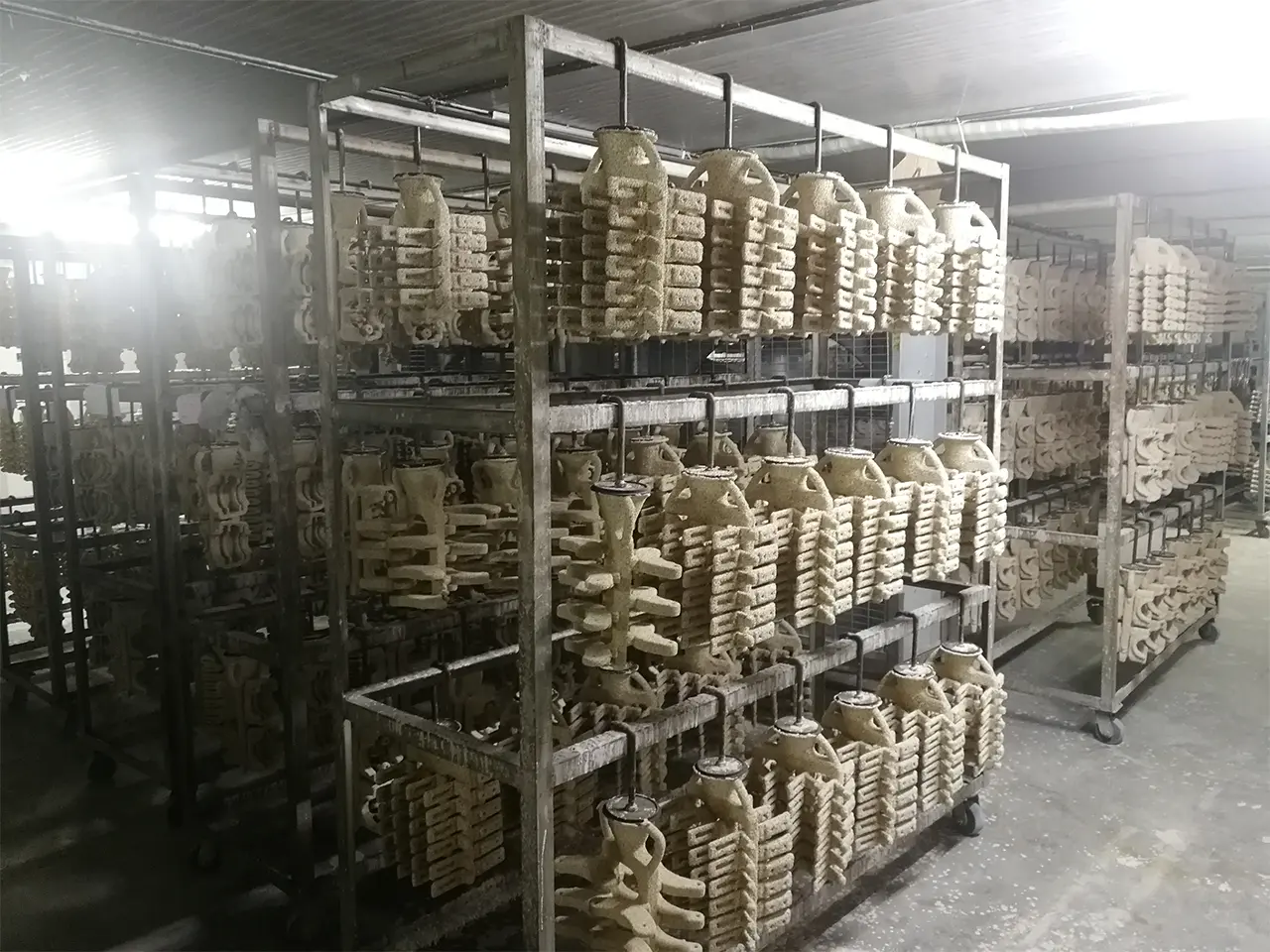
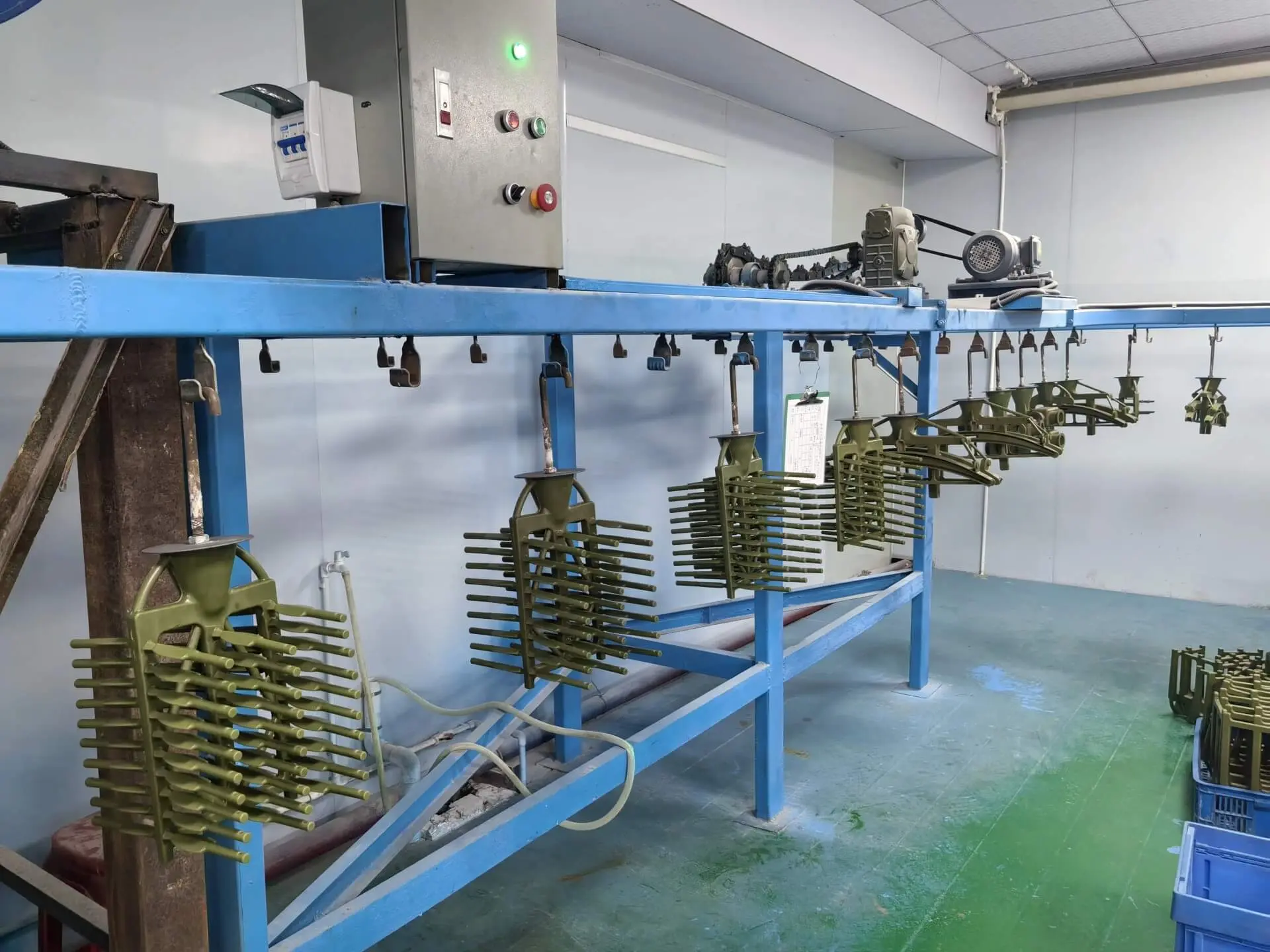
From initial CAD formulation to the final precision machined and polished component.
High-grade industrial wax is injected into CNC-machined aluminum molds under strictly controlled temperatures to form dimensionally perfect patterns.
Patterns are assembled onto runner trees and coated repeatedly with silica sol slurry and refractory sand to construct a durable ceramic shell.
The assemblies are steam autoclaved to melt and drain the internal wax. Superheated molten alloy is then poured into the preheated shell.
After cooling, the shell is broken away. The raw parts undergo gate removal, heat treatment, and precision CNC milling to achieve final dimensions.
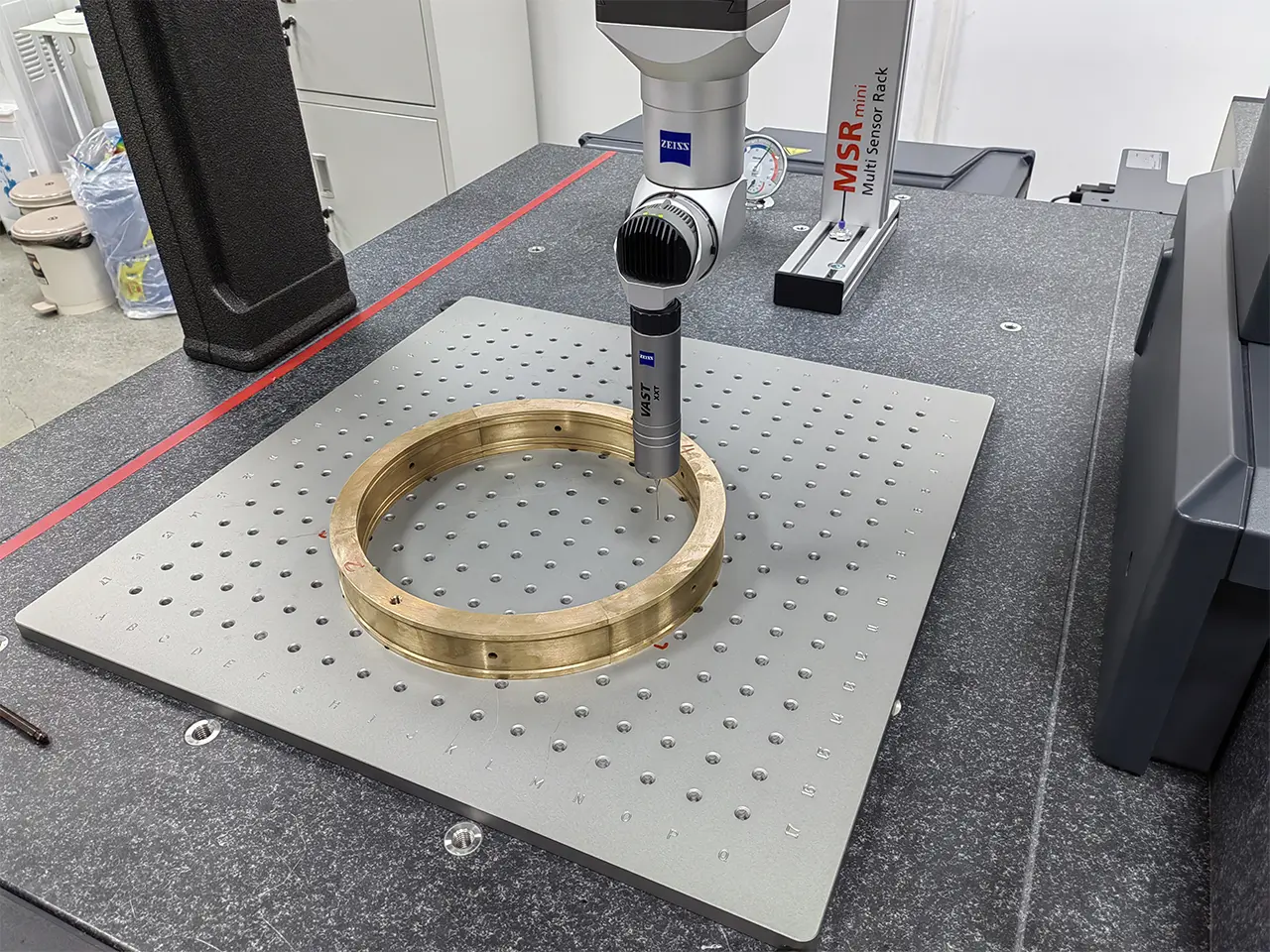
We adhere to international quality benchmarks, ensuring that structural defects are detected long before they reach our customers.
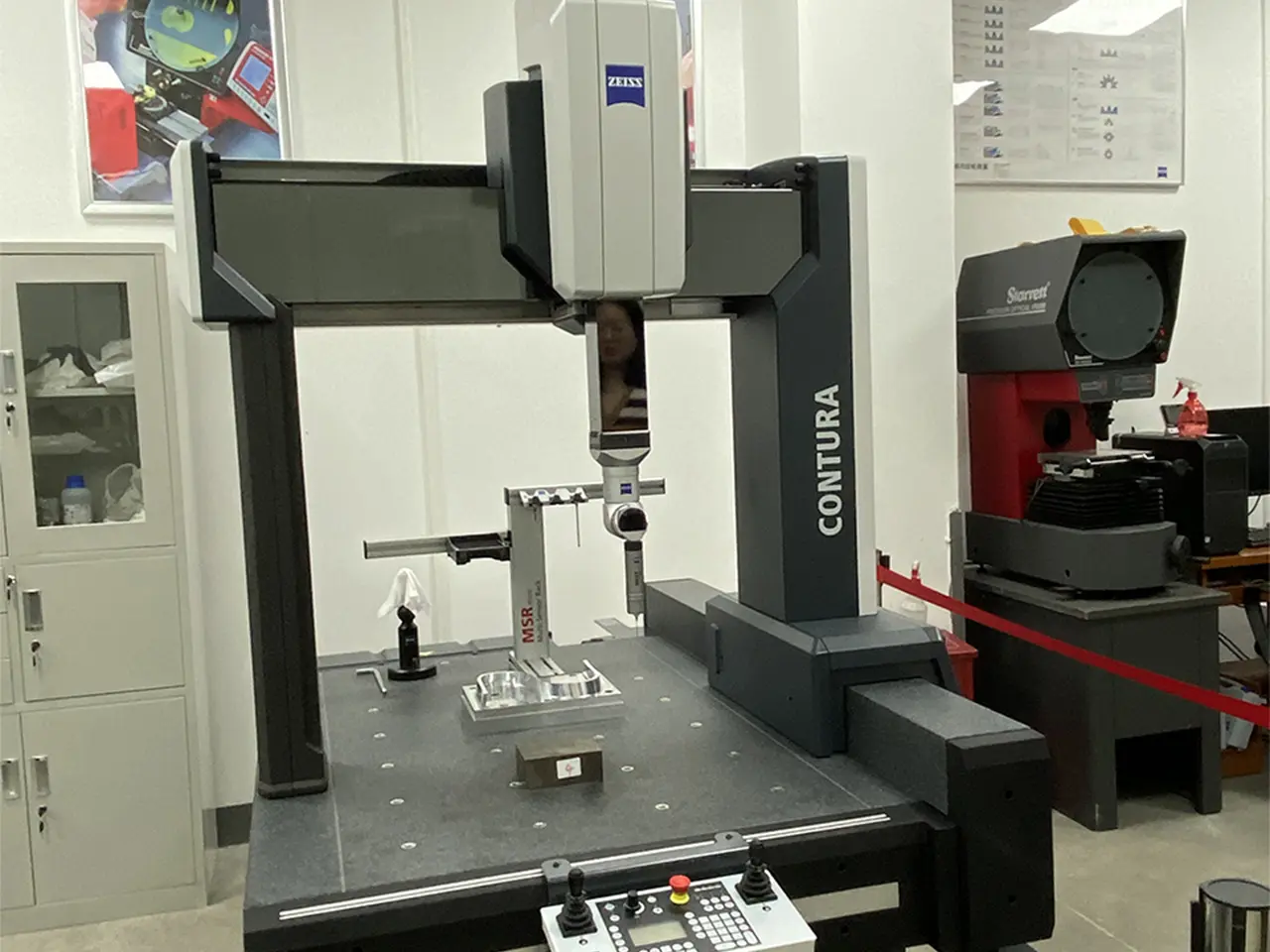
Since 2014, quality has remained the cornerstone of our company's survival and long-term development. We employ a dedicated QA department equipped with state-of-the-art testing systems:
Every shipment is accompanied by complete Material Test Reports (MTR) and Dimensional Inspection Sheets to ensure 100% traceability.
How modern casting technologies are shifting towards sustainability, additive manufacturing, and digitized global supply chains.
The modern investment casting landscape is embracing hybrid workflows. Rapid prototyping via 3D printed PMMA or wax patterns is replacing expensive steel tooling for low-volume production. This shift allows automotive, aerospace, and medical engineering teams to validate structural geometries in days rather than weeks.
Furthermore, advanced computer-aided simulation of mold filling and solidification prevents common defects such as shrinkage cavities, gas porosity, and hot tears before mold fabrication begins.
International buyers face increasingly complex environmental and quality regulations. Foundries must comply not only with strict dimensional requirements, but also with RoHS, REACH, and ESG guidelines. Our facility is engineered to maximize recycling of wax compounds and minimize emissions, presenting a clean, sustainable footprint for Western procurement teams.
Get immediate, clear answers on technical constraints, tooling costs, lead times, and metallurgical characteristics.
Generally, we achieve linear tolerances of ±0.1mm to ±0.2mm per 25mm of dimension directly from the casting process using silica sol molds. For dimensions requiring tighter tolerances, such as bearing fits or threaded holes, we perform post-casting CNC machining to achieve tolerances as tight as ±0.005mm.
Silica sol casting is our primary method. It provides superior surface finish (Ra 3.2 to 6.3 μm) and tighter dimensional control compared to water glass casting, which has higher surface roughness (Ra 12.5 μm) and is mostly suited for heavy carbon steel components. Silica sol is also the preferred standard for stainless steel and critical alloy applications.
We specialize in casting stainless steels (304, 316, 316L, 17-4 PH, duplex steels), carbon steels (WCB, LCC, 1020, 1045), and alloy steels. For highly specialized applications, we also integrate CNC machining for titanium (Gr2, Gr5), aviation aluminum alloys (6061-T6, 7075), and copper alloys.
Every heat is tested using our digital optical spectrometer before tapping the furnace. We also conduct structural testing, non-destructive dye penetrant tests, and radiographic inspection (X-ray) upon request to verify internal structure density and eliminate gas porosity, shrinkage, and micro-cracking.
Yes, our engineering team regularly assists customers in refining design models. We analyze draft angles, wall thickness variations, runner systems, and solidification behaviors using casting simulation software. This prevents defects, reduces component weight, and simplifies post-machining operations.
From structural marine equipment to custom machined automotive components, check our complete inventory.
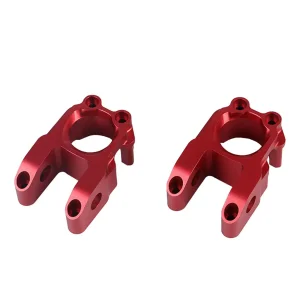
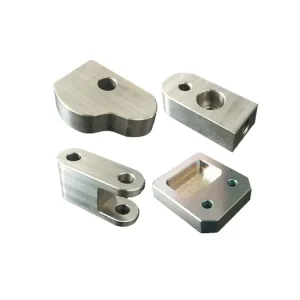
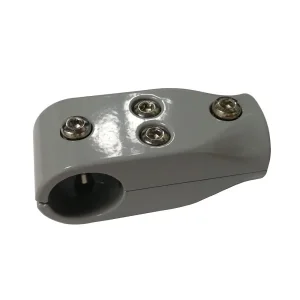
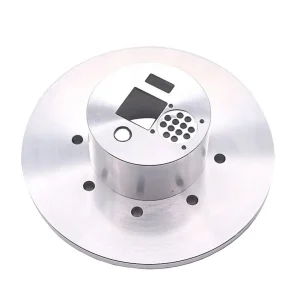
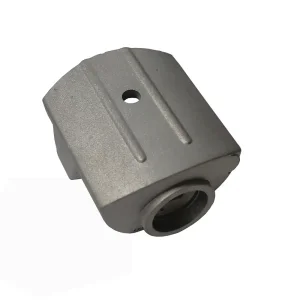
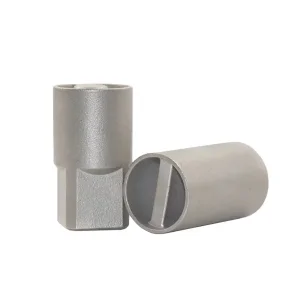
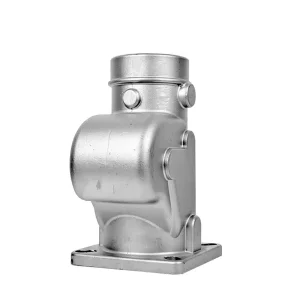
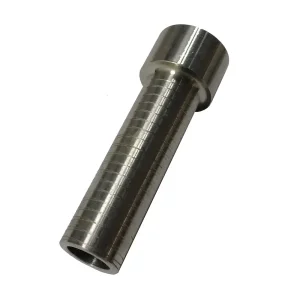
 SX Machining