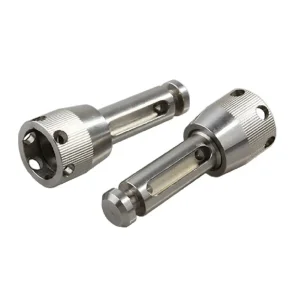
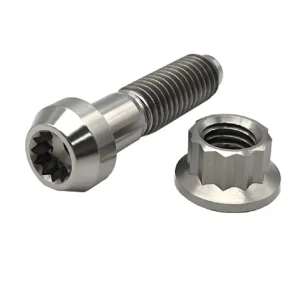
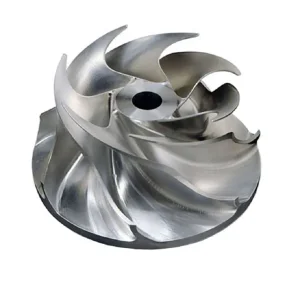
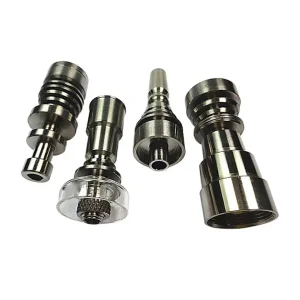
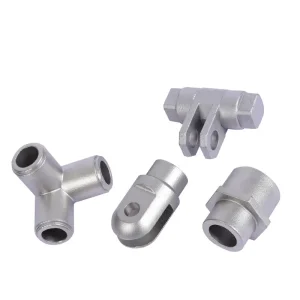
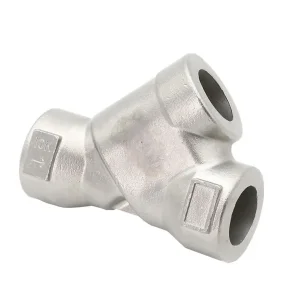
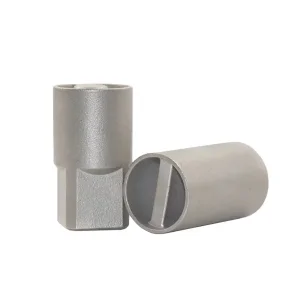
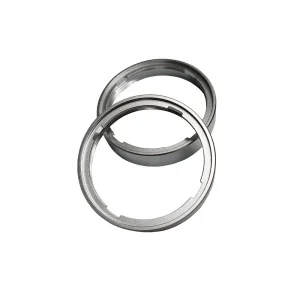
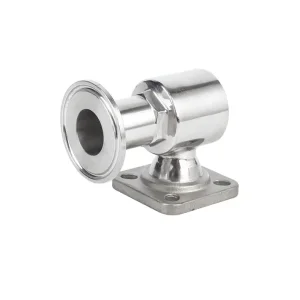
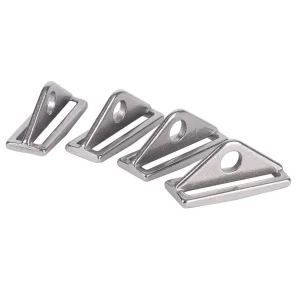
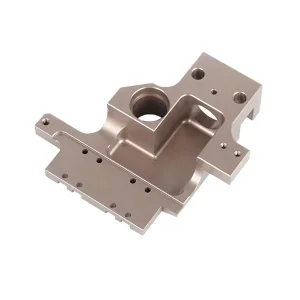
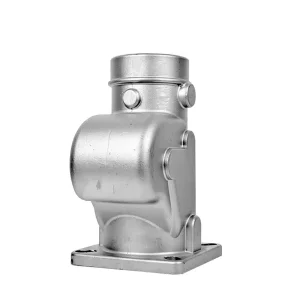
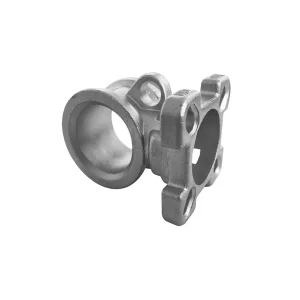
Explore our leading custom engineering solutions manufactured under rigid ISO tolerances and strict metallurgical controls.
The global industrial manufacturing landscape is experiencing a paradigm shift. High-precision industries, including automotive, marine shipping, medical instrumentation, chemical process piping, and aerospace, are demanding metal components that exhibit not only structural integrity but also extreme tolerance reliability. Investment casting (lost wax casting) and precise multi-axis CNC machining are at the epicenter of this shift.
In mature markets such as North America and the European Union, the demand for complex geometries in advanced alloys—such as titanium, super-duplex stainless steels, and copper-nickel alloys—is rising. Traditional sand casting is no longer sufficient for high-stress applications. Original Equipment Manufacturers (OEMs) require casting solutions that reduce post-processing, eliminate internal porosity, and deliver exceptional surface finishes (Ra < 3.2μm before finishing).
Moreover, global supply chains require strategic partnerships with factories capable of providing end-to-end integration: from fluid dynamic simulation of molten metal flow to final precision CNC machining, surface treatments, and certified testing. As a result, the role of premium Chinese casting solutions suppliers has transitioned from low-cost parts replication to high-value collaborative engineering partners.
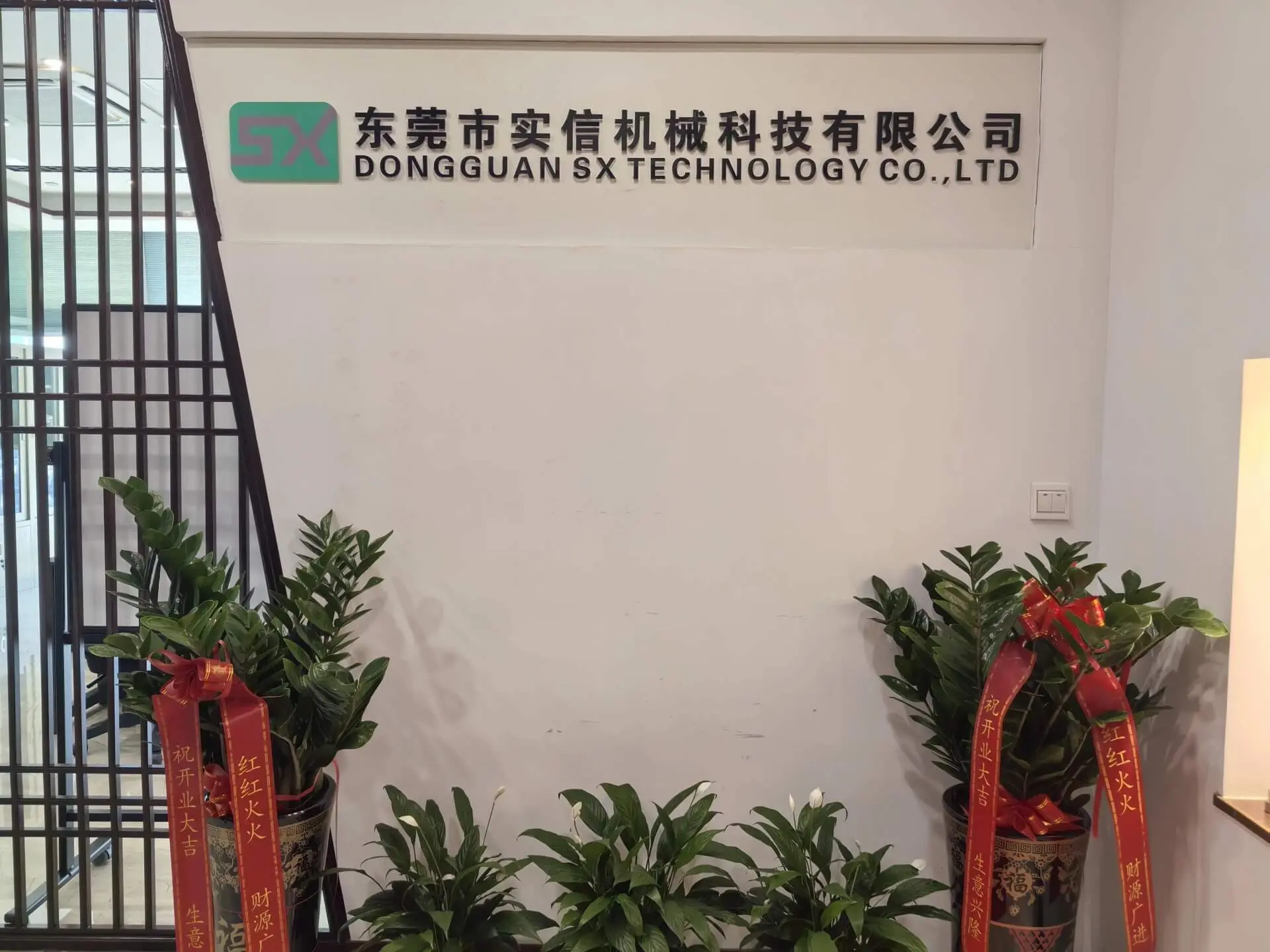
Established in 2014, Dongguan SX Technology Co., Ltd. (operating under the renowned industrial brand Shixin) has built an authoritative reputation in the fields of precision investment casting, multi-axis CNC machining, and comprehensive structural assemblies. Strategically located in the global manufacturing hub of Dongguan, China, we operate with a singular focus: delivering industrial solutions that bridge the gap between design complexity and real-world manufacturability.
Our operational expertise covers a highly diverse material catalog, catering to the most demanding operational environments. In precision investment casting, we specialize in high-grade stainless steel (such as 304, 316, 316L, and duplex steels) and carbon steel. In high-tolerance CNC machining, we handle high-performance metals including titanium alloys, aluminum alloys, copper alloys, cemented carbides, and heavy-duty structural steel.
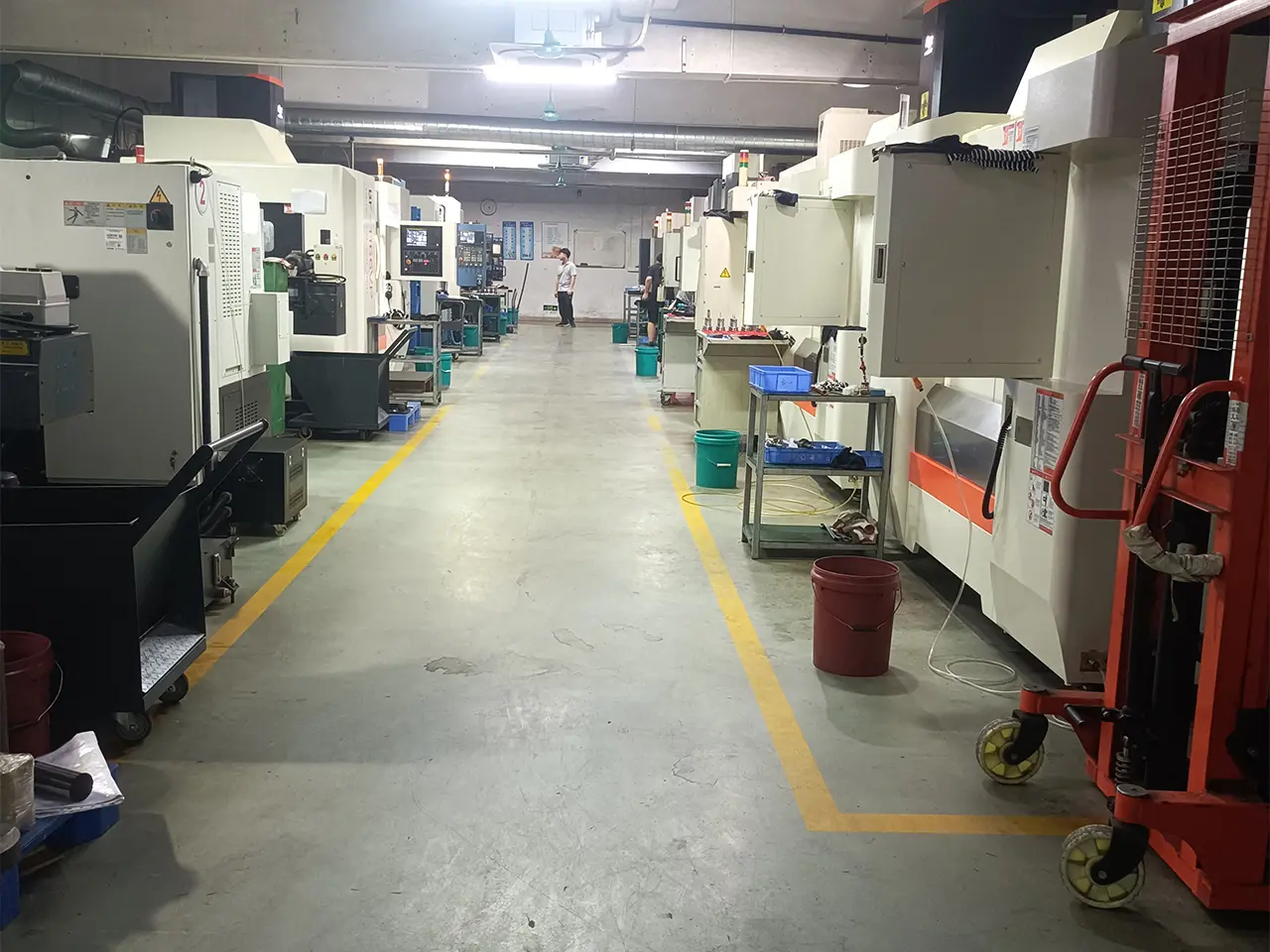
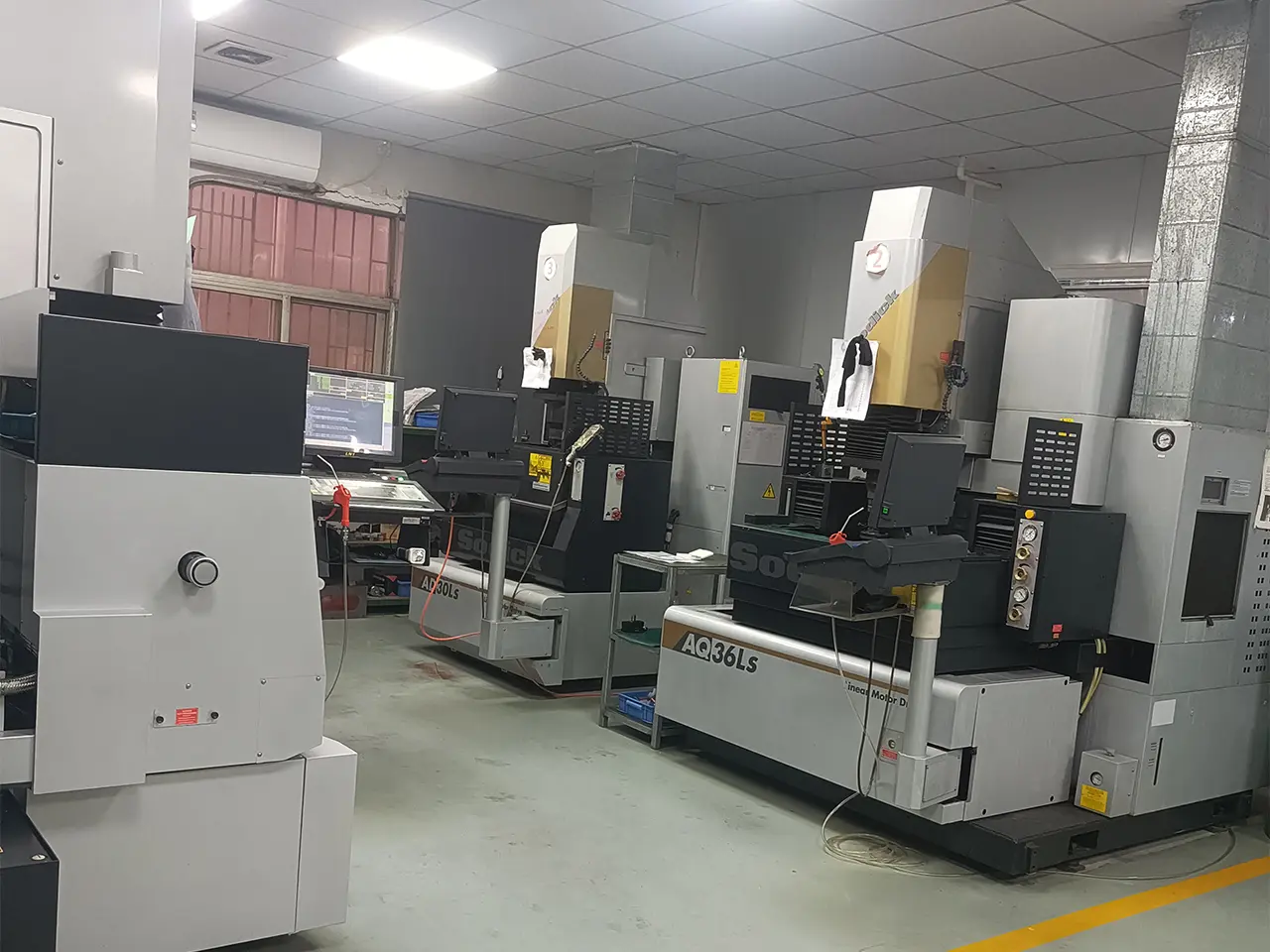
Our facility houses state-of-the-art machinery including 5-axis CNC machining centers, precision turning-milling centers, and high-capacity investment casting production lines. By integrating metallurgical casting with subtractive CNC machining in-house, we eliminate the classic quality-loss vector experienced when moving castings from third-party foundries to independent machine shops.
A data-driven breakdown of our manufacturing output and technological performance standards.
The efficiency of a casting factory is not measured merely by raw furnace capacity; it is defined by the depth of the surrounding industrial cluster. Dongguan and the broader Pearl River Delta region provide an unparalleled ecosystem for precision engineering. This localized cluster efficiency translates directly to client-facing advantages:
Leveraging CAD/CAM simulation technologies, our tooling engineers design and manufacture precise aluminum molds for lost wax patterns in half the time of Western competitors. Fluid dynamic simulations predict gating system behavior, minimizing shrinkage cavities.
From advanced alloy procurement and heat treatment (such as solution annealing, quenching, and tempering) to specialized surface modifications (like passivation, electropolishing, and anodizing), all operations occur within a 50km radius, reducing logistical latency.
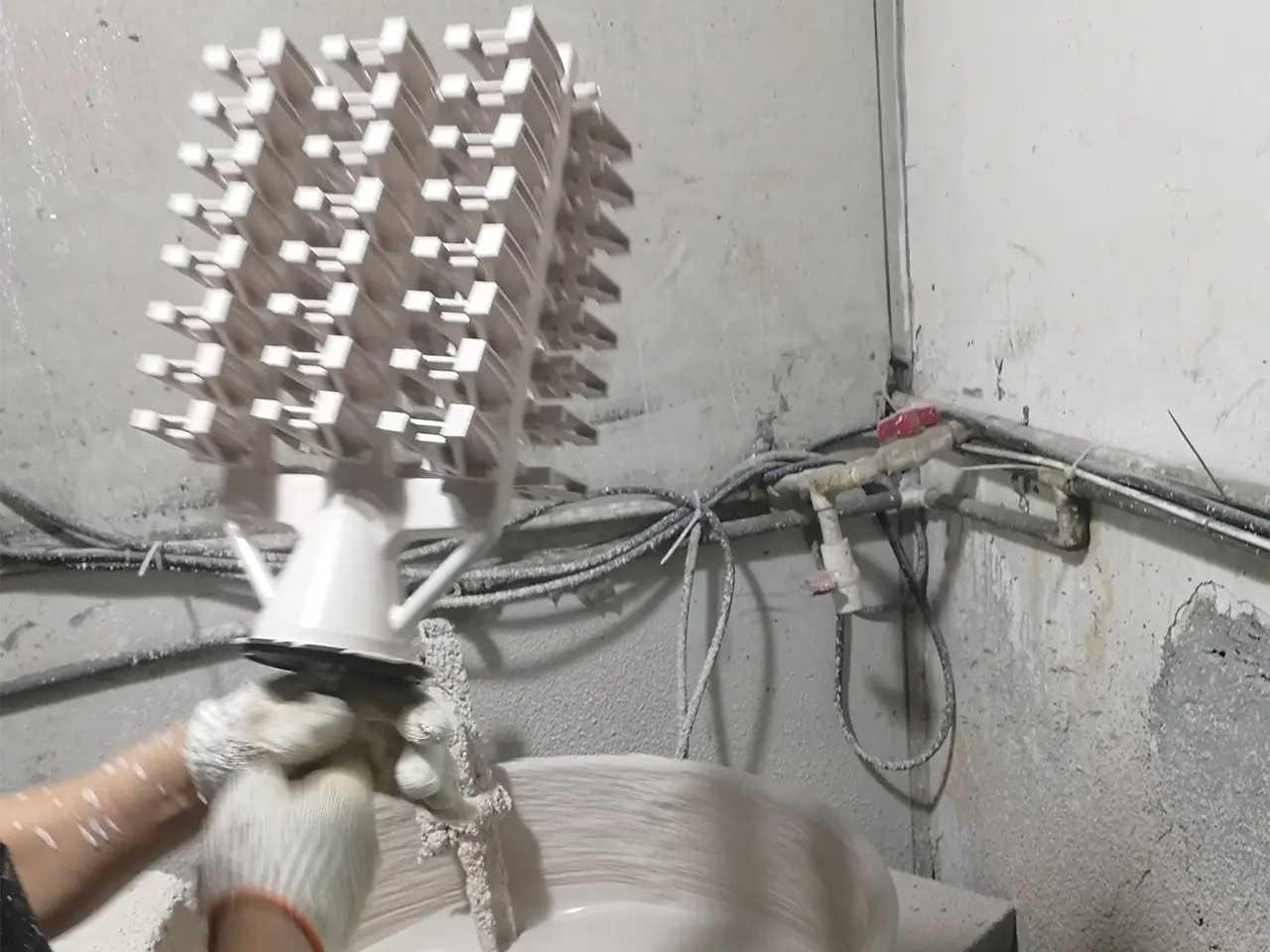
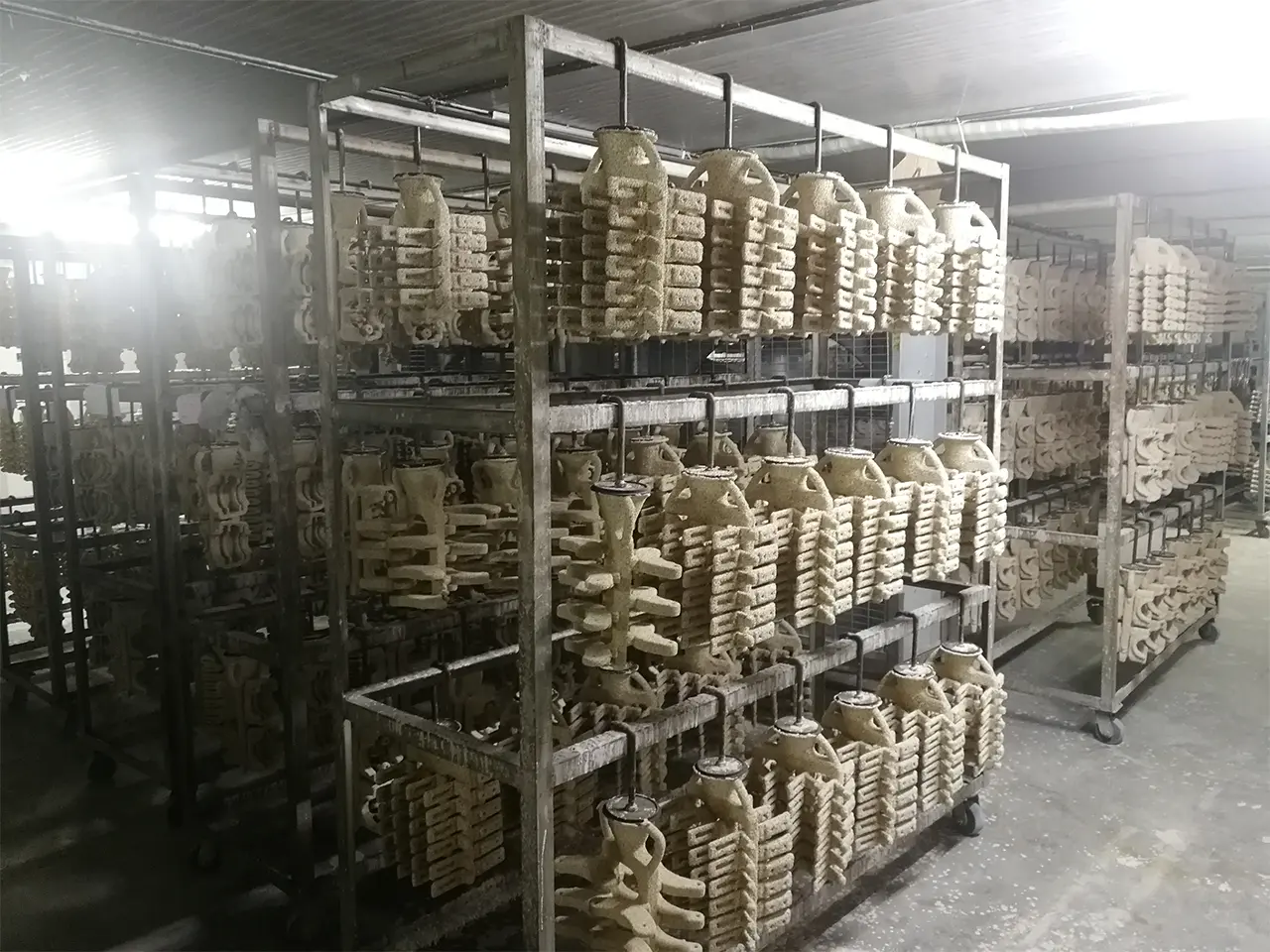
By blending skilled metallurgical craftsmanship (vital for pattern assembly and ceramic shell dressing) with automated CNC machinery, we provide high consistency while maintaining cost structures that support high-volume manufacturing.
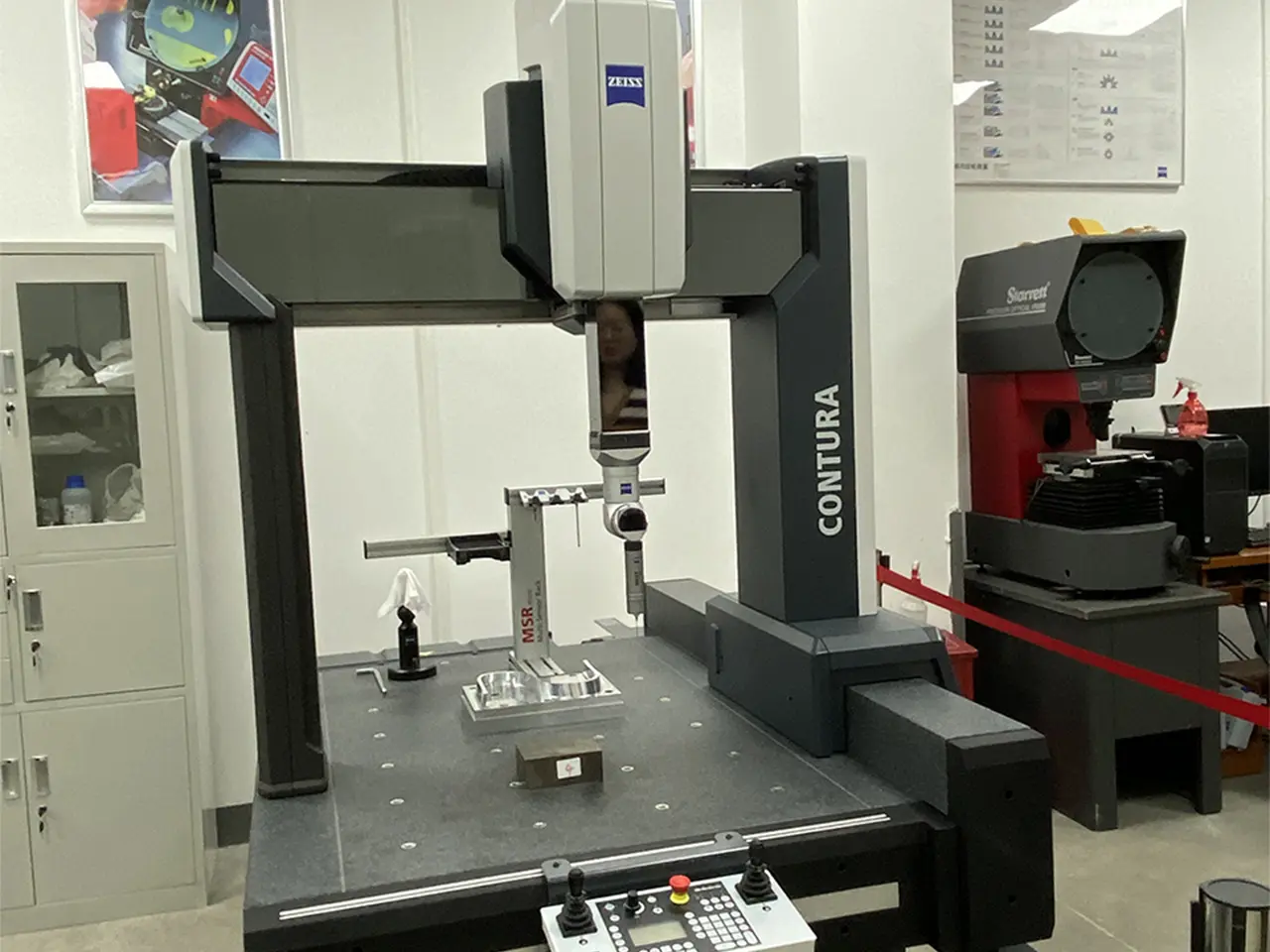
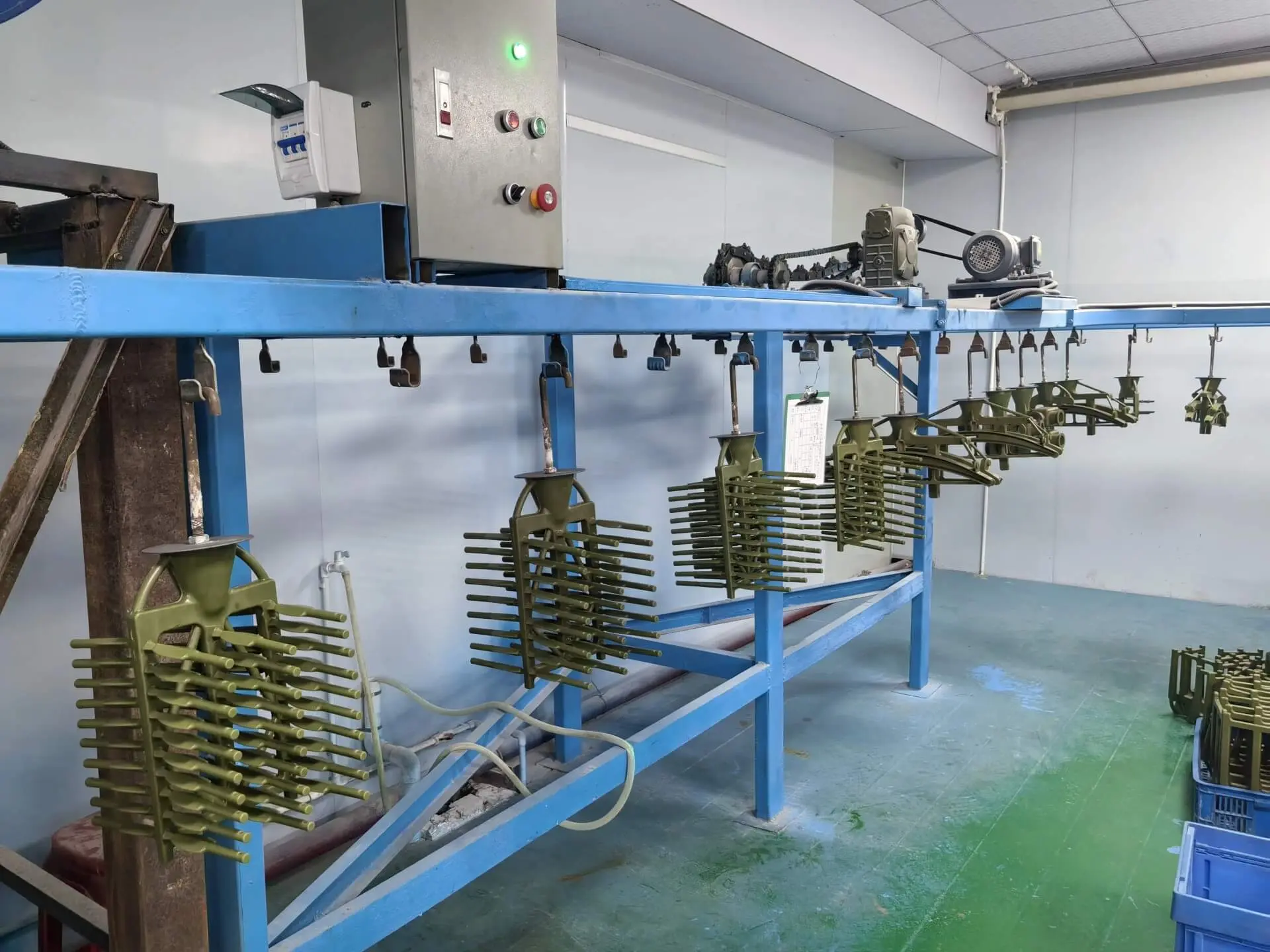
Precision is not a promise; it is the physical output of controlled processes. Below is an inside look at our modern workshop environments in Dongguan, highlighting our dedication to clean operations, dimensional integrity, and traceability.
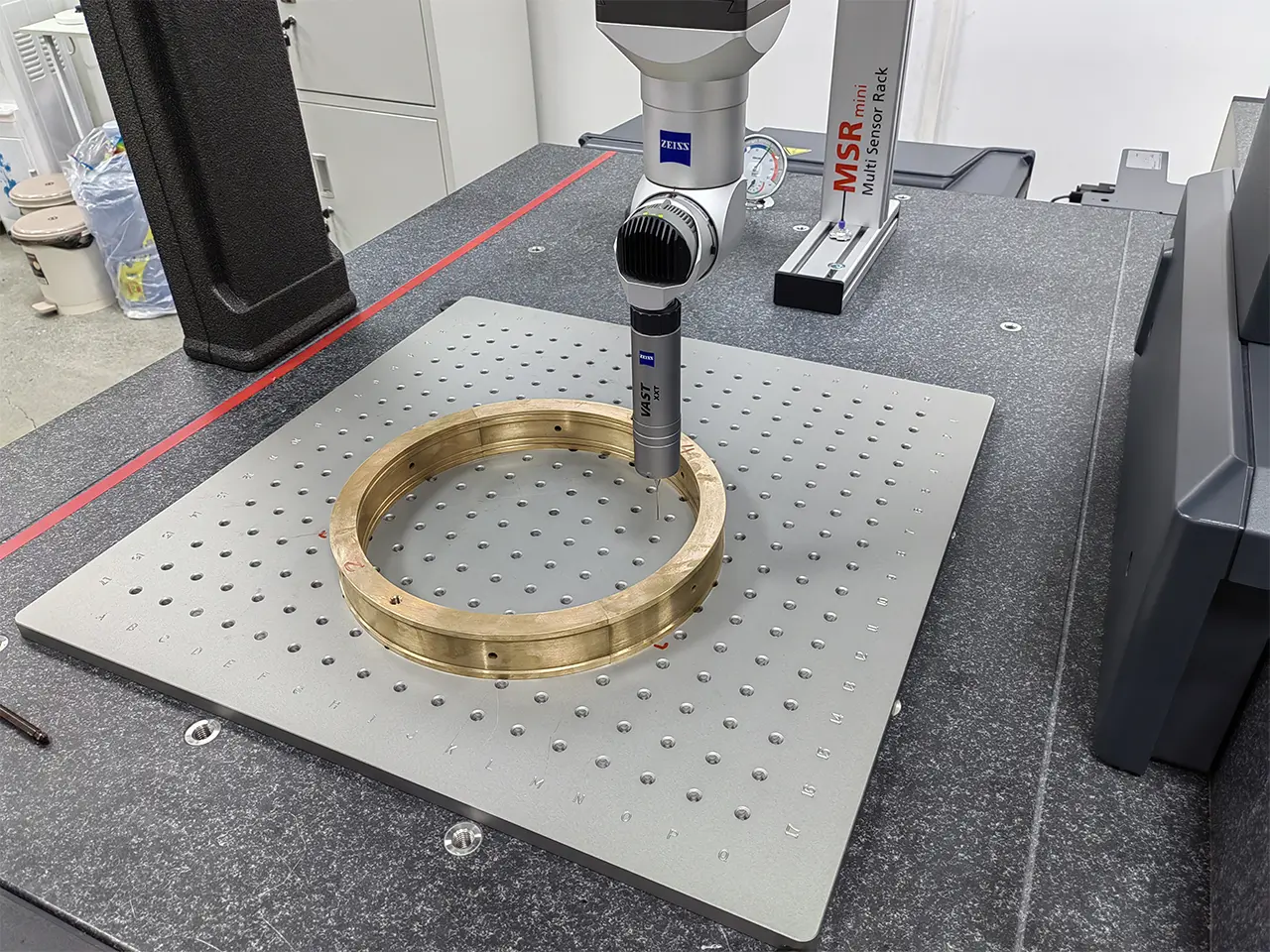
We firmly believe that high-quality components are the baseline of industrial longevity. Our manufacturing process, optimized since 2014, leverages a multi-phase quality assurance workflow designed to detect and eliminate discrepancies before parts leave our facility.
Our quality control infrastructure utilizes state-of-the-art diagnostic tools:
With documentation support including Material Test Reports (MTRs), 3.1 certification, dimensional layouts, and RoHS compliance, we ensure that global procurement departments receive complete traceability.
Casting and precision CNC machined parts serve critical functions across diverse global industries. Each sector imposes unique demands on material selection and geometry.
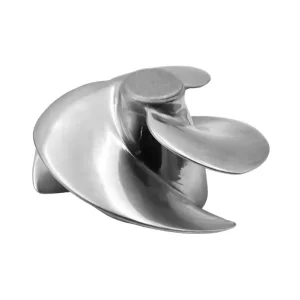
Components used in marine environments require resistance to chloride stress-corrosion cracking. Shixin manufactures investment cast stainless steel impellers, seawater intake valves, and marine grade brackets. Utilizing 316L and duplex stainless steels ensures long-term operational lifetimes under harsh conditions.
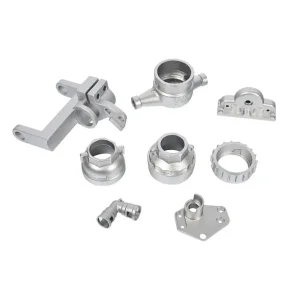
High-pressure piping systems demand zero internal defects. Our investment cast valve bodies, flanges, and actuator components are pressure-tested to eliminate leakage risks. Advanced CNC finishing guarantees leak-free sealing interfaces.
Weight-to-strength ratios are critical for modern drivetrains and suspension systems. We machine titanium alloy knuckles, high-stress custom links, and gear housings, achieving tight tolerances for optimized dynamic performance.
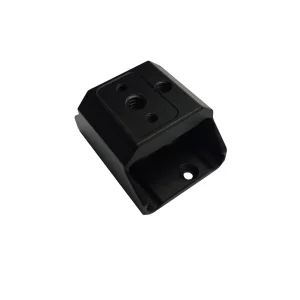
Thermal management is highly critical in electronics. Our precision-milled aluminum heat sinks, shielding enclosures, and structural chassis feature optimized wall thicknesses, facilitating rapid heat dissipation and EMI shielding.
The manufacturing sector is undergoing structural changes driven by digitalization and environmental requirements. Shixin is actively integrating these advancements into our production facilities:
| Trend | Technological Integration | Direct Benefit to Procurement |
|---|---|---|
| AI-Optimized Toolpathing | Implementing smart CNC algorithms to optimize cutting parameters for titanium and nickel-based superalloys. | Shortens lead times, improves surface finish uniformity, and reduces tooling wear costs. |
| Additive Wax Patterning | Utilizing industrial SLA 3D printers to print wax patterns directly for prototyping and low-volume production run. | Eliminates initial hard tooling cost; reduces prototyping timeline from weeks to days. |
| Eco-Friendly Metallurgy | Recycling of process gating systems and transitioning to electric-arc furnaces with dust collectors. | Supports ESG compliance and reduces carbon footprint across the supply chain. |
| Digital Twins for Solidification | Using simulation software to model crystallization phases as alloy transitions from liquid to solid. | Reduces porosity, optimizes grain structure, and guarantees part density. |
Managing global casting logistics requires careful coordination of technical specifications and quality standards. To streamline your collaboration with Shixin (Dongguan SX Technology), we recommend following this framework:
Provide detailed 3D step/iges files alongside 2D PDF drawing sheets detailing critical tolerances. Specify standard ASTM/DIN/JIS alloy names to ensure precise material cross-referencing.
Identify which functional surfaces require tight-tolerance CNC machining (such as bearing journals, seal faces, and thread taps) and which can remain as-cast (Ra 6.3-12.5).
Clearly state testing requirements during the initial RFQ phase: dye penetrant, X-ray, salt spray, or hydrostatic pressure testing. This ensures all QA costs are factored transparently into your quote.
Expert answers to technical and logistical questions commonly raised by procurement managers and design engineers.
Review additional engineering and production services designed for specialized heavy-industry applications.
 SX Machining