In modern industrial manufacturing, the demand for high-strength, lightweight, and corrosion-resistant fasteners has led to the global adoption of the titanium screw (known in Polish and Central European markets as Śruba Tytanowa). Titanium fasteners represent a significant shift away from traditional heavy steel and corrosive brass across critical high-tech sectors. China has consolidated its status as a primary manufacturing hub for these advanced components, combining vertical supply chain integration with state-of-the-art CNC precision hubs.
Central Europe, spearheaded by Poland's growing aerospace, automotive racing, and medical implant sectors, has observed a substantial increase in importing custom-milled titanium components. The demand for Śruba Tytanowa is fueled by its unmatched mechanical performance characteristics: an exceptional strength-to-weight ratio, biological inertia, and supreme galvanic corrosion resistance. Understanding the complex supply chains of Chinese manufacturing hubs is critical for Western purchasing managers aiming to secure high-performance industrial fasteners without compromising structural integrity or budget constraints.
Choosing the correct titanium grade for fastener manufacturing is vital to ensure long-term structural viability. Standard titanium components are broadly categorized into commercially pure (CP) grades and alloyed grades, each presenting specific benefits depending on the application context:
| Titanium Grade | Tensile Strength (MPa) | Yield Strength (MPa) | Elongation (%) | Primary Industrial Applications |
|---|---|---|---|---|
| Grade 1 (CP) | 240 Min | 170 Min | 24 Min | Corrosive chemical tanks, deep-draw stampings, marine plates. |
| Grade 2 (CP) | 345 Min | 275 Min | 20 Min | General industrial fasteners, exhaust systems, desalination units. |
| Grade 5 (Ti-6Al-4V) | 895 Min | 828 Min | 10 Min | Aerospace structures, automotive motorsport fasteners, sports gear. |
| Grade 23 (Ti-6Al-4V ELI) | 860 Min | 795 Min | 10 Min | Surgical orthopedic bone screws, joint replacements, dental implants. |
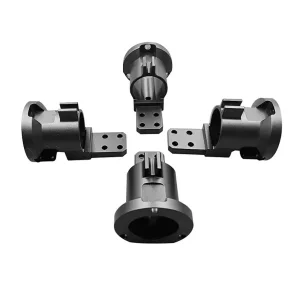
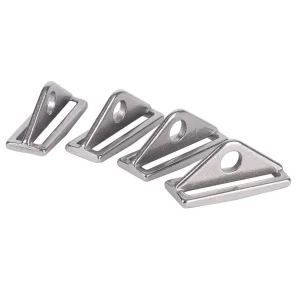
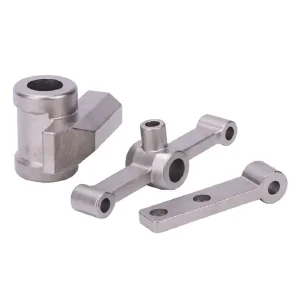
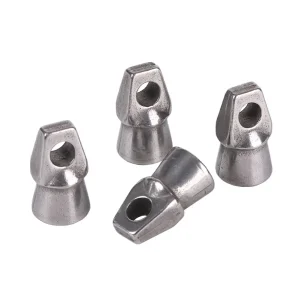
Dongguan SX Technology Co.,Ltd has very rich experience in precision casting, CNC machining and assembly. Our products are used in machinery, automobiles, marine, ships, equipment, valves and pumps, electronic appliances, packaging, watches, construction, chemical industry and other industries. The most commonly used materials for investment casting are stainless steel and carbon steel. And the most commonly used materials for CNC machining include titanium alloy, stainless steel, carbon steel, aluminum alloy, copper alloy, cemented carbide, etc.
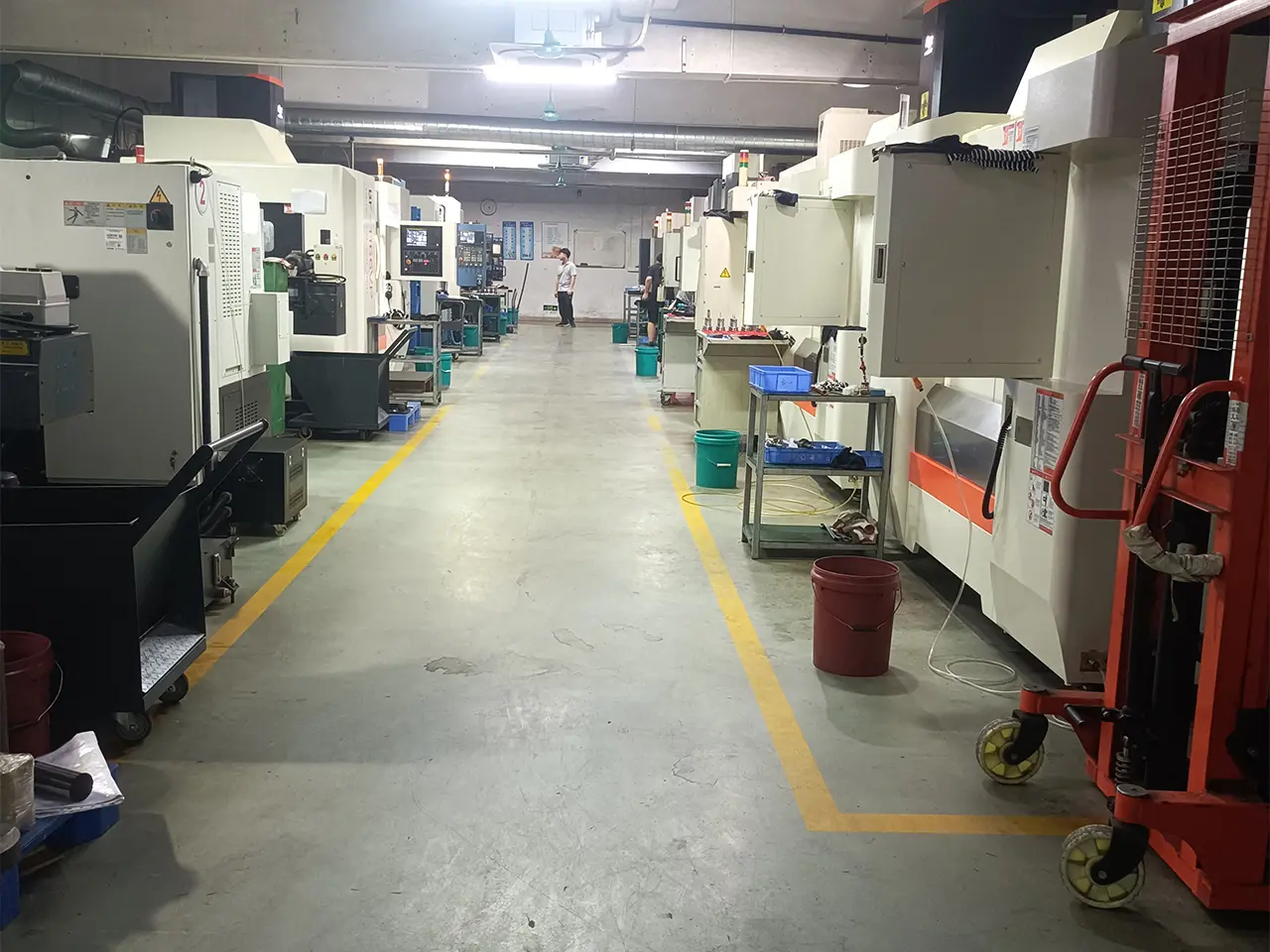
We have advanced manufacturing equipment and technology and are able to respond quickly to your needs. By combining automated CNC production lines with modern quality control laboratories, we maintain competitive lead times without sacrificing precision tolerance parameters. From initial custom design consulting to surface finishing and dimensional compliance checks, our engineers ensure that every batch of titanium fasteners matches our international clients' technical specifications.
The manufacture of high-tensile Śruba Tytanowa requires high precision. Because of titanium's specific physical traits—including low thermal conductivity and susceptibility to work hardening—specialized tooling, rigid setups, and strict control over heat generation are required. Our state-of-the-art facilities leverage 5-axis CNC machining, Swiss-type automatic turning centers, and precise thread rolling techniques to generate clean threads that minimize the risk of thread galling.
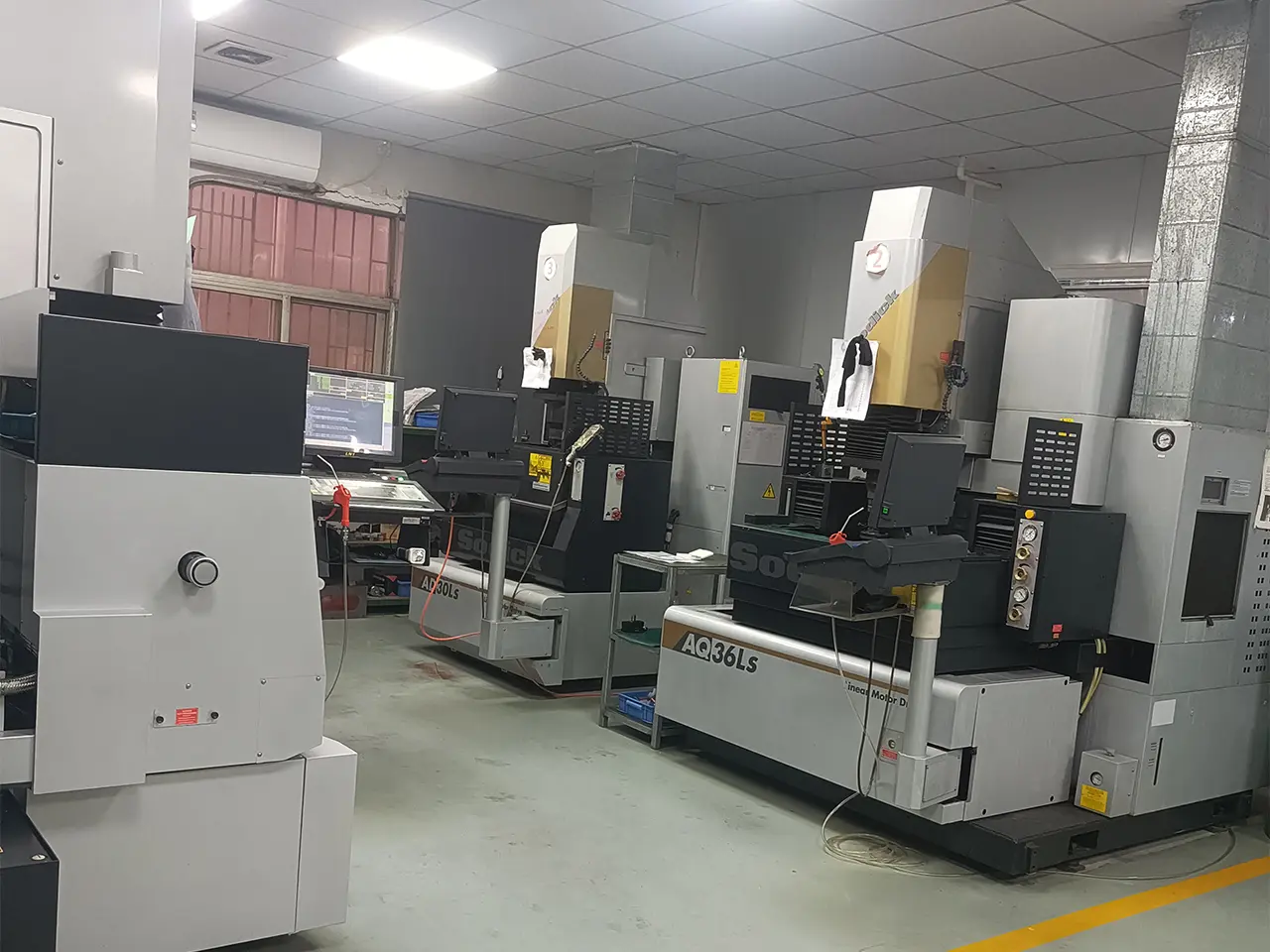
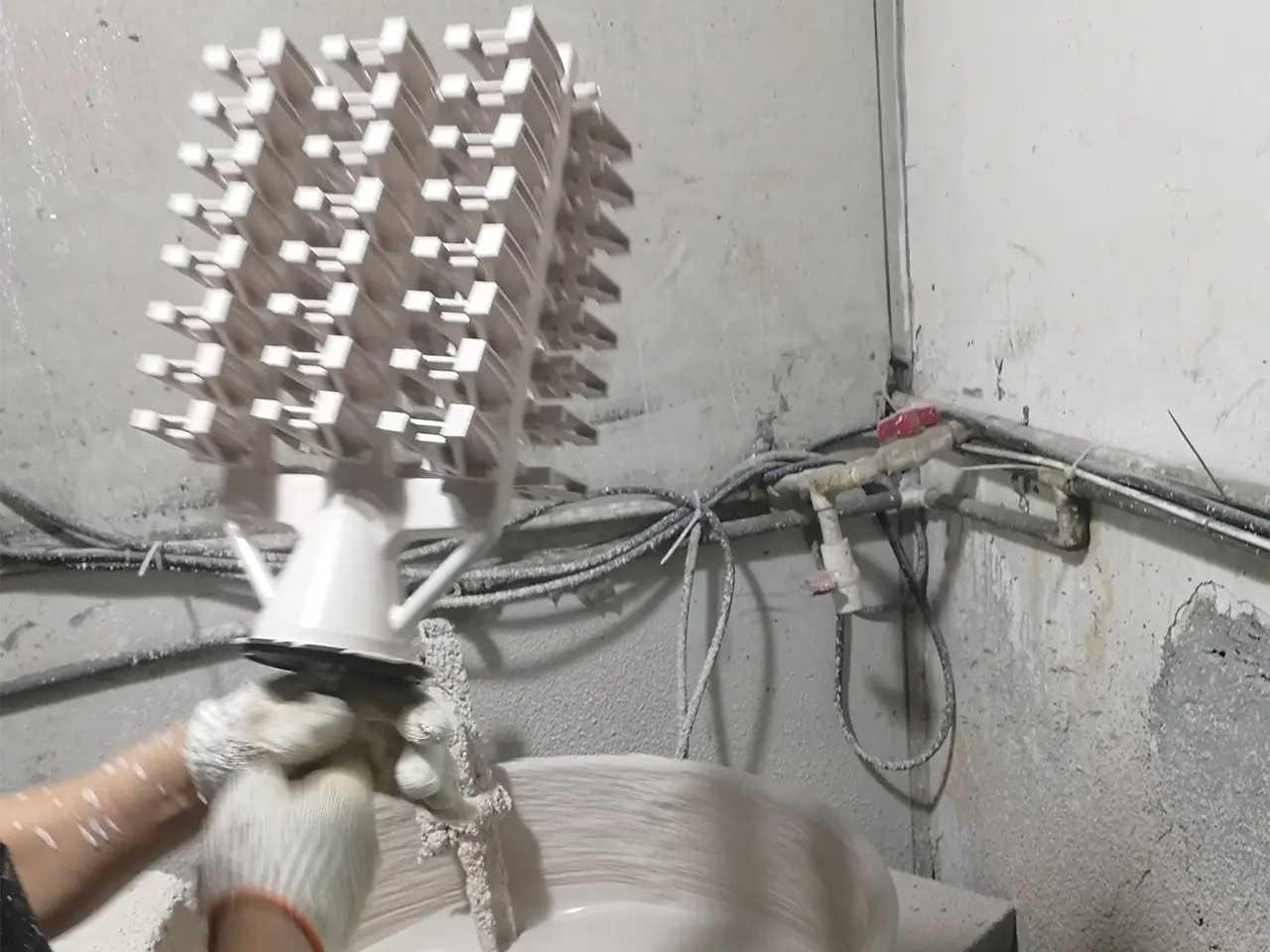
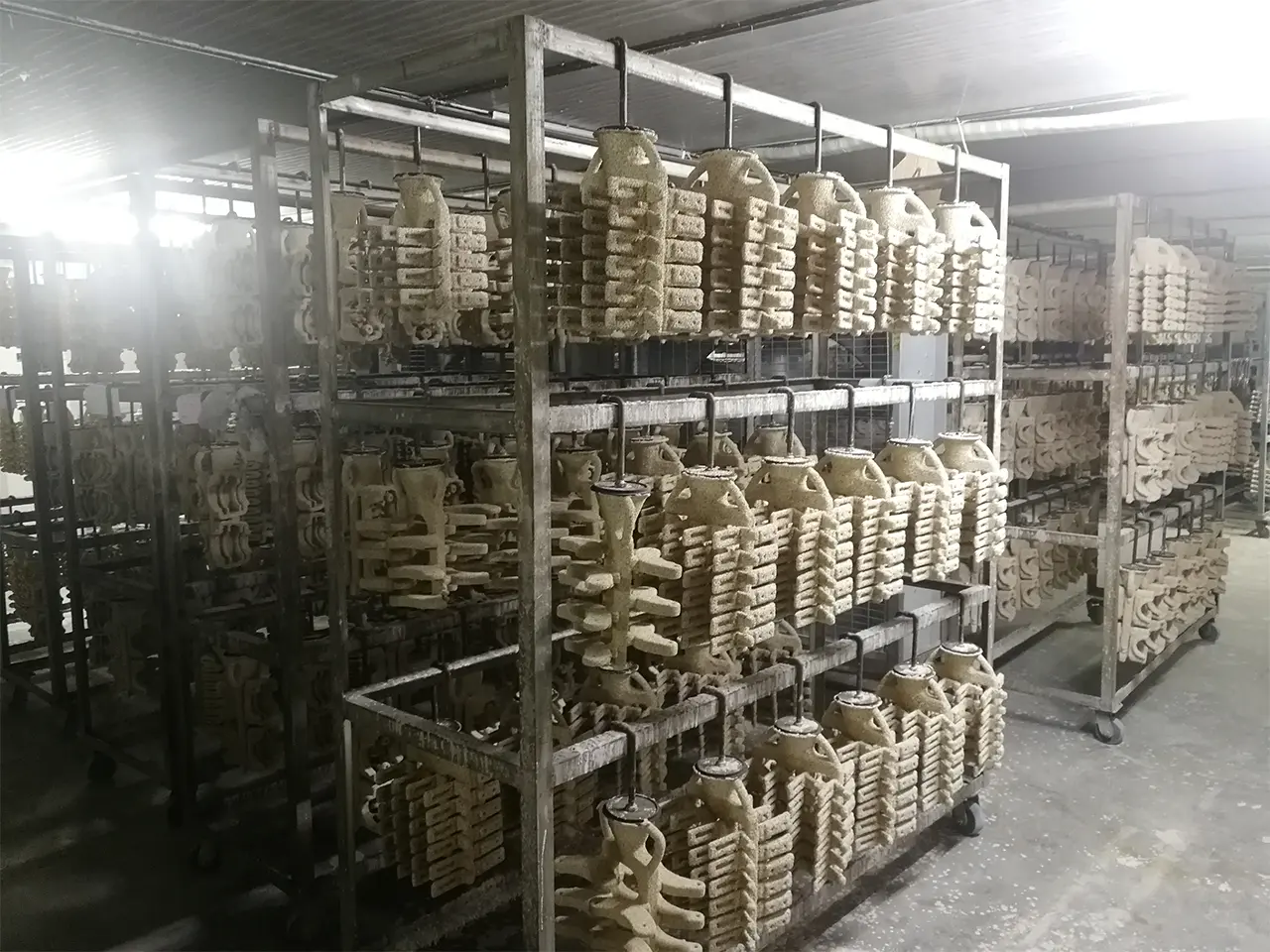
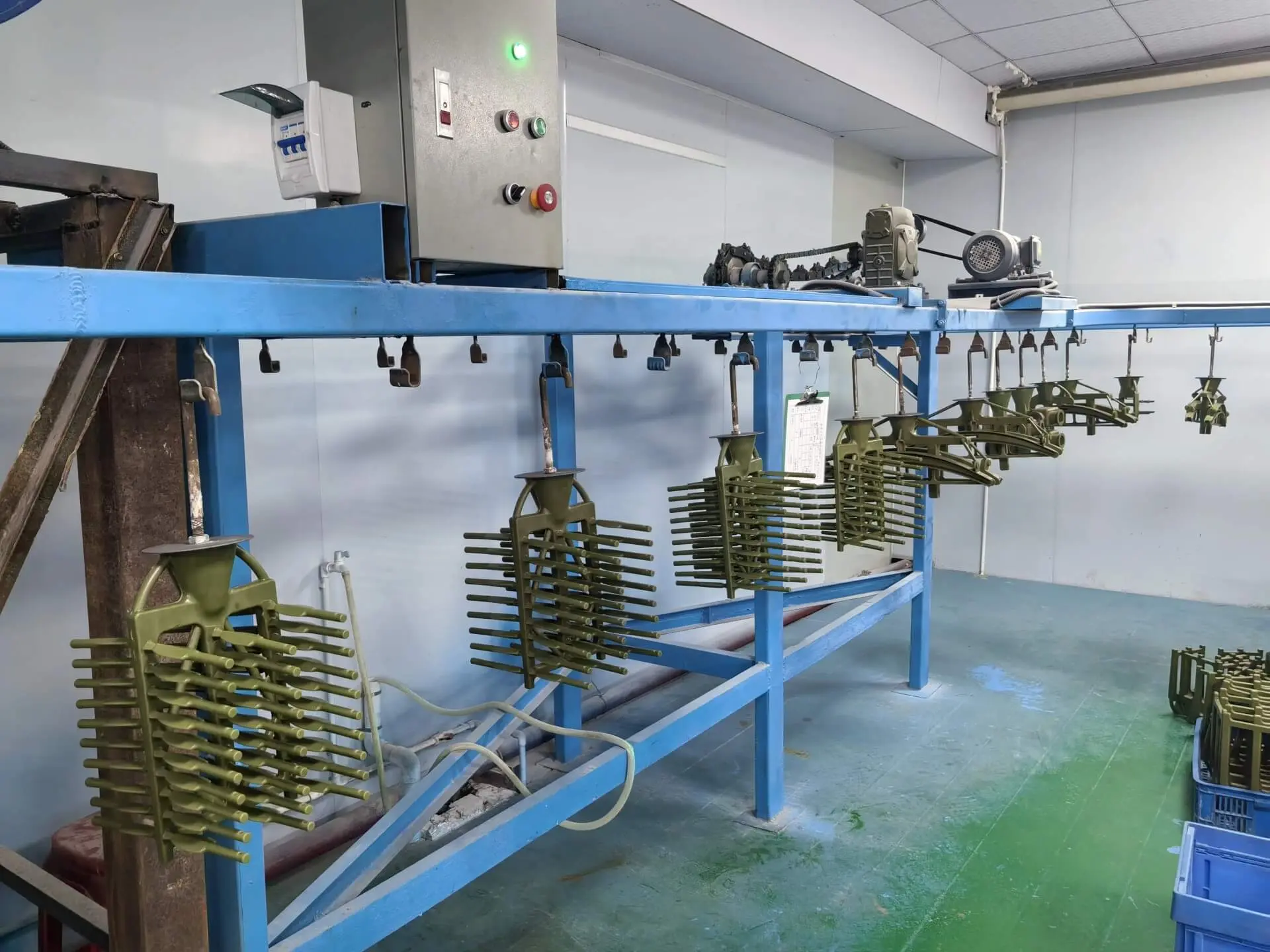
Quality is the cornerstone of the manufacturing industry. We firmly believe that only by controlling quality well can we survive, develop, and get better and better. Therefore, we have been working in this industry unremittingly since 2014 and continue to Improve the company's team and improve the company's production capacity.
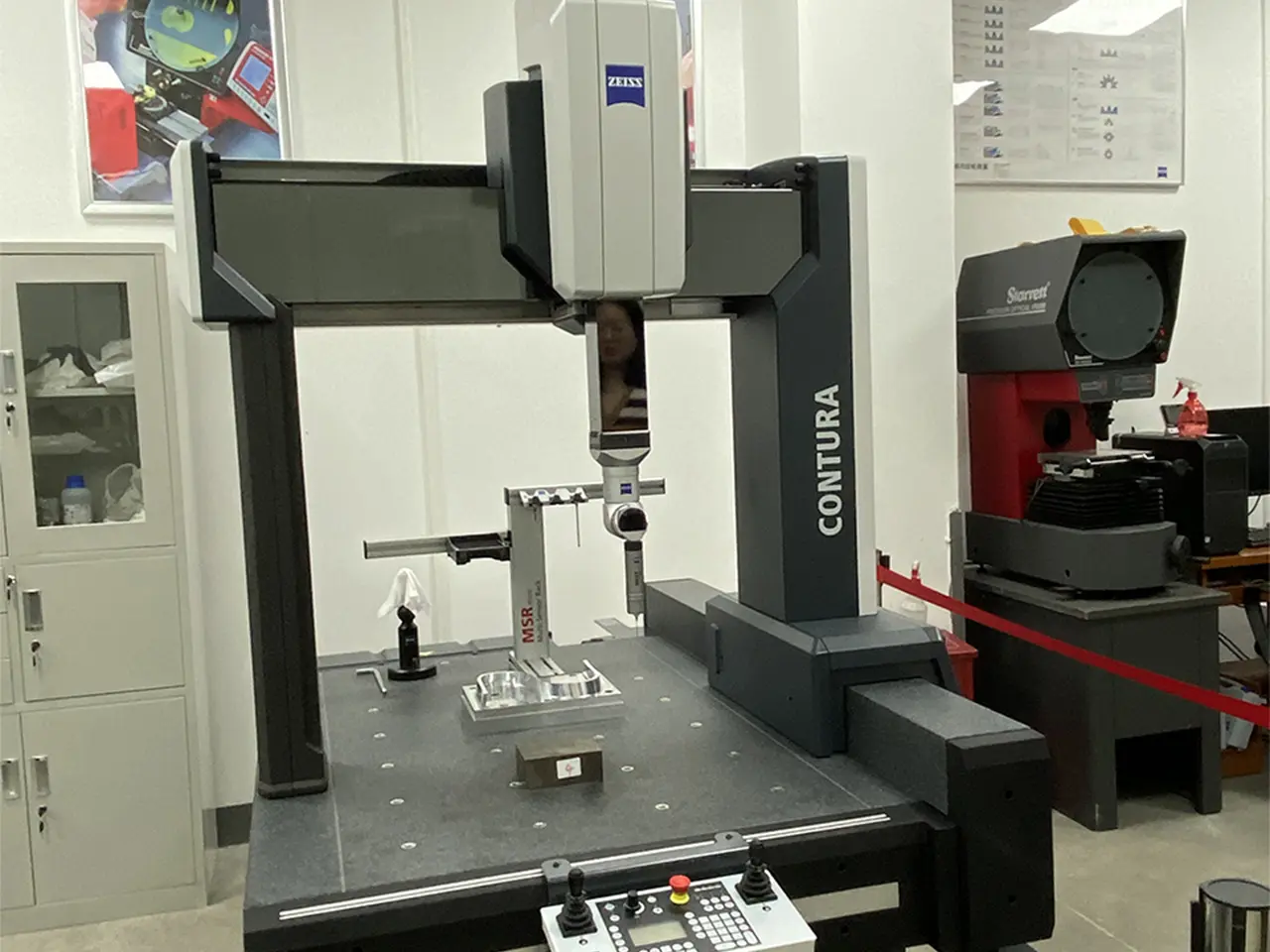
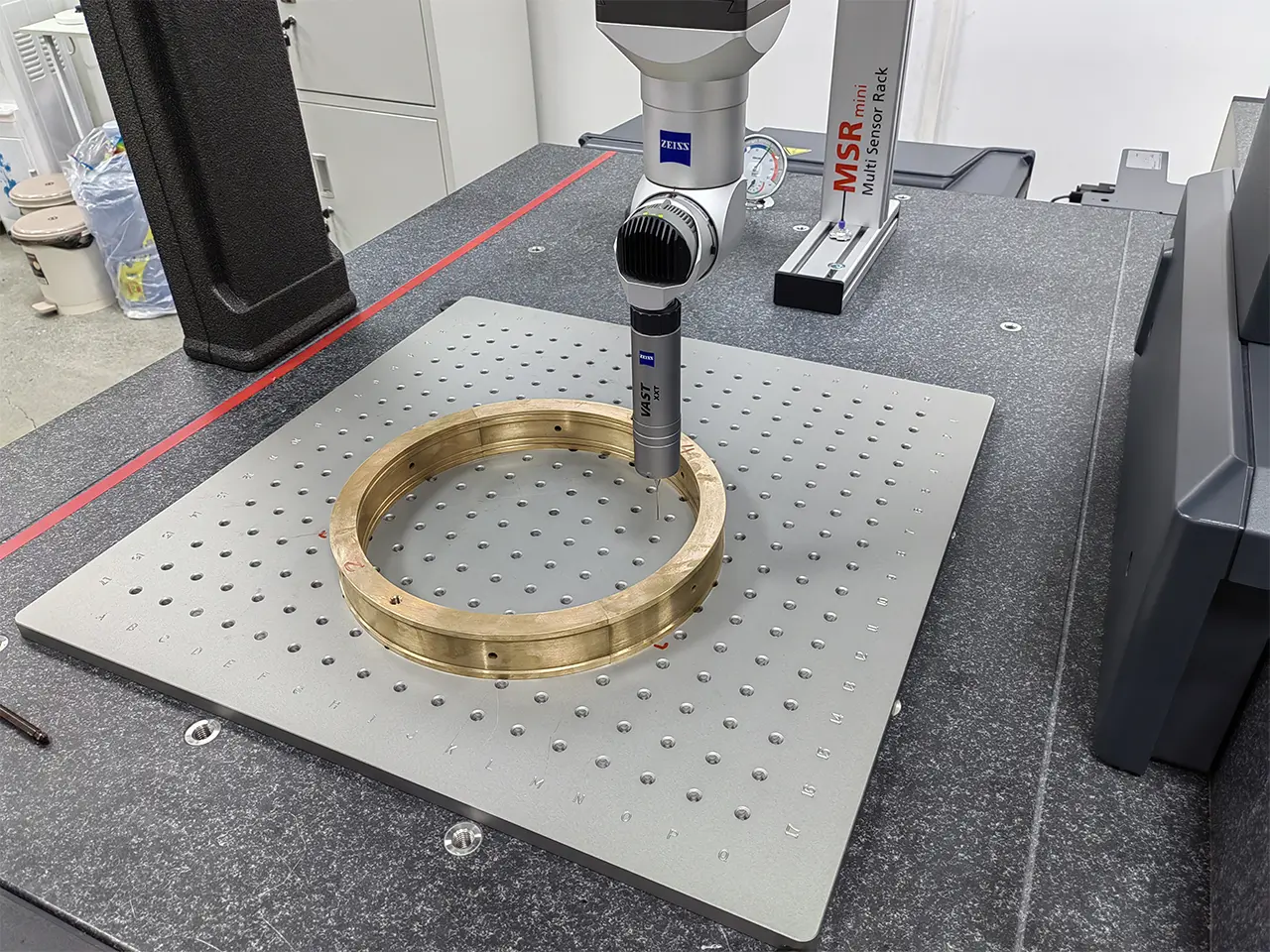
Our quality assurance protocol includes material inspection, in-process checking, and final inspections. We operate dedicated QC stations containing 3D Coordinate Measuring Machines (CMM), optical projectors, hardness testers, and thread-checking instruments. Every batch of Śruba Tytanowa undergoes micro-structural analysis and tensile testing to ensure compliance with standards like ISO 3506-3, DIN 912, and DIN 933.
Given their unique metallurgical attributes, customized titanium screws serve critical roles in various demanding sectors:
Weight reduction is a key design driver in aerospace engineering. Every kilogram removed from structural systems translates to lower fuel consumption and increased payload capacity. Gr5 titanium fasteners secure airframe structures, wings, and engine panels while maintaining stability at elevated operating temperatures.
Grade 23 ELI titanium is highly compatible with the human skeletal structure. It avoids adverse chemical reactions inside body tissues, allowing bone cells to integrate directly with the titanium surface (osseointegration). Typical applications include surgical bone plates, spinal fixation assemblies, and dental structures.
Chloride ions in ocean water cause rapid pitting and crevice corrosion in standard stainless steel screws. Titanium fasteners resist marine corrosion indefinitely, protecting deep-sea exploration equipment, offshore oil drilling components, and naval electronics housings.
The titanium fastener industry is adapting to new engineering and manufacturing paradigms. Research indicates significant progress in the following domains:
 SX Machining