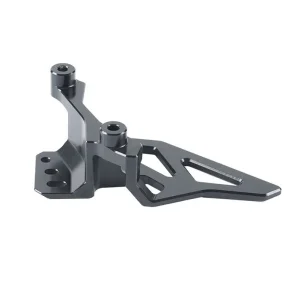
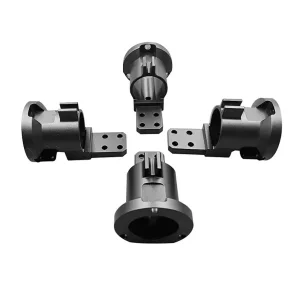
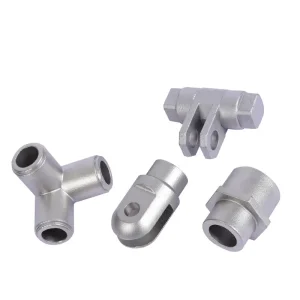
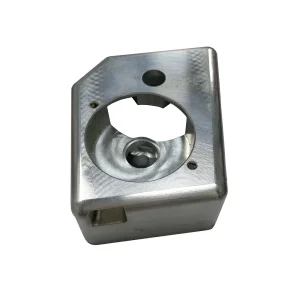
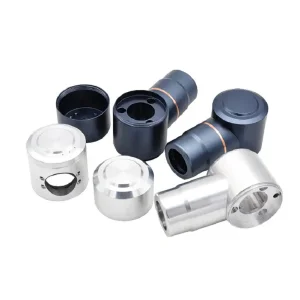
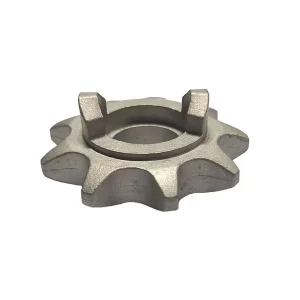
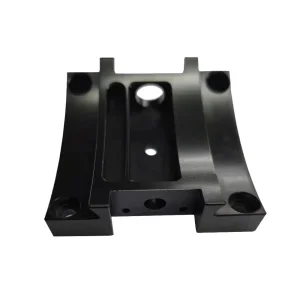
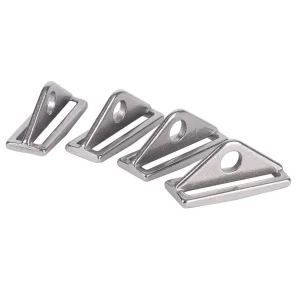
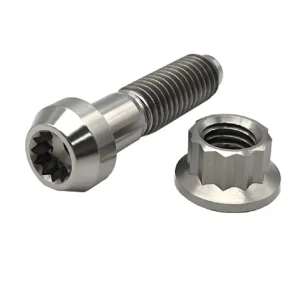
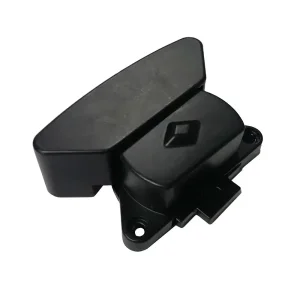
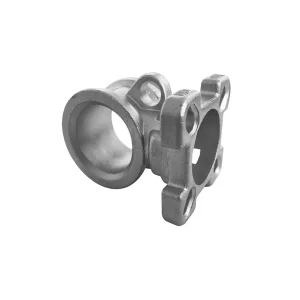
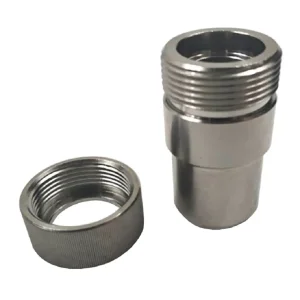
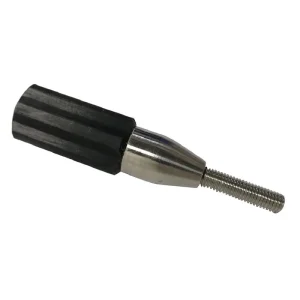
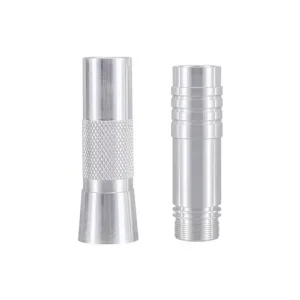
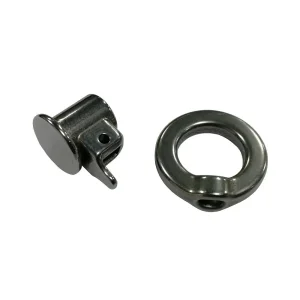
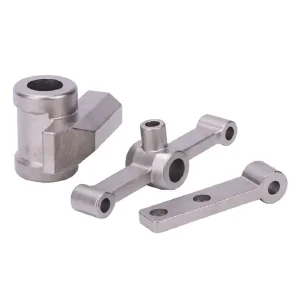
Explore our engineering portfolio featuring highly durable, dimensionally accurate alloy and stainless steel components.
Within high-stress industrial applications, the physical characteristics of components dictate the longevity, safety, and productivity of entire operations. Alloy steel investment castings are highly valued because they can be formed into complex shapes while maintaining exceptional strength. Unlike standard carbon steel, alloy steels are blended with element additives such as chromium, nickel, molybdenum, and vanadium. This process optimizes mechanical qualities including hardenability, wear-resistance, corrosion resistance, and high-temperature integrity.
As a leading supplier, Dongguan SX Technology Co.,Ltd matches structural design with precise metallurgy. By selecting the correct alloy grades and applying advanced heat treatments, we help global buyers minimize total cost of ownership, reduce heavy machining requirements, and eliminate internal structural defects.
Industrial experience and production capacity designed to meet strict standards.
Comprehensive material selections combined with high-precision lost wax casting and secondary processing.
Dongguan SX Technology Co.,Ltd has rich experience in precision casting, CNC machining, and product assembly. We utilize advanced casting methods and multi-axis CNC machine tools to produce components for critical industries including automotive, marine, ships, equipment, valves, pumps, electronic packaging, and medical instruments. The most commonly used materials for investment casting are stainless steel and carbon steel. The most commonly used materials for CNC machining include titanium alloy, stainless steel, carbon steel, aluminum alloy, copper alloy, and cemented carbide.
| Material Class | Common Standard Grades | Primary Engineering Properties | Target Applications |
|---|---|---|---|
| Alloy Steel | 4130, 4140, 4340, 8620, 52100 | High tensile strength, deep hardenability, exceptional fatigue life. | Gears, structural brackets, high-load linkages, aerospace parts. |
| Stainless Steel | 304/304L, 316/316L, 17-4 PH, Duplex 2205 | Corrosion protection, pitting resistance, oxidation resistance at high temperatures. | Valves, pump impellers, marine fittings, medical implants, outdoor enclosures. |
| Carbon Steel | WCB, WCC, 1020, 1045 | Good machinability, weldability, cost-efficient for structural parts. | Construction brackets, heavy machinery bases, automotive components. |
| Specialty Alloys | Titanium Grade 5 (Ti-6Al-4V), Cobalt-Chrome, Inconel | Extreme strength-to-weight ratio, bio-compatibility, thermal stability. | Medical tools, aerospace turbine elements, chemical processing impellers. |
We use silica sol binder systems to produce investment castings with surface finishes of Ra 3.2 to 6.3 μm. This reduces the need for extensive secondary machining and maintains tight raw tolerances (ISO 8062-3 DCTG6 to DCTG8).
For areas requiring high precision, our multi-axis CNC milling, turning, and grinding centers achieve dimensional tolerances down to ±0.01mm. This process guarantees correct concentricity, flatness, and fitment on mating surfaces.
To optimize mechanical performance, we provide in-house heat treatment solutions including normalizing, tempering, quenching, case-hardening (carburizing/nitriding), and precipitation hardening (solution annealing for stainless steel).
Equipped with modern manufacturing tools to ensure consistent quality and scale.
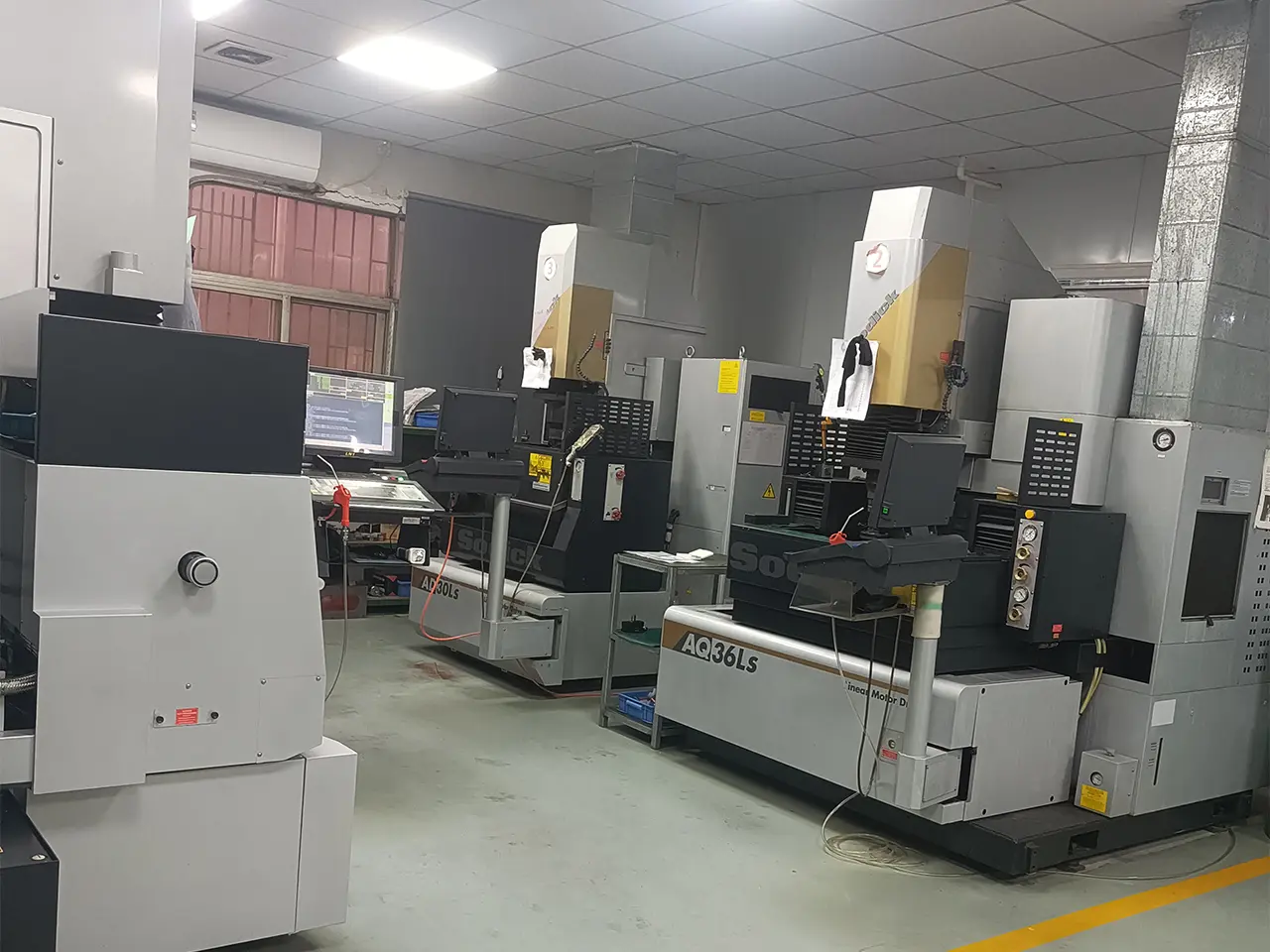
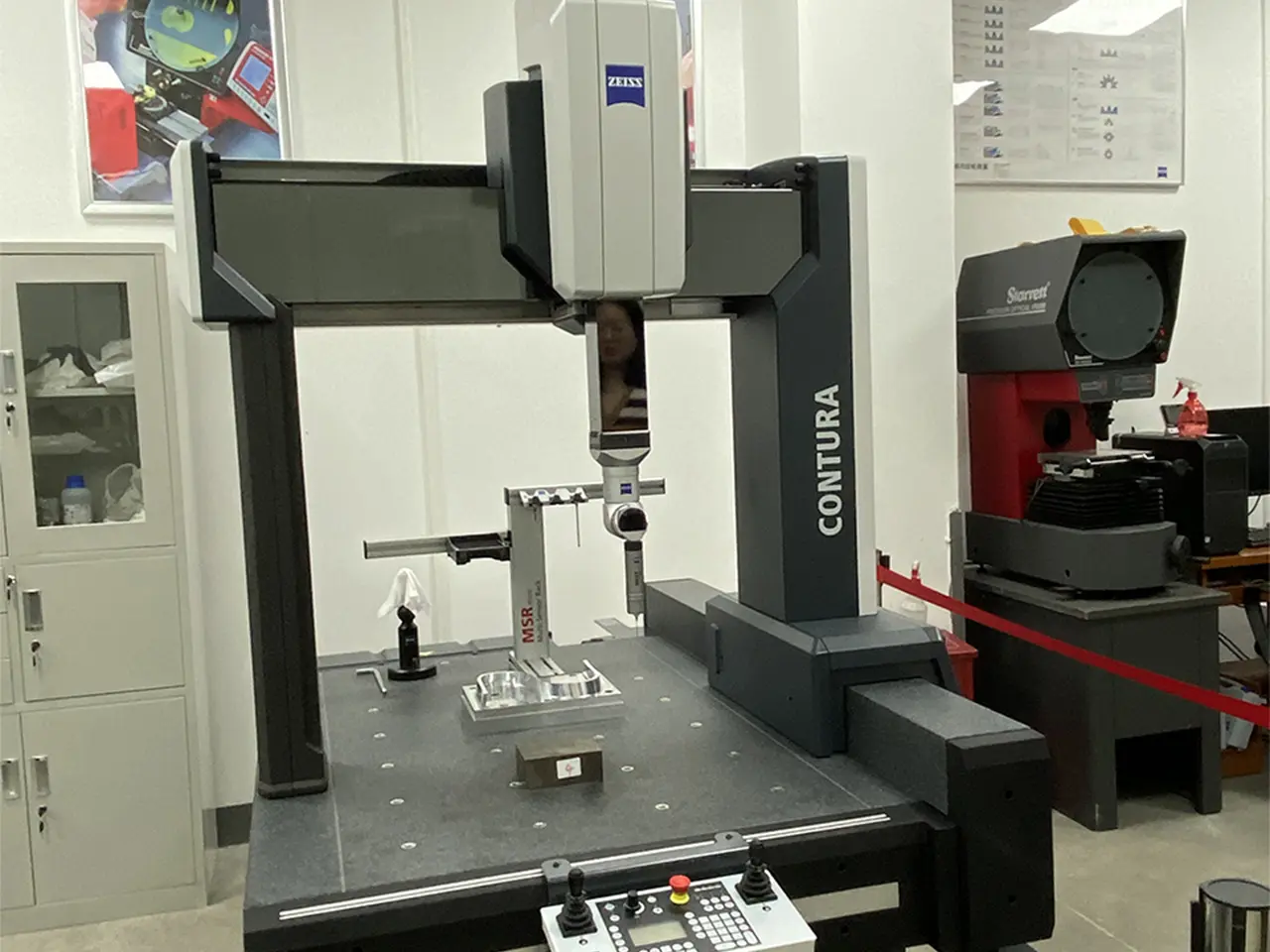
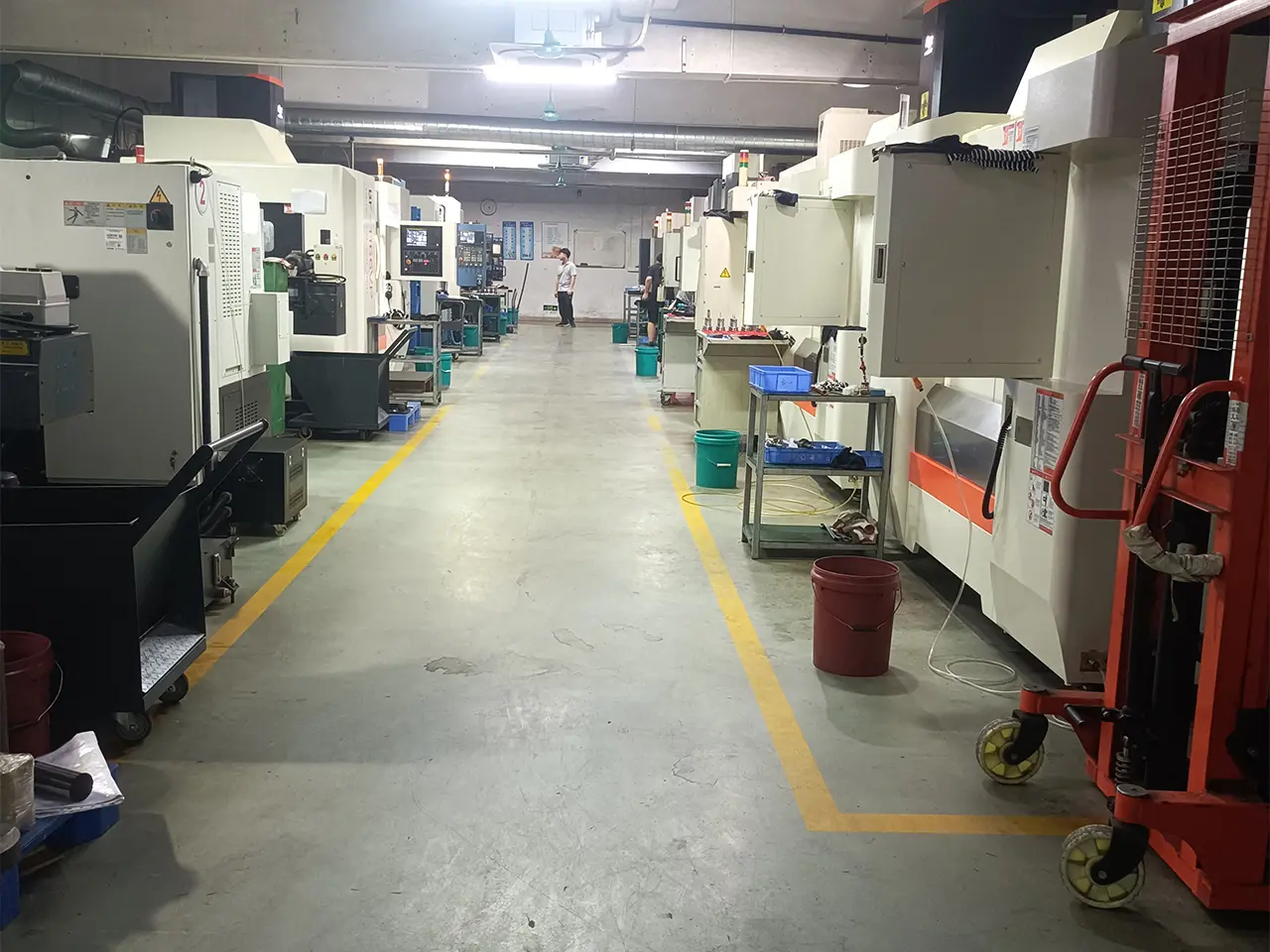
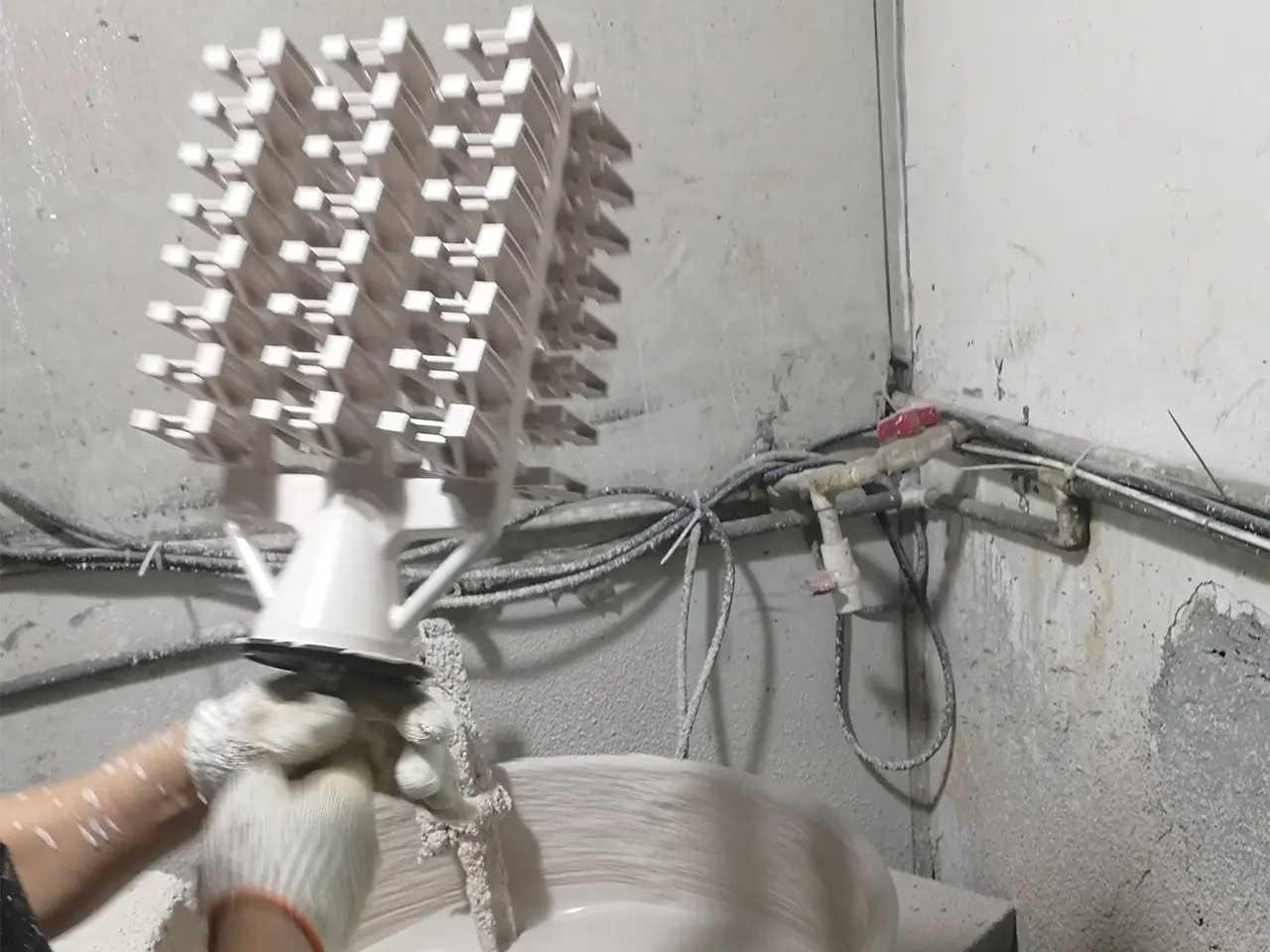
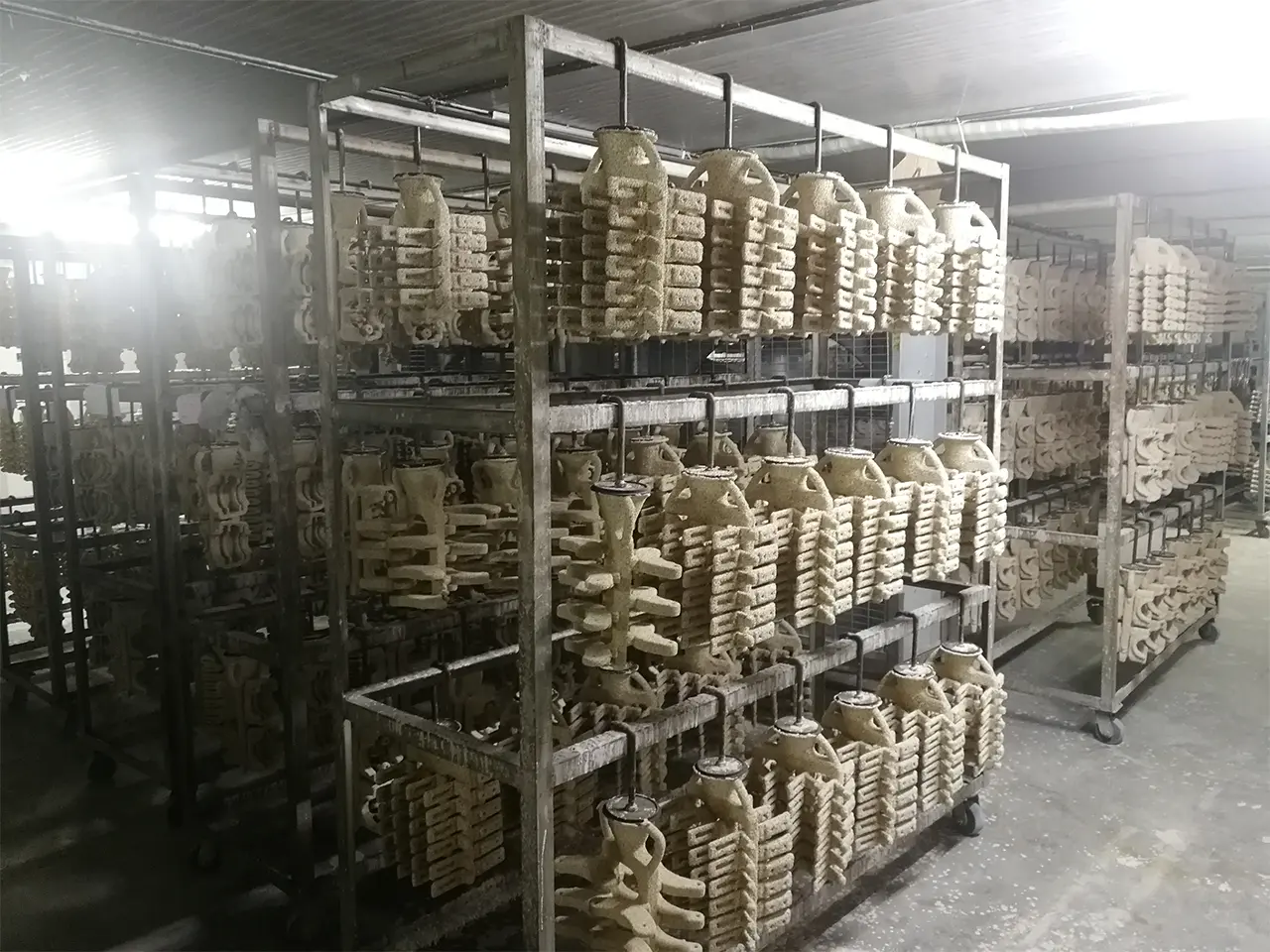
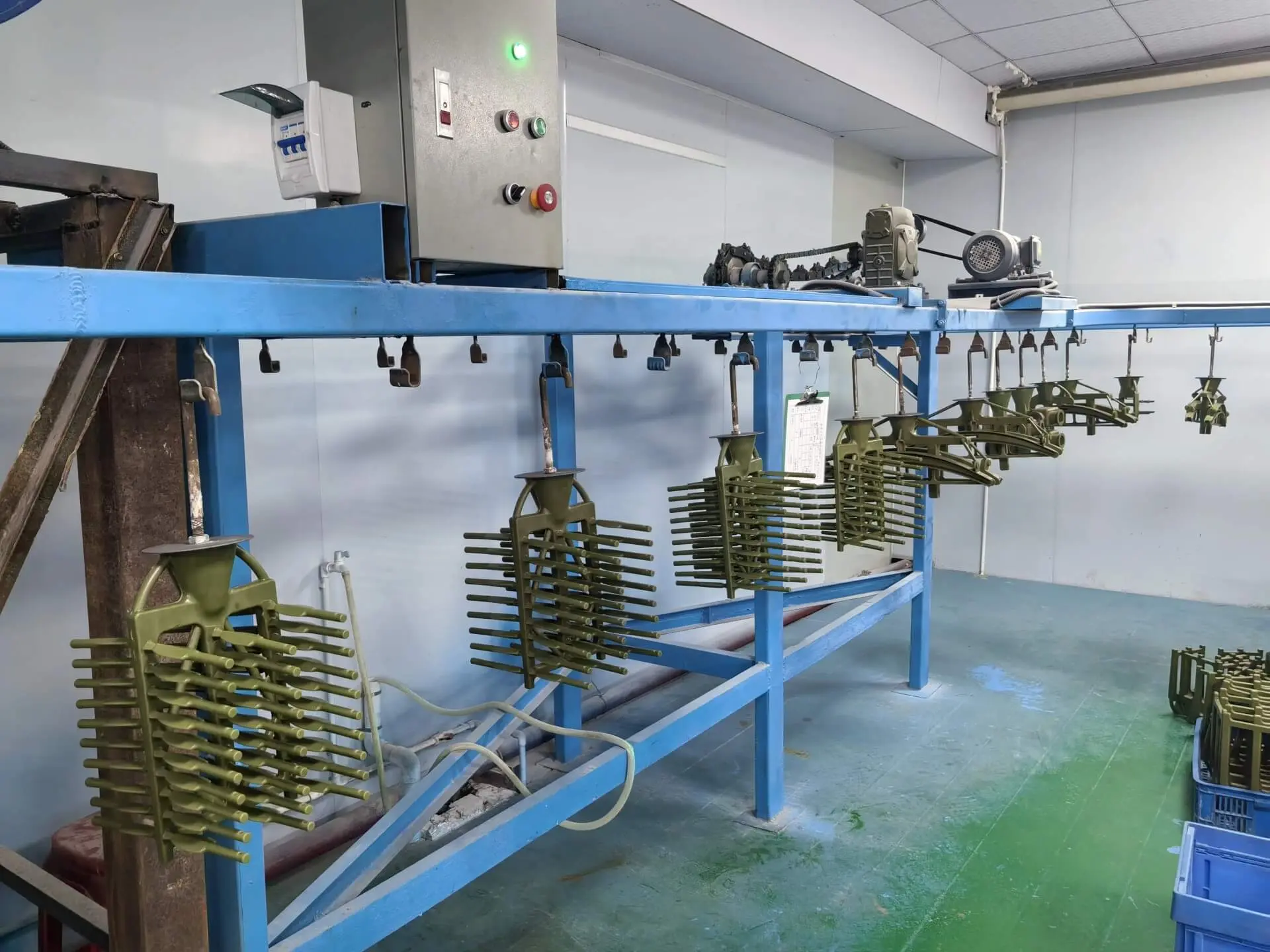
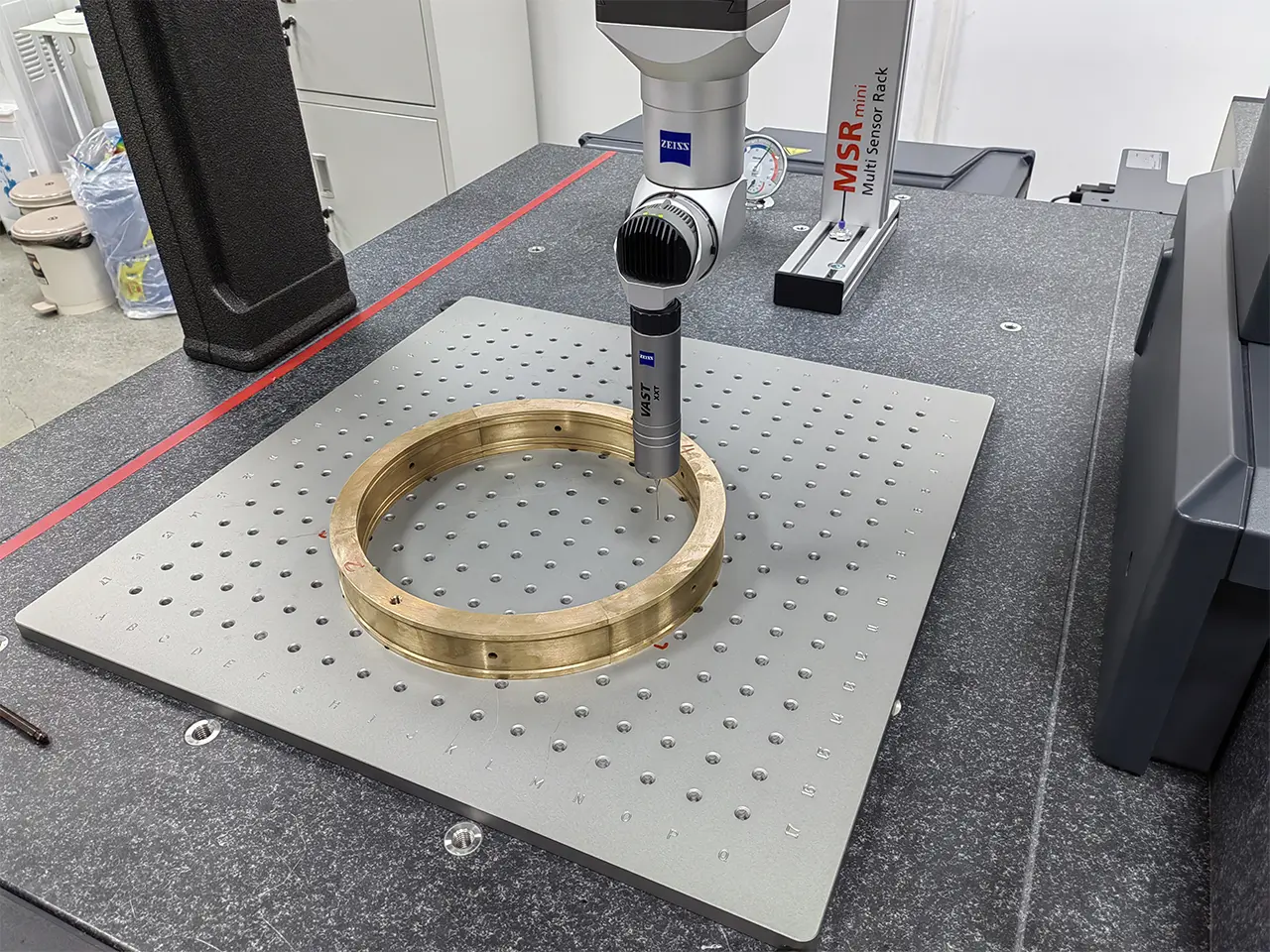
Quality is the cornerstone of the manufacturing industry. We firmly believe that strict quality control is essential for long-term growth and customer satisfaction. Since 2014, we have continuously improved our production capacity and team skills. Today, we utilize advanced testing equipment to ensure every component complies with technical drawings.
Our quality assurance framework covers multiple stages of production:
How we help international buyers manage logistics risks, lead times, and regulatory compliance.
By using net-shape casting, we reduce material weight and minimize post-casting machining. This allows industrial buyers to lower raw material consumption, reduce tool wear, and save on shipping costs.
We provide detailed Design for Manufacturing (DFM) reviews. Our engineers evaluate draft angles, wall thicknesses, and potential hot spots, recommending changes to prevent shrinkage defects before cutting mold steel.
We adhere to international standards such as RoHS, REACH, ASTM, DIN, BS, and JIS. All shipments include EN 10204 3.1 material certifications and dimensional report sheets to simplify customs clearance and incoming quality control (IQC).
The metal casting and machining industry is adopting digital technologies to improve precision and shorten lead times. Our roadmap focuses on integrating digital modeling with traditional manufacturing:
Our future investments focus on reducing delivery cycles by linking casting simulation with digital inspection. By combining CAD/CAM processes with advanced metrology, we provide reliable turnaround cycles for complex, multi-component assemblies.
Practical insights on materials, tolerances, and design requirements for alloy steel investment casting.
Explore more industrial components designed for challenging applications.
 SX Machining