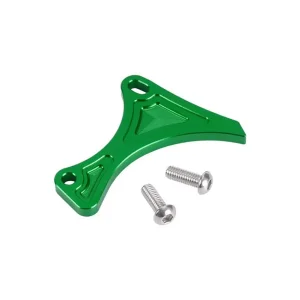
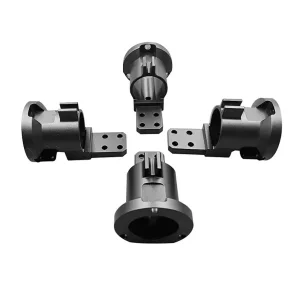
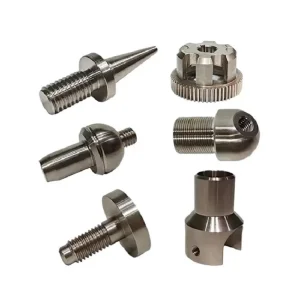
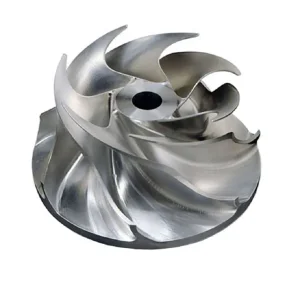
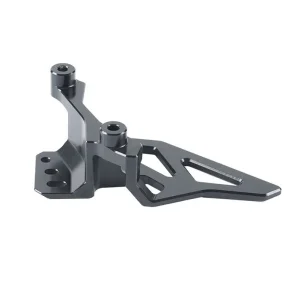
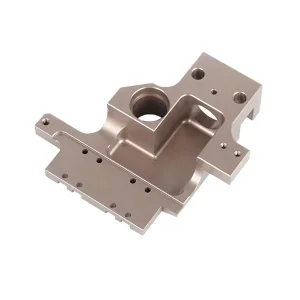
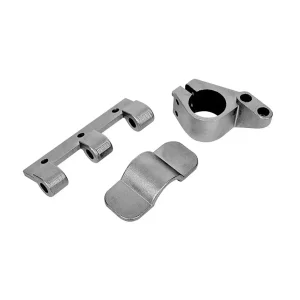
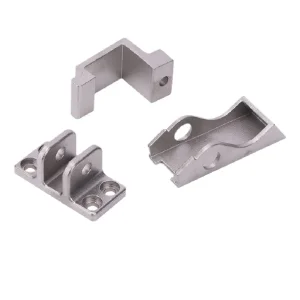
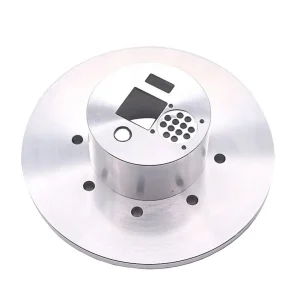
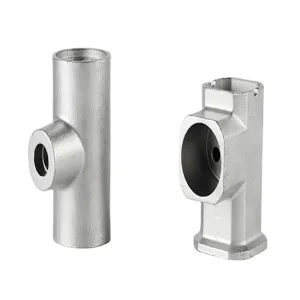
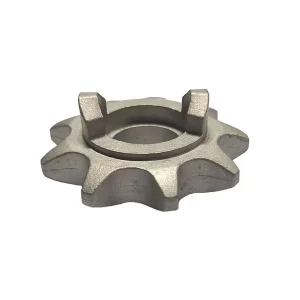
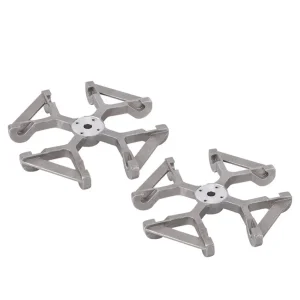
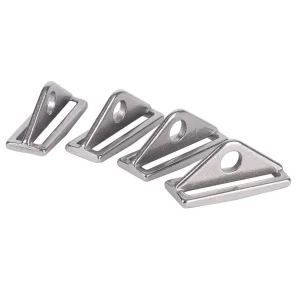
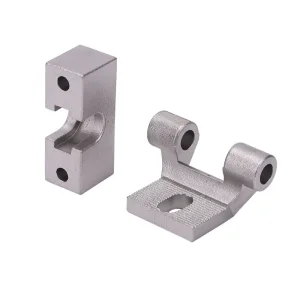
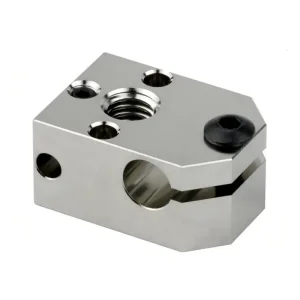
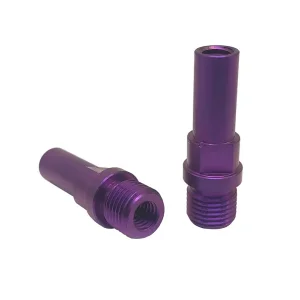
High-grade engineered industrial products utilizing state-of-the-art CNC machining and lost wax investment casting technologies.
Bronze casting is one of the oldest metallurgy practices known to civilization, yet modern custom bronze casting demands absolute precision, leveraging state-of-the-art technologies such as computer-aided solidification simulation, rapid prototype tooling, and multi-axis CNC finishing. For heavy-duty industrial components, marine installations, and electrical hardware, selecting the correct bronze alloy class and casting method is crucial to ensuring long-term product integrity and operational safety.
Unlike general ferrous materials, bronze alloys (principally containing copper with tin, aluminum, silicon, manganese, or lead additions) provide unparalleled corrosion resistance, excellent wear properties, high thermal and electrical conductivity, and low friction parameters. Our foundry capabilities support these complex metallurgical properties to meet rigorous international standards (such as ASTM, DIN, JIS, and BS).
By coordinating our casting parameters with advanced post-casting operations, we allow companies to procure net-shape or near-net-shape components that minimize machining waste and significantly reduce structural failure risks under high loads.
Select the optimal alloy variant to match specific mechanical forces, friction thresholds, and chemical environments.
| Alloy Family | UNS Designation | Key Elements | Mechanical Strengths | Primary Industrial Applications |
|---|---|---|---|---|
| Tin Bronze / Phosphor Bronze | C90700 / C51000 | Cu-Sn-P | High strength, low friction coefficient, exceptional wear resilience under heavy loads. | Heavy-load gearboxes, sleeve bushings, pump impellers, and worm gears. |
| Aluminum Bronze | C95400 / C95800 | Cu-Al-Fe-Ni | Extreme tensile strength (>500 MPa), exceptional cavitation resistance in saltwater. | Marine hardware, chemical process valves, oil & gas pipeline fittings. |
| Silicon Bronze | C87500 / C87600 | Cu-Si-Zn | Excellent fluidity during casting, superb weldability, high corrosion protection. | Electrical connectors, marine valve bodies, precision liquid conduits. |
| Manganese Bronze | C86300 / C86500 | Cu-Zn-Mn-Fe | Highest strength among cast copper alloys, excellent under heavy load conditions. | High-stress structural brackets, heavy machinery linkages, marine propellers. |
Why global OEMs trust China's specialized casting and machining clusters for high-precision components.
Southern Chinese manufacturing hubs (such as Dongguan, Guangdong) feature highly consolidated supply chains. From raw copper-tin ore processing to precision surface treatment, all critical operations are physically centralized, drastically reducing material transport times and overhead logistics costs.
Unlike basic foundries that only offer raw castings, China's modern facilities feature co-located, state-of-the-art CNC machine shops. This allows casting, heat treatment, 5-axis milling, and precision turning to take place in a single flow, achieving exact engineering tolerances down to ±0.005mm.
With quick turnaround times on sand mold patterns and wax injection tooling (often using 3D printed sand or PMMA wax patterns), Chinese suppliers reduce product validation times from months to days. This accelerates market introduction without sacrificing material density or structural safety.
Exploring the shift toward high-performance materials, smart manufacturing, and green metallurgy.
Traditional trial-and-error gating designs are being replaced by computer-aided fluid dynamics. Solidification software simulates melt pathways, heat dissipation, and cooling cycles, allowing engineers to predict and prevent shrinkage porosity, gas inclusions, and cold shut defects before physical molds are ever poured.
With environmental and health directives (like RoHS and REACH) tightening globally, foundries are shifting to lead-free formulations. Silicon-bronze and bismuth-bronze alloys are replacing traditional leaded tin bronzes, requiring highly controlled melting furnaces to prevent cross-contamination.
Direct sand mold printing (using binder jetting technology) allows the production of extremely complex cooling channels and undercuts that are impossible to execute via traditional physical tooling. This hybrid methodology dramatically shortens production lead times for low-volume, high-value custom bronze castings.
Our historical background, operational scope, and long-standing focus on production quality.
Dongguan SX Technology Co.,Ltd has very rich experience in precision casting, CNC machining and assembly. Our products are used in machinery, automobiles, marine, ships, equipment, valves and pumps, electronic appliances, packaging, watches, construction, chemical industry and other industries.
The most commonly used materials for investment casting are stainless steel and carbon steel. And the most commonly used materials for CNC machining include titanium alloy, stainless steel, carbon steel, aluminum alloy, copper alloy, cemented carbide, etc. We have advanced manufacturing equipment and technology and are able to respond quickly to your needs.
Operating dynamically within China's premier industrial hub of Dongguan, we combine local raw material availability with highly precise quality controls. This enables us to maintain structural material integrity while delivering competitive pricing to our global client base.
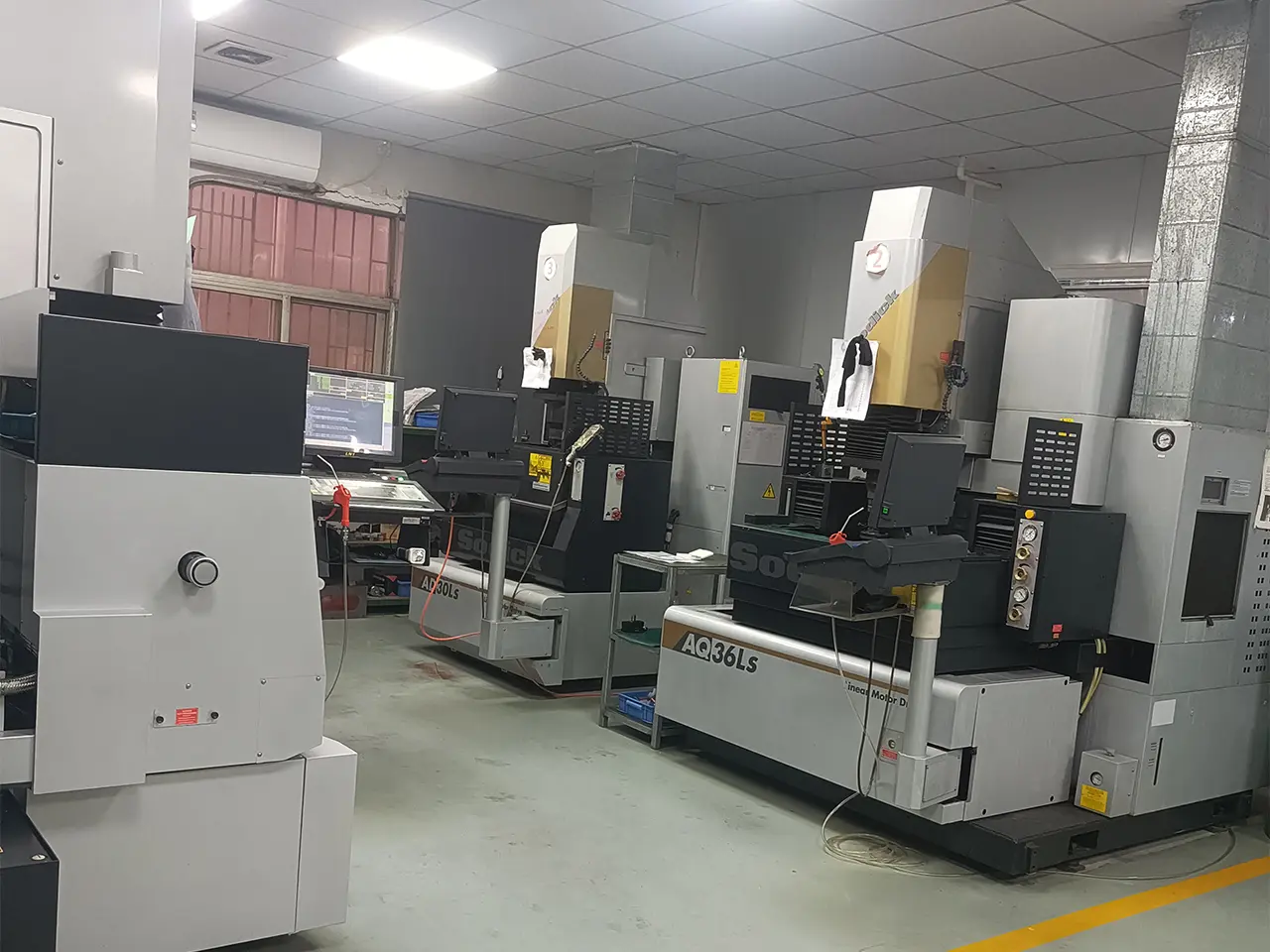
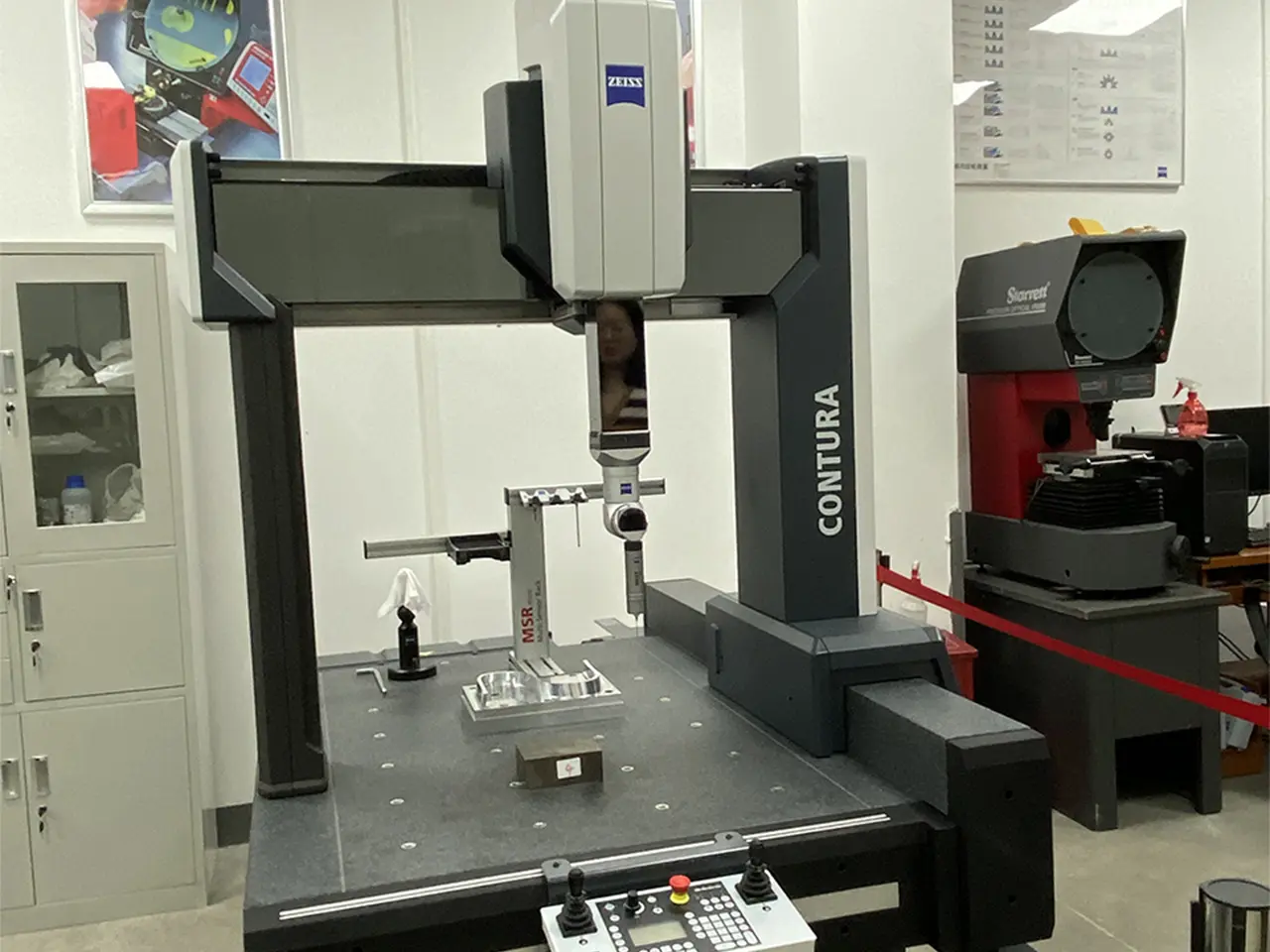
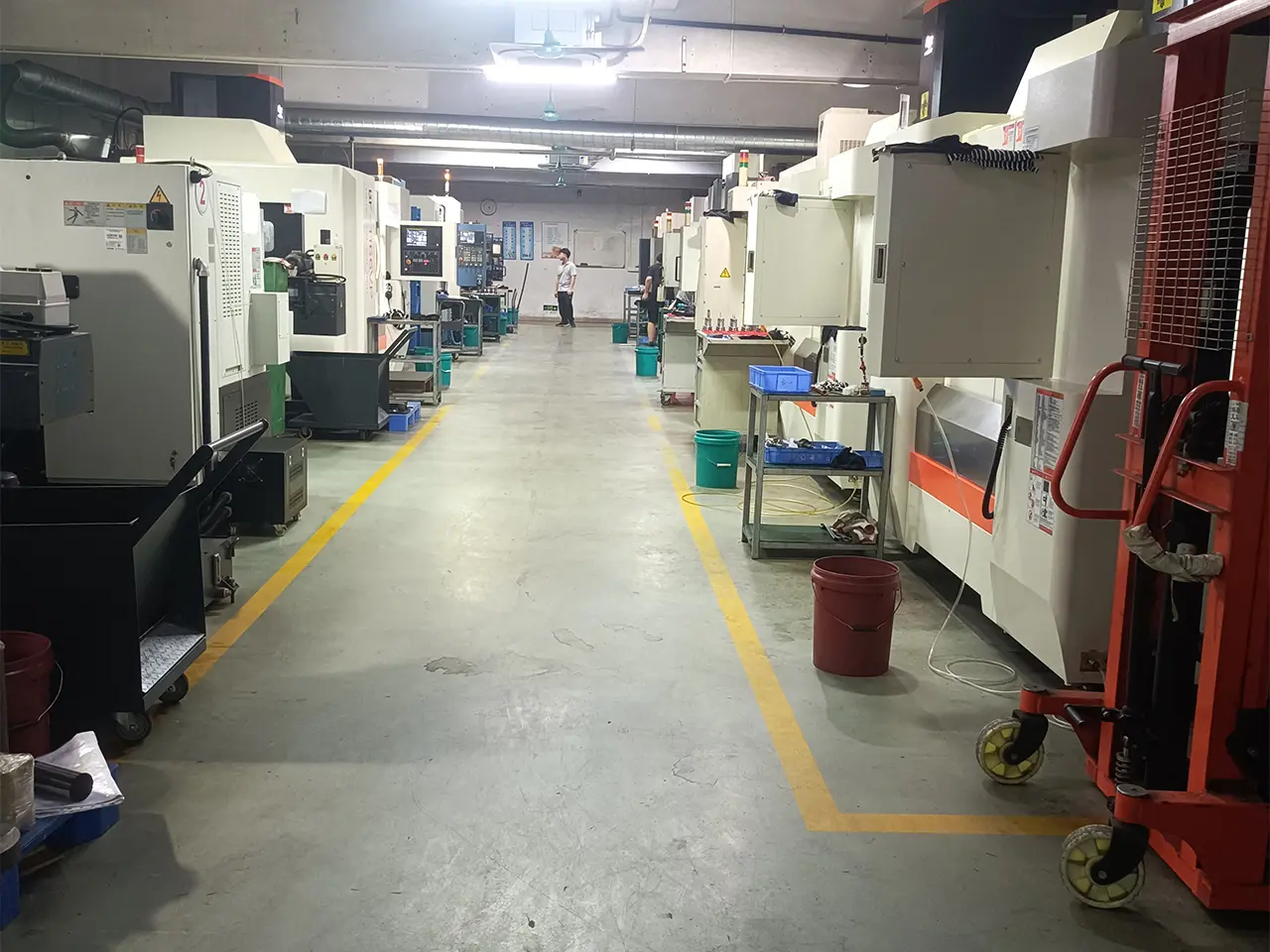
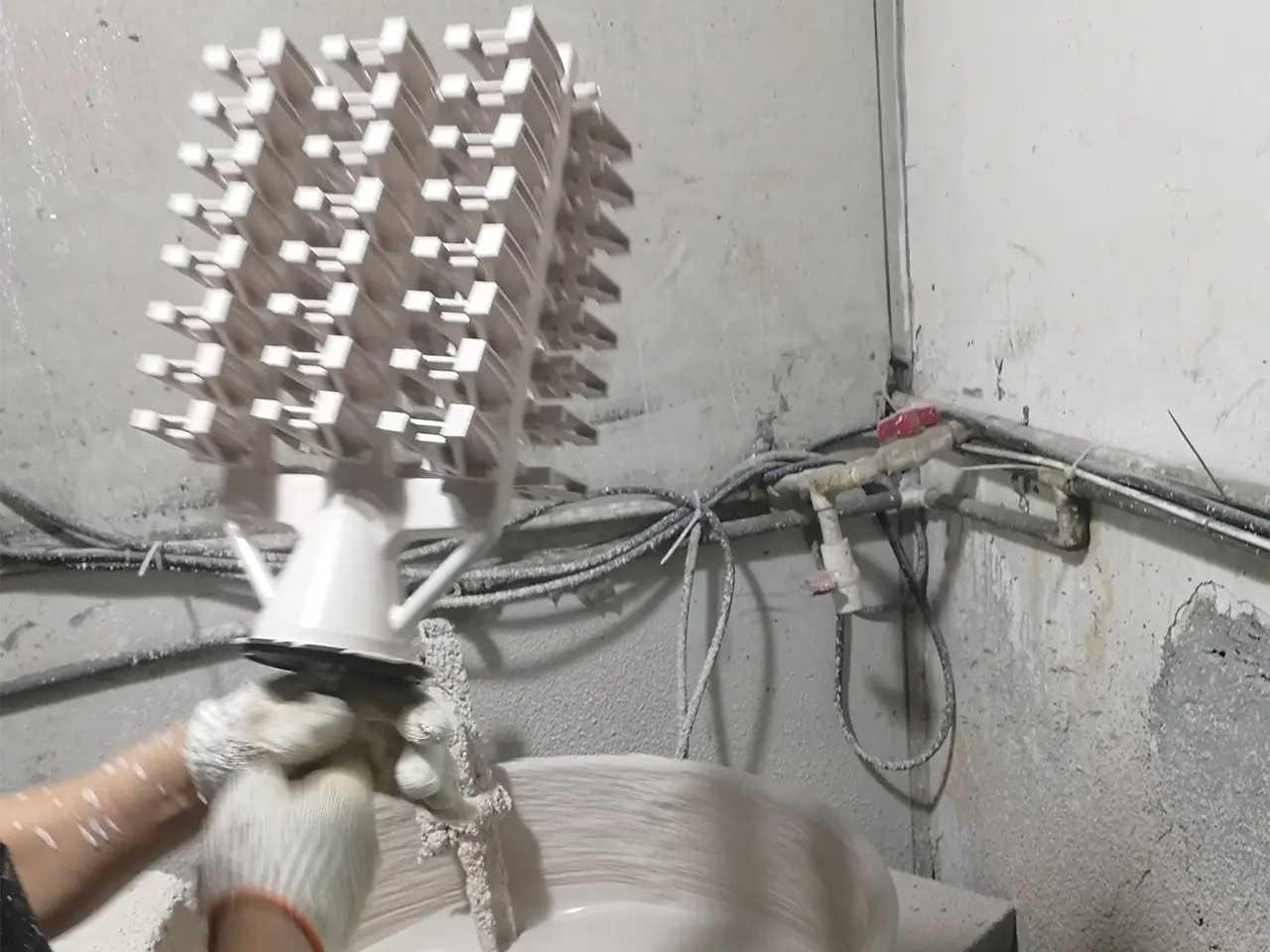
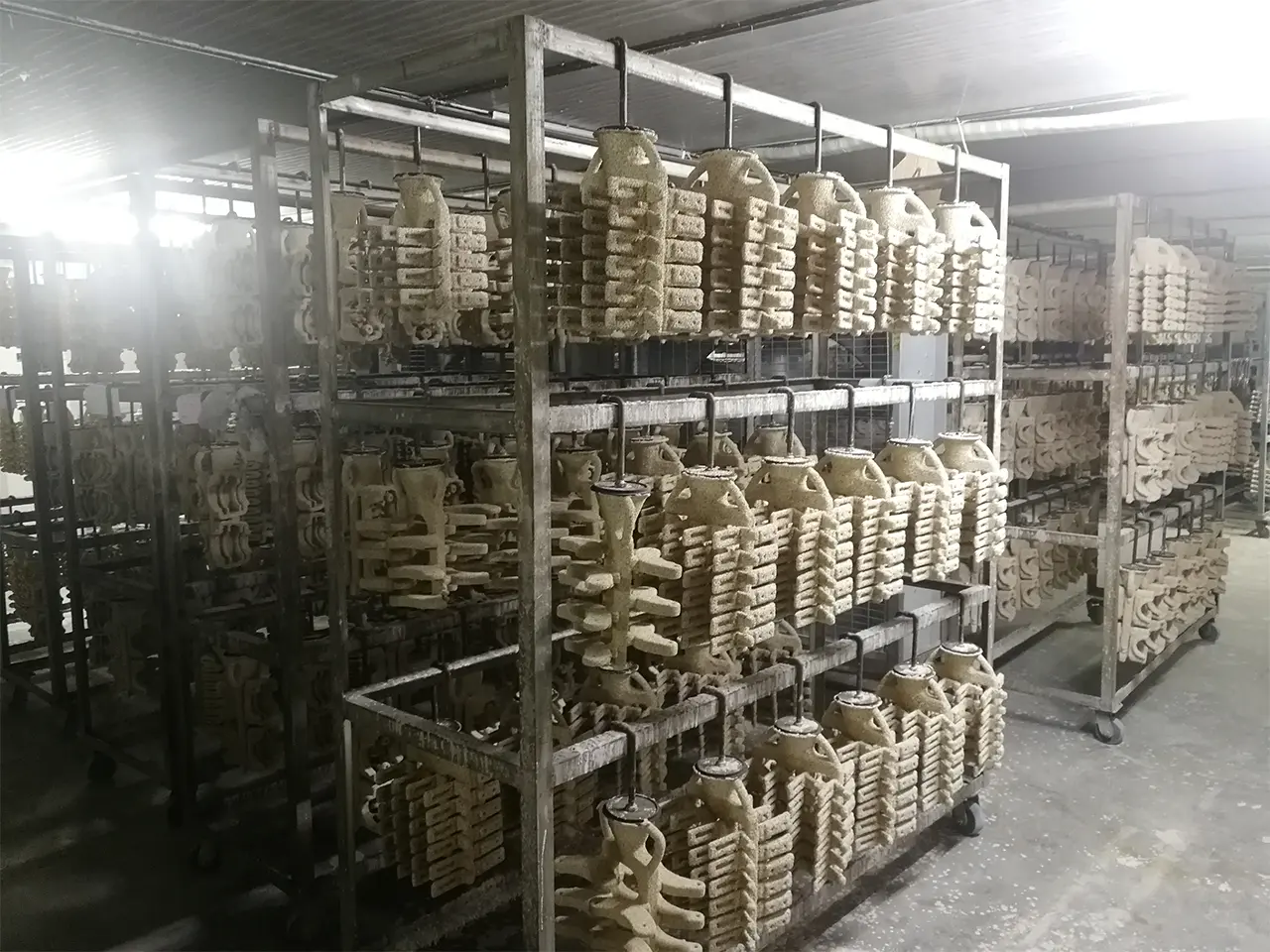
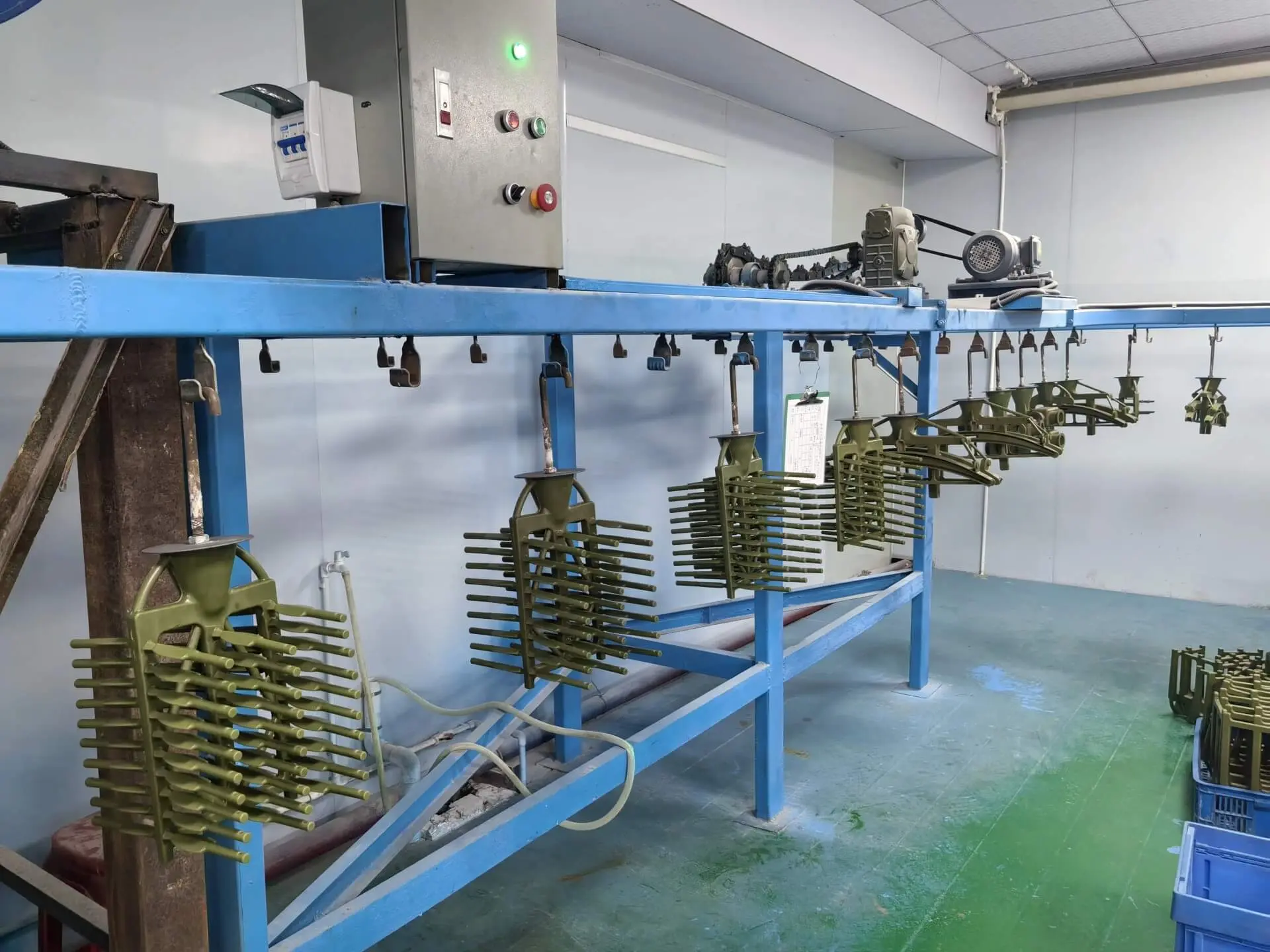
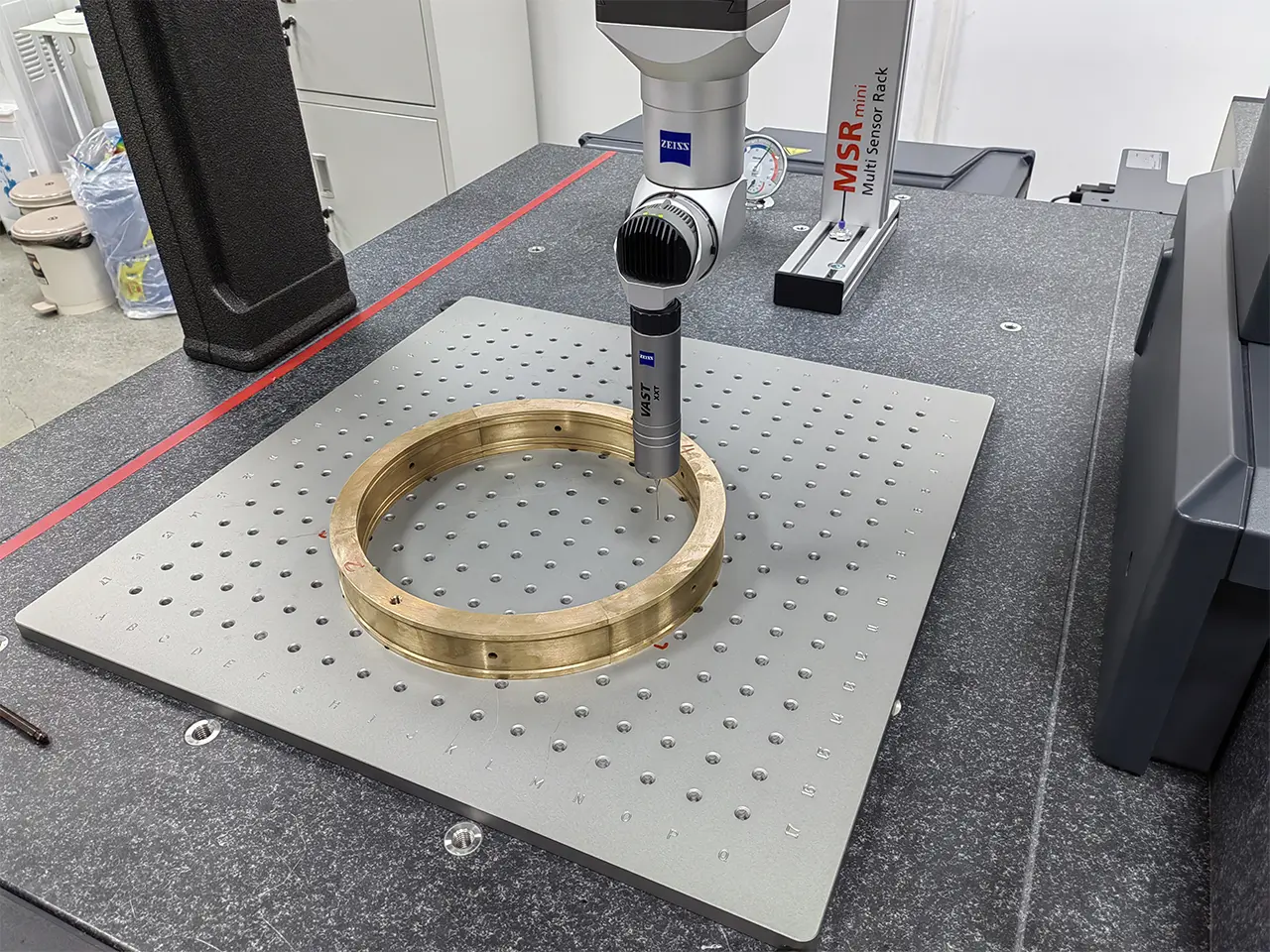
We have professional testing equipment and professional QC personnel, and we adhere to strict tolerances and quality standards for the products we produce. Due to our insistence on strict quality requirements, we have been praised by many customers.
Quality is the cornerstone of the manufacturing industry. We firmly believe that only by controlling quality well can we survive, develop, and get better and better. Therefore, we have been working in this industry unremittingly since 2014 and continue to improve the company's team and improve the company's production capacity.
Our verification procedures rely on digital spectrometers to trace metal batches, coordinate measuring machines (CMM) to check physical dimensions, and nondestructive testing (including ultrasonic and dye penetrant inspection) to certify the internal integrity of our bronze castings.
A quantitative overview of our industrial footprint, metallurgical experience, and global capability standards.
Our custom bronze components are engineered for critical applications where system downtime is not an option.
Due to the extreme corrosiveness of sea water, offshore installations require bronze castings that resist salt-spray deterioration. Using aluminum bronze and nickel-aluminum bronze (NAB), we deliver pump impellers, sub-sea valve bodies, propeller blades, and marine plumbing fittings that resist bio-fouling and erosion-cavitation over decades of submersion.
In heavy industrial equipment (such as agricultural systems, construction machinery, and mining drills), mating parts experience extreme load pressures. We supply custom cast phosphor bronze bushings, wear plates, and worm gear sets. These parts offer self-lubricating properties, reducing heat build-up and preventing mechanical seizing under high loads.
Electrical switchgear, power generation networks, and high-frequency induction components require high conductivity combined with structural strength. Our high-conductivity copper and silicon bronze castings provide low resistive pathing, lowering heat generation in heavy industrial transmission environments.
For procurement directors at global OEMs, securing a reliable bronze casting supply chain requires addressing three core issues: metallurgical consistency, tooling lifecycle costs, and lead time predictability. Small variations in copper alloy compositions can lead to accelerated wear or early fatigue in high-stress applications.
At Dongguan SX Technology Co.,Ltd, we address these concerns through structured metallurgical certification. We provide chemical analysis certificates (spectrography) and mechanical test logs for every production batch. Furthermore, our dual capability in both investment casting and high-precision CNC finishing eliminates the need to coordinate between multiple suppliers, minimizing scrap rates and reducing procurement lead times.
To accommodate logistics requirements in North America, Europe, and the APAC region, we offer flexible shipping and warehousing coordination. This supports lean manufacturing demands and minimizes inventory carrying costs for our partners.
Engineering answers to complex questions regarding tolerances, alloy selections, and foundry operations.
Further custom engineering components manufactured using precision machining, multi-axis turn-mill centers, and investment casting.
 SX Machining