Over the last decade, global manufacturing has experienced a monumental transition. Traditional non-ferrous metals and alloys—long considered the backbone of structural, mechanical, and sealing applications—are systematically being replaced by advanced engineered polymers. The demand for Custom Machining Plastics has surged because today's high-performance thermoplastics match, and in some metrics exceed, the characteristics of traditional metals like brass, aluminum, and cast irons. This transformation is driven by the urgent need for weight reduction, corrosion immunity, friction minimization, and enhanced electromagnetic insulation across key fields.
Unlike manufacturing metal components, plastic CNC machining requires an intimate understanding of polymer-specific thermal dynamics. Thermoplastics possess high coefficients of thermal expansion and low thermal conductivity, meaning heat buildup during high-speed CNC milling and turning can lead to dimensional deformation, micro-cracks, and internal residual stresses. Working with a dedicated supplier like Dongguan SX Technology Co., Ltd ensures that critical processing factors—such as customized tooling geometries, optimal spindle speeds, and specialized coolant strategies—are managed precisely to achieve strict tolerances (up to ±0.01mm) on intricate parts.
Selecting the optimal engineered plastic is vital for durability under extreme conditions. Compare our key performance plastics utilized across customized machining lines:
| Material Class | Trade Names & Compounds | Tensile Strength & Temperature Limit | Primary Mechanical Advantages | Standard Application Scenarios |
|---|---|---|---|---|
| PEEK (Polyetheretherketone) | Ketron®, Victrex® | 100 MPa / 250°C (Continuous) | Exceptional chemical resistance, biocompatibility, low outgassing, high mechanical load tolerance. | Aerospace manifolds, semiconductor test sockets, orthopedic medical instruments. |
| PTFE (Polytetrafluoroethylene) | Teflon® | 25 MPa / 260°C | Ultra-low coefficient of friction, universal chemical inertness, high dielectric insulation properties. | Chemical valve linings, high-frequency RF connectors, dynamic seals and gaskets. |
| POM (Polyoxymethylene / Delrin) | Delrin®, Acetron® | 70 MPa / 90°C | High fatigue endurance, dimensional stability, low moisture absorption, excellent machinability. | Precision gears, actuator bushings, electrical housings, conveyor system rollers. |
| Nylon (PA6/PA66) | Ertalon® | 80 MPa / 100°C | Excellent wear and abrasion resistance, high impact dampening, lightweight. | Heavy-duty wear pads, structural brackets, industrial sheaves, sound-dampening components. |
| PVDF (Polyvinylidene Fluoride) | Kynar® | 50 MPa / 140°C | Superior purity, outstanding UV resistance, flame retardant, resistant to strong acids. | Semiconductor wet process parts, chemical piping flanges, fluid monitoring bodies. |
Procurement teams worldwide face challenges from fluctuating lead times and raw material bottlenecks. Sourcing high-tolerance parts requires supply chain partners that offer transparent inventory tracking and agile production capabilities. By building raw material reserves of engineering polymers, we insulate our clients from market-driven volatility.
Components for industries like pharmaceutical processing and food production must comply with strict criteria, including FDA approval, EU regulations, and RoHS certification. Our clean-room machining capabilities prevent cross-contamination, ensuring that machined plastics meet all regional regulatory demands.
Fast-moving sectors like consumer electronics and automotive tech rely on rapid iterative testing. Our responsive manufacturing setup allows us to shift quickly from single-item CAD prototyping to high-volume production runs. This helps companies compress development cycles and launch products faster.
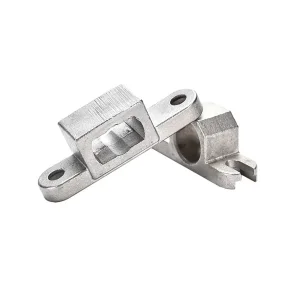
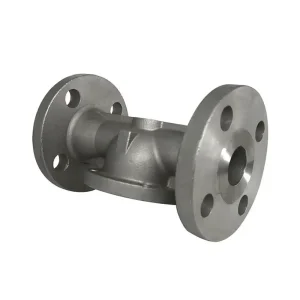
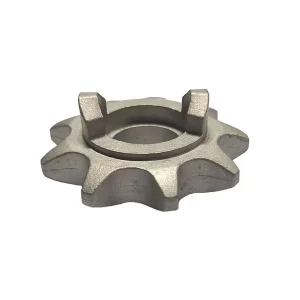
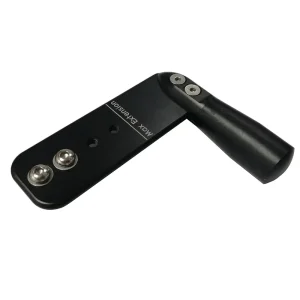
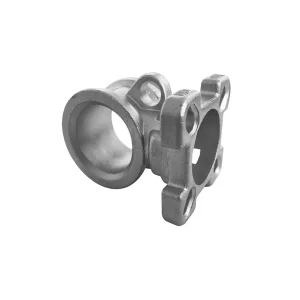
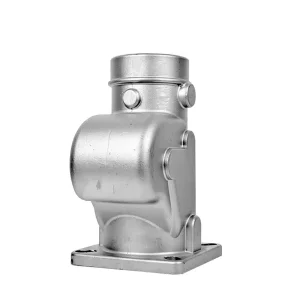
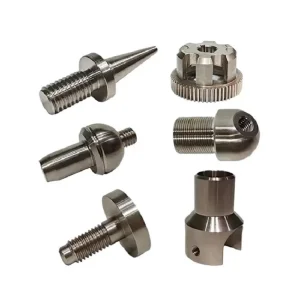
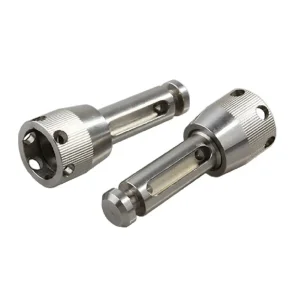
We have very rich experience in precision casting, CNC machining, and assembly. Our products are widely utilized in machinery, automobiles, marine, ships, equipment, valves and pumps, electronic appliances, packaging, watches, construction, chemical industries, and beyond. The most commonly used materials for investment casting are stainless steel and carbon steel, while our CNC machining solutions run the gamut from titanium alloys, stainless steel, carbon steel, and aluminum alloys to copper, cemented carbides, and performance plastics. We have advanced manufacturing equipment and technology to respond quickly to your needs.
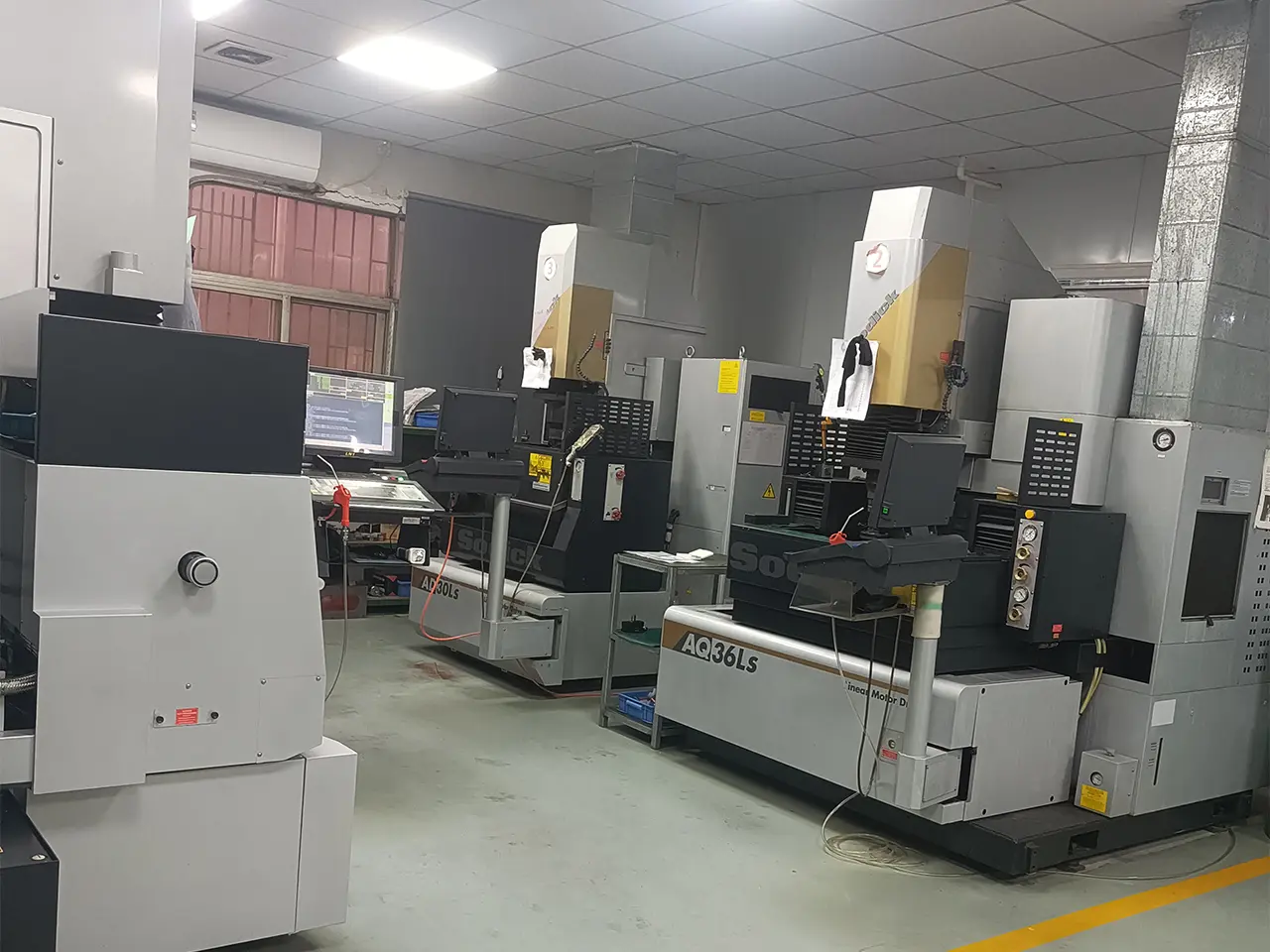
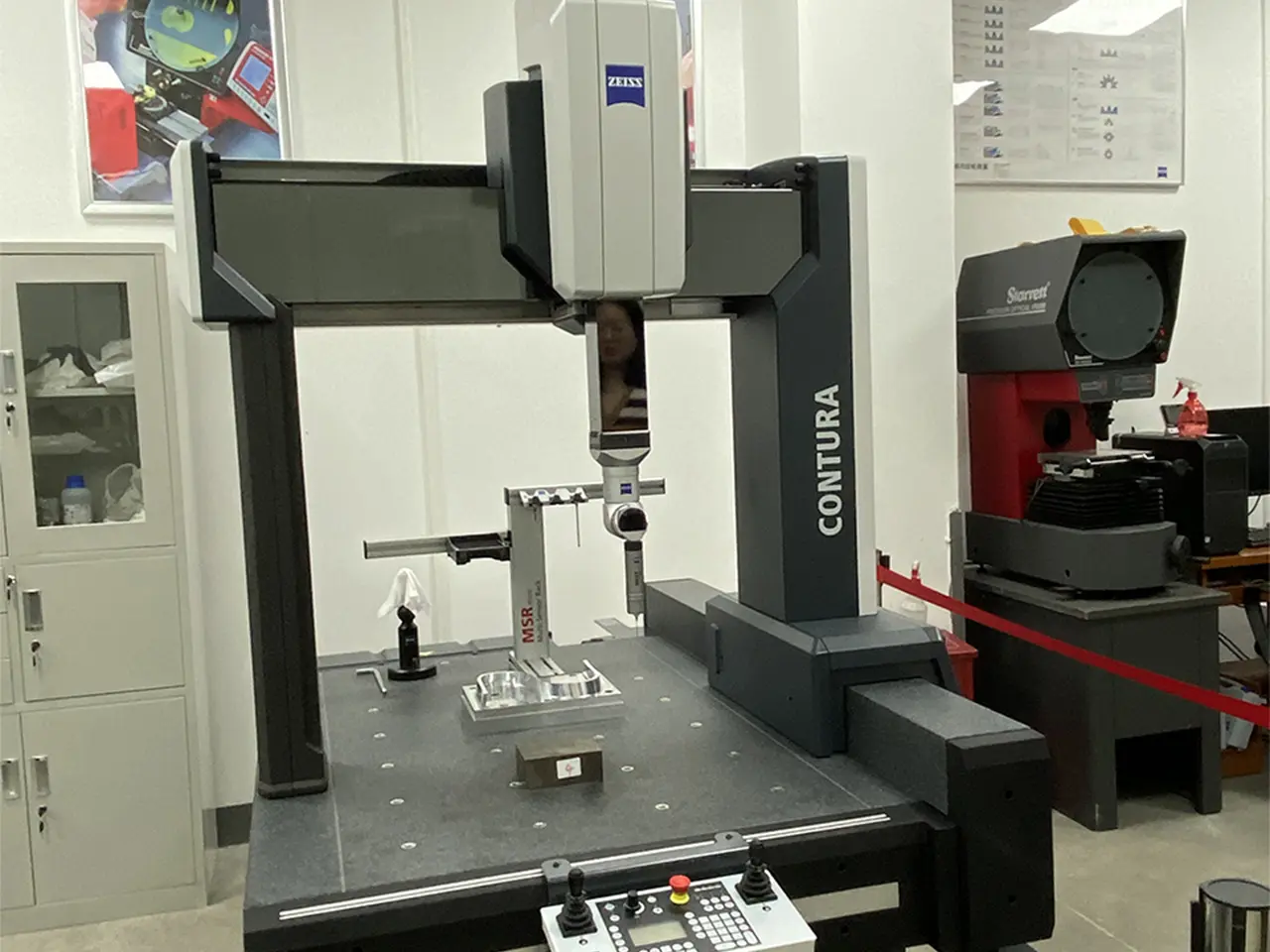
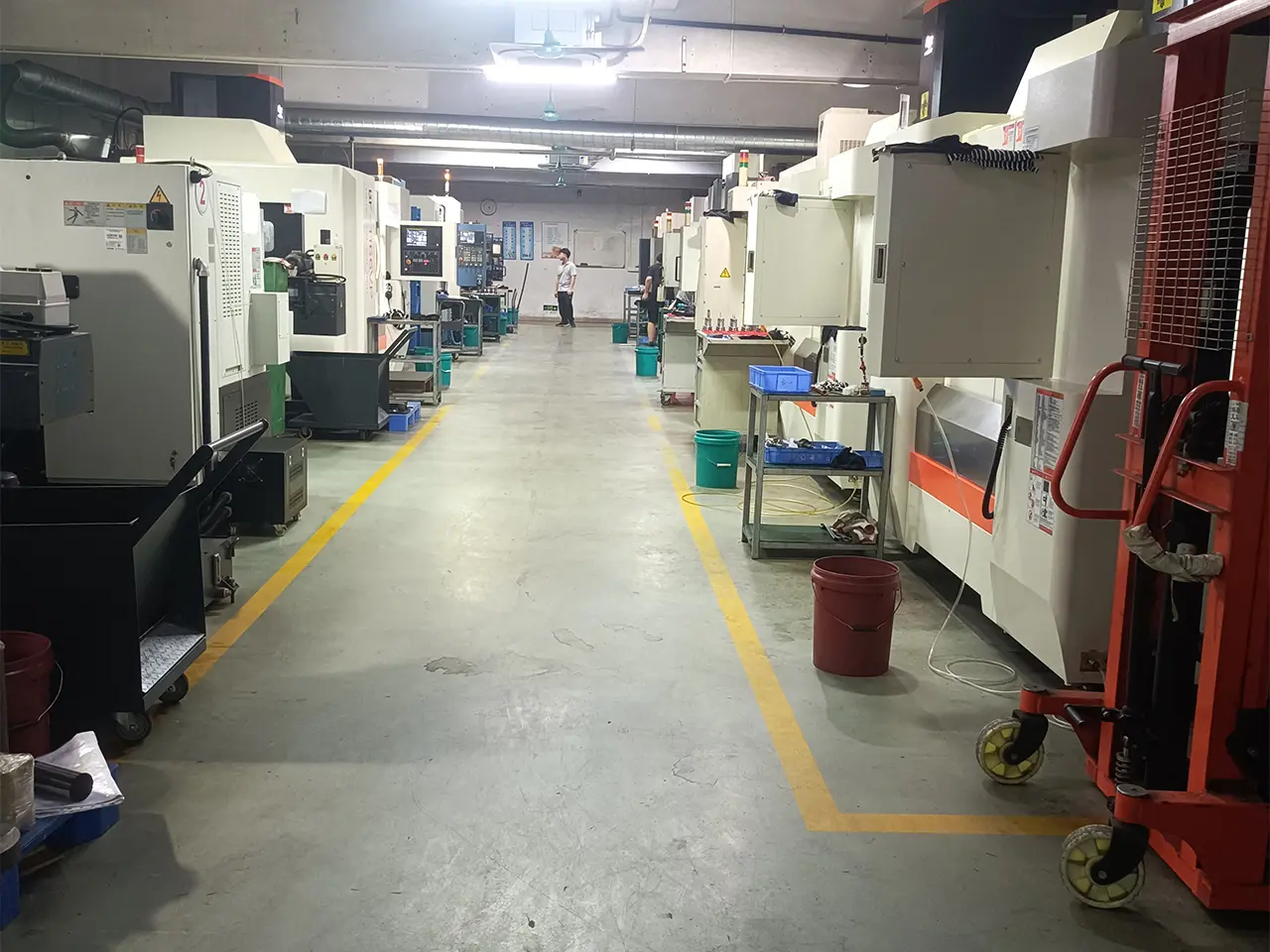
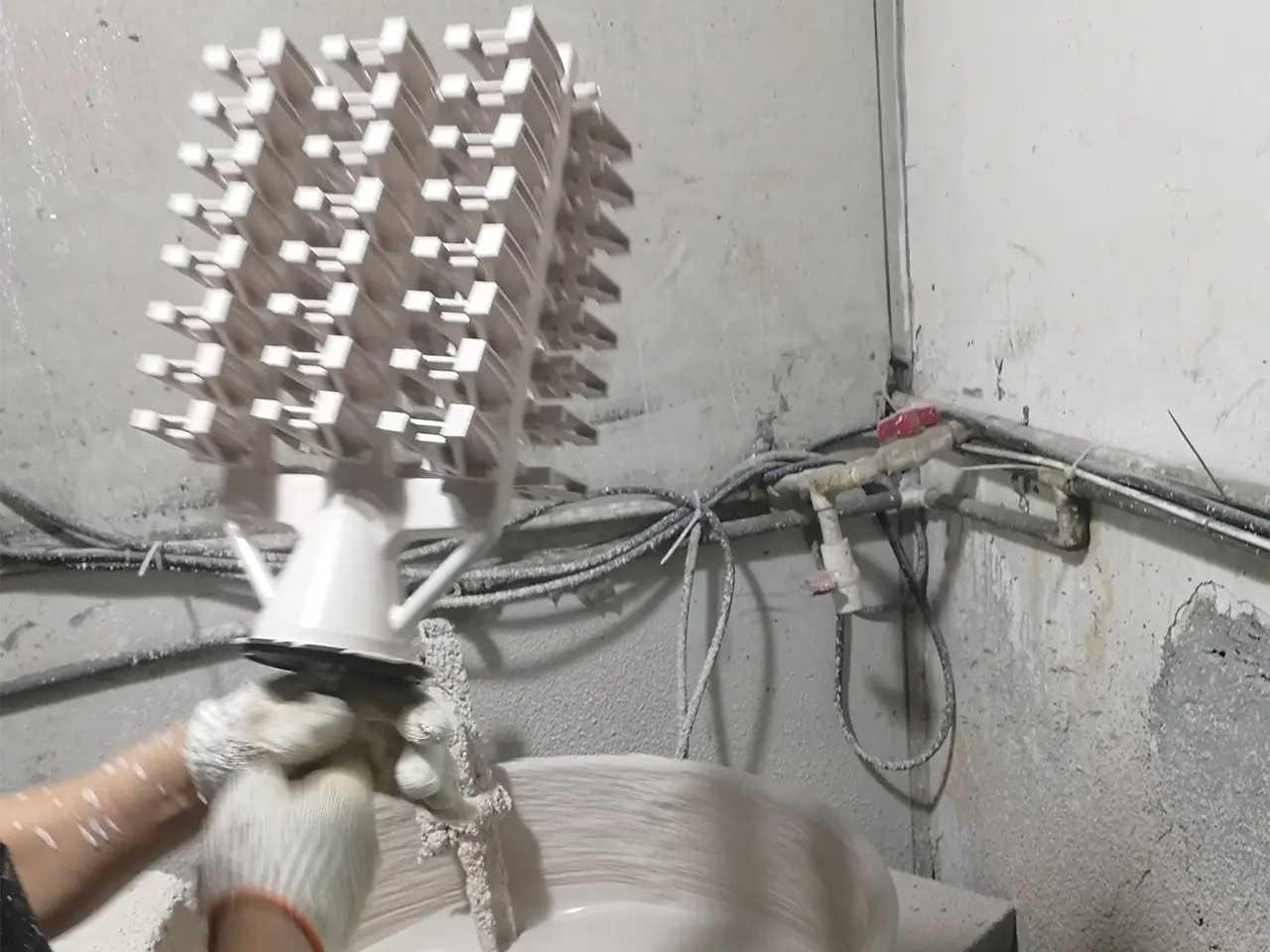
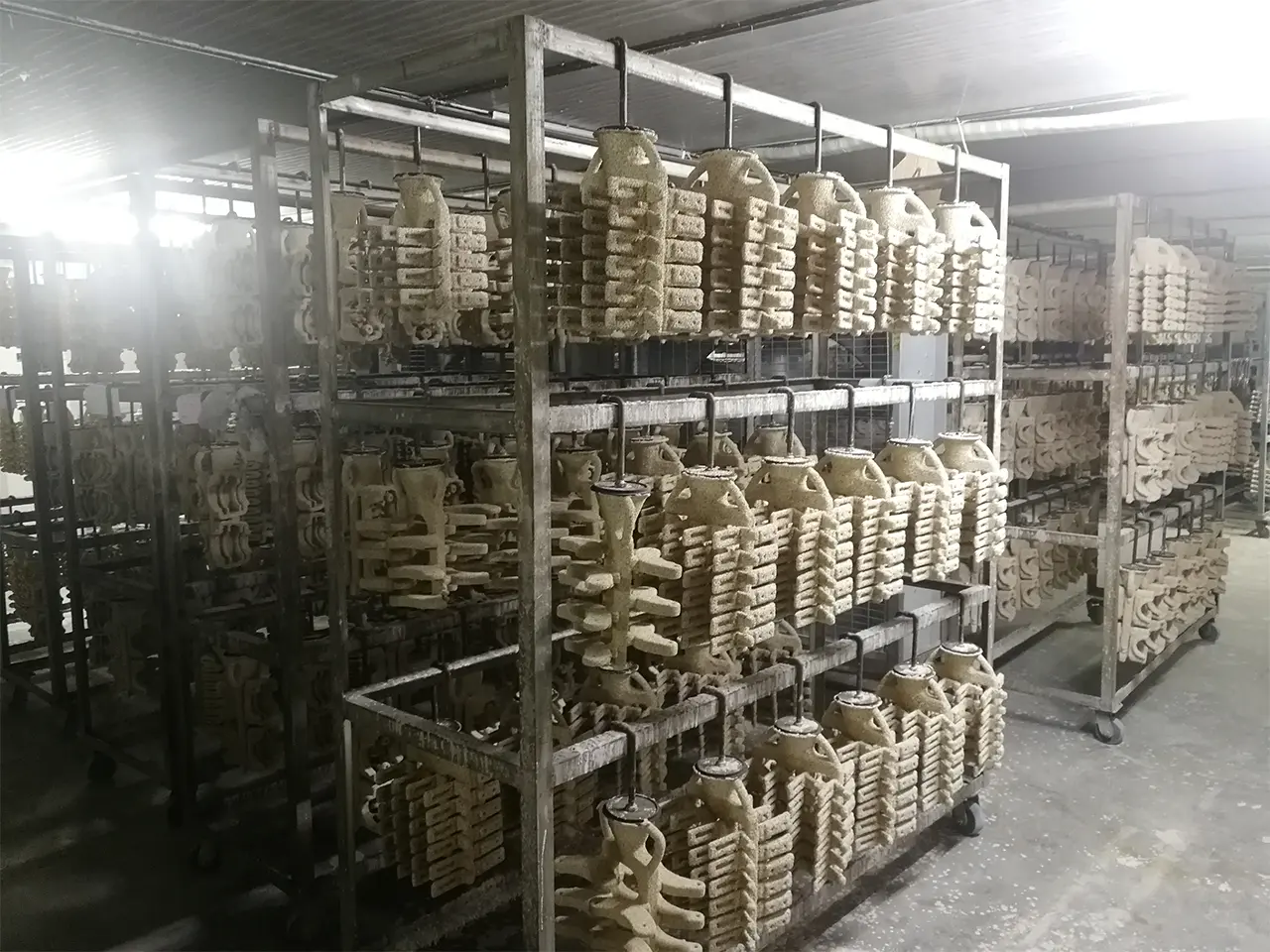
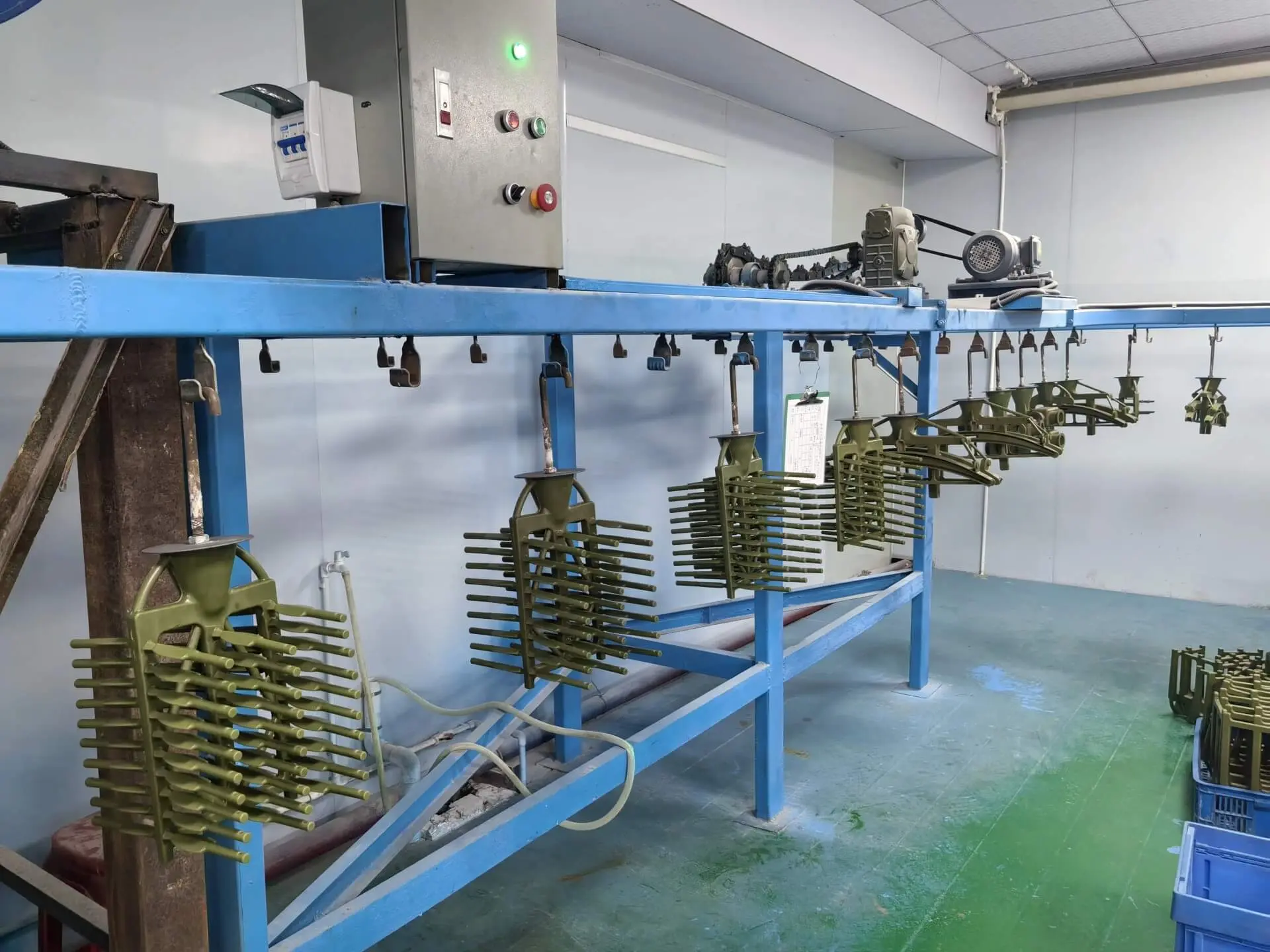
Modern manufacturing requires more than just high-quality products; it demands supply chain integration. In Dongguan, the center of high-tech manufacturing, Factory 4.0 strategies are transforming production. By incorporating digital systems, automated toolpaths, and real-time performance monitoring, we optimize both efficiency and quality.
For custom machining plastics, this means digital thermal monitoring and precision speed control are programmed directly into our machines. This prevents warping and ensures consistency across large production batches. Our facility offers end-to-end production, combining casting, multi-axis CNC machining, and quality assurance under one roof to minimize transit times and control costs.
Advantages of our Factory 4.0 Integration:
Our workshop houses high-speed vertical machining centers, CNC turn-milling equipment, and precise testing stations. Operating in the industrial hub of Dongguan, we combine local raw material networks with optimized logistics to serve clients globally.
We work with a variety of materials, from basic engineering plastics (Nylon, POM, Polycarbonate) to high-temperature fluoropolymers (PTFE, PVDF) and advanced polyimides (PEEK, Torlon). We also support multi-material assemblies, joining metals with polymers to create robust mechanical solutions.
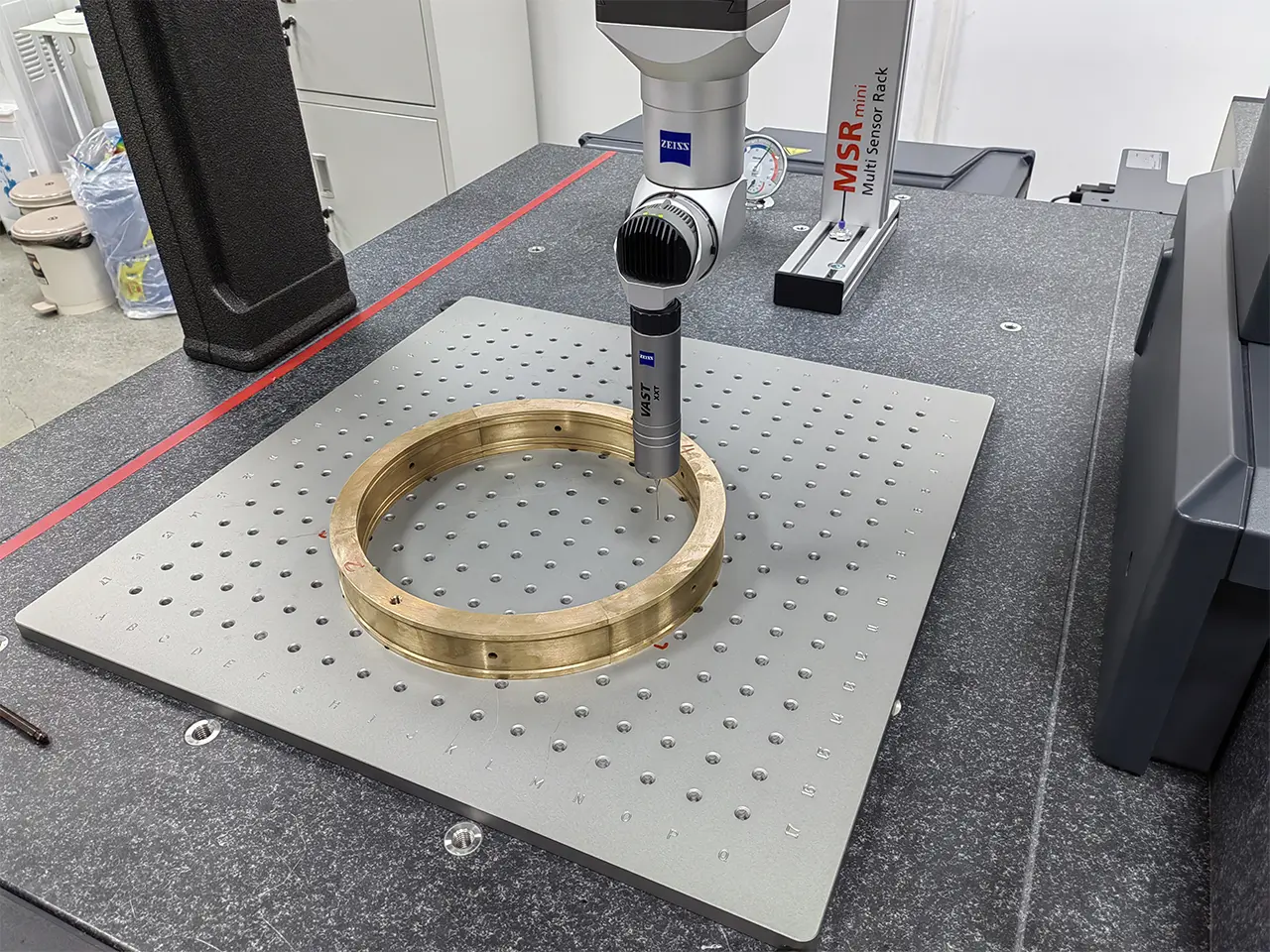
We have professional testing equipment and dedicated QC personnel. We adhere to strict tolerances and quality standards for every product we produce. Due to our insistence on strict quality requirements, we have been praised by many customers.
Quality is the cornerstone of the manufacturing industry. We firmly believe that only by controlling quality well can we survive, develop, and get better and better. Therefore, we have been working in this industry unremittingly since 2014 and continue to improve the company's team and improve the company's production capacity.
Our custom machined polymer components operate in demanding environments, delivering wear resistance, electrical insulation, and chemical stability.
Weight reduction is critical in modern aerospace systems. High-strength polymers like PEEK and Ultem are machined to replace interior cabin brackets, wire conduits, and non-structural airframe parts, lowering fuel consumption while maintaining safety.
Surgical instruments and diagnostic equipment require materials that can withstand repeated autoclave sterilization. Medical-grade polymers like PPSU and PEEK meet these needs and provide bio-compatibility for temporary tissue contact.
Saltwater causes severe corrosion in metals. Custom-machined marine plastics, such as UHMW-PE and Delrin, are used for underwater components, bearing assemblies, and valve components, ensuring long service life without corroding.
Microchip manufacturing requires clean, static-safe environments. Anti-static (ESD) grades of PEEK, PTFE, and PVDF are machined into wafer carriers, vacuum cups, and wet-processing components to prevent electrostatic damage and contamination.
 SX Machining