Engineered with micro-level tolerance and superior metallurgy for extreme reliability in challenging operations.
How modern multi-axis manufacturing and investment casting technologies are shifting the paradigms of global industrial engineering.
The transition from traditional 3-axis mills to 5-axis and Swiss-type turning centers allows complex parts to be machined in a single setup. This reduces cumulative alignment errors, guarantees sub-micron precision, and lowers setup costs for low-to-medium-volume production runs.
Modern applications demand superalloys such as Titanium (Ti-6Al-4V), Hastelloy, Monel, and 17-4 PH stainless steel. Processing these hard-to-cut materials requires deep expertise in heat management, specialized tool geometry, and customized cutting parameter profiles.
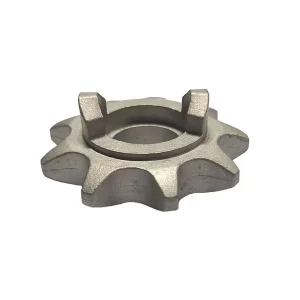
By combining near-net-shape investment casting with high-precision CNC machining, manufacturers optimize material yield, reduce cycle times, and meet stringent internal geometry specifications. This hybrid workflow is the backbone of efficient industrial part manufacturing.
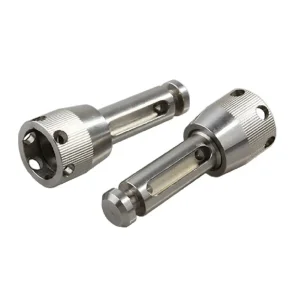
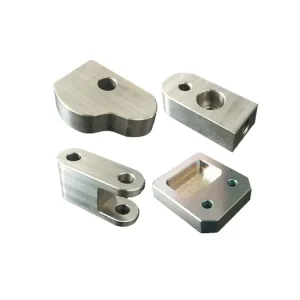
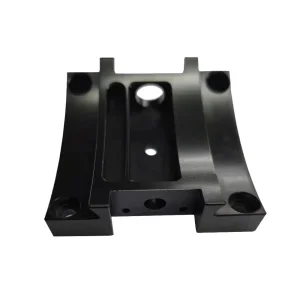
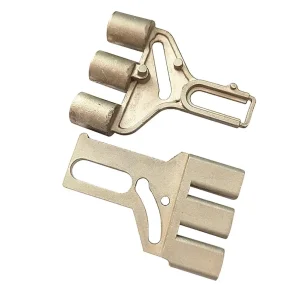
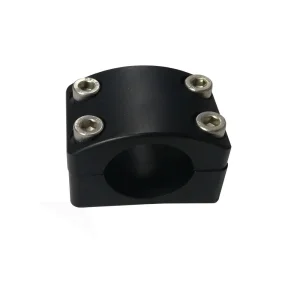
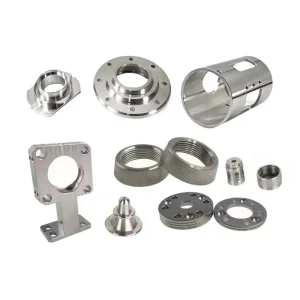
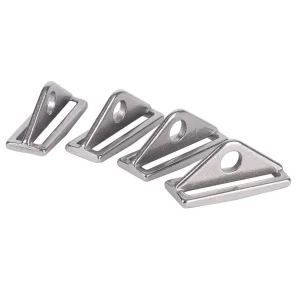
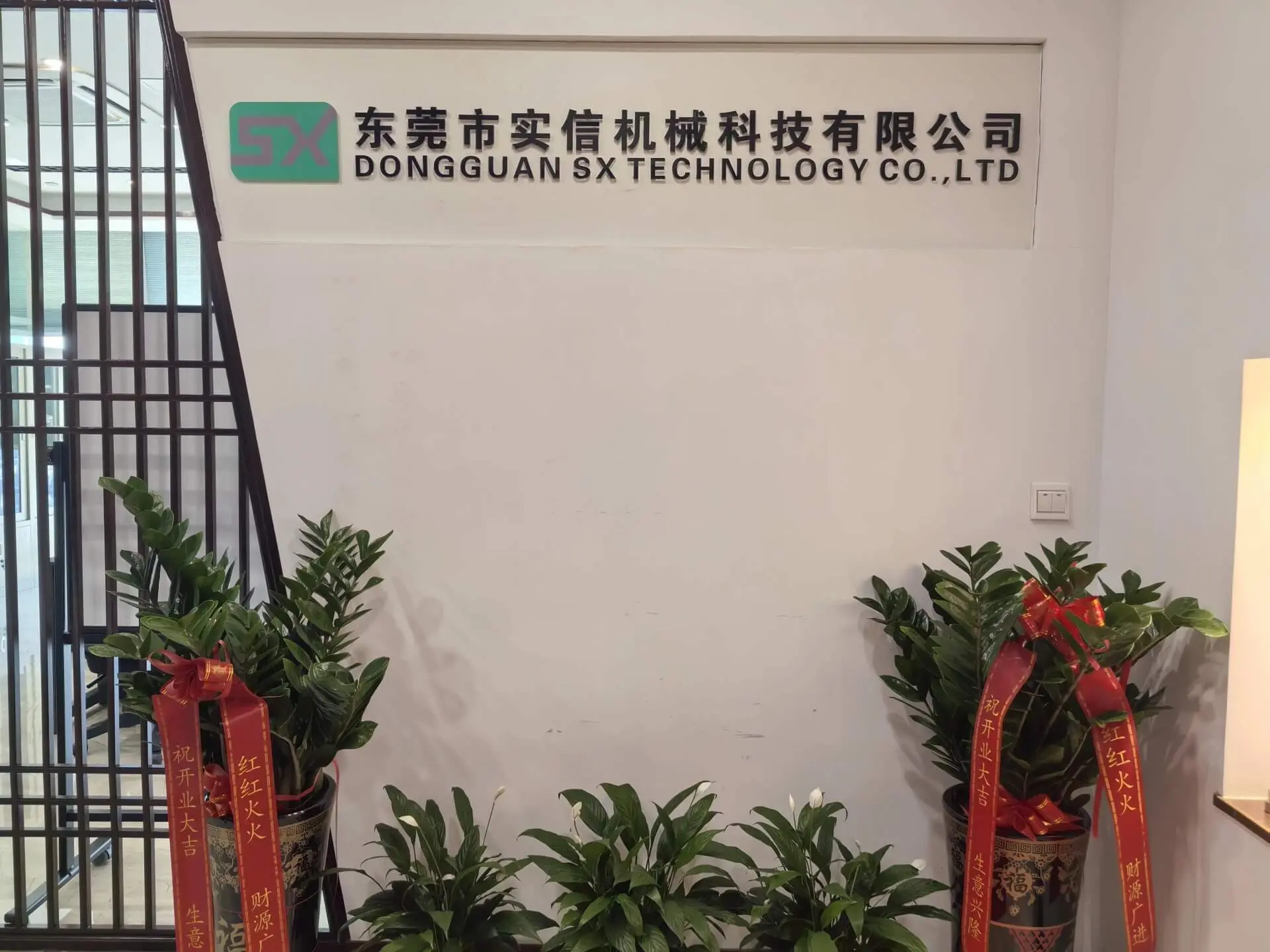
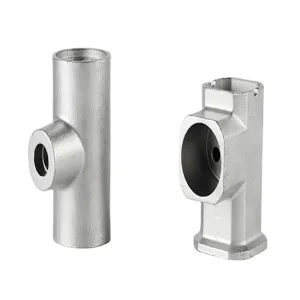
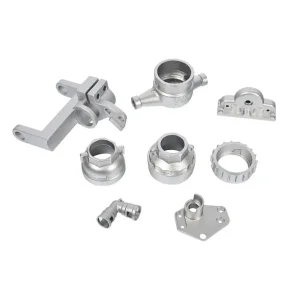
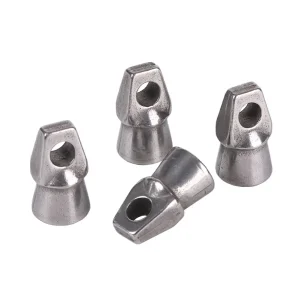
Dongguan SX Technology Co.,Ltd has very rich experience in precision casting, CNC machining and assembly. Our products are used in machinery, automobiles, marine, ships, equipment, valves and pumps, electronic appliances, packaging, watches, construction, chemical industry and other industries. The most commonly used materials for investment casting are stainless steel and carbon steel. And the most commonly used materials for CNC machining include titanium alloy, stainless steel, carbon steel, aluminum alloy, copper alloy, cemented carbide, etc.
We have advanced manufacturing equipment and technology and are able to respond quickly to your needs. Since our inception, we have integrated raw manufacturing capacity with modern process controls to deliver components that meet the expectations of engineers globally.
Meeting the strict compliance, engineering, and performance parameters required by international buyers.
Global industrial procurement teams prioritize risk mitigation, material traceability, and pricing transparency. Supply chains require mill test certificates, chemical analysis verification, and dimensional reports before any batch leaves the factory floor.
To address these demands, Dongguan SX Technology implements localized support mechanisms and standardized documentation practices, ensuring our components integrate into international assembly systems without Customs or operational delays.
Whether it is stainless steel marine components requiring saltwater corrosion protection, or high-strength titanium parts for aerospace assemblies, our manufacturing lines conform to ASTM, DIN, and JIS standards.
| Machining Process | Material Options | Standard Tolerances | Key Quality Checks |
|---|---|---|---|
| CNC Milling & Swiss Turning | Titanium, Stainless Steel, Aluminum (6061-T6, 7075), Copper Alloys | ±0.005mm to ±0.01mm | Coordinate Measuring Machine (CMM), Optical Projectors |
| Investment Casting (Lost-Wax) | Carbon Steel, Stainless Steel (304, 316, 17-4 PH) | Linear Tolerances: CT5 - CT7 | Spectrochemical Analysis, NDT (Non-Destructive Testing) |
| Secondary Finishing | Passivation, Anodizing, Powder Coating, Nitriding, Bead Blasting | Sub-micron coating thickness | Salt Spray Test, Surface Roughness Tester (Ra) |
A look inside our advanced facility equipped with modern machining centers and precision casting equipment.
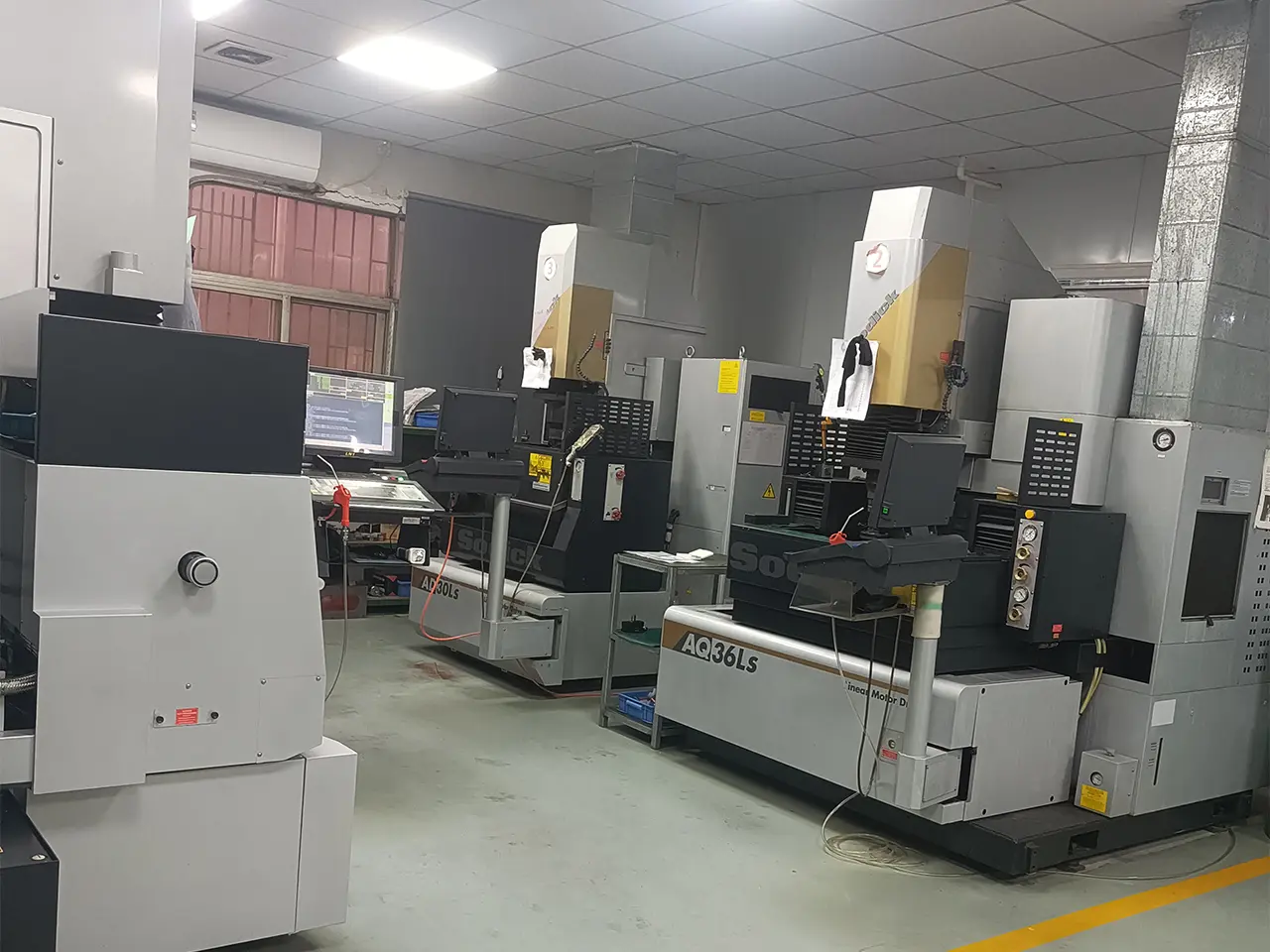
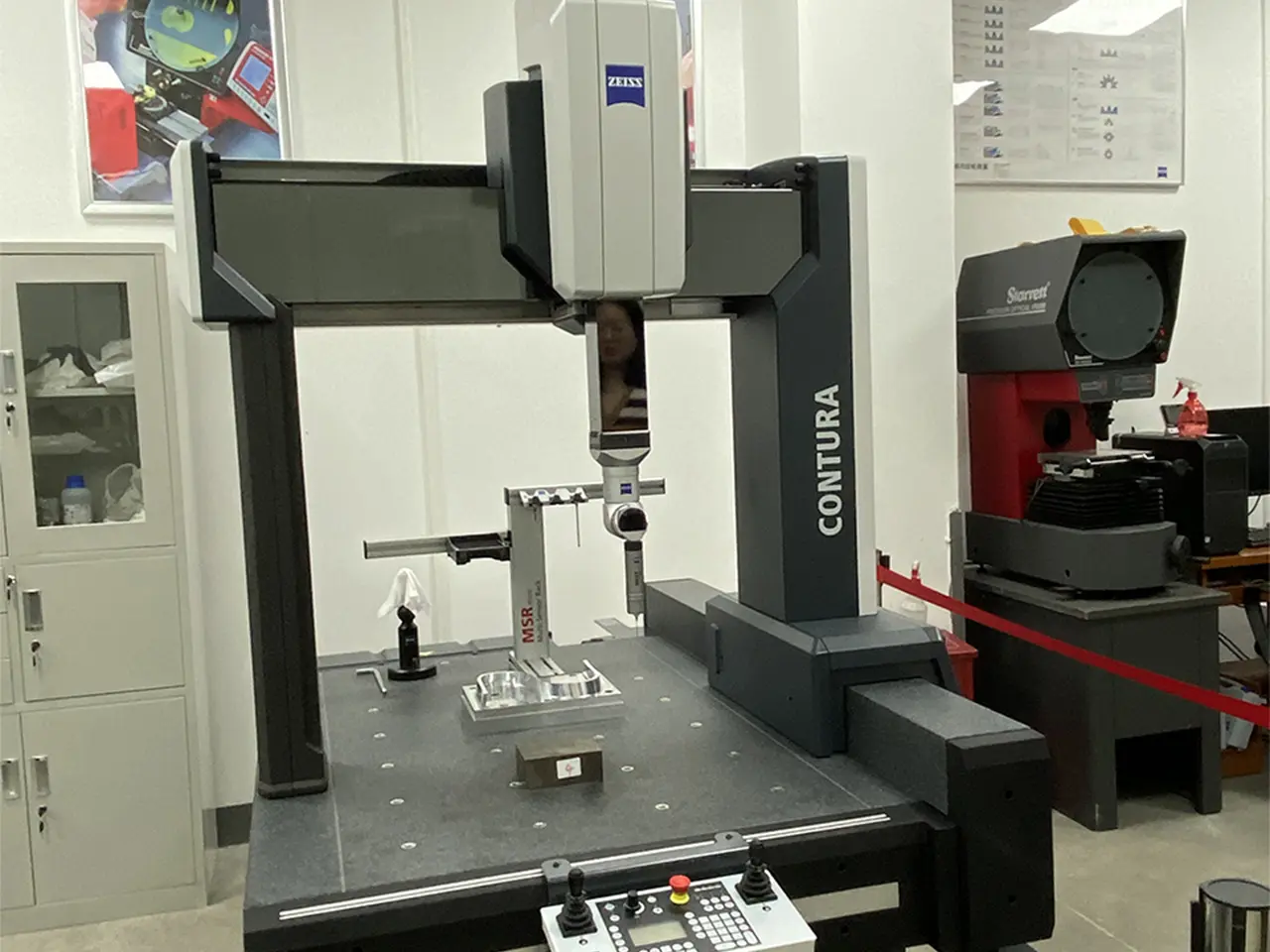
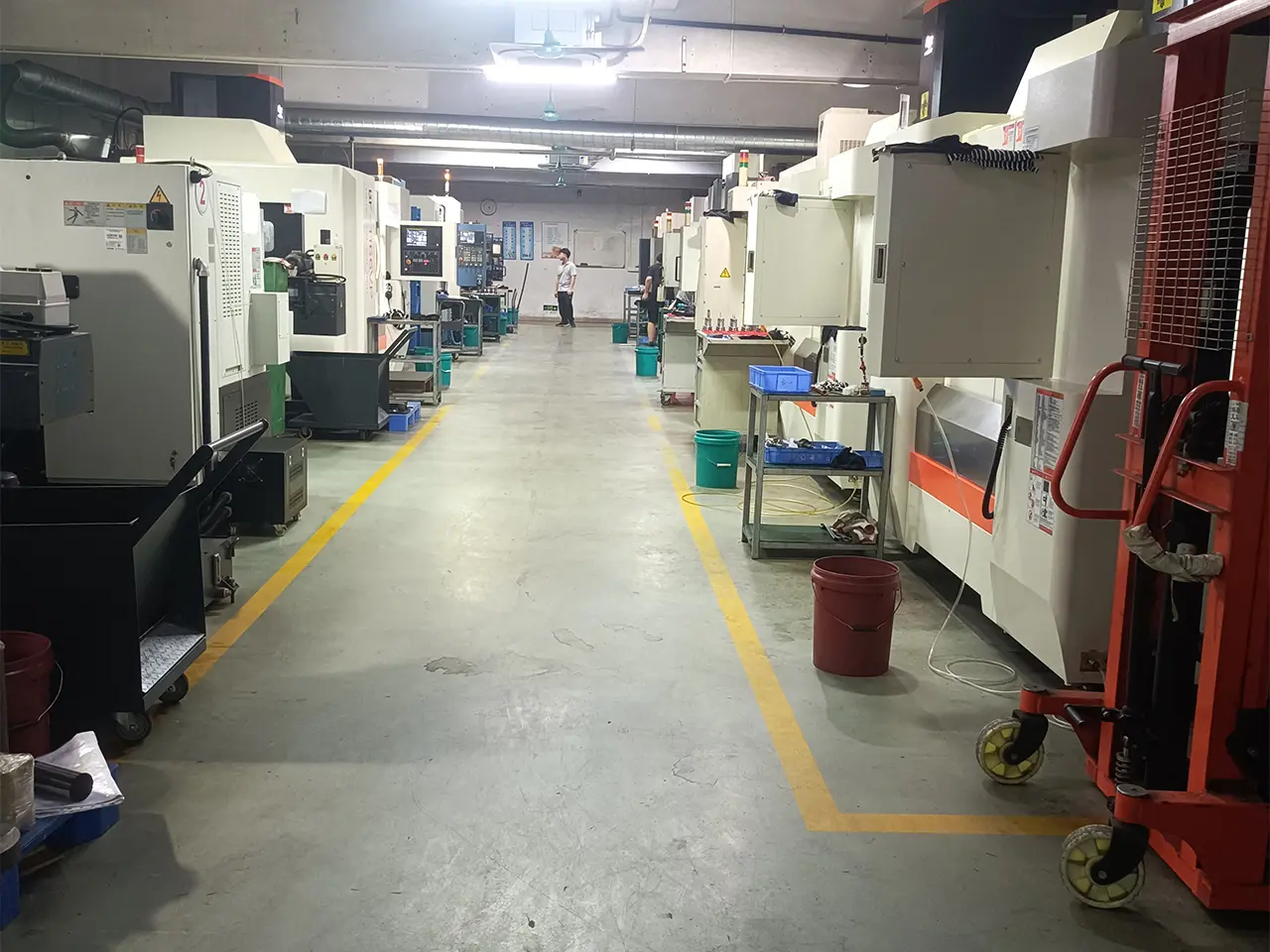
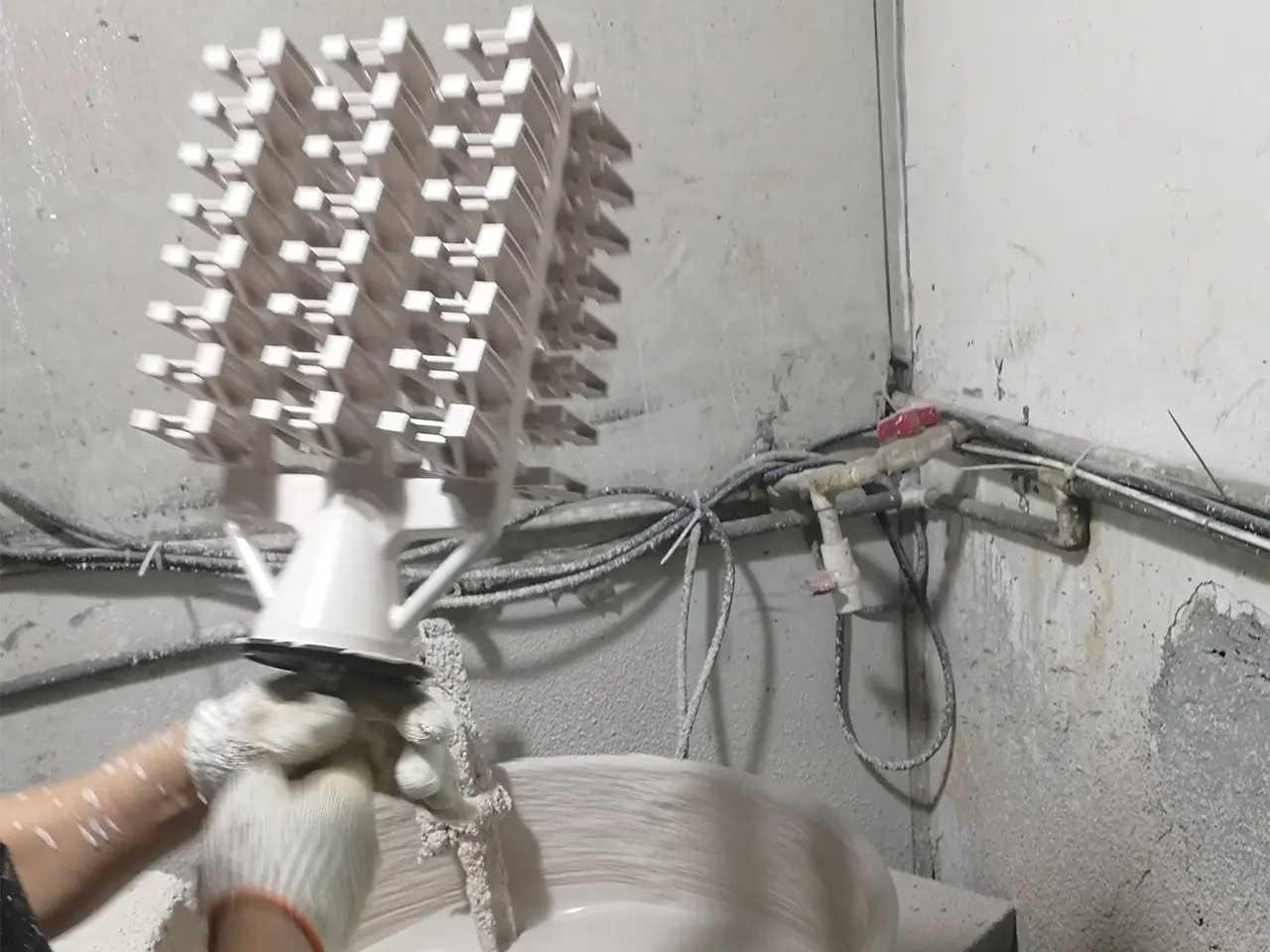
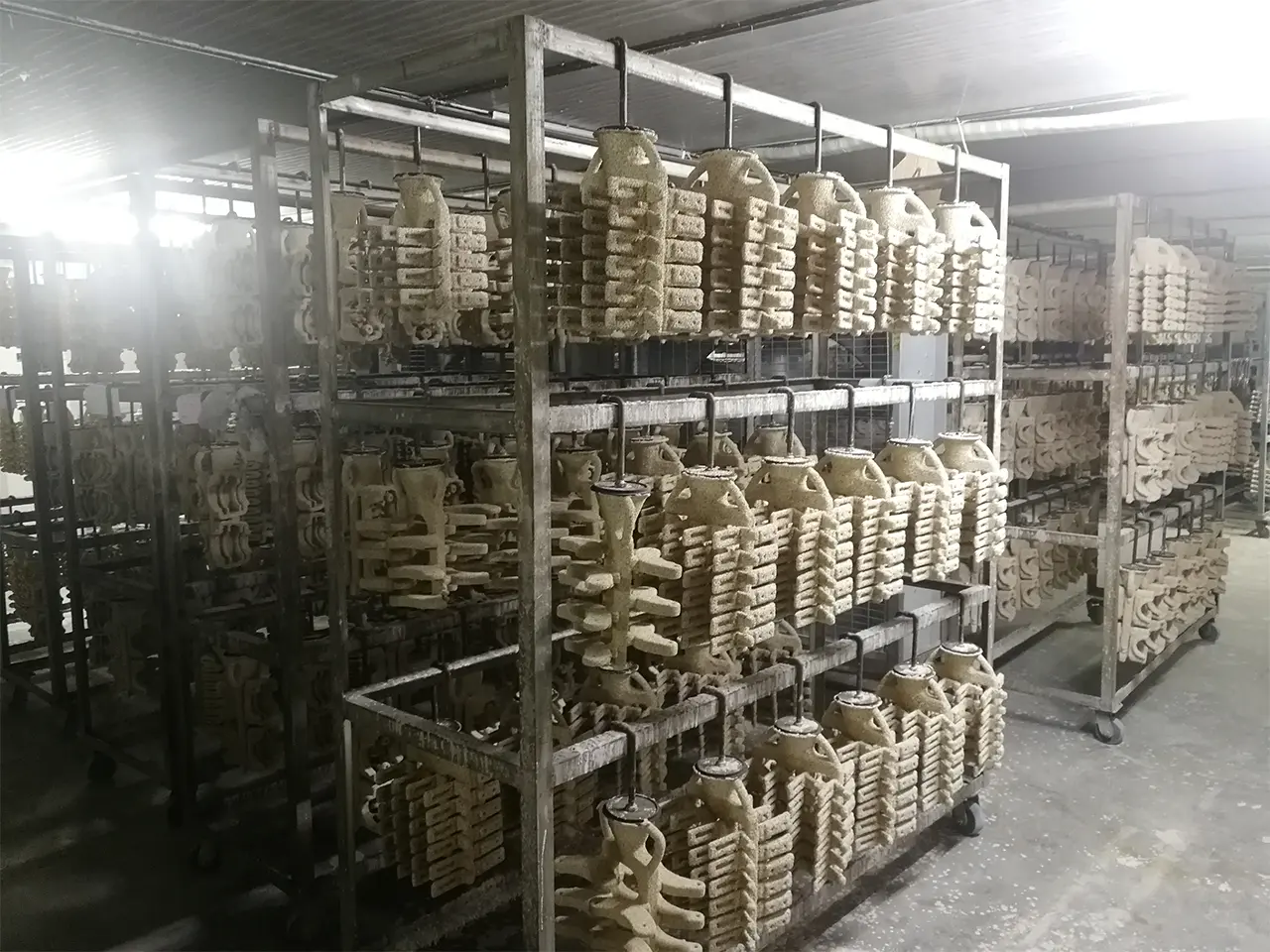
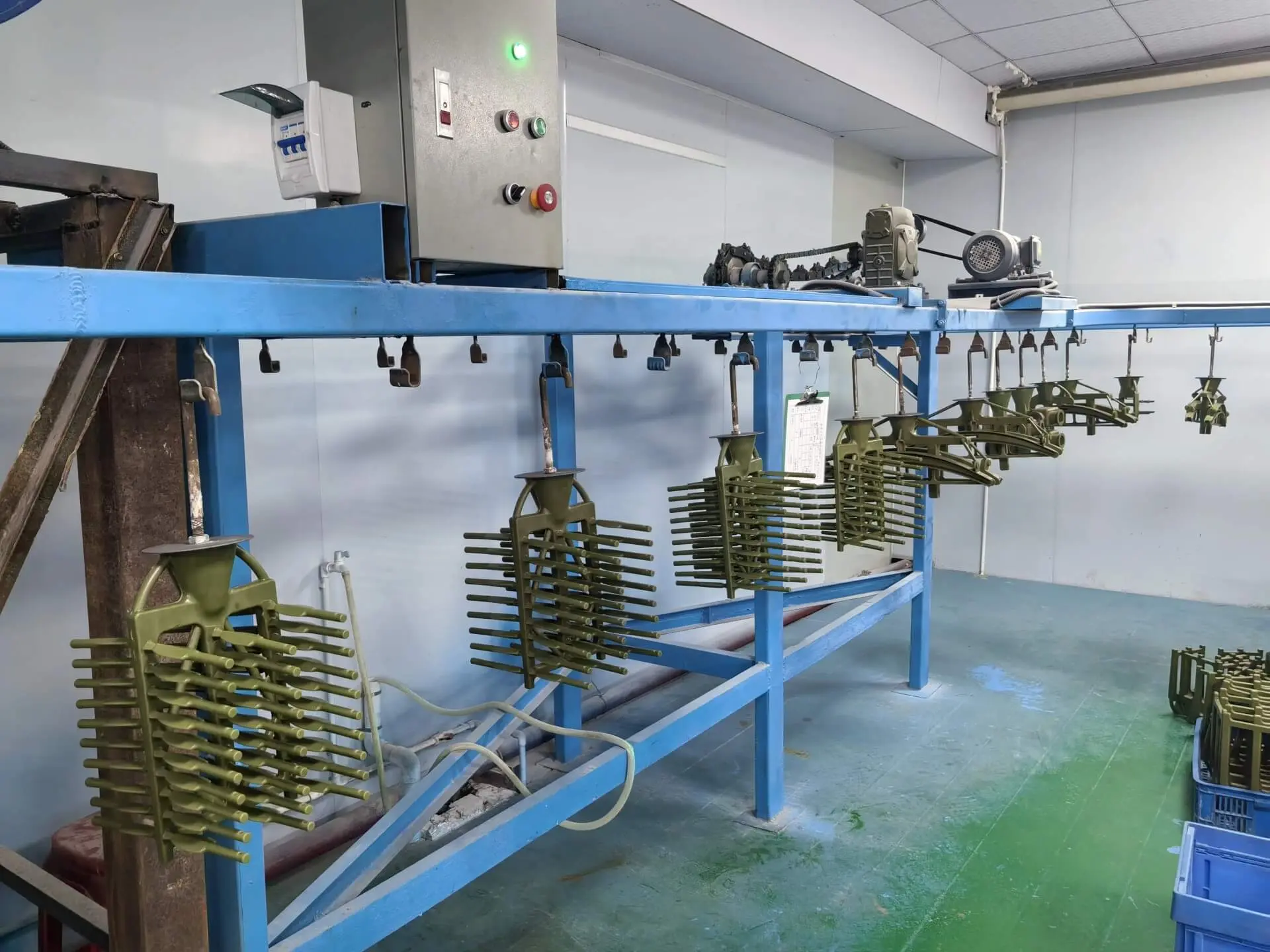
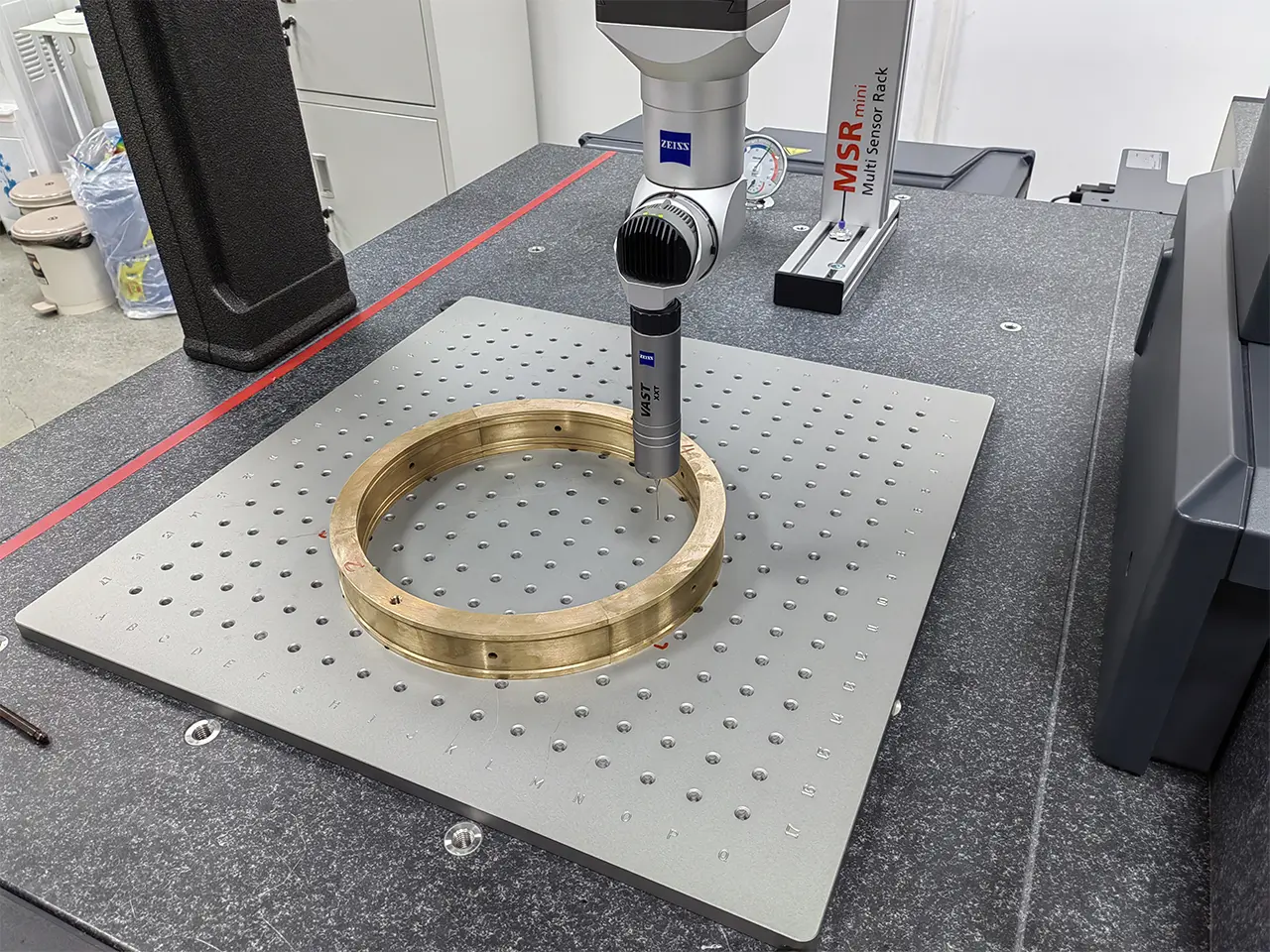
We have professional testing equipment and professional QC personnel, and we adhere to strict tolerances and quality standards for the products we produce. Due to our insistence on strict quality requirements, we have been praised by many customers.
Quality is the cornerstone of the manufacturing industry. We firmly believe that only by controlling quality well can we survive, develop, and get better and better. Therefore, we have been working in this industry unremittingly since 2014 and continue to Improve the company's team and improve the company's production capacity.
Metrology Capabilities:
Aligning with the industry's path towards automation, predictive maintenance, and zero-defect manufacturing.
By leveraging machining telemetry, we optimize tool paths dynamically. This reduces mechanical stress and heat generation, resulting in smoother finishes and longer tool life when machining hard titanium alloys.
We are expanding robotic loaders and unmanned cell runs. This increases operational throughput while preserving safety, enabling lights-out production for cost-efficient high-volume runs.
We use closed-loop coolant systems, recycle metal chips, and implement high-efficiency drives to minimize carbon footprint. This supports our clients' green procurement goals.
Technical answers to help buyers and engineers select the right precision manufacturing services.
For critical configurations, we reliably maintain tolerances as tight as ±0.005mm (0.0002 inches) under controlled thermal conditions. For typical industrial applications, our standard machining tolerance ranges from ±0.01mm to ±0.02mm, depending on raw geometry and material characteristics.
We perform chemical analysis on every batch using an optical emission spectrometer before pouring. Each delivery includes mill test certificates and metallurgical analysis reports that confirm compliance with specifications like ASTM, EN, and JIS.
Prototype CNC parts are typically completed within 7 to 10 working days. For investment casting projects, mold design, pattern creation, casting, and finish-machining usually require 4 to 6 weeks, depending on design complexity.
Yes. We offer electro-polishing, chemical passivation, and specialized coatings for marine-grade stainless steels. These treatments enhance chromium-oxide layer formation, helping components resist chloride pitting in saltwater environments.
Engineered to meet specific mechanical requirements across various industries, from marine engineering to consumer recreation.
 SX Machining