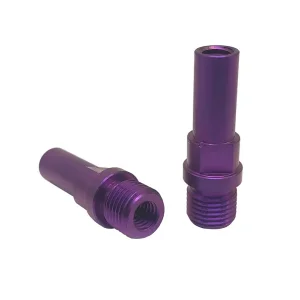
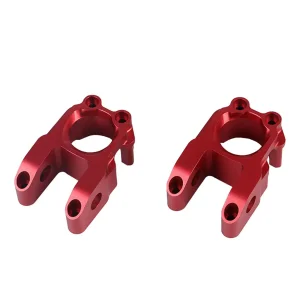
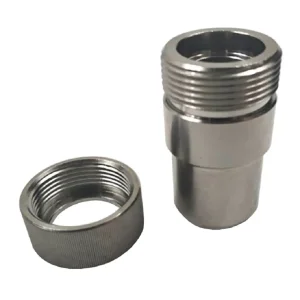
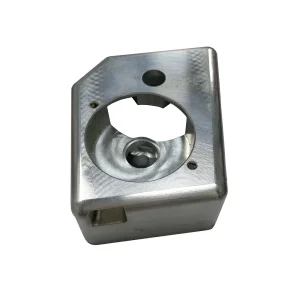
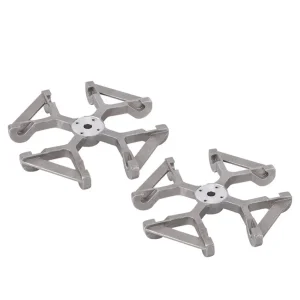
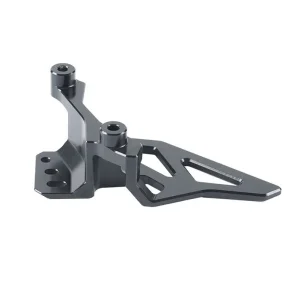
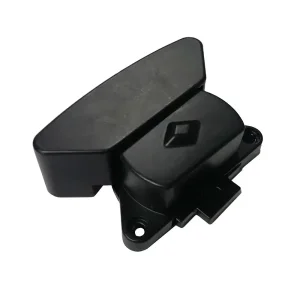
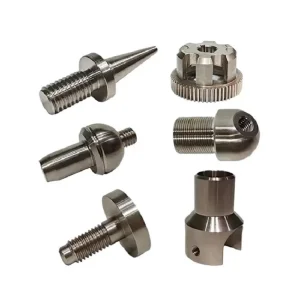
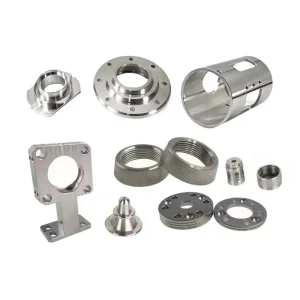
Top-tier customized components manufactured under strict industrial tolerances
Analysis of international supply chains, structural shifts, and metallurgy trends
Modern heavy industries demand casting components that exhibit superior mechanical performance, zero micro-porosity, and tight dimensional compliance. As industries migrate from crude manufacturing toward highly specialized, near-net-shape processing, the interplay between lost-wax investment casting and high-speed multi-axis CNC machining has become the benchmark for international supply chains.
Historically, sand casting dominated the industrial machinery landscape. However, the rise of high-efficiency fluid machinery, lightweight structural components in automotive engineering, and high-pressure subsea valves has triggered a major shift. Companies now rely on investment casting (silica sol process) to achieve superficial finishes of Ra 3.2 to Ra 1.6 prior to machining, minimizing weight redundancy and maximizing structural efficiency.
Additionally, the localization of supply chains forces OEMs to seek manufacturing partners capable of providing single-source responsibilities. Integrating metallurgical casting processes directly with post-cast CNC machining, superficial polishing, and thermal treatments prevents structural discontinuities and reduces lead times from months to weeks.
When sourcing casting components, engineers must consider the dendritic arm spacing (DAS) in cast microstructures. Fine DAS, achieved via controlled cooling cycles, directly translates to elevated tensile strength and high fatigue limits. For critical alloy casting, such as duplex stainless steels or titanium alloys, thermal process controls prevent the formation of brittle intermetallic phases like the sigma phase, which compromises operational safety in marine and chemical environments.
Dongguan SX Technology Co.,Ltd
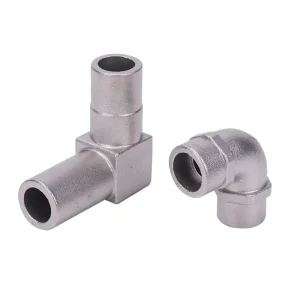
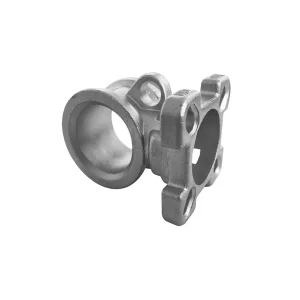
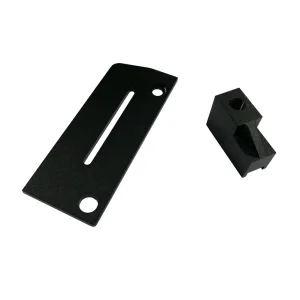
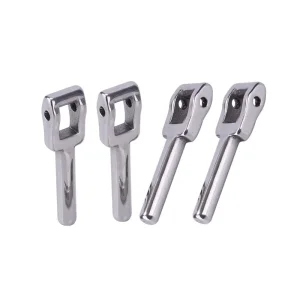
Dongguan SX Technology Co.,Ltd has very rich experience in precision casting, CNC machining and assembly. Our products are used in machinery, automobiles, marine, ships, equipment, valves and pumps, electronic appliances, packaging, watches, construction, chemical industry and other industries. The most commonly used materials for investment casting are stainless steel and carbon steel. And the most commonly used materials for CNC machining include titanium alloy, stainless steel, carbon steel, aluminum alloy, copper alloy, cemented carbide, etc.
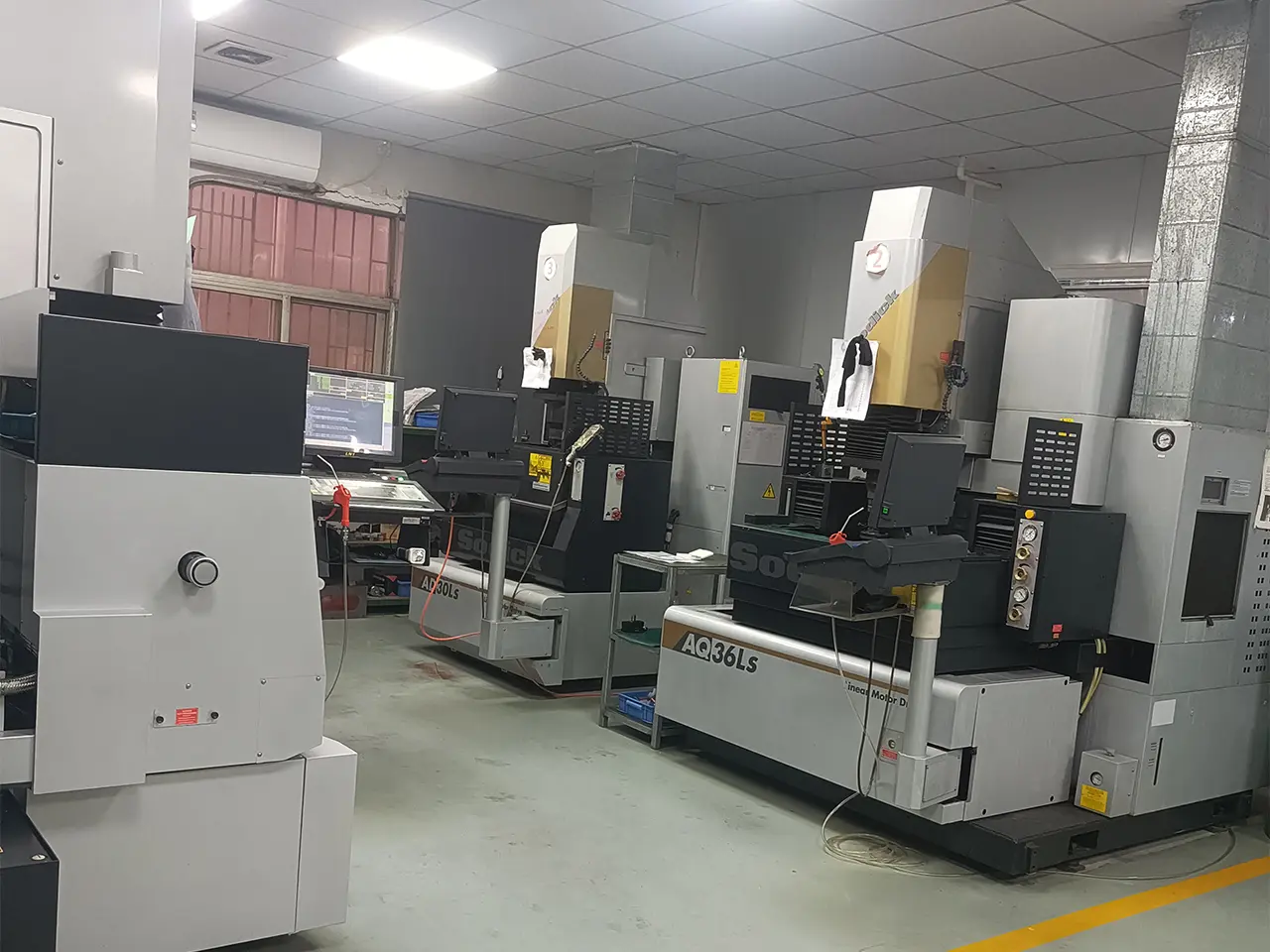
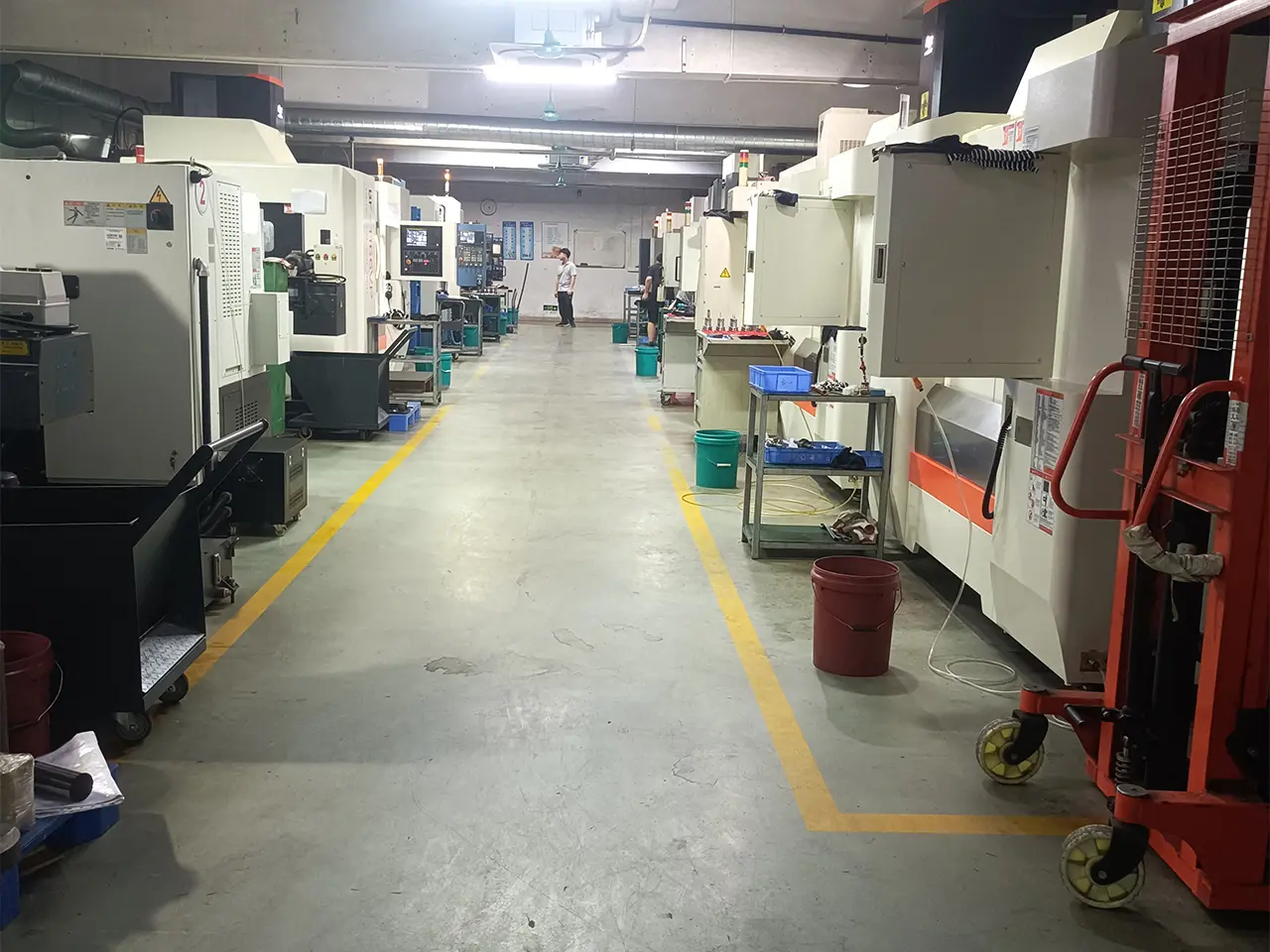
We have advanced manufacturing equipment and technology and are able to respond quickly to your needs. By combining modern digital design, metal solidification simulations, and cutting-edge subtractive processing, we bridge the gap between initial raw conceptualization and high-performance final components.
From highly ductile carbon steels for heavy agricultural applications to corrosion-resistant titanium alloys (Grade 5, Ti-6Al-4V) for medical implants and professional mountain bikes, our metal fabrication covers an extensive spectrum. We match correct heat treatments (such as annealing, quenching, tempering, and solution treatments) to specific material selections to achieve the precise hardness, yield strength, and elongation profiles required by engineering specifications.
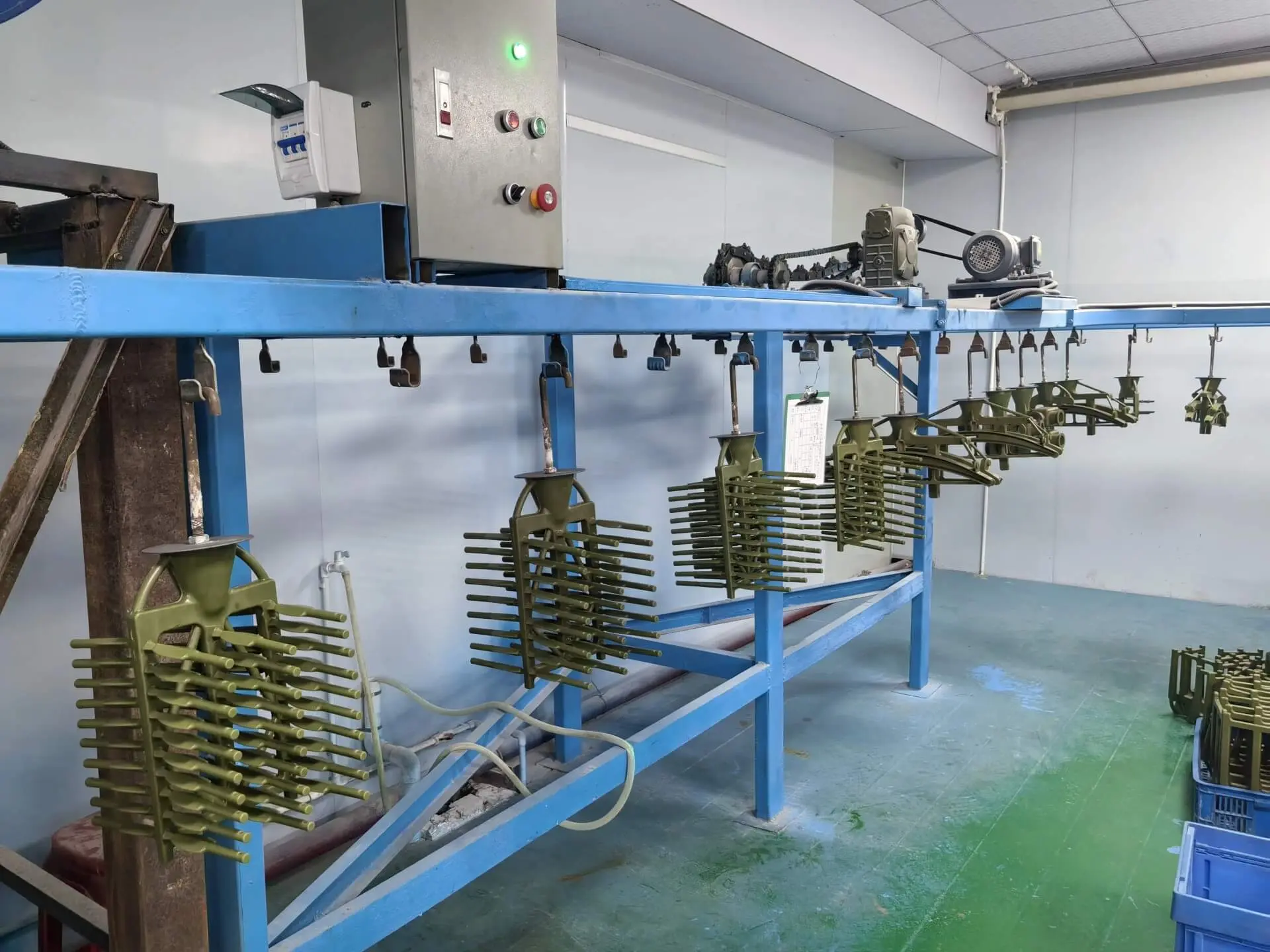
State-of-the-art machinery and real-time process monitoring
Commitment to dimensional validation and mechanical testing
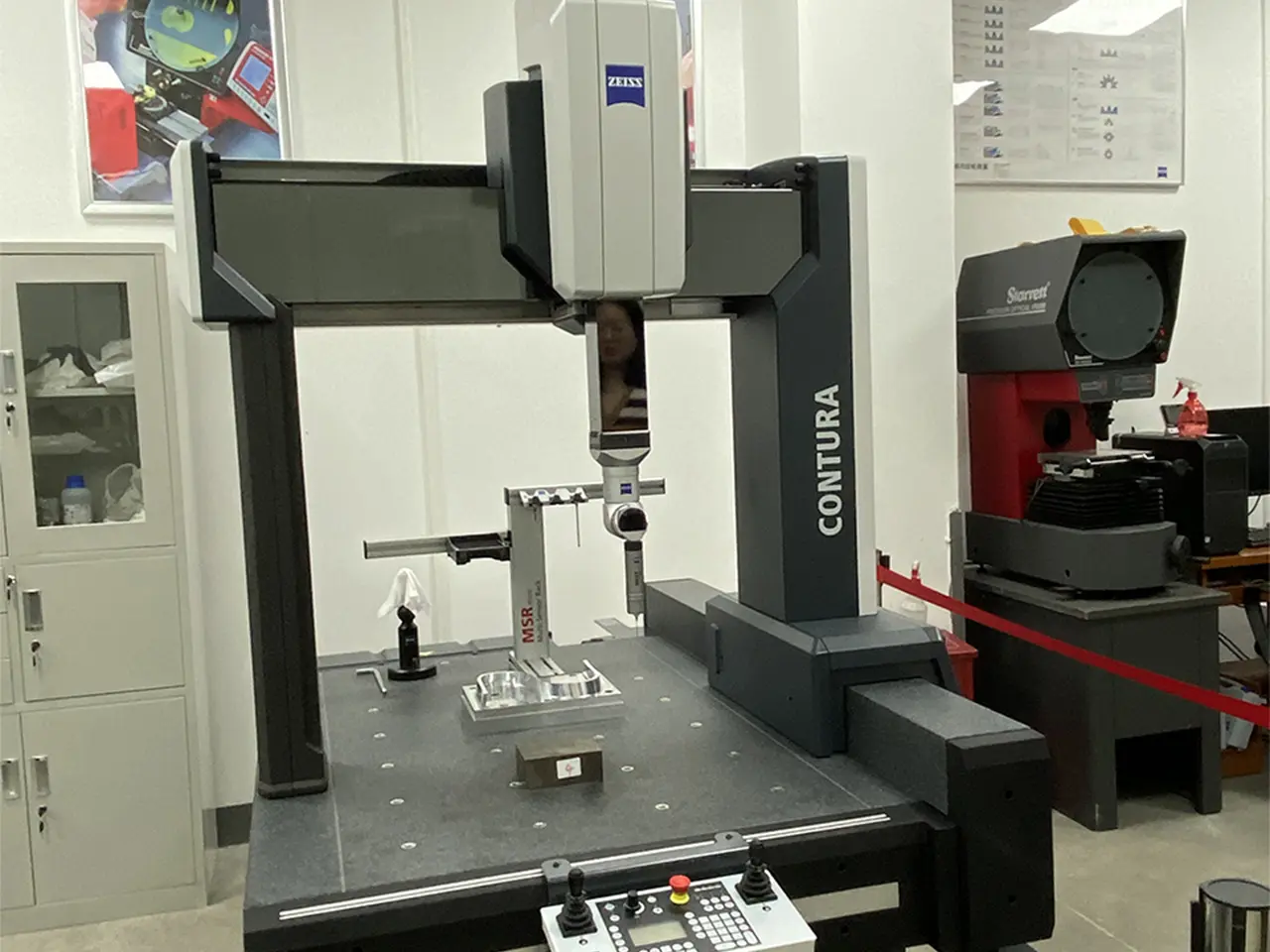
We have professional testing equipment and professional QC personnel, and we adhere to strict tolerances and quality standards for the products we produce. Due to our insistence on strict quality requirements, we have been praised by many customers.
Quality is the cornerstone of the manufacturing industry. We firmly believe that only by controlling quality well can we survive, develop, and get better and better. Therefore, we have been working in this industry unremittingly since 2014 and continue to improve the company's team and improve the company's production capacity.
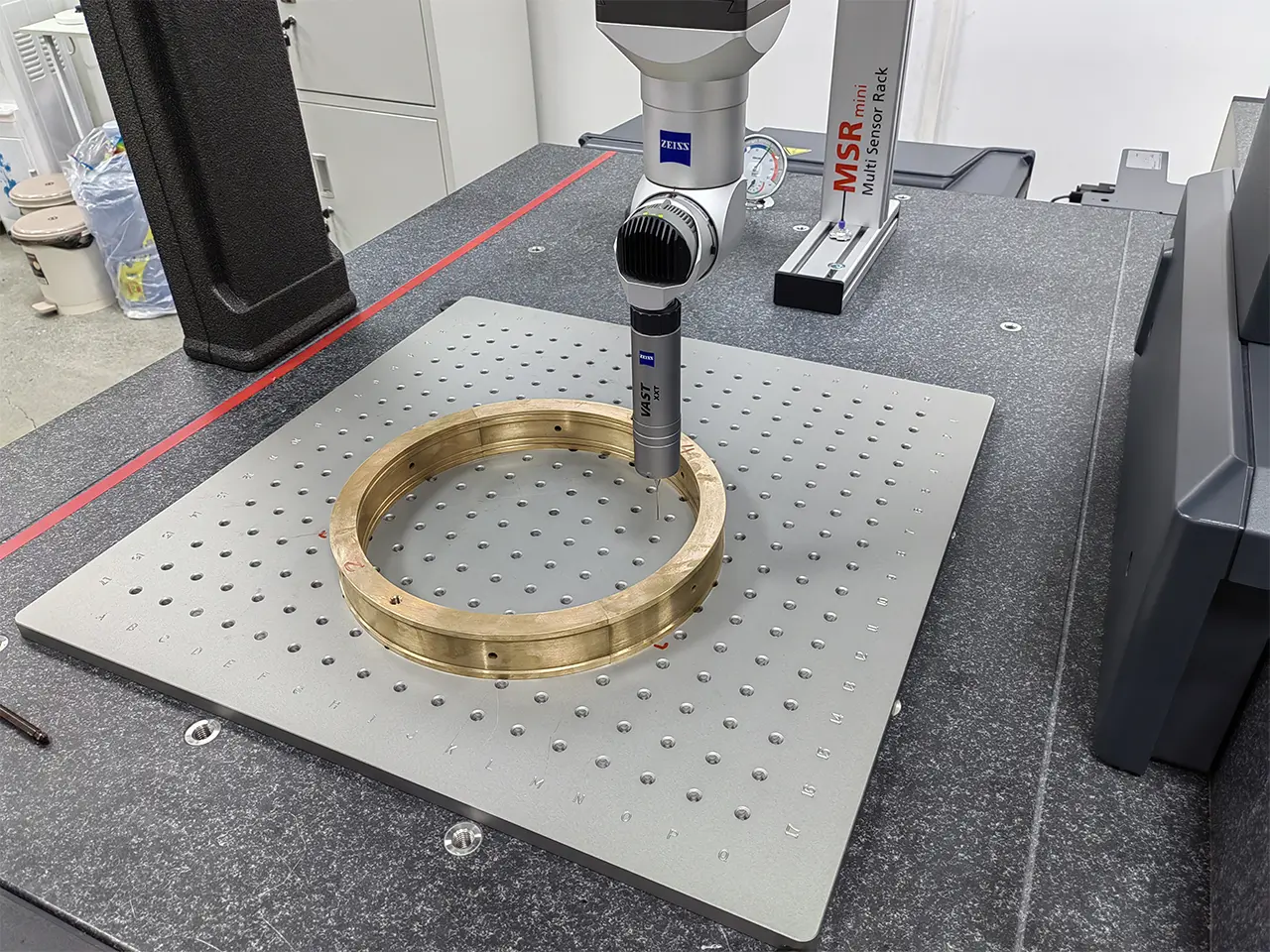
Our QC protocol spans across three primary dimensions: Chemical Verification (using Optical Emission Spectrometers to verify alloy compositions before pouring), Dimensional Inspection (leveraging high-precision CMMs, digital profile projectors, and thread gauges to guarantee fitment), and Non-Destructive Testing (NDT) (including dye penetrant inspections and ultrasonic tests to ensure casting integrity and detect internal porosities).
The integration of advanced casting and high-speed milling processes
Utilizing CAE simulation software to forecast heat transfer paths, hot spots, and cooling shrinkage, optimizing gating systems to completely prevent gas entrapment and internal shrinkage cavity defects.
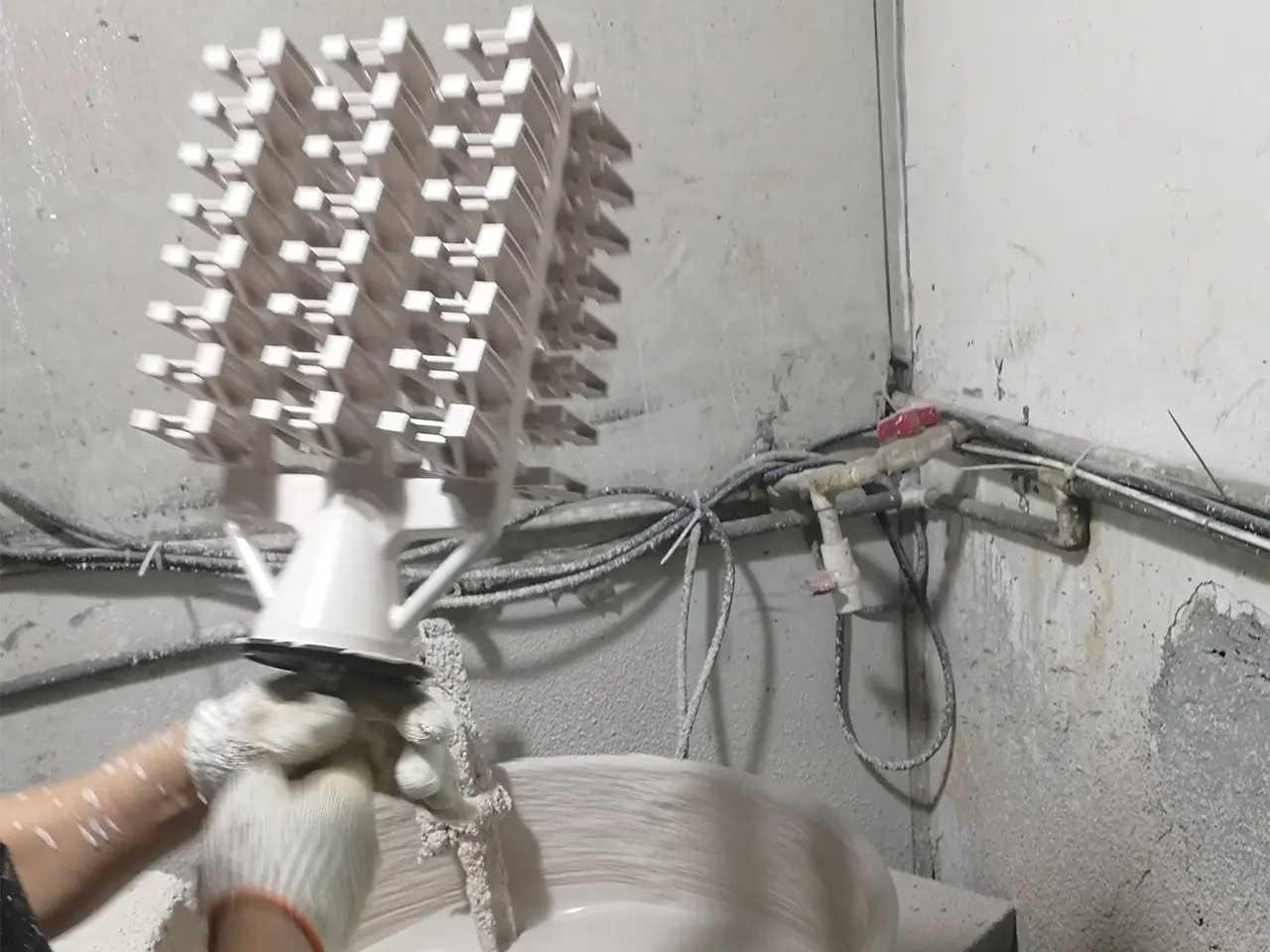
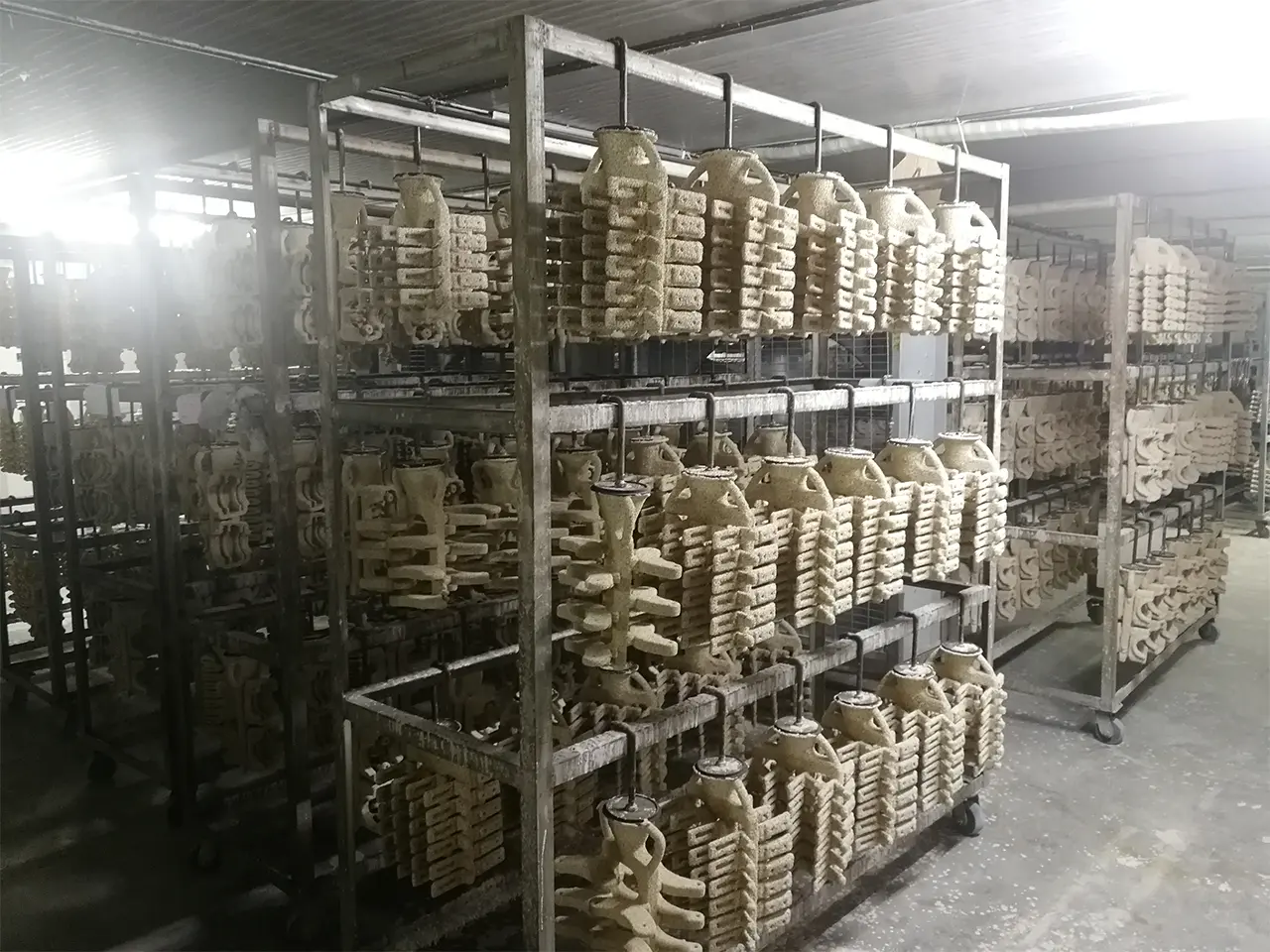
Wax patterns are repeatedly dipped in high-grade silica sol slurry to construct a robust ceramic shell. Clean dewaxing followed by metal induction furnace melting and pouring under strict temperature windows.
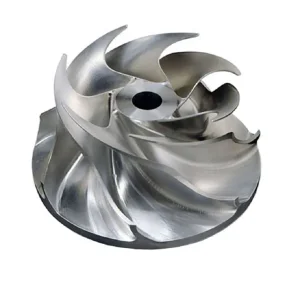
Applying high-speed 3-axis, 4-axis, and 5-axis milling for cast features, positioning datums with accuracy up to ±0.005mm. Suitable for high-precision components like marine impeller vanes and medical fitments.
Passivation, electro-polishing, sandblasting, and anodizing to fit target environments. Final components are fully validated under CMM, roughness testers, and chemical alloy scanners.
Custom engineering targeted at specialized operational environments
We do not just produce metal parts; we deliver customized physical assets optimized for their final environmental stresses. Below is a breakdown of our industry-specific applications and metallurgical solutions:
Saltwater conditions induce rapid galvanic corrosion and pitting in metal alloys. Our marine services specialize in austenitic and duplex stainless steel casting (e.g., CF8M, CF3M), followed by precision 5-axis CNC machining of impellers. This configuration guarantees high hydrodynamic efficiency, corrosion immunity, and cavitation resistance.
Medical applications require absolute chemical neutrality and high strength-to-weight ratios. We process medical-grade Titanium Alloys (such as Ti-6Al-4V ELI) using micro CNC turning. This ensures clean finishes, ultra-smooth surfaces, and perfect biocompatibility for structural fittings and implants.
In the modern automotive sector, reducing mass while maintaining crashworth resilience is critical. We manufacture structural cast elements in aluminum alloy (A356, A380) with subsequent heat treatment (T6), followed by high-speed CNC machining to meet tight assembly tolerances in drive units.
High-pressure valves demand absolute pressure containment and zero structural micro-voids. Our investment casting methods ensure homogenous cross-sections, preventing valve wall failure under high static and dynamic pressures. CNC turned threads and sealing seats meet tight sealing interfaces.
Answers to critical questions asked by procurement officers and mechanical designers
Investment casting (lost-wax process) offers vastly superior surface finishes (Ra 1.6 to Ra 3.2 vs Ra 12.5+ for sand casting) and tighter linear dimensional tolerances (typically CT4 to CT6 according to ISO 8062). This reduces the need for expensive secondary machining operations, saves raw material costs, and allows for much thinner wall designs and complex draft-free undercuts.
We prevent porosity at multiple stages: first, through CAD/CAE solidification modeling to optimize placement of risers and runners; second, by using high-quality silica sol shell material to resist mold erosion; third, by controlling pouring temperatures within ±5°C; and finally, by conducting mandatory non-destructive testing (NDT), including ultrasonic and dye penetrant testing, to guarantee internal integrity.
Using our advanced CNC turning and high-speed milling capabilities, we routinely achieve dimensional tolerances of ±0.005mm and geometric tolerances (circularity, cylindricity, concentricity) within 0.01mm. This precision is vital for medical titanium fittings and custom high-stress bicycle components.
Our most frequently cast stainless steel alloys are CF8 (equivalent to AISI 304), CF8M (equivalent to AISI 316), and precipitation-hardening alloys like 17-4 PH. CF8/304 is utilized for construction components and standard machinery; CF8M/316 is the standard for marine fittings and high-pressure chemical valves; while 17-4 PH is specified for components requiring high hardness combined with moderate corrosion resistance.
Yes. We provide integrated manufacturing solutions. By housing both precision casting facilities and a state-of-the-art CNC machine shop, we eliminate the need for third-party machining vendors. This unified process flow reduces logistics costs, ensures consistency, and guarantees that machining datums align with cast surfaces.
For standard lost-wax investment casting parts, tooling design and wax mold creation require approximately 15 to 20 days. Initial sample casting, thermal treatment, and CNC finishing take an additional 7 to 10 days. Total lead time for validated samples is typically within 30 days, depending on geometry complexity.
Every raw material batch undergoes chemical analysis prior to melt pouring using an Optical Emission Spectrometer (OES). We provide complete Material Test Reports (MTR) detailing chemical compositions (Carbon, Chromium, Nickel, Molybdenum, etc.) and mechanical properties (tensile strength, yield strength, elongation, and hardness) corresponding to ASTM, DIN, or JIS specifications.
Through high-feed milling, precision grinding, and polishing, we can achieve surface roughness levels as fine as Ra 0.4. We also offer secondary surface protection treatments, including clear/black anodizing for aluminum alloys, passivation for stainless steels, electro-polishing for medical fittings, and custom electroplating.
High-precision customized parts engineered for diverse global industrial sectors
 SX Machining