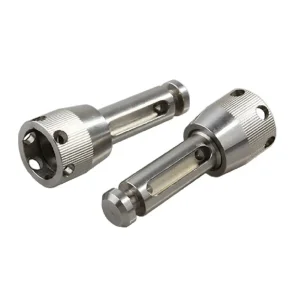
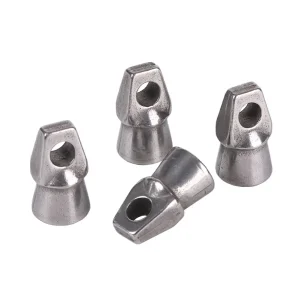
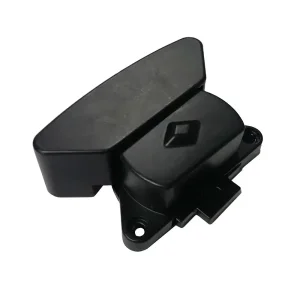
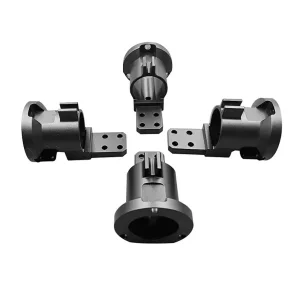
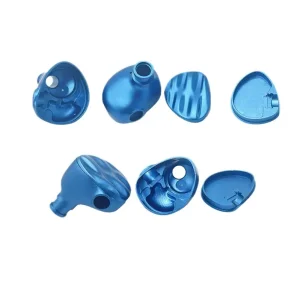
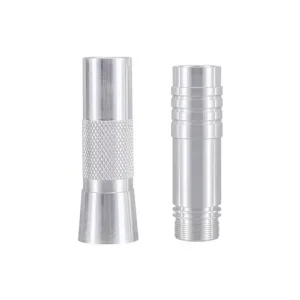
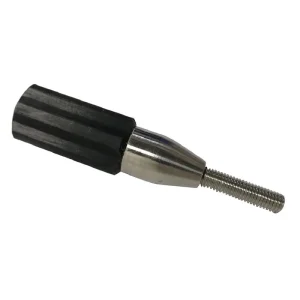
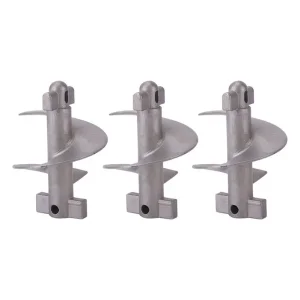
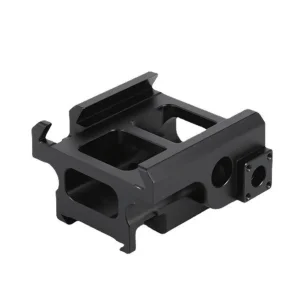
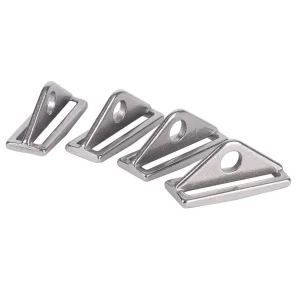
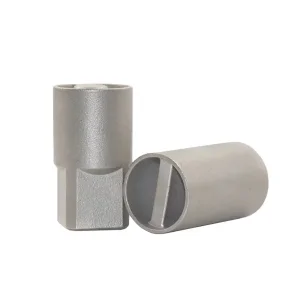
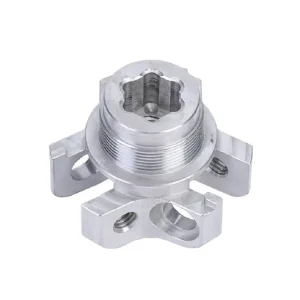
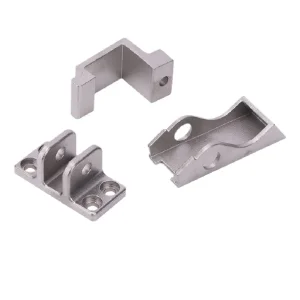
Explore our foundational range of customized industrial components designed to meet strict tolerances and extreme operating environments.
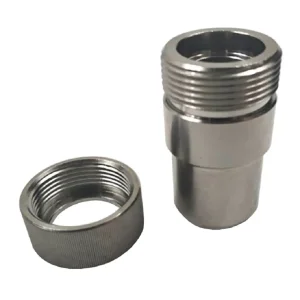
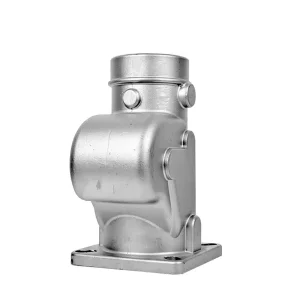
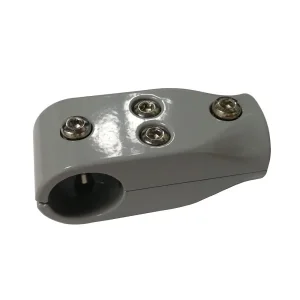
Dongguan SX Technology Co.,Ltd has very rich experience in precision casting, CNC machining and assembly. Our products are used in machinery, automobiles, marine, ships, equipment, valves and pumps, electronic appliances, packaging, watches, construction, chemical industry and other industries.
The most commonly used materials for investment casting are stainless steel and carbon steel. And the most commonly used materials for CNC machining include titanium alloy, stainless steel, carbon steel, aluminum alloy, copper alloy, cemented carbide, and various high-nickel superalloys.
By marrying traditional metallurgical craftsmanship with state-of-the-art automated manufacturing workflows, we respond dynamically to tight project schedules and demanding specifications. We don't just provide castings; we deliver end-to-end engineered solutions that reduce assembly times and lower overall structural component weight.
Analyzing why global OEMs concentrate their precision casting procurement in Chinese centers of technological excellence like Dongguan.
Located in the heart of Dongguan's advanced industrial center, SX Technology leverages direct access to premium alloy suppliers, rapid tooling mold builders, and state-of-the-art surface finish facilities, dramatically reducing lead times.
Unlike factories relying on water glass methods, we primarily focus on silica sol shell processes. This delivers exceptional dimensional accuracy (ISO 8062 CT4-CT6 levels) and superior surface smoothness (Ra 3.2-6.3μm), eliminating extensive grinding.
Leveraging CAD-to-Pattern technology (including 3D-printed wax models), we bypass high initial mold tooling costs for low-volume production. This enables swift engineering changes and fluid mechanical design validation.
Step inside our advanced manufacturing facility. From wax pattern injection to multi-axis CNC milling, every step is optimized for process repeatability.
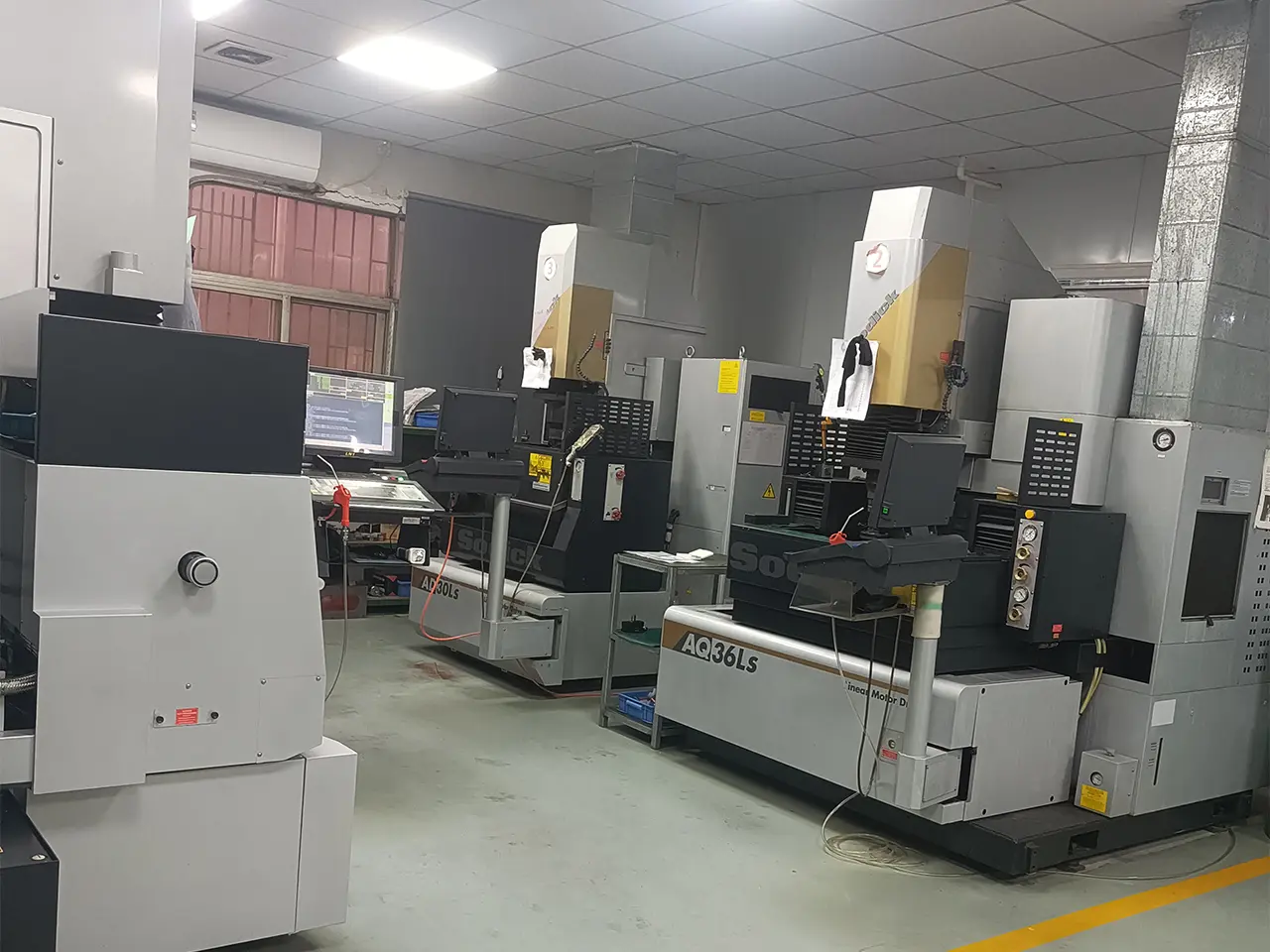
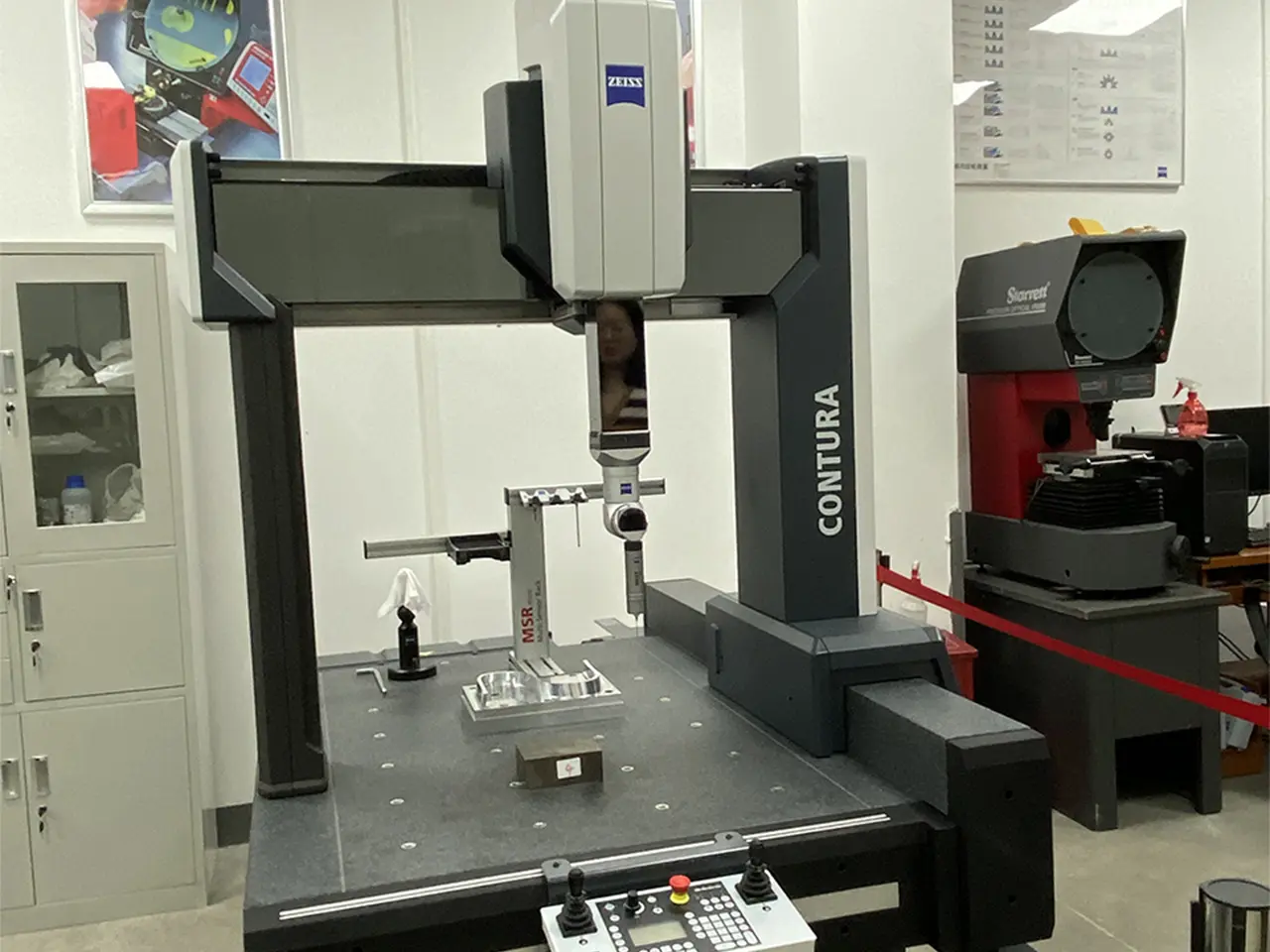
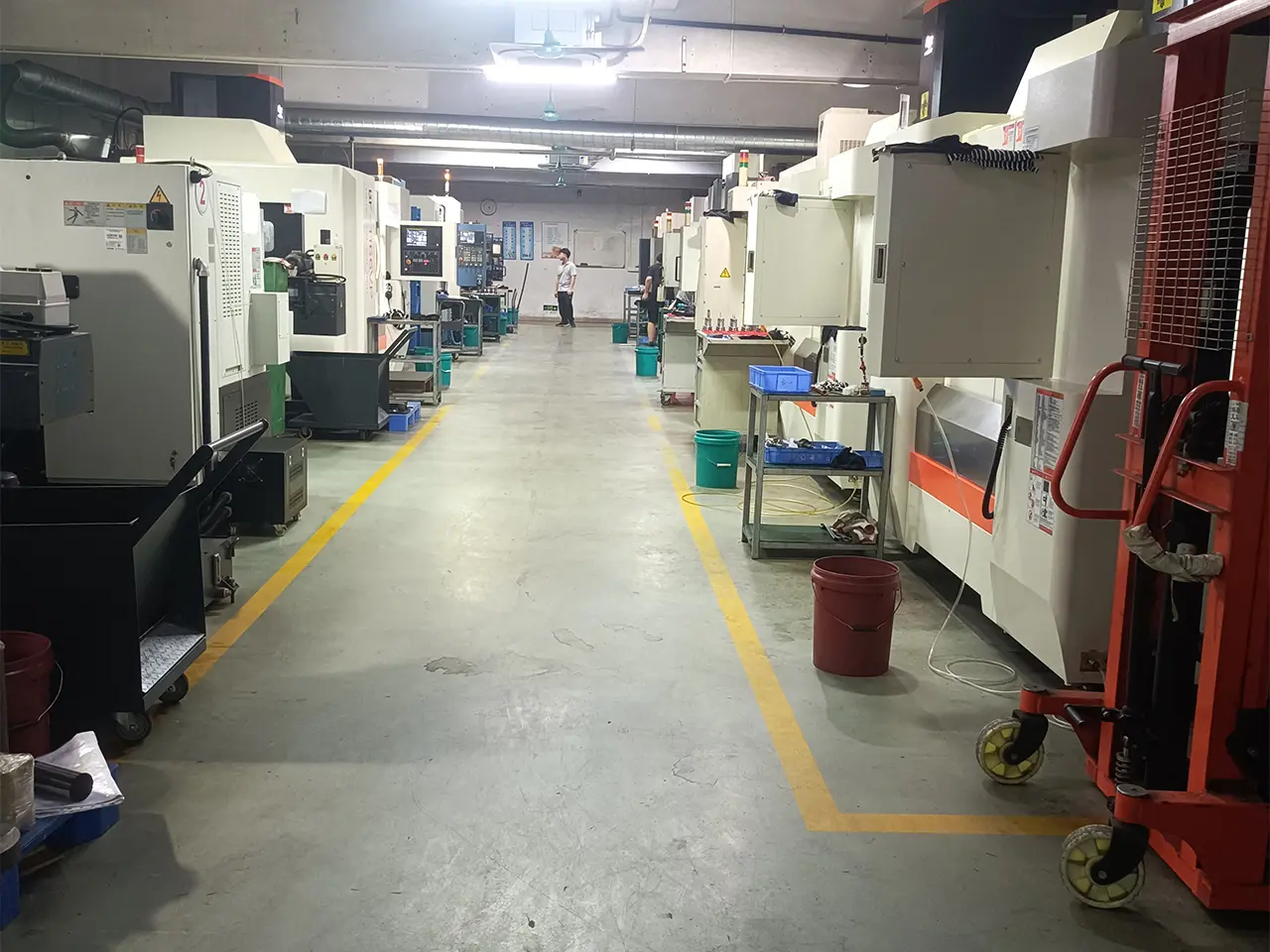
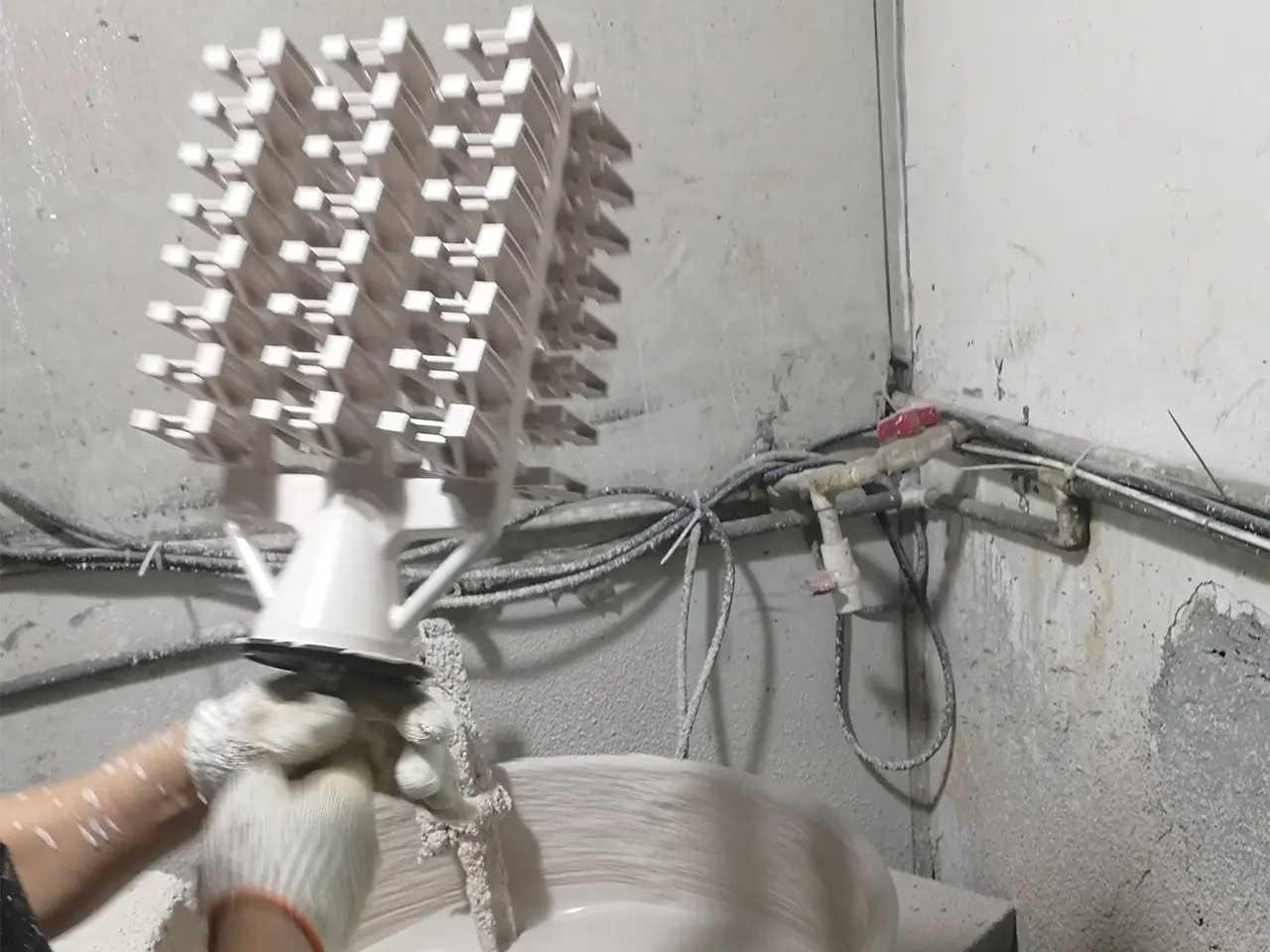
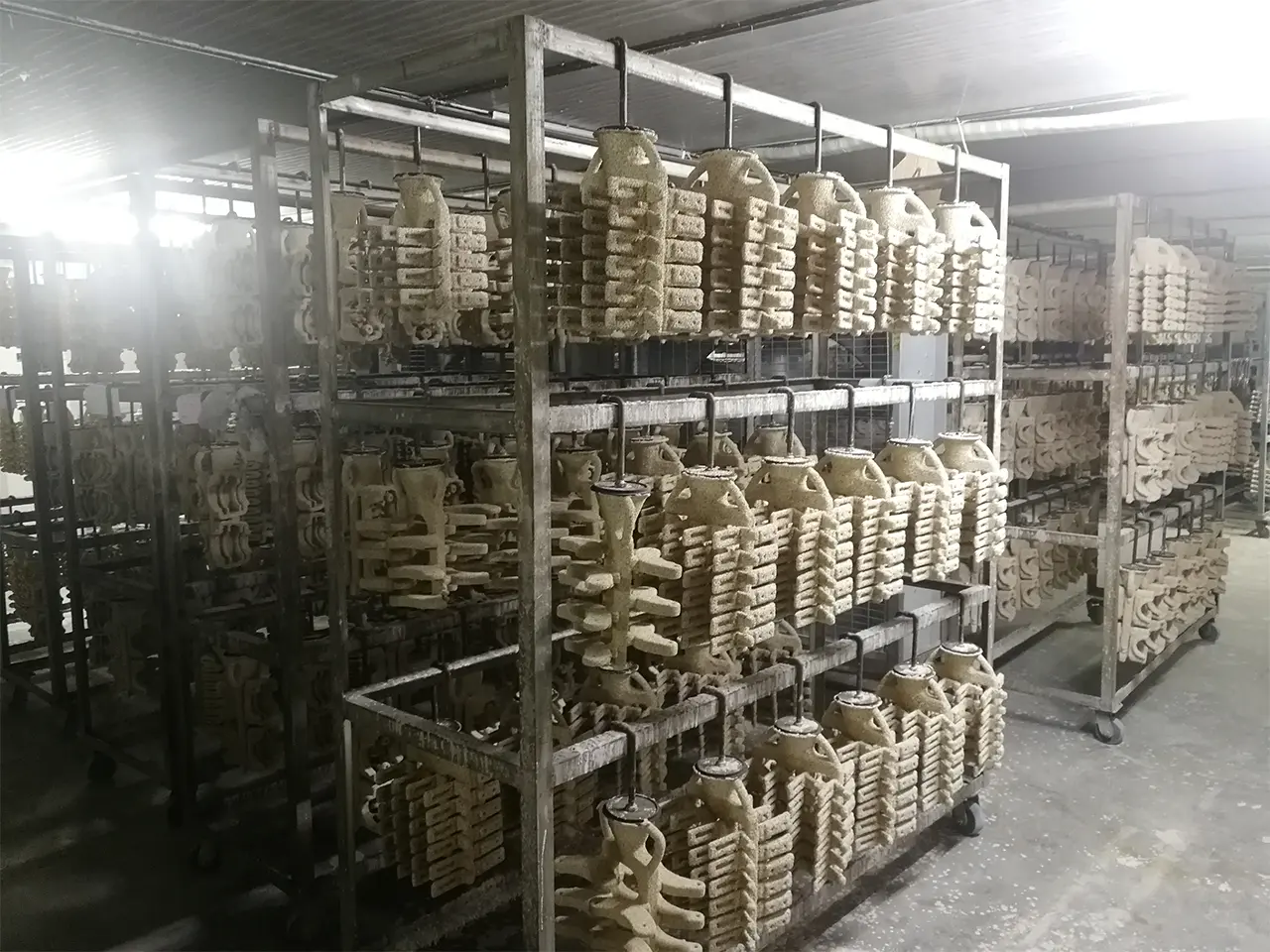
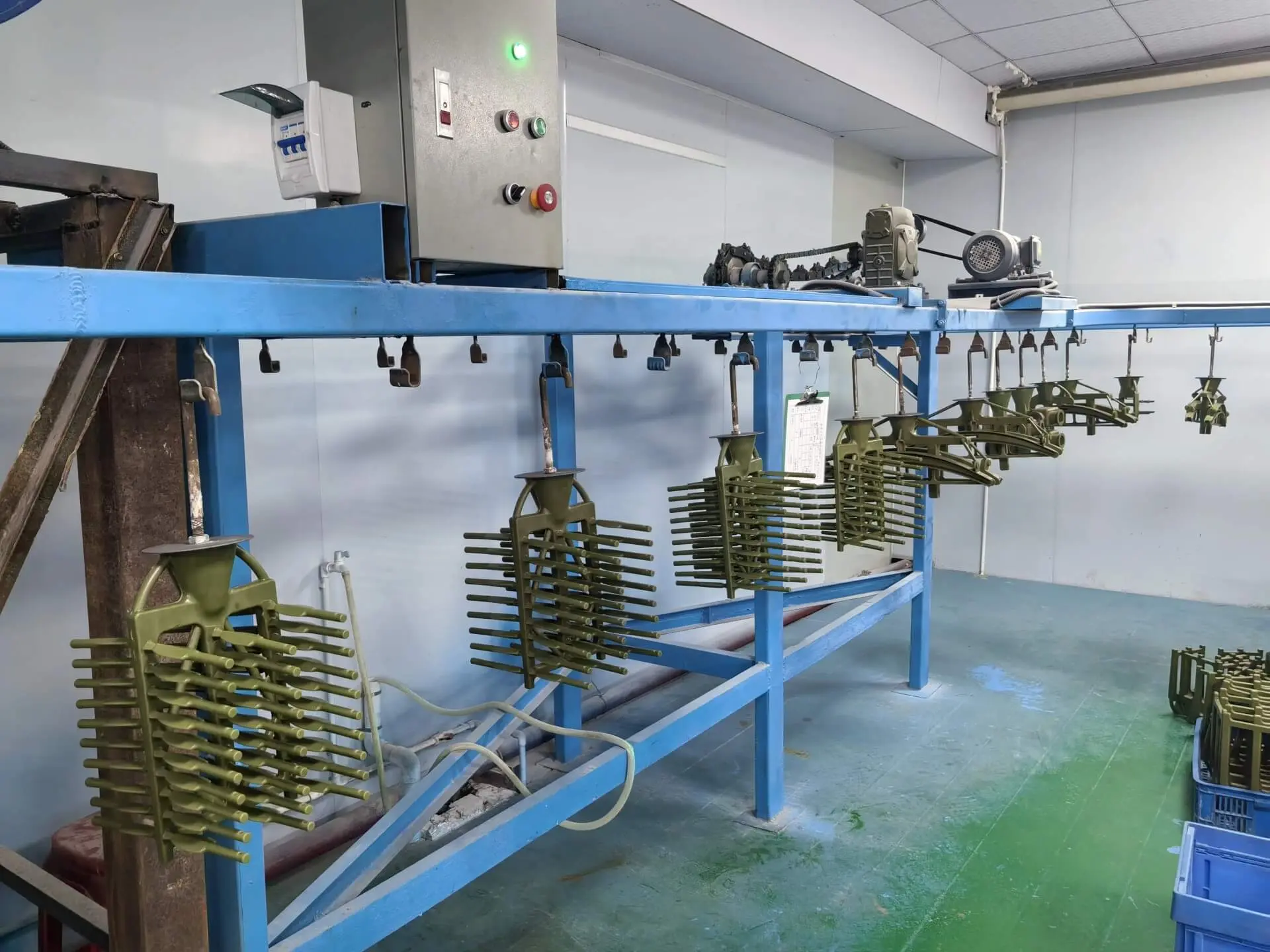
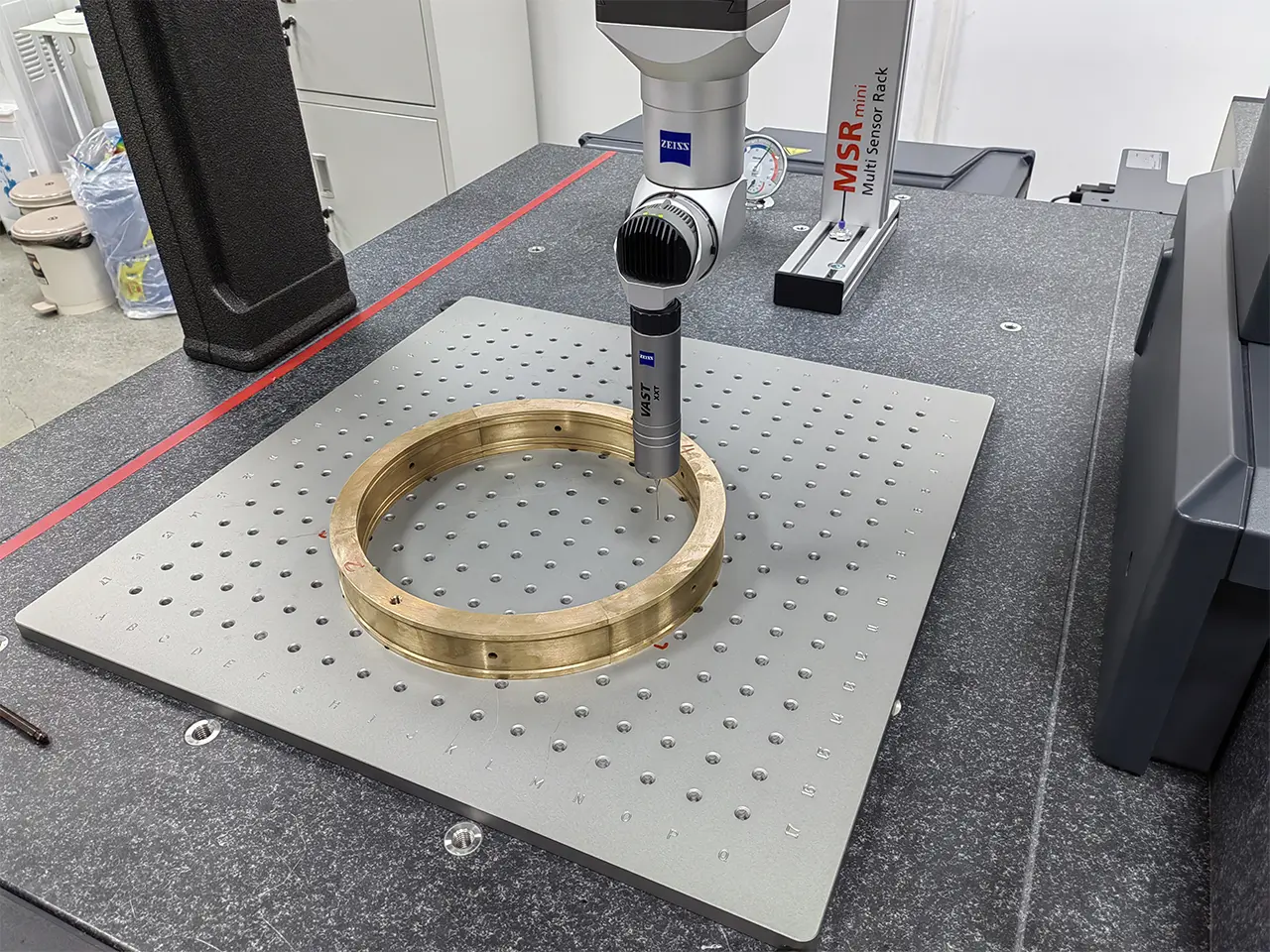
We have professional testing equipment and professional QC personnel, and we adhere to strict tolerances and quality standards for the products we produce. Due to our insistence on strict quality requirements, we have been praised by many customers.
Quality is the cornerstone of the manufacturing industry. We firmly believe that only by controlling quality well can we survive, develop, and get better and better. Therefore, we have been working in this industry unremittingly since 2014 and continue to improve the company's team and improve the company's production capacity.
Our casting processes are custom-tailored for specialized industries demanding robust metallurgical integrity.
| Sector Application | Material Focus | Technical Challenge Solved | Standards Compliance |
|---|---|---|---|
| Marine Engineering | Stainless Steel (316L, Duplex 2205) | Severe chloride pitting and chemical corrosion protection in offshore vessels. | ASTM A743, EN 10283 |
| Automotive & Mass Transit | Carbon Steel, Low Alloy Steels | Weight reduction of structural suspension arms while maintaining high tensile yield. | IATF 16949 Standards |
| Communication Electronics | Aluminum Alloys, Copper Alloys | Thin-walled electromagnetic interference (EMI) shielding with high heat dissipation. | ROHS, REACH Compliant |
| Medical Equipment | Titanium Alloys (Gr 5 / Ti-6Al-4V) | Complex biocompatible components with zero internal porosity. | ASTM F136, ISO 13485 |
How Dongguan SX Technology is adapting to the future of metallurgy and green casting manufacturing.
The investment casting ecosystem is evolving from simple shape replica manufacturing to complex, AI-simulated metallurgical design. High-quality casting factories now prioritize structural optimization to meet carbon-reduction initiatives.
Simulating metal cooling vectors before pouring. This isolates shrinkage zones and guarantees defect-free internal grain structures.
Integrating advanced closed-loop dewaxing systems to recycle up to 98% of industrial paraffin wax, reducing global environmental footprints.
Get immediate answers to the structural, materials, and process questions most frequently asked by global supply chains.
Normally, we achieve ISO 8062 CT4 to CT6 class linear tolerances. Under optimal geometries, we can hold ±0.1mm per 25mm of length. For critical interfaces demanding tighter tolerances, we process them in-house via our multi-axis CNC machining stations to reach up to ±0.005mm.
We analyze every heat of alloy using optical emission spectrometers before and after pouring. This allows us to supply complete EN 10204 3.1 material certificates outlining the exact chemical composition (C, Cr, Ni, Mo, etc.) and mechanical values (yield, elongation) for each manufacturing batch.
For stainless steel and carbon steel parts, the standard minimum wall thickness is 1.5mm. For titanium or aluminum parts using advanced vacuum casting, we can occasionally achieve wall profiles down to 1.0mm in localized areas, depending on structural geometry.
We use CAD mold-flow analysis tools to model gating, risers, and pouring speeds. This allows us to establish progressive cooling paths so the mold is continuously fed with molten alloy, mitigating shrinkage cavities. Subsurface integrity is then verified via radiographic (X-ray) or ultrasonic inspection.
Yes. Because we operate our own vacuum melting and high-frequency induction furnaces, we can compound custom chemical blends. We routinely pour superalloys, copper-based castings, non-standard titanium grades, and wear-resistant tool steels.
We work under strictly controlled environments with segmented manufacturing data lines. Drawings, CAD formats, and files are stored on isolated local servers. We execute bilateral non-disclosure agreements (NDAs) with all international OEMs prior to design reviews.
Browse our engineering options for marine environments, heavy-duty electronics, and public transport systems.
 SX Machining