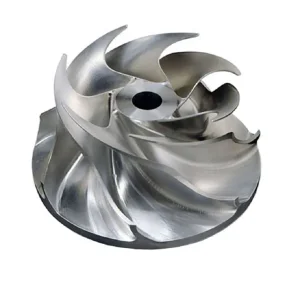
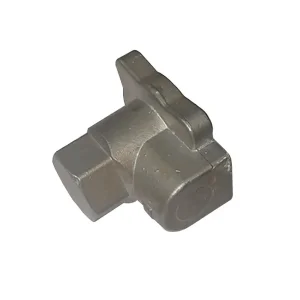
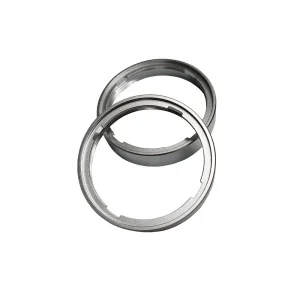
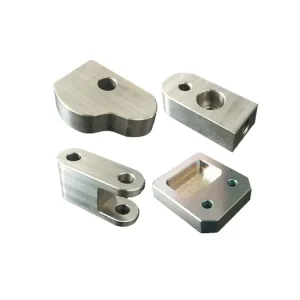
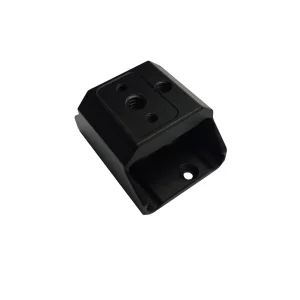
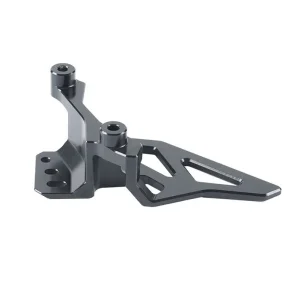
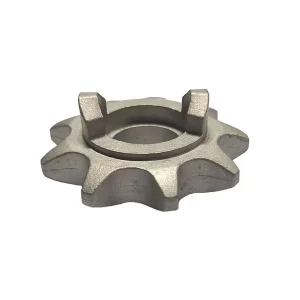
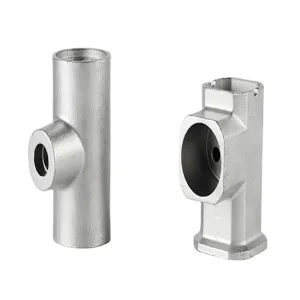
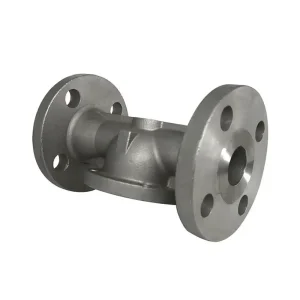
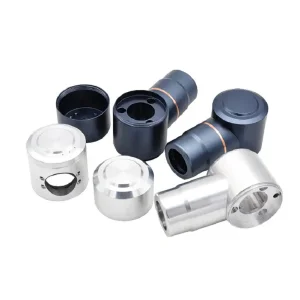
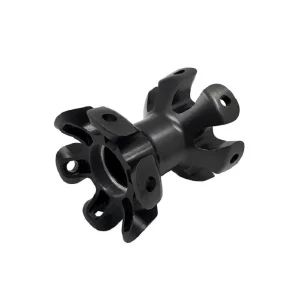
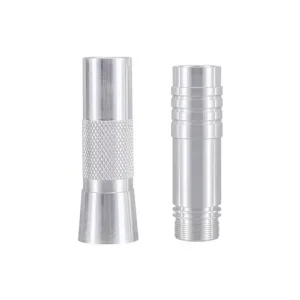
Explore our core collection of high-specification custom castings, complex geometry CNC components, and specialized structural fittings designed to perform in harsh operating environments.
Dongguan SX Technology Co.,Ltd delivers end-to-end engineering excellence across advanced investment casting, multi-axis CNC machining, and complex component assembly services.
Leveraging decades of combined metallurgical expertise, our industrial solutions support heavy machinery, automotive propulsion, marine structures, subsea vessels, valve manifolds, fluid pumps, high-frequency telecommunications packaging, horology, structural construction, and aggressive chemical processing environments.
We utilize optimized investment casting profiles focusing on high-grade stainless steel and carbon steel. In parallel, our high-speed, high-precision subtractive manufacturing operations machine titanium alloys, superalloys, stainless steel, structural carbon steels, aerospace-grade aluminum alloys, copper-based alloys, and cemented carbides. By integrating advanced casting technologies with precise post-machining processes, we assist engineering teams globally in achieving strict tolerances and robust mechanical properties.
Strategic analysis of the shifting supply chain dynamics, metallurgical trends, and global sourcing requirements for mission-critical industrial castings.
In the contemporary global manufacturing ecosystem, the demand for high-integrity, high-precision OEM foundry parts has transitioned from basic raw casting output to fully engineered, net-shape solutions. Foundries are no longer isolated casting centers; they must serve as technological hubs integrating advanced metallurgy, virtual solidification simulation, and multi-axis finishing processes. Historically, purchasing agents and industrial engineers prioritized unit-cost above all. Modern sourcing initiatives, however, heavily emphasize overall Lifecycle Value, technical capability, environmental compliance (decarbonization), and metallurgical reliability.
The geopolitical and macroeconomic pressures of the past decade have forced global industries to adopt hybrid sourcing models. Organizations in North America, Western Europe, and Japan are shifting from traditional high-volume casting sourcing toward high-precision partner foundries that maintain rigorous metallurgical testing and state-of-the-art precision machining facilities in-house. This minimizes supply chain risk, eliminates logistical overhead associated with shipping raw castings to secondary machining vendors, and ensures single-point responsibility for quality assurance.
| Metal Alloy Group | Typical Manufacturing Route | Primary Industrial Applications | Key Mechanical Advantages |
|---|---|---|---|
| Titanium Alloys (Gr. 5, Ti-6Al-4V) | Multi-axis CNC Machining / Bar Stock | Aerospace structures, chemical impellers, marine deep-sea components | Excellent strength-to-weight, high temperature stability, extreme corrosion resistance |
| Austenitic Stainless Steel (316L, Duplex) | Investment Casting + Precision Machining | Pump impellers, industrial valves, chemical processing pipelines, marine hardware | Acid and pitting corrosion resistance, great low-temperature toughness |
| Carbon Steels (WCB, LCC, 1045) | Sand & Investment Casting + CNC Turning | Heavy automotive brackets, structural fittings, hydraulic cylinders, pressure vessels | High mechanical strength, cost-effective for medium to large structural parts |
| Aluminum Alloys (6061-T6, 7075) | High-speed CNC Milling / Extrusions | Electronics enclosures, heat sinks, aerospace structural brackets, bicycle components | Excellent thermal conductivity, lightweight, highly machinable, non-magnetic |
Take a virtual tour through our facility, showcasing our advanced CNC milling stations, investment casting cells, and finished components assembly floor.
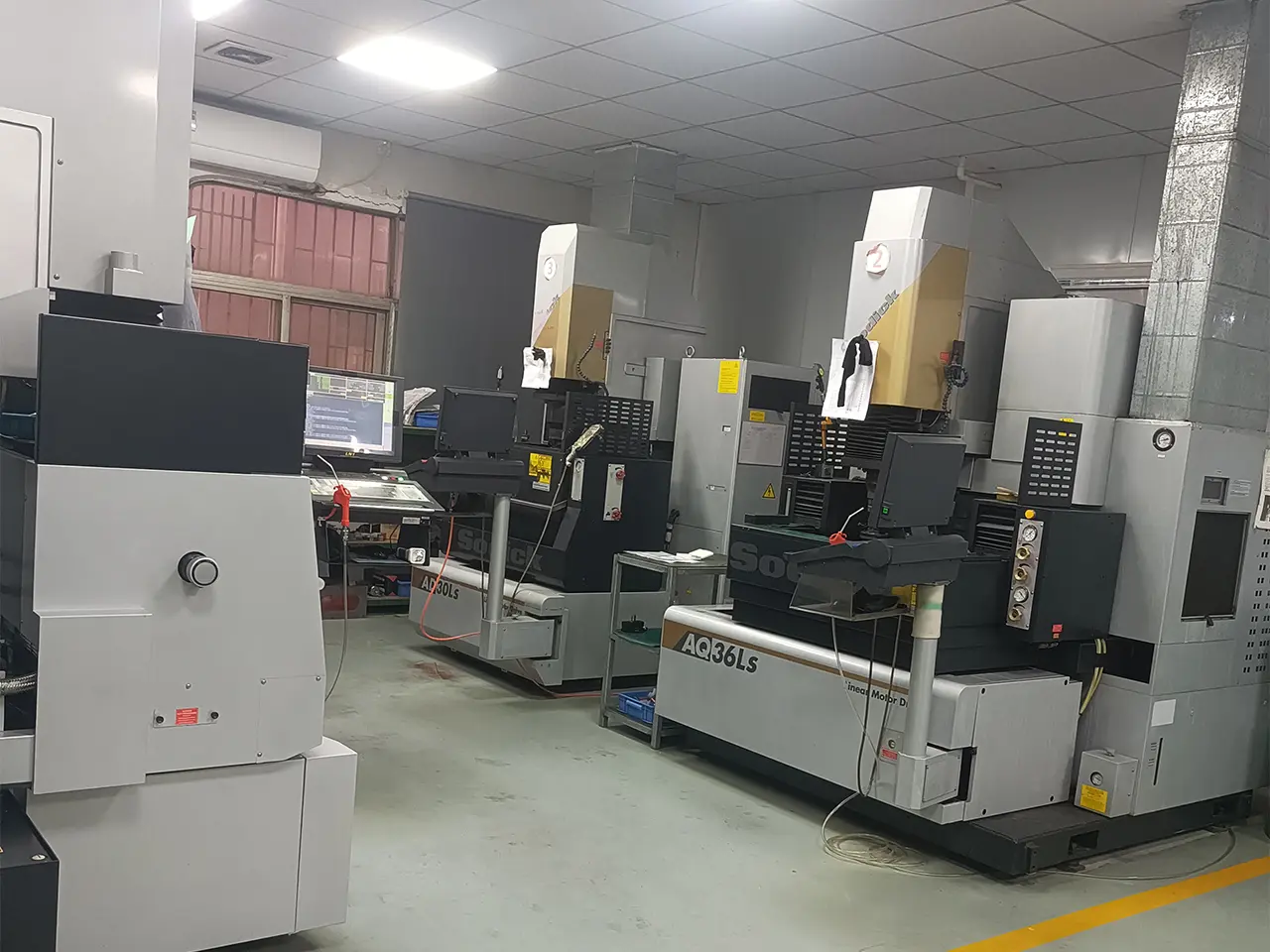
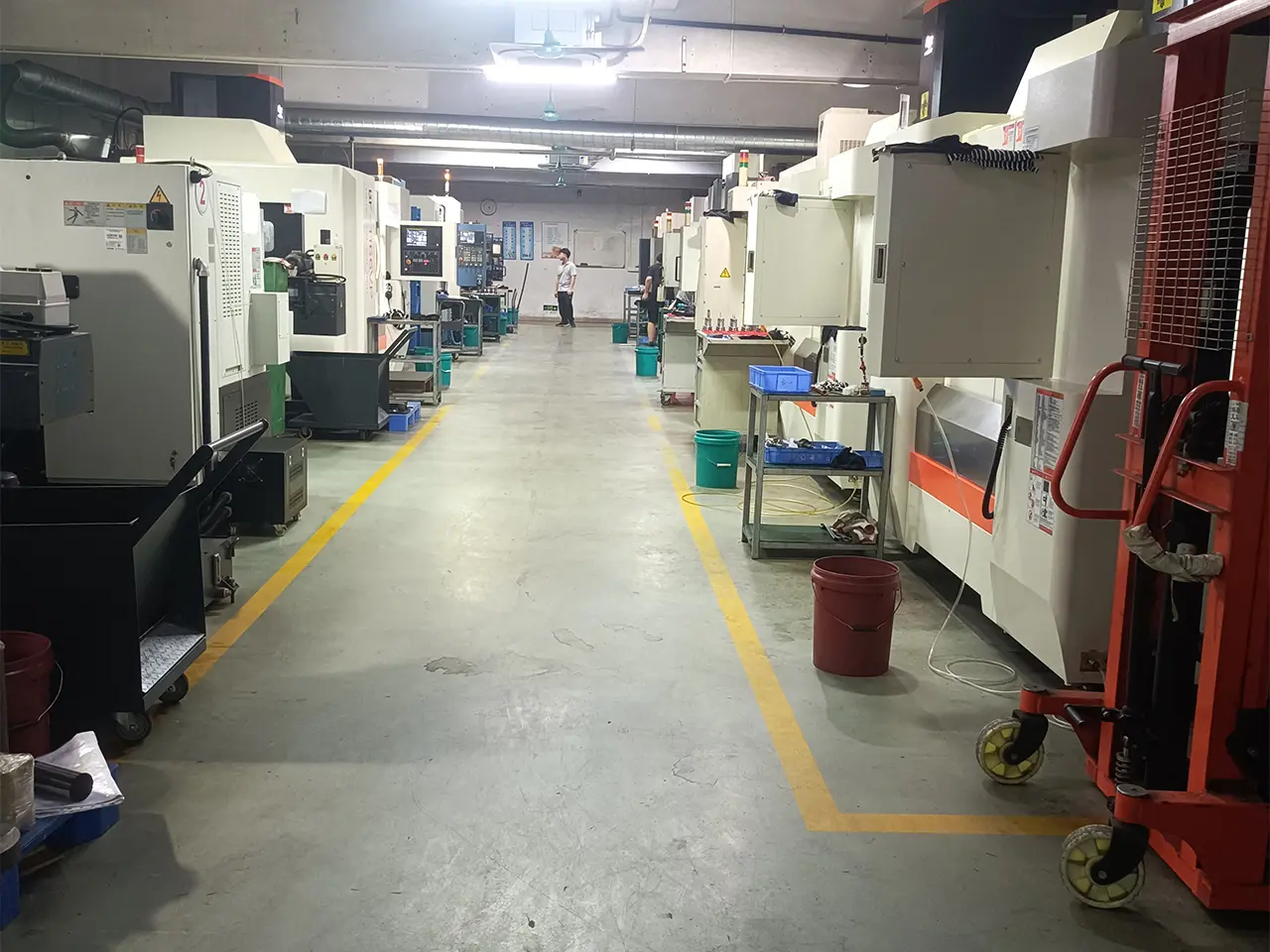
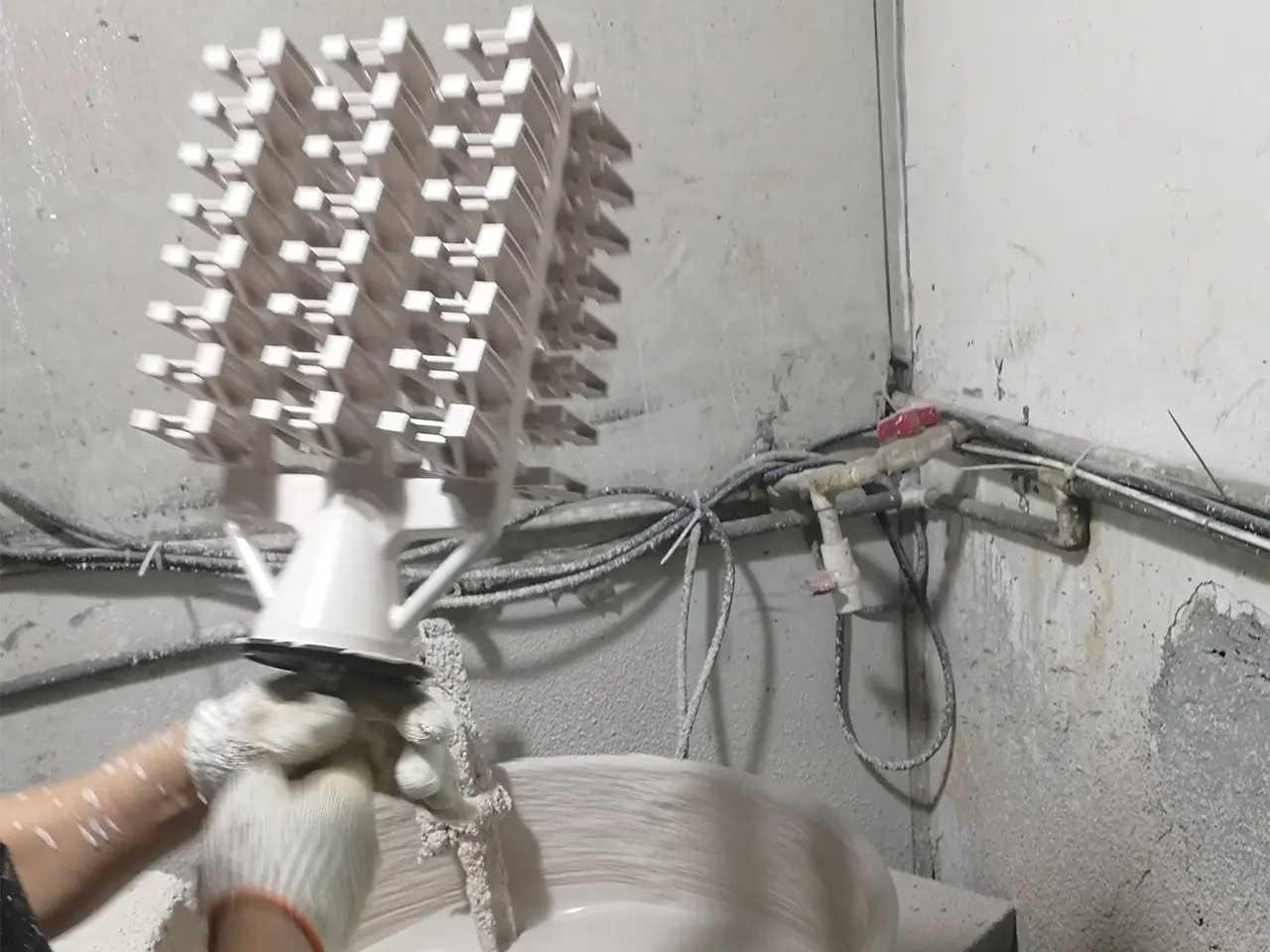
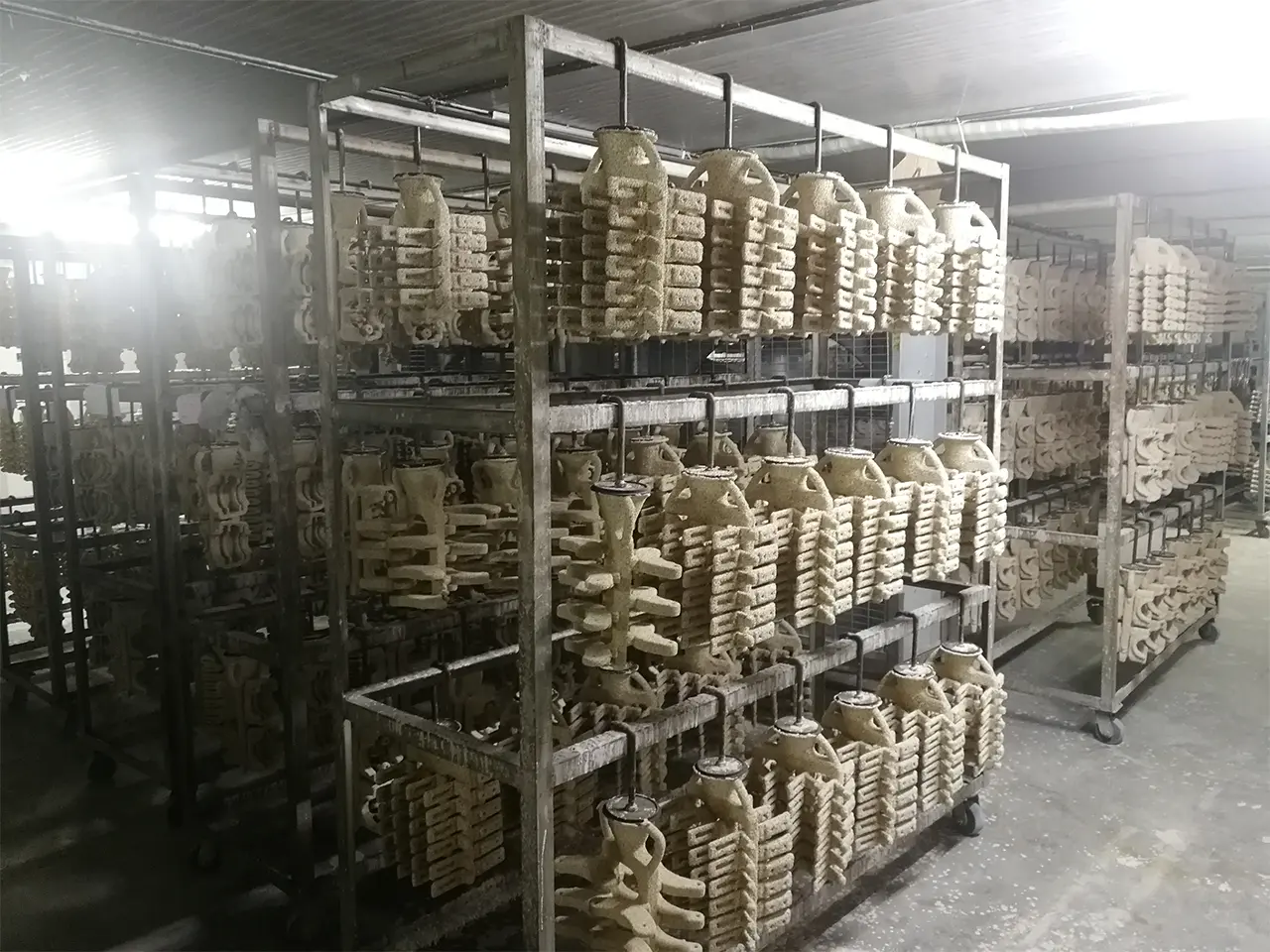
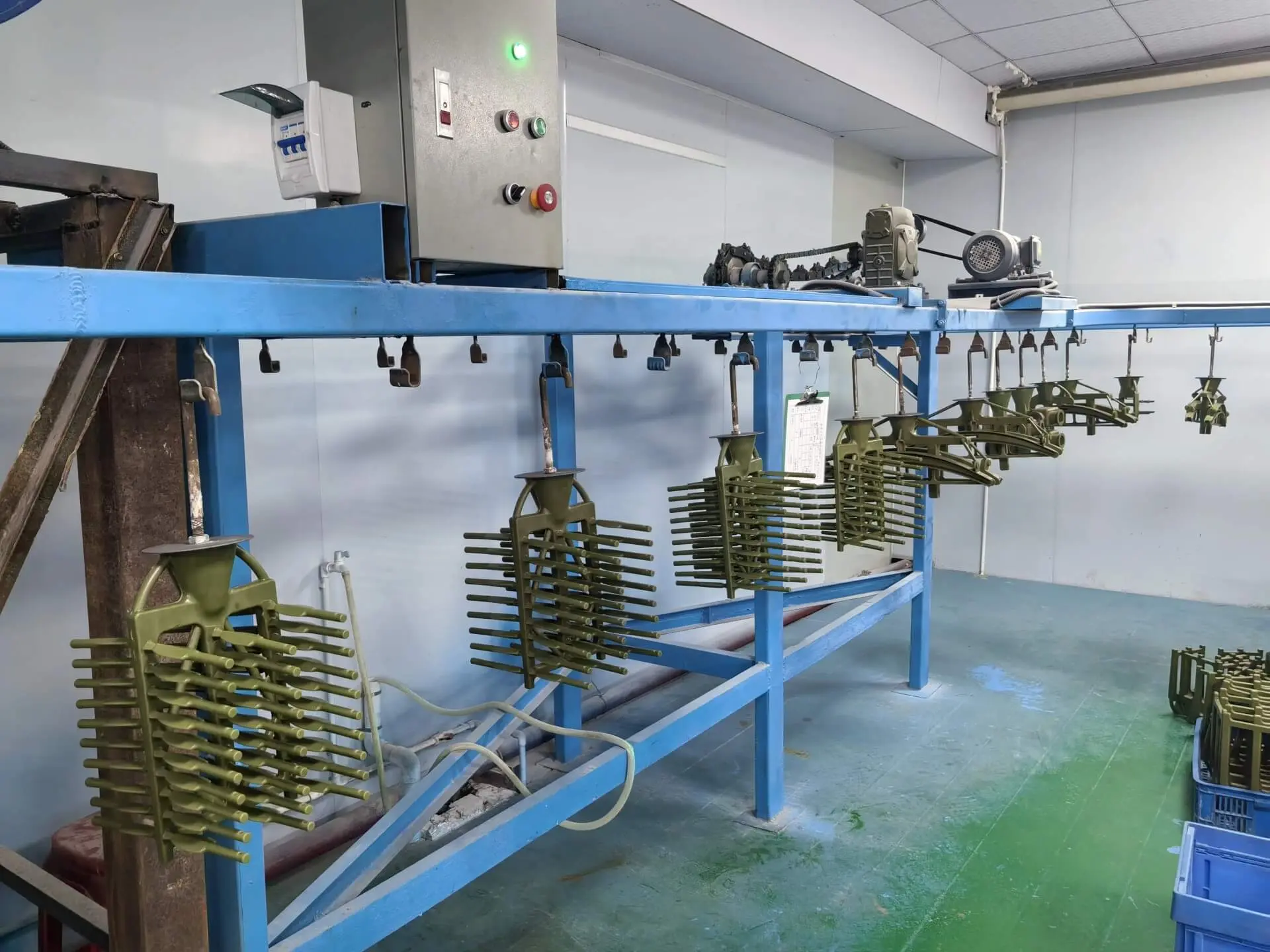
The core advantage of Dongguan SX Technology Co.,Ltd lies in our capability to blend the design freedom of investment casting (lost wax process) with the micro-precision of multi-axis CNC machining. Raw castings typically yield tolerances between ±0.2mm to ±0.5mm depending on dimensions. By adding secondary in-house multi-axis CNC milling, turning, and grinding, we deliver critical geometric dimensions featuring tolerances down to ±0.005mm.
For industries such as fluid handling (valves, impellers) and electronic communications (RF enclosures, wave guides), this joint capability provides a significant competitive edge. The raw bulk shape is formed via investment casting to optimize material utilization, while critical functional faces, seal grooves, and threaded connections are machined directly on our multi-axis CNC machining stations, minimizing material waste and overall manufacturing costs.
From subsea petroleum exploration to precision high-frequency telecommunications hardware, discover how our custom parts power major global industries.
We engineer custom pump impellers, duplex stainless steel valve bodies, and chemical extraction piping. Our investment cast 316L and duplex stainless steels pass strict chemical passivation standards to resist marine pitting, galvanic corrosion, and acidic medium erosion.
Our aluminum 6061-T6 and Al-Si cast enclosures feature tight electromagnetic interference shielding (EMI) and tailored thermal fins. These custom housings protect sensitive outdoor RF components, transceivers, and cellular base station modules.
Producing fatigue-resistant safety brackets, suspension components, steering knuckles, and hinge assemblies. Utilizing carbon steel and high-tensile alloy steel castings certified to structural vehicle standards, ensuring longevity under dynamic cyclic loading.
Whether integrating into a localized automotive assembly facility in Central Europe or supplying critical spare parts for marine vessels docked in the Port of Singapore, we configure logistics and production schedules to align with customer Just-in-Time (JIT) programs. We supply parts that are ready for immediate assembly, including pre-installed fasteners, finished protective coatings (anodizing, electroplating, sandblasting), and certified metallurgical tracking documents.
Quality is the cornerstone of the manufacturing industry. We firmly believe that only by controlling quality well can we survive, develop, and grow.
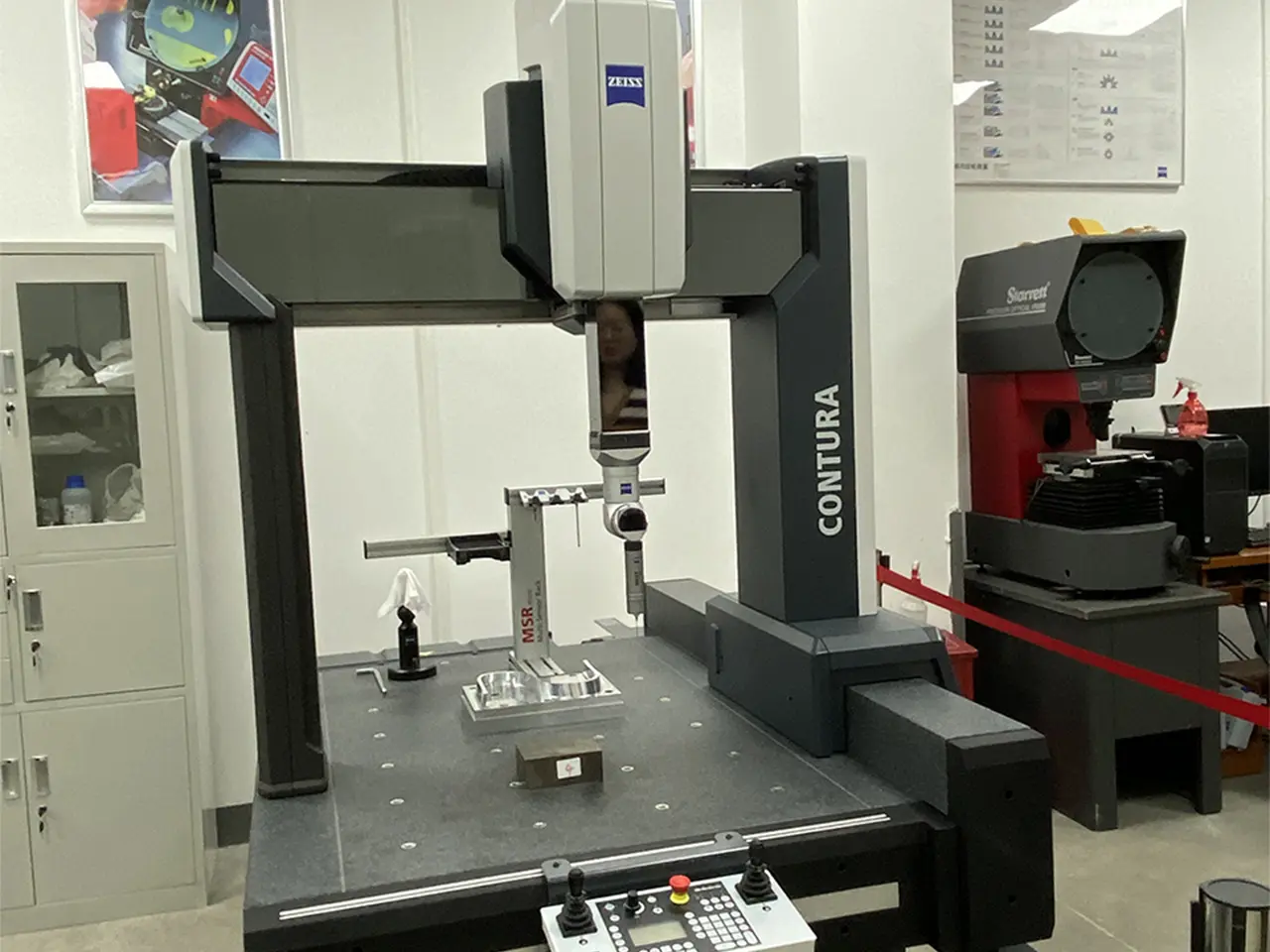
To support our global customers, we maintain a dedicated quality inspection laboratory. Every component undergoes rigorous dimension checking, raw material verification, and cosmetic testing. By utilizing coordinate measuring machines (CMM), optical profile projectors, digital calipers, surface roughness meters, and electronic thread checkers, we guarantee that all features match your 2D and 3D technical drawings.
For cast components, we execute metallurgical inspections, including spectrometers to analyze chemical composition, tensile testing for mechanical properties, and hardness tests (Brinell, Rockwell, Vickers). Non-Destructive Testing (NDT) such as dye penetrant testing (PT) and magnetic particle testing (MT) are regularly deployed for structural integrity confirmation, preventing internal void and gas pocket anomalies from escaping to the field.
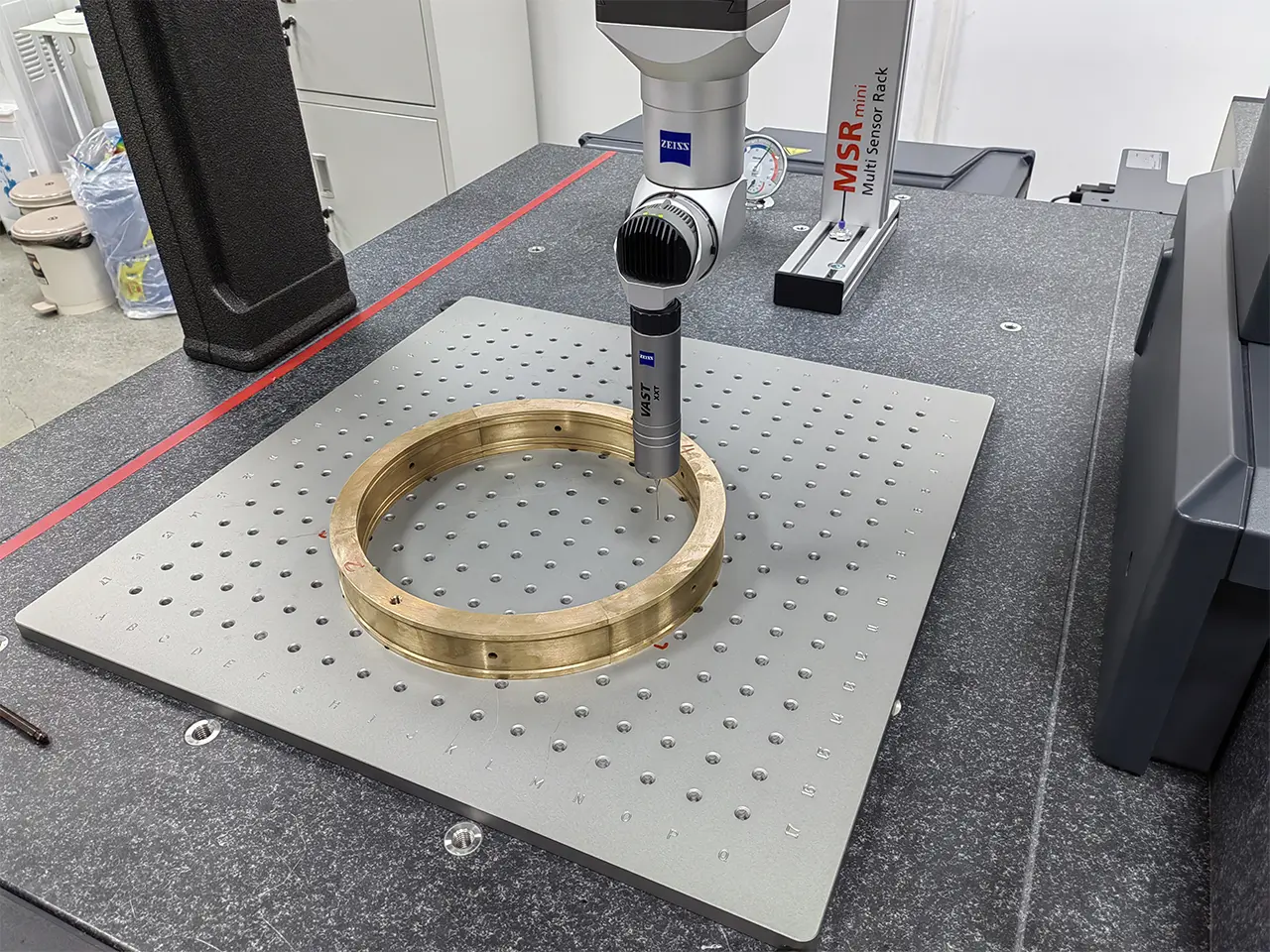
Mapping the future of advanced metallurgy, intelligent manufacturing integration, and ecological sustainability in the casting and machining sectors.
The foundry and precision machining sector is undergoing a massive technological shift driven by digitalization, artificial intelligence, and ecological sustainability. As a progressive OEM partner, Dongguan SX Technology Co.,Ltd outlines our strategic roadmap to keep our customers at the forefront of this industrial transformation:
By simulating molten metal flow, solidification rate, and cooling stress profiles virtually, we minimize structural porosity, optimize gating systems, and speed up tooling development. This cuts down prototyping cycles by up to 50%.
Merging sand-molding and additive manufacturing (3D printing cores) with standard lost-wax techniques allows us to manufacture complex geometries. This combination produces complex shapes that traditional tooling cannot achieve.
Integrating real-time sensor feedback on CNC tools to monitor vibrations, temperature, and wear. This smart system prevents dimensional deviations and ensures identical toolpaths across multi-thousand unit production runs.
Find direct answers to common engineering questions, material standards, casting tolerances, and project workflow questions.
Our standard lost-wax investment casting process aligns with the international linear tolerances specified by ISO 8062-3 (Grade DCTG 4 to DCTG 6). Typically, this yields ±0.15mm for dimensions up to 25mm. For features requiring higher precision, such as bearing seats, seal pockets, or threaded connectors, we utilize post-casting multi-axis CNC machining, achieving dimensional tolerances down to ±0.005mm and geometric tolerances (GD&T) within 0.01mm.
Porosity control begins with our CAD software simulations, which design optimal gating systems, risers, and chills to ensure directional solidification. During melting, we perform degasification treatments to extract nitrogen, hydrogen, and oxygen. We also run regular Non-Destructive Testing (NDT), including Dye Penetrant Testing (PT) for surface microcracks and Magnetic Particle Testing (MT) or Ultrasonic/Radiographic Testing for internal void detection, ensuring that structural parts meet industrial safety guidelines.
For highly corrosive applications (such as marine systems or acidic pump/valve interiors), we recommend Austenitic Stainless Steels (e.g., 316L, CF8M) or Duplex Stainless Steels (e.g., 2205, Grade 4A), which offer superior resistance to pitting and stress corrosion cracking. For high-fatigue components requiring high strength-to-weight ratios, we process Titanium Alloys (Ti-6Al-4V) or custom tempered alloy steels (such as 4140 or 8620), which are heat-treated to optimize tensile and yield strengths.
Yes, we specialize in non-standard custom components. We have structured our manufacturing plant to handle high-mix, low-volume (HMLV) orders alongside mass production runs. By combining advanced CNC milling directly from billet materials with investment casting using high-performance tooling, we accommodate custom prototype fabrication, initial pilot groups, and large-scale serial production.
We provide a comprehensive range of surface preparation treatments, including bead blasting, sandblasting, chemical passivation (for stainless steel), clear and color anodizing (for aluminum components), electropolishing, powder coating, zinc/nickel plating, and chemical black oxide treatments. These finishes improve corrosion resistance, reduce surface roughness (Ra), and meet aesthetic design requirements.
Additional custom solutions designed for the electronics, industrial gear machinery, and fluid control valve sectors.
 SX Machining