Explore our core manufacturing line featuring high-precision lost wax casting parts, industrial valves, and custom CNC machined components engineered for extreme durability.
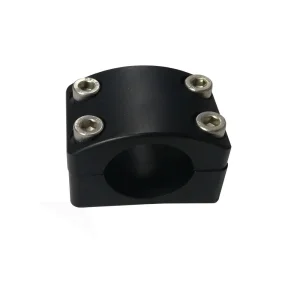
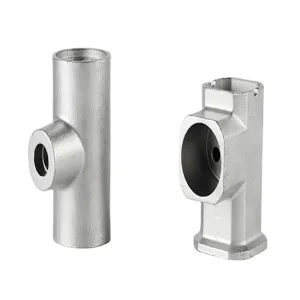
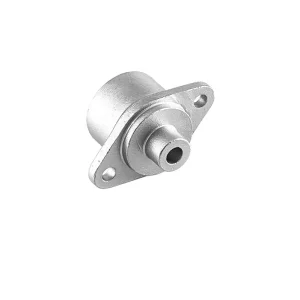
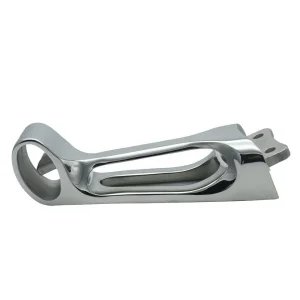
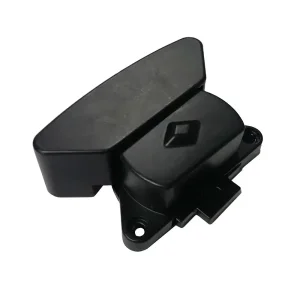
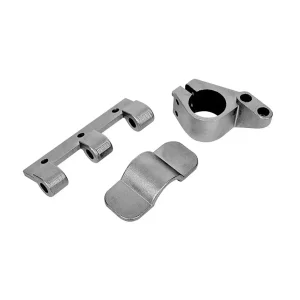
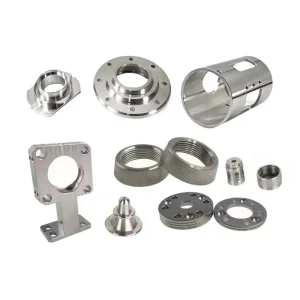
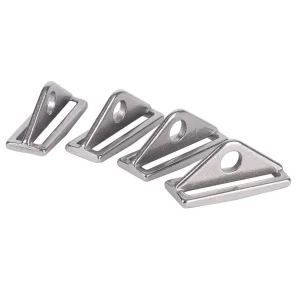
In modern heavy industries, the demand for components that can withstand aggressive chemical exposure, high temperatures, and intense mechanical stress is higher than ever. Stainless steel investment casting is a cornerstone technology enabling these applications. The global foundry market has transitioned from basic sand casting methods to advanced, automated lost-wax processes. This shift is driven by the need for near-net-shape components that minimize raw material waste and significantly reduce post-processing CNC machining cycles.
From a global macroeconomic perspective, industries such as oil & gas, marine logistics, chemical processing, and clean energy require high-integrity metallurgical alloys. Corrosion-resistant alloys like Austenitic 304/316L, Duplex 2205, and precipitation-hardening alloys like 17-4 PH have become critical standard materials. In particular, the European Union's Carbon Border Adjustment Mechanism (CBAM) and strict global ESG compliance frameworks are pushing foundries to adopt energy-efficient electric induction furnaces, automated shell-building cycles, and sustainable sand and binder reclamation protocols.
OEM procurement strategies have evolved to prioritize foundries that offer vertical integration. An OEM partner is no longer just a supplier of raw castings; they must act as a tech-driven engineering partner. This means providing Design for Manufacturability (DFM) feedback, casting simulation analysis to predict porosity, precision secondary CNC finishing, and extensive metrology validation—all managed under one roof.
Established in 2014, Dongguan SX Technology Co., Ltd. has grown to become a premium OEM manufacturer and supplier of precision-cast and CNC-machined metal components. We operate at the intersection of metallurgy and advanced machining technologies, providing high-integrity solutions to OEMs globally.
With almost a decade of continuous improvement, our manufacturing facility boasts a rich capability matrix. Our expertise spans precision investment casting, multi-axis CNC machining, and complex sub-assembly. This integrated approach allows us to deliver turnkey solutions, from concept validation prototypes to high-volume production runs.
Our Comprehensive Material Competency:
Our components are widely deployed in machinery, automotive assemblies, marine and shipbuilding industries, defense and industrial equipment, high-pressure valves and pumps, electronic appliances, high-end packaging devices, luxury watches, building construction, and critical chemical engineering systems.
Understanding the metallurgical process selection is critical for high-integrity designs. At SX Technology, we employ the Silica Sol investment casting method (also known as colloidal silica slurry processing). This differs drastically from the cheaper Water Glass casting technique, which exhibits limitations in surface finish quality and dimensional tolerance control.
| Performance Indicator | Colloidal Silica Sol Casting (SX Standard) | Water Glass Casting (Typical Lower Cost) | Impact on OEM Final Assembly |
|---|---|---|---|
| Dimensional Tolerance | ISO 8062 CT4 - CT6 | ISO 8062 CT7 - CT9 | Fewer mechanical interventions, lower machining costs. |
| Surface Roughness (Ra) | 3.2 μm to 6.3 μm | 12.5 μm to 25 μm | Optimal fluid dynamics, less friction loss, cleaner sanitization. |
| Complex Geometry & Thin Walls | Down to 1.5 mm thickness | Limited to >3.5 mm thickness | Facilitates lightweighting and internal complex flow paths. |
| Initial Tooling Capital | Moderate to High (Aluminium/Steel dies) | Low (Aluminum/Alloy molds) | Amortized quickly over medium to long production runs. |
The Silica Sol process involves injecting high-grade paraffin wax into precision-machined molds. The resulting wax patterns are assembled into trees and repeatedly dipped into colloidal silica slurry, coating them with a refractory ceramic shell. After autoclave dewaxing and high-temperature firing, molten stainless steel is poured into the preheated shell.
For components requiring mating interfaces, tight sealing, or dynamic fits, investment casting is paired with precision CNC machining. We utilize multi-axis machining centers (up to 5-axis configuration) to achieve tolerances within ±0.005 mm. This vertical combination removes common supply chain bottlenecks, ensuring that the casting design parameters match the downstream machining setups.
Take a look inside our high-precision casting lines, advanced CNC machining zones, and quality assurance testing environments.
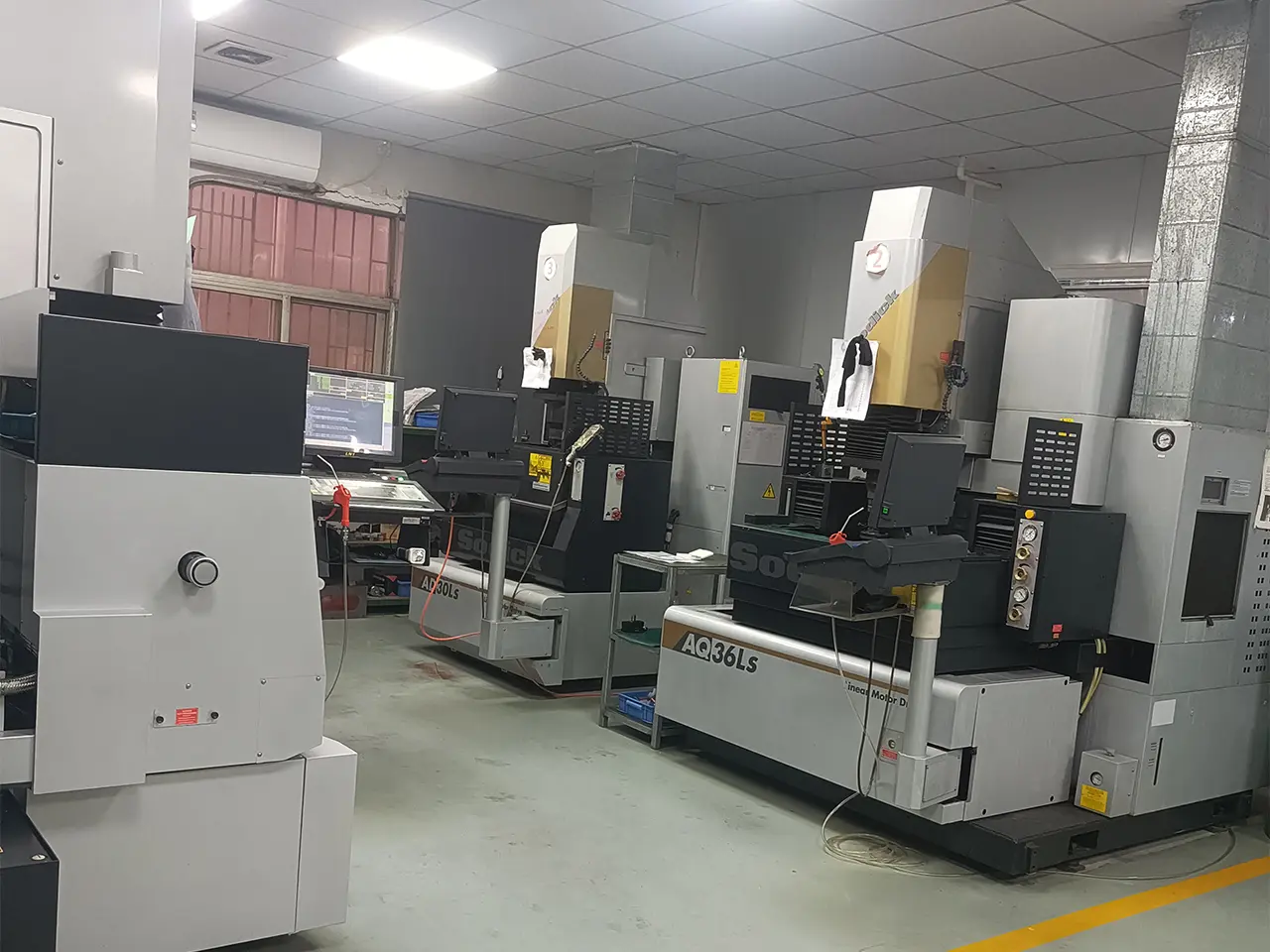
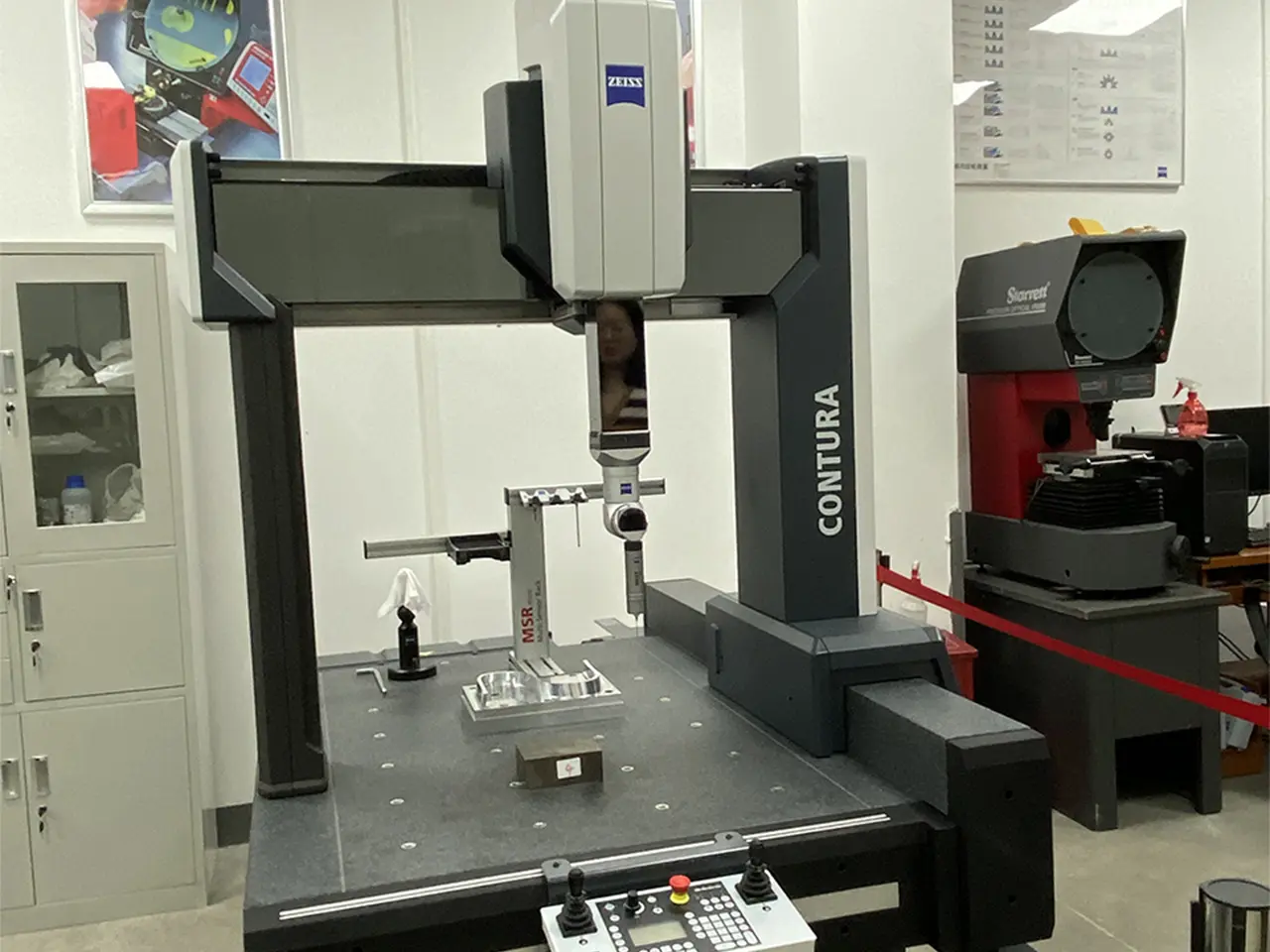
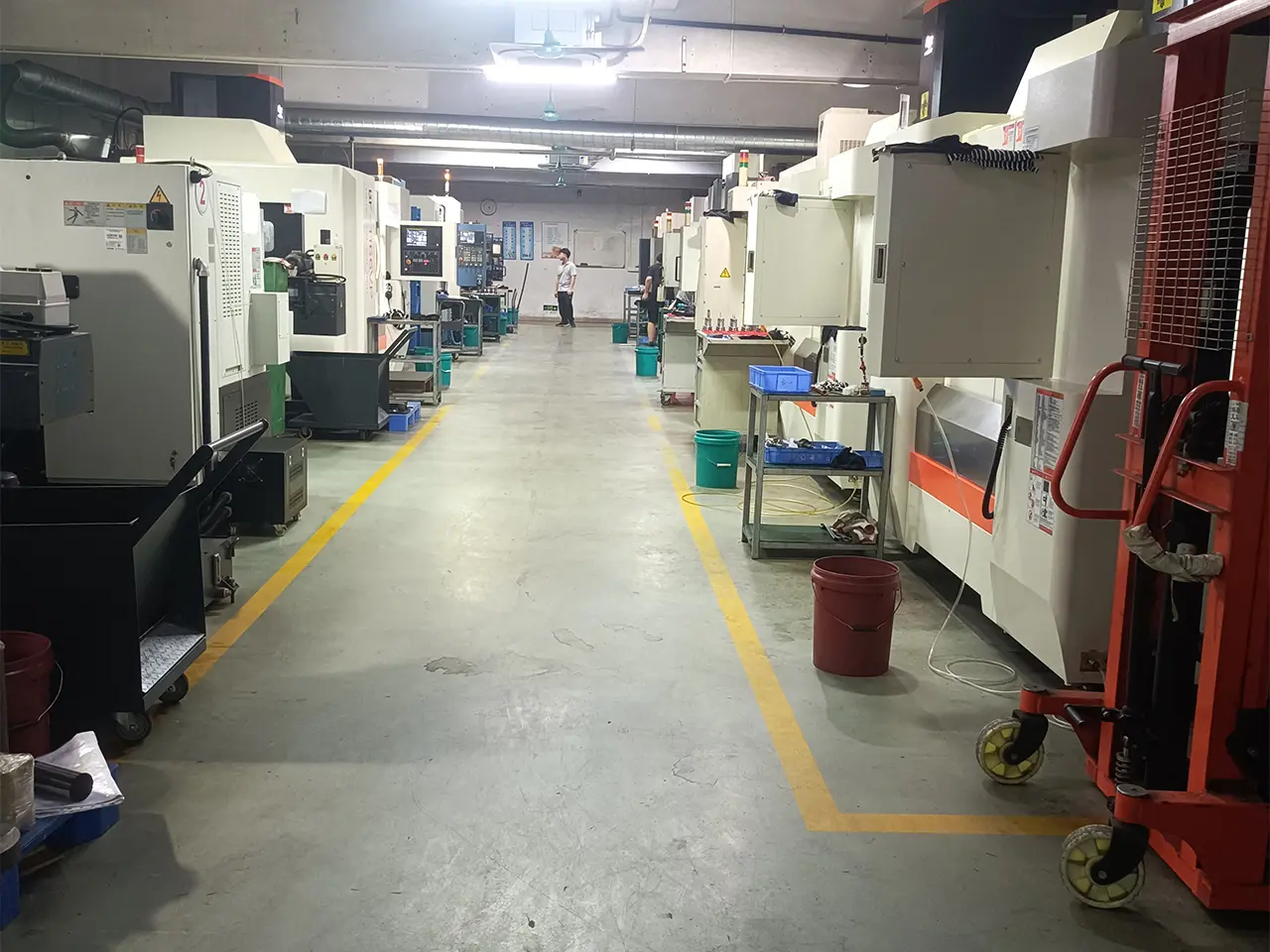
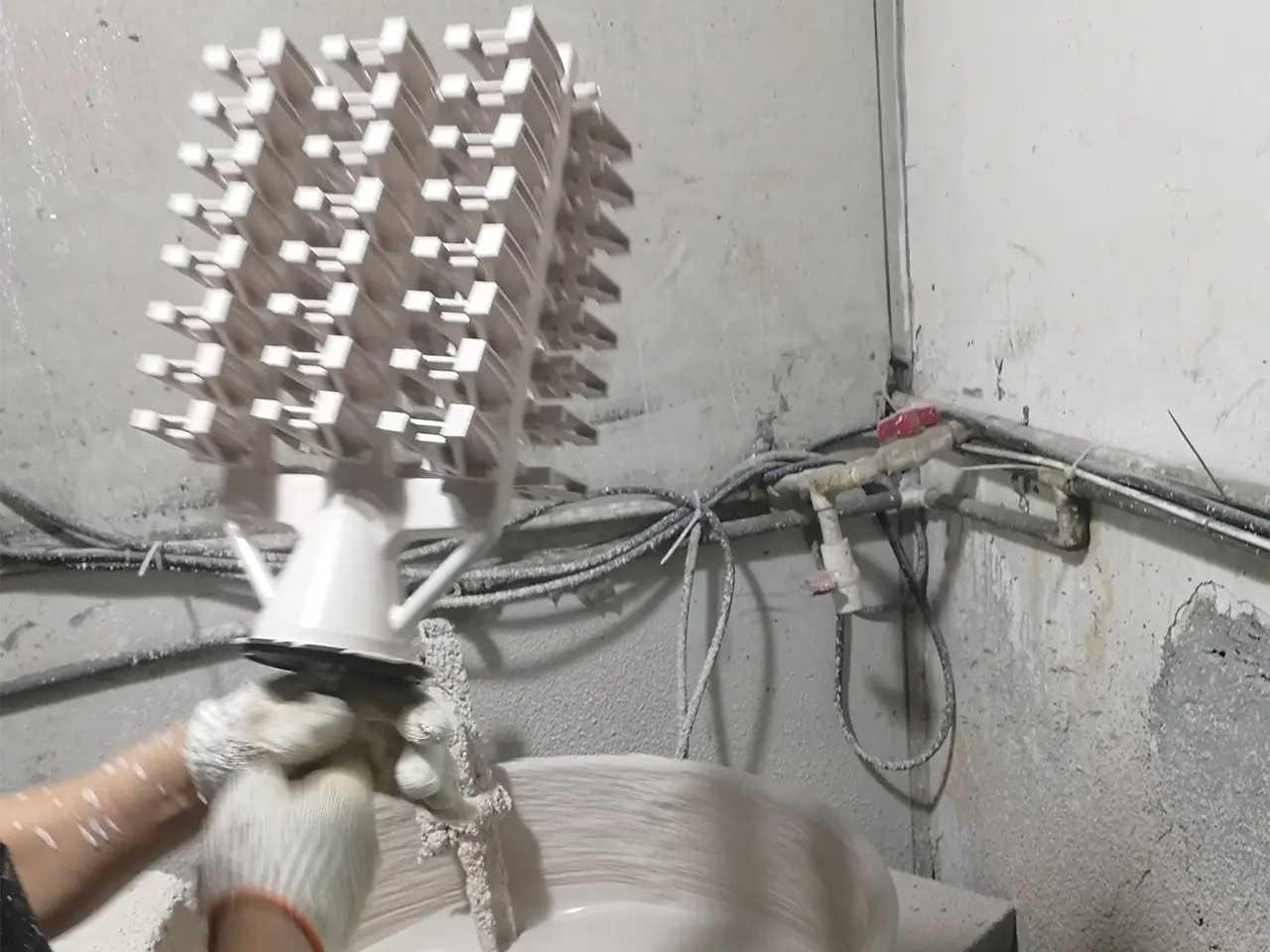
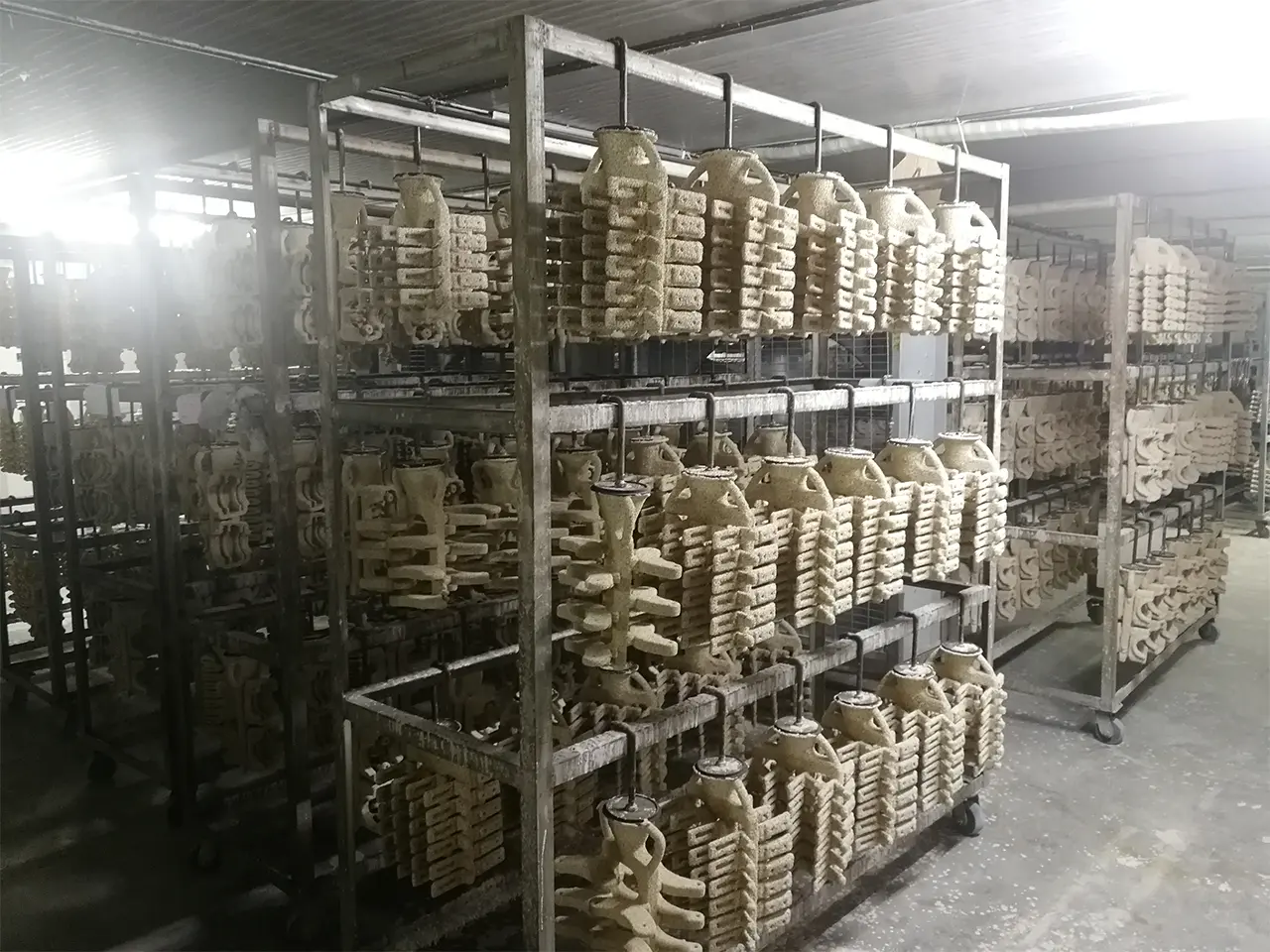
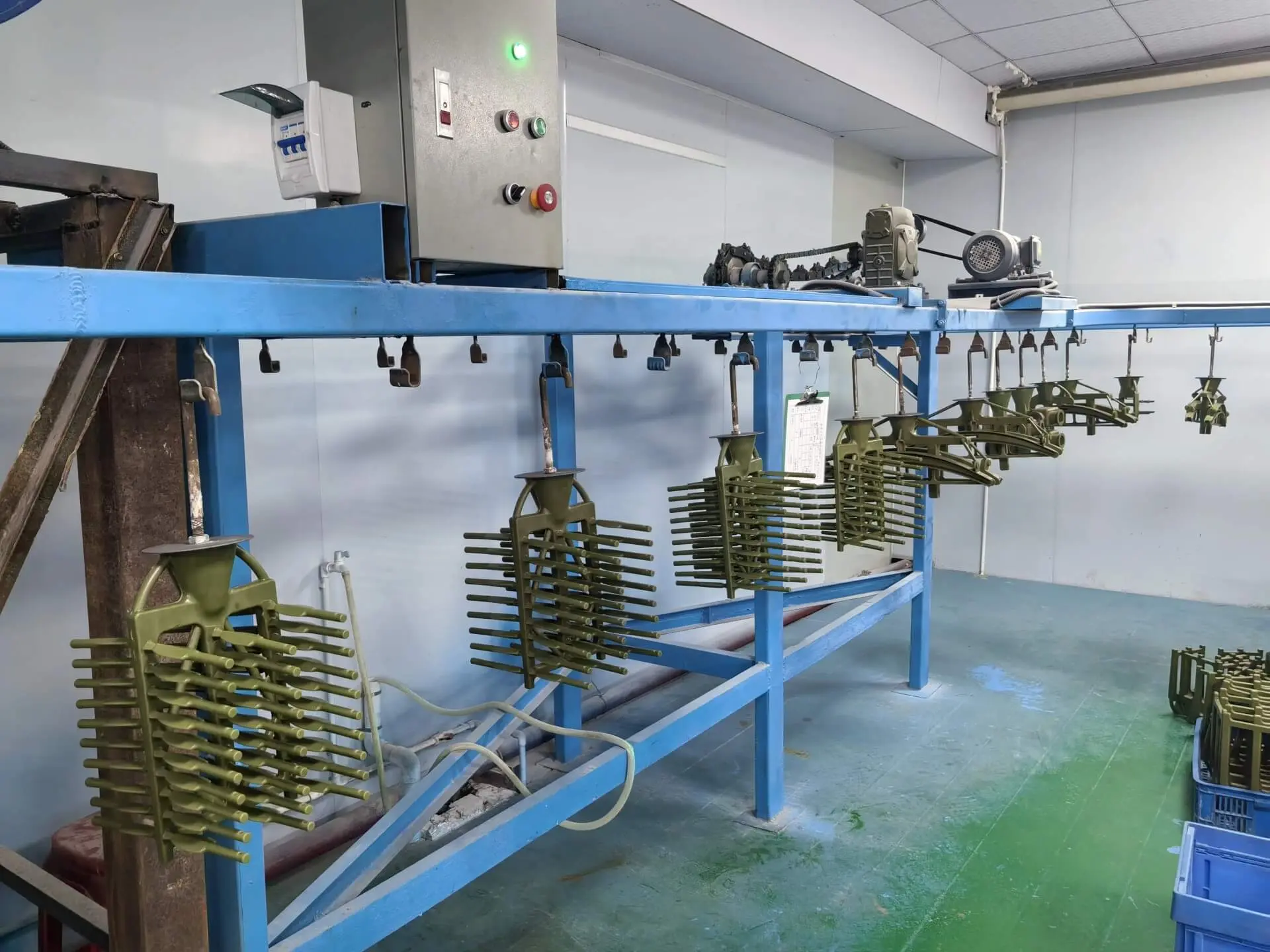
The deployment of OEM stainless steel casting parts varies considerably across industries, each presenting its own challenges and operating requirements.
High-pressure pipelines transporting corrosive acids, petrochemical mixtures, or gas require high metallurgical integrity. In these scenarios, casting defects such as micro-porosity, internal shrinkage cavities, or hot tears can result in catastrophic system failures. SX Technology specializes in pouring CF8M (316 equivalent) and CF3M (316L equivalent) alloys for pump housings, valve bonnets, and impellers. These parts are designed to meet ASTM specifications and withstand severe cryogenic and high-temperature environments.
In automotive manufacturing, safety-critical suspension parts, turbocharger turbine housings, and bus structural brackets must offer high tensile strength and impact resistance. We support custom automotive investment casting runs that replace multi-part welded assemblies with single-piece cast components. This reduces stress concentrations, improves fuel efficiency through weight reduction, and simplifies the assembly line.
Components exposed to seawater are vulnerable to chloride stress corrosion cracking (SCC) and pitting. For marine hardware, deck attachments, and underwater impellers, standard steel is insufficient. We process Duplex (e.g. 2205) and Super Duplex stainless steel grades. These materials feature a balanced microstructural mix of ferrite and austenite, offering double the mechanical strength of typical austenitic grades and outstanding resistance to chloride-rich environments.
The bio-processing and medical hardware sectors require biocompatible, smooth, and easily sterilizable surfaces. We machine complex medical-grade titanium and high-purity 316L components. These parts feature minimal surface porosity and precise thread engagements, ensuring they meet the hygiene and cleaning standards required for medical applications.
At SX Technology, quality is the cornerstone of the manufacturing industry. We firmly believe that only by controlling quality well can we survive, develop, and get better and better. Therefore, we have been working in this industry unremittingly since 2014, continuously improving our production processes and QC teams.
We adhere to strict tolerances and quality standards for all products we produce. Due to our insistence on strict quality requirements, our processes have been praised by customers worldwide.
Our Comprehensive Quality Assurance Protocol Includes:
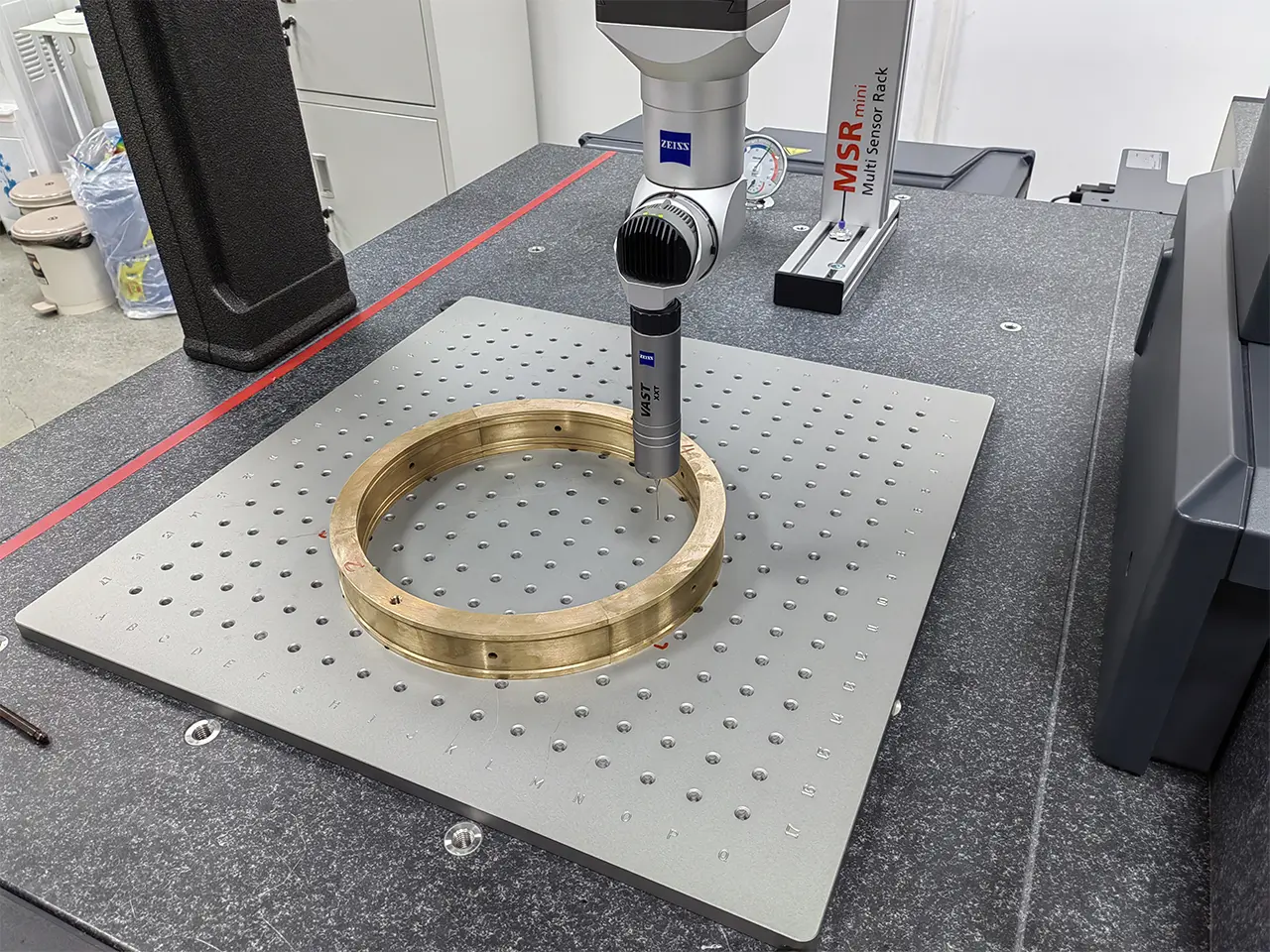
The casting industry is evolving, and SX Technology is integrating new technologies to improve production times, component accuracy, and material options.
By utilizing casting solidification simulation software, our engineering team can model the pouring cycle, heat flow, and metal phase changes within the mold cavity. This predictive capability allows us to optimize gate designs, runner sizes, and riser configurations before creating tooling. This reduces the need for physical trial castings and accelerates the transition from design to production.
For prototype components or low-volume runs, the cost of traditional tooling can be a barrier. We utilize 3D wax pattern printing to produce high-precision wax models directly from CAD designs. These printed models can be integrated into our standard Silica Sol casting process, bypassing the toolmaking stage and reducing initial turnaround times from weeks to days.
Consistent shell thickness is key to preventing mold cracking during pouring. Our ongoing investments in automated shell-building robots help ensure uniform slurry coverage and stucco application across complex wax assemblies. This improves the consistency of the cooling rate and helps stabilize final dimensional tolerances.
Shipping cast and machined components internationally requires compliance with trade regulations and logistics protocols. We offer support across every stage of the shipping process:
Our engineering team provides direct Design for Manufacturing (DFM) reviews. Before manufacturing starts, we review drafts, angles, and parting line options to help simplify production and optimize unit costs.
Clear answers to common questions about metallurgy, machining, tolerances, and ordering processes.
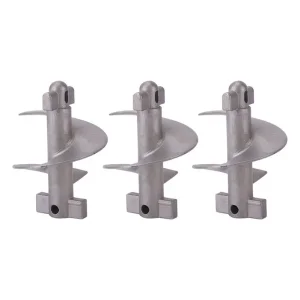
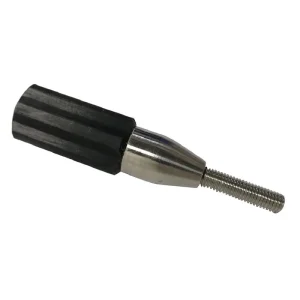
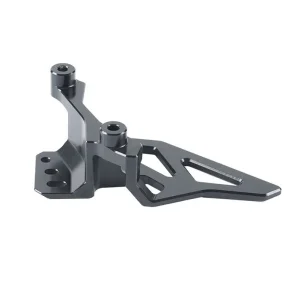
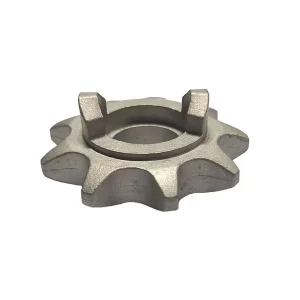
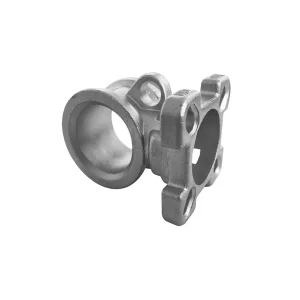
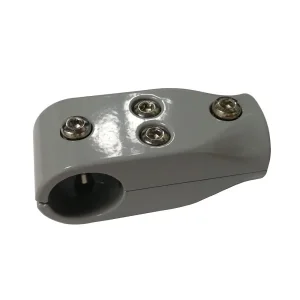
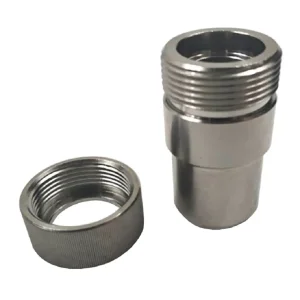
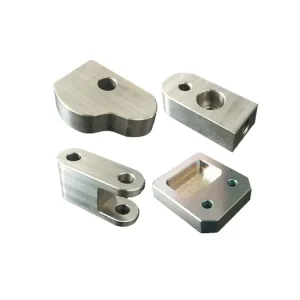
View our specialized components, including marine-grade gear parts, transport castings, and medical-grade custom titanium fittings.
 SX Machining