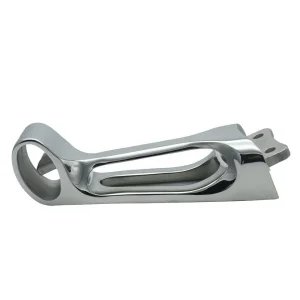
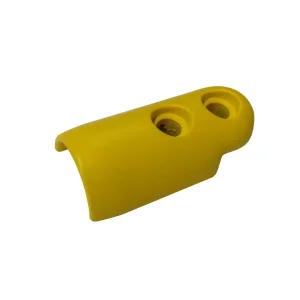
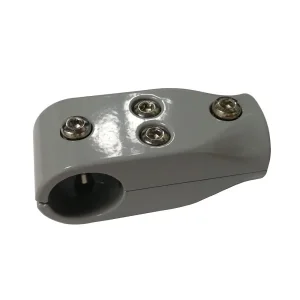
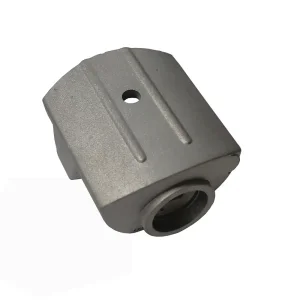
Nagoya, the capital of Japan’s Aichi Prefecture, stands as the undisputed heart of the Chubu industrial region. Home to global manufacturing giants, particularly within the automotive, aerospace, robotics, and heavy machinery sectors, Nagoya demands component fabrication that meets the most exacting dimensional, mechanical, and surface finish tolerances. As supply chain structures evolve toward cost-optimization, global procurement managers are increasingly turning to off-shore precision casting partners who can seamlessly bridge the gap between competitive pricing and uncompromising quality.
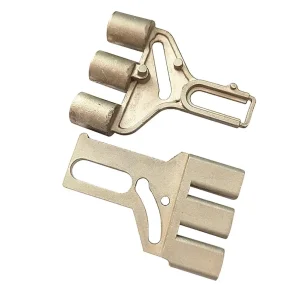
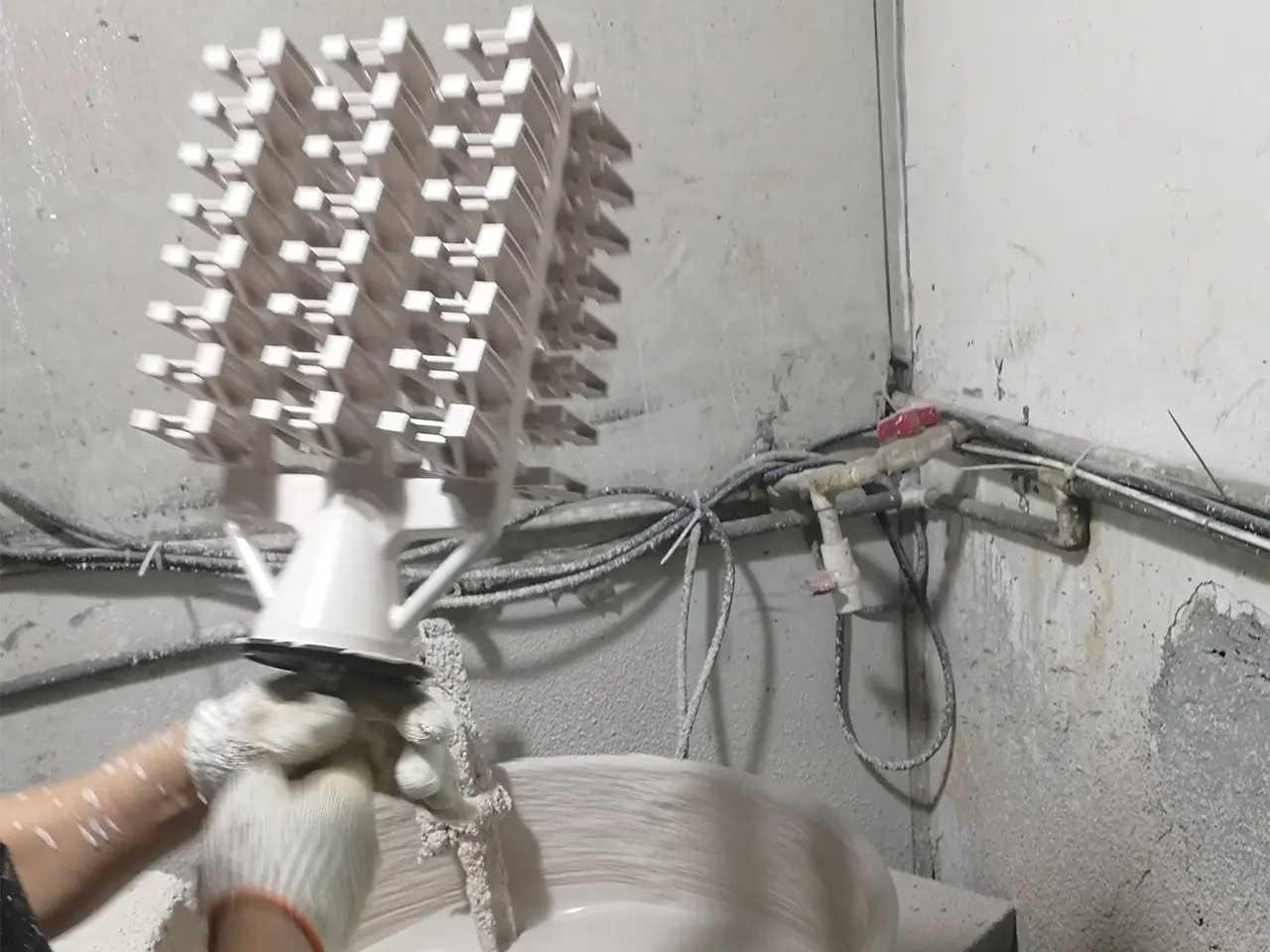
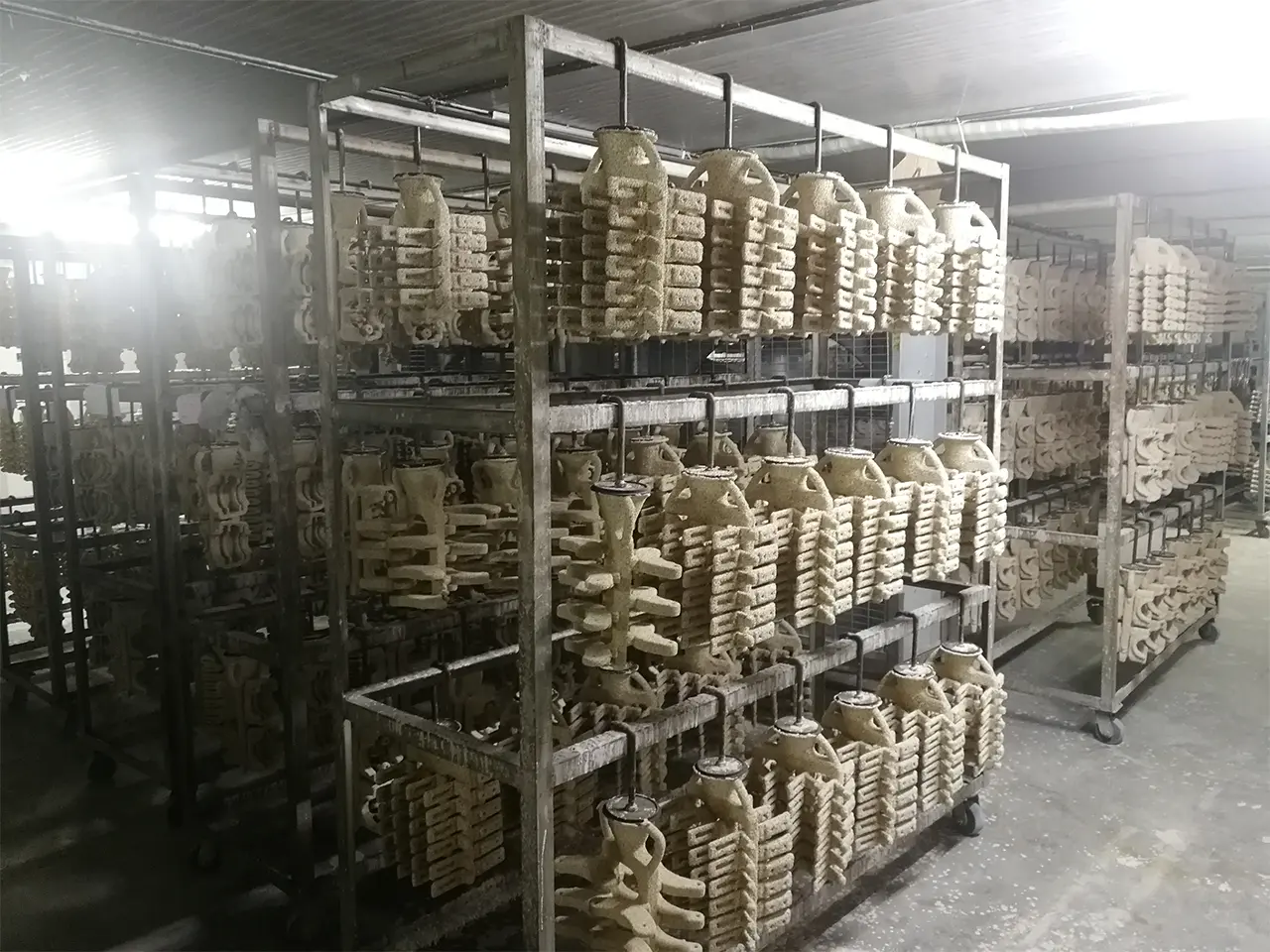
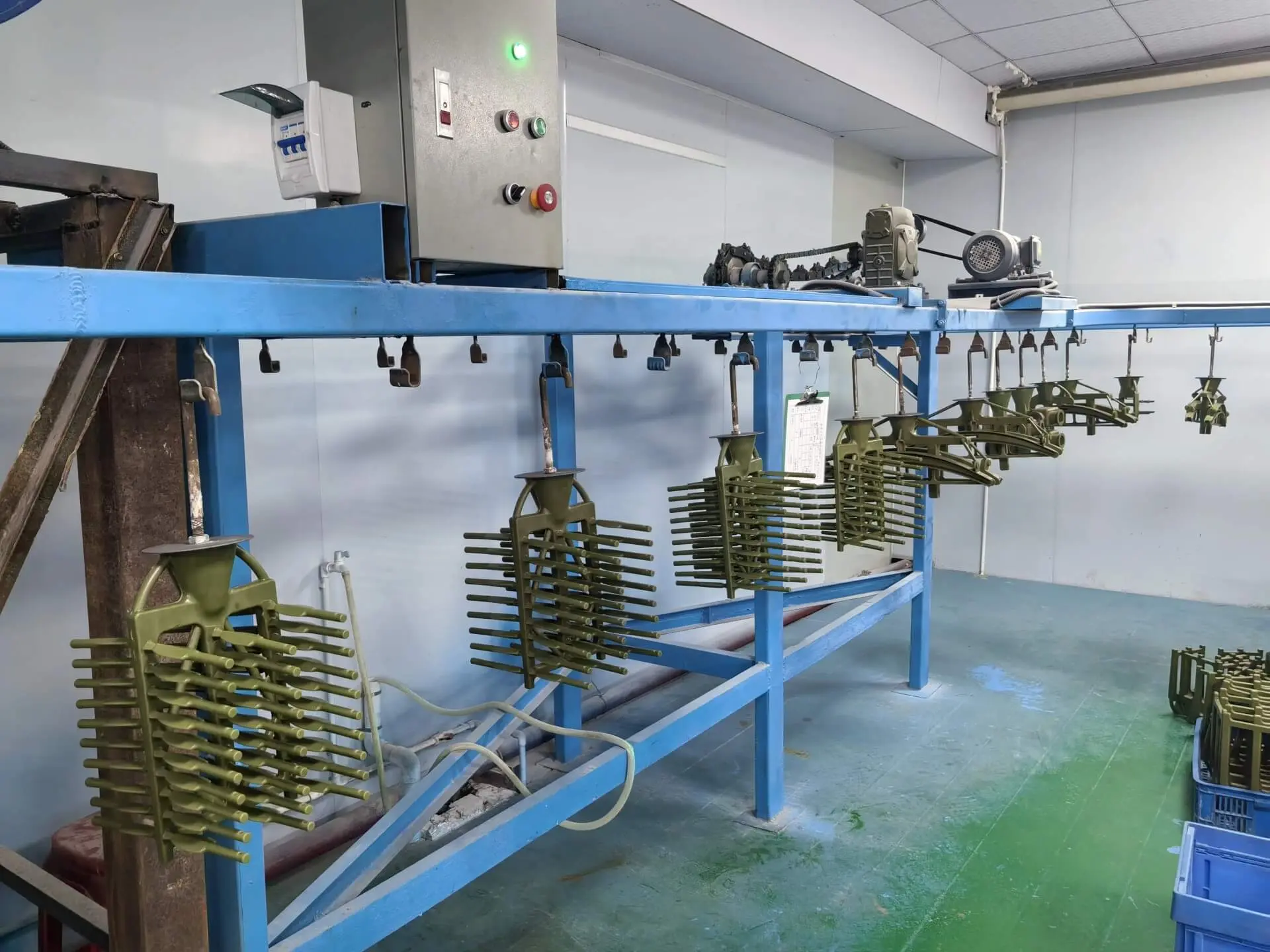
For decades, traditional sand casting stood as the default manufacturing approach. However, modern industrial requirements demand near-net-shape accuracy, reduction of structural weight, and optimized material usage. Dongguan SX Technology Co.,Ltd offers an advanced solution. By implementing state-of-the-art lost wax investment casting processes integrated with high-speed multi-axis CNC machining, we supply Nagoya's engineering firms with ready-to-assemble mechanical components that eliminate redundant post-processing, reduce waste, and improve operational longevity.
"Our engineering philosophy centers around the minimization of machining allowances. By casting components to tolerances within ISO 8062-3 DCTG6 limits, we drastically cut down CNC machining hours, passing the cost savings directly to our Nagoya procurement partners."
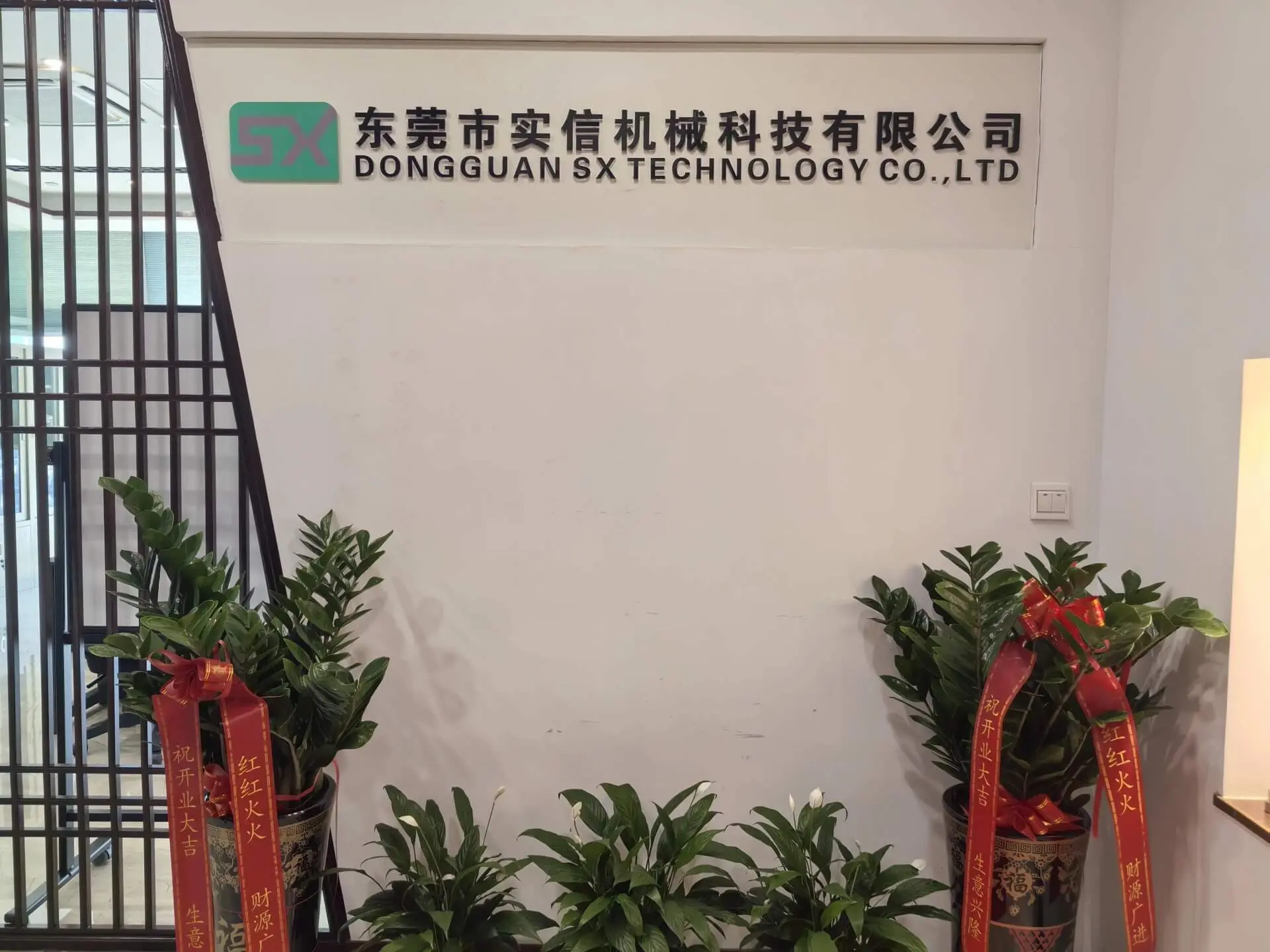
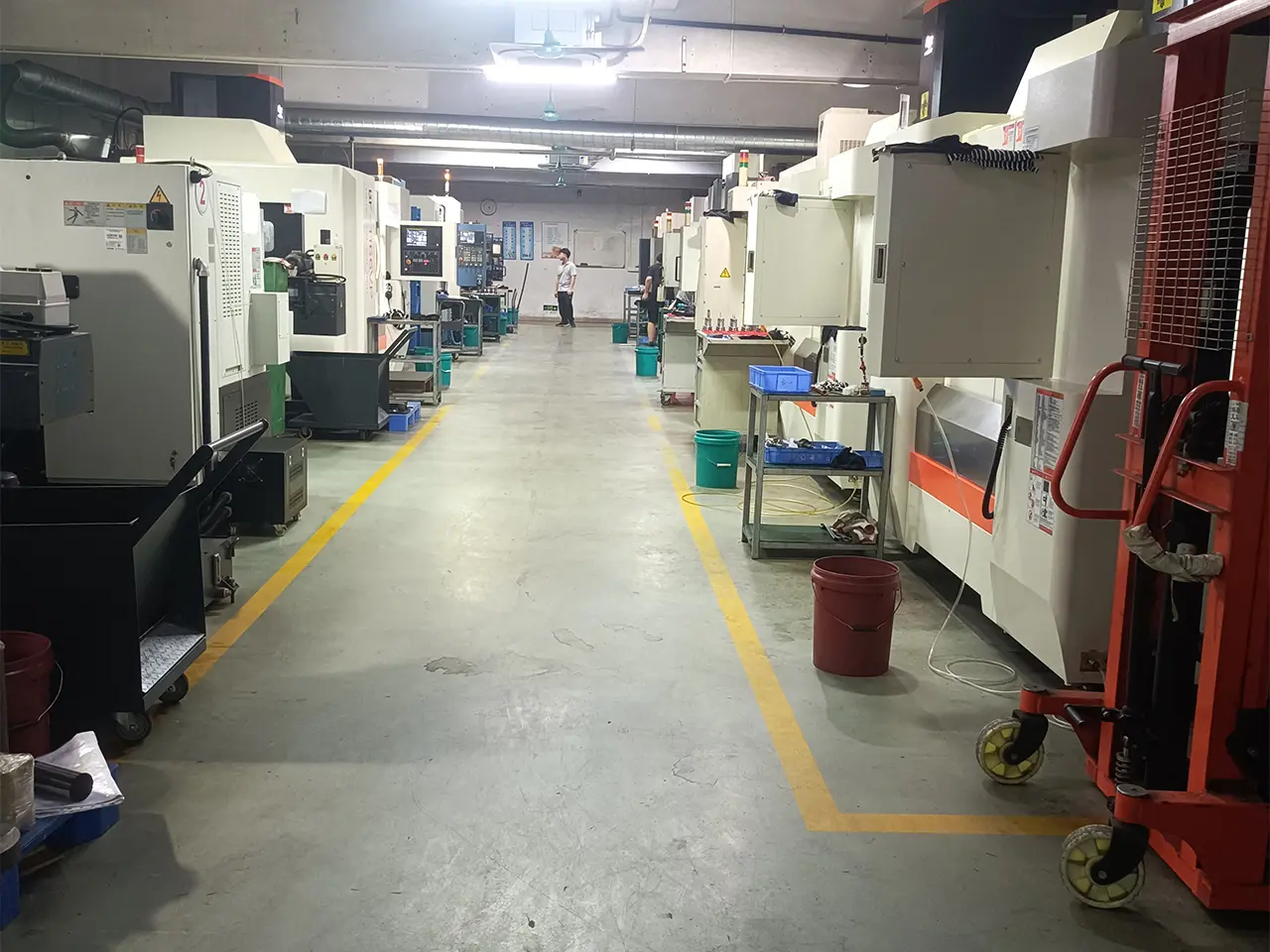
Dongguan SX Technology Co.,Ltd - Core CNC Machining & Precision Casting Facility
| Manufacturing Parameter | Lost Wax Investment Casting (SX Technology) | Traditional Sand Casting | Pressure Die Casting |
|---|---|---|---|
| Dimensional Tolerance | CT4 - CT6 (Excellent) | CT10 - CT12 (Poor) | CT3 - CT5 (Very High) |
| Surface Roughness (Ra) | 3.2μm to 6.3μm | 12.5μm to 25μm | 0.8μm to 3.2μm |
| Material Versatility | Stainless Steels, Carbon Steels, Alloy Steels, Titanium, Copper Alloys | Most Cast Irons & Bronzes | Primarily Low-Melting Non-Ferrous Alloys (Al, Zn, Mg) |
| Minimum Wall Thickness | 1.5 mm | 5.0 mm | 1.0 mm |
| Tooling Initial Cost | Moderate | Low | High to Very High |
A major key to successful mechanical engineering is material optimization. At Dongguan SX Technology Co.,Ltd, we provide a massive variety of metals and specialized heat treatments to match the wear-resistance, chemical stability, and structural loads of your exact application.
Excellent corrosion protection and high strength. Widely cast in SUS304, SUS316, SUS316L, 17-4 PH, and Duplex Stainless Steels. Perfect for marine hardware, pumps, and chemical processing components.
Cost-effective structural integrity. Alloys like S25C, S45C, 4140, 8620, and 4340 are regularly cast and induction-hardened to achieve maximum load capacity and wear resistance in automotive drivetrains.
For high strength-to-weight demands, we perform advanced casting and high-speed CNC finishing of Titanium Alloys (Ti-6Al-4V), Aluminum Alloys (A356, 6061-T6), and Copper Alloys (Aluminum Bronze, Brass).
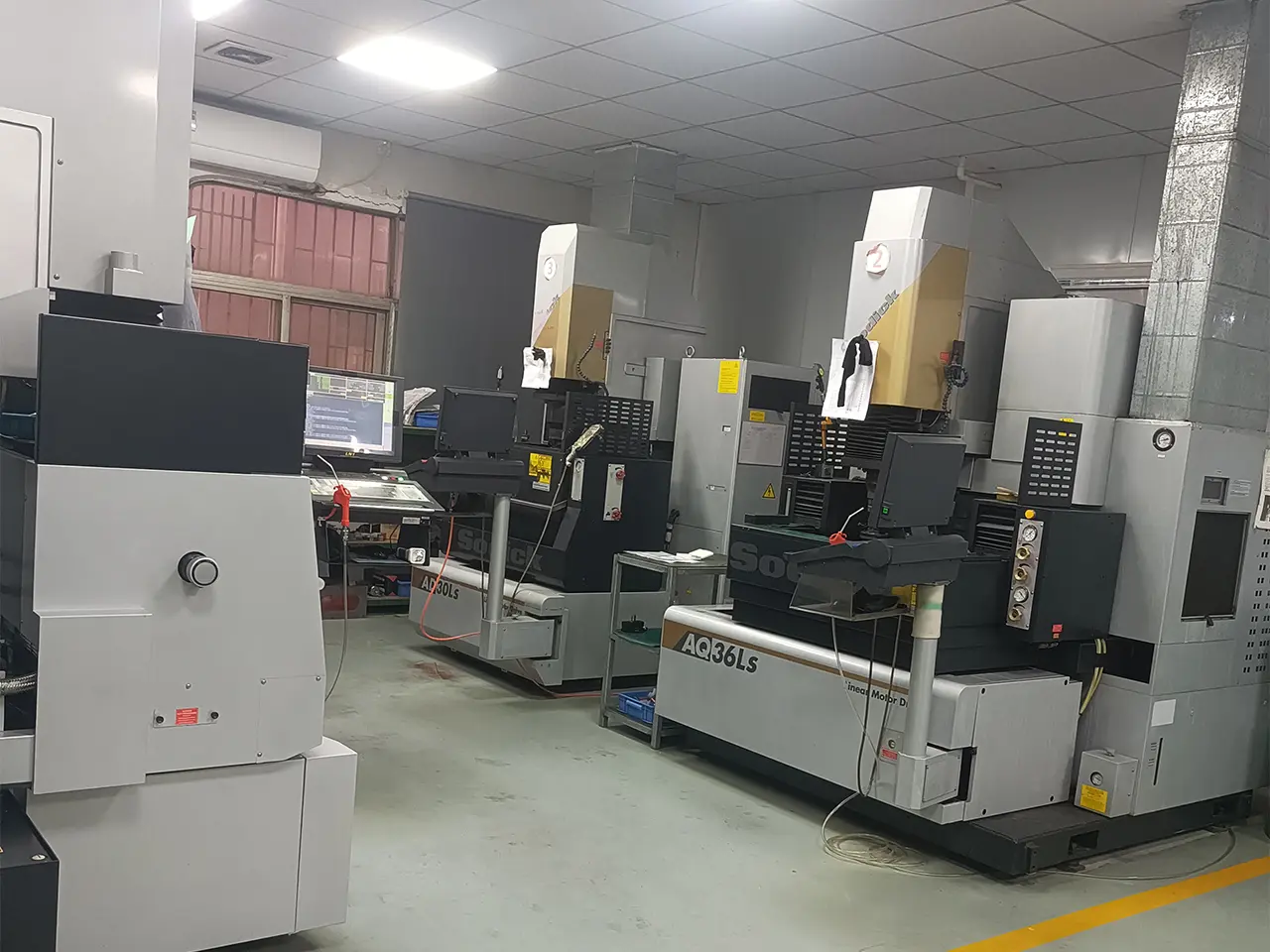
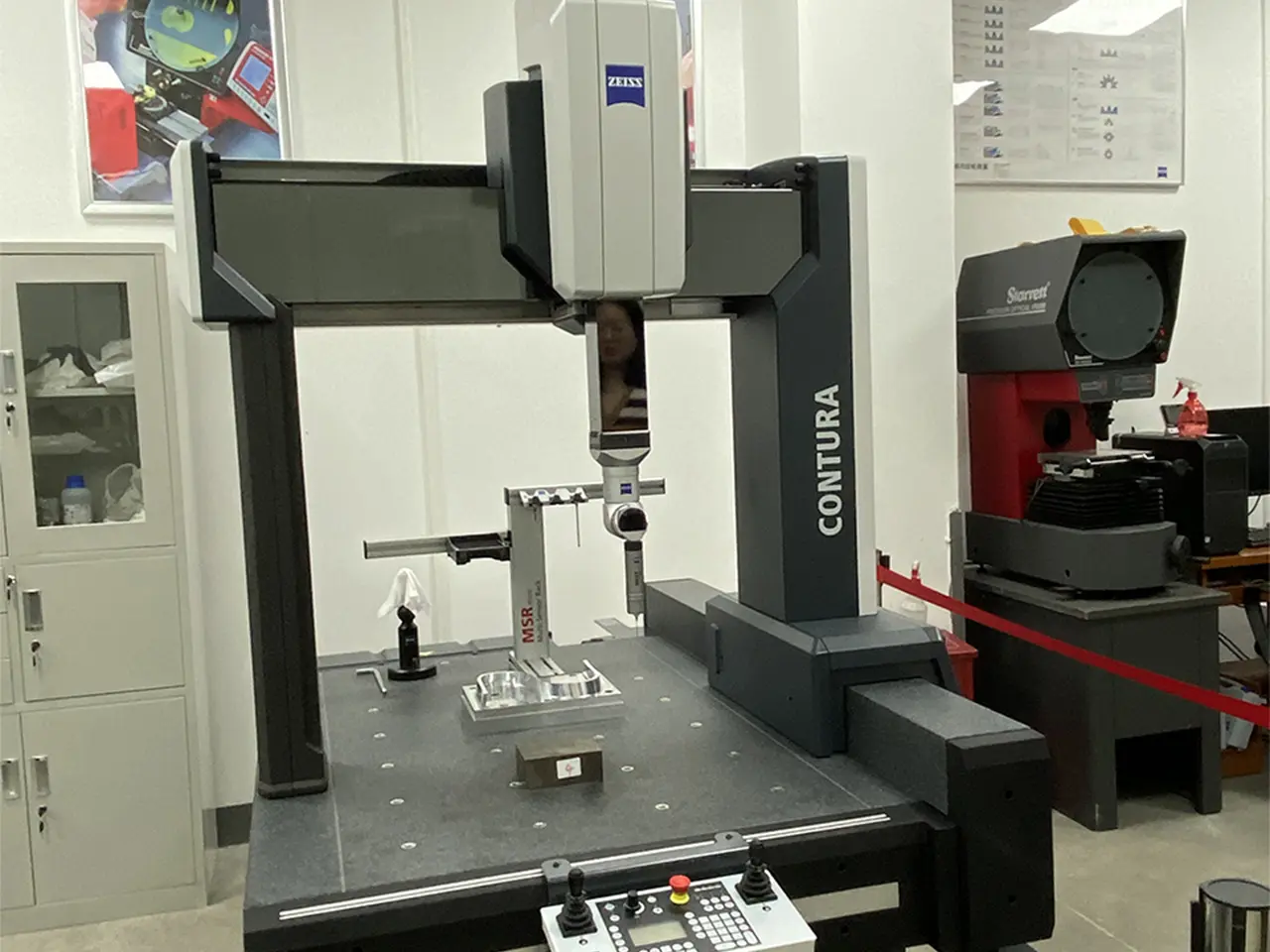
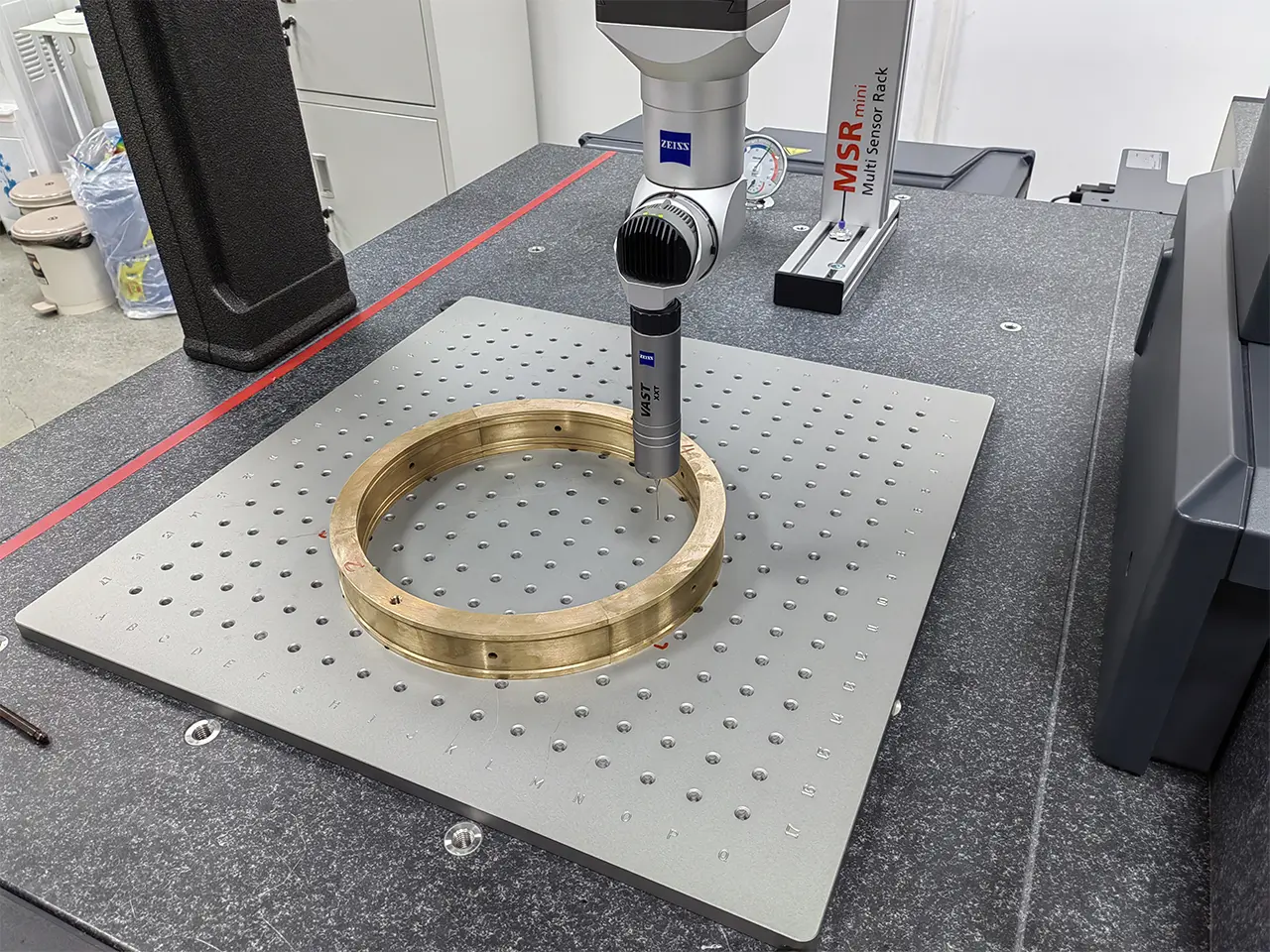
Quality is not simply a goal; it is the absolute foundation of our operations. Since our establishment in 2014, Dongguan SX Technology Co.,Ltd has continuously updated our testing protocols to comply with top-tier industrial demands, such as Japan's JIS Standards and global IATF 16949 automotive criteria.
Every single production batch undergoes a structured series of inspections:
In modern industrial sourcing, managing lead times, tooling setup costs, and smooth customs processes is just as important as the casting itself. Working as a key partner serving the Chubu region, Dongguan SX Technology Co.,Ltd has optimized our export systems to deliver seamless transit to the Port of Nagoya.
Before launching expensive hard tooling, we use 3D sand-printing and SLA wax patterns to generate physical prototypes. This allows Nagoya engineering teams to perform functional assembly tests without committing to tooling investments early. Once approved, our CNC-milled aluminum molds are designed for millions of injection cycles, keeping long-term piece-part costs low.
With ocean routes directly linking Shenzhen/Guangzhou ports to the Port of Nagoya, we offer flexible shipping options including FOB, CIF, and DDP (Delivered Duty Paid). By handling customs clearance paperwork, import duties, and local logistics, we deliver parts directly to your warehouse in Nagoya, Toyota City, or Komaki as smoothly as dealing with a domestic supplier.
Under ISO 9001 quality frameworks, every shipment includes a complete 3.1 EN10204 material certificate, detailing the chemical breakdown of the pour and its physical heat-treatment properties. All parts are laser-marked with batch numbers to ensure full supply chain transparency.
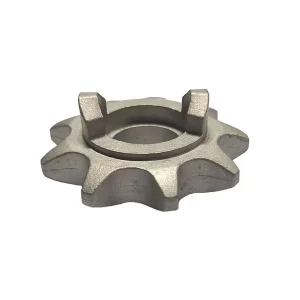
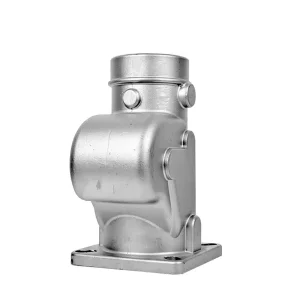
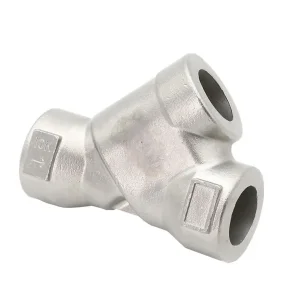
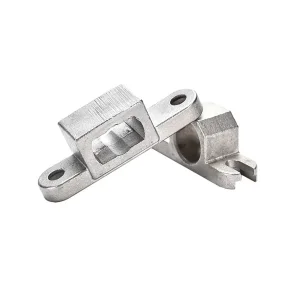
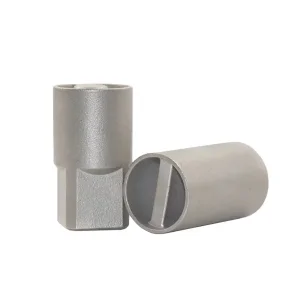
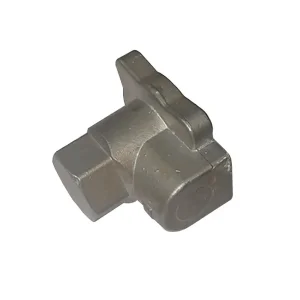
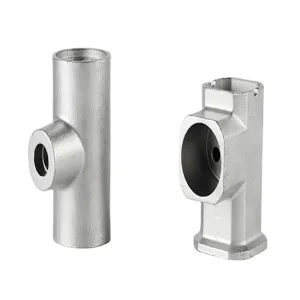
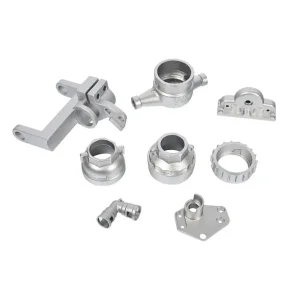
We work to the global standard ISO 8062-3 (Dimensional Casting Tolerance Grade - DCTG). By default, our investment castings hold tolerances of DCTG 4 to DCTG 6. When paired with our high-speed multi-axis CNC machines, we can regularly achieve tight linear tolerances down to ±0.005mm for precision-machined critical dimensions like bearing housings, thread engagement holes, and mating faces.
We avoid internal gas voids and shrinkage cavities by using advanced software to simulate the molten metal flow and cooling behavior before pouring. Additionally, we run Non-Destructive Testing (NDT), including Ultrasonic Testing (UT), Liquid Penetrant Inspection (LPI), and X-ray examination, to verify structural density on all parts destined for high-stress aerospace and automotive applications in Nagoya.
Typically, tooling fabrication and producing the initial physical samples (T1) takes between 15 to 25 days. Once the samples are approved by your quality team in Japan, mass production batches generally take 3 to 4 weeks, depending on volume and required post-processing (heat treatment, secondary CNC machining, chemical surface finishes).
Yes, we have deep experience working to Japanese Industrial Standards, including JIS G5111 (carbon steel castings for structural purposes), JIS G5121 (corrosion-resistant stainless steel castings), and JIS H5202 (aluminum alloy castings). Our material certificates show a clear comparison between the cast alloy's composition and the corresponding JIS material specifications.
Our engineering team offers comprehensive Design for Manufacturability (DFM) feedback on your CAD files. We analyze draft angles, wall thickness transitions, and gate placements to prevent defects. For early verification, we also provide low-cost CNC-machined prototypes or 3D-printed wax pattern castings before committing to permanent steel molds.
Send us your 2D drawings (PDF with tolerances) and 3D CAD files (.STEP, .IGS). Our metallurgy and engineering teams will reply with a detailed cost breakdown within 24 business hours.
 SX Machining