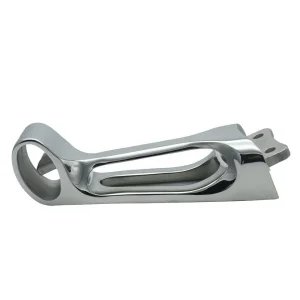
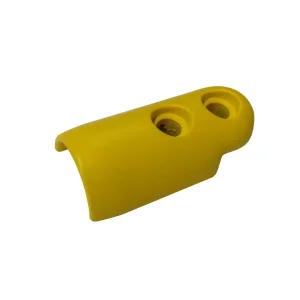
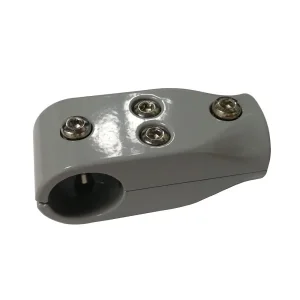
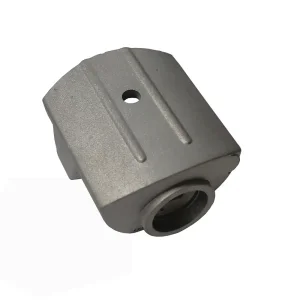
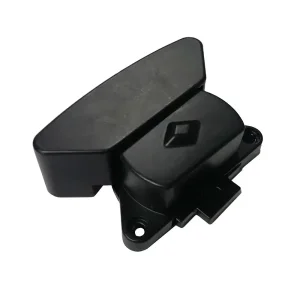
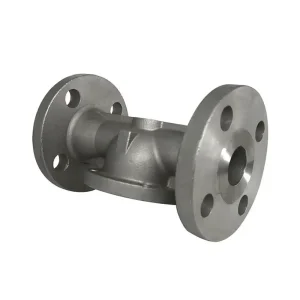
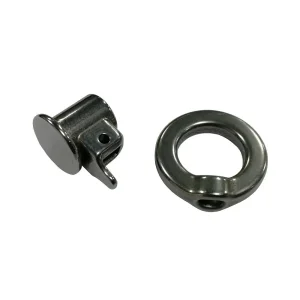
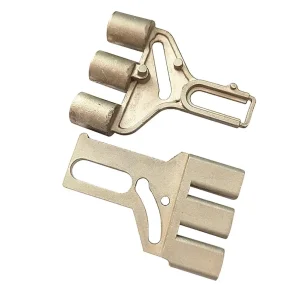
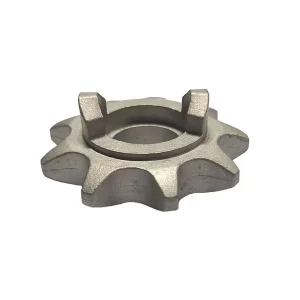
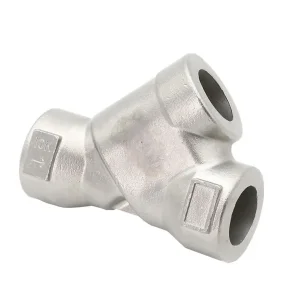
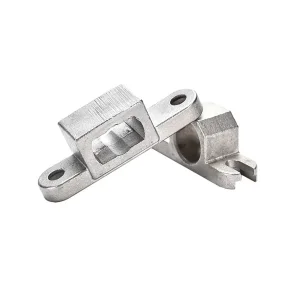
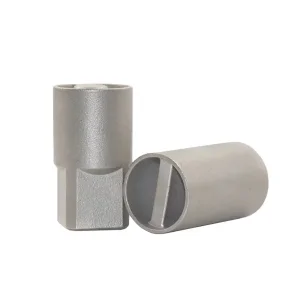
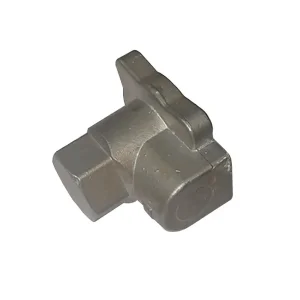
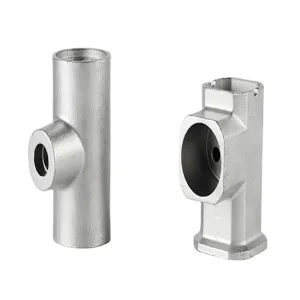
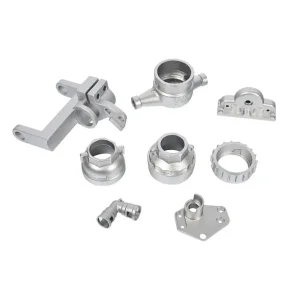
Advanced structural components custom-manufactured for leading industrial clients across Istanbul, Bursa, and Izmir.
As a critical transcontinental manufacturing bridge between Europe and Asia, Turkey has developed a massive automotive, aerospace, defense, and maritime manufacturing economy. The industrial hubs of Bursa, Kocaeli, Izmir, Ankara, and Istanbul require high-integrity cast components that can withstand extreme environments. From corrosion-resistant marine valves for shipyard installations along the Marmara Sea to lightweight, structural cast alloys for commercial vehicles, the standard of quality demanded by Turkish buyers is uncompromising.
Historically, finding domestic Turkish casting suppliers capable of balancing ultra-fine dimensional tolerances with high mechanical properties and scale cost-efficiency has been a challenge. By partnering with leading Chinese investment casting manufacturers like Dongguan SX Technology Co.,Ltd, Turkish companies gain access to superior silica sol wax casting technologies, extensive material grades, and state-of-the-art CNC secondary machining capabilities that integrate seamlessly into their local supply chains.
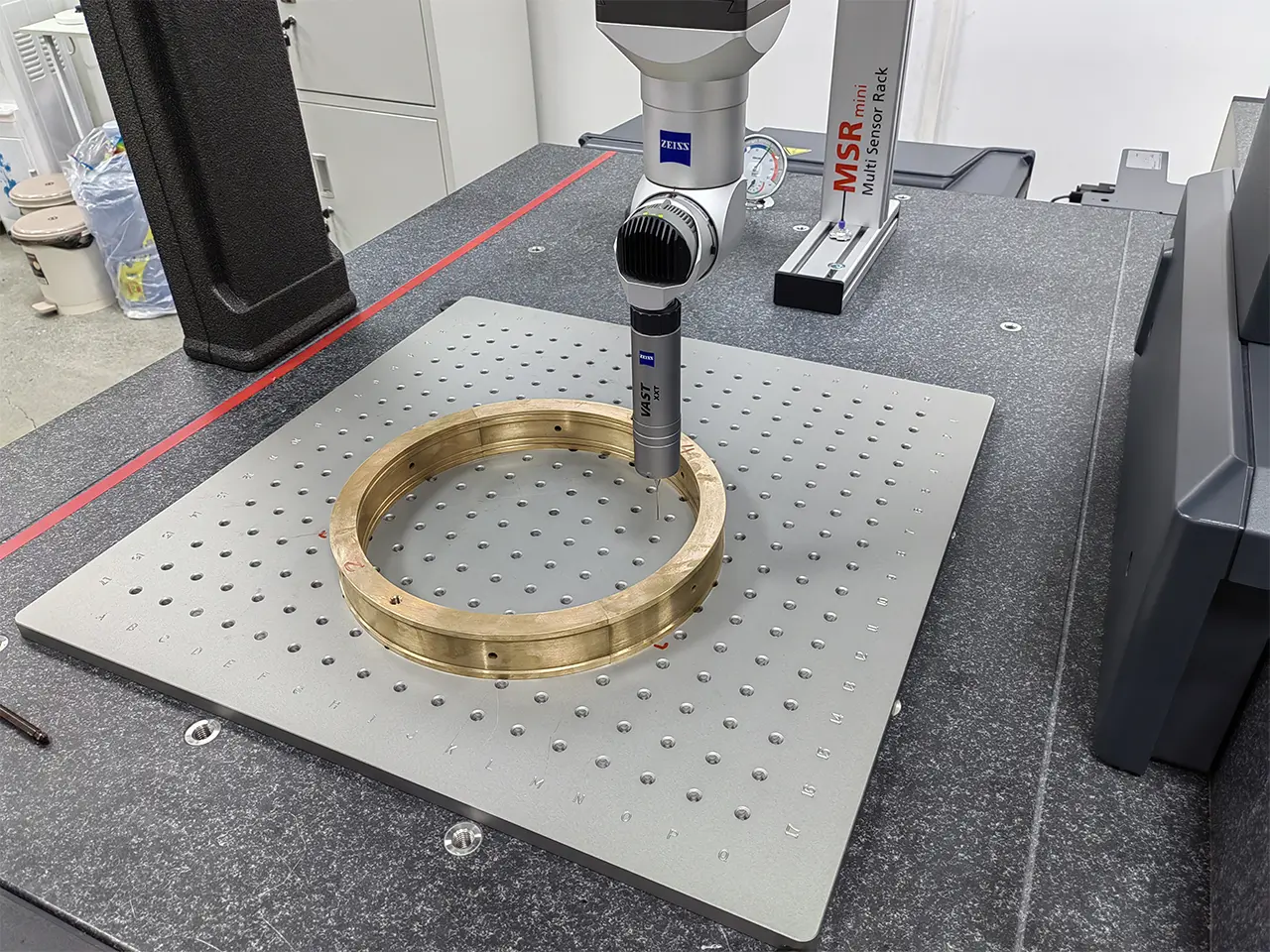
Dongguan SX Technology Co.,Ltd has very rich experience in precision casting, CNC machining, and assembly. Our products are used in machinery, automobiles, marine, ships, equipment, valves and pumps, electronic appliances, packaging, watches, construction, chemical industry, and other industries. The most commonly used materials for investment casting are stainless steel and carbon steel. And the most commonly used materials for CNC machining include titanium alloy, stainless steel, carbon steel, aluminum alloy, copper alloy, cemented carbide, etc.
Since our inception in 2014, we have established advanced manufacturing equipment and technology, allowing us to respond quickly to your engineering requirements. For our clients in the Turkish market, we provide direct export lines and comprehensive customs documentation to ensure trouble-free integration into Turkey's customs union.
Engineered for high stress and demanding environmental applications in key Turkish industrial zones.
Understanding the dimensional, structural, and material advantages of advanced silica sol casting over standard methods.
In the Turkish precision casting sector, procurement specialists frequently weigh the differences between domestic foundry capabilities, local water glass casting options, and high-tier international silica sol casting imports from China. To provide clear information gain, the following table details how SX Technology's silica sol process outperforms traditional foundry outputs:
| Feature / Parameter | SX Silica Sol Casting (China) | Water Glass Casting (Common) | Typical Sand Casting |
|---|---|---|---|
| Dimensional Tolerance | ISO 8062-3 DCTG4 - DCTG6 (Highly precise, minimum post-machining) | ISO 8062-3 DCTG7 - DCTG9 | ISO 8062-3 DCTG10 - DCTG13 (Heavy machining required) |
| Surface Finish (Ra) | 3.2μm to 6.3μm (Smooth, low friction, aesthetic) | 6.3μm to 12.5μm | 12.5μm to 50μm (Rough surface) |
| Material Choice | Titanium, Stainless Steel (304, 316, Duplex), Superalloys, Carbon Steel | Primarily Carbon Steel & Low Alloy Steels | Iron, Bronze, and heavy section Carbon Steels |
| Minimum Wall Thickness | 1.5 mm (Optimal for lightweighting in electric vehicles) | 3.0 mm | > 6.0 mm |
| Key Application Hub | Bursa Automotive, Izmir Defense, Tuzla Valve & Shipyards | Agricultural Implement Hardware | Heavy Industrial Gearboxes and Mining Bases |
Direct view into our factory floor and inspection lines. Strict verification controls guarantee zero-defect parts shipment.
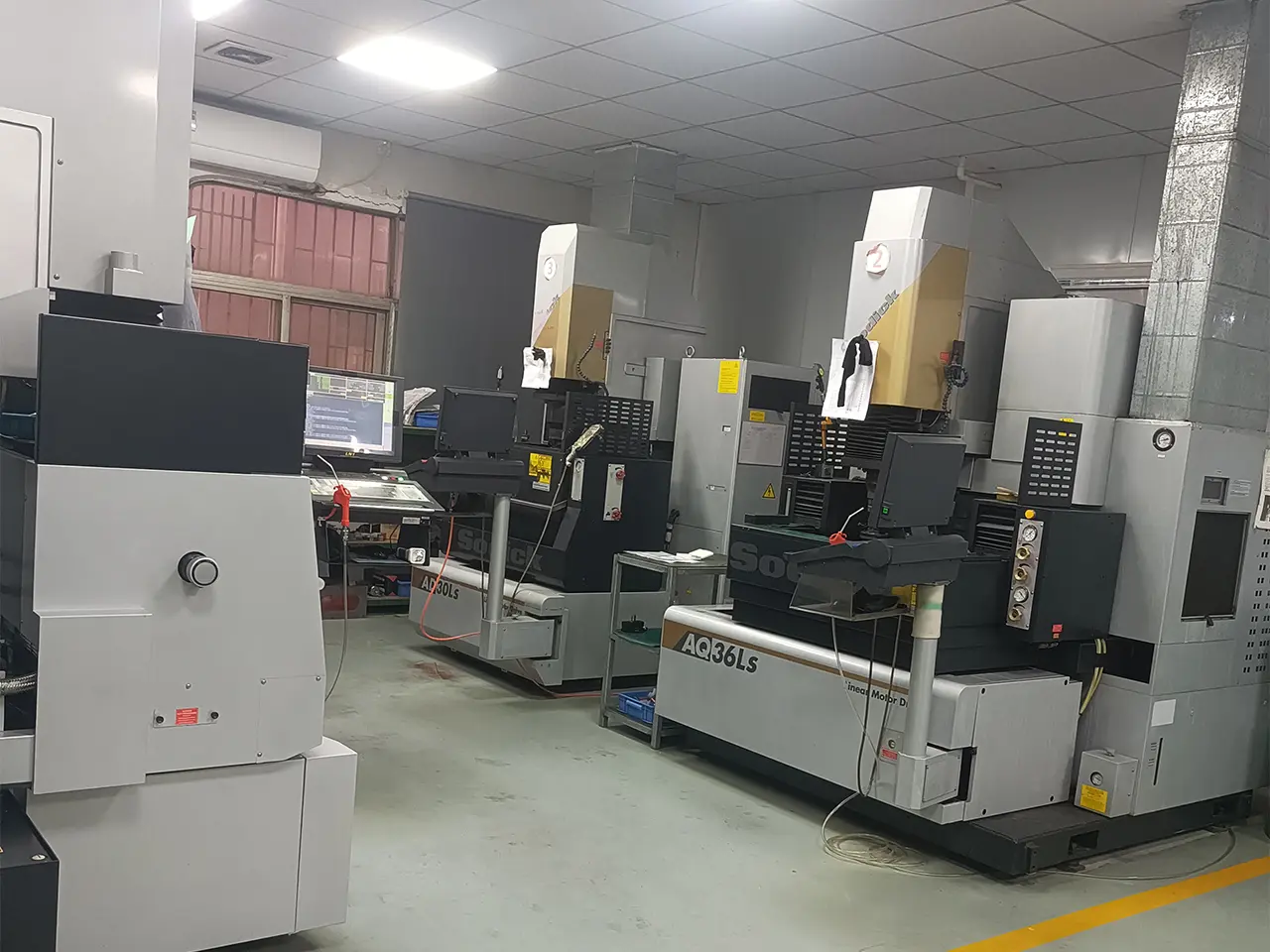
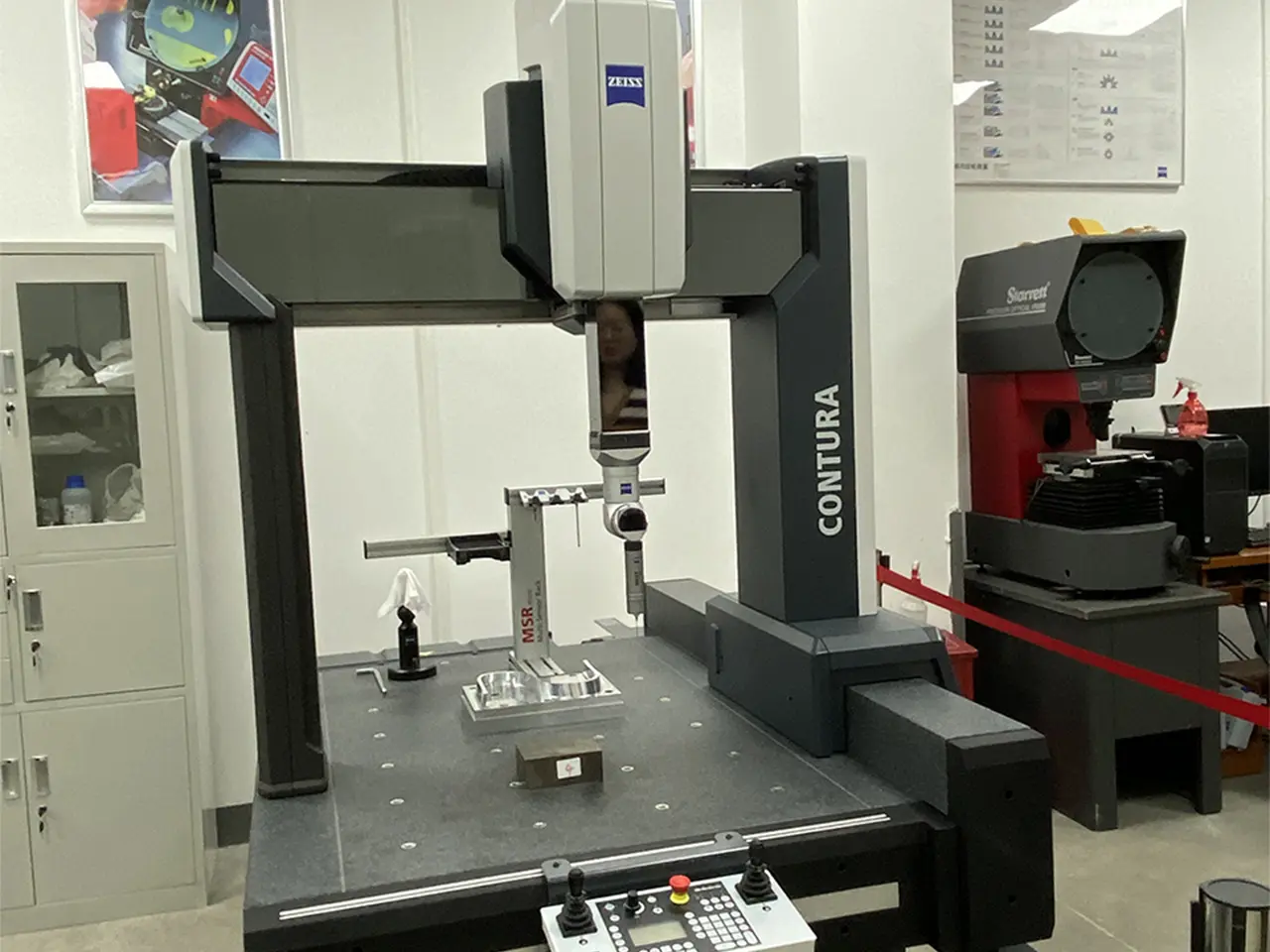
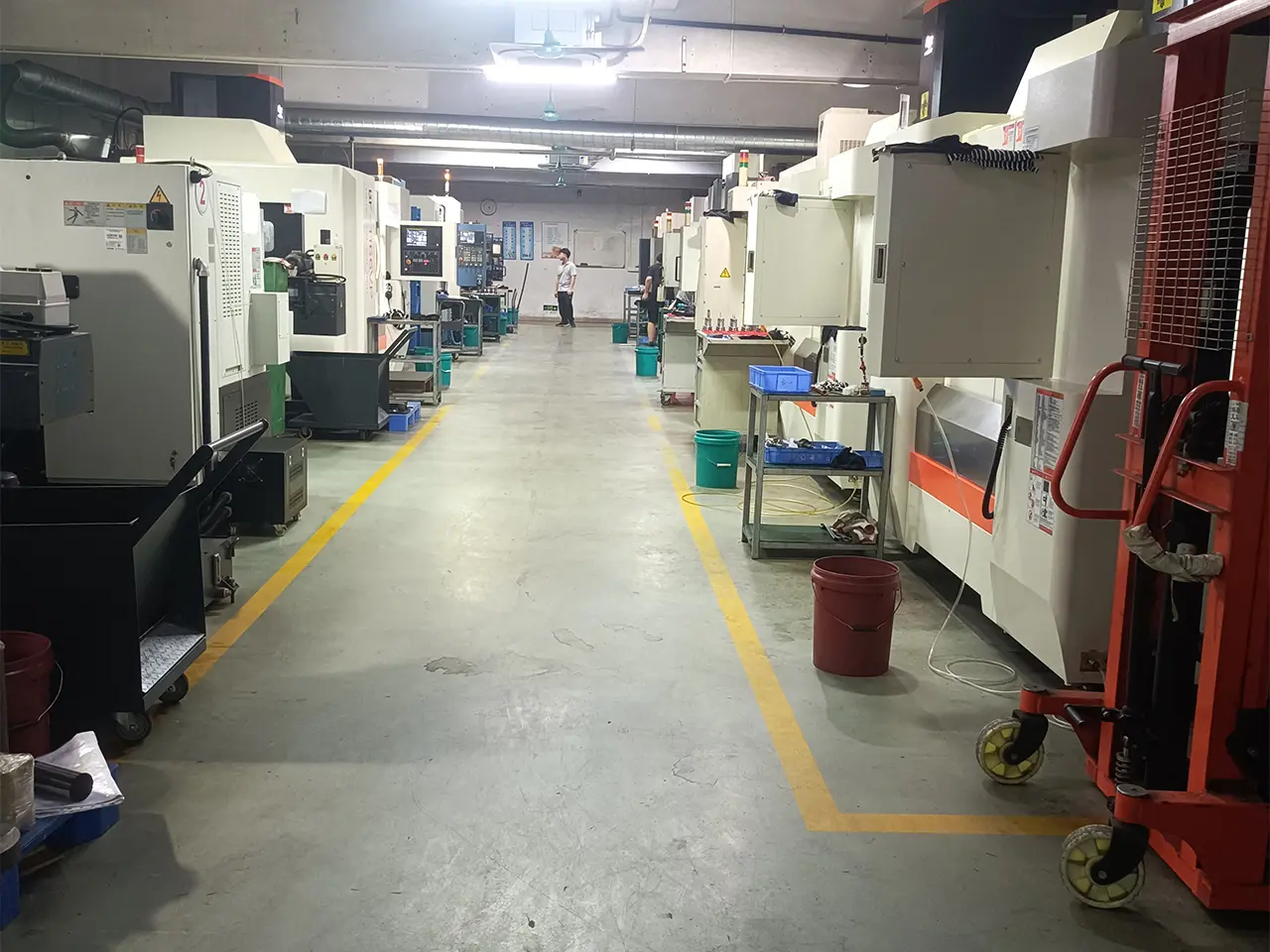
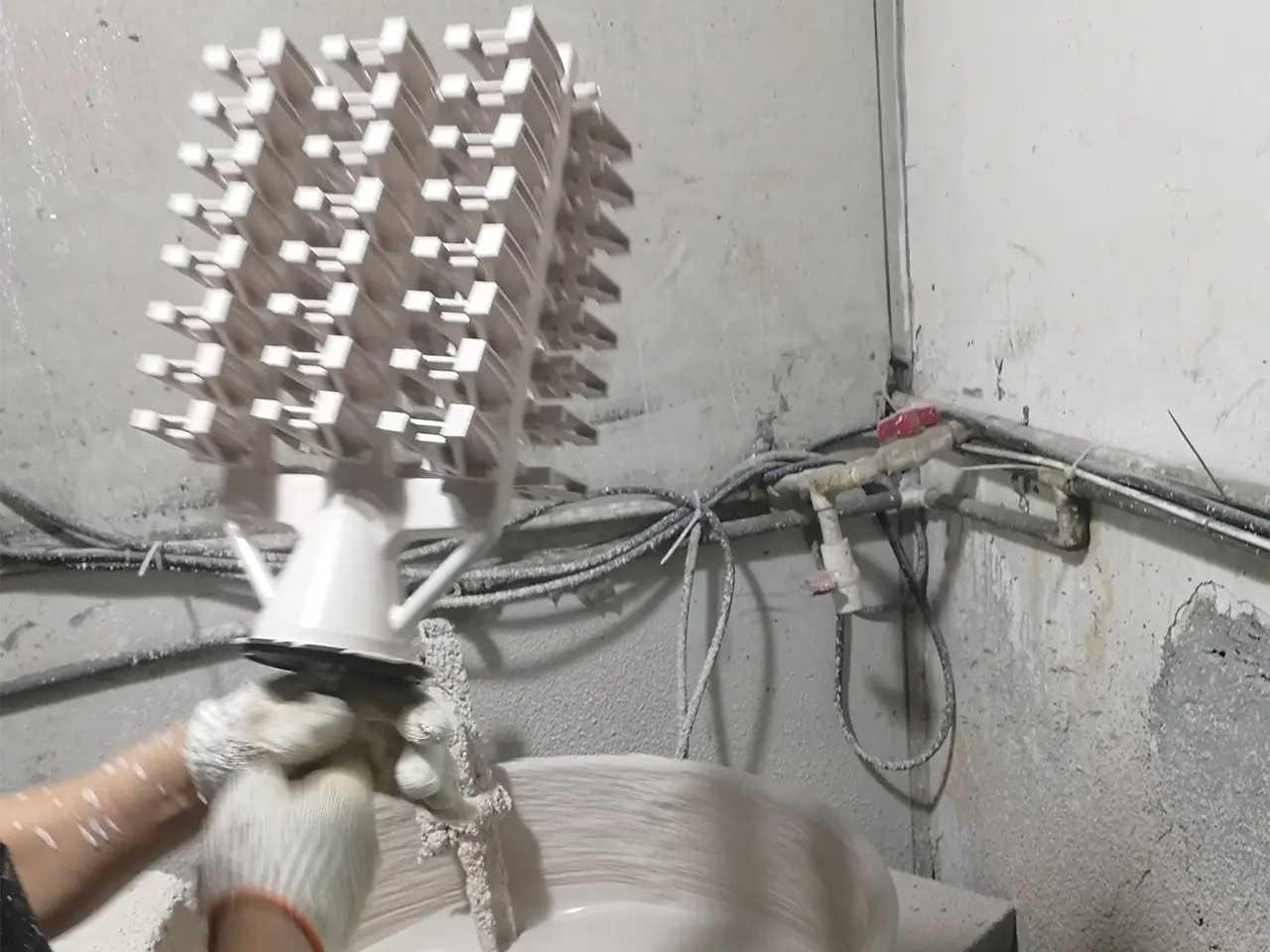
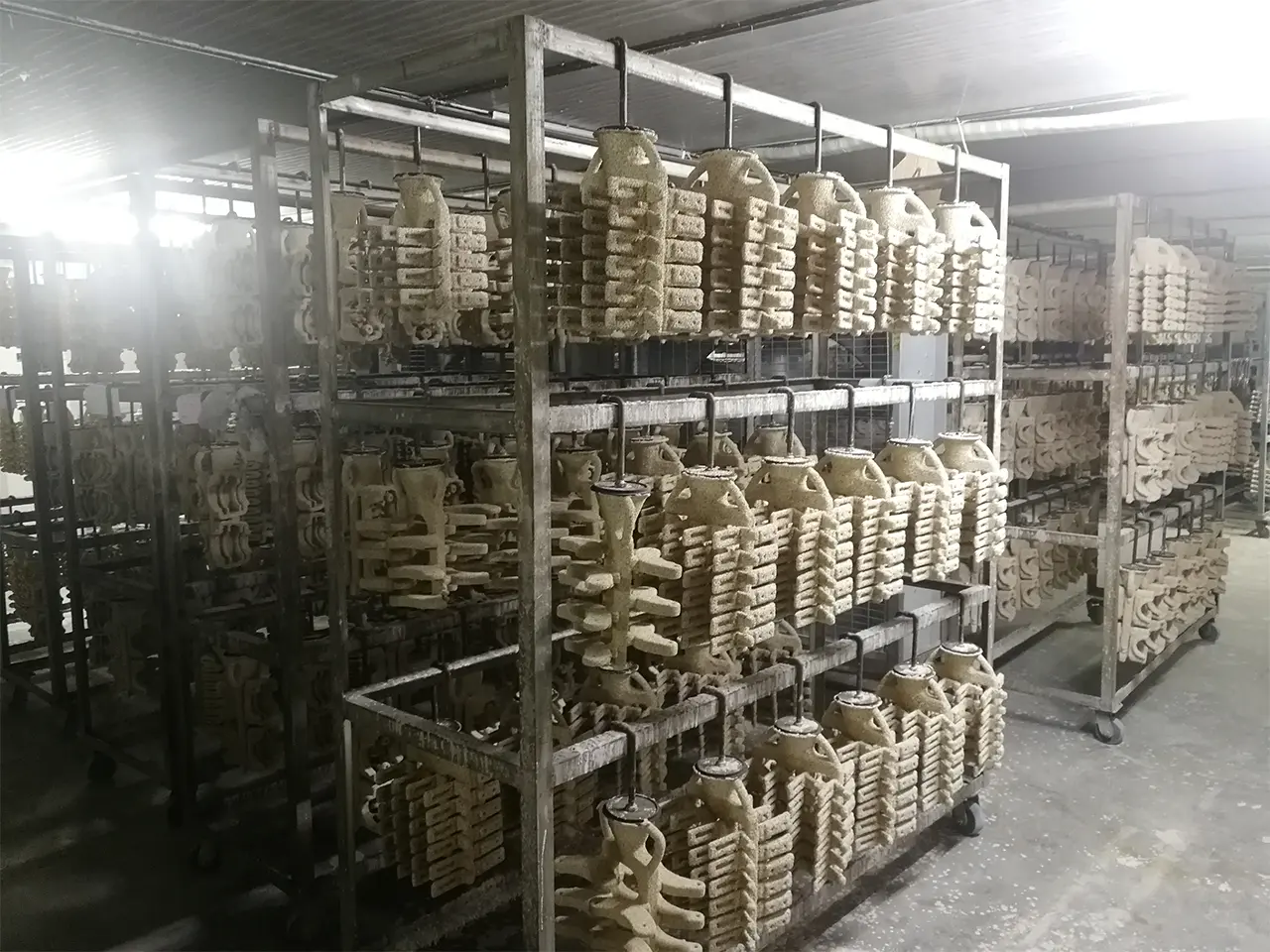
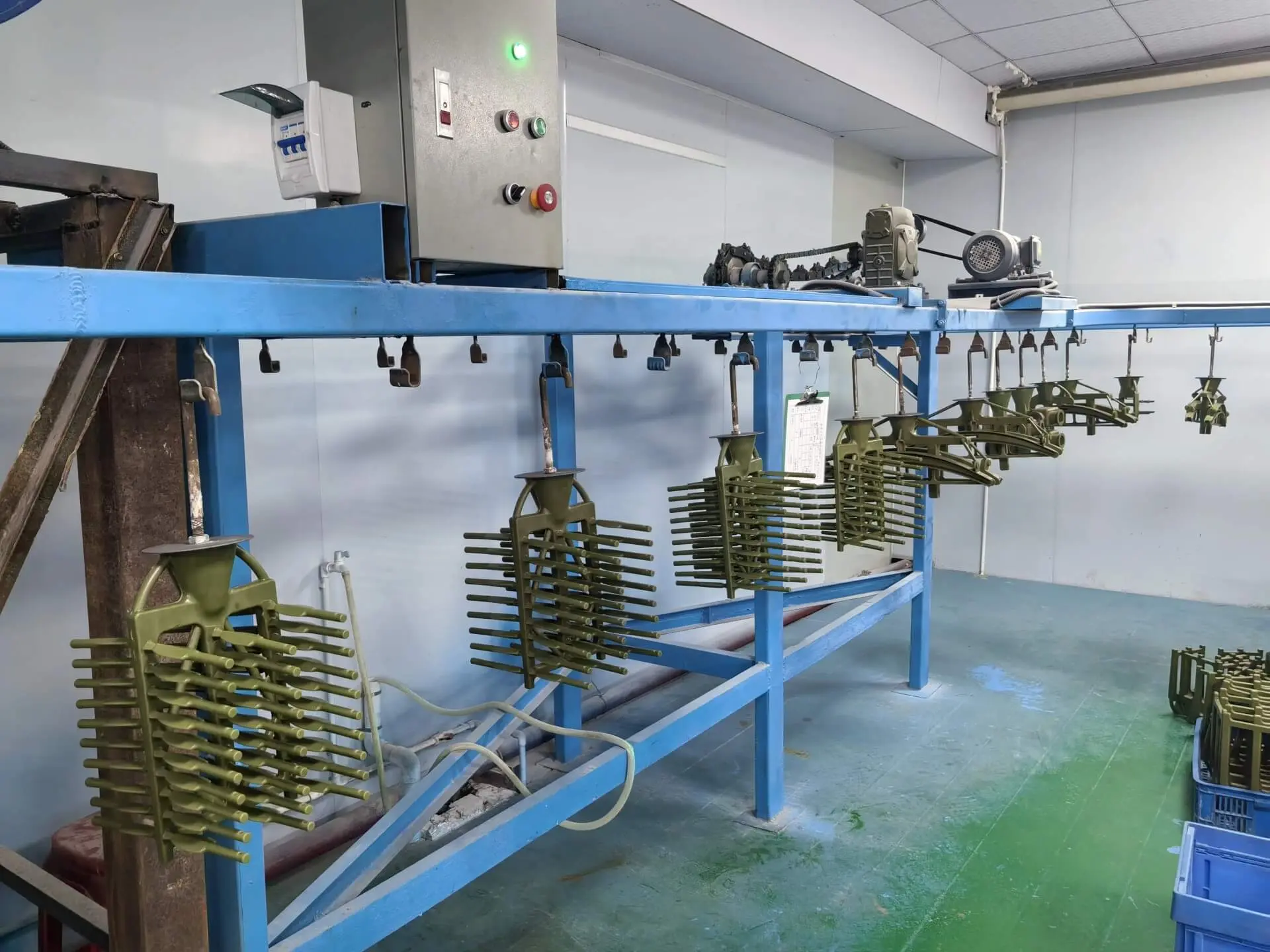
We have professional testing equipment and professional QC personnel, and we adhere to strict tolerances and quality standards for the products we produce. Due to our insistence on strict quality requirements, we have been praised by many customers globally, particularly in demanding markets like the EU and Turkey.
Quality is the cornerstone of the manufacturing industry. We firmly believe that only by controlling quality well can we survive, develop, and get better and better. Therefore, we have been working in this industry unremittingly since 2014 and continue to improve the company's team and improve the company's production capacity to serve customers' evolving procurement standards.
Our quality verification processes include Spectrometer Analysis for chemical composition, Tensile Strength Testing for physical integrity, CMM Dimensional Inspections for precise geometries, and Ultrasonic/Dye Penetrant Testing to ensure zero internal porosity.
High-integrity alloy steel and carbon steel cast parts built for Turkish machinery exporters, maritime fleets, and industrial distributors.
Navigating cross-border logistics is a critical step in the procurement process for Turkish companies. At Dongguan SX Technology Co.,Ltd, we provide comprehensive logistical support, handling ocean freight shipments from major Chinese ports (such as Shenzhen and Guangzhou) directly to Turkish ports, including Ambarli (Istanbul), Gebze, Aliaga (Izmir), and Mersin.
We supply all necessary regulatory customs documents, including the Bill of Lading, Certificate of Origin, Detailed Packing List, Commercial Invoice, and chemical/physical test certificates (MTR). We ensure compliance with Turkish import tariffs and offer support for custom HS Code classifications to speed up clearings through Turkish customs checkpoints.
We understand that lead times, material validation, and post-casting CNC machining are crucial for Turkish manufacturers. Shixin offers a complete single-source manufacturing model. Rather than receiving raw castings that require separate machining and finishing facilities, we deliver fully finished, drop-in components.
Whether you require complex geometry, special surface textures, or tight tolerance fits, our state-of-the-art multi-axis CNC centers machine the castings down to precise parameters. This eliminates the risk of defects, simplifies your supply chain, and lowers your total cost of ownership.
Addressing core technical questions from Turkish engineers, procurement managers, and quality directors.
 SX Machining