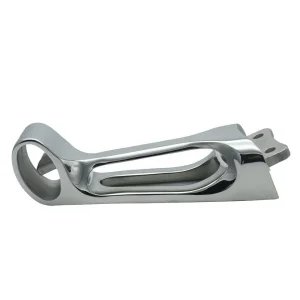
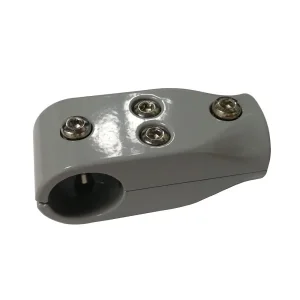
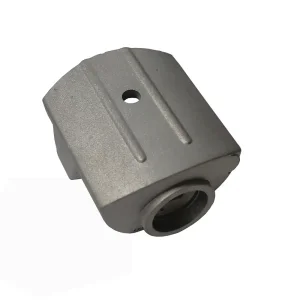
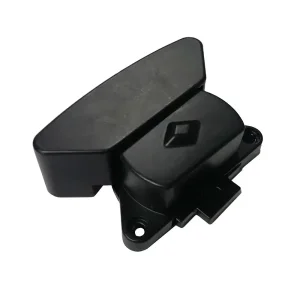
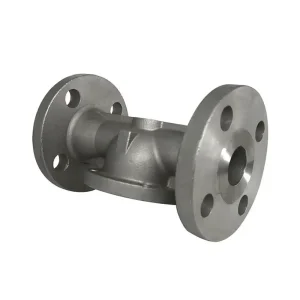
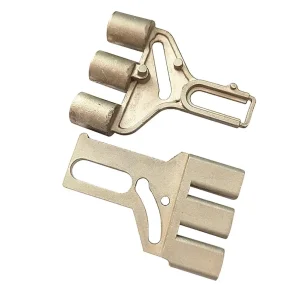
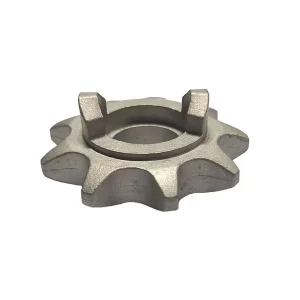
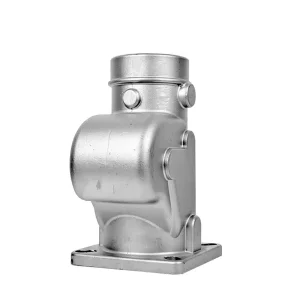
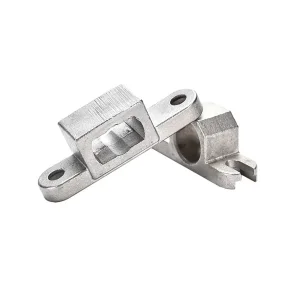
High-precision custom investment casting solutions designed to replace complex multi-part weldments and reduce production cycle times.
Standard Linear Tolerance
As-Cast Surface Finish (um)
Spectrograph Chemical Analysis
Certified Foundry Standards
Boston and the broader New England region serve as premier global incubators for biomedical innovation, robotics engineering, marine defense systems, and clean energy transition. The high-performance hardware used in Route 128’s technology corridor and the Boston Harbor maritime sectors requires unmatched physical integrity, exact dimension profiles, and deep metallurgical consistency.
From complex sub-sea housings for deep-sea mapping instrumentation to micro-engineered component configurations for surgical robotic manipulators, typical sand castings fall short. This is where precision investment casting (lost wax casting) becomes the critical baseline, providing structural uniformity without the costly and time-consuming overheads associated with machining solid billets of exotic alloys.
"New England's stringent R&D parameters demand casting partners that act as co-designers, assuring parts satisfy military-grade, medical-grade, and marine specifications."
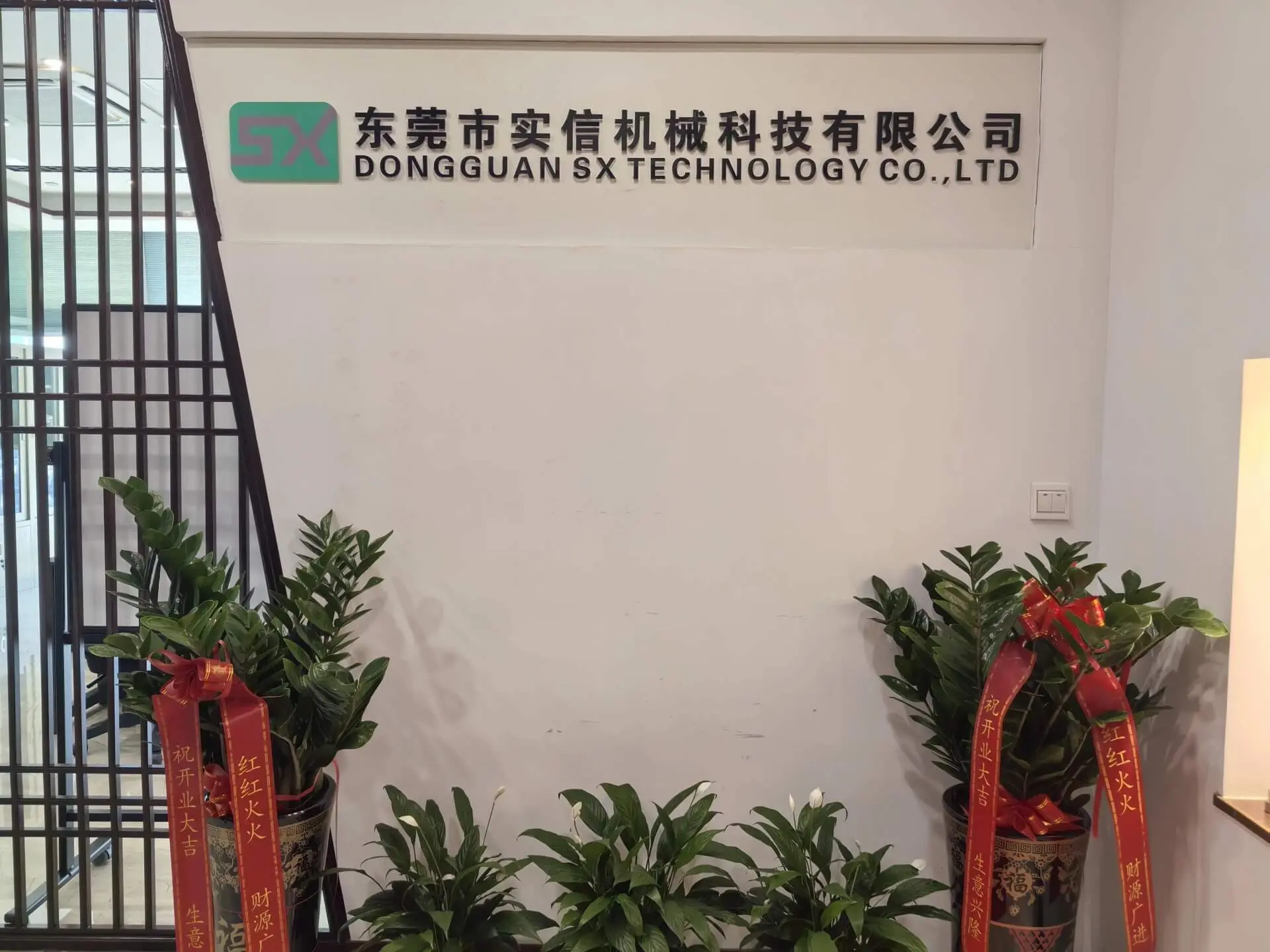
Bridging Chinese manufacturing efficiency with stringent North American engineering specifications.
Founded in 2014, Dongguan SX Technology Co.,Ltd is a premier manufacturer specializing in precision investment casting (lost wax processes), high-speed multi-axis CNC machining, and complex component assembly services. We deliver high-integrity metal products built to satisfy the extreme demands of various heavy-duty sectors including chemical processing, transit components, robotic motion controls, valve bodies, and harsh offshore marine environments.
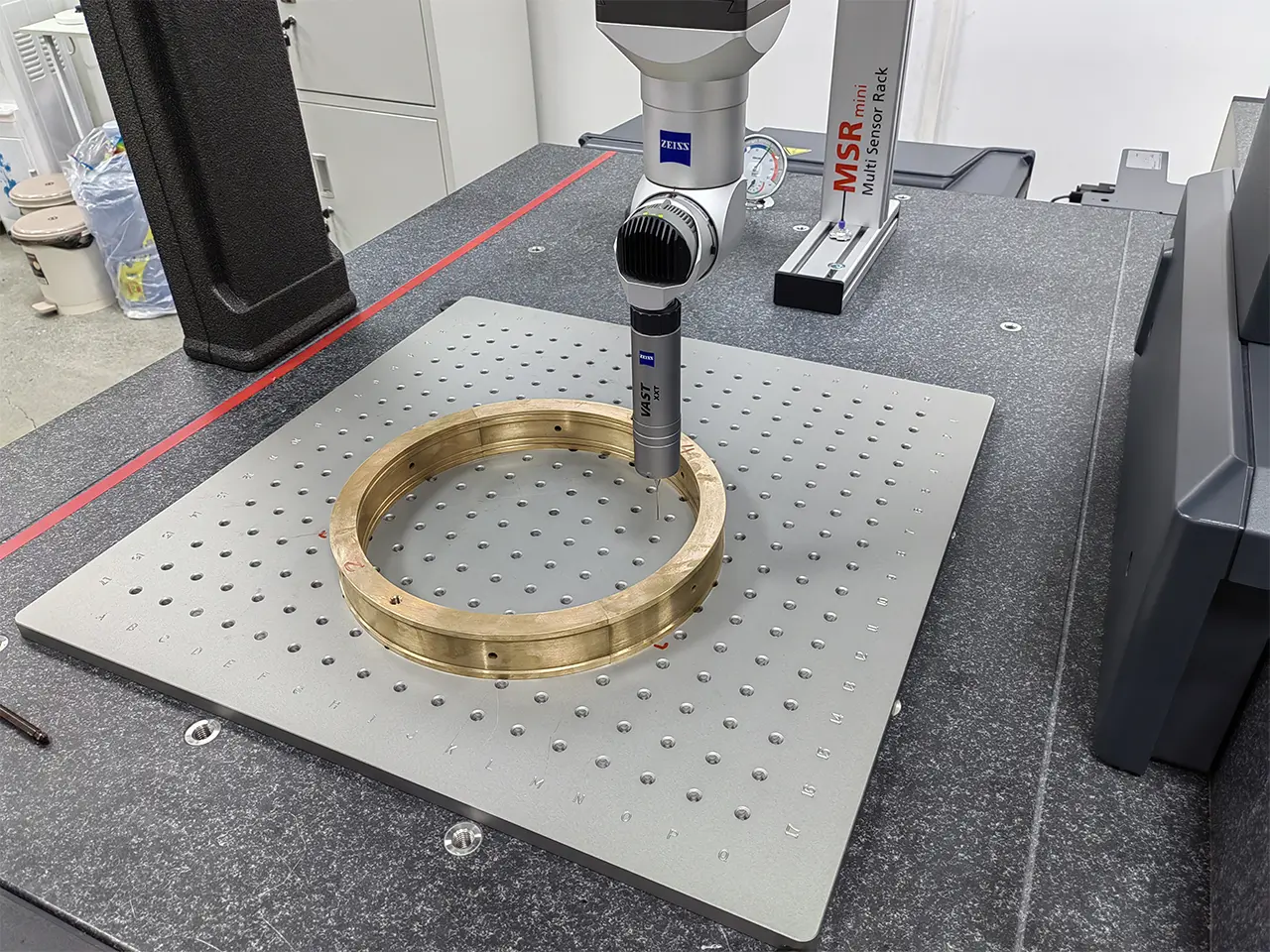
We work predominantly with durable materials. Our foundry pours a comprehensive catalog of stainless steels (SS304, SS316, 17-4 PH, duplex configurations) and carbon steels (WCB, LCC, high-tensile structural grades). Additionally, our state-of-the-art CNC facility post-processes castings to tight tolerances and handles high-value materials like Titanium alloys, aerospace Al-alloys, copper matrices, and cobalt superalloys.
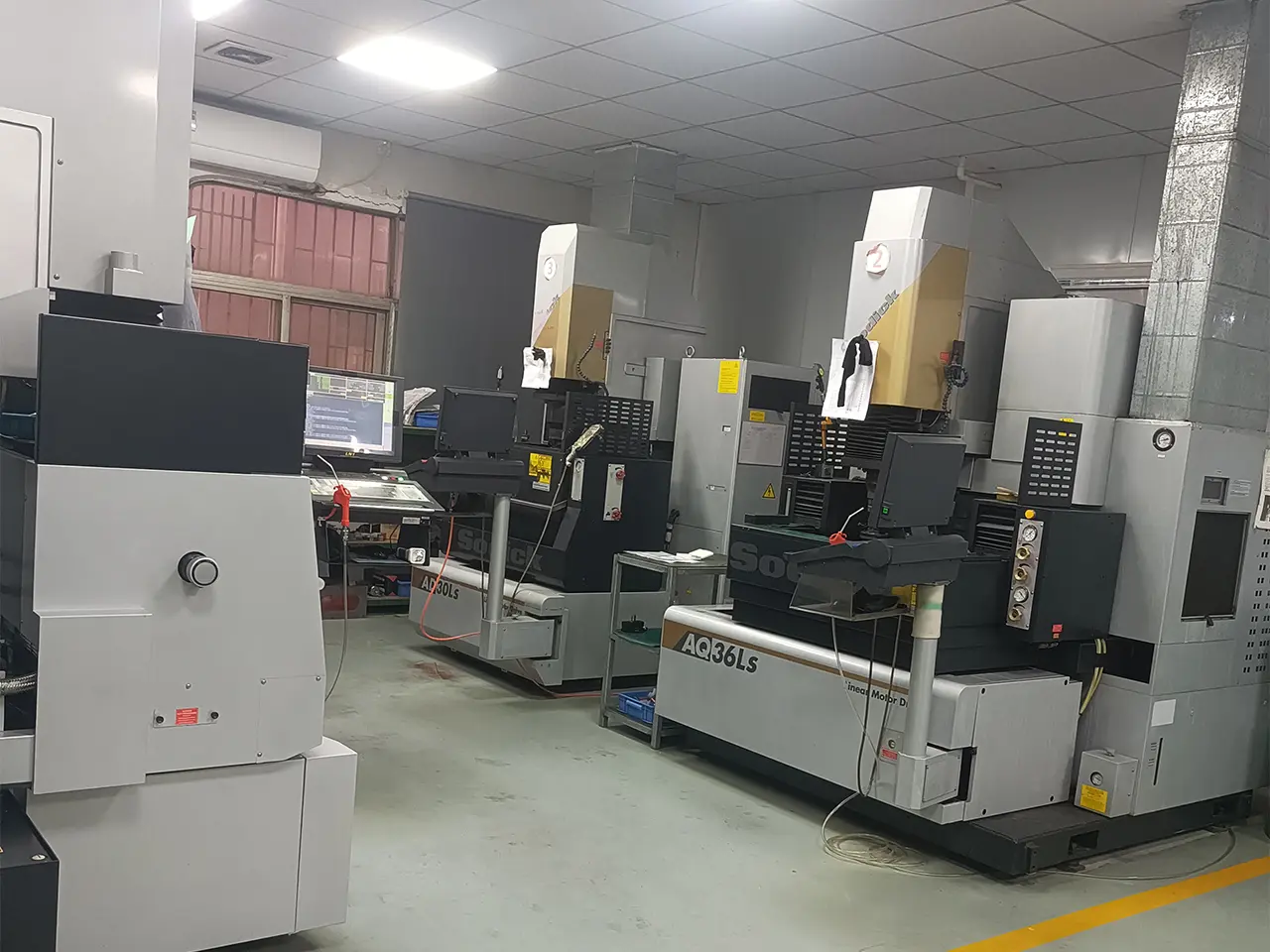
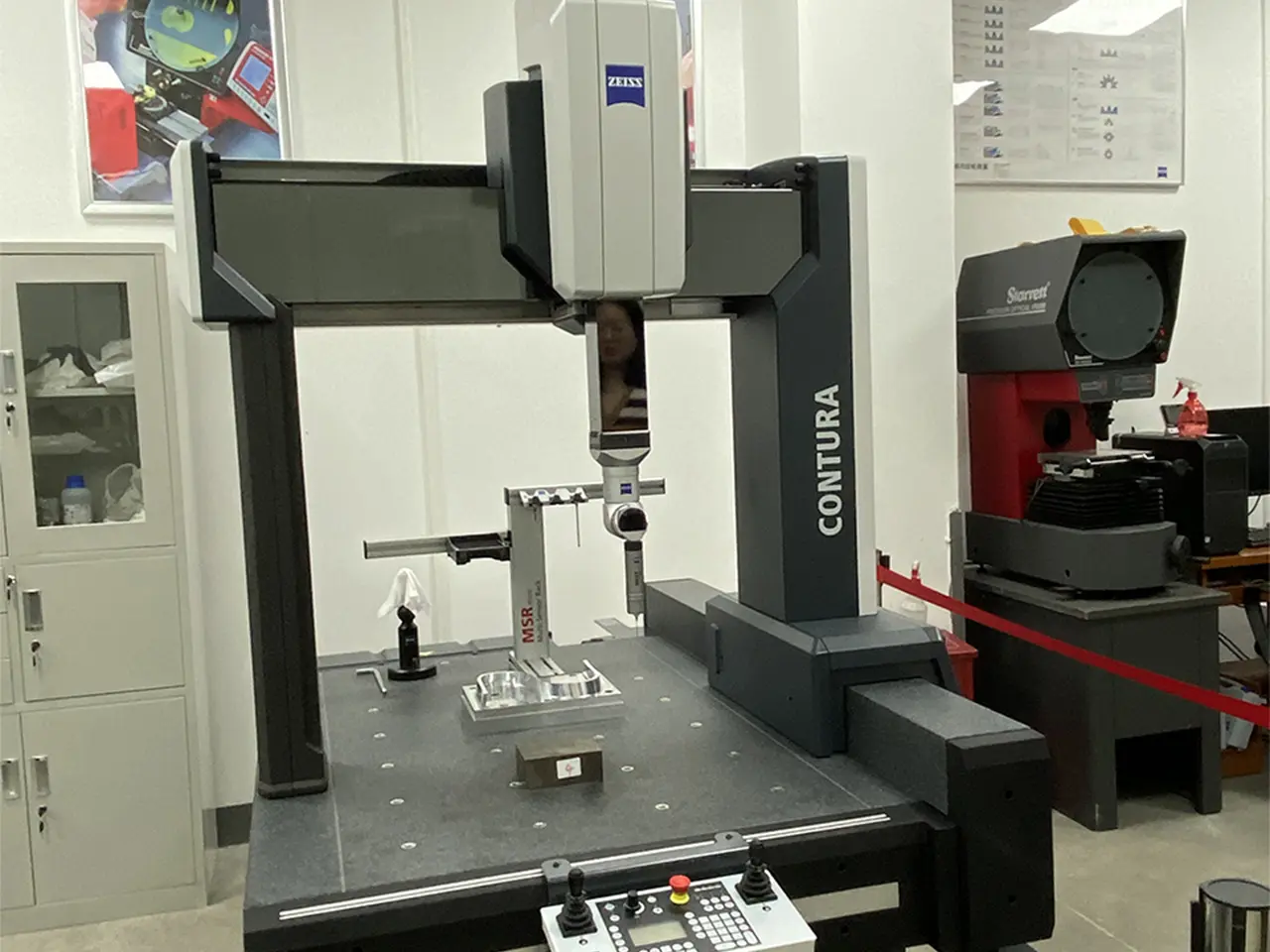
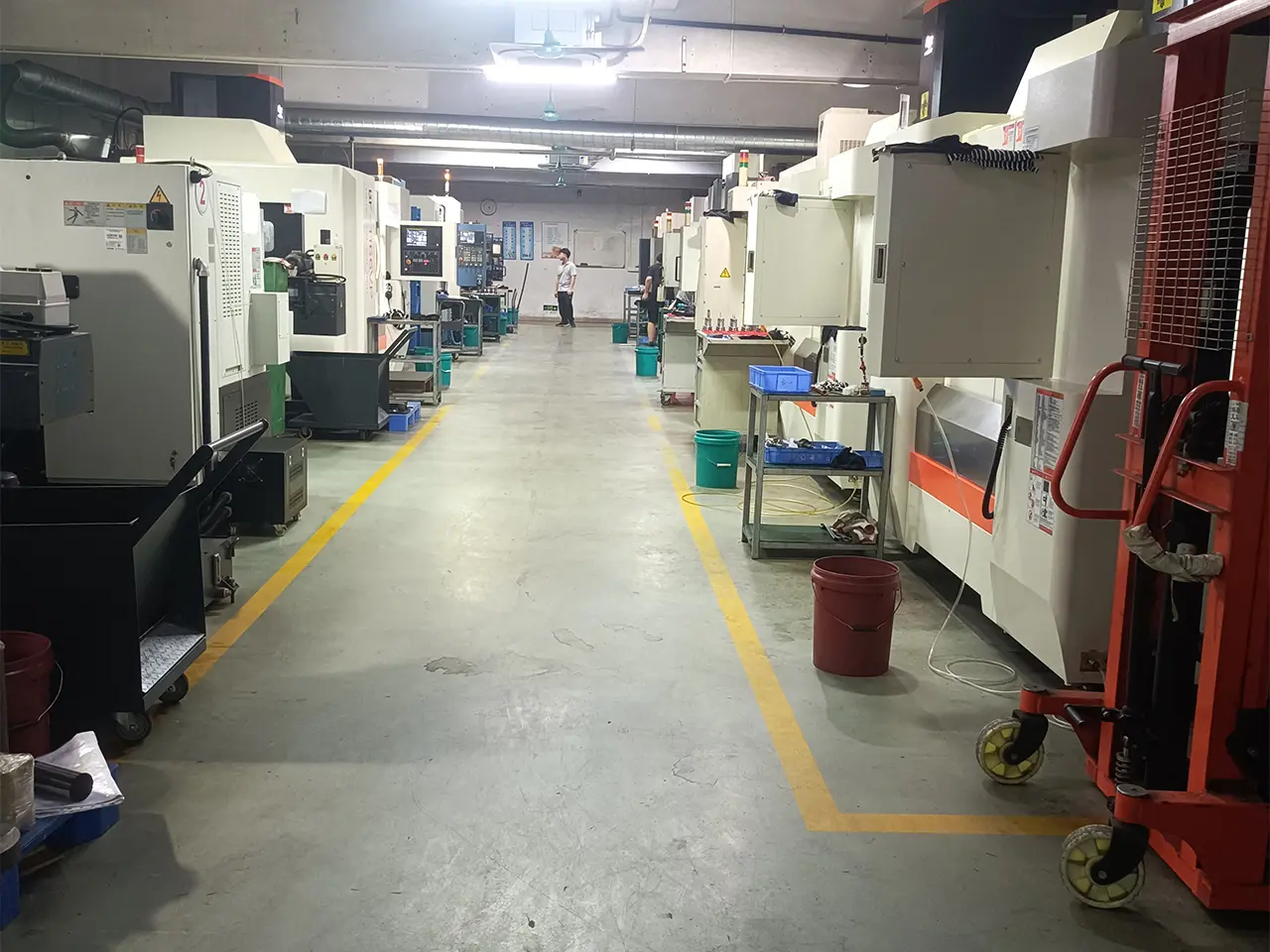
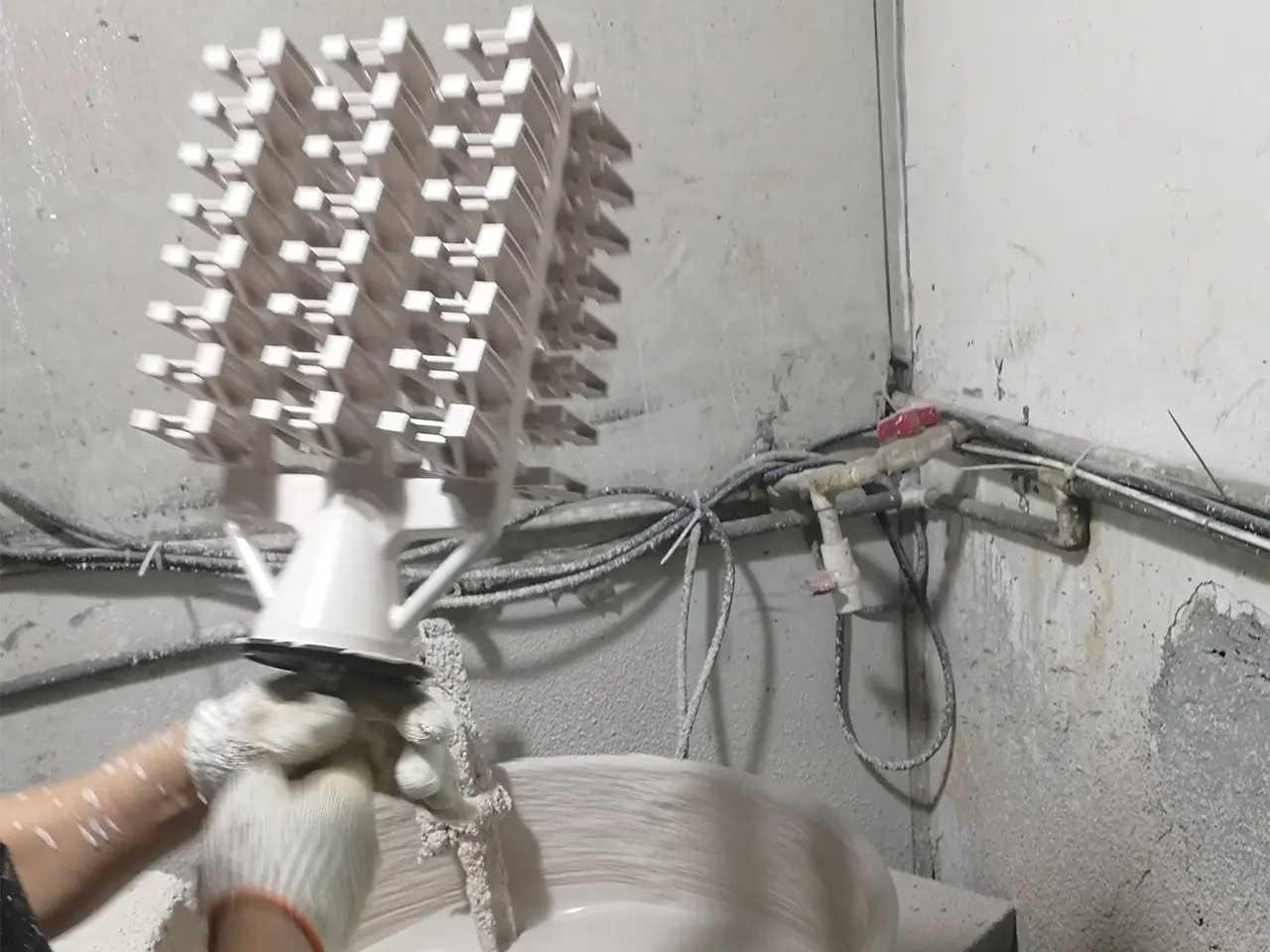
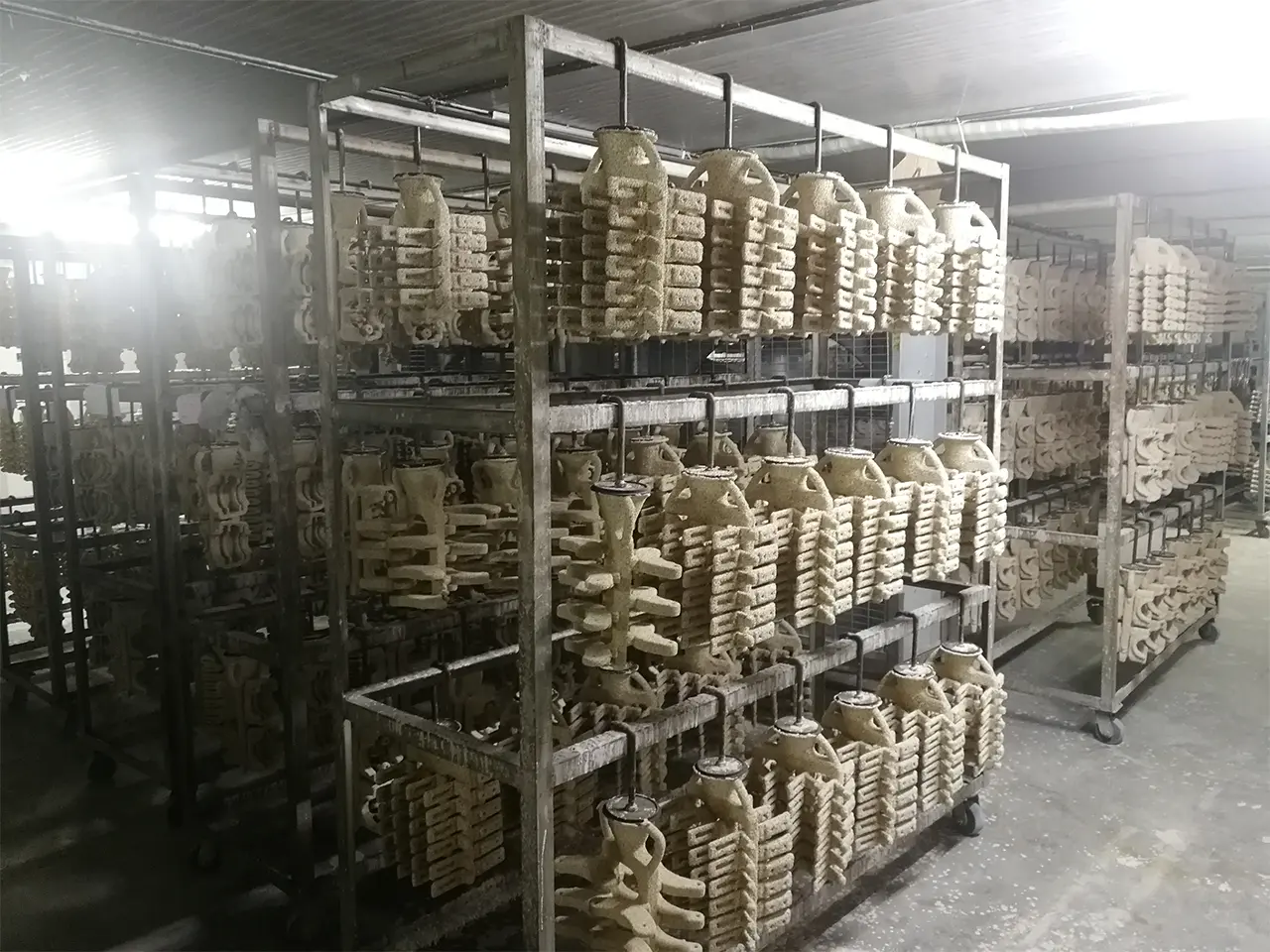
Global logistics demand more than simple transaction structures. With rising fuel pricing, domestic capacity constraints, and strict launch timelines, Boston industrial OEMs need manufacturing partners capable of balancing cost parameters with technical capabilities. Dongguan SX Technology bridges this gap through localized customer support and high-speed digital integration at our China foundry center.
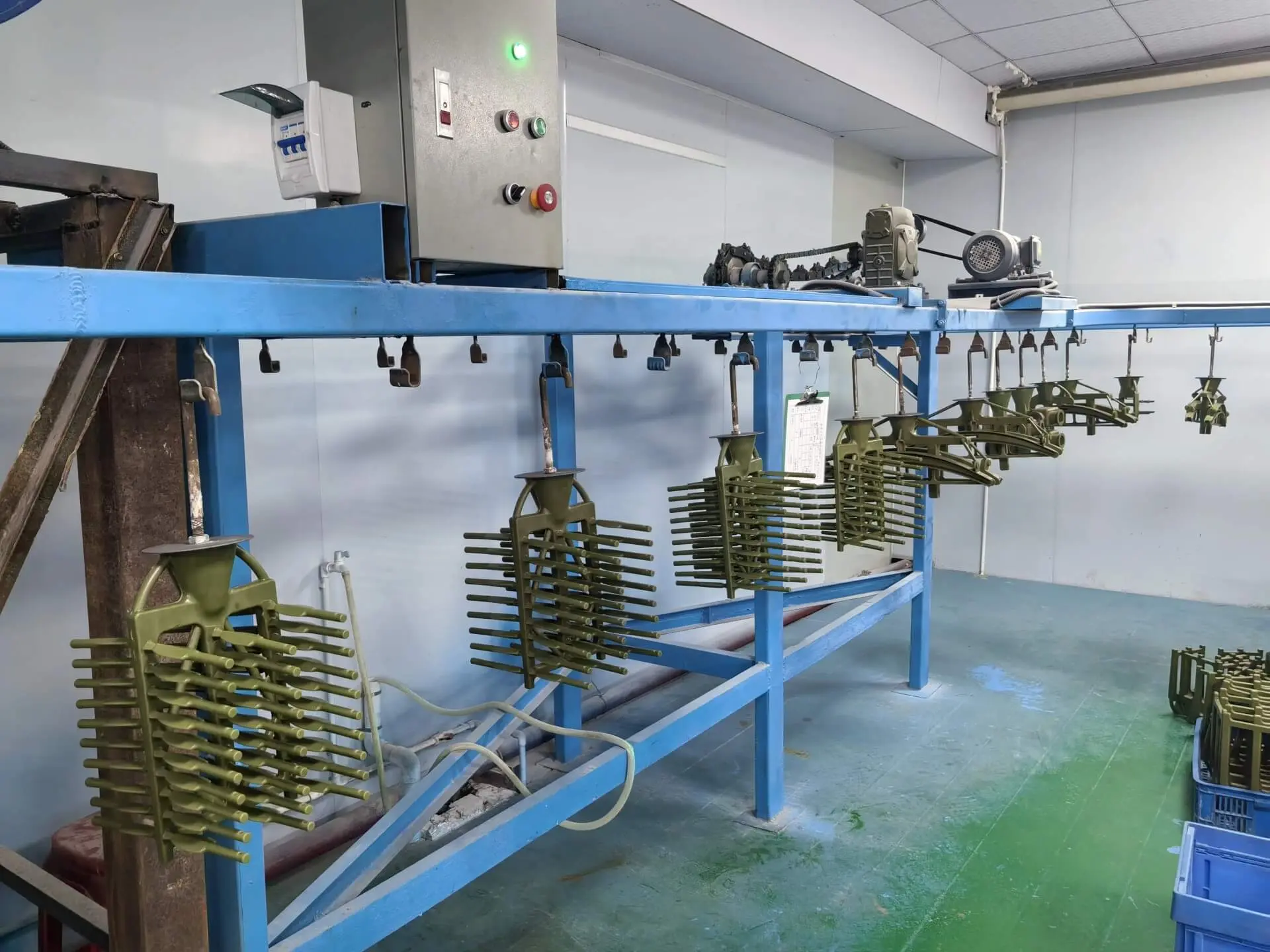
By using simulated solidification modeling software (ProCAST) during tool-design phases, we predict and eliminate shrinkage defects and gas inclusions before metal is ever poured. Our production floor operates with robotic shell dipping systems to regulate coating thickness, vacuum-controlled melt pourers to minimize impurities, and real-time ERP process monitoring that matches tracking requirements expected by New England supply networks.
Whether handling small batch runs of high-complexity robotic joints or scale production runs of heavy fluid valve bodies, our system yields parts that drop right into final assembly blocks with zero modification.
Strategic movements shaping global procurement requirements, material innovations, and green metrics.
Combining 3D-printed PMMA/wax patterns with traditional investment casting slurries enables prototype delivery within days, bypassing hard tooling costs during initial design validation.
Integration of cobalt, duplex stainless, and precipitation hardening steels (17-4PH) to withstand high-pressure fluid environments and extreme temperatures in sub-sea installations.
The standard integration of non-destructive testing (NDT) such as X-ray inspection, dye penetrant checks, and ultrasonic testing to assure structural integrity prior to transatlantic shipment.
Where precision castings meet New England's most demanding physical operational zones.
Boston is home to one of the highest concentrations of robotic hardware startups globally. These systems require complex articulating joints, gear brackets, and motor brackets. Standard machined parts are often too heavy and waste raw material. Our lost-wax casting process produces lightweight, thin-walled structures with localized thick sections for structural reinforcements, maximizing weight-to-strength ratios.
Salty coastal air and marine submersion demand corrosion-resistant alloys. We cast custom 316L and duplex stainless components for shipyard operations, underwater sensors, and heavy transit boat hulls. Our specialized surface post-treatments (electropolishing and chemical passivation) ensure components survive under continuous exposure to seawater.
New England's municipal distribution systems and chemical processing facilities use steam, high-pressure fluids, and chemical agents. By providing precision investment-cast valve bodies and high-stress gear systems, we reduce the risk of structural failure and leakage, supporting public utilities and industrial processors alike.
Sourcing engineers can map their performance criteria to our core alloys:
| Grade | Best For | Yield Strength |
|---|---|---|
| CF8M / SS316 | Marine corrosion, acidic media | ≥ 205 MPa |
| 17-4 PH | Robotics, high wear resistance | ≥ 720 MPa |
| WCB / WCC | Heavy machinery, valve bodies | ≥ 250 MPa |
| Duplex CD4MCu | Chemical pump impellers | ≥ 480 MPa |
Addressing the core technical, logistical, and design parameters evaluated by Boston procurement teams.
Explore our full range of custom-developed carbon and stainless steel castings engineered for marine, automotive, and hardware networks.
Connect directly with our engineering sales specialists. Get comprehensive material test options, custom pricing structures, and initial 3D solidification modeling simulations for your project.
Send Inquiry Now SX Machining