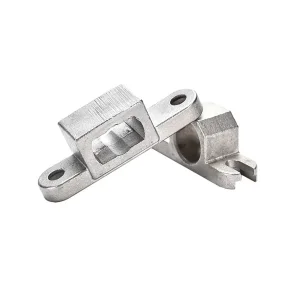
Direct supply paths of high-integrity investment casting solutions for public transport infrastructure and electrical networks in Luxembourg.
Luxembourg, historically renowned for its pioneering steel industry, has successfully transformed into a leading European hub for advanced engineering, automotive components, and high-performance logistics. Cities like Esch-sur-Alzette (Belval), Differdange, and Contern serve as neural centers for technology-driven manufacturing.
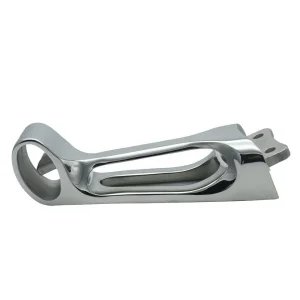
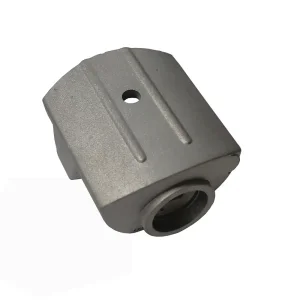
As European strictures mandate enhanced fuel efficiency, light-weight designs, and localized quality control, procurement managers in Luxembourg demand components with high integrity and minimal material waste. This is where investment casting (lost-wax process) stands out. By yielding near-net-shape parts with remarkable dimensional accuracy, it eliminates extensive machining times and delivers components optimized for extreme thermal and mechanical fatigue.
Dongguan SX Technology Co.,Ltd steps in as an essential global engineering partner, bridging cost-effective, high-capacity Asian casting infrastructure with rigorous European quality baselines (ISO/IATF). We supply crucial parts to Luxembourg’s logistics networks, bus systems, automotive suppliers, and aerospace sub-assemblies.
A comprehensive engineering review of chemical tolerances, manufacturing pipelines, and post-processing finishing options.
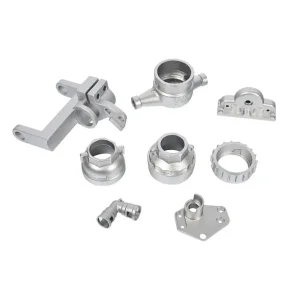
At Dongguan SX Technology, we employ the high-precision Silica Sol process. Compared to the cheaper Water Glass process, Silica Sol casting offers significantly better surface roughness (typically Ra 3.2 to 6.3 μm) and superior dimensional tolerances (conforming to CT4 to CT6 standards under ISO 8062). This ensures that intricate geometric parts, such as valve components or aerospace fuel fittings, require minimal secondary finishing.
| Property Parameter | Silica Sol Investment Casting | Water Glass Casting |
|---|---|---|
| Surface Roughness (Ra) | 3.2 - 6.3 μm | 12.5 - 25 μm |
| Dimensional Tolerance | CT4 - CT6 (ISO 8062) | CT7 - CT9 (ISO 8062) |
| Best Suited Materials | Austenitic/Duplex Stainless Steel, Titanium Alloys | Carbon Steel, Low-Alloy Structural Steel |
| Intricacy Capability | Extremely high; ultra-thin walls down to 1.5mm | Moderate; minimum wall thickness 3-4mm |
Our in-house induction melting furnaces operate under rigorous temperature monitoring. Using direct-reading optical emission spectrometers, we verify the chemical balance of each melt batch (carbon, chromium, nickel, molybdenum, etc.) before pouring. For applications in chemical processing plants in Luxembourg, maintaining the low carbon content (e.g., 316L, 304L) is vital to prevent chromium carbide precipitation at grain boundaries, ensuring maximum resistance against intergranular corrosion.
While casting yields the primary shape, critical interference fits and sealing surfaces necessitate CNC finishing. Dongguan SX Technology bridges this directly with our integrated CNC machining shop. We achieve tolerances as tight as ±0.005 mm on critical bore dimensions and thread profiles, saving Luxembourg buyers the hassle of managing multiple suppliers and handling complex logistics.
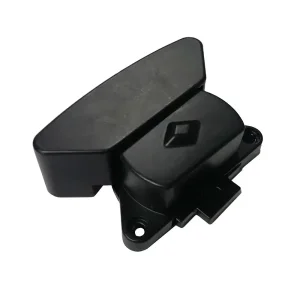
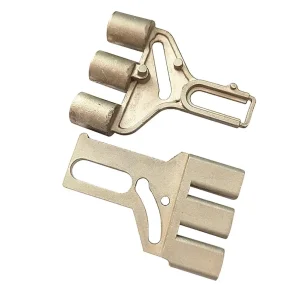
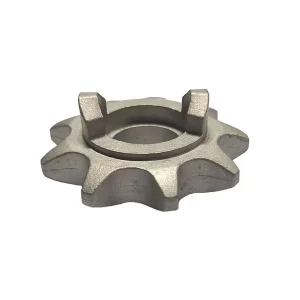
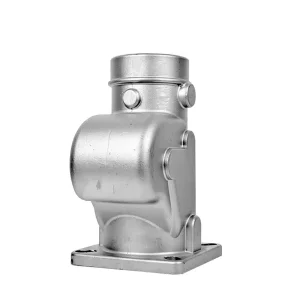
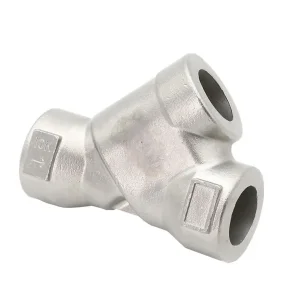
Dongguan SX Technology Co.,Ltd has very rich experience in precision casting, CNC machining and assembly. Our products are used in machinery, automobiles, marine, ships, equipment, valves and pumps, electronic appliances, packaging, watches, construction, chemical industry and other industries.
The most commonly used materials for investment casting are stainless steel and carbon steel. And the most commonly used materials for CNC machining include titanium alloy, stainless steel, carbon steel, aluminum alloy, copper alloy, cemented carbide, etc. We have advanced manufacturing equipment and technology and are able to respond quickly to your needs.
Engineered components designed for high salinity, acidic chemical configurations, and severe structural loads in Central European industries.
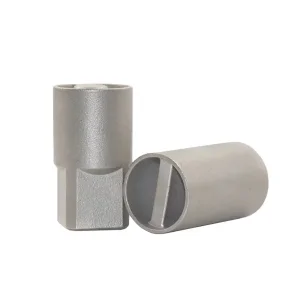
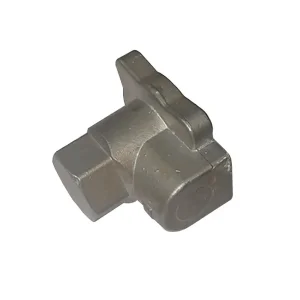
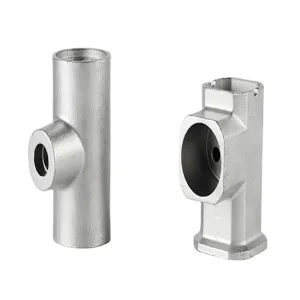
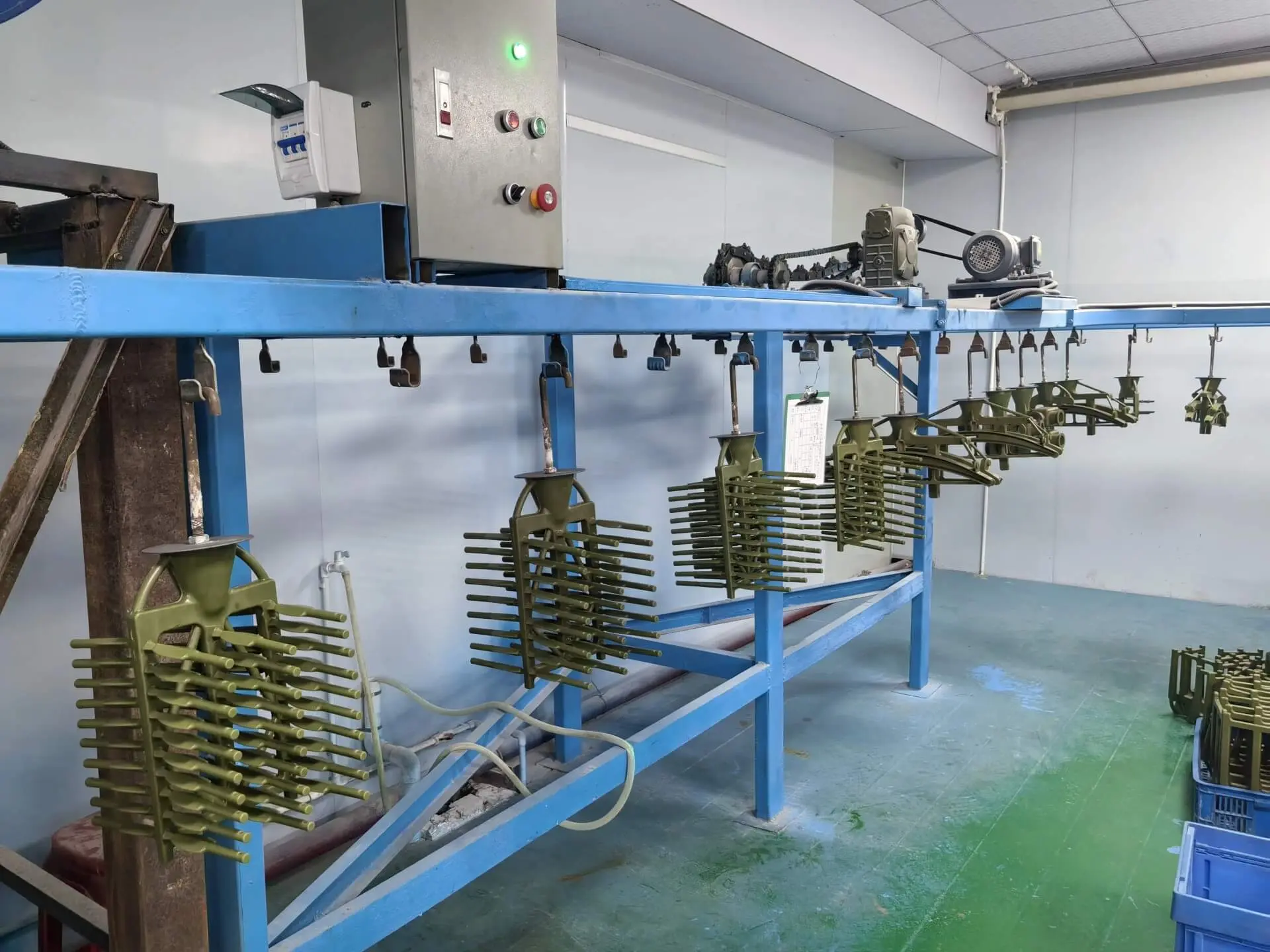
Tour our state-of-the-art wax injection, mold preparation, melting, and quality analysis facilities.
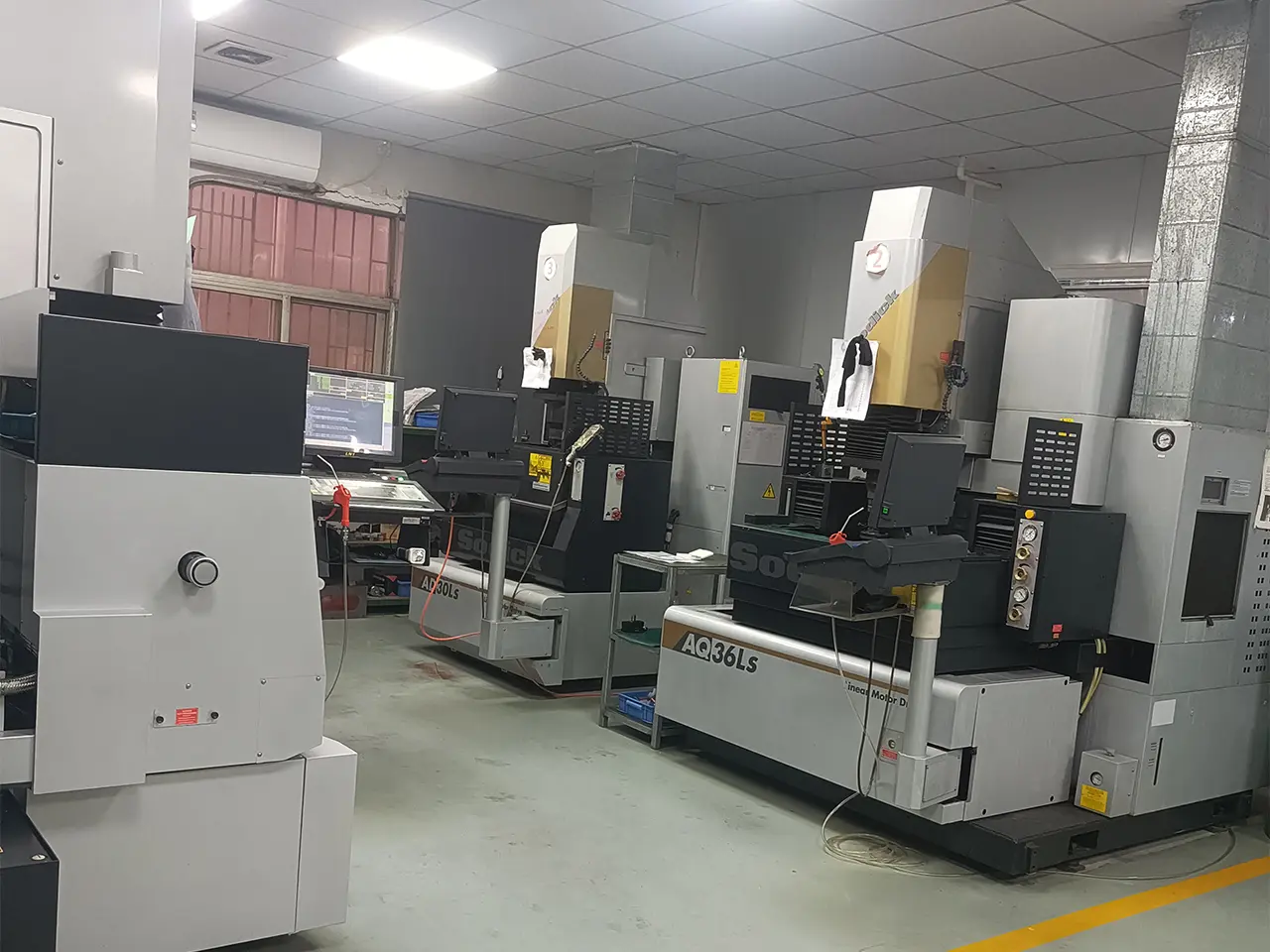
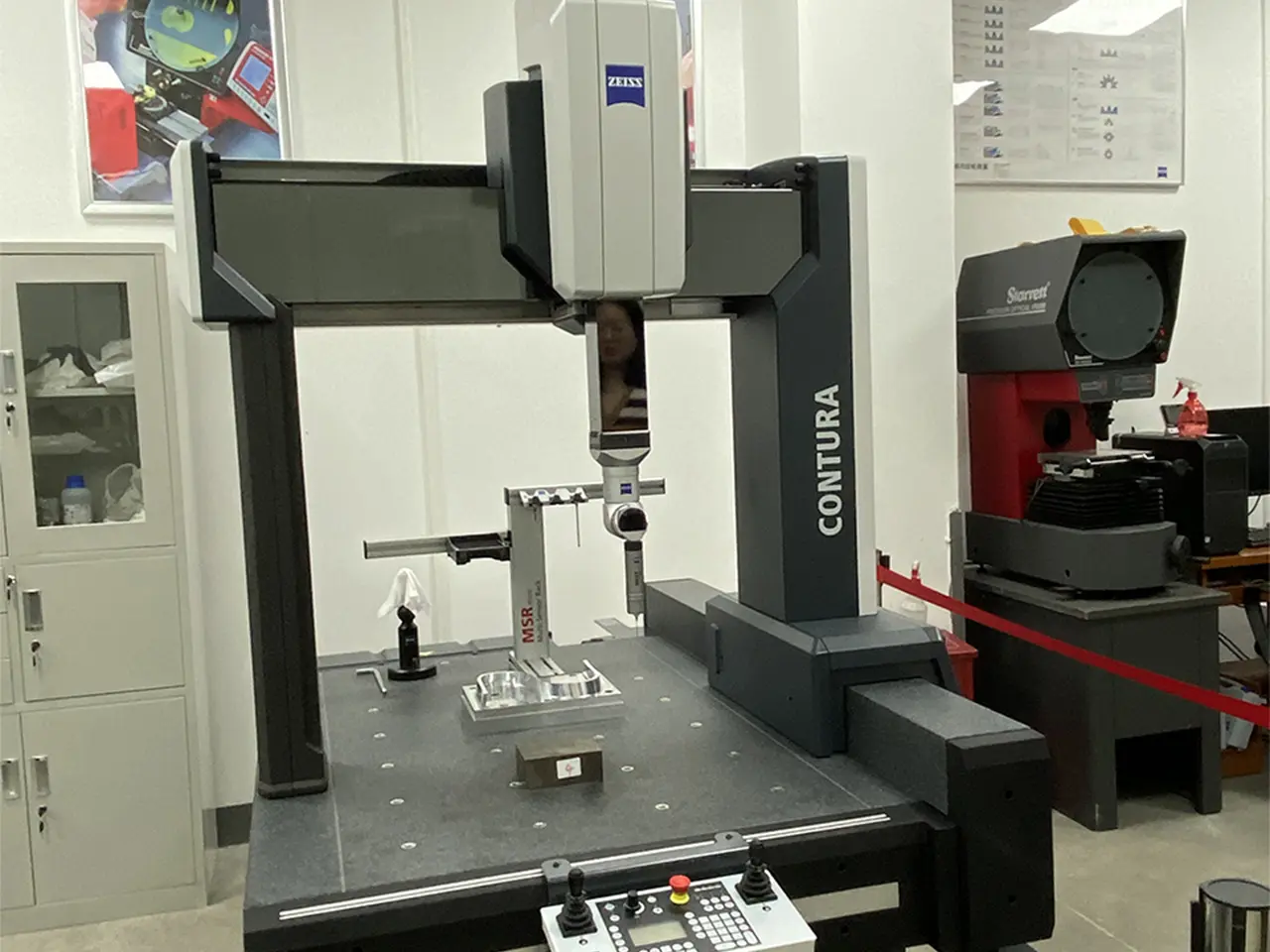
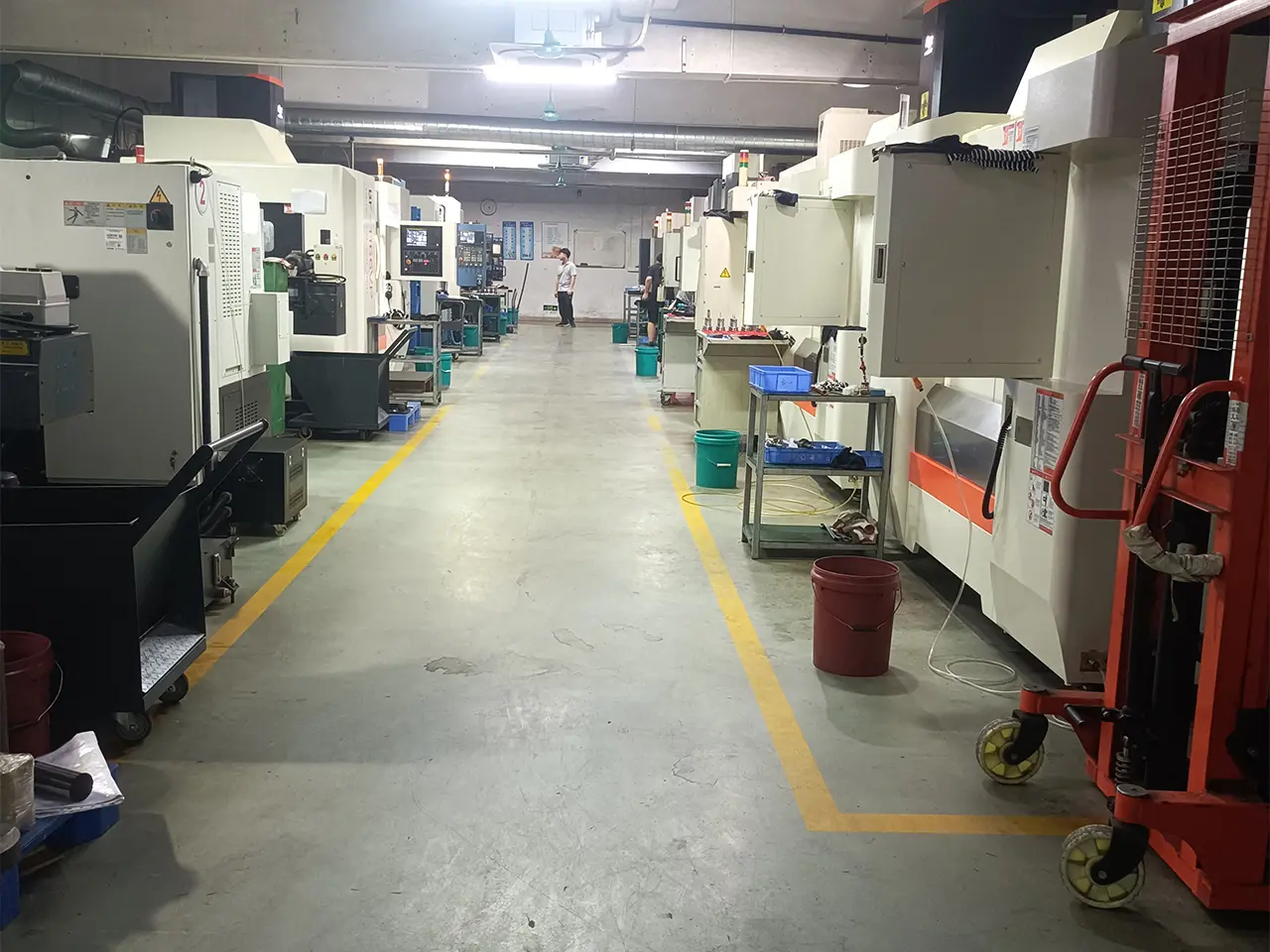
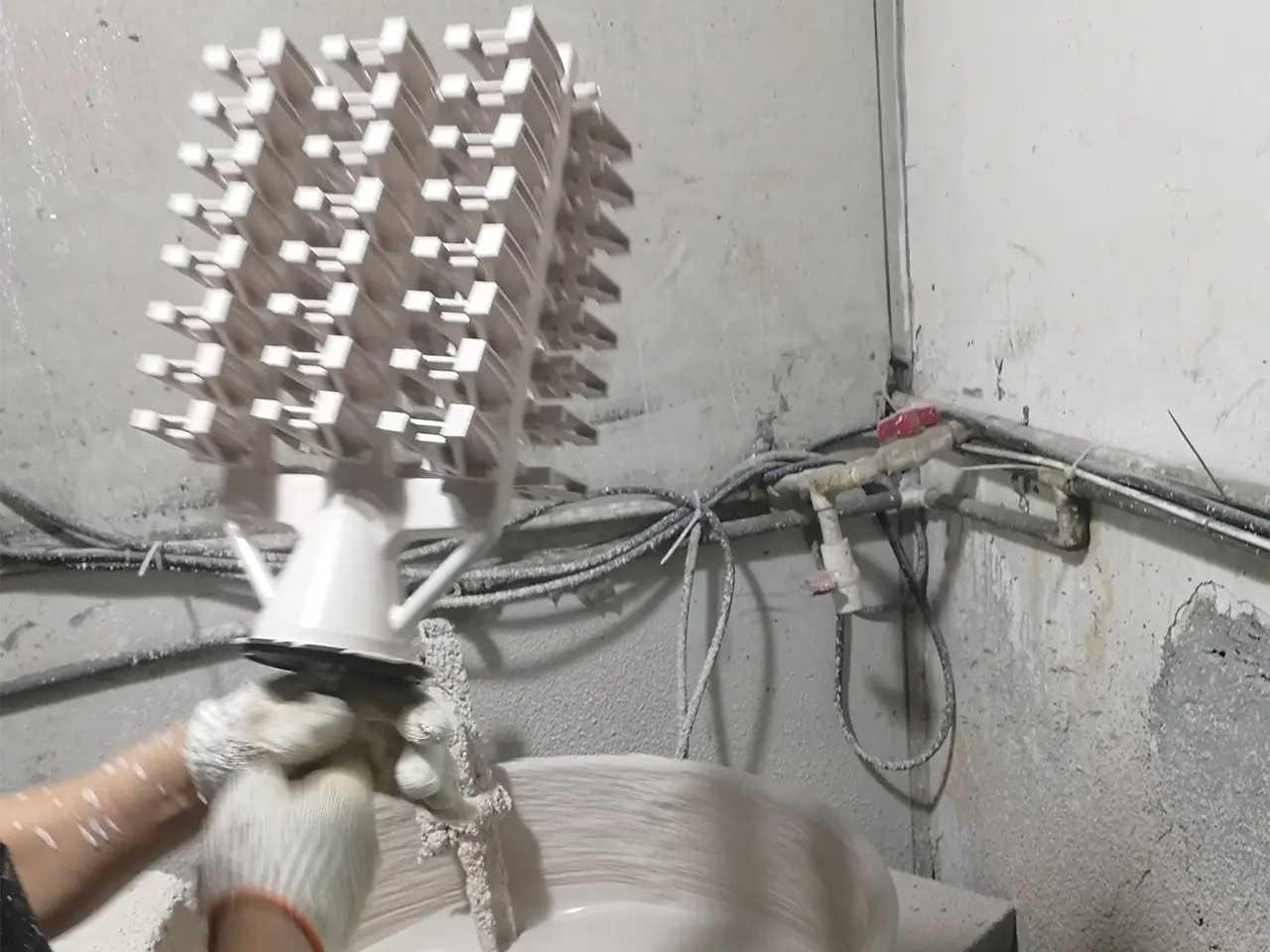
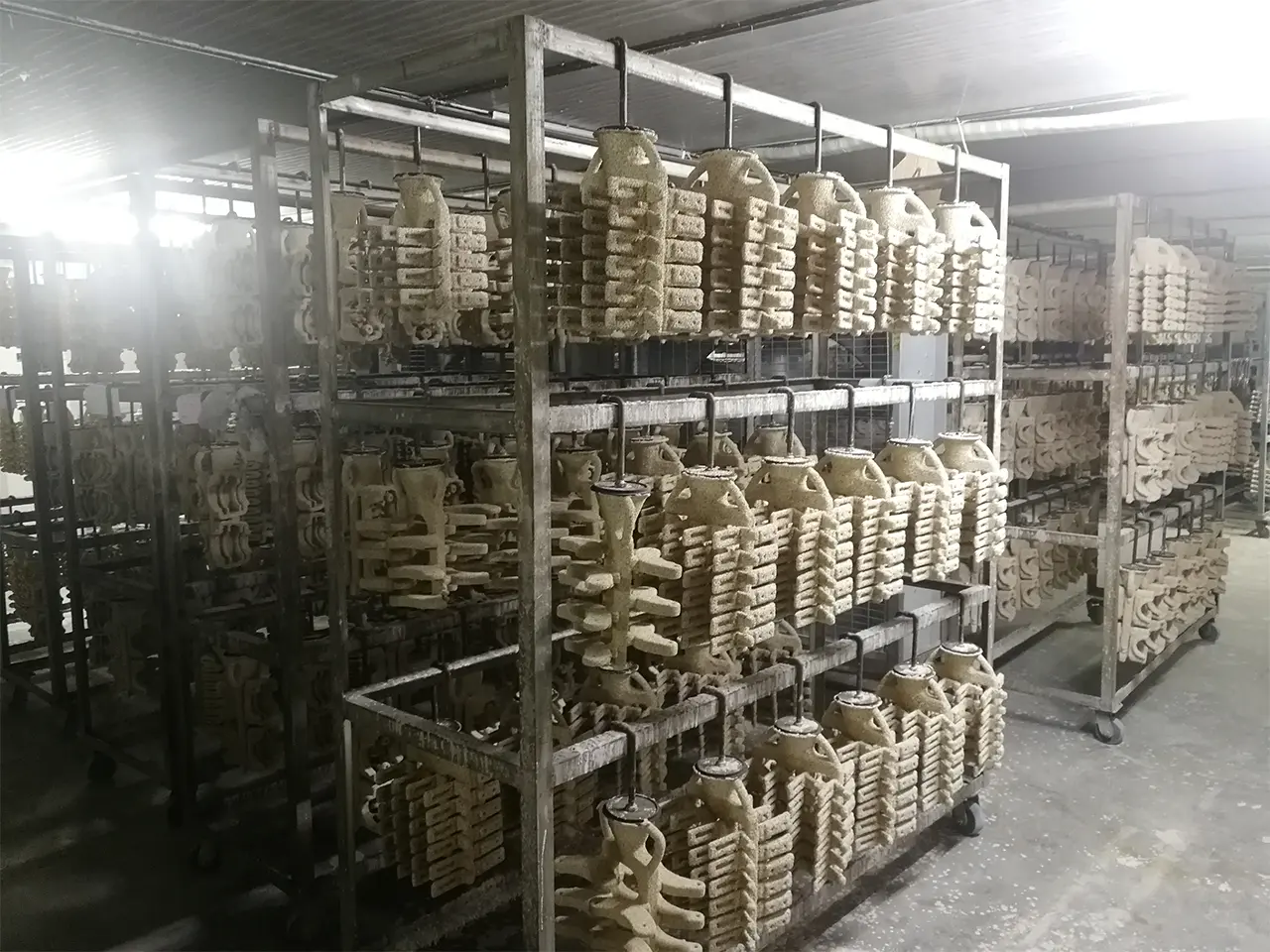
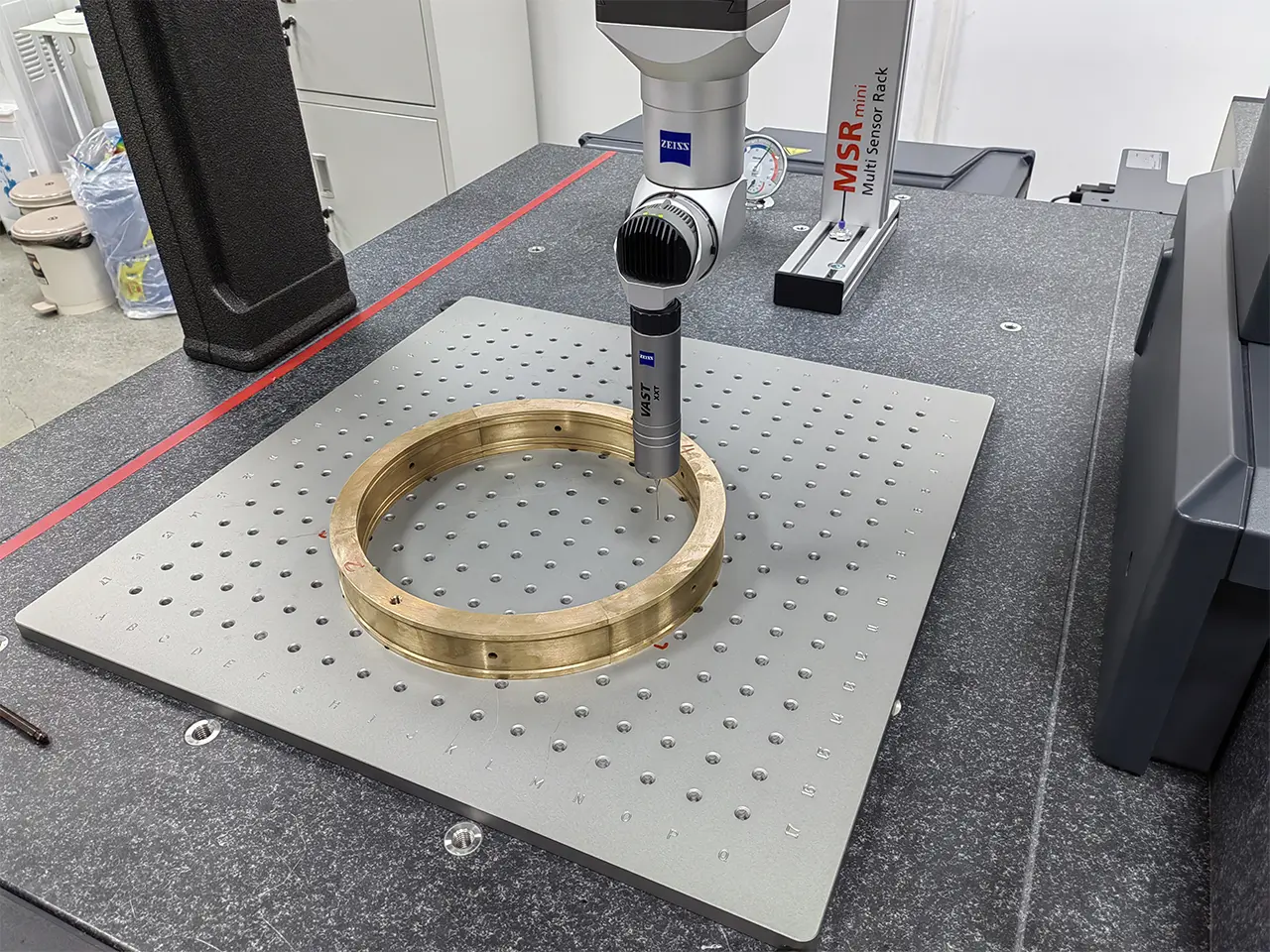
We have professional testing equipment and professional QC personnel, and we adhere to strict tolerances and quality standards for the products we produce. Due to our insistence on strict quality requirements, we have been praised by many customers.
Quality is the cornerstone of the manufacturing industry. We firmly believe that only by controlling quality well can we survive, develop, and get better and better. Therefore, we have been working in this industry unremittingly since 2014 and continue to improve the company's team and improve the company's production capacity.
With the upcoming implementation of the European Union’s Carbon Border Adjustment Mechanism (CBAM), manufacturing partners exporting components into Luxembourg must show active carbon mitigation steps.
Dongguan SX Technology is actively upgrading its foundry networks. By utilizing high-efficiency induction furnaces, transitioning to solar energy arrays at our machining centers, and optimizing gating structures to reduce metal scrap ratios, we aim to reduce the carbon footprint per kilogram of cast steel by 20% by 2026.
Furthermore, our development of ultra-thin wall castings allows Luxembourg transport vehicle manufacturers to reduce component weight, leading to direct fuel savings and lower operational emissions over the vehicles' lifespans.
Integration of robotic dipping hands to achieve shell layer consistency and eliminate micro-cracking defects.
Offering 2205 and 2507 duplex stainless steel castings optimized for extreme saline and acid processing plants.
Utilizing software simulating metal flow and thermal stress during pouring, eliminating shrinkage porosity beforehand.
Find direct technical answers regarding materials, lead times, international transport, and engineering procedures.
Select from our customized manufacturing offerings, backed by IATF 16949-aligned quality validation for European markets.
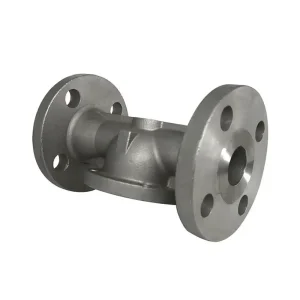
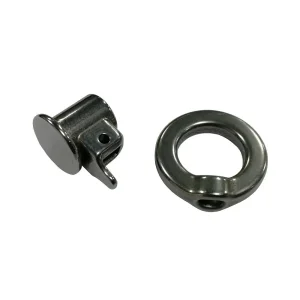
Get in touch with our engineering team today to review your CAD files, mechanical properties, and tolerance guidelines. We provide quotation reports within 24 hours.
Send Inquiry Now SX Machining