 SX Machining
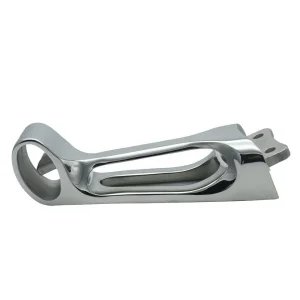
Engineered lost-wax precision castings designed to handle heavy duty mechanical stress, transit demands, and electronics architectures.
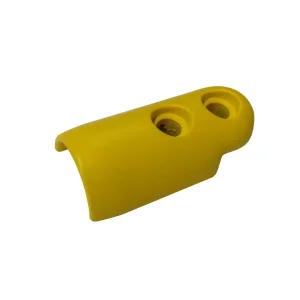
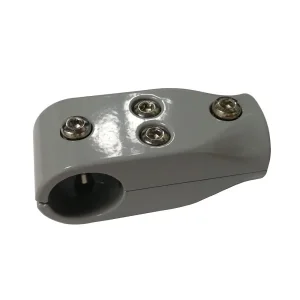
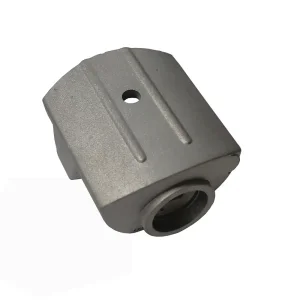
Mexico City (CDMX) and its surrounding industrial corridors, including the Valley of Mexico (Naucalpan, Vallejo, Tlalnepantla) and the neighboring Bajío region, have transformed into critical manufacturing epicenters. Under the framework of the United States-Mexico-Canada Agreement (USMCA/T-MEC), global companies are rapidly localizing production to mitigate logistics risks. This nearshoring boom demands high-performance, precision metal parts.
Investment casting, or the lost-wax process, is the manufacturing backbone for this industrial shift. Components for heavy machinery, specialized transport infrastructure, and high-performance fluid control must survive rigorous environments, requiring dimensional tolerances and metallurgical perfection that only high-quality casting foundries can achieve.
For manufacturing procurement teams in Mexico City, managing tooling costs, production lead times, and metallurgical certification is a delicate balance. Finding local metal foundries with integrated precision CNC machining, heat treatment, and surface preparation capabilities often presents a bottleneck. Local capacities are frequently optimized for simple shapes or low-volume work.
This is where dual-sourcing strategies and reliable partnerships with advanced international manufacturers bridge the gap. Procurement directors choose overseas manufacturing hubs like China (specifically Dongguan) to achieve extreme precision, repeatable batch quality, and overall lower Total Cost of Ownership (TCO).
China's Industry 4.0 upgrades have redefined investment casting. By pairing traditional lost-wax technologies with robotic shell-building lines, simulation software (to prevent internal porosity), and integrated CNC post-machining, foundries like Dongguan SX Technology achieve structural density that matches or exceeds forged parts.
With fast, direct maritime shipping links between China (Shenzhen/Ningbo ports) and Mexican ports (Manzanillo and Lázaro Cárdenas), transit times have normalized. In combination with air freight for prototypes, this allows Mexico City manufacturers to leverage highly optimized Chinese supply chains without sacrificing speed to market.
Engineered for Mexico City's demanding industrial operations, from transit bus structural hardware to aggressive chemical processing environments.
Precision Casting, Advanced CNC Machining & Mechanical Assembly
Dongguan SX Technology Co.,Ltd has very rich experience in precision casting, CNC machining and assembly. Our products are used in machinery, automobiles, marine, ships, equipment, valves and pumps, electronic appliances, packaging, watches, construction, chemical industry and other industries. The most commonly used materials for investment casting are stainless steel and carbon steel. And the most commonly used materials for CNC machining include titanium alloy, stainless steel, carbon steel, aluminum alloy, copper alloy, cemented carbide, etc.
We have advanced manufacturing equipment and technology and are able to respond quickly to your needs. By combining traditional casting methods with high-precision multi-axis CNC milling and turning, we provide a complete one-stop solution. This means parts go from mold flow analysis to cast state, and then directly onto finish machining tables without shipping components between multiple sub-contractors, dramatically improving quality control and reducing lead times.
Maintaining strict tolerances and structural integrity to support the highly automated assembly lines of our partners in Mexico City.
We have professional testing equipment and professional QC personnel, and we adhere to strict tolerances and quality standards for the products we produce. Due to our insistence on strict quality requirements, we have been praised by many customers.
Quality is the cornerstone of the manufacturing industry. We firmly believe that only by controlling quality well can we survive, develop, and get better and better. Therefore, we have been working in this industry unremittingly since 2014 and continue to improve the company's team and improve the company's production capacity.
Our quality verification processes include optical emission spectrometers for material validation, coordinate measuring machines (CMM) for spatial accuracy, and dynamic pressure testing for cast valve components.
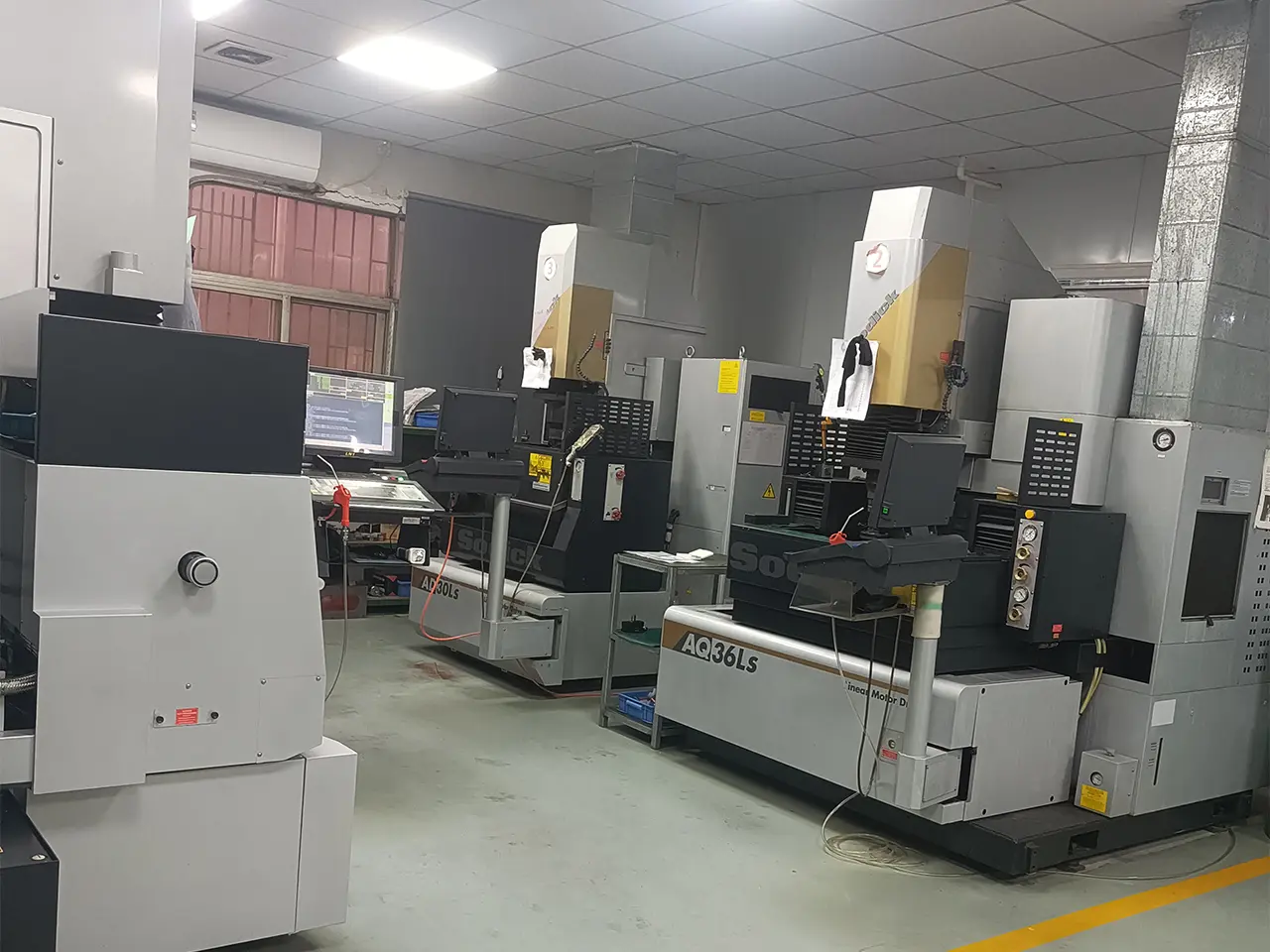
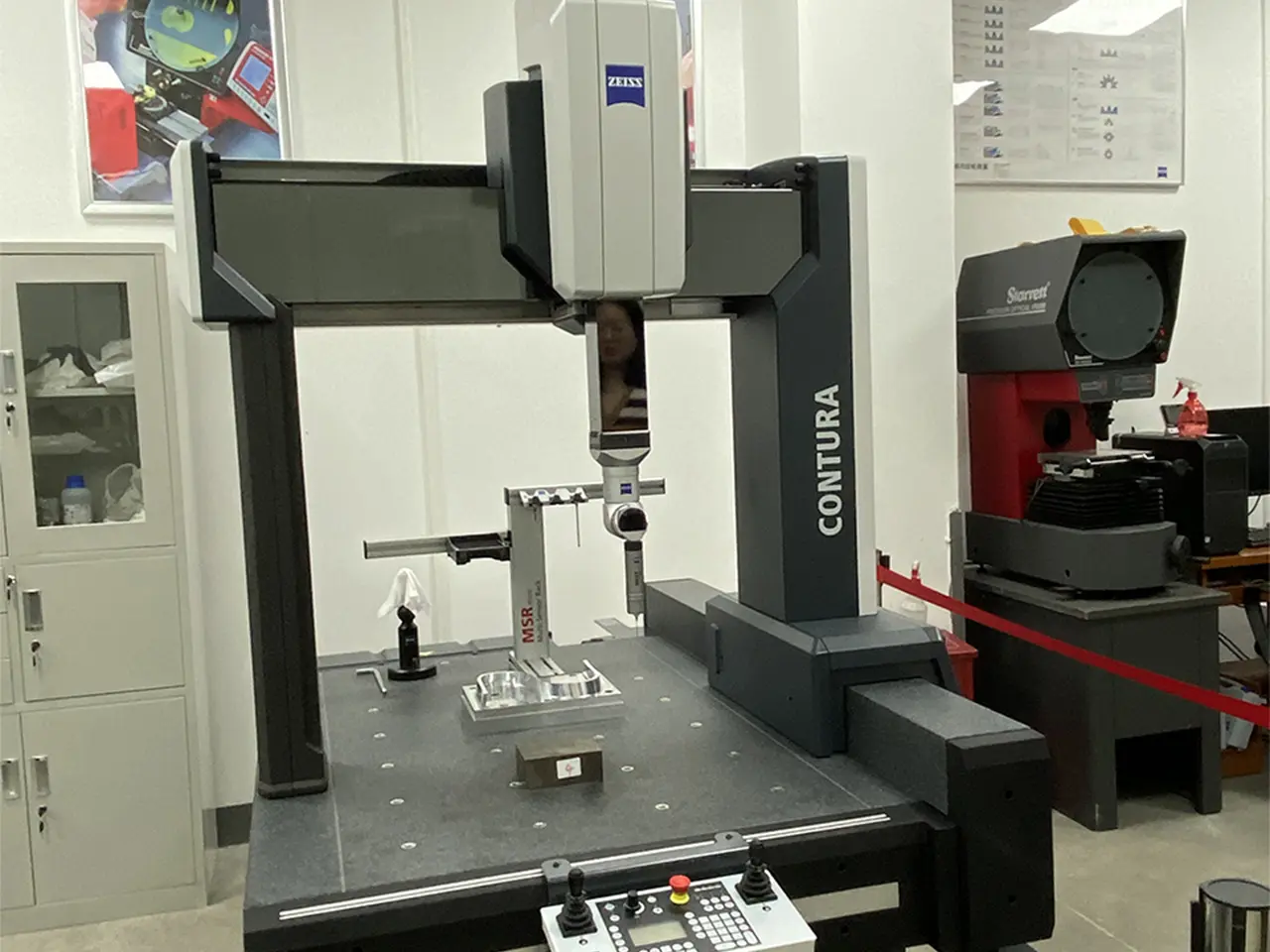
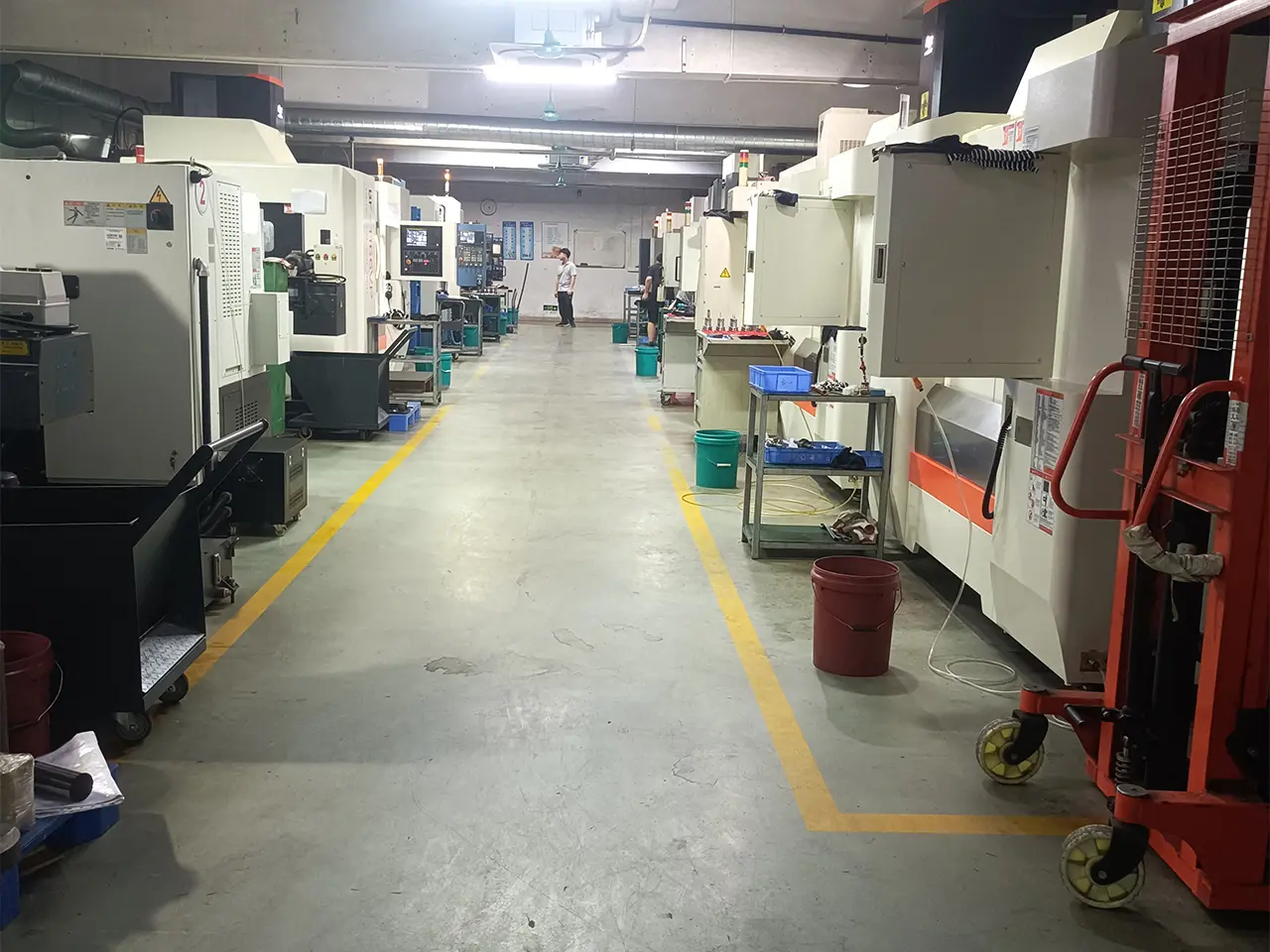
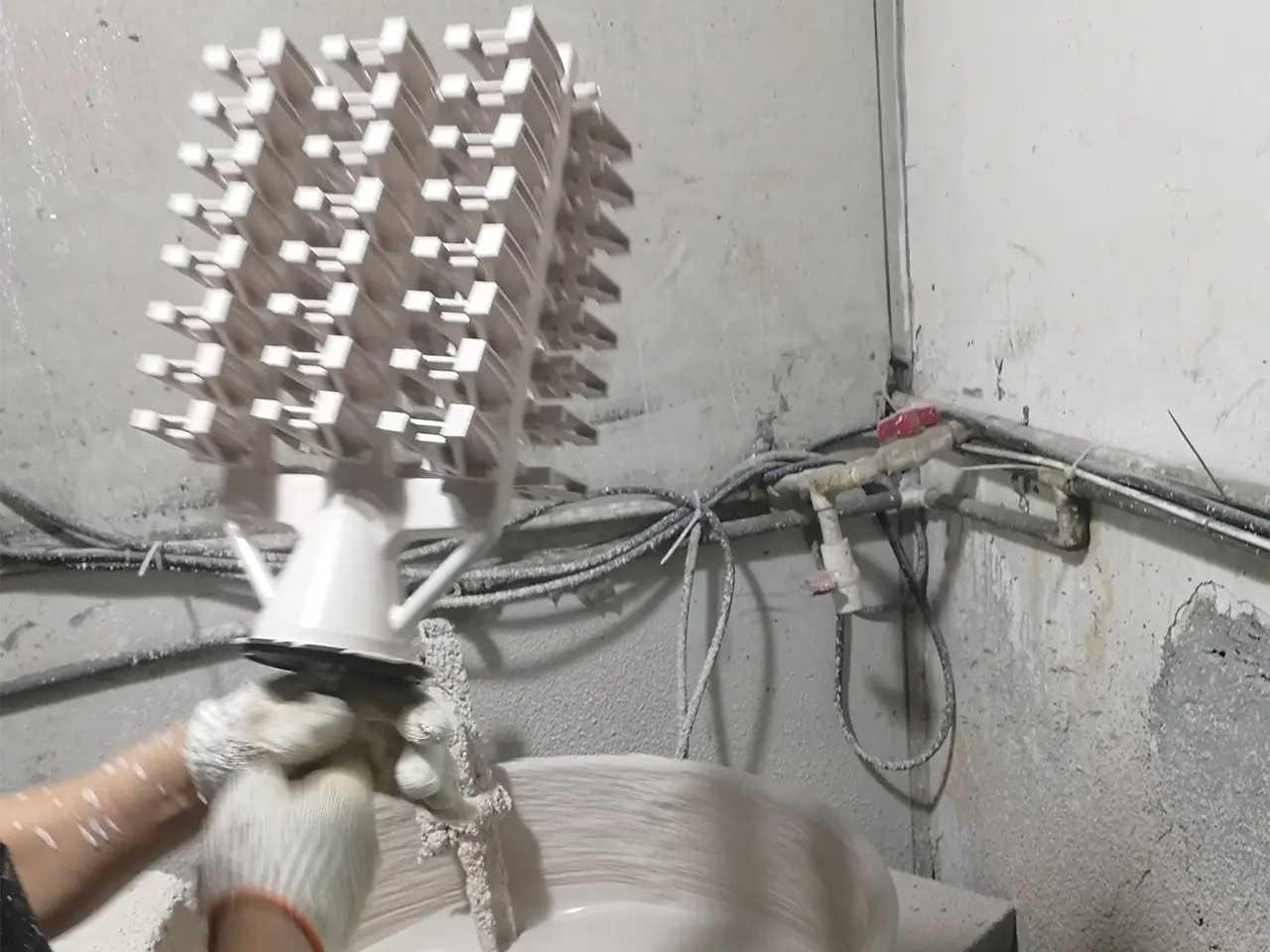
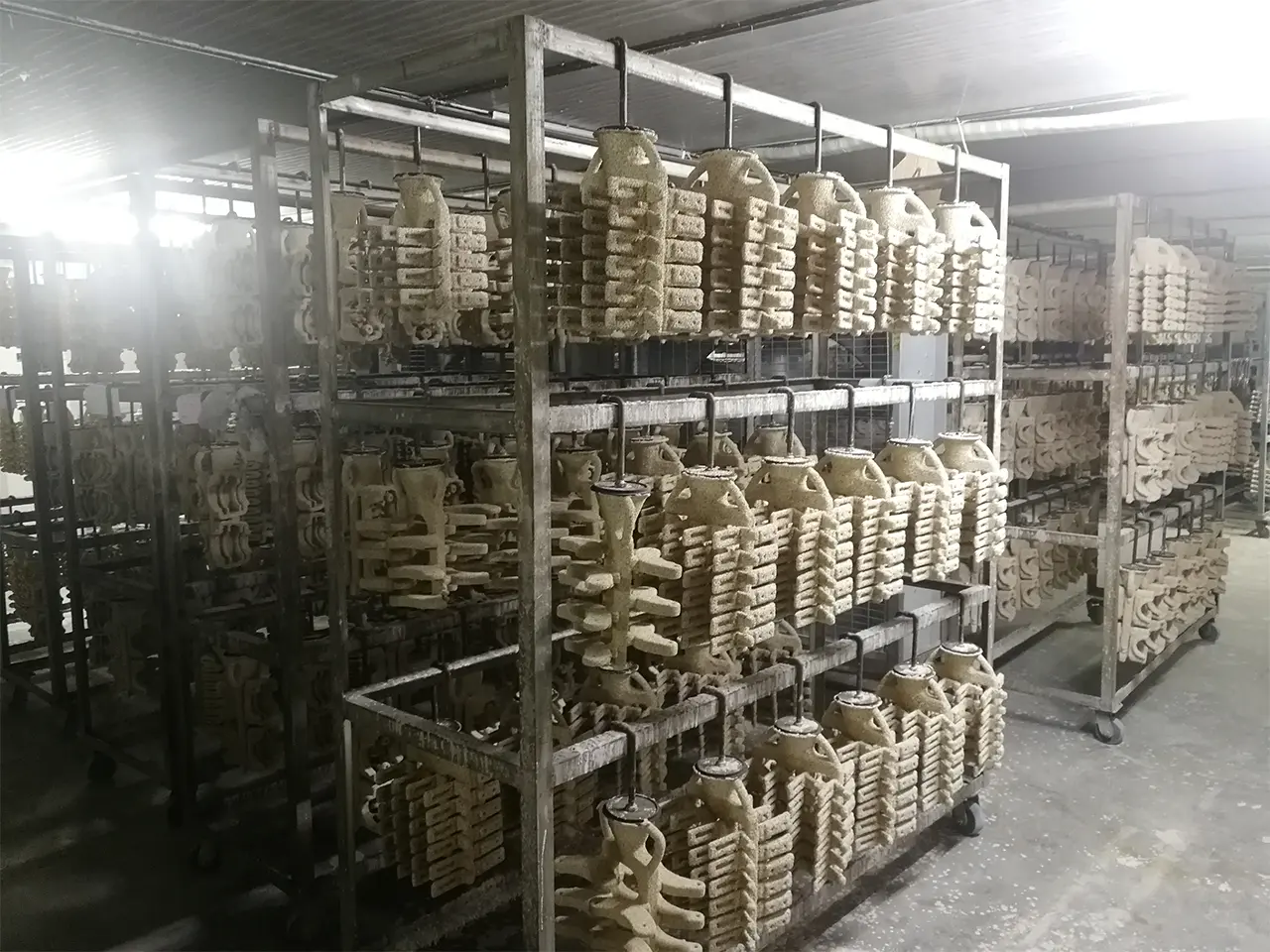
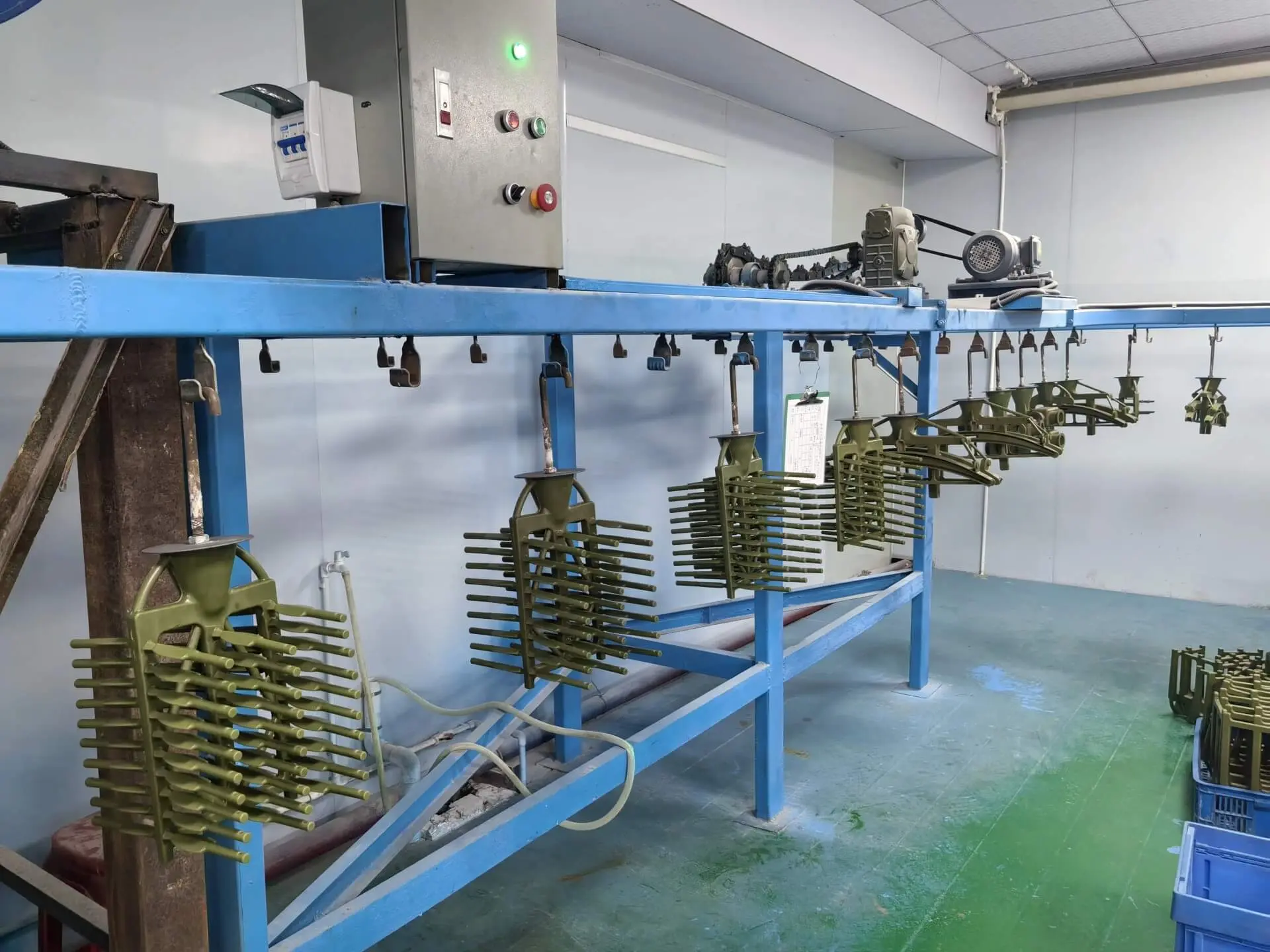
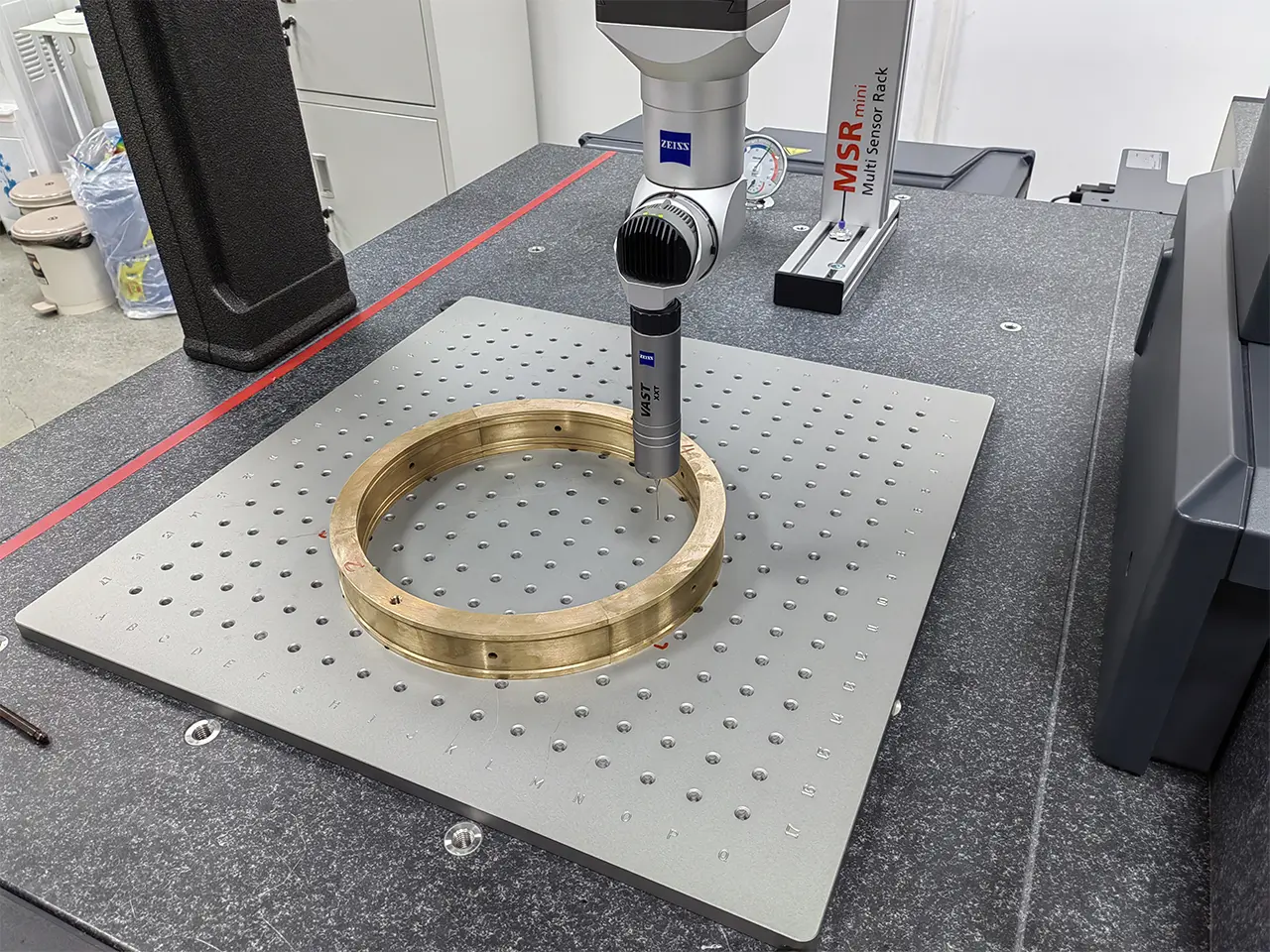
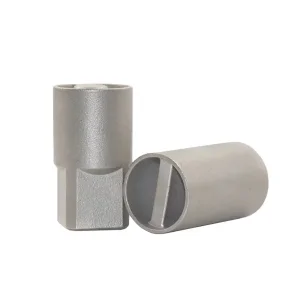
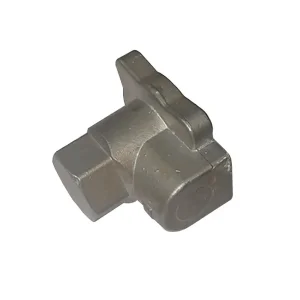
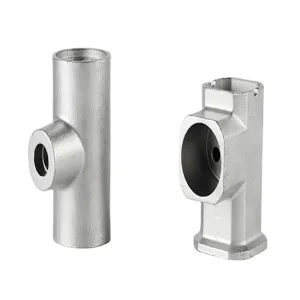
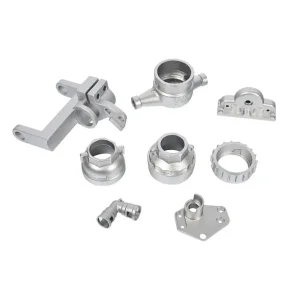
Custom non-standard and standard casting components optimized for marine, automotive, machinery, and electrical applications.
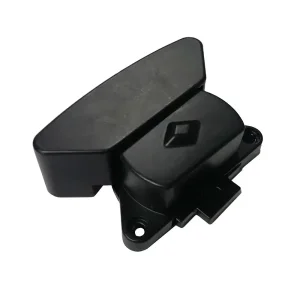
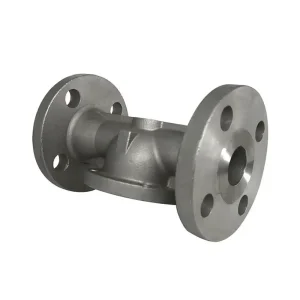
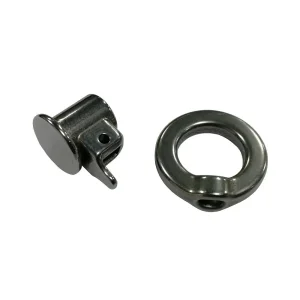
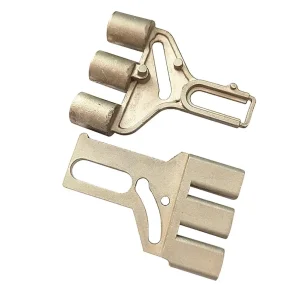
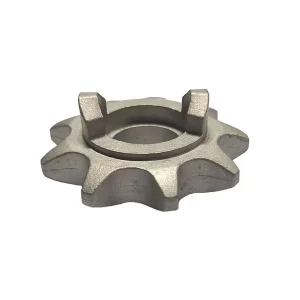
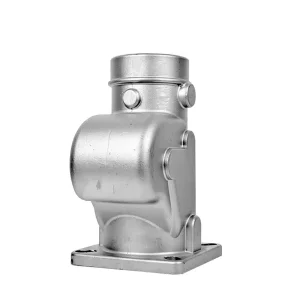
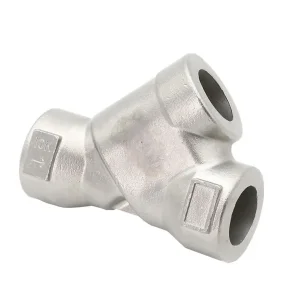
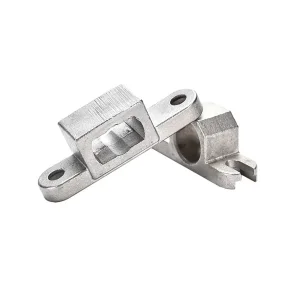
Get answers to logistical, technical, and material questions when importing high-precision casting components to Mexico.
For ocean freight, components are shipped from Shenzhen or Ningbo ports to Mexican hubs like Manzanillo or Lázaro Cárdenas, typically taking 20 to 28 days. Customs clearance and inland transit from ports to industrial parks in the Valley of Mexico City add another 3 to 7 days. For critical prototype samples or emergency parts, air freight to Benito Juárez International Airport (MEX) or Felipe Ángeles International Airport (NLU) takes approximately 5 to 7 business days.
As-cast tolerances generally conform to the international standard ISO 8062-3 DCTG6 to DCTG8. For critical geometries, functional fits, and seal faces, we utilize post-cast CNC machining (including milling, turning, and grinding) to achieve precise tolerances down to ±0.01 mm, depending on the material and dimensions.
We use an optical emission spectrometer to analyze chemical elements (including carbon, nickel, chromium, molybdenum, and trace elements) before pouring each batch. Material test certificates (MTR) meeting EN 10204 3.1 standards are supplied with every order, ensuring full traceabilty from the raw ingot to the final component received in Mexico.
Yes. Our engineering department uses advanced 3D CAD modeling and casting flow simulation software. This allows us to predict cooling shrinkage, gas pocket formation, and porosity before the aluminum wax injection mold is cut, reducing testing iterations and saving tool modification costs for custom Mexican mechanical engineering projects.
Because the aluminum injection tool is only used to form wax patterns (rather than holding molten metal directly as in die casting), wear is negligible. A single aluminum wax pattern tool can comfortably produce 50,000 to 100,000 components over its service life, keeping maintenance costs extremely low compared to other casting processes.