Engineered lost-wax castings custom manufactured to withstand extreme temperatures and highly demanding environments across Canadian provinces.
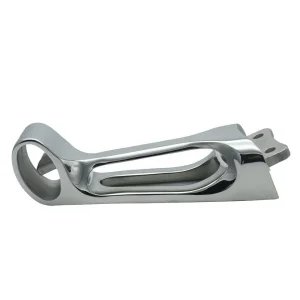
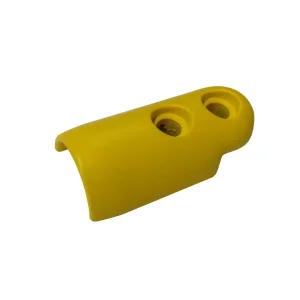
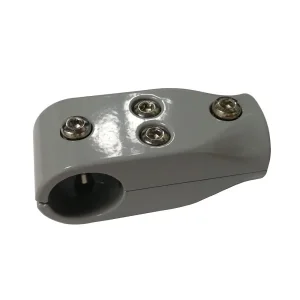
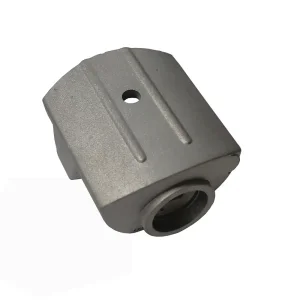
Dongguan SX Technology Co.,Ltd has very rich experience in precision casting, CNC machining and assembly. Our products are used in machinery, automobiles, marine, ships, equipment, valves and pumps, electronic appliances, packaging, watches, construction, chemical industry and other industries. The most commonly used materials for investment casting are stainless steel and carbon steel. And the most commonly used materials for CNC machining include titanium alloy, stainless steel, carbon steel, aluminum alloy, copper alloy, cemented carbide, etc. We have advanced manufacturing equipment and technology and are able to respond quickly to your needs.
By leveraging advanced Silica Sol casting techniques, we eliminate the common manufacturing defects associated with water-glass casting, ensuring clean surface finishes (Ra 3.2 to 6.3) and high dimensional accuracy (following ISO 8062-3 CT5-CT7 standards). We translate complex drawings into high-performance components that serve key engineering hubs in Ontario, Quebec, Alberta, and British Columbia.
Analyzing key industrial sectors, supply chain dynamics, and regulatory requirements across Canadian provinces.
Canada boasts a diverse industrial base that relies heavily on precision metal castings. In Ontario, the automotive corridor (Windsor, Oakville, Oshawa) demands highly durable brackets, transmission components, and structural hinges. The Quebec aerospace and rail sectors (centered around Montreal) require lightweight, highly uniform materials with strict fatigue testing.
In western provinces like Alberta and Saskatchewan, heavy-duty mining equipment and oil and gas extraction processes require erosion-resistant valve components, pump impellers, and pipe fittings that remain ductile even at temperatures reaching -40°C. Meanwhile, the coastal regions of British Columbia, Nova Scotia, and Newfoundland drive consistent demand for marine-grade (SUS316 / CF8M) corrosion-resistant hardware.
Procuring investment castings domestically in Canada often involves high labor overhead, long lead times from domestic foundries, and limited capacity for post-casting CNC machining under one roof. High local production costs force procurement managers to look overseas.
Our operation bridges this gap by combining efficient Chinese manufacturing infrastructure with a deep compliance understanding of international and Canadian industrial standards. We manage the process from design audit to shipping, providing DDP (Delivered Duty Paid) logistics directly to your facility in Toronto, Montreal, Calgary, or Vancouver.
| ASTM Standard Material | Equivalent Grade | Key Mechanical Properties | Target Applications in Canada |
|---|---|---|---|
| ASTM A351 CF8M | 316 Stainless Steel | High corrosion resistance, excellent tensile strength | Marine hardware, chemical process valves, food processing |
| ASTM A351 CF8 | 304 Stainless Steel | Good corrosion resistance and weldability | Automotive parts, architectural components, transit brackets |
| ASTM A216 WCB | Carbon Steel (Cast) | Excellent ductility and structural strength | Mining tools, high-pressure pipeline fittings, heavy gears |
| ASTM A352 LCC / LCB | Low-Temp Carbon Steel | Outstanding toughness at sub-zero temperatures | Oil sands equipment, gas pipelines in Northern Canada |
Equipped with advanced wax injection, silica sol slurry coating, automated casting lines, and modern CNC centers to ensure micro-dimensional control.
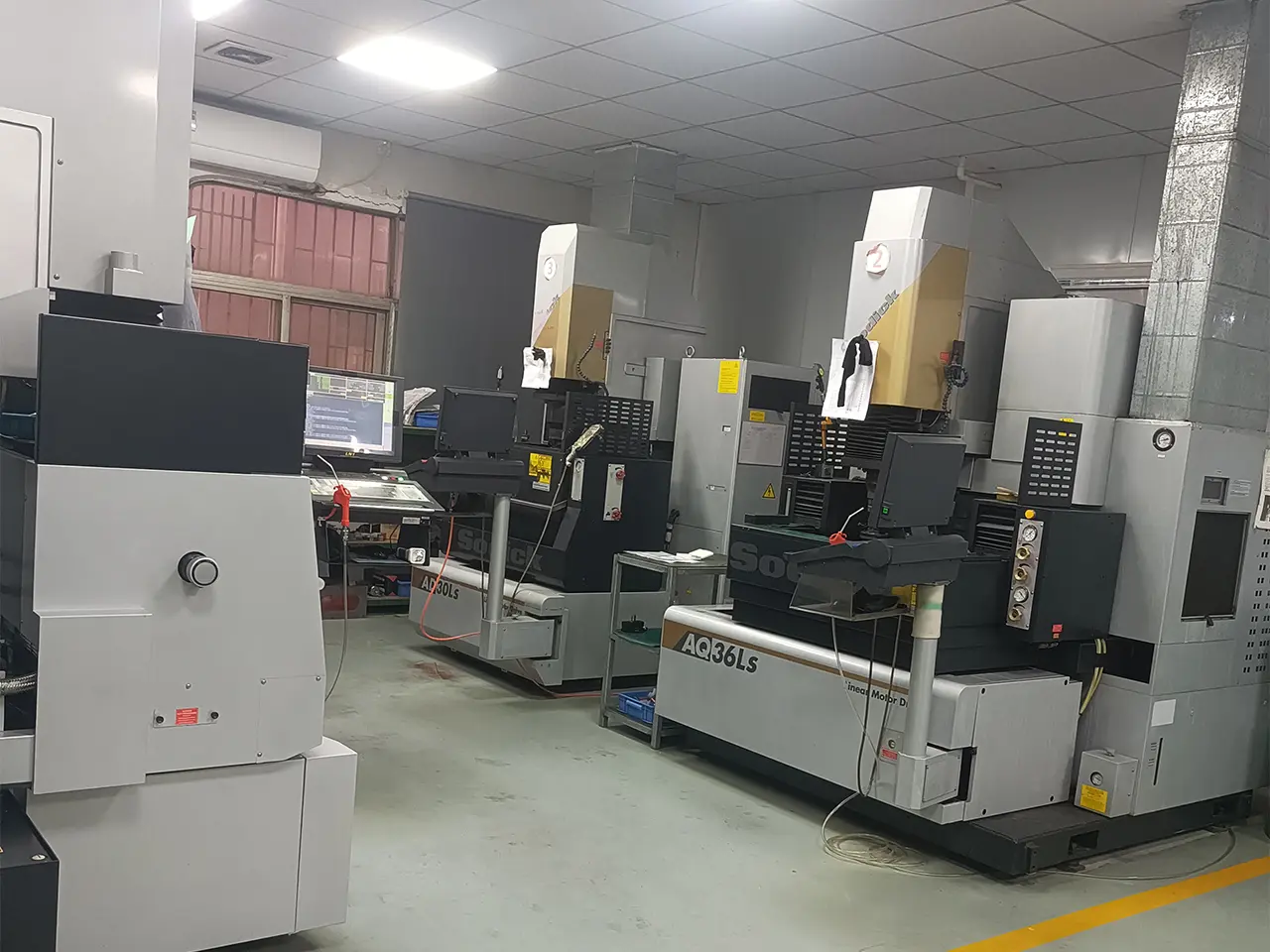
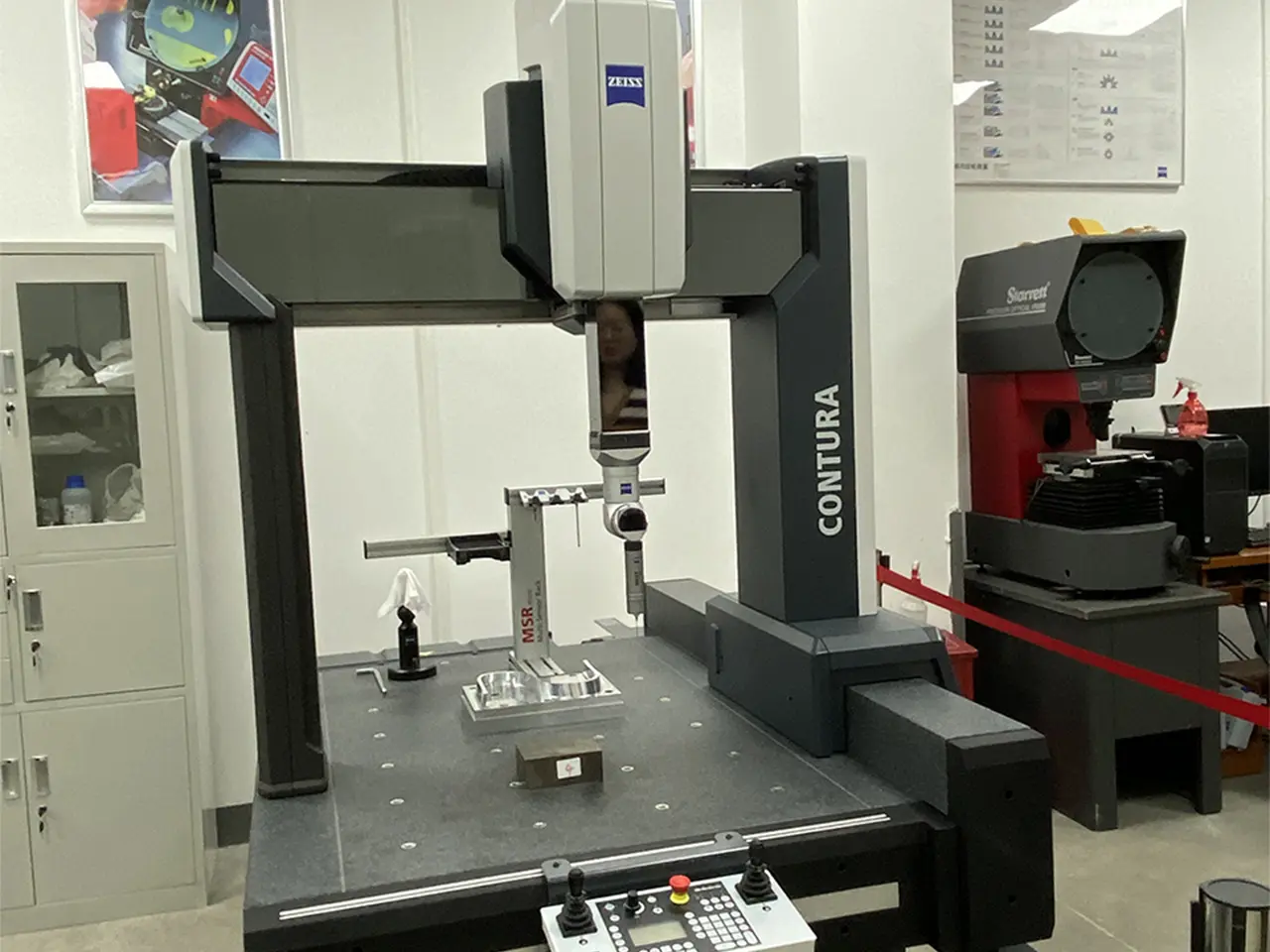
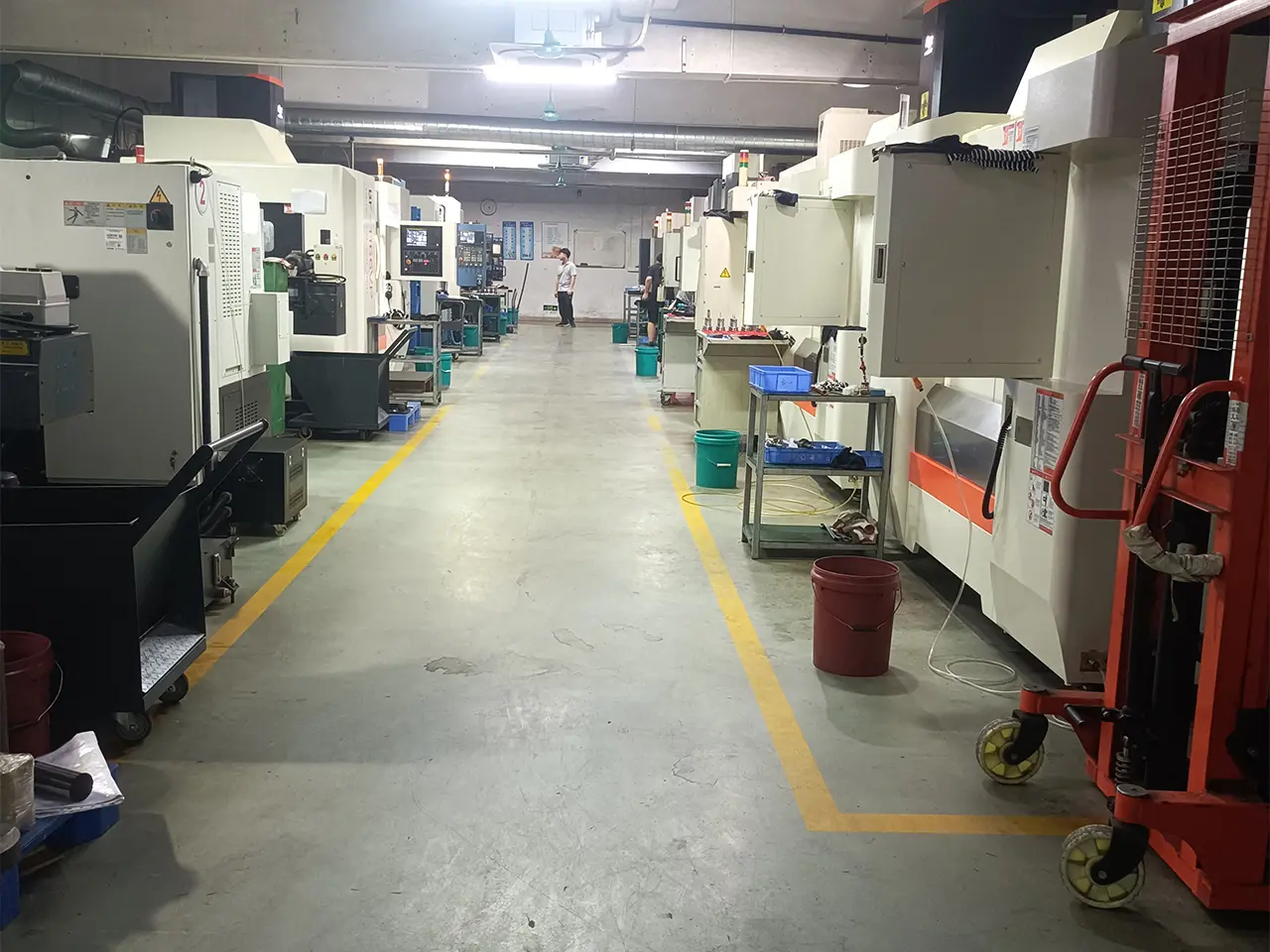
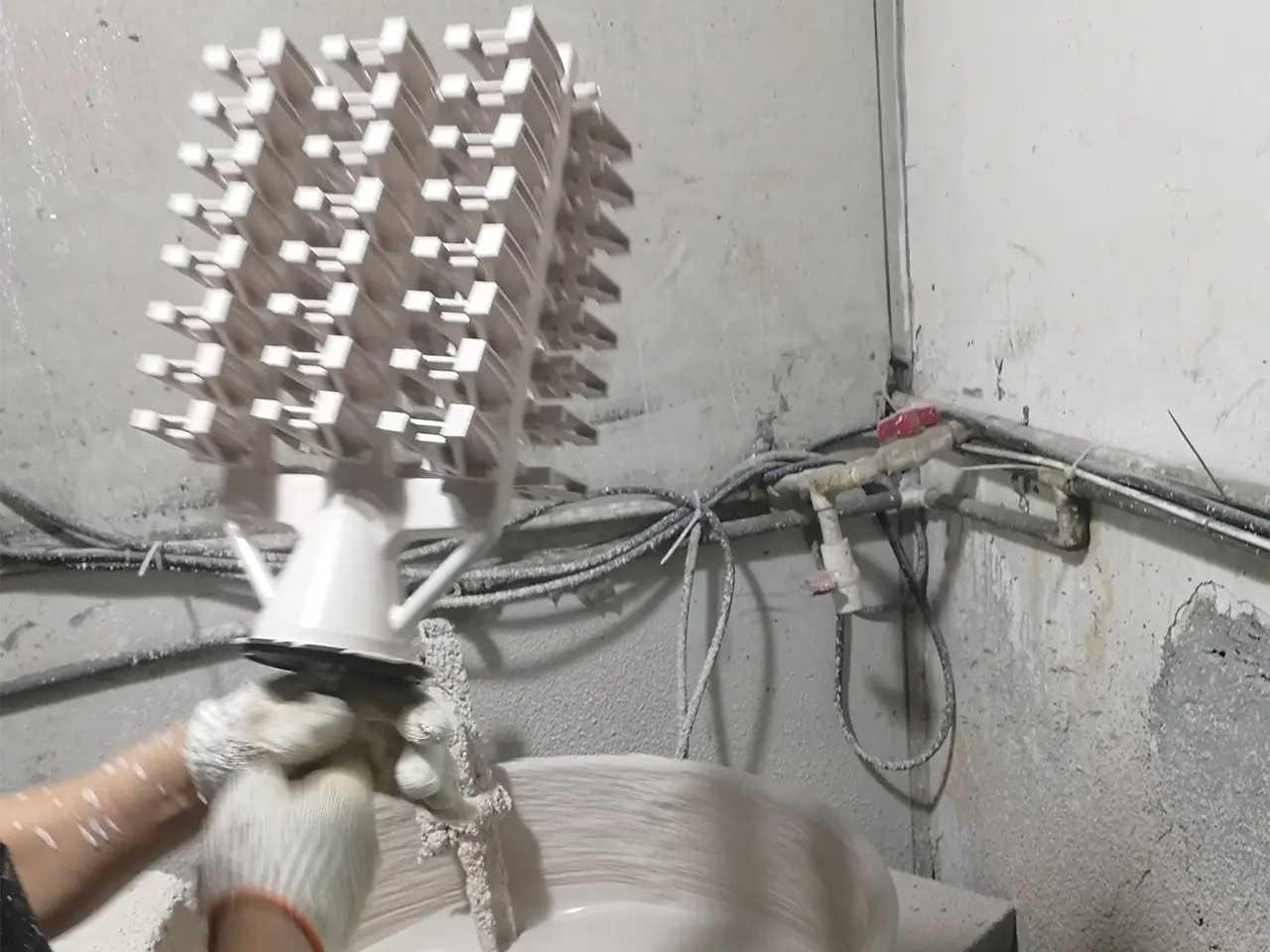
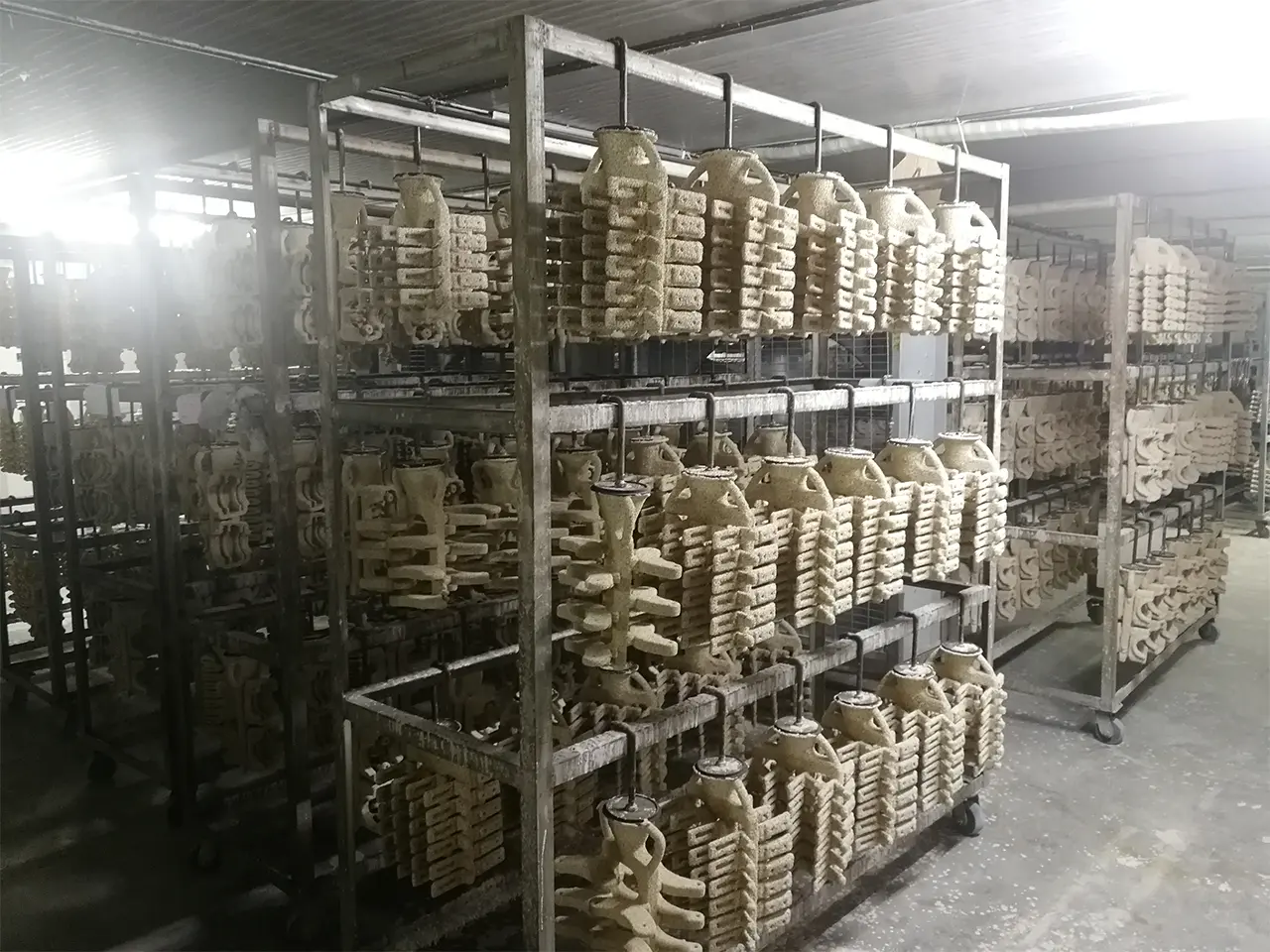
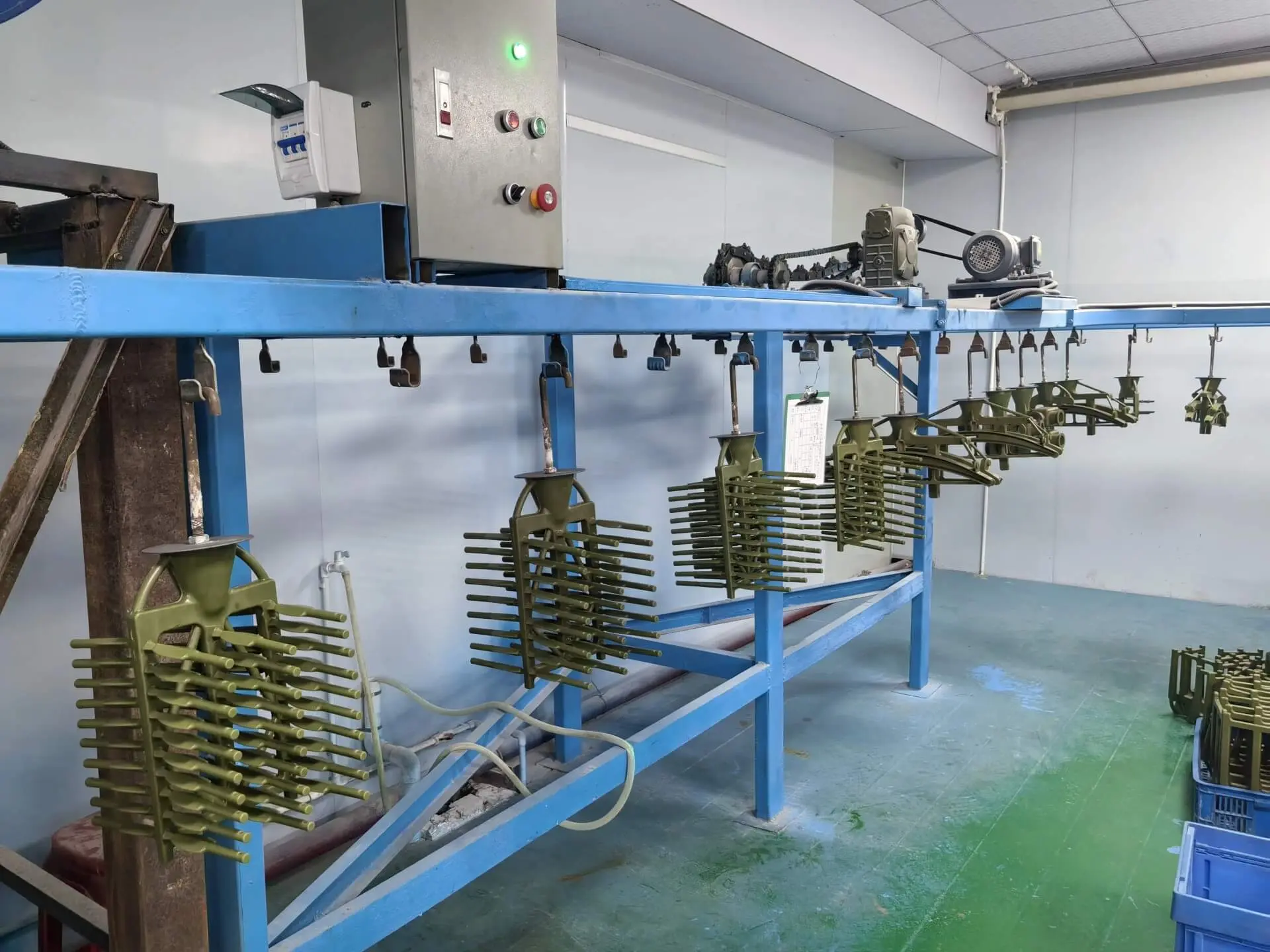
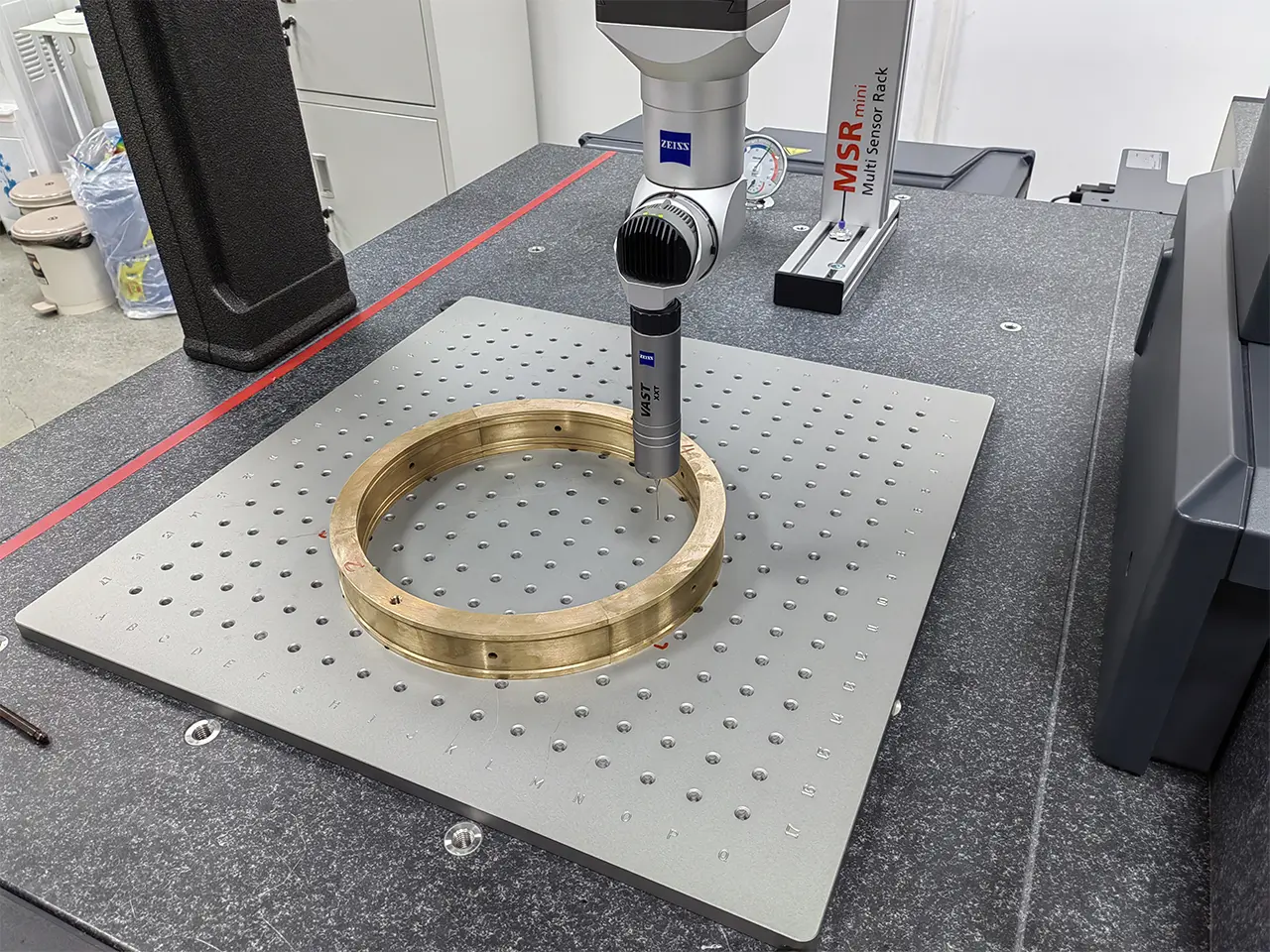
We have professional testing equipment and professional QC personnel, and we adhere to strict tolerances and quality standards for the products we produce. Due to our insistence on strict quality requirements, we have been praised by many customers. Quality is the cornerstone of the manufacturing industry. We firmly believe that only by controlling quality well can we survive, develop, and get better and better. Therefore, we have been working in this industry unremittingly since 2014 and continue to improve the company's team and improve the company's production capacity.
Explore our extensive range of custom OEM products designed to serve industrial, automotive, electrical, and marine applications.
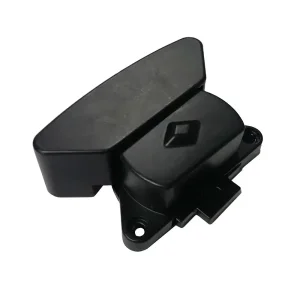
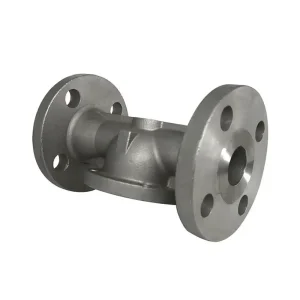
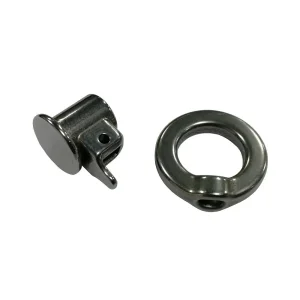
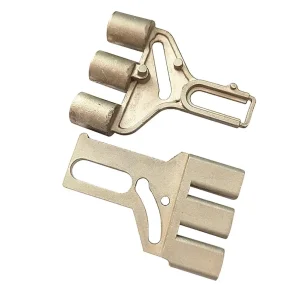
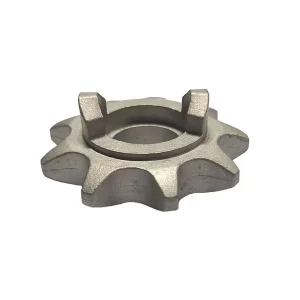
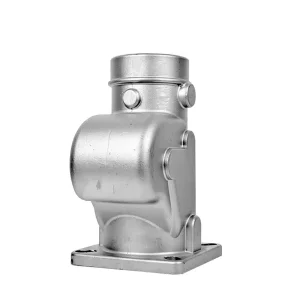
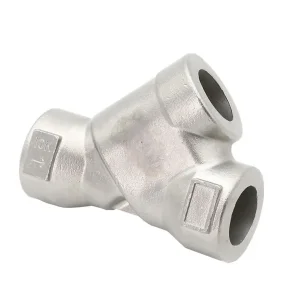
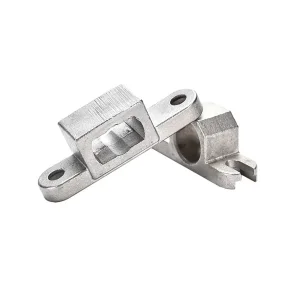
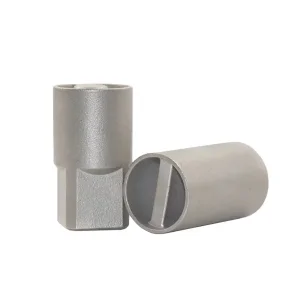
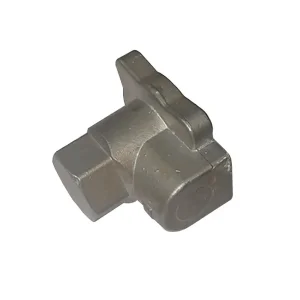
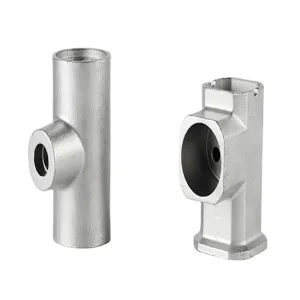
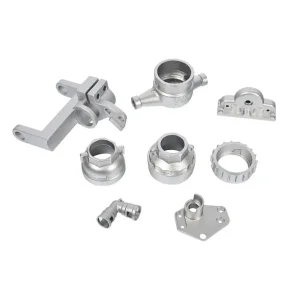
Minimizing supply chain risks and maximizing value from engineering analysis to final delivery at your facility.
When importing metal castings from China to Canada, navigating duties and logistics is critical. Cast iron and steel parts are classified under HS Code Heading 7325. We provide transparent documentation, including Commercial Invoices, Packing Lists, Certificates of Analysis (COA), and Certificates of Origin to ensure effortless clearance through the Canada Border Services Agency (CBSA).
We work with trusted logistics partners to offer flexible shipping options, including ocean freight to major ports such as the Port of Vancouver or Port of Montreal, followed by rail transport inland. For time-critical projects, we coordinate air freight options to Pearson International (YYZ) or Montreal-Trudeau (YUL).
Draft Verification & DFM Review: 3-5 Days
Tooling & Sample Production: 20-25 Days
Mass Production: 15-20 Days
Transit to Canada (Port-to-Port): 18-25 Days
Engineers in Canada typically design components according to ASTM (American Society for Testing and Materials) standards. Our production processes conform closely to these benchmarks:
Our engineering team performs a Design for Manufacturability (DFM) review on every drawing to detect potential casting challenges, such as sharp transitions and varying wall thicknesses, suggesting improvements before tool-making begins.
Answers to common questions regarding logistics, materials, engineering, and manufacturing capabilities.
Silica Sol casting utilizes high-grade silica slurry for building ceramic shells, providing superior dimensional stability, low surface roughness (Ra 3.2-6.3), and tight tolerances. It is highly recommended for stainless steel and complex parts. Water Glass casting is more economical but yields a rougher surface finish (Ra 12.5) and lower accuracy, making it suited only for simple carbon steel structures.
For castings deployed in cold Canadian climates, we control elements such as carbon and manganese, and utilize materials like ASTM A352 LCC. We carry out sub-zero Charpy V-notch impact testing down to -40°C or -46°C to confirm the casting will not experience brittle failure under load.
Yes. Combining investment casting and advanced CNC machining under one roof allows us to control the entire manufacturing process. We supply fully-machined castings finished to precise tolerances (down to ±0.005mm when required), along with services like surface plating, passivation, and pre-assembly.
Every shipment is accompanied by a full quality documentation package, including Material Test Reports (MTRs) certifying chemical composition (spectrometer analysis) and mechanical properties, dimensional inspection reports, heat treatment logs, and non-destructive testing reports if requested.
 SX Machining