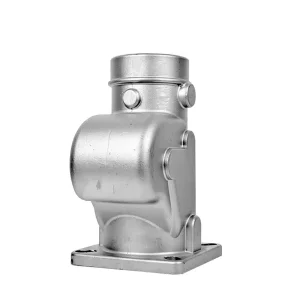
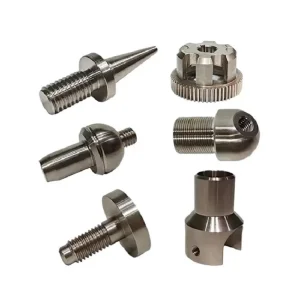
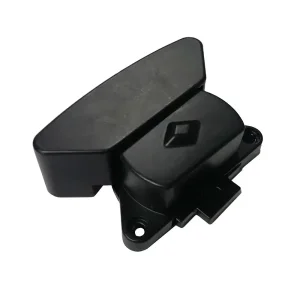
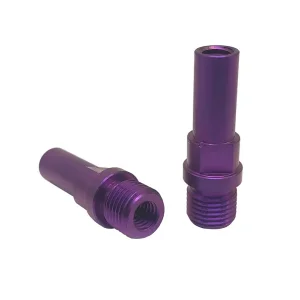
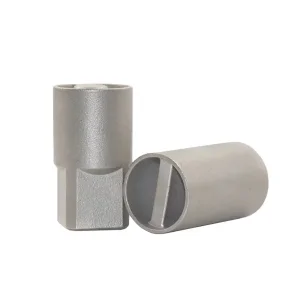
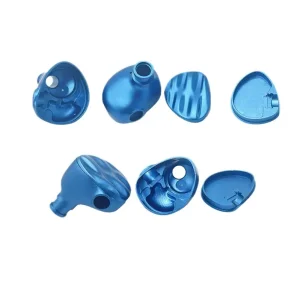
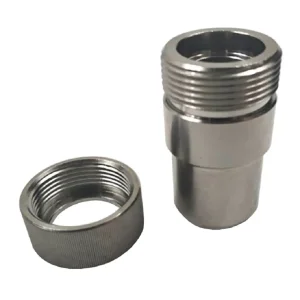
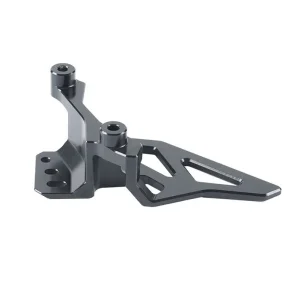
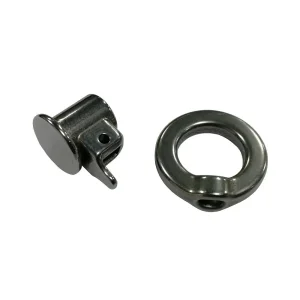
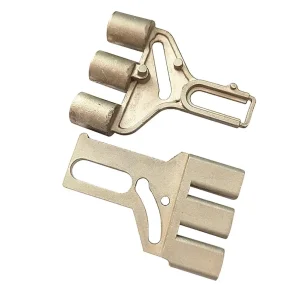
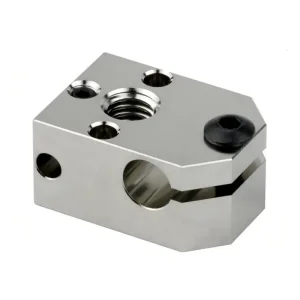
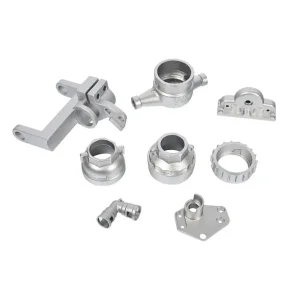
In modern high-performance manufacturing, the precision of final metal components is invariably dictated by the design, execution, and quality of the **investment casting tooling** used to create them. Often referred to as "lost-wax casting tooling," this discipline sits at the intersection of metallurgical engineering, geometric design, and state-of-the-art subtractive machining. As global supply chains demand components with lighter profiles, thinner walls, and tighter dimensional tolerances, investment casting has transitioned from a standard foundry method to a critical engineering enabler. The tooling phase, in particular, represents the foundation of this process, determining the dimensional stability, surface finish (Ra roughness parameters), and repeatability of thousands of downstream castings.
Historically, the tooling process relied on semi-manual mold production, which introduced variance and limited design freedom. Today, the tooling market has expanded dynamically, driven by key sectors such as aerospace propulsion, power generation, medical implants, high-end chemical processing, and electric vehicle (EV) automotive frames. By leveraging CAD-assisted flow simulations, high-speed multi-axis CNC milling, and advanced wear-resistant tool steels, global manufacturers can realize tooling sets that survive tens of thousands of cycles without compromising part integrity. Selecting a tooling supplier is no longer a procurement negotiation; it is a long-term strategic partnership that defines product margins, cycle times, and operational performance.
Utilizing high-end CAD/CAM programs and flow-dynamics simulations to preemptively locate shrinkage and gas porosity defects during tooling design.
Engineered soluble and ceramic core configurations designed to facilitate extremely complex internal geometries and negative-draft structures.
Employing premium tool steels (H13, P20, and specialized stainless formulations) to reduce degradation, wear, and thermal fatigue.
Dongguan SX Technology Co.,Ltd has built a robust reputation for rich experience in precision casting, CNC machining, and comprehensive secondary assembly. Our end-to-end solutions support clients in diverse global sectors including industrial machinery, automotive powertrains, marine equipment, ships, specialized valve systems, fluid-handling pumps, consumer electronic appliances, packaging equipment, horology, structural construction, and heavy chemical processing.
Our casting and machining processes are carefully paired. The primary materials processed for investment casting include high-grade stainless steels and carbon steels. For post-cast detailing and high-precision subtractive machining, our facilities leverage advanced CNC setups processing titanium alloys, stainless steel, carbon steel, aluminum alloys, copper alloys, and high-hardness cemented carbides.
By keeping advanced manufacturing equipment and innovative tooling technology under one roof, we guarantee rapid turnaround times, high process control, and customized configuration adaptations for any volume of production.
The investment casting tooling landscape is currently undergoing a structural transformation toward digitalization and sustainable manufacturing. Leading suppliers are implementing "Smart Tooling"—dies embedded with heat sensors, pressure transponders, and cycle-counters that upload live production data to cloud systems. This IoT-driven setup permits predictive maintenance scheduling, mitigating tool downtime and preventing out-of-tolerance wax models before they enter the slurry stage. Furthermore, additive manufacturing (AM) is becoming a major partner to traditional tooling methods, as 3D-printed wax patterns are increasingly used for low-volume runs and rapid prototyping, while hybrid tool steel-additive printing allows the inclusion of conformal cooling channels inside metal molds.
At the same time, the transition of critical industries toward lighter, stronger alloys like Grade 5 Titanium (Ti-6Al-4V) and superalloys has pushed tooling designs to support higher injection temperatures, complex slide mechanisms, and multi-cavity designs. Tooling is no longer designed as a static mold; it is a dynamic thermal heat exchanger designed to optimize the cooling cycle of the injected wax. By minimizing thermal variation, the mold achieves isotropic contraction in the wax pattern, directly translating into tight dimensional tolerances (such as ISO 8062-3 DCTG6 standards) on the final metal cast components.
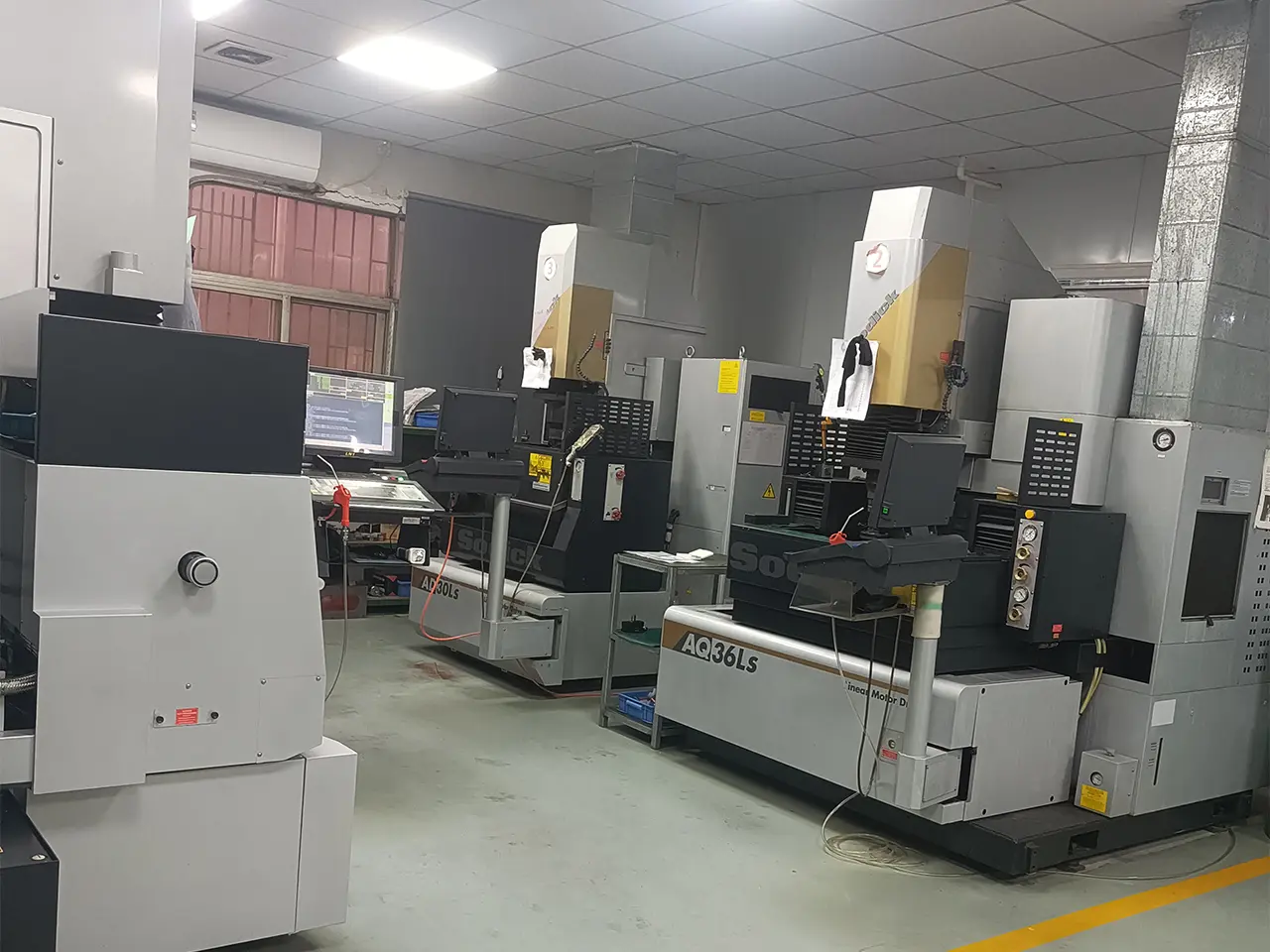
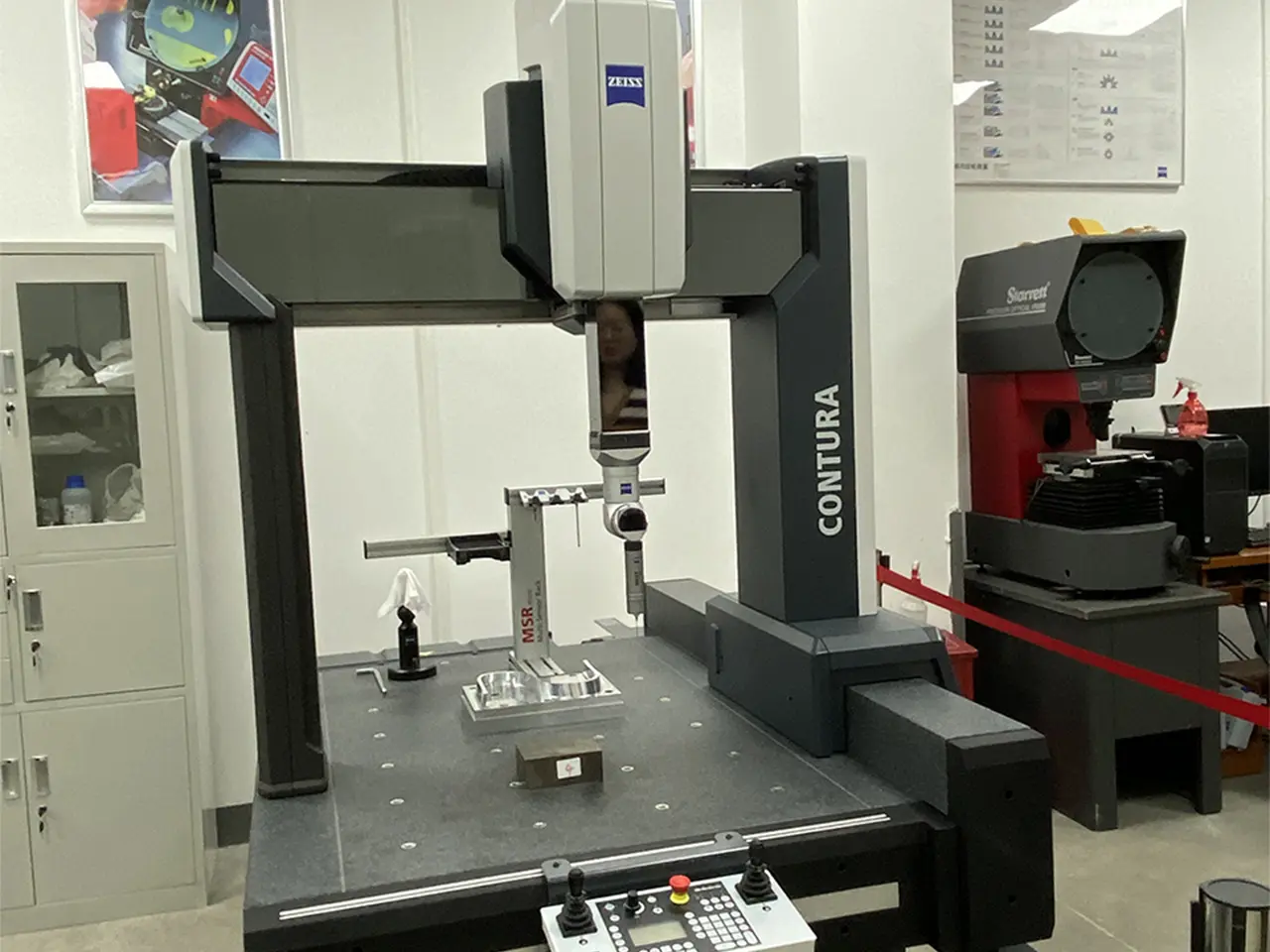
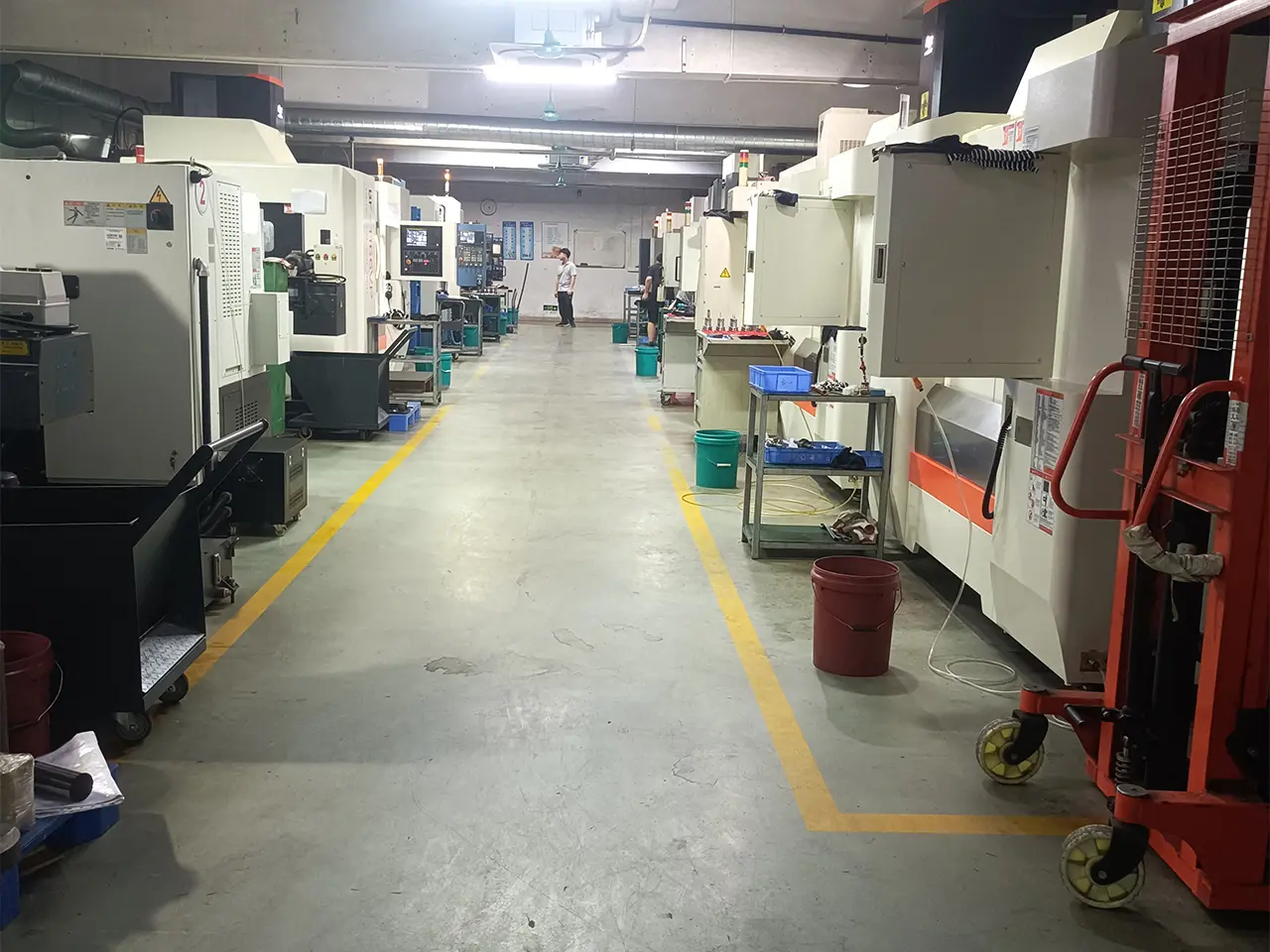
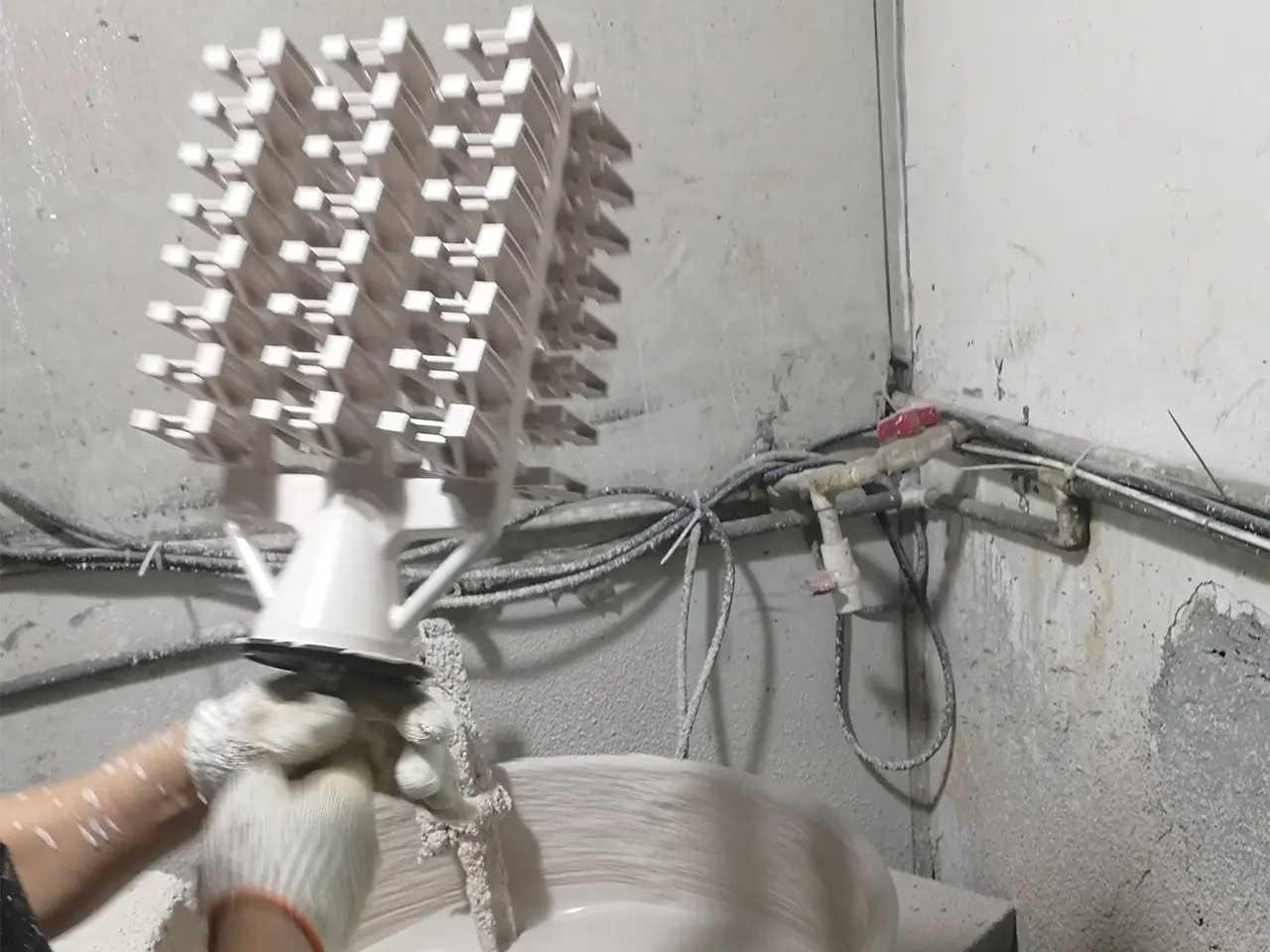
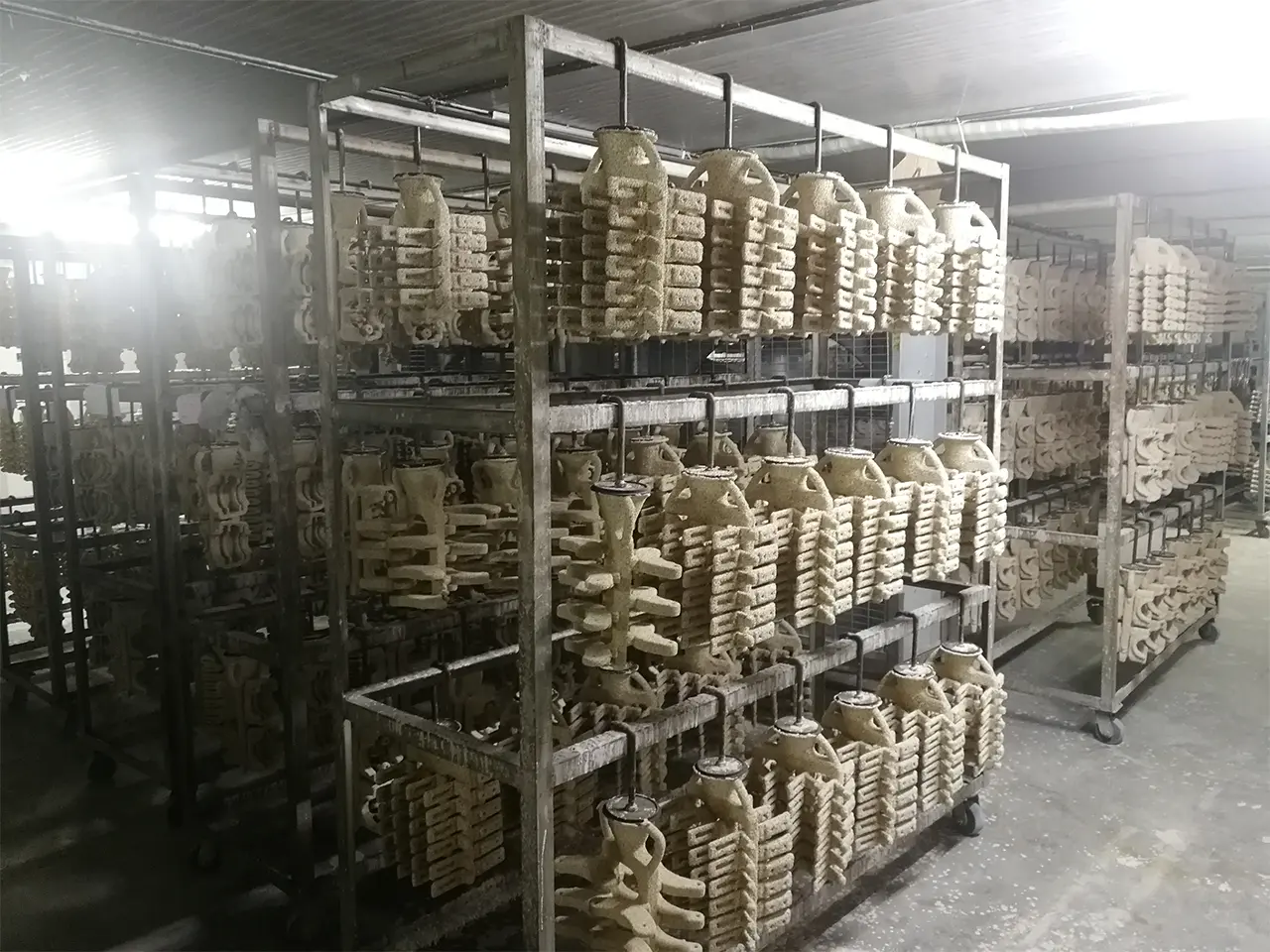
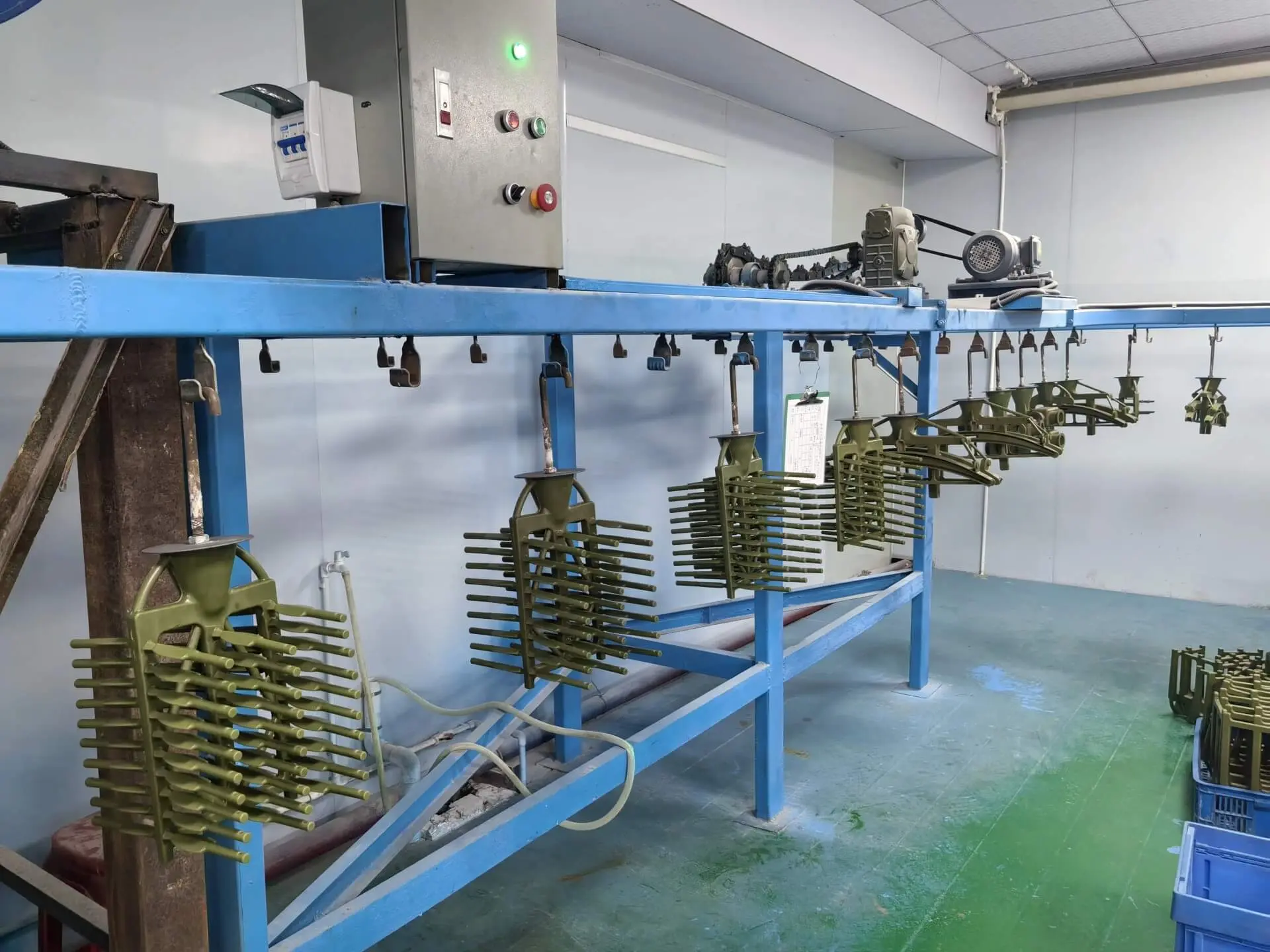
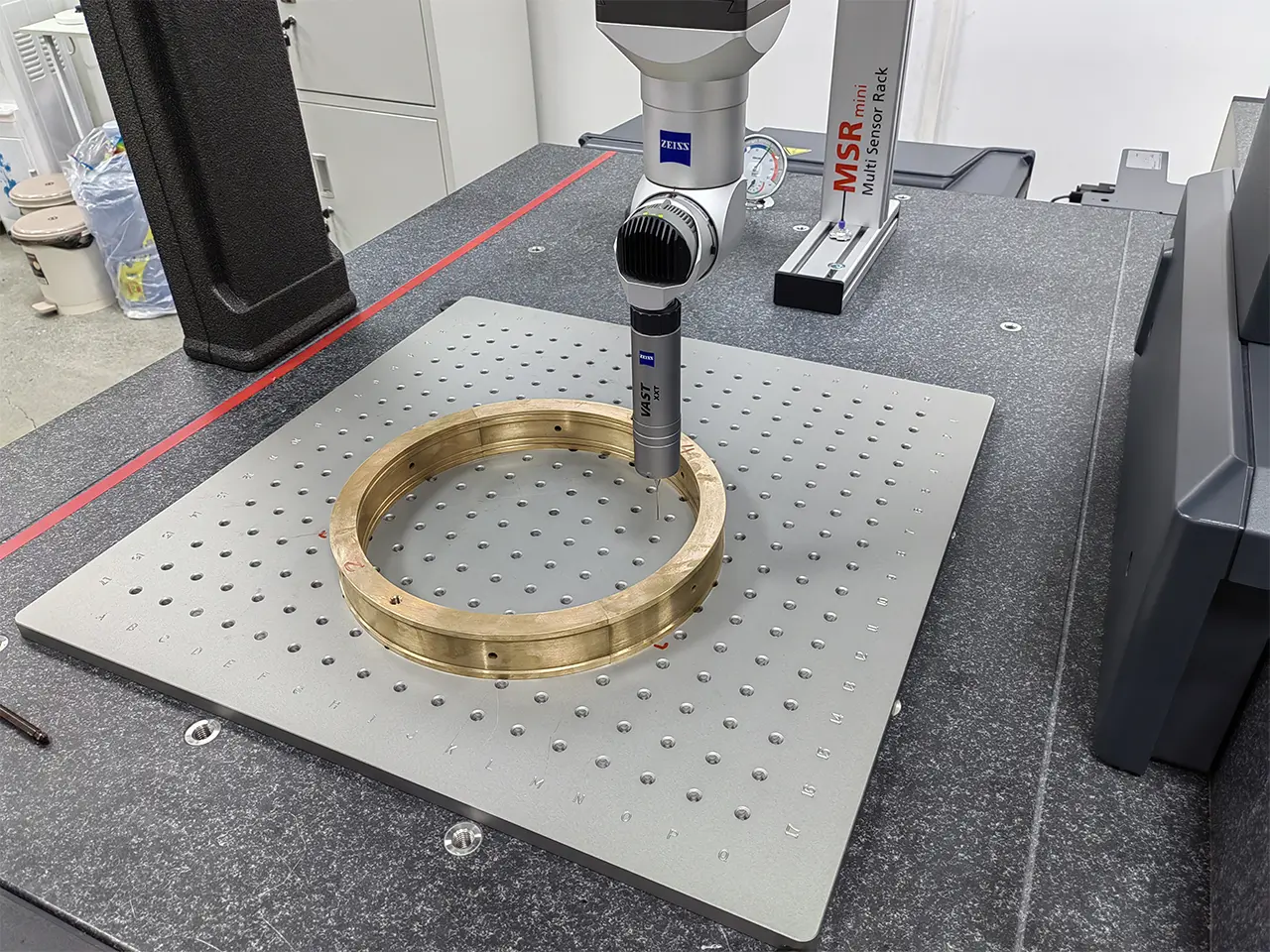
At Dongguan SX Technology Co.,Ltd, we maintain professional testing equipment and expert QC personnel, executing strict tolerances and quality standards for all manufactured products. Thanks to our insistence on strict quality criteria, we have earned consistent praise from international customers.
Quality is the fundamental cornerstone of the manufacturing industry. We firmly believe that only by controlling quality well can we survive, develop, and continue to grow. Therefore, we have been working in this industry unremittingly since 2014, continuing to improve our engineering team and systematically expand our manufacturing capacity.
Our internal testing laboratory is equipped with high-precision instruments including Coordinate Measuring Machines (CMM), optical spectrometers for exact chemical alloy composition analysis, surface roughness testers, ultrasonic wall-thickness gauges, and tensile testing setups. Every batch of castings undergoes thorough inspection, from raw material validation to final dimensional confirmation post-machining.
Investment casting and tooling requirements vary greatly across different industrial segments. By applying tailored engineering practices, we provide localized, industry-specific solutions that address specific operational challenges:
Designing tooling for highly complex impellers, propellers, and marine piping valves using super-duplex stainless steels to resist pitting and crevice corrosion in marine salt-spray conditions.
Optimizing automotive structural castings and turbochargers with tooling systems that allow thin-walled geometries, helping automotive suppliers achieve light-weighting goals without sacrificing structural integrity.
Processing orthopedic implants and medical devices with biocompatible materials. Our CNC setups and investment tooling conform to stringent sanitary tolerances and high surface finish expectations.
In addition to heavy industry, we provide solutions for targeted commercial sectors, such as outdoor sports. Our CNC turning division manufactures high-end titanium alloy screws specifically configured for mountain bike modifications, where reducing weight while maintaining shear strength is critical. By balancing precision tooling, modern casting, and high-speed CNC milling, we deliver high performance across all customer applications.
The service life of tooling depends on the selected mold material (such as Alumium, P20, or H13 tool steel), the chemistry of the injected wax (filled vs. unfilled waxes), and operational cycle times. High-hardness tool steels like H13 can support over 100,000 wax injections before requiring refurbishment, whereas aluminum tools are typically limited to shorter runs (5,000 to 15,000 runs) due to lower abrasive resistance.
We maintain dimensional repeatability by controlling temperatures during the wax injection phase and using CNC-machined steel tooling. Post-cast, parts are machined using precision CNC milling and turning setups to hold final tolerances as close as ±0.005mm, satisfying both structural casting and assembly requirements.
Yes. While our investment casting primarily handles stainless steel and carbon steel, our CNC machining facility regularly processes titanium alloys, aluminum alloys, copper alloys, and high-hardness cemented carbides for complex component modifications and non-standard parts.
For marine and chemical products, we perform chemical analysis using optical emission spectrometers to check chromium, nickel, and molybdenum content for corrosion resistance. Additionally, we conduct pressure testing for valves and pumps, ultrasonic inspection for internal defects, and CMM checks for dimension verification.
Typical tooling design and fabrication takes 2 to 4 weeks depending on mold complexity and the number of cavities. Sample wax testing and initial casting approvals take another 1 to 2 weeks. Production runs can then proceed quickly with regular shipments schedules designed to fit customer timeline requirements.
 SX Machining