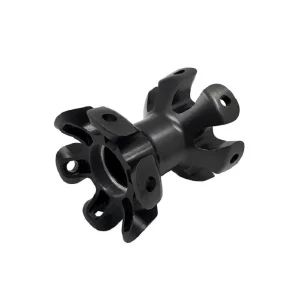
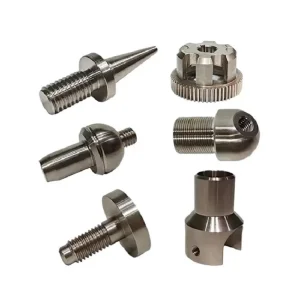
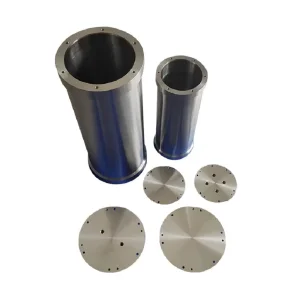
Explore our premium metal manufacturing portfolio. These precision-engineered components represent our core casting and high-tolerance CNC machining capabilities, customized for critical sectors.
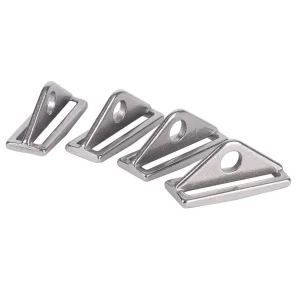
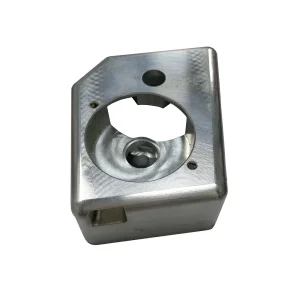
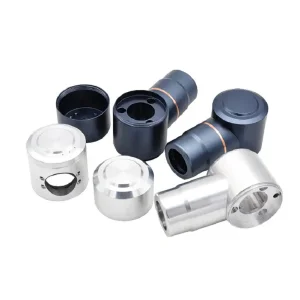
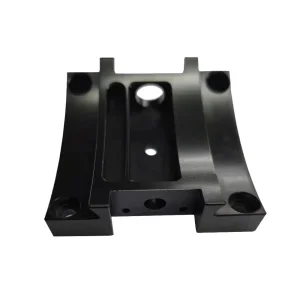
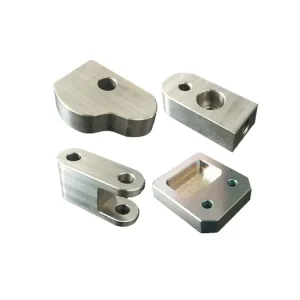
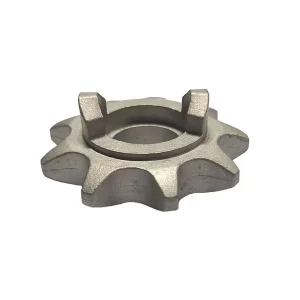
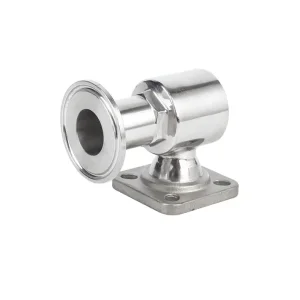
In the modern manufacturing sector, stainless steel casting stands as a foundation for producing components required to endure hostile, load-bearing, or highly corrosive environments. Key global markets, including North America, Western Europe, and East Asia, show a continuous increase in demand for premium alloys processed via lost wax investment casting. This manufacturing method offers significant advantages, including near-net-shape geometry, reduced secondary machining requirements, and excellent surface finishes (commonly between Ra 3.2 and 6.3 μm).
As global supply chains shift toward localized assembly coupled with centralized primary fabrication, selecting an experienced offshore casting partner has become a key strategic move. The global market requires not only high-purity metallurgical structures but also rapid lead times, compliant quality verification (such as ISO 9001 and IATF 16949), and advanced multi-axis CNC finishing. For structural components used in subsea oil recovery, aerospace hydraulic lines, and sanitary valves in food processing, precision casting serves as an essential technology.
Google’s E-E-A-T principles underscore the importance of verified expertise in critical technical fields. In manufacturing, these qualifications are demonstrated through strict quality control, verified material traceability, and years of successful production.
Operating since 2014, Dongguan SX Technology Co.,Ltd (Shixin) has developed deep technical expertise in precision casting, CNC machining, and mechanical assembly. This decade-long history allows us to identify potential casting defects during the initial design phase, optimizing layouts before mold fabrication begins.
Our production capabilities cover a broad range of high-performance alloys. For investment casting, we utilize premium stainless steel grades (such as AISI 304, 316, 316L, 17-4 PH, and duplex steels) and carbon steels. For complementary CNC machining, our materials portfolio includes titanium alloys (Gr2, Gr5), aluminum alloys, copper alloys, and cemented carbides.
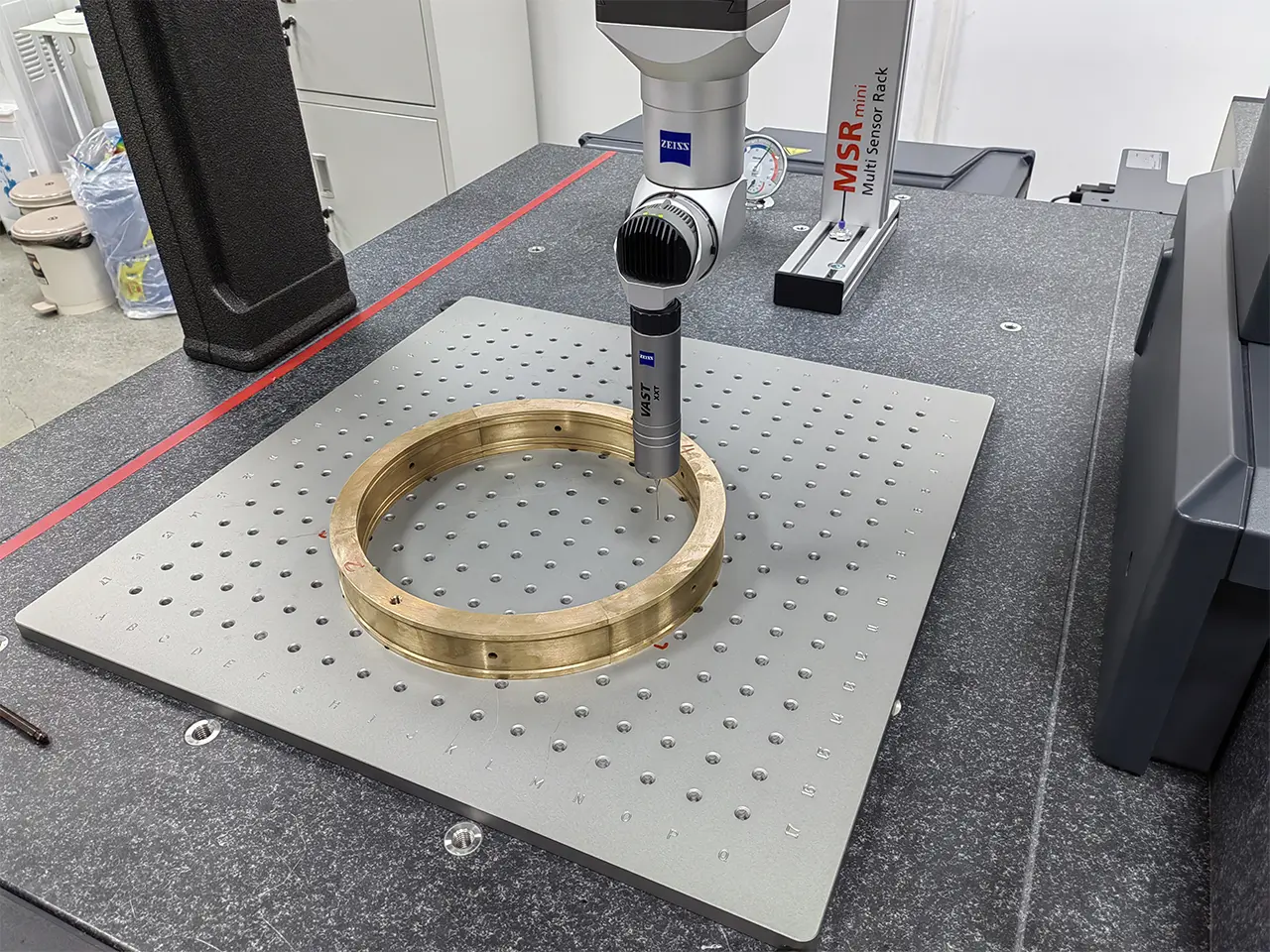
Trust in global manufacturing is built on physical inspection data. Every batch processed at Dongguan SX Technology undergoes spectrometer verification to confirm chemical composition, along with dimensional reporting using coordinate measuring machines (CMM) to verify tight design tolerances.
Our manufacturing facilities combine advanced equipment with strict quality standards to ensure high reliability across all production runs.
Global supply chain managers face the continuous challenge of reducing lead times while maintaining quality standards. Chinese factories, particularly those located in manufacturing hubs like Dongguan, Guangdong, have addressed these requirements by co-locating the casting foundry, tooling workshop, and CNC machining facility within a single operational zone.
In many Western manufacturing hubs, castings are produced by one supplier and then shipped to a separate machine shop for final processing. This split workflow introduces potential issues: responsibilities for defects can become unclear, transit times are extended, and dimensional referencing errors can accumulate.
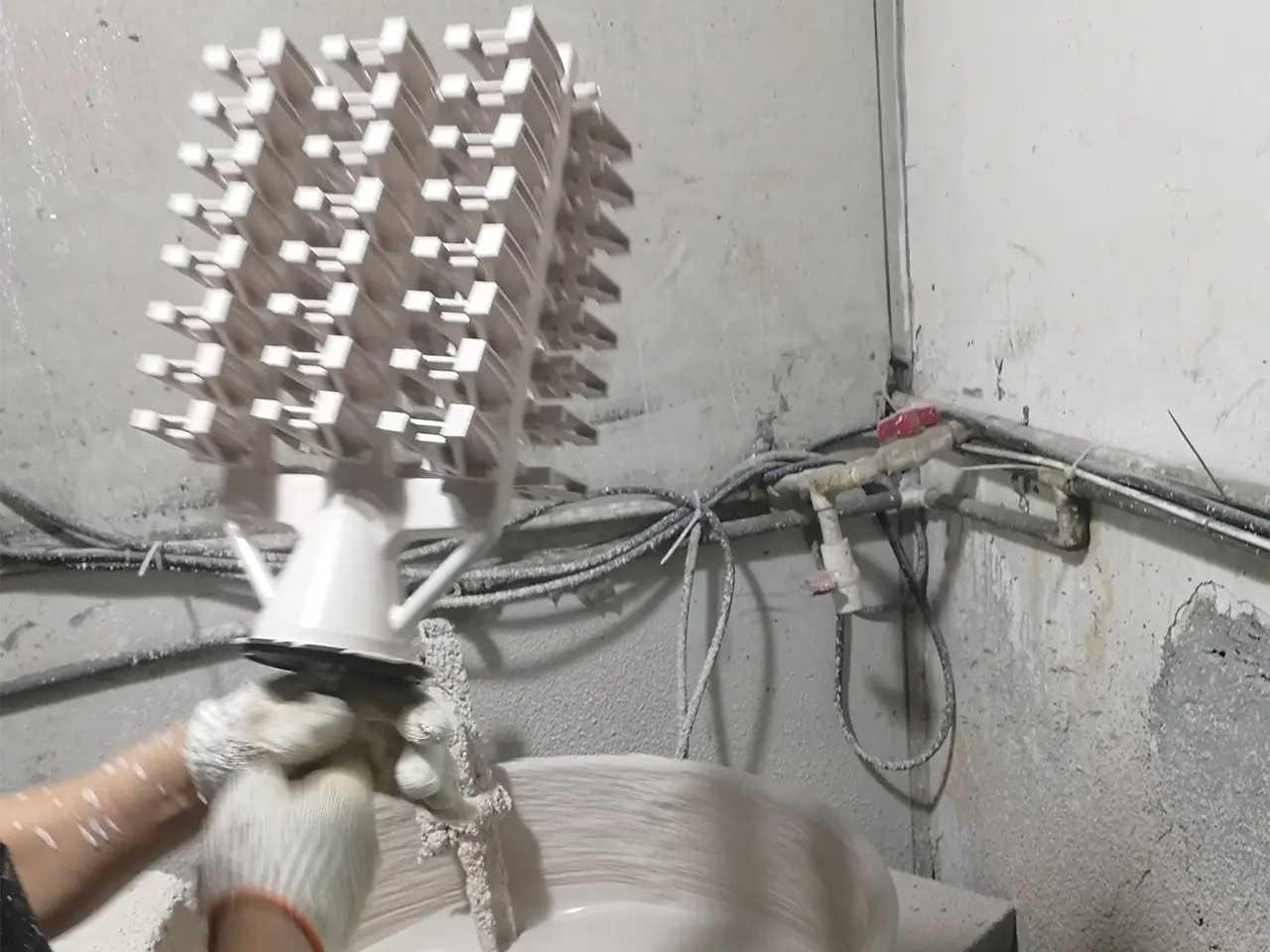
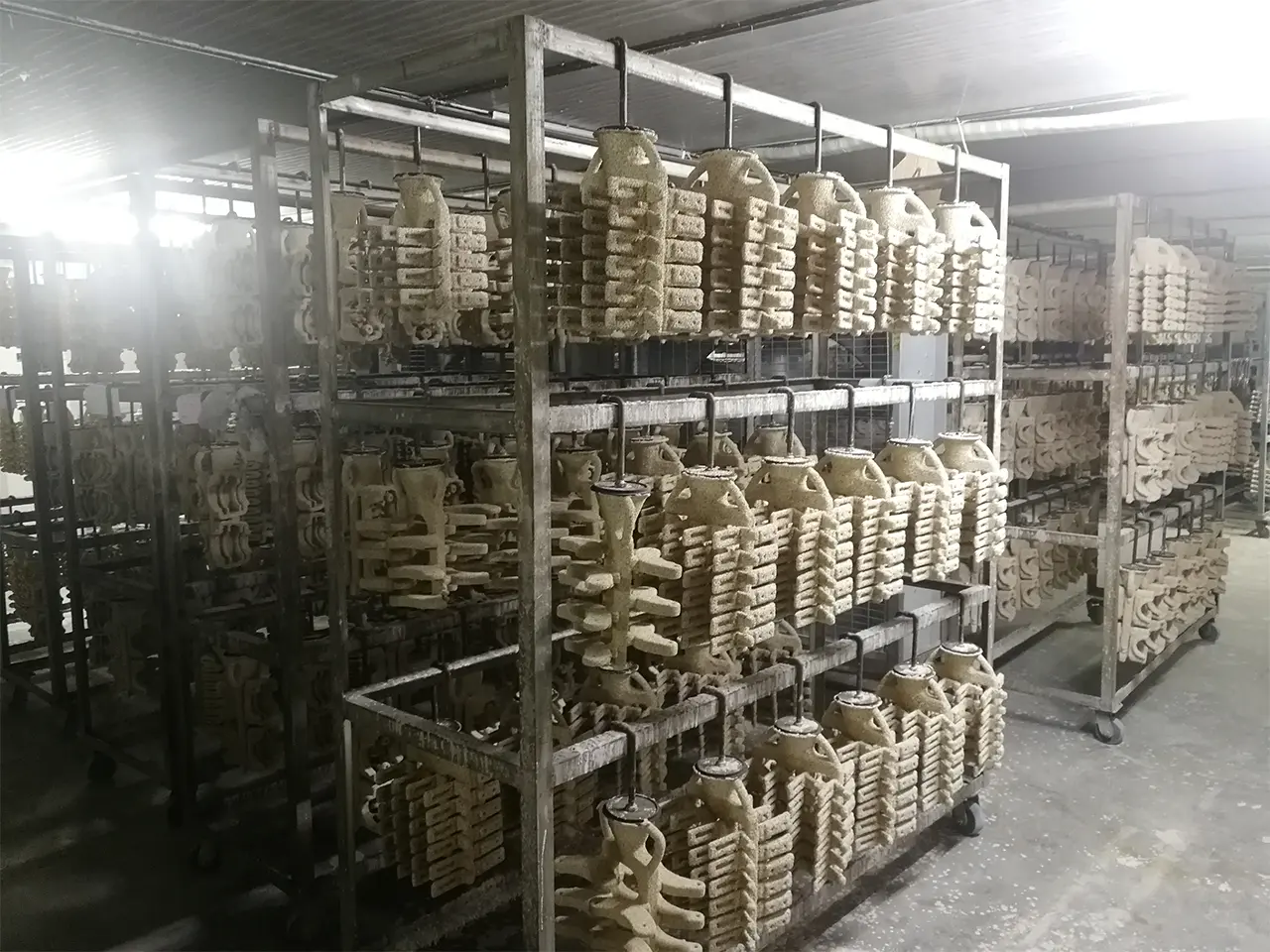
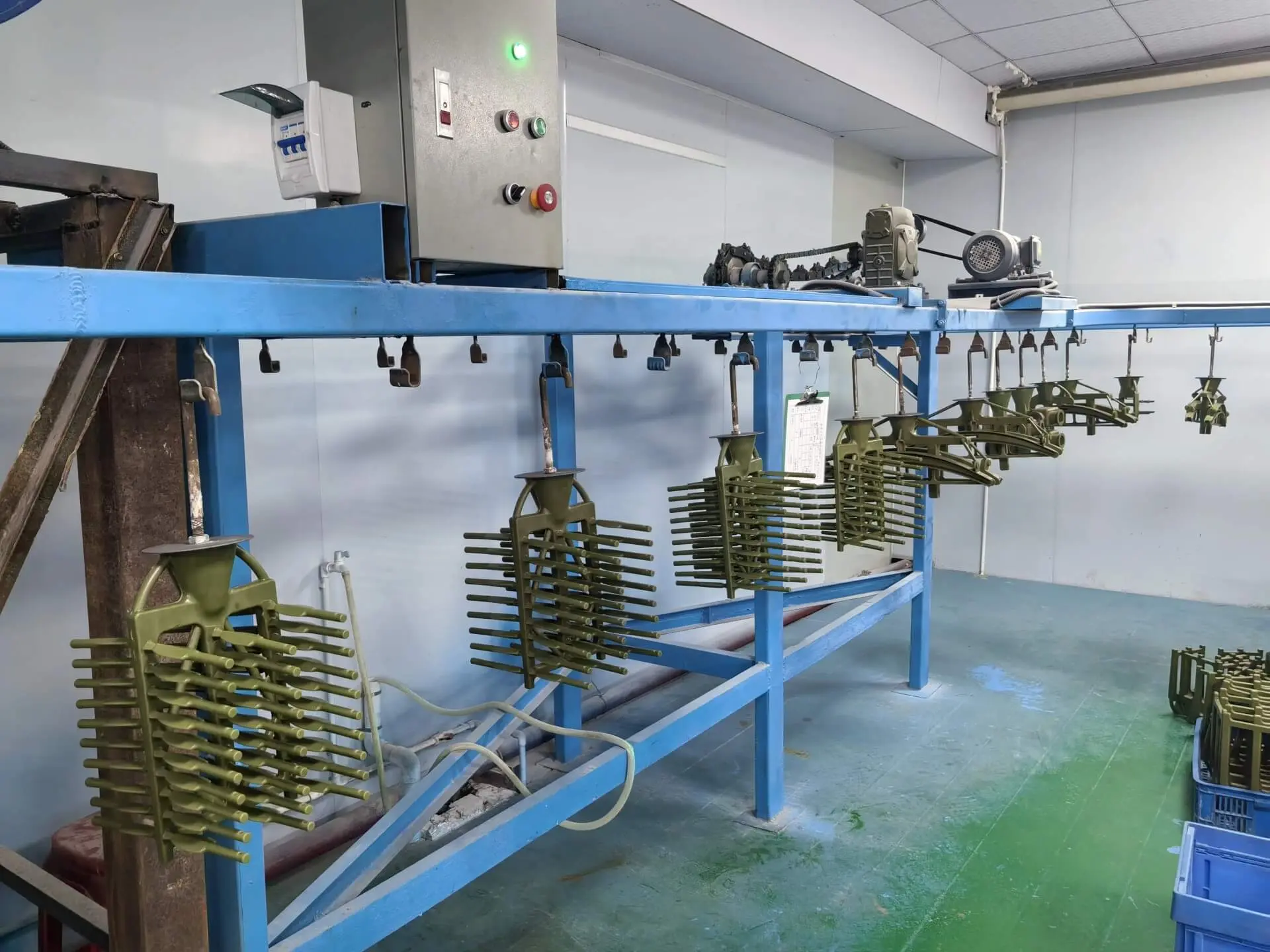
By contrast, integrated manufacturers like Dongguan SX Technology manage the complete process cycle. From mold design, wax injection, and shell building, to high-precision CNC turning, milling, and assembly, every step is executed on-site. This unified production line simplifies communication, streamlines quality control, and shortens project lead times.
The quality of a cast part depends directly on the quality of its tooling. Our in-house tooling division utilizes high-precision CNC milling to produce high-durability aluminum molds for wax injection. By controlling the mold-making process directly, we can accommodate complex internal geometries, undercuts, and thin-walled features that other manufacturers may find difficult to produce.
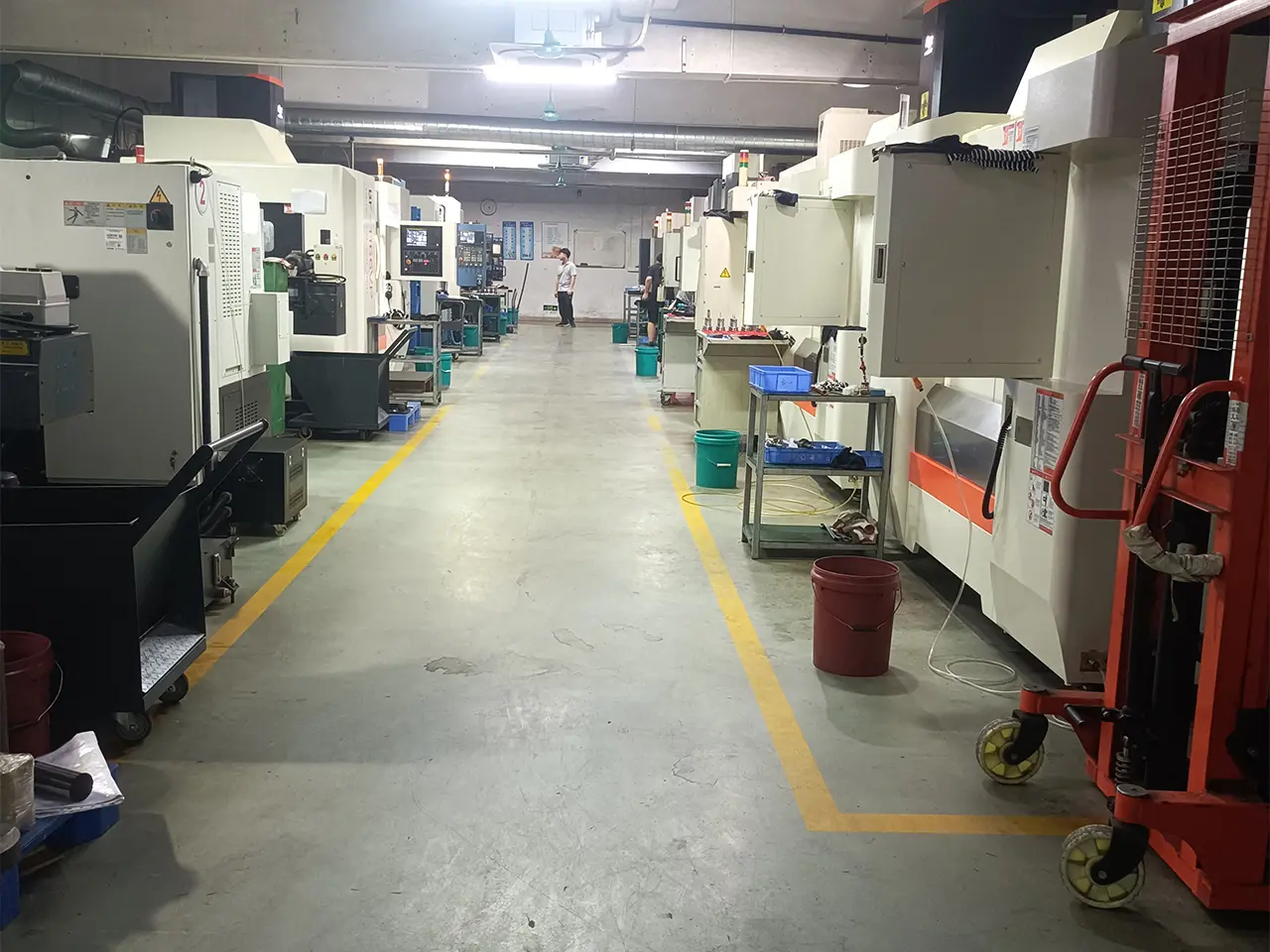
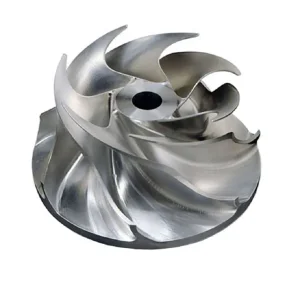
Our machining department features modern multi-axis CNC machining centers, 5-axis impellor milling equipment, and Swiss-style CNC turn-mill composite centers.
This machinery allows us to post-machine castings with high precision, easily achieving dimensional tolerances down to ±0.005mm. This capability is essential for components requiring highly accurate seating or mating surfaces, such as valve housings, automotive gearboxes, and deep-sea pressure vessels.
Take a look inside our specialized manufacturing facilities. We operate a modern factory floor equipped with advanced casting systems, high-speed multi-axis CNC machines, and calibrated testing instruments.
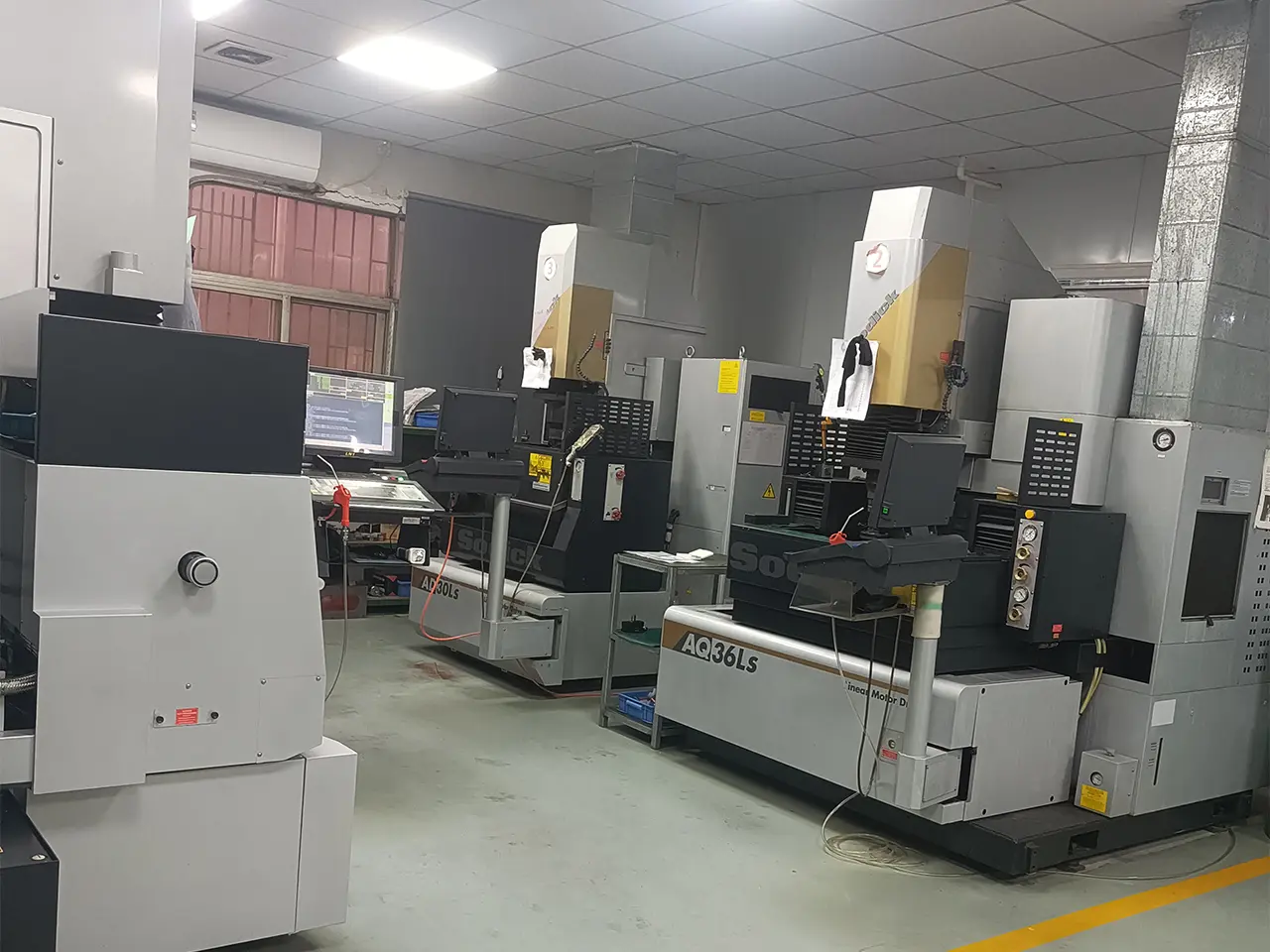
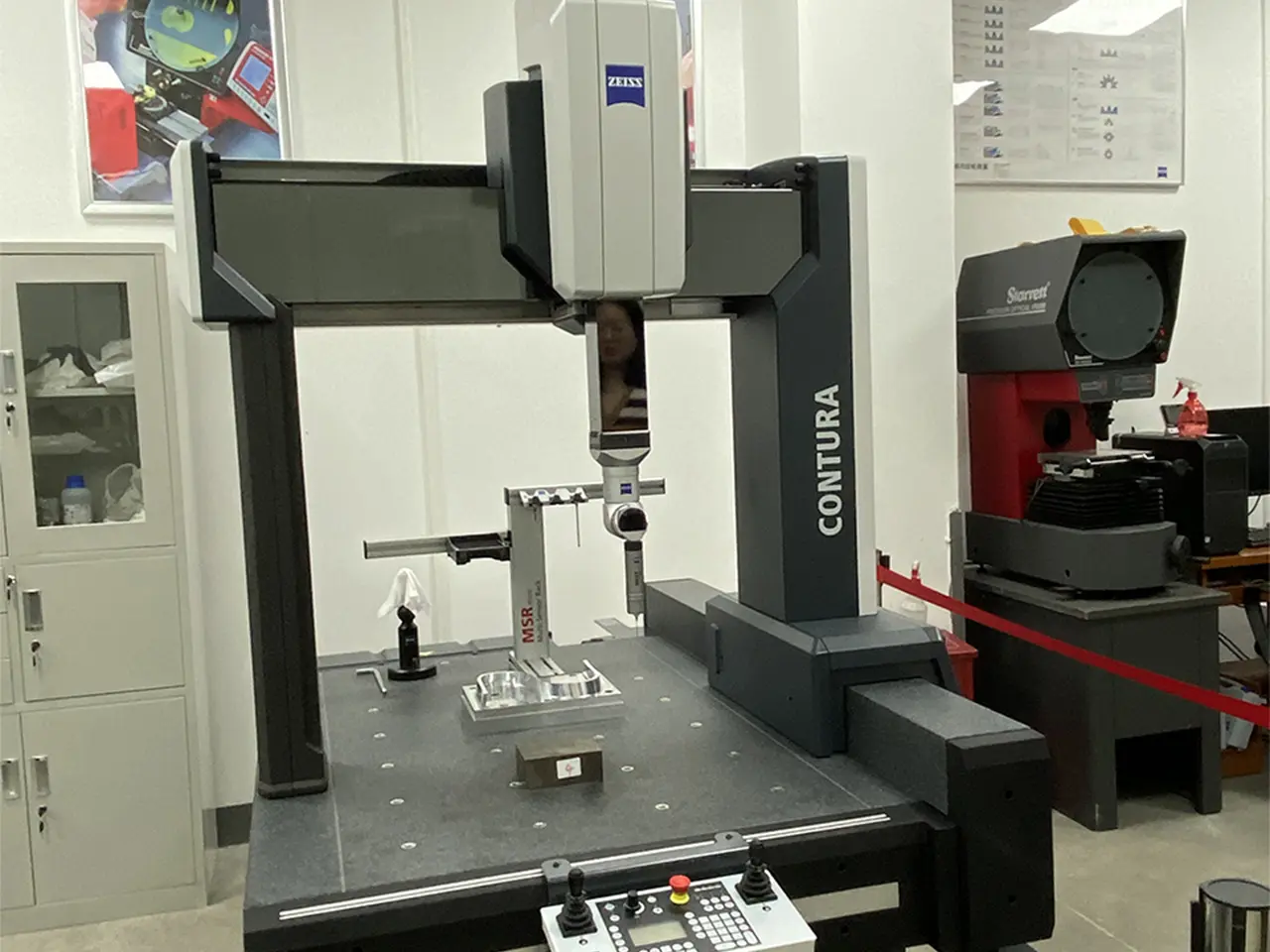
At Dongguan SX Technology Co.,Ltd, quality is the cornerstone of our manufacturing processes. We employ dedicated quality control inspectors and maintain a temperature-controlled inspection laboratory. By using calibrated, modern testing equipment, we ensure that every shipped component conforms to the requested customer drawings and material specifications.
Our inspection processes include:
Because of our strict quality controls, our products are regularly chosen by demanding industries, including medical device manufacturing, subsea equipment development, and aerospace engineering.
Modern industrial applications require specialized metallurgical performance. Below is an overview of how stainless steel casting and multi-axis CNC machining are applied across key high-performance sectors:
Components operating in marine environments are subject to chloride-induced pitting and crevice corrosion. We cast and machine valve bodies, pump impellers, and deep-sea exploration parts from high-purity Grade 316 (CF8M) and Duplex stainless steels. These materials form a stable passive oxide layer that resists aggressive saltwater degradation.
The automotive sector relies on investment castings for turbocharger housings, exhaust system brackets, and high-strength suspension joints. By utilizing thin-walled casting techniques, we help manufacturers reduce overall component weight without sacrificing structural strength, supporting improved vehicle efficiency.
Chemical processing plants and food production lines depend on pressure-containing valve housings, manifolds, and piping couplings. Our silica sol investment casting process produces components with smooth internal surfaces, minimizing pressure drop and preventing material buildup in fluid channels.
The casting industry continues to evolve through the integration of digital technologies. Computer-aided engineering (CAE) solidification modeling allows us to simulate the pouring process virtually, identifying potential hot spots, shrinkage issues, and air pocket risks before cutting any metal.
Additionally, combining 3D-printed sand or wax patterns with traditional investment casting processes has shortened prototyping lead times from weeks to days. These hybrid manufacturing techniques enable OEMs to iterate designs rapidly before committing to high-volume production tooling.
When evaluating suppliers for critical castings, procurement managers must look beyond unit price. Total cost of ownership (TCO) is influenced by raw material quality, tooling life, scrap rates, and international shipping logistics.
Dongguan SX Technology Co.,Ltd offers comprehensive metallurgical and manufacturing support. Our team helps optimize CAD files, suggest modifications to reduce weight or improve castability, and selects appropriate alloy formulations to meet your application requirements.
Technical guidance for design engineers and procurement professionals seeking to optimize cast and machined components.
Silica sol investment casting typically produces a surface roughness of Ra 3.2 to 6.3 μm (125 to 250 micro-inches). This is significantly smoother than water glass casting or traditional sand casting. For areas requiring tighter surface finishes, such as bearing journals or gasket faces, secondary CNC grinding or milling is performed to achieve values down to Ra 0.4 to 0.8 μm.
Grade 316 stainless steel contains 2.0% to 3.0% molybdenum, which is absent in Grade 304. Molybdenum improves resistance to chloride-induced pitting and crevice corrosion. For components exposed to seawater, de-icing salts, or chemical process acids, using Grade 316 prevents premature fatigue cracking and extends component service life.
We use computer-aided solidification analysis to optimize the positioning of runners, gates, and risers, ensuring uniform cooling. During melting, we monitor degassing and slag-removal cycles, and verify chemical composition using an optical emission spectrometer. For critical components, non-destructive testing (such as ultrasonic or radiographic examination) is used to verify internal sound quality.
For post-casting CNC machining, our high-precision milling and turning centers can regularly maintain tolerances of ±0.005mm. Unmachined cast dimensions generally follow the standard linear tolerances defined by ISO 8062-3, typically DCTG Grade 7 to 9.
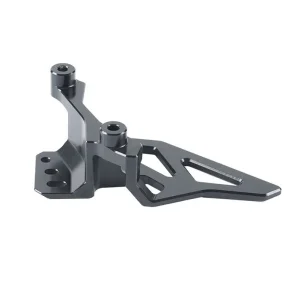
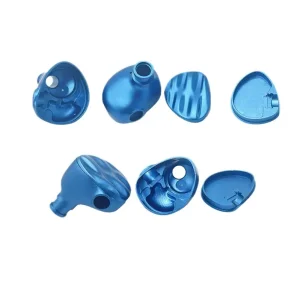
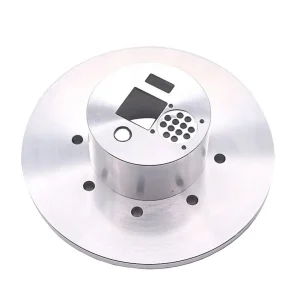
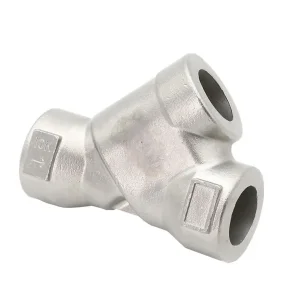
Explore our specialized range of high-tolerance CNC turned, milled, and custom-cast alloy components, built for marine exploration, automotive systems, and advanced assemblies.
 SX Machining